 6 tours

Africa Safari: 52 guided trips in 8 countries
Safari holidays in 8 African countries between the Serengeti and the Cape: lodge, camping or overland, guided in small groups since 1999. Choose by country, date and travel style.
Our Philosophy
Africa vacation with safari: eight countries, one continent, 56 ways in
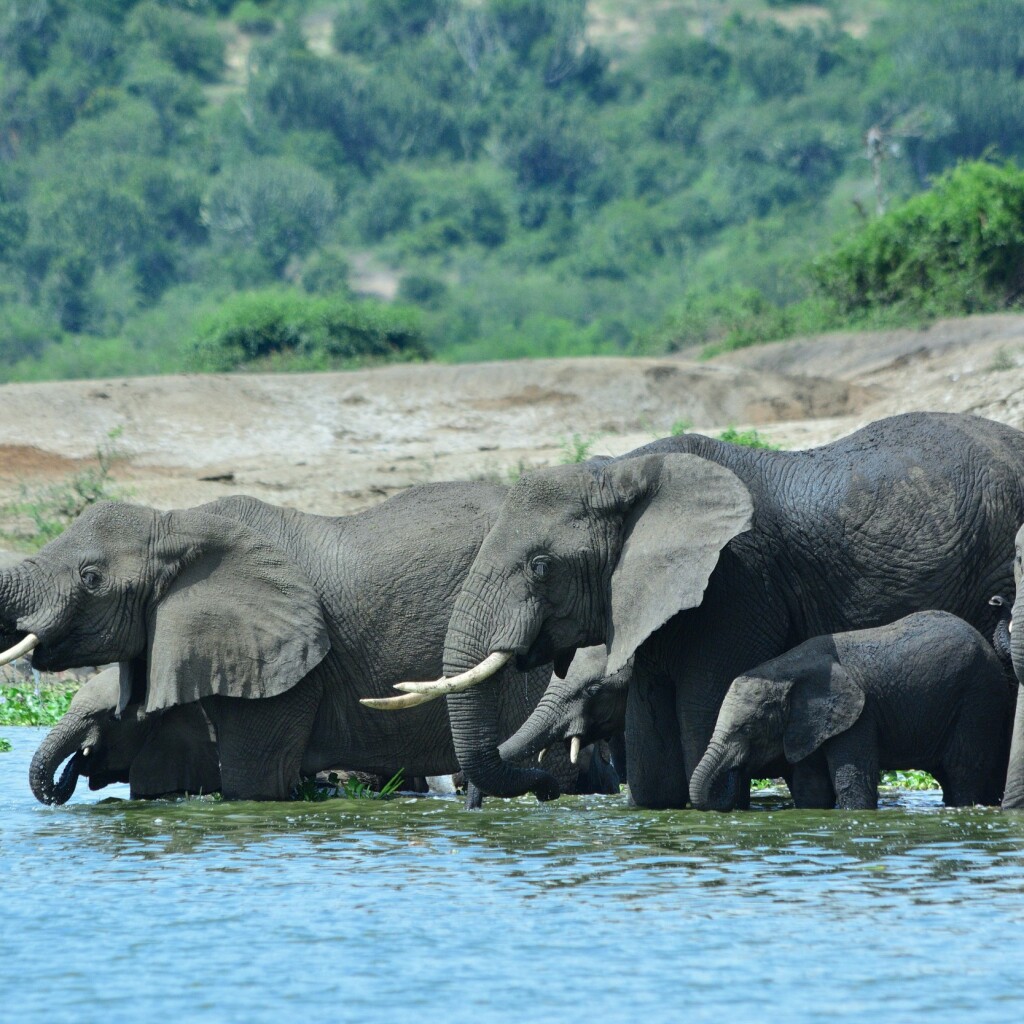
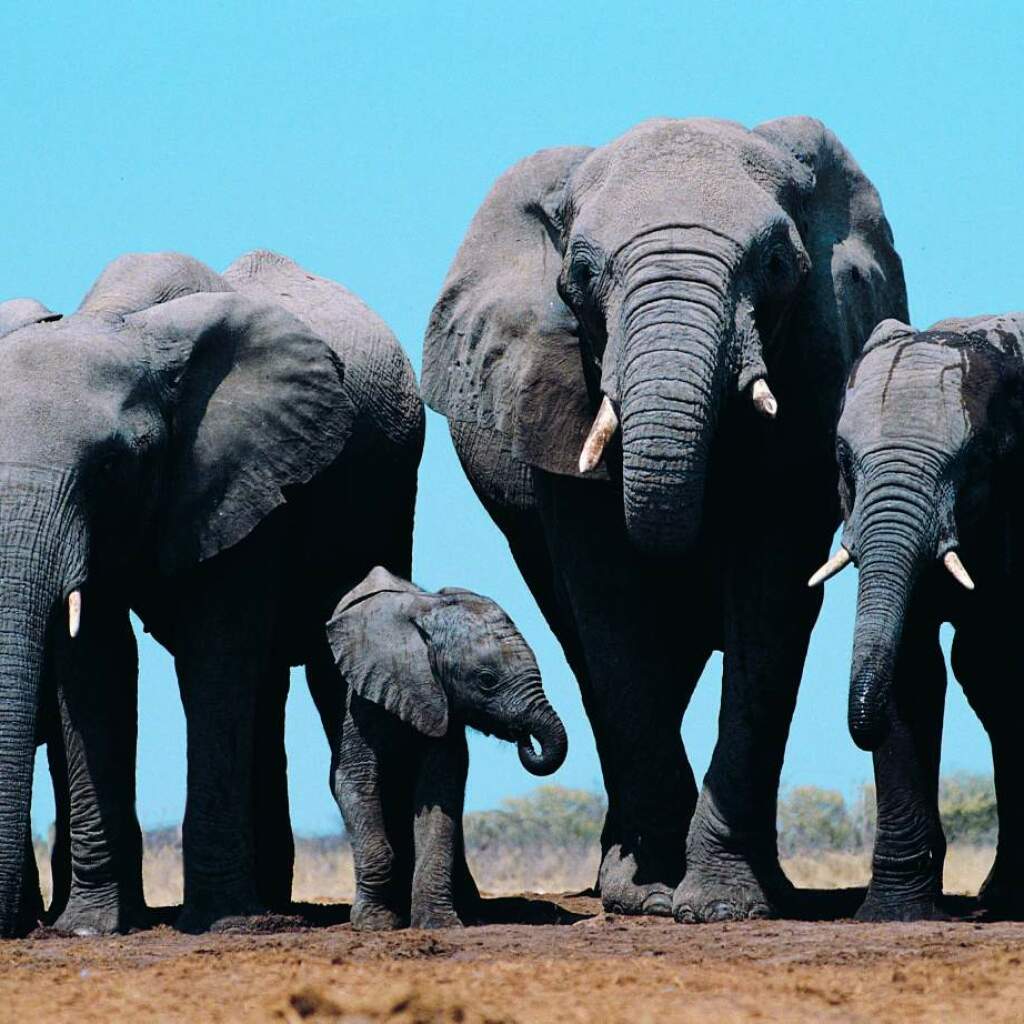
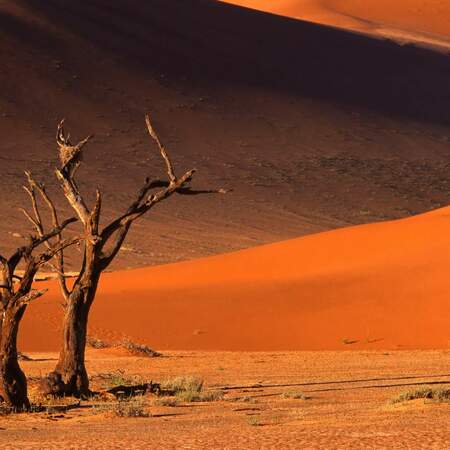
Africa trips begin for most with an image: elephants in Chobe, the wildebeest herds of the Serengeti, the red dunes of Sossusvlei. An Africa safari holiday with us starts right there. 56 trips lead through 8 countries, from Tanzania and Kenya in the east to Namibia, Botswana and South Africa in the south. You travel in a group of 4 to 24 guests, with a guide who has been driving the parks for years, and with 255 fixed dates in the coming months.
The trips last between 4 and 57 days, most of them 7 to 14. You choose the style: lodge with a fixed bed, camping with a campfire, or an overland truck across the continent. The price starts at €869, the average from 70 reviews is 4.8 out of 5. Every safari tour in Africa can also be run on request as a private Africa trip, with your group only and on your own dates. Further down you will find the eight countries, the national parks, the types of safari, the tours through several countries, the best time to travel and the questions that come up before booking.
Joe Kuster
Founder & Lead Motorcycle Guide
 Overcross® Tours
Eight countries, eight kinds of safari
8 countries our safaris travel through. Every card opens the country page with all trips, parks and dates.
-
6 tours
-
 5 tours
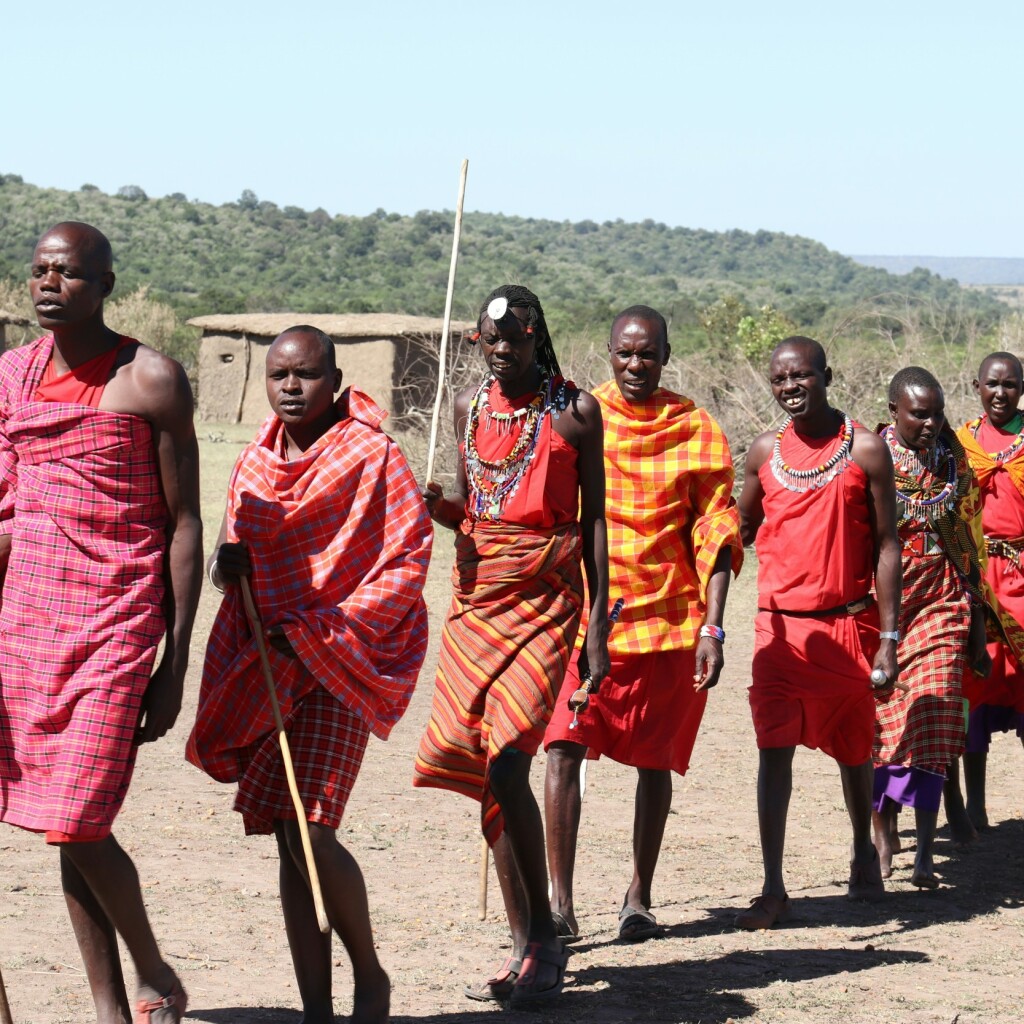
Kenya safari
Masai Mara and Amboseli, Kilimanjaro on the horizon Safaris in Kenya -
 5 tours
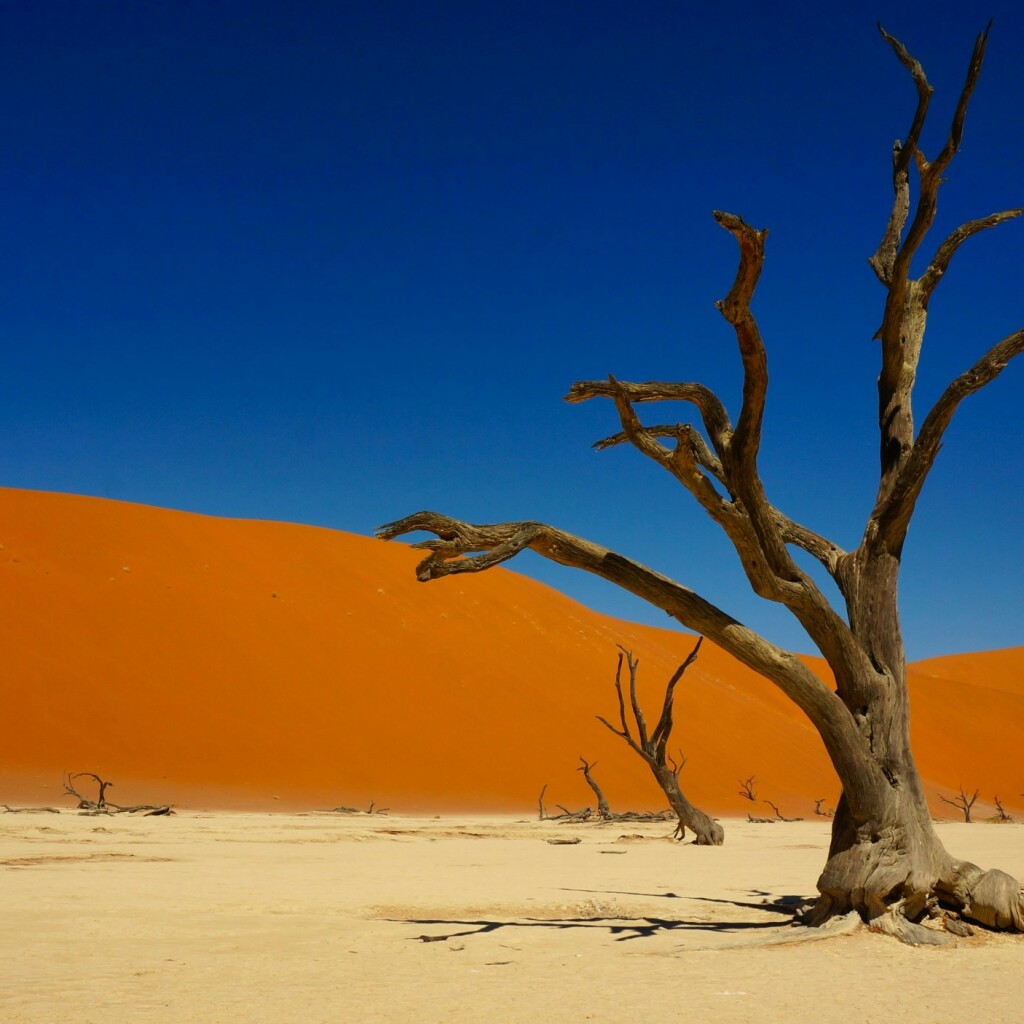
Namibia safari
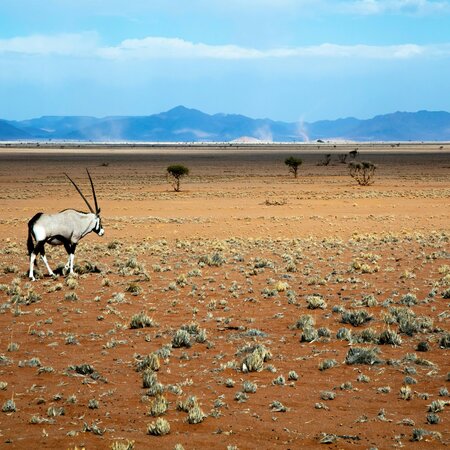
Etosha, Sossusvlei and the gravel roads of the Namib Safaris in Namibia -
 13 tours
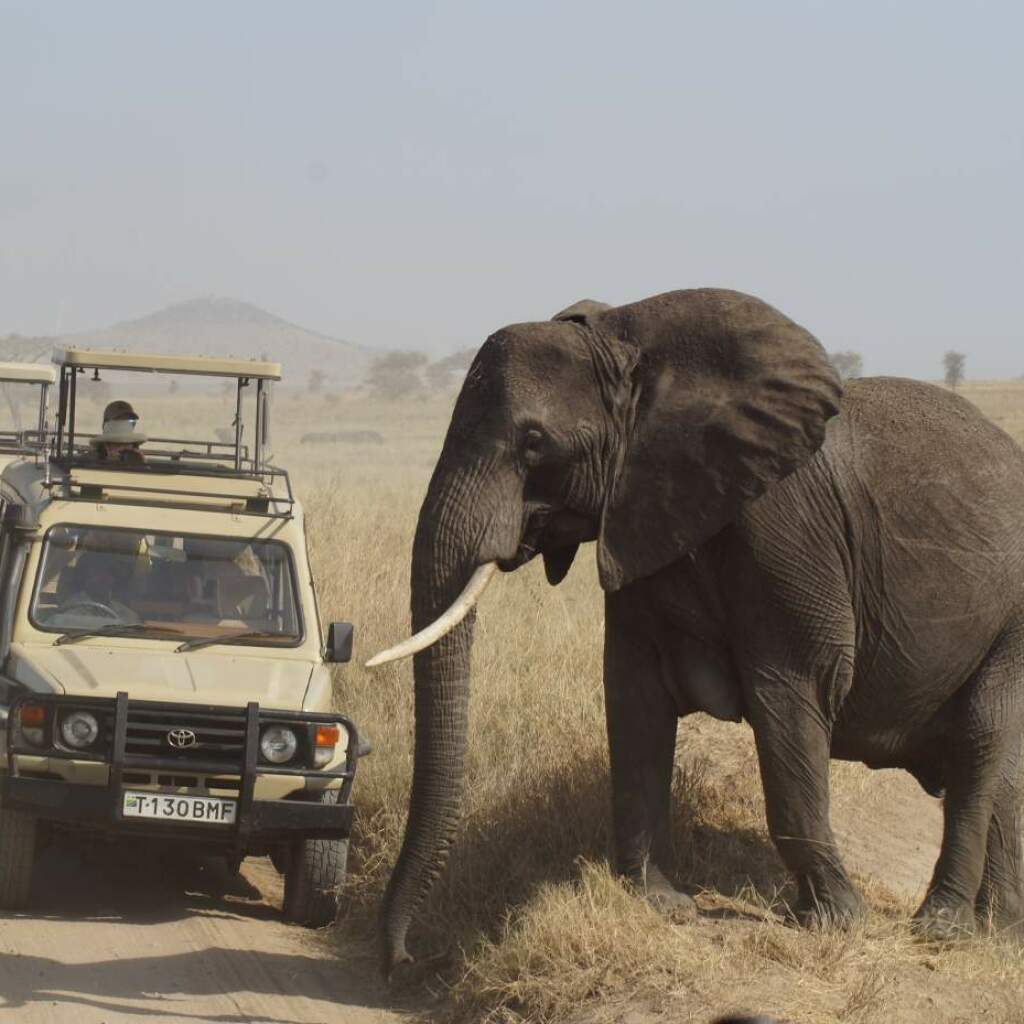
South Africa safari
Kruger, the Garden Route and the Cape Safaris in South Africa -
 5 tours
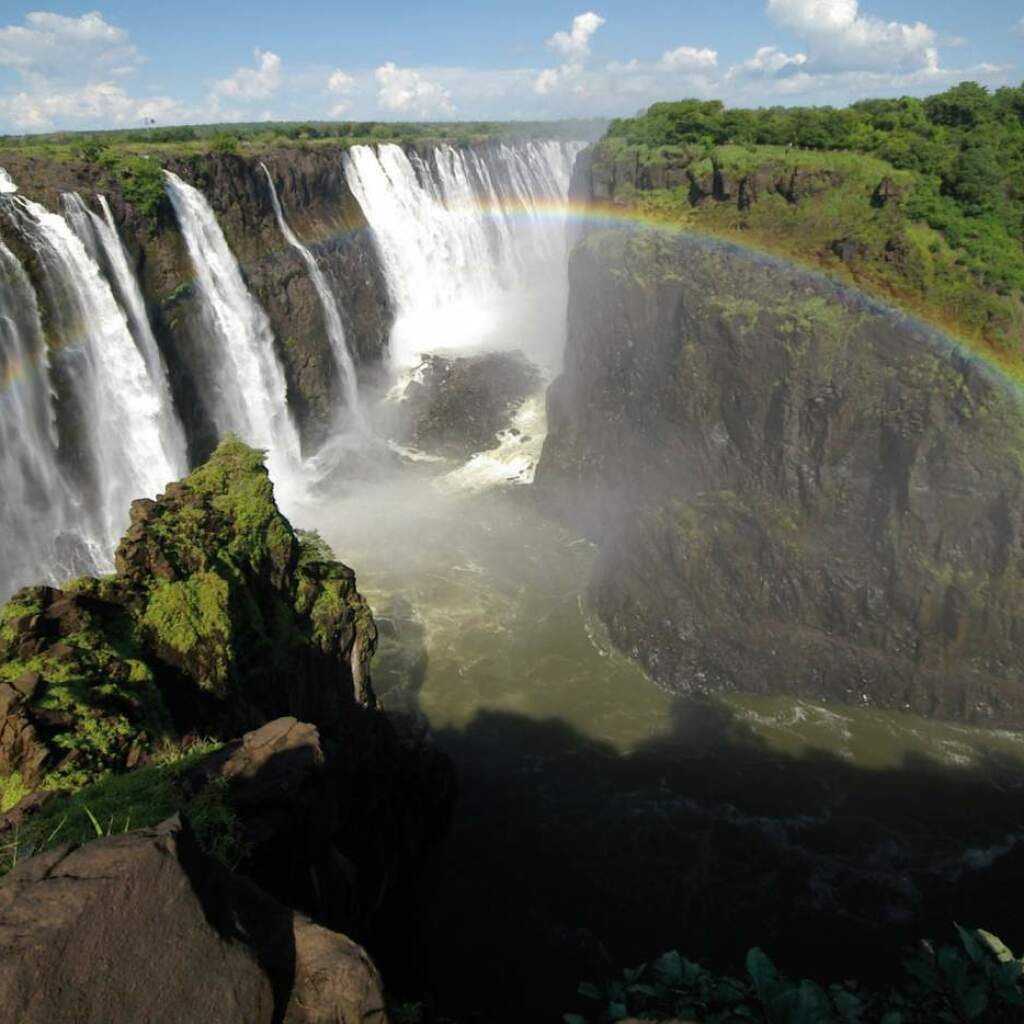
Botswana safari
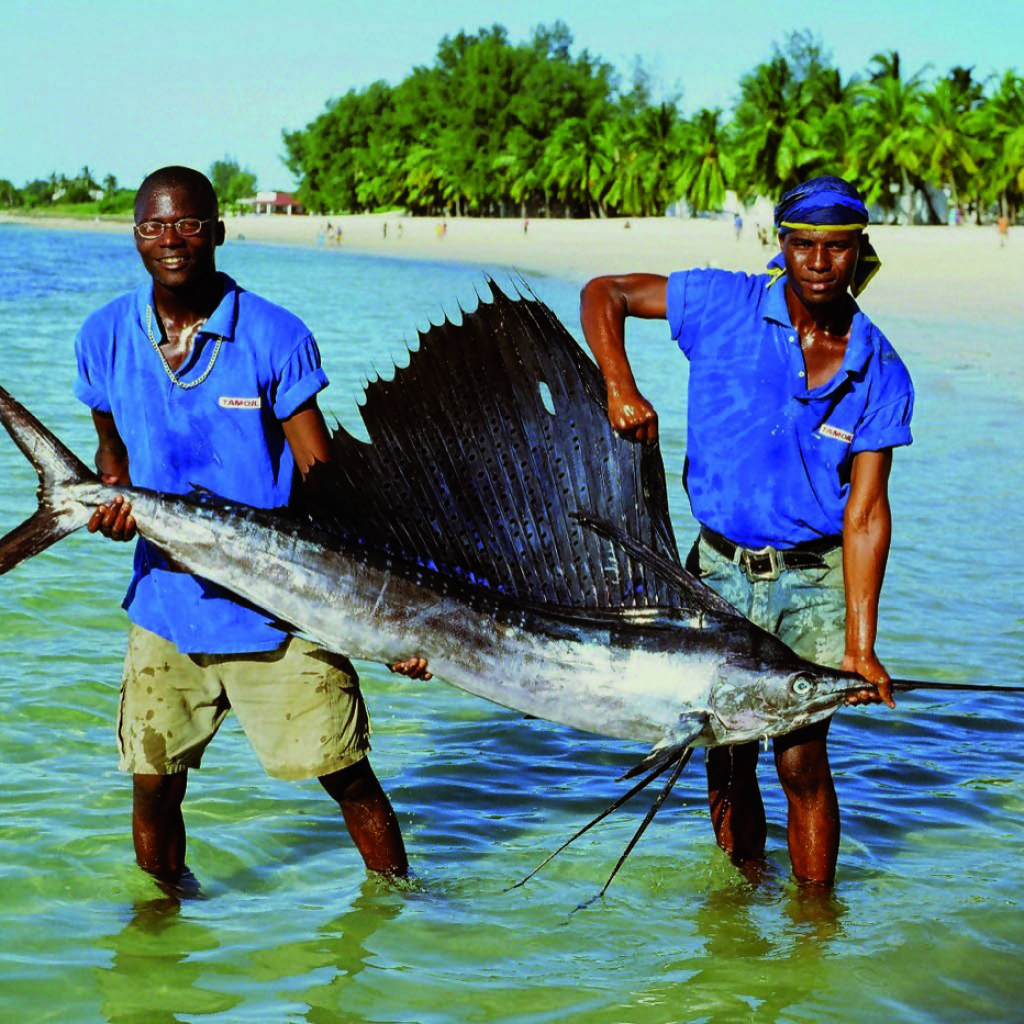
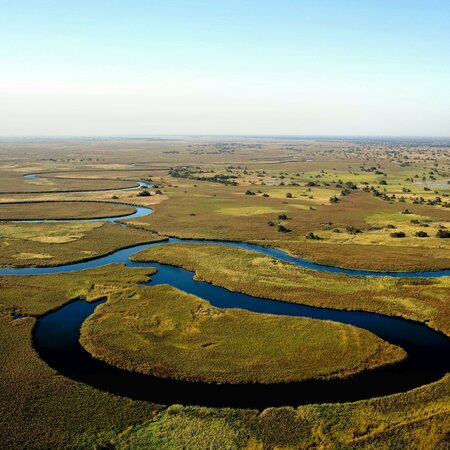
Okavango Delta and Chobe, by boat and by 4x4 Safaris in Botswana -
 4 tours
Uganda safari
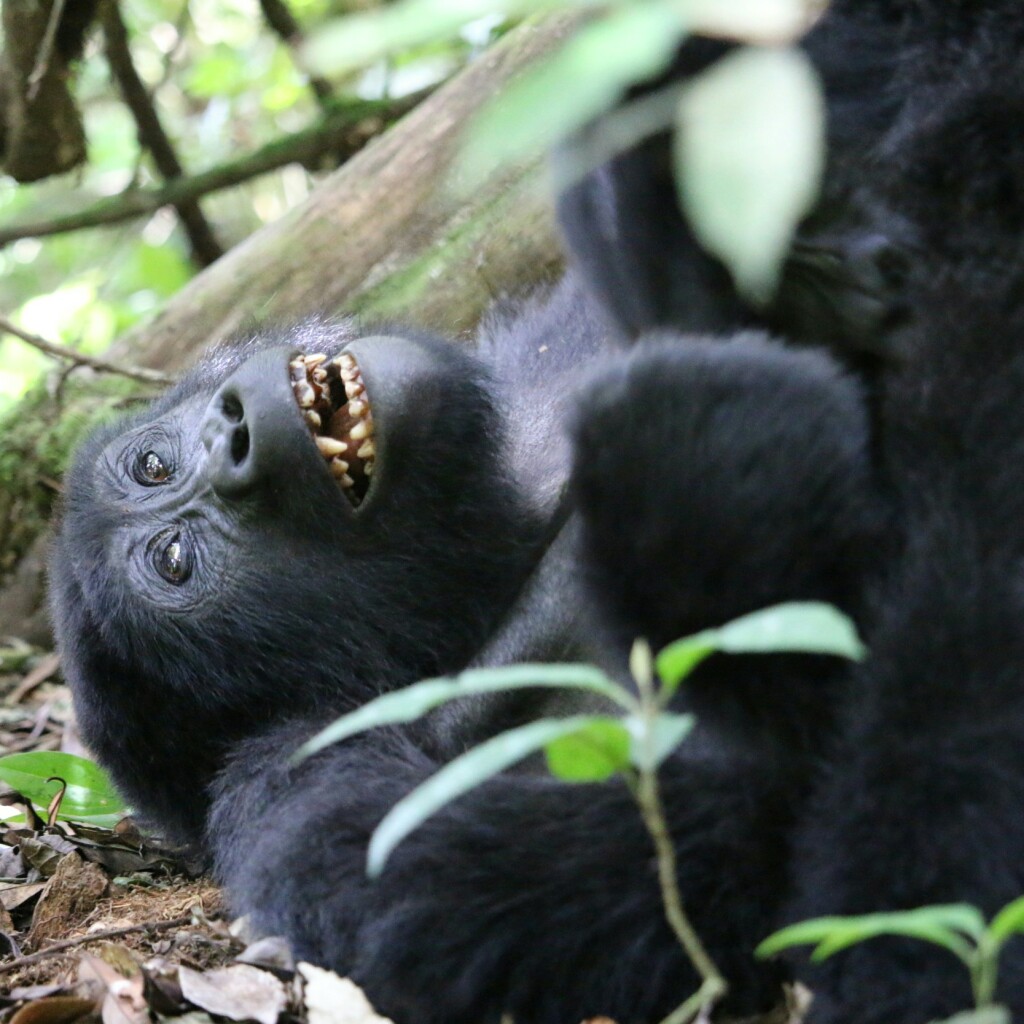
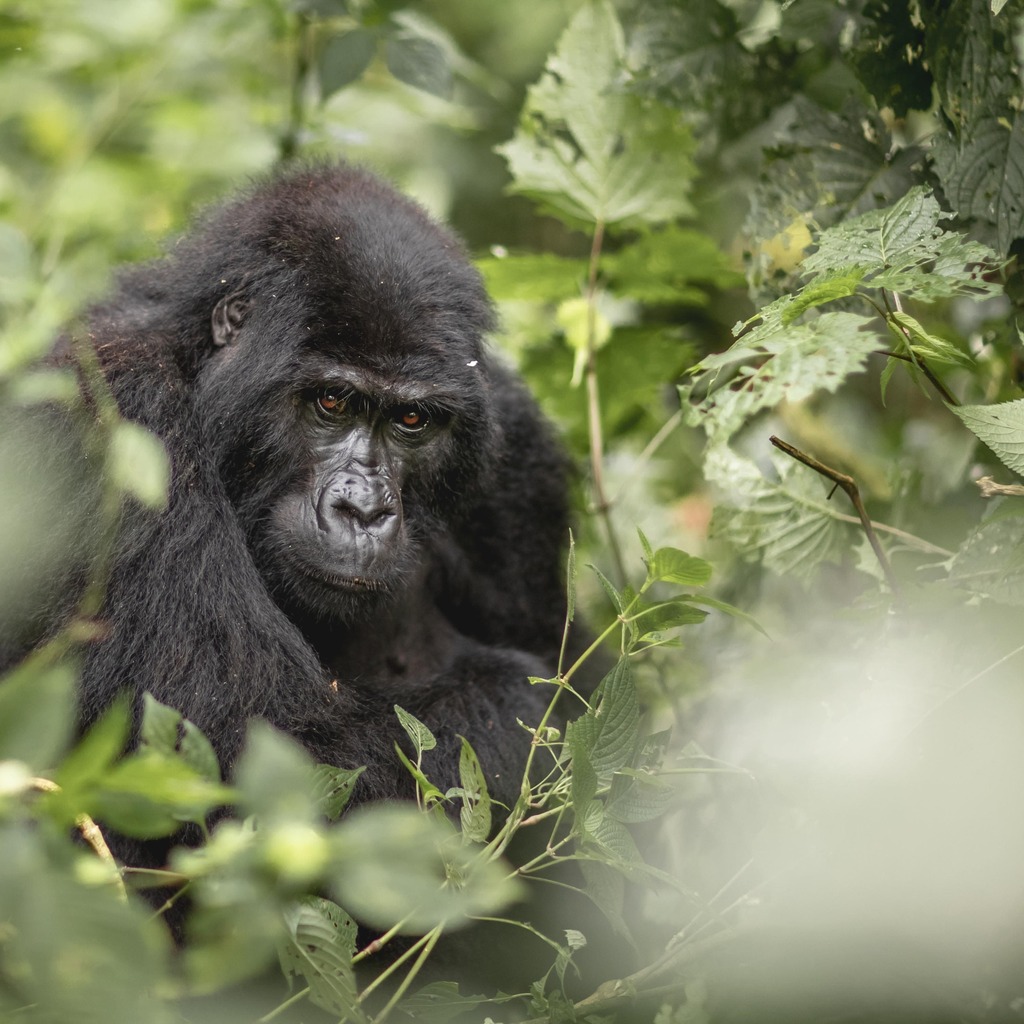
Mountain gorillas in Bwindi, chimpanzees in Kibale Safaris in Uganda -
 2 tours
Zambia safari
Walking safaris in South Luangwa, camp by the river Safaris in Zambia -
4 tours
Zimbabwe safari
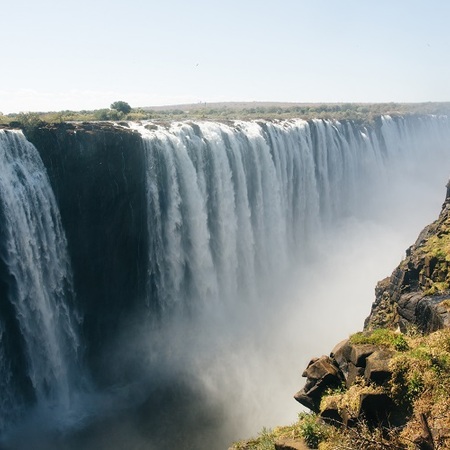
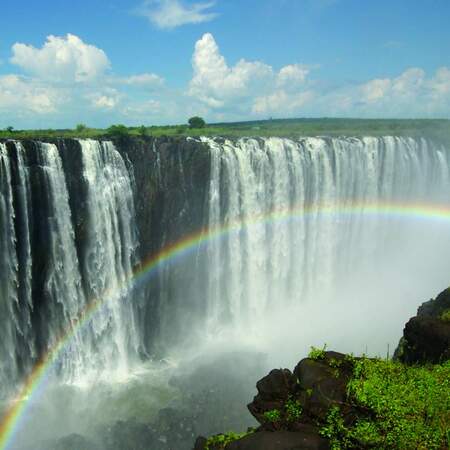
Victoria Falls, Hwange and Mana Pools Safaris in Zimbabwe
Four numbers you can check
No promises, only facts from the catalogue you will find below this page.
- Since 1999
-
27 years of Africa
OVERCROSS has been planning guided trips through Africa since 1999. The routes have been driven, the camps are known, the guides have been the same for years.
- Certified tour operator
- Routes driven since 1999
- 56 trips
-
8 countries, 255 dates
From the 4-day safari in Kruger to the 57-day overland trip from Cape Town to Nairobi. 255 fixed departures stand in the calendar.
- 4 to 57 days
- from €869
- 4 to 24 guests
-
Small groups
20 of the 56 trips run with at most 12 guests. In the 4x4 everyone sits by a window, in the overland truck everyone has their own seat.
- Window seat guaranteed
- One guide per group
- 4.8 out of 5
-
70 reviews
The average from 70 reviews of our safari trips. Each one stands further down this page, with a name and a route.
- Real names, real routes
- Reviews on every trip
52 Safari are bookable right now.
More about OVERCROSSTrips through national parks and wildlife reserves direct from the safari operator
Every park has its season and its animals. This is what awaits you where.

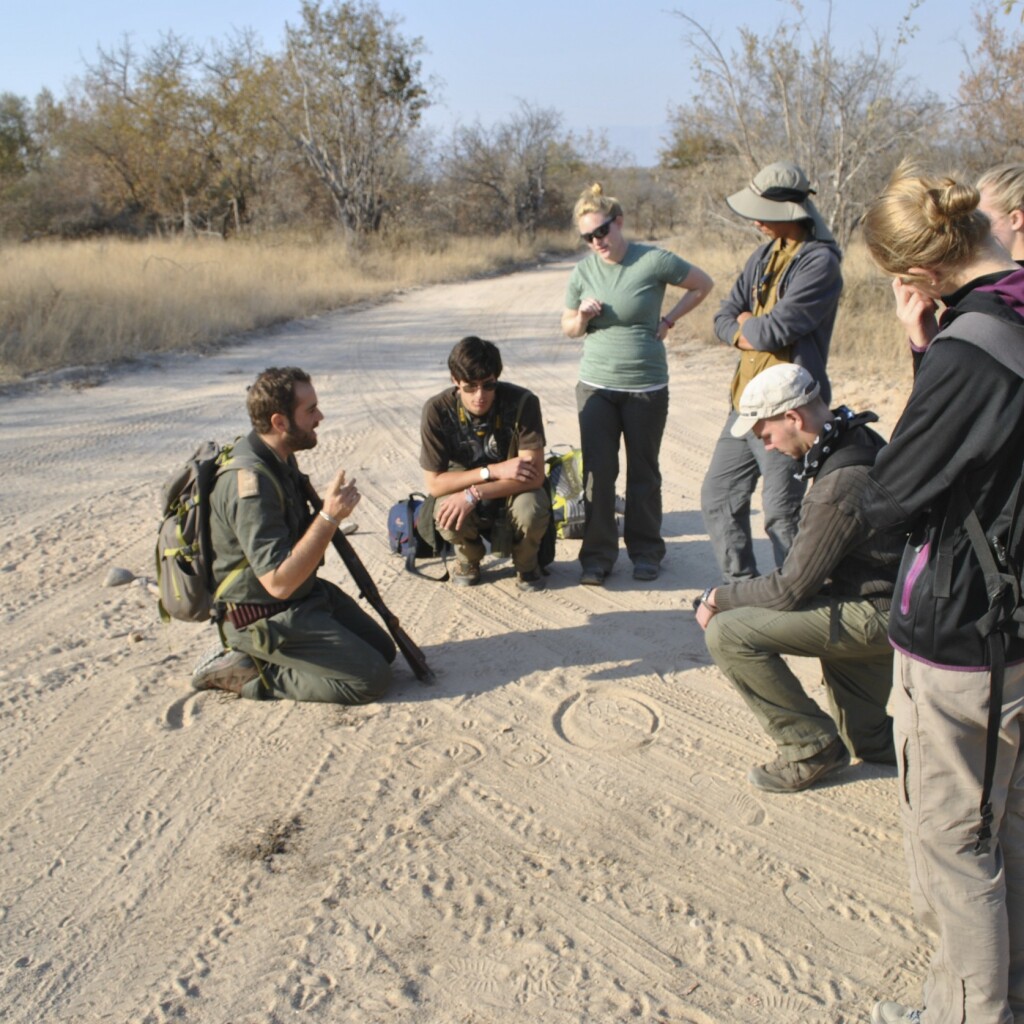
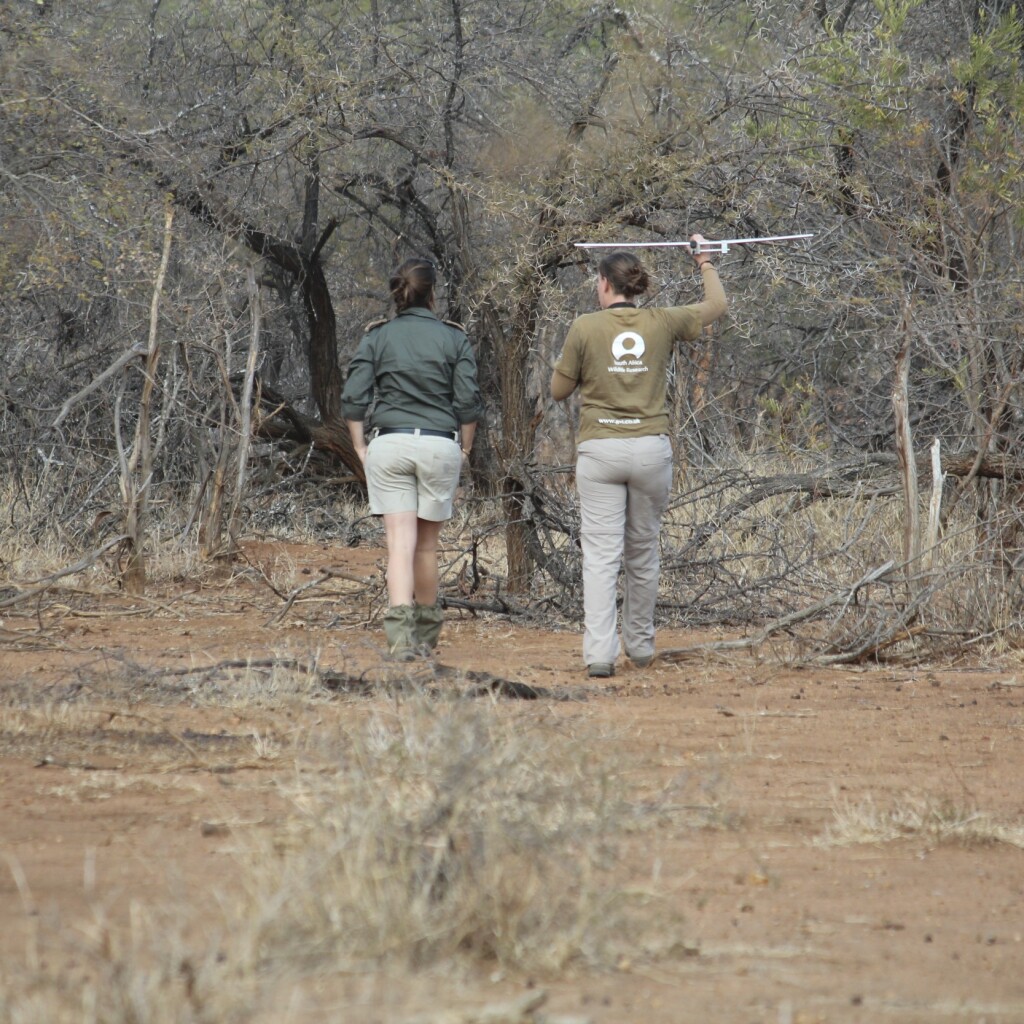
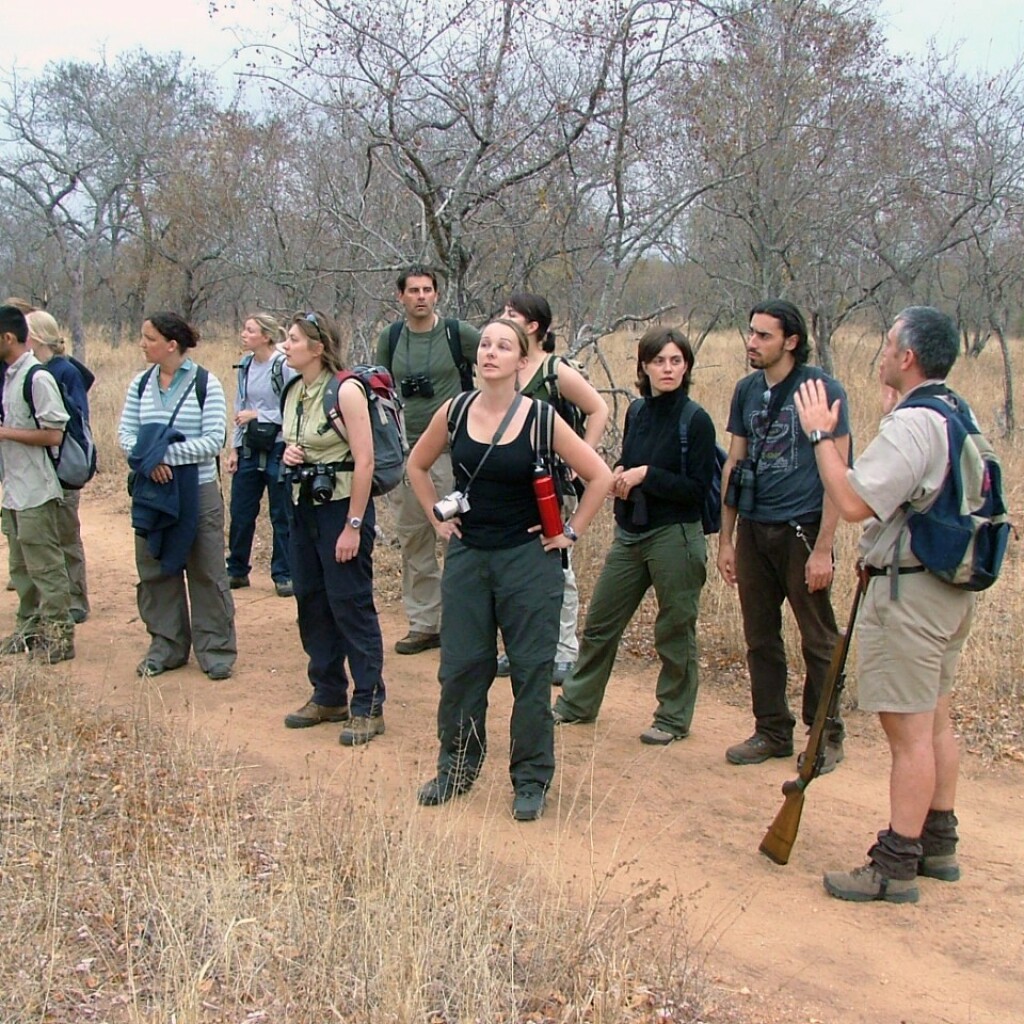
Kruger National Park
13 trips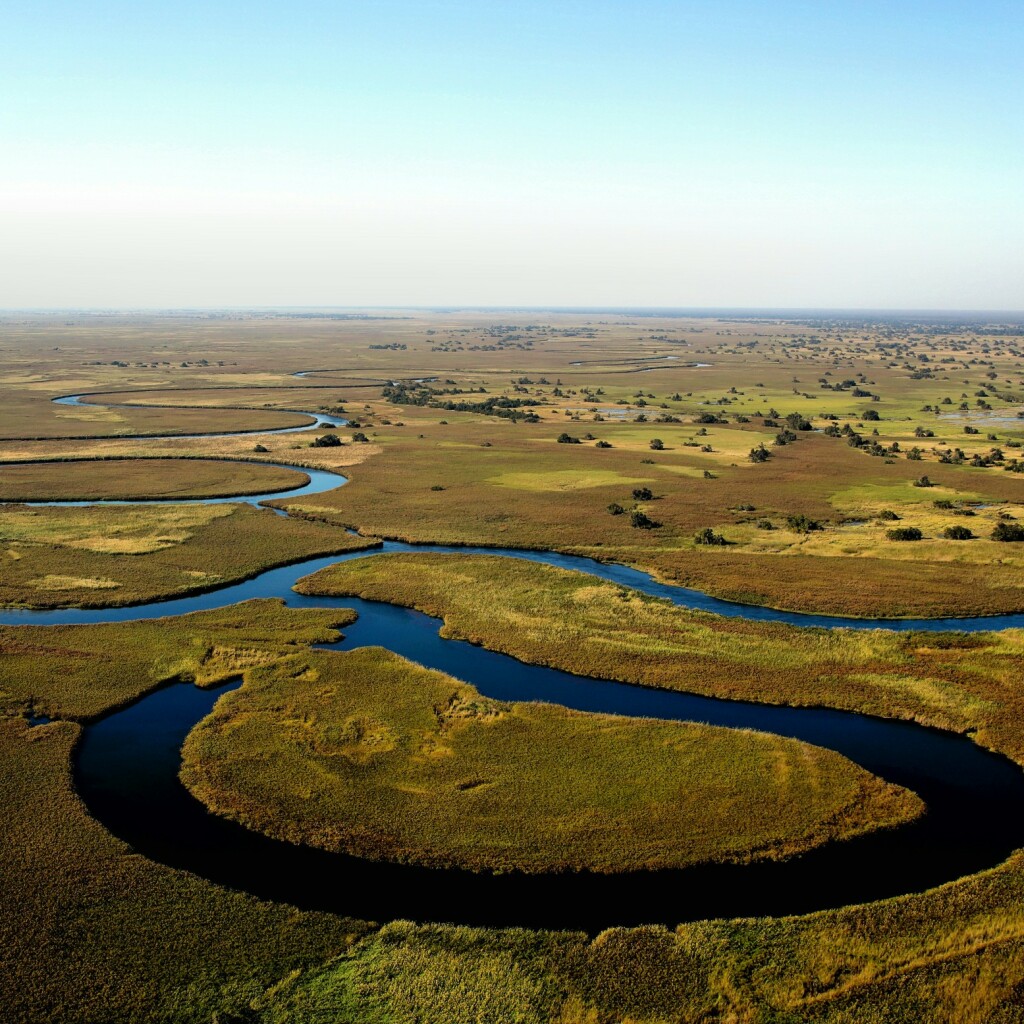
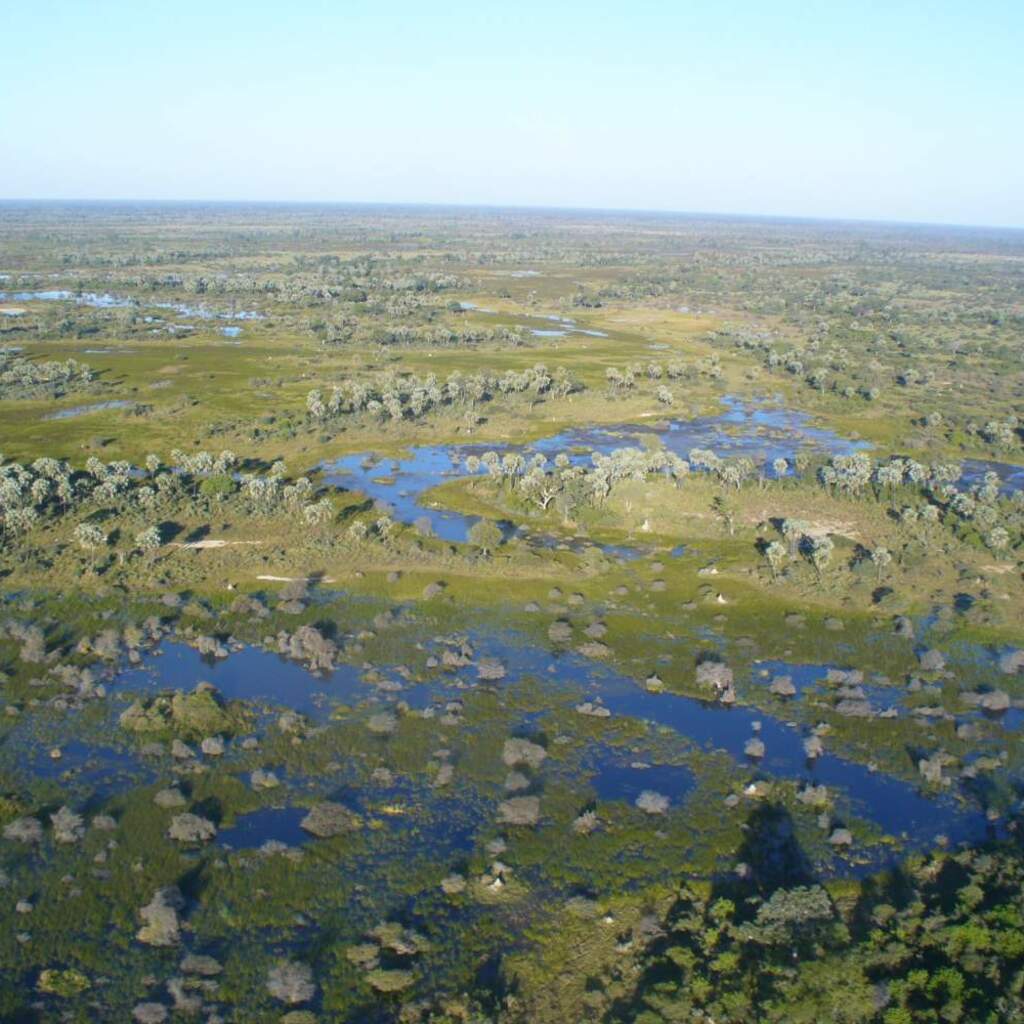
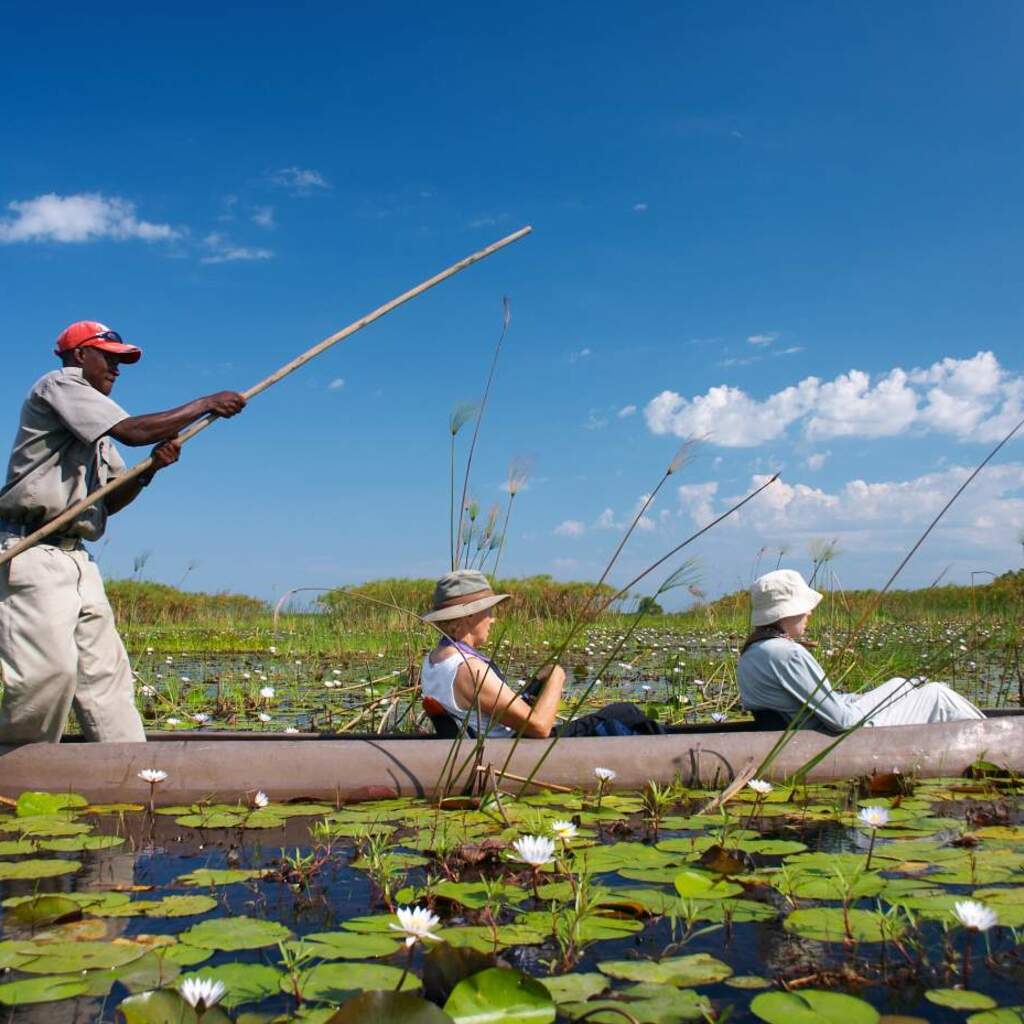
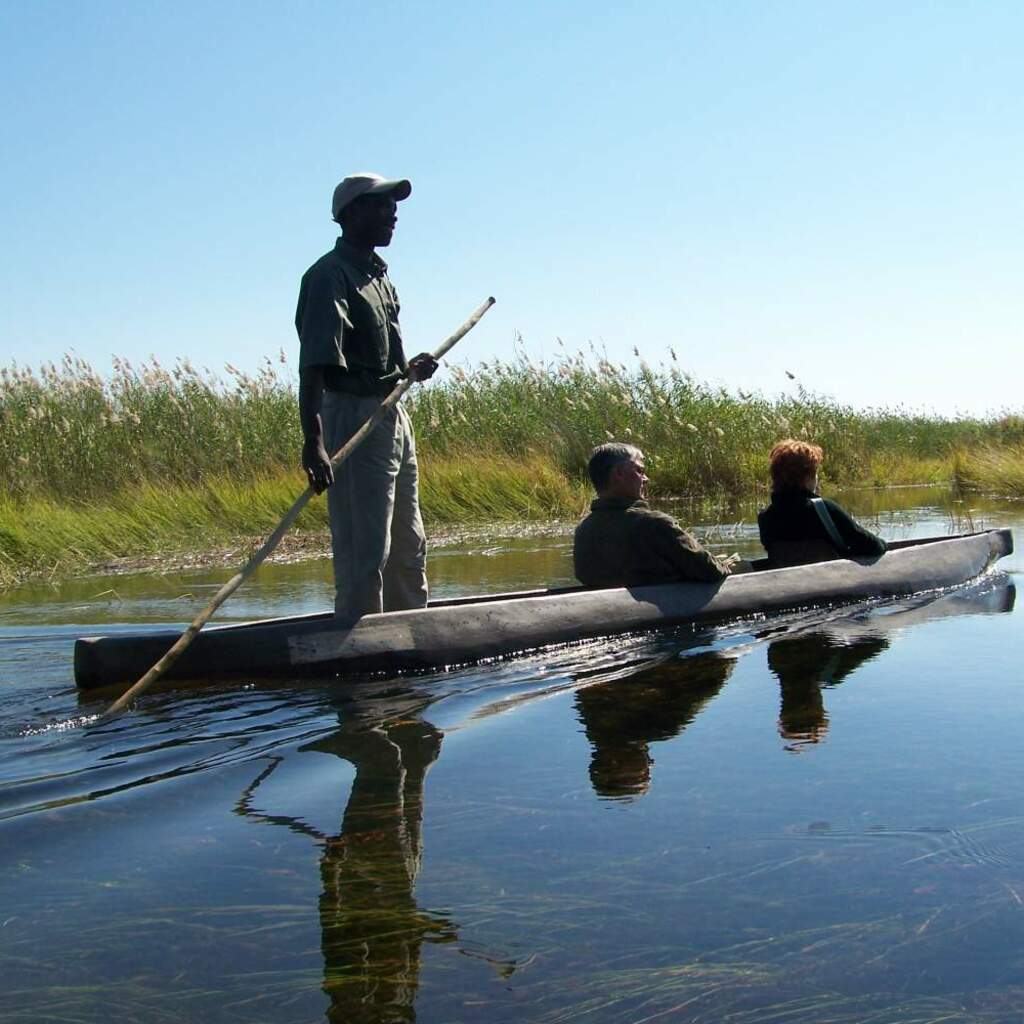
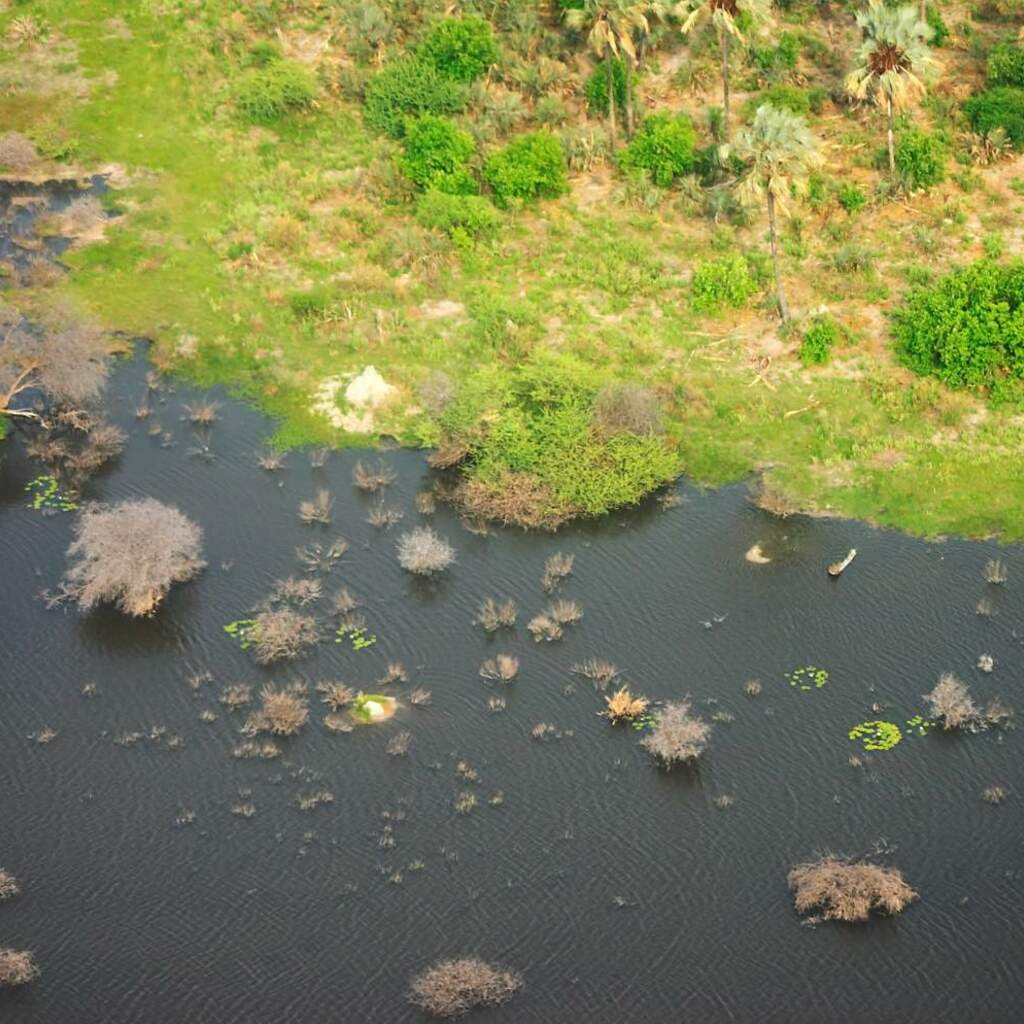
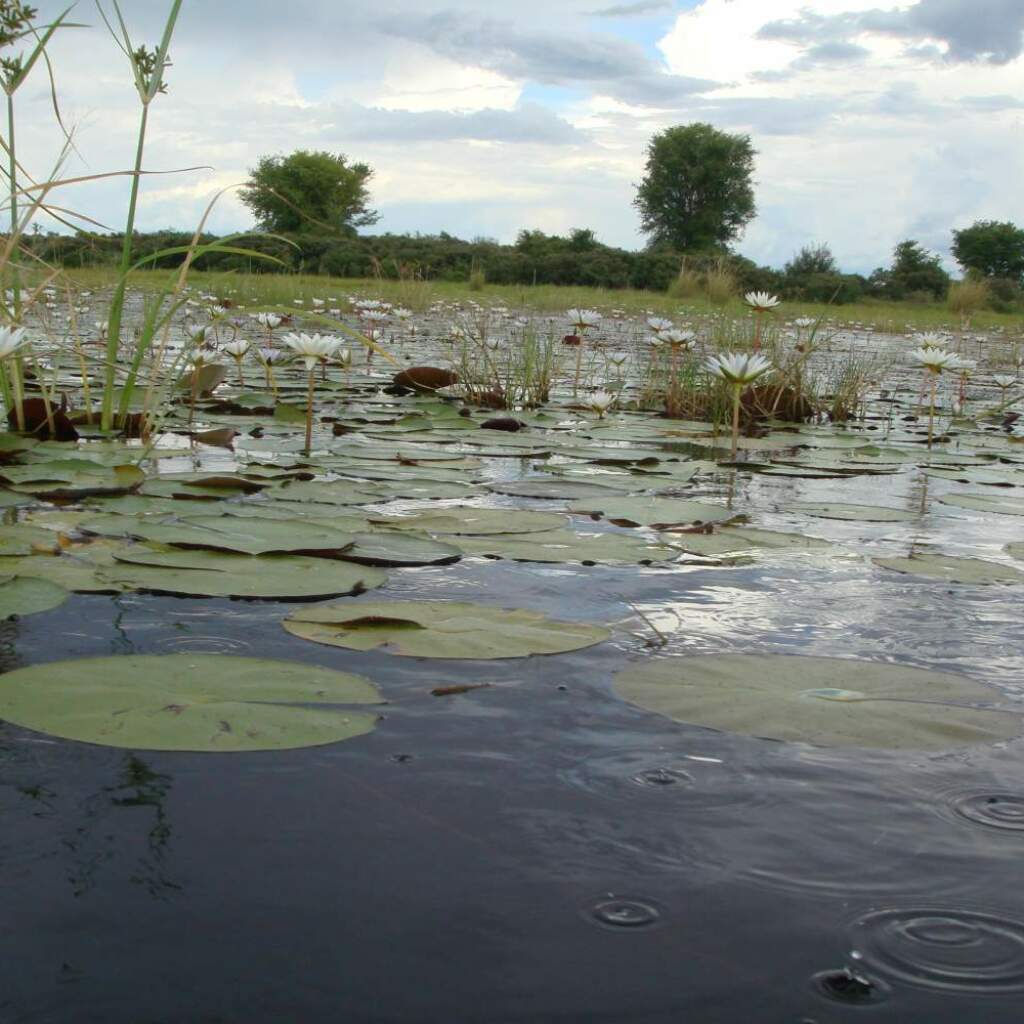
Okavango Delta
5 trips
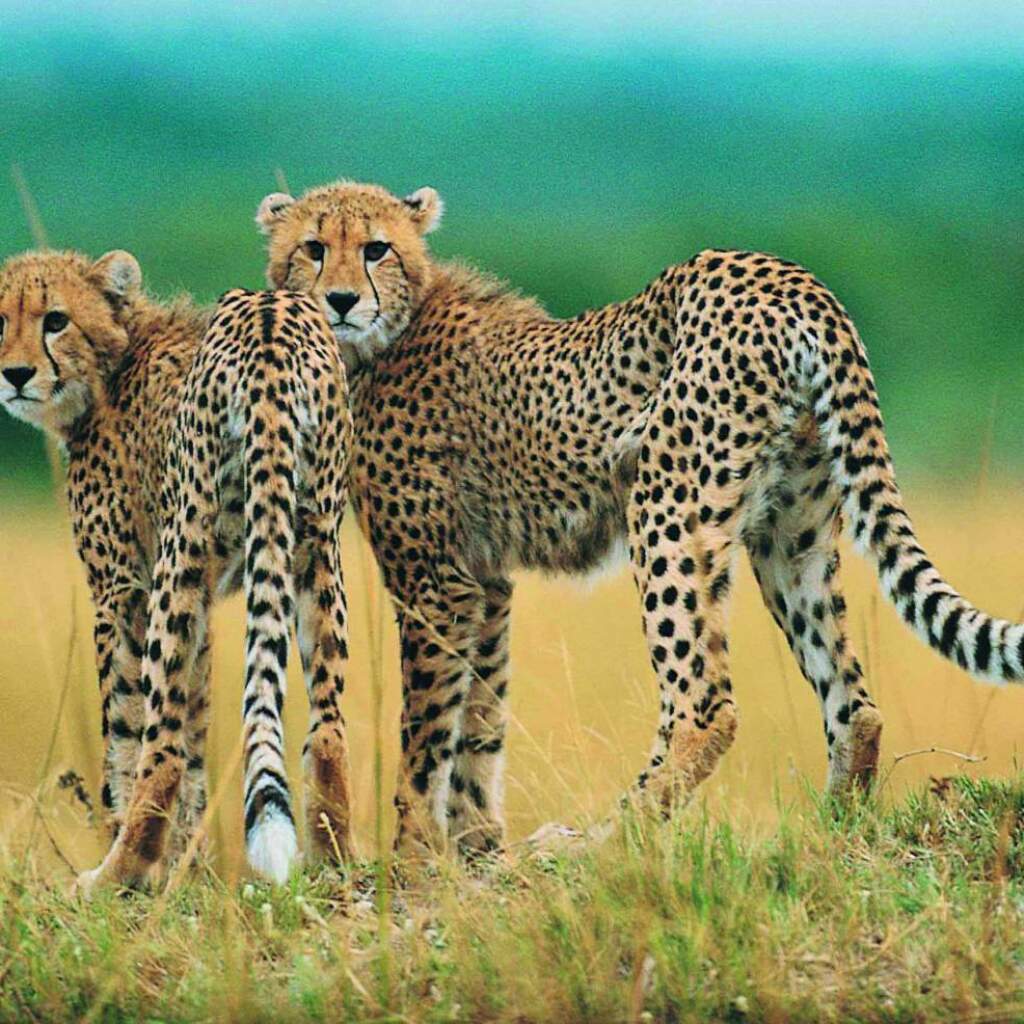
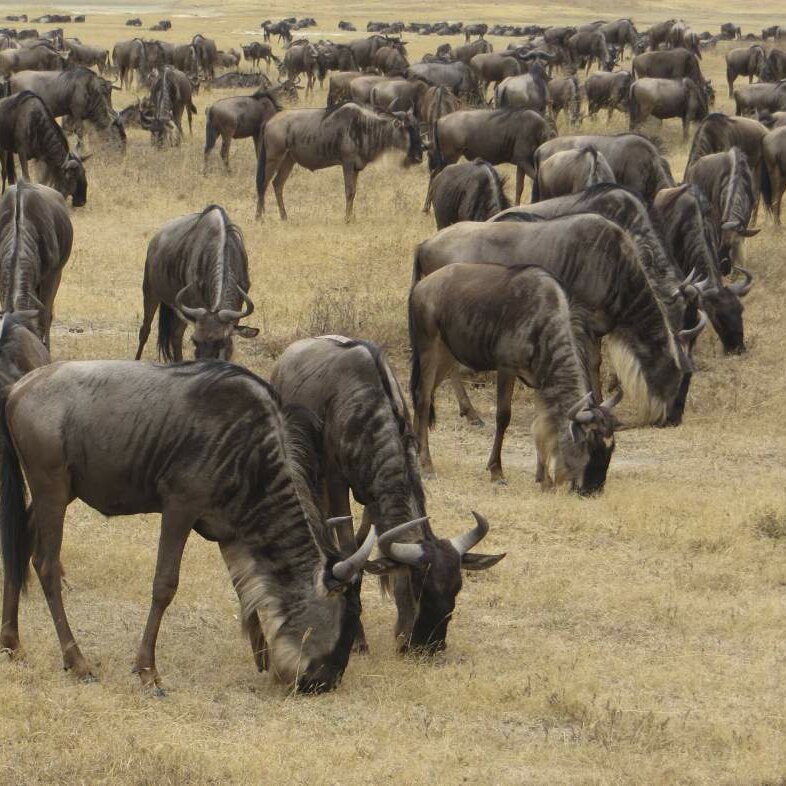
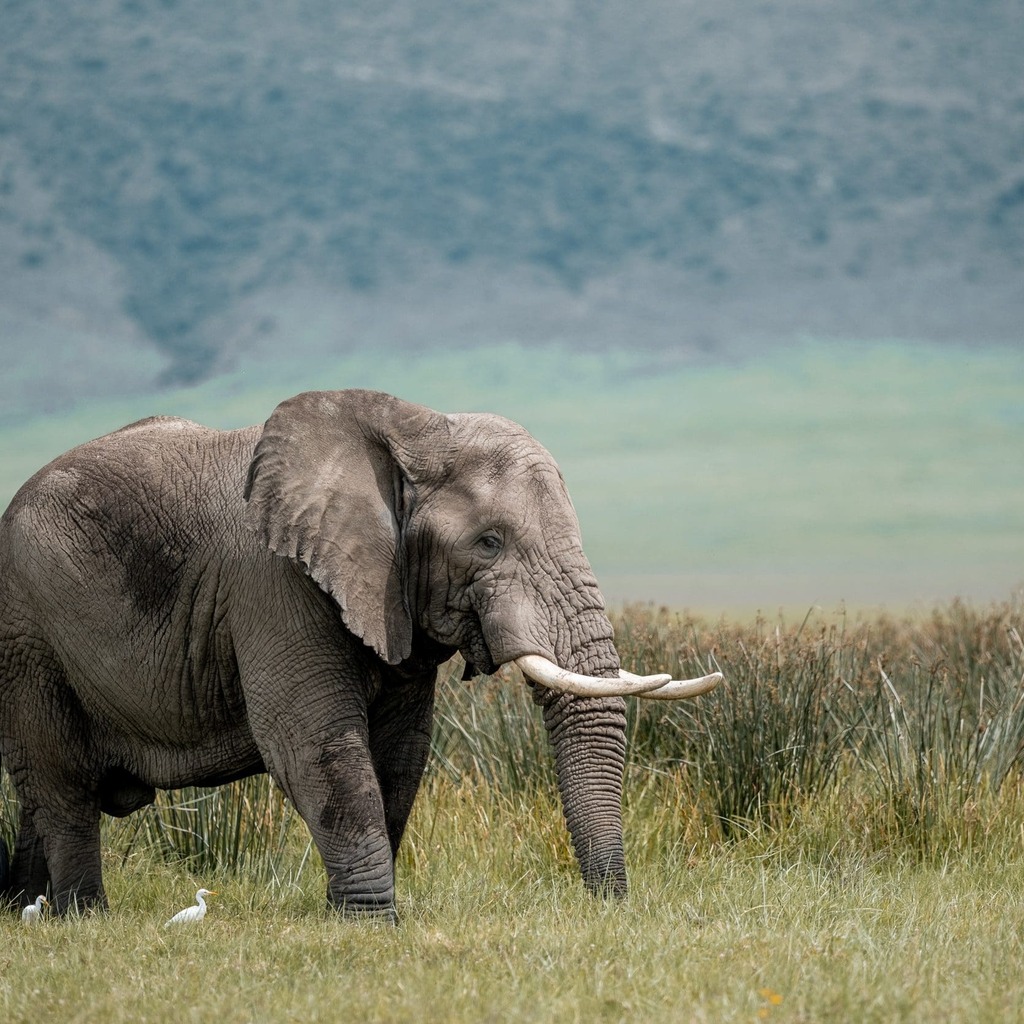
Serengeti National Park
5 trips
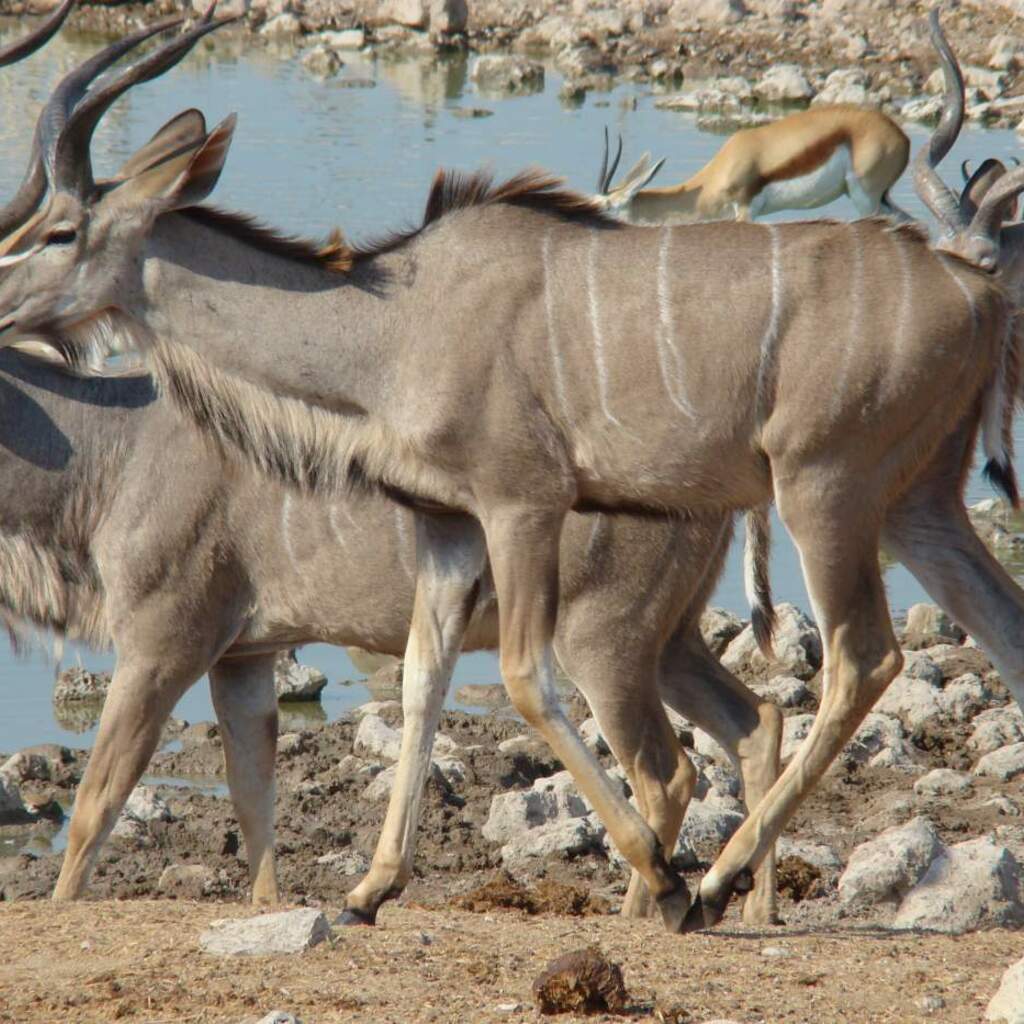
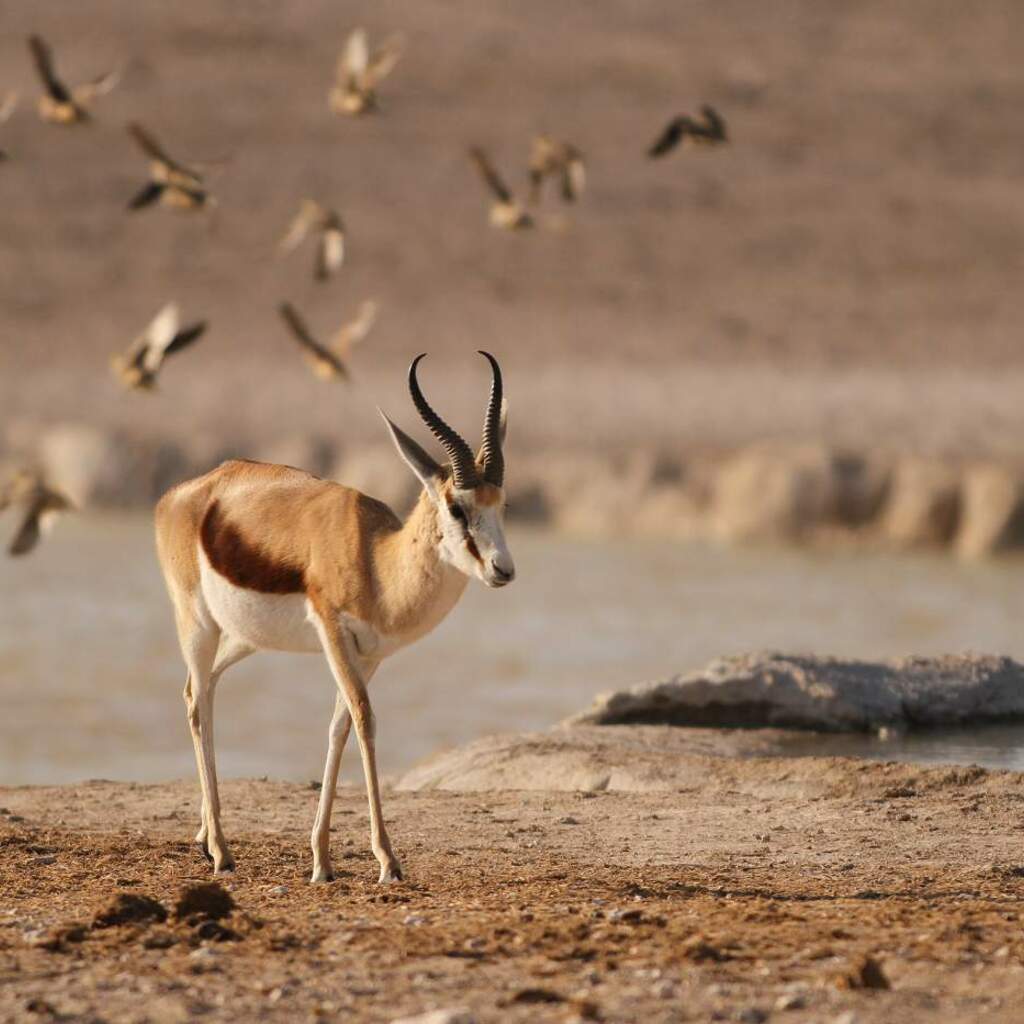
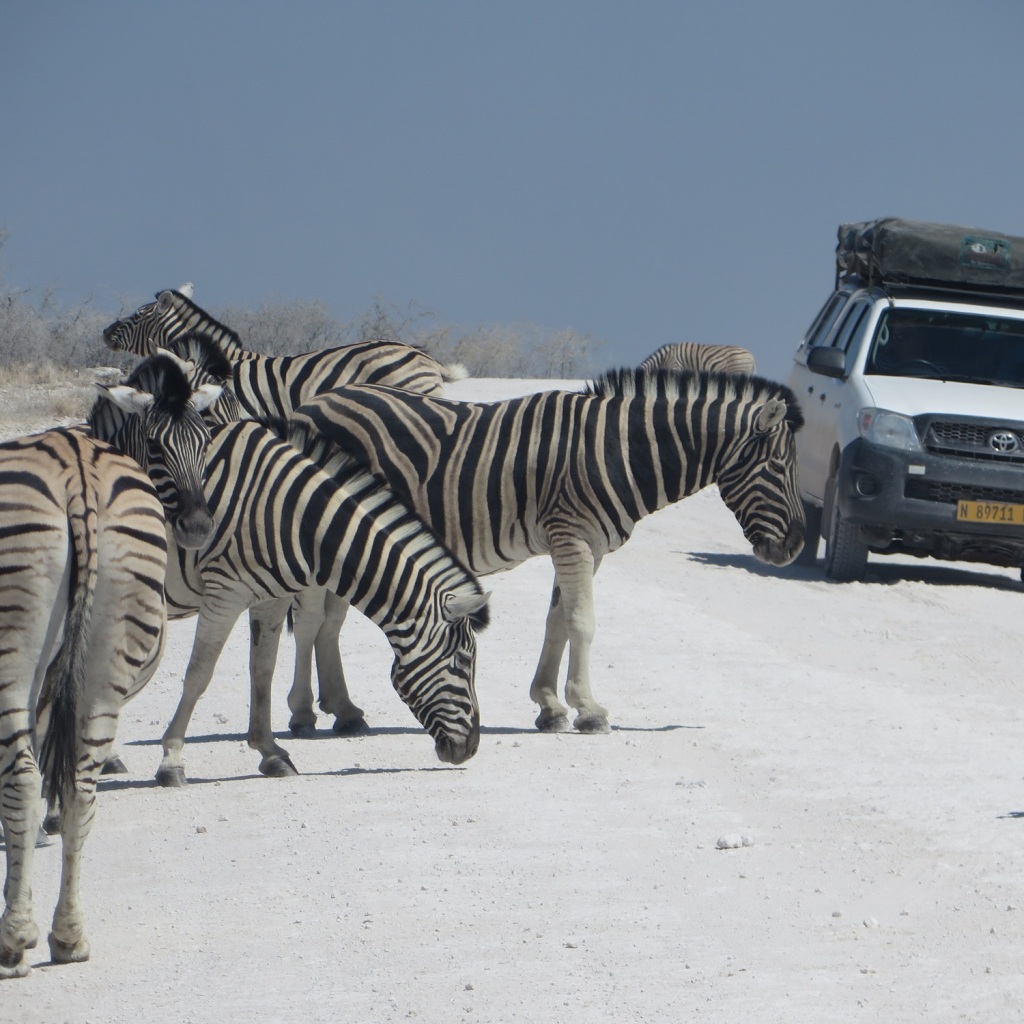
Etosha National Park
4 trips
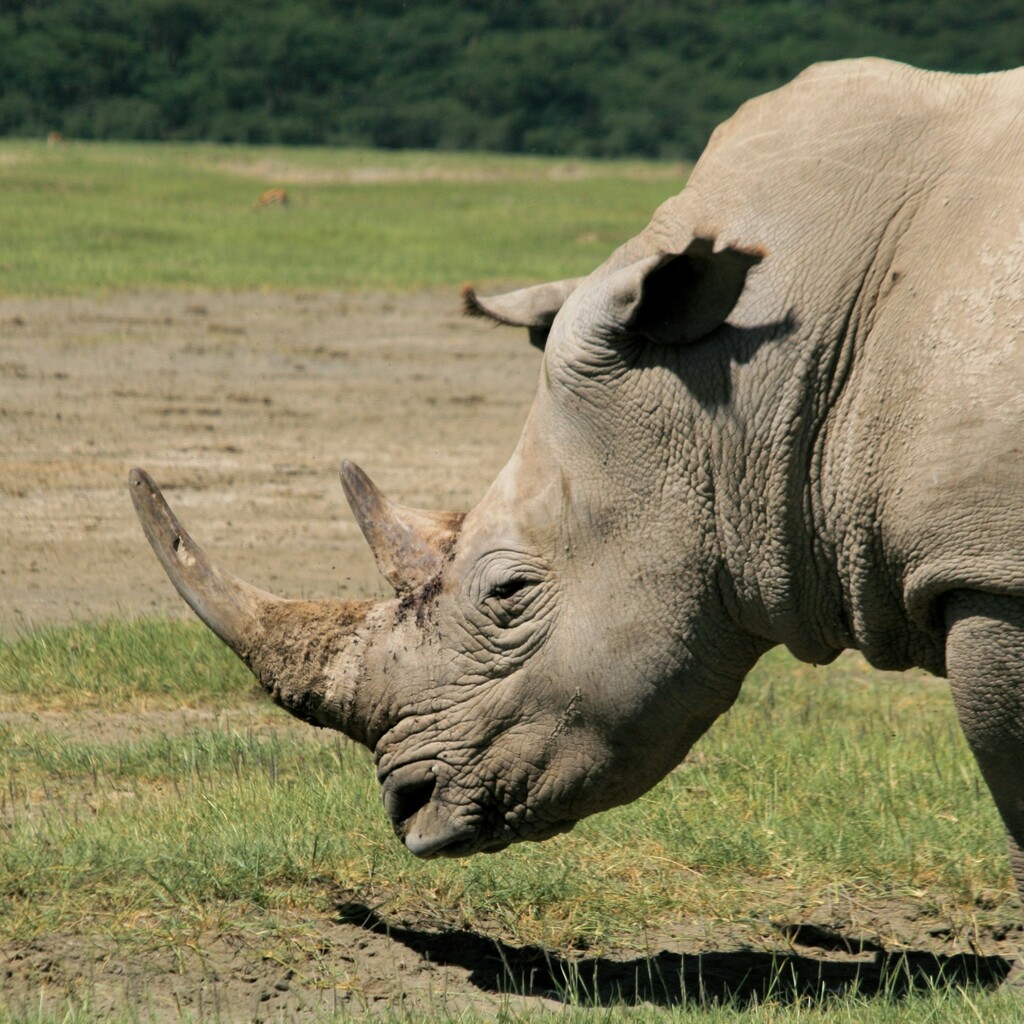
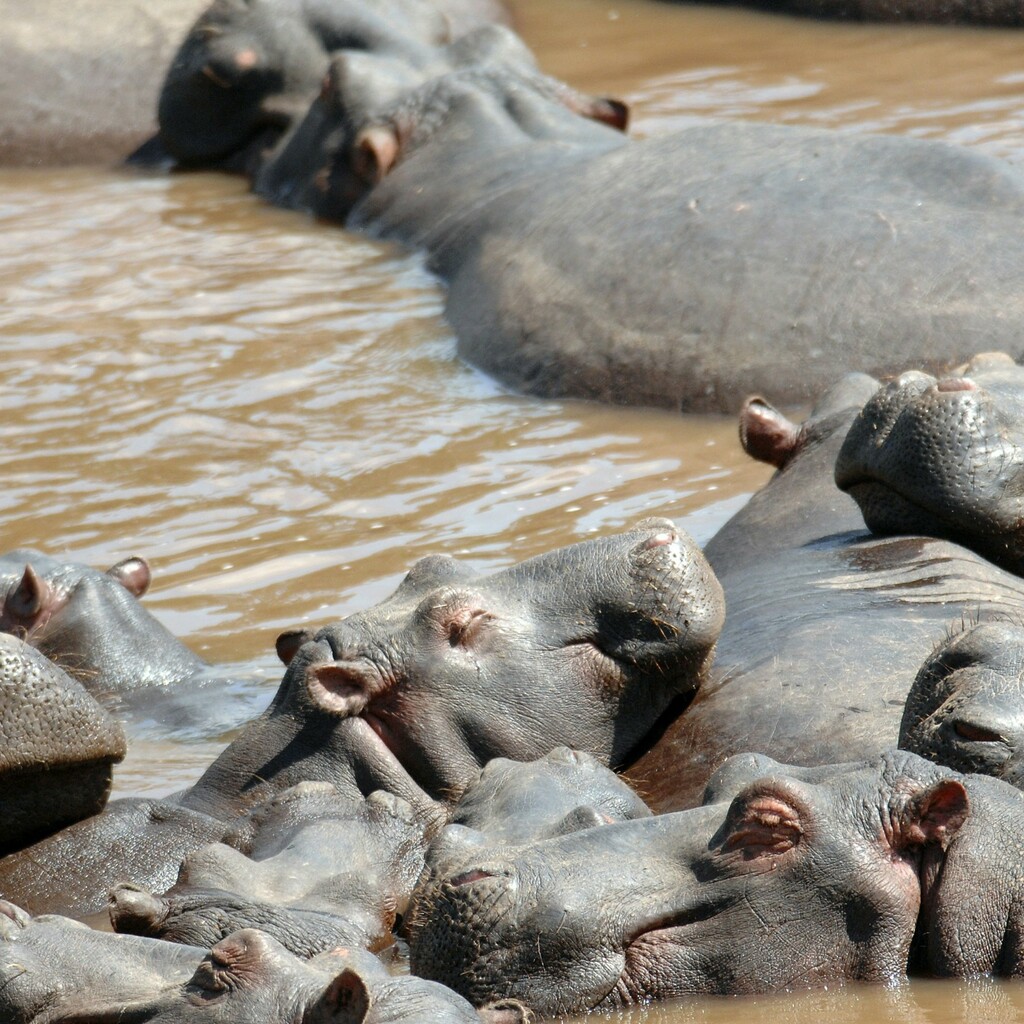
Masai Mara
3 trips
Types of safari
Which safari suits you?
Six ways to be on the road. The difference is in the bed, the vehicle and the group size, not in the animals.
Not sure yet which one fits? Tell us how you want to travel and we will suggest three concrete routes.
-
Lodge safari
Fixed accommodation in the park or on its edge, a bed, a shower, dinner at the table. Game drives by day in an open 4x4. The quietest way in, and the one that works for couples and families.
-
Camping safari
A tent in the park, a campfire, lions within earshot. The crew cooks, you help pitch camp. Cheaper than the lodge and closer to the night in the savannah. 48 of our 56 trips run this way, whole or in part.
-
Overland truck
A converted truck with 12 to 24 seats for the long distances: Cape Town to Nairobi in 42 or 57 days, four countries in three weeks. Camping on the way, lodges as a stopover.
-
Small group trip
At most 12 guests in the 4x4 or the minibus, one guide who has driven the route for years. 20 of our trips run this way. More time at every waterhole, less waiting at every gate.
-
Self-drive
Your own rental car, lodges and camps booked ahead, a roadbook from us. In Namibia and South Africa the freest form there is, in Tanzania and Kenya we recommend a guide.
-
Fly-in safari
A bush plane instead of a gravel road: Okavango Delta and Serengeti in one day instead of three. Less time, more budget, no driving days. Built into any route on request.
Africa overland: routes through three countries and more
16 trips link at least three countries on one route, from Cape Town to Nairobi.
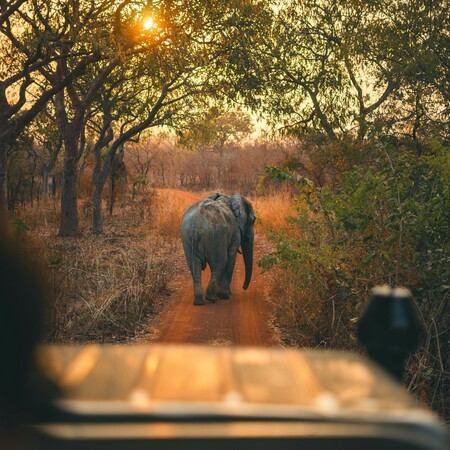
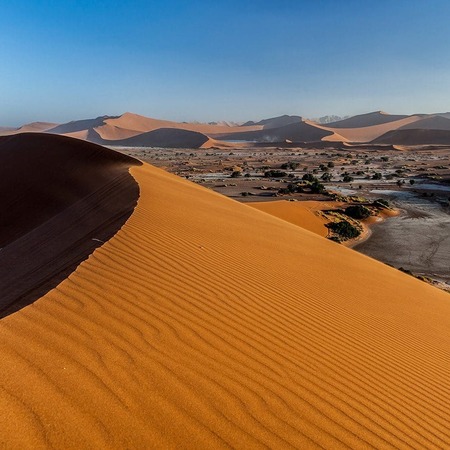
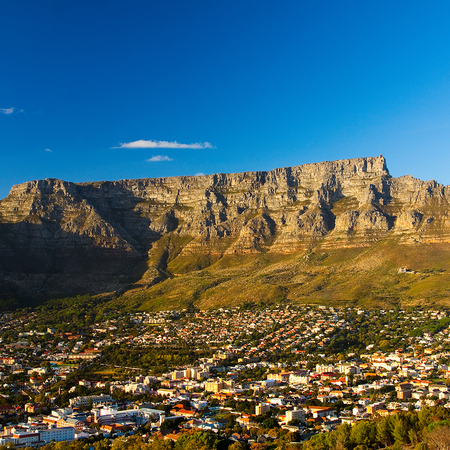
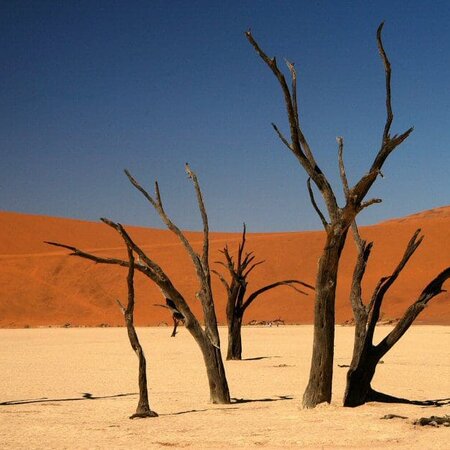
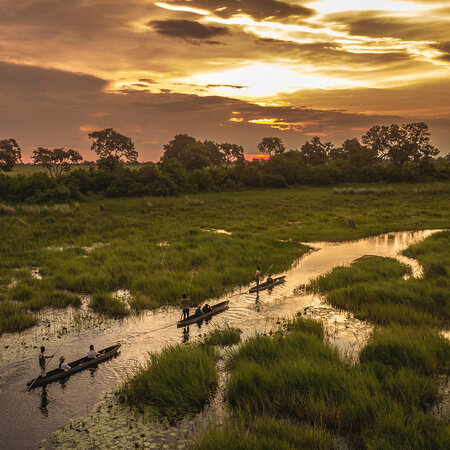
Group trip through Africa - Camping or Lodge Safari
- Botswana
- Kenya
- Malawi
- Namibia
- South Africa
- Tanzania
- Uganda
- Zambia
- Zimbabwe
- 24. Oct 2026
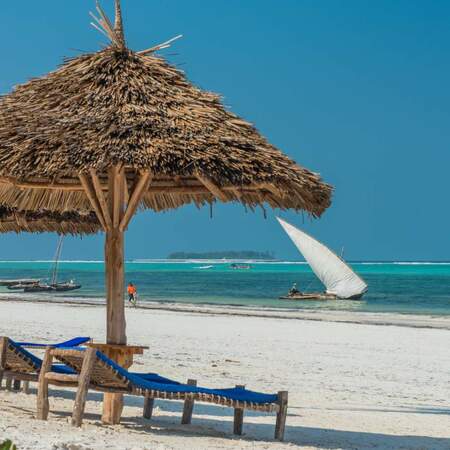
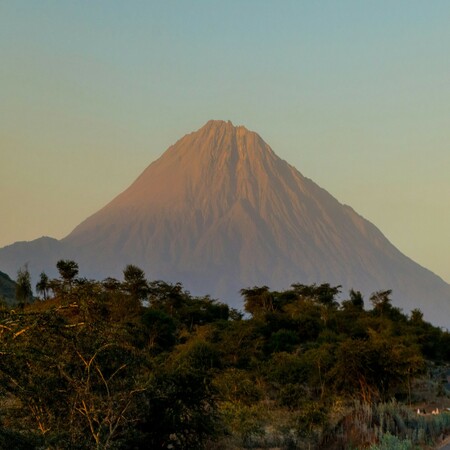
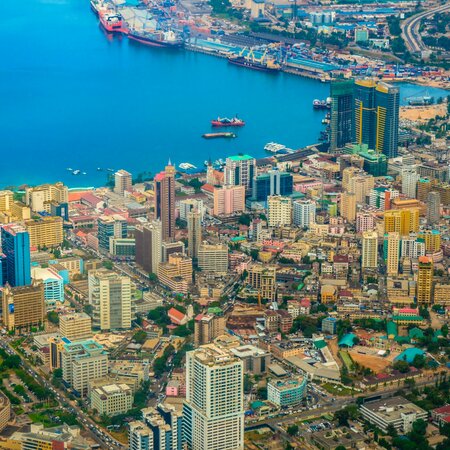
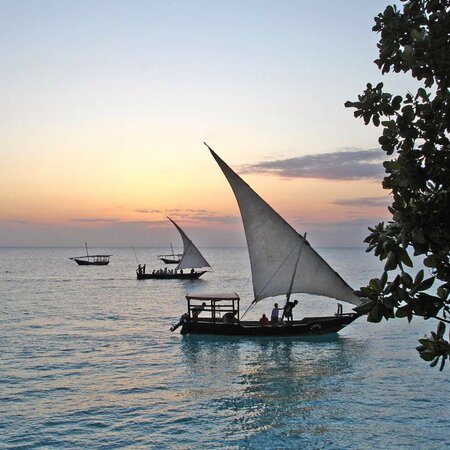
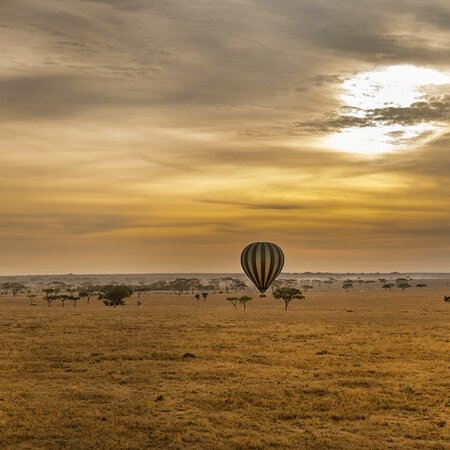
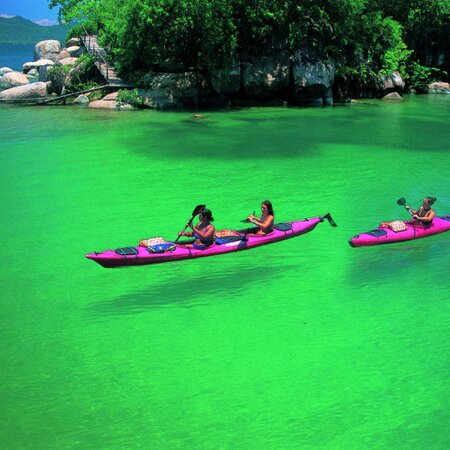
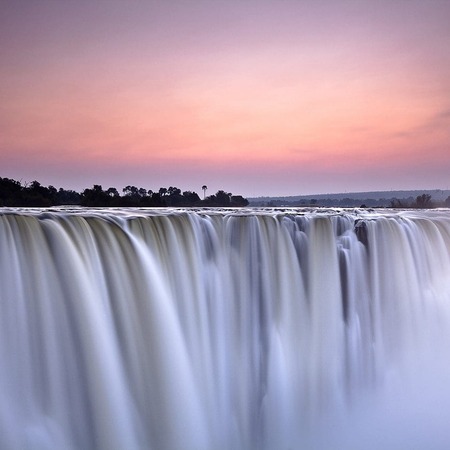
East Africa Safari Tour: Serengeti to Victoria Falls
- Angola
- Kenya
- Malawi
- Tanzania
- Zambia
- Zimbabwe
- 25. Oct 2026
- 08. Nov 2026
- 06. Dec 2026
- 20. Dec 2026
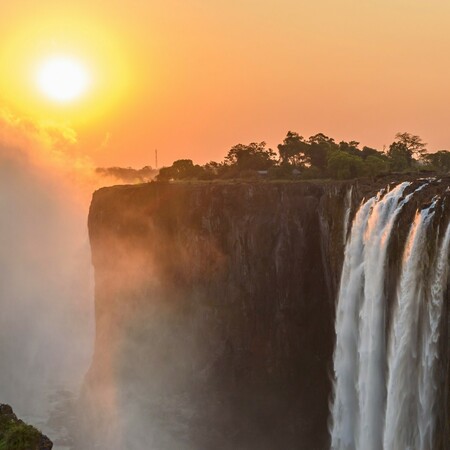
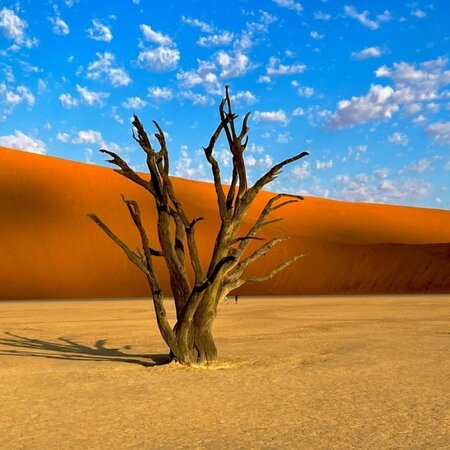
South Africa from Cape Town: Adventure trip to the Victoria Falls
- Botswana
- Namibia
- South Africa
- Zimbabwe
- 24. Oct 2026
- 27. Oct 2026
- 03. Nov 2026
- 07. Nov 2026
- 14. Nov 2026
- 17. Nov 2026
- 21. Nov 2026
- 24. Nov 2026
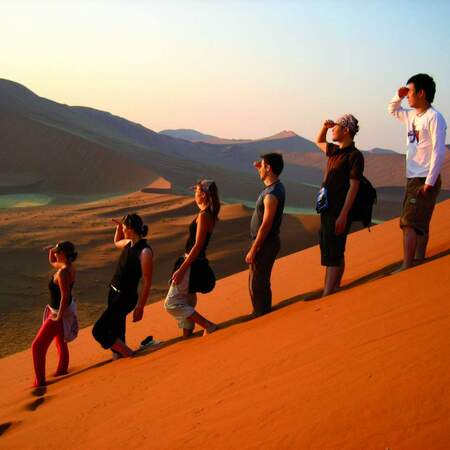
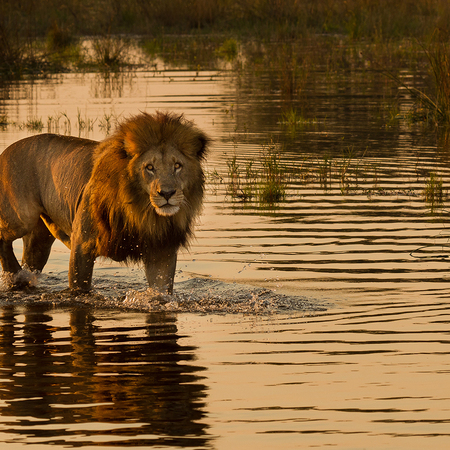
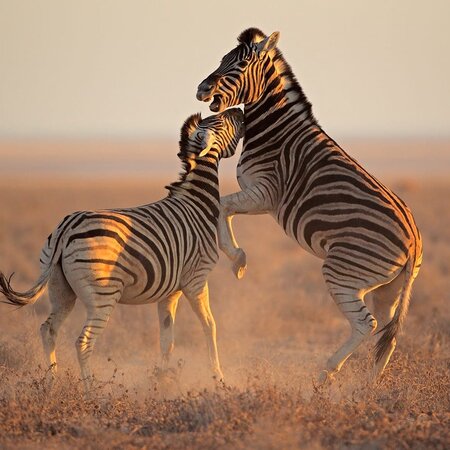
Cape Town to Victoria Falls Safari: 20 Days
- Botswana
- Namibia
- South Africa
- Zimbabwe
- 24. Oct 2026
- 31. Oct 2026
- 07. Nov 2026
- 14. Nov 2026
- 17. Nov 2026
- 21. Nov 2026
- 24. Nov 2026
- 01. Dec 2026
Safari in Southern Africa: Through Four Countries
- Botswana
- Namibia
- South Africa
- Zimbabwe
- 07. Nov 2026
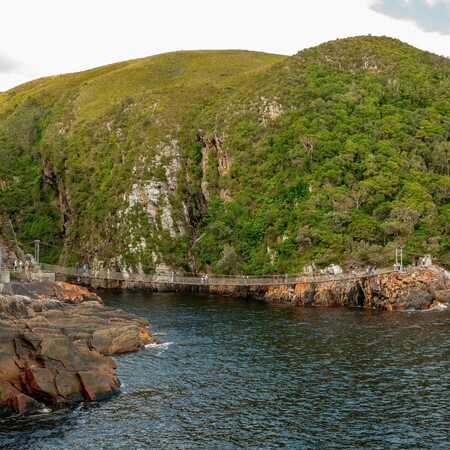
Premium small group trip through South Africa, Swaziland, Lesotho
- Botswana
- Eswatini (Swaziland)
- Lesotho
- South Africa
- 15. Nov 2026
- 13. Dec 2026
/BOTS-Okavango Delta_450_450.jpg)
Safari small group trip from Victoria Falls to Cape Town
- Botswana
- Namibia
- South Africa
- Zimbabwe
- 11. Apr 2027
- 09. May 2027
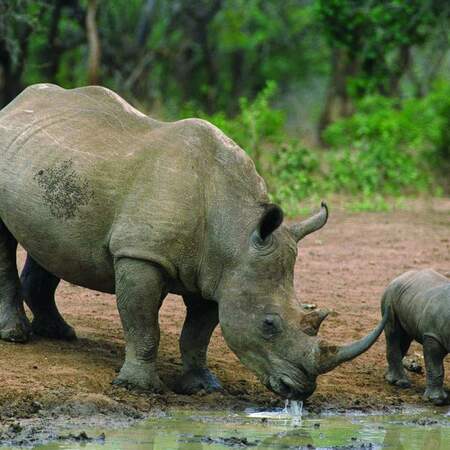
Delta & Chobe Trail - Camping or Lodge Safari
- Botswana
- Namibia
- Zimbabwe
- 27. Oct 2026
- 30. Oct 2026
- 03. Nov 2026
- 06. Nov 2026
- 10. Nov 2026
- 13. Nov 2026
- 24. Nov 2026
- 27. Nov 2026
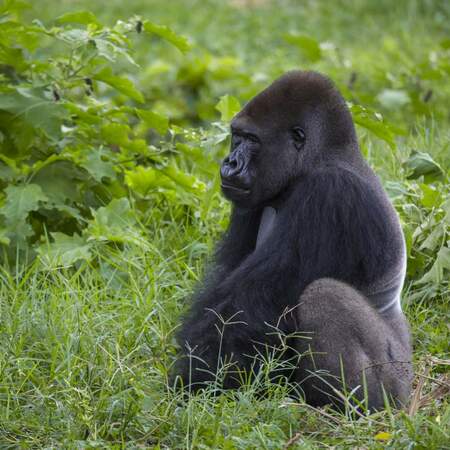
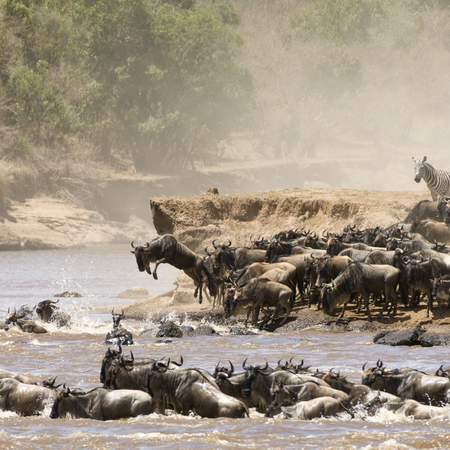
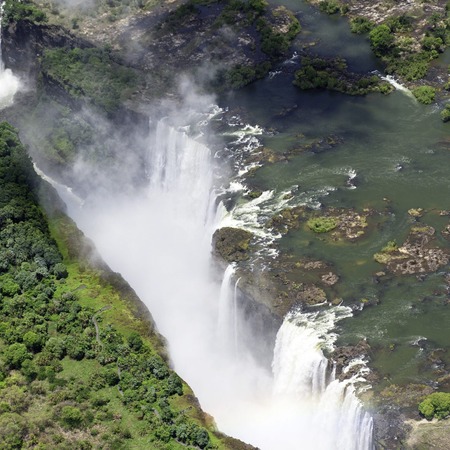
East Africa Safari Adventure: Gorillas & Zanzibar
- Kenya
- Tanzania
- Uganda
- 28. Oct 2026
- 11. Nov 2026
- 25. Nov 2026
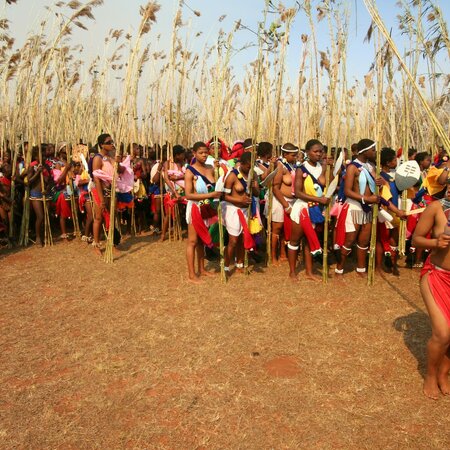
South Africa Mozambique Tour: Safari & Beach
- Eswatini (Swaziland)
- Mozambique
- South Africa
- 04. Nov 2026
- 25. Nov 2026
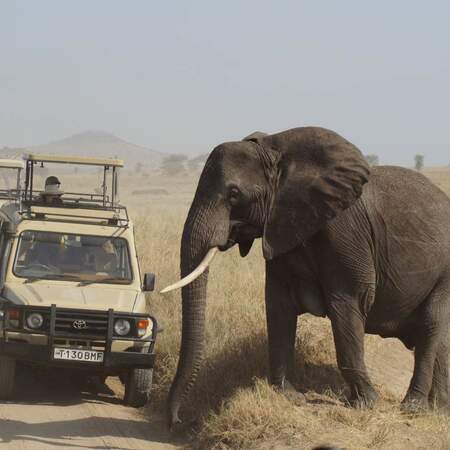
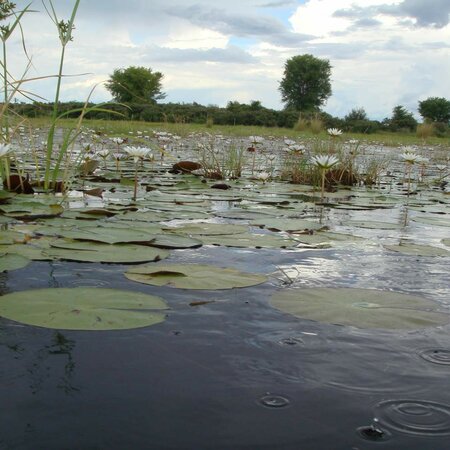
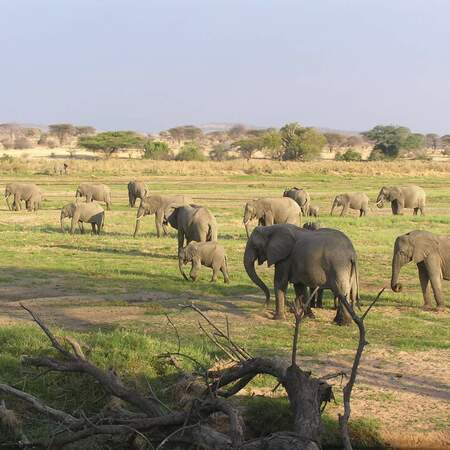
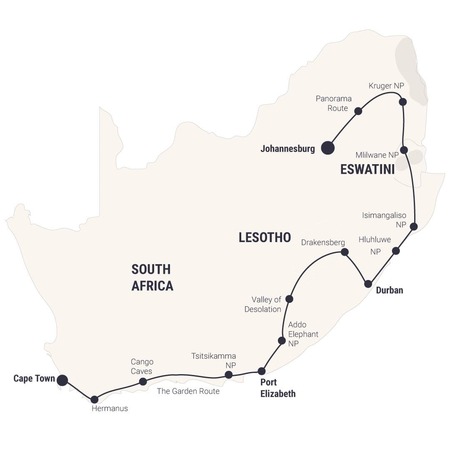
Safari Adventure Trip: Discover South Africa, Eswatini & Lesotho
- Eswatini (Swaziland)
- Lesotho
- South Africa
- 15. Nov 2026
- 13. Dec 2026
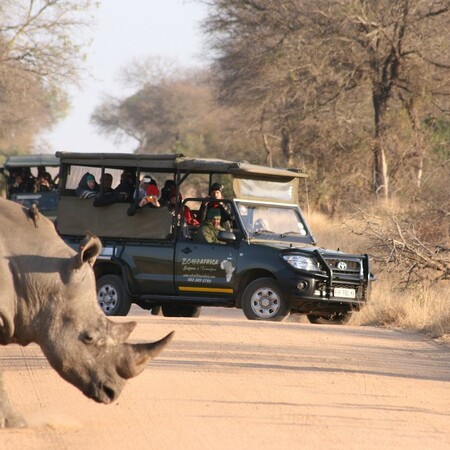
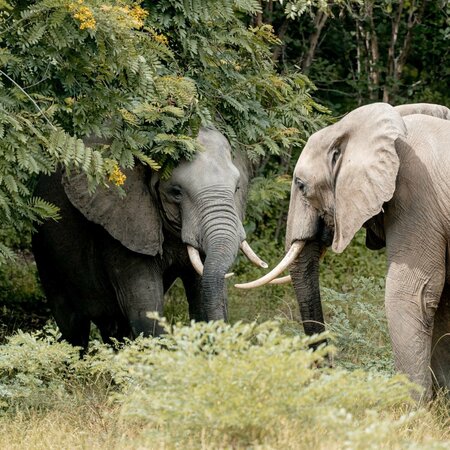
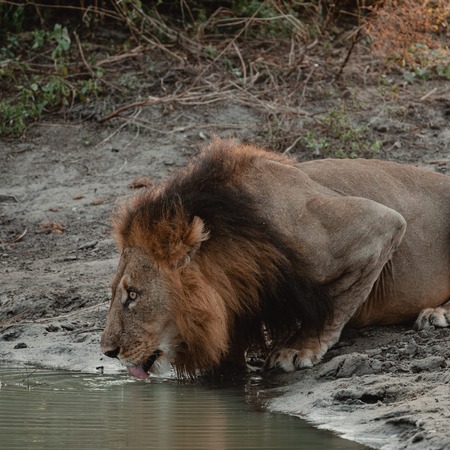
Southern Africa Group Round Trip - Camping or Lodge Safari Tour
- Botswana
- South Africa
- Zimbabwe
- 14. Feb 2027
- 23. May 2027
- 05. Sep 2027
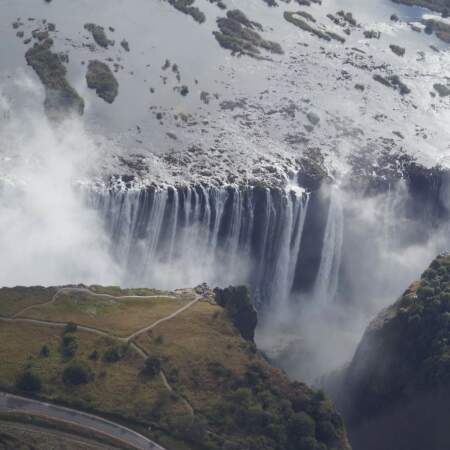
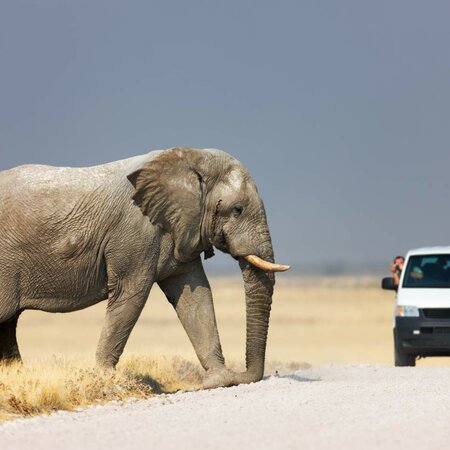
From Cape Town to Kruger National Park - Camping or Lodge Safari
- Botswana
- South Africa
- Zimbabwe
- 11. Jun 2027
- 22. Aug 2027
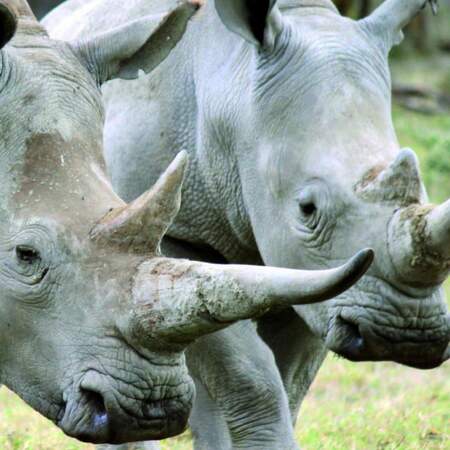
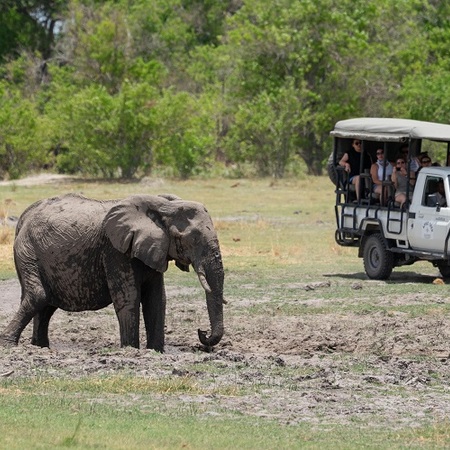
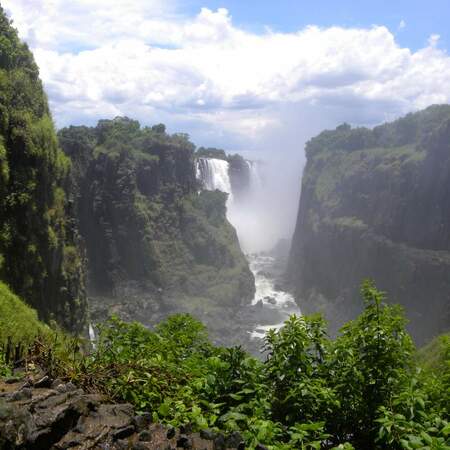
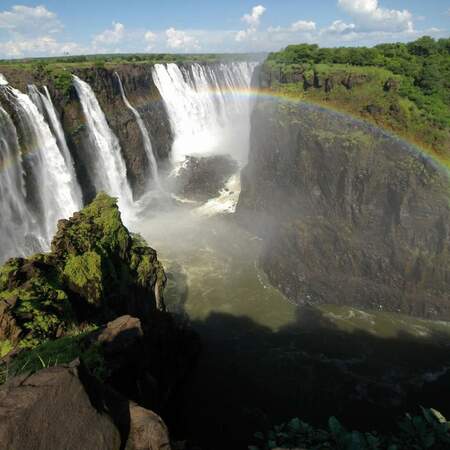
Waterfalls & Wildlife: Guided Group Tour as Camping or Lodge Safari
- Botswana
- South Africa
- Zimbabwe
Dates on request
When to go to Africa? East and south run on their own clock
Dry season means: little grass, full waterholes, animals in one place. Rainy season means: green, young animals, half the price. Almost every date in the catalogue falls in the dry months.
East Africa: Tanzania, Kenya, Uganda
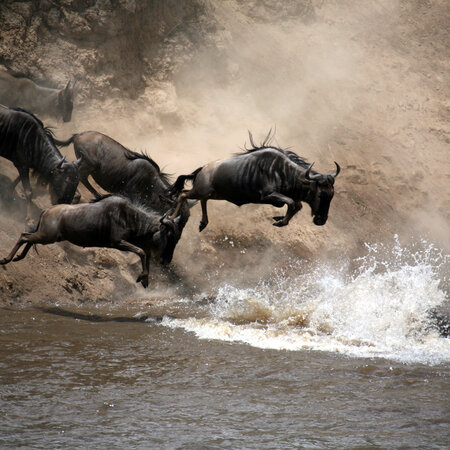
Two dry seasons, June to October and January to February. The great migration stands at the Mara River in July and August, and in January and February the wildebeest calve in the southern Serengeti. Gorilla trekking in Uganda works all year, driest from June to September.
Travel information TanzaniaSouthern Africa: Namibia, Botswana, South Africa, Zimbabwe, Zambia
One dry season from May to October, with cold nights in June and July. In the Okavango Delta the water stands highest from June to August, the Victoria Falls carry the most water in April. Kruger is at its best in September and October.
Travel information NamibiaWhat guests say and what we write

Talk to us
Tell us how you want
Tell us how you want
the journey to feel.
Guided, self-guided, or fully tailor-made - book a free 30-minute call with a real route expert. We'll match your style, budget, and timeline to a specific motorcycle trip.
How do I plan a safari in Africa?
Three decisions are enough to start: which animals you want to see, how many days you have, and how you want to sleep. The great migration means Serengeti or Masai Mara, elephants in numbers means Chobe, desert and animals together means Namibia. With 7 to 10 days you stay in one country, from 14 days two are worth it. Lodge, camping or overland decides the price. The rest, that is dates, park fees, transfers and guide, the trip itself takes care of. If you are unsure: send us the three answers and we will send you three suitable routes.
When is the best time to travel for a safari?
In the dry season, because the animals gather at the waterholes then and the grass is short. For Tanzania, Kenya and Uganda that is June to October, for Namibia, Botswana, South Africa, Zimbabwe and Zambia May to October. July and August are the busiest months with the highest prices. If you want young animals and green landscapes and can live with rain in the afternoon, travel to East Africa in January and February or to the south in November. The exact months per country are in the travel information for Tanzania, Kenya, Namibia and Botswana.
What does a safari in Africa cost?
Our safari trips start at €869 for 4 days camping in Kruger National Park and go up to €11,199 for a 57-day overland trip from Cape Town to Nairobi. A 10-day lodge safari in Tanzania with Serengeti, Ngorongoro and Zanzibar costs €2,699, a 12-day round trip through Namibia with Sossusvlei and Etosha €1,649. The price includes guide, vehicle, accommodation, most meals and the park fees. On top come flights, visa, tips and drinks. What exactly is included is listed under services on every trip.
Where is the safari best: Tanzania, Kenya, Namibia or South Africa?
It depends on what you want to see. Tanzania has the highest density of animals and the great migration, with Serengeti and Ngorongoro. Kenya has the Masai Mara and the shortest journey. Namibia combines desert, Etosha and self-driving on good gravel roads. South Africa has Kruger, malaria-free reserves and the Garden Route on top, with the most trips in the catalogue. Botswana is the wettest, most expensive and emptiest option, with Okavango and Chobe. For a first safari we recommend Tanzania or South Africa.
Can I go on safari with children?
Yes, from about 6 years old, in lodges from 8, on camping safaris from 12. Many lodges in South Africa and Namibia have family rooms, and the malaria-free reserves in the Eastern Cape and the Waterberg take children of any age. Long driving days and overland trucks are nothing for children under 12. The trip Family Adventure in Kruger National Park is built for families. Tell us the age of the children and we will tell you which route fits.
How long should a safari last?
At least 4 days in the park, better 7 to 10. On the first day you arrive, on the last you leave, and in between you need time because the animals keep no timetable. Our trips last between 4 and 57 days, most of them 7 to 14. With 14 days you manage two countries, for example Tanzania with Zanzibar or Namibia with Botswana. From 3 weeks the overland trips from Cape Town to Victoria Falls or all the way to Nairobi are worth it.
What does a day on safari look like?
Up at 5:30, coffee, off at sunrise, because that is when the animals hunt and drink. Three to four hours of game drive, breakfast in the bush or at camp. A break at midday, because at 1 pm the lions sleep too. From 15:30 the second game drive until sunset, in private reserves after dark with a spotlight. Dinner at 19:00, campfire, bed at 21:00. On driving days between the parks you sit 4 to 8 hours in the vehicle.
What vaccinations do I need for a safari?
A yellow fever vaccination is mandatory on entry to Tanzania, Kenya or Uganda if you come from a yellow fever area, and for Uganda in every case. Hepatitis A and B, tetanus, diphtheria, polio and typhoid are recommended. You need malaria prophylaxis in almost every park apart from the Eastern Cape, the Waterberg and parts of Namibia. Talk to a travel medicine doctor 6 to 8 weeks before departure. The details per country are in the travel information for Tanzania and Uganda, and your own doctor has the last word.
Send request

How did you
hear about us?