
Tanzania

A Serengeti safari takes you to northern Tanzania: the national park covers 14,763 km², has been a national park since 1951 and a UNESCO World Heritage Site since 1981. Around 1.5 million wildebeest, 250,000 zebras and 400,000 Thomson's gazelles circle through it every year, and about 3,000 lions live in the park. You reach Seronera in the centre from Arusha in 7 to 8 hours via the Ngorongoro Crater, or in about 1.5 hours by light aircraft.
The Serengeti lies between 920 and 1,850 metres and falls into four parts. In the south are the open short-grass plains around Ndutu and Naabi Hill Gate: volcanic soil, hardly a tree, green within days of rain. In the centre around Seronera, acacias, river courses and granite outcrops, the kopjes, alternate. The Western Corridor follows the Grumeti to within 8 km of Lake Victoria, and the north around Lobo and Kogatende is hilly acacia woodland up to the Mara.
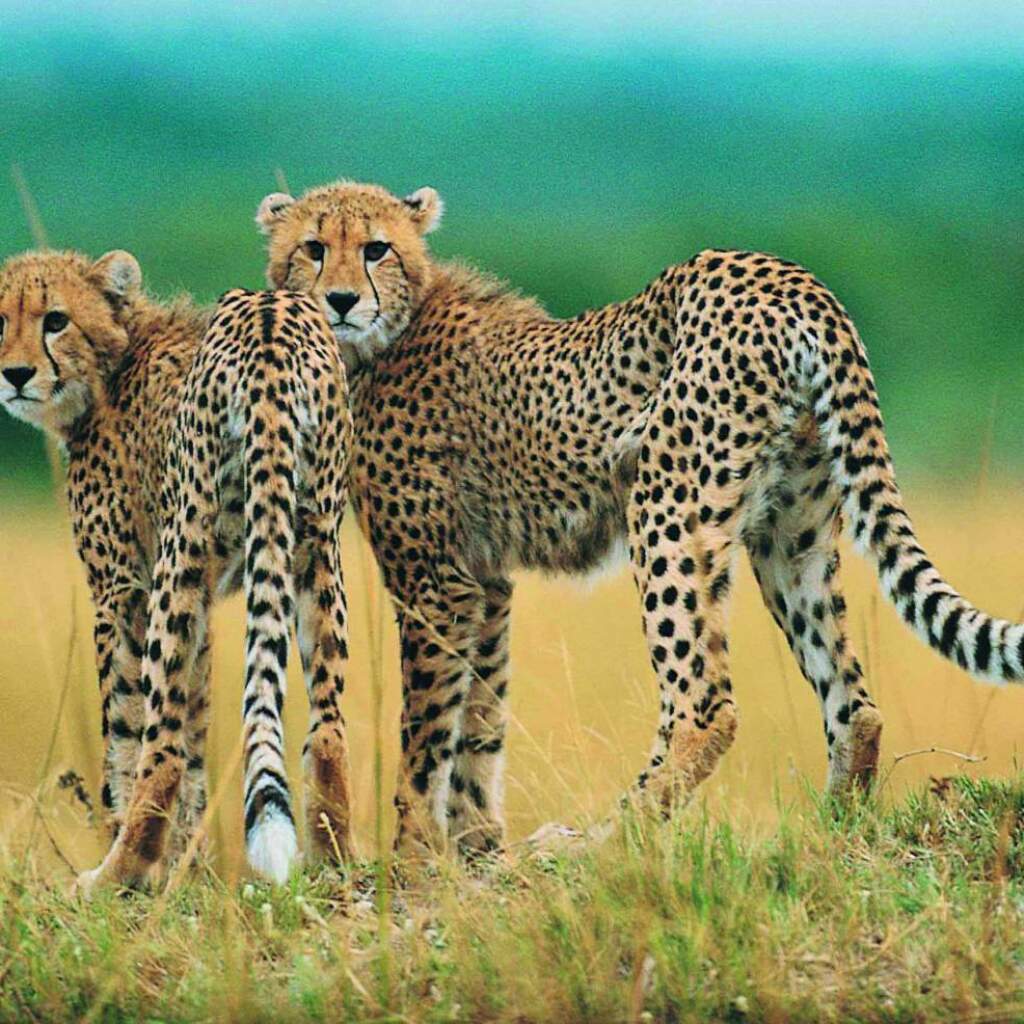
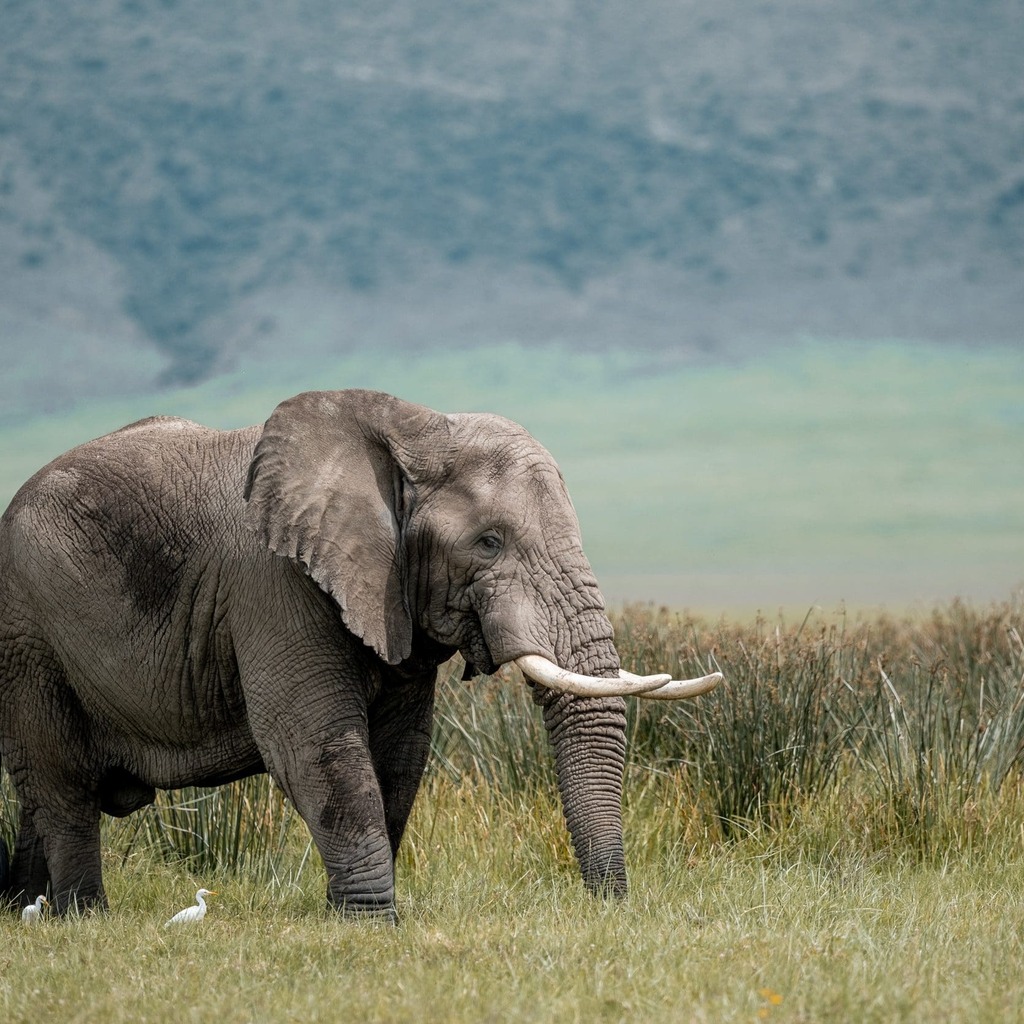
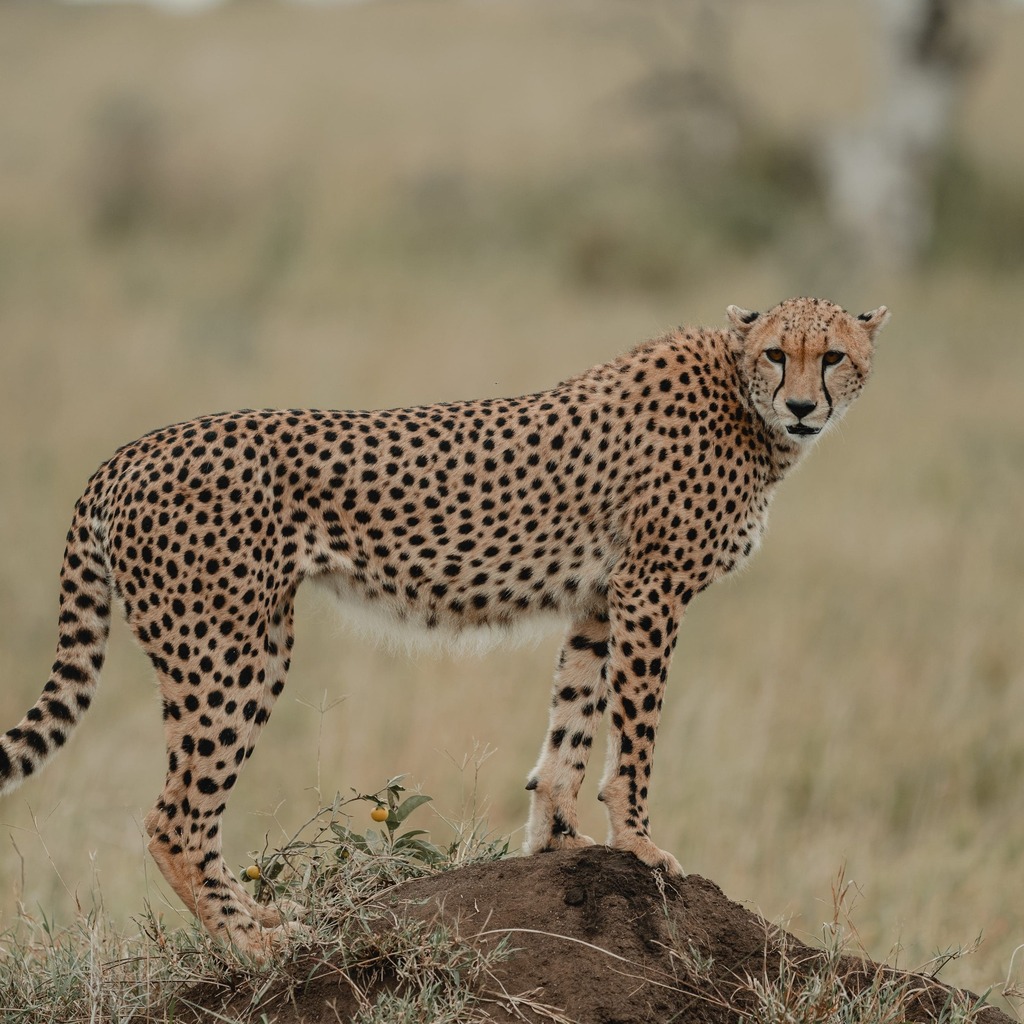
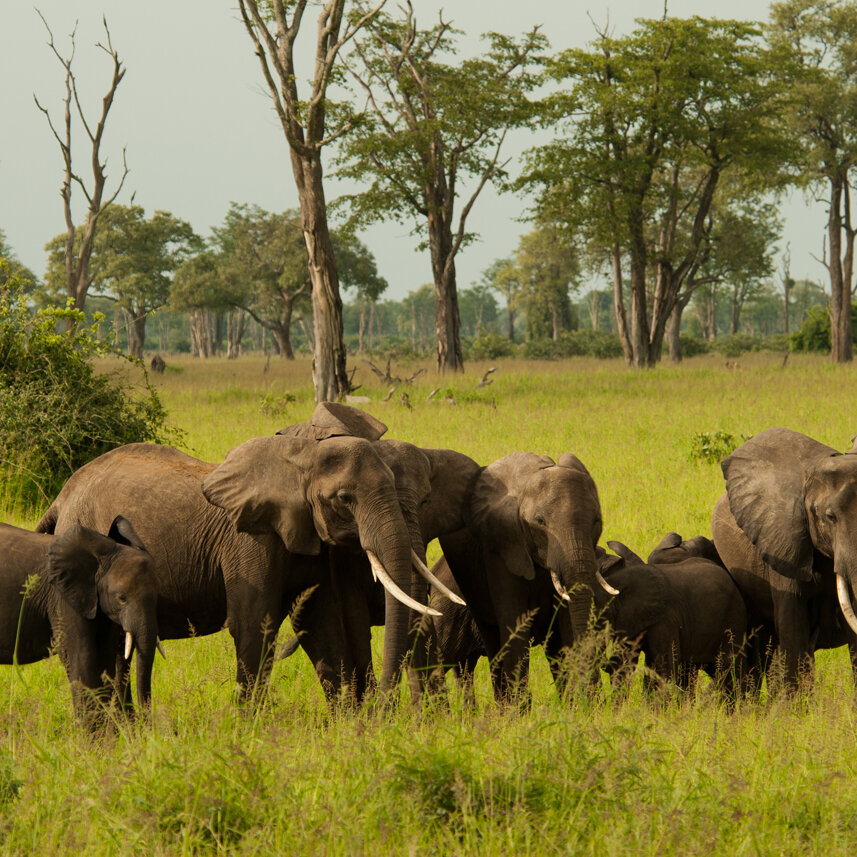
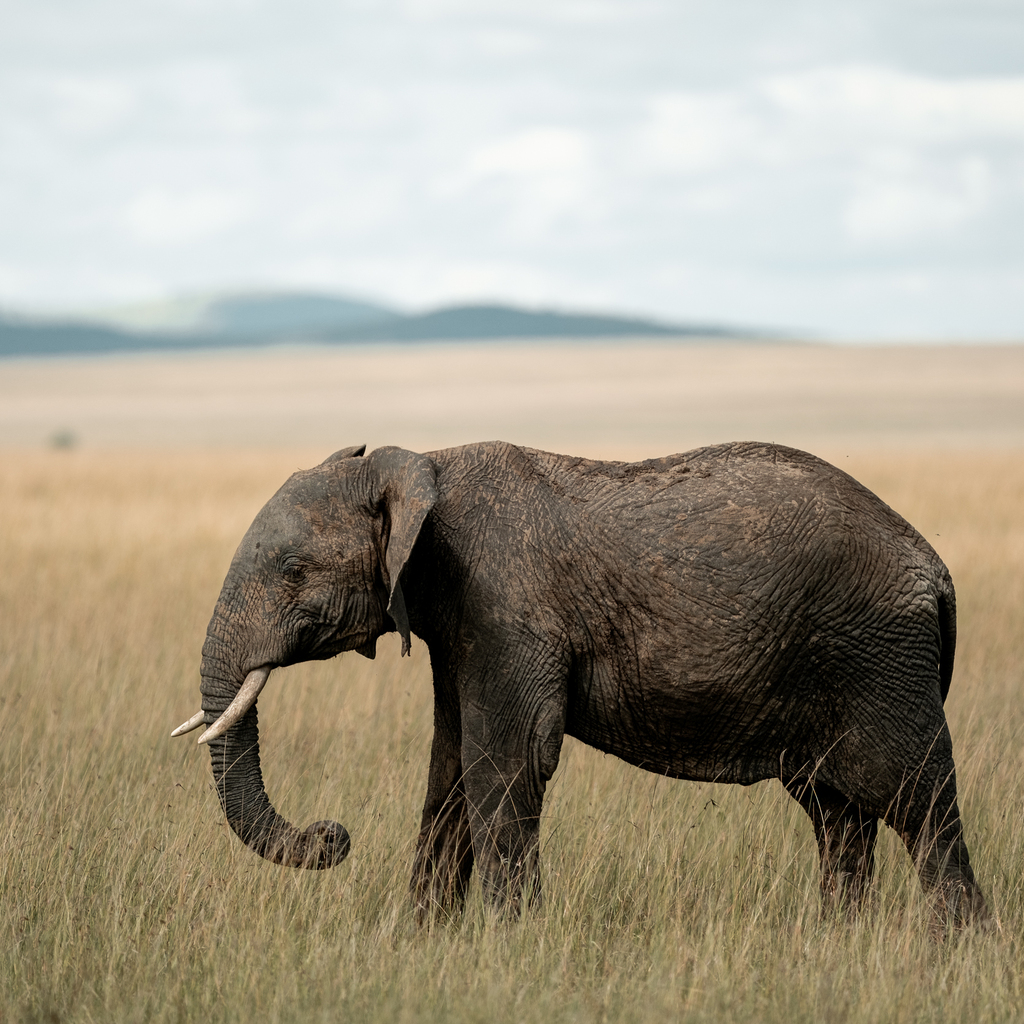
About 70 species of large mammals and more than 500 bird species live in the park. Wildebeest are counted at around 1.5 million, zebras at 250,000, Thomson's gazelles at 400,000. Add about 3,000 lions, the largest lion population in Africa, around 1,000 leopards, 7,500 spotted hyenas, 200 to 300 cheetahs and more than 5,000 elephants. Black rhinos are the rarest, 30 to 40 animals, most of them at the Moru Kopjes in the centre. Buffalo, giraffes, eland, topi, hartebeest, impala and warthogs you see every single day.
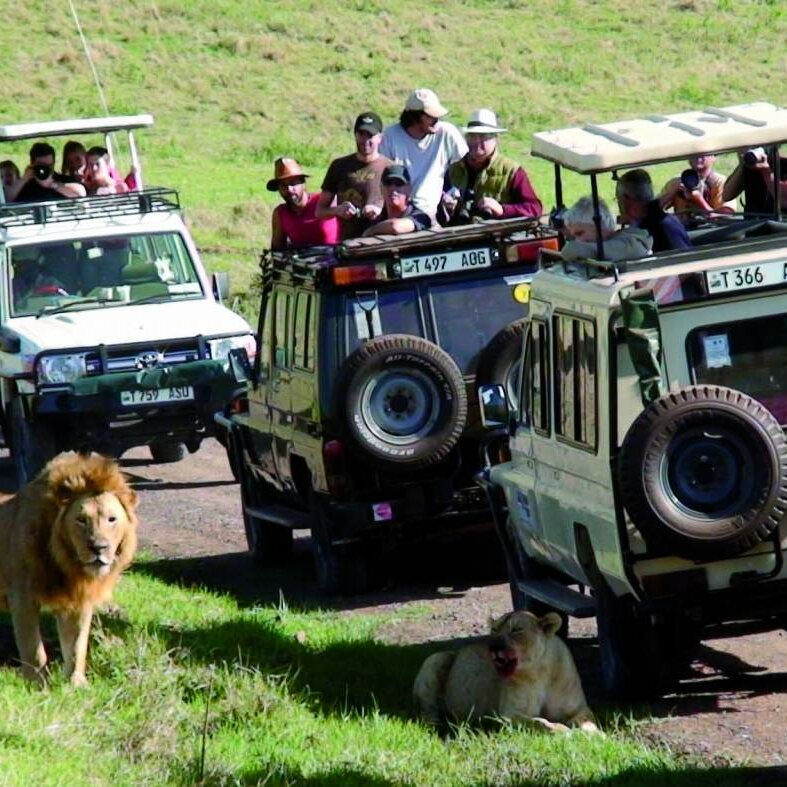
Seronera is the surest place for lions and leopards all year, because the Seronera River carries water even in the dry season. On the Grumeti lie crocodiles that grow to over 5 metres. The kopjes are lookouts for lions and hideouts for rock hyraxes and snakes. A day in the vehicle rarely takes you further than 150 km, because 50 km/h is the speed limit in the park and you stop at every sighting anyway.



With the short rains the herds arrive in December on the short-grass plains around Ndutu and Kusini, on the border of the Ngorongoro Conservation Area. Between late January and early March the wildebeest cows give birth to around 400,000 calves within about 3 weeks, up to 8,000 on peak days. A calf stands after 5 minutes and runs with the herd after an hour. Hyenas, lions and cheetahs are closer to the herds in these weeks than at any other time, and you watch hunts from the vehicle. The plains are flat and open, the herds often stand only a few hundred metres from the track.
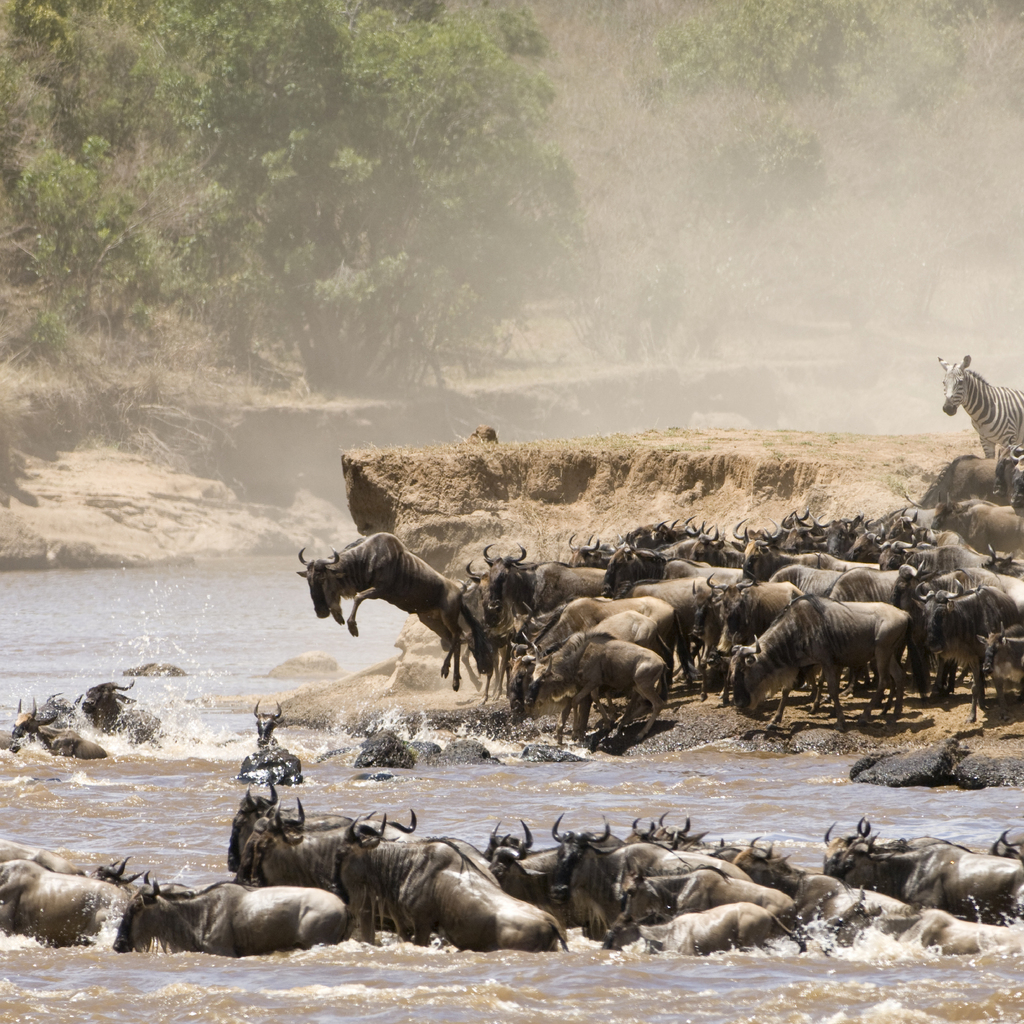
In May the herds move north-west into the Western Corridor. The Grumeti is not a wide river, but its crocodiles grow to over 5 metres and wait all year for these weeks. The crossings mostly happen in June, at a few points between Kirawira and Grumeti Gate, and each lasts only minutes. The Western Corridor is hillier than the south, with gallery forest along the river and hippos in the deep pools. By the end of July the herds move on north, past Lobo towards the Mara.
The Mara separates the northern Serengeti from Kenya's Masai Mara. Between July and October the herds cross the river around Kogatende and Lamai several times in both directions, at about 10 known points. One crossing takes thousands of animals across in an hour, then nothing happens for hours. If you want to see one, you wait in the vehicle on the bank, often 2 to 4 hours. The north is the most remote part of the park, around 150 km from Seronera, with fewer vehicles than at the Ngorongoro Crater. The steep banks, the crocodiles and the current kill on average more than 6,000 wildebeest a year.

With the short rains in November the herds leave the north and walk back to the southern plains in 4 to 6 weeks, past Lobo, Seronera and the eastern side of the park. The whole circuit measures around 800 km a year. The route is not fixed: the animals follow the rain and the fresh grass, and in a dry year they stay longer in the north. That is why no calendar names a date, only a month. Our tours in this period drive the central Serengeti around Seronera, where the resident game stays all year, and meet the herds on the way.
The park is open all year, but not every part is drivable in every month. Two rainy seasons set the calendar: the short rains in November and December and the long rains from late March to May. Between them lies the dry season from June to October, with 25 to 28 degrees by day and 12 to 15 degrees at night.
January and February: dry with short showers, the herds are in the south, calving from late January. March: the long rains set in, mostly in the afternoon, the southern tracks soften. April: the wettest month, several camps in the west and south close, minor tracks are impassable. May: the rains ease, the Western Corridor is still soft, the herds move to the Grumeti. June: dry, short grass, Grumeti crossings. July to September: high season, all tracks open, Mara crossings in the north, the most vehicles. October: hot and dusty, last crossings, game stays close to water. November: first showers, the herds set off south, prices drop. December: green, few vehicles, the herds are back on the southern plains.
For the Mara crossings you book July to October and sleep in the north. For the calving you book late January to February and sleep near Ndutu. If you want lions and leopards, Seronera is right in every month.
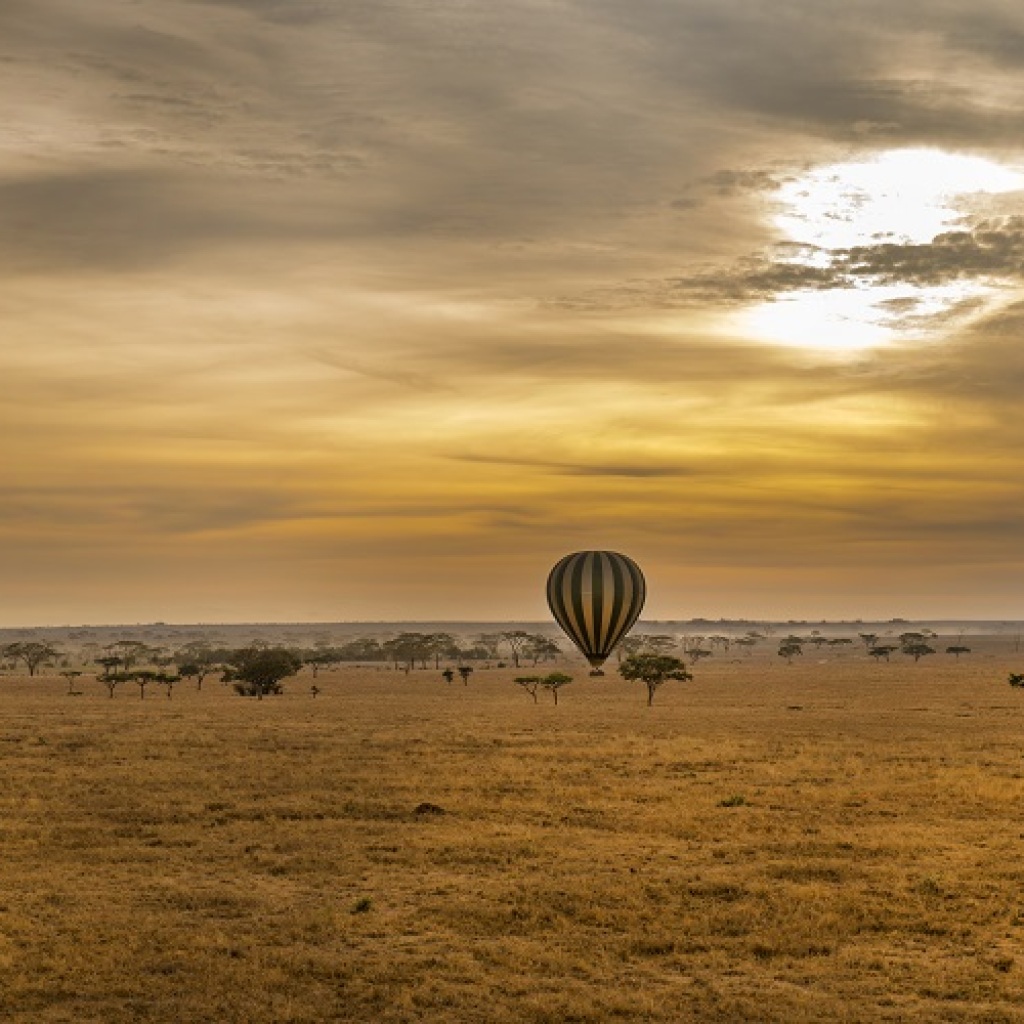
The park entry fee of the national parks authority TANAPA is 70 US dollars per adult and day, 60 US dollars in the low season from 15 March to 15 May, each plus 18 percent VAT. Children aged 5 to 15 pay 20 US dollars. On top come the vehicle fee and, for nights inside the park, a fee per night, 30 US dollars per person on public campsites. On our tours all park fees are included in the price. A balloon flight over the plains costs an additional 600 US dollars or so per person.
From Arusha it is around 330 km to Seronera in the centre of the park. The road runs via Karatu and Lodoare Gate into the Ngorongoro Conservation Area, over the crater rim down onto the plains and to Naabi Hill Gate. Allow 7 to 8 hours including stops, the last 2 to 3 of them on dirt track. All our tours drive this route with the guide in a 4x4. If you would rather fly: light aircraft fly from Arusha in about 1.5 hours to the airstrips at Seronera, Kogatende and Ndutu.
Three nights in the park are the minimum to see the south and the centre rather than just drive through. For the north with the Mara crossings add 2 more nights, because Kogatende is around 150 km from Seronera. Our lodge and camping safaris spend 2 nights in the Serengeti and combine it with the Ngorongoro Crater and Tarangire; the 22-day overland tour links it with Kenya and the Victoria Falls.
Driving is allowed from 6 am to 6 pm, at night every vehicle stays put. The speed limit is 50 km/h. Nobody drives off the tracks, not even for a photo. You may only leave the vehicle at picnic sites, gates and camps. Keep your distance from animals, switch the engine off at a sighting, feeding is forbidden. Drones are banned in all of Tanzania's national parks. Plastic bags have been banned nationwide since 2019, in your luggage too.
The whole Serengeti is a malaria area, even at 1,500 metres. Prophylaxis is recommended, talk to your travel doctor 4 to 6 weeks before departure. Long clothing from dusk and a repellent with DEET reduce the bites. Tanzania requires a yellow fever vaccination only if you arrive from a yellow fever country or transit there for more than 12 hours. The nearest hospital is in Arusha; in an emergency the Flying Doctors fly in from Nairobi. Travel health insurance with repatriation cover therefore belongs on every trip.
Solid buildings with restaurant, pool and electricity, mostly built on a hill or against a kopje. Around Seronera are the classic lodges in the centre of the park, with one more in the north at Lobo. The advantage is the location: you are at the river courses at 6 am without first passing a gate. This is how our 9- and 10-day lodge safaris sleep.
Tents with beds, shower and flush toilet that move twice a year with the herds: December to March to Ndutu in the south, June to October to Kogatende in the north. Meals are cooked in camp, in the evening you sit by the fire, at night you hear hyenas. The camps stand where the herds are this week, so in crossing season the drive to the river is shortest from here.
The park authority runs public campsites at Seronera and Lobo with a water point, toilet block and cooking hut, no fence and no electricity, for 30 US dollars per person and night. Our 7-day camping safari sleeps this way inside the park: dome tents with mattresses, the crew cooks, you help pitch. Hyenas walk through camp at night, so food stays in the vehicle and after dark you do not walk to the washroom alone.
For the Mara crossings July to October, for the calving late January to February. June to October is the dry high season with all tracks open and the most vehicles. April is the wettest month, when minor tracks are impassable and some camps close. Lions, leopards and elephants around Seronera you see in every month.
At least 3 nights. The park covers 14,763 km², and from Naabi Hill Gate in the south to the Mara in the north is around 200 km of track. With 3 nights you see the south and the centre, with 5 nights the north as well. Our tours combine the Serengeti with the Ngorongoro Crater and Tarangire, and the 7 to 10 days of the trip are spread across all three.
Yes. The whole park is a malaria area, and the altitude of 920 to 1,850 metres does not protect you. Talk to your travel doctor 4 to 6 weeks before departure about a prophylactic, wear long clothing from dusk and use a repellent with DEET. A yellow fever vaccination is only compulsory if you arrive from a yellow fever country.
70 US dollars per adult and day, 60 US dollars in the low season from 15 March to 15 May, each plus 18 percent VAT. Children aged 5 to 15 pay 20 US dollars. Vehicle and overnight fees come on top. On all our tours the park fees are included in the tour price.
Yes, with a 4x4, a map and spare fuel cans: inside the park you can only refuel at Seronera. The tracks are barely signposted, the distances are long, and without the guides' radio chatter you find the herds only by luck. Our tours travel with a driver-guide who knows the waterholes and listens to the radio. Self-drivers pay entry, vehicle and camping fees at the gates.
No, and anyone who promises that has not been there. The herds follow the rain, not the calendar. What you can plan is the part of the park: January to March the south, June the Western Corridor, July to October the north, November and December on the move. With 2 to 3 days on the river you have a high chance of a Mara crossing, with one day it is luck. But the 1.5 million wildebeest are somewhere in the park, and your guide knows where they are this week.

How did you
hear about us?