At a glance Contents
- The short answer: two countries, two characters
- Kenya: short distances, dense wildlife encounters
- Tanzania: Serengeti, crater and the road to the sea
- Kenya and Tanzania compared side by side
- Migration and travel time: the country does not follow the herd
- A safari day: what to expect in the vehicle
- Lodge or overland: how you want to travel
- Which animals do you see where?
- Both countries on one trip
- How to decide in five questions
- Frequently asked questions
The short answer: two countries, two characters
We hear the question Kenya or Tanzania almost every day, mostly from people heading to East Africa for the first time. Both countries share the same savannah, the same herds and the same wildlife migration. The difference is not that one country is better. It lies in how the trip feels, how long it needs to be and what you still want to experience after the game drives.
Kenya is more compact. From Nairobi you reach the Masai Mara, Lake Nakuru or Nairobi National Park in a short time. A sensible safari can be built in just four days. Tanzania is wider and thought on a larger scale: the Serengeti, the Ngorongoro Crater and the coast lie far apart, so you need more days, and in return you get more space, more changes of landscape and, at the end, the spice island of Zanzibar.
At OVERCROSS we build these trips as group trips for four to twenty people. This comparison draws on our catalogue and on what guests tell us after they return. We do not claim to know every corner of both countries, but we will tell you where the differences really matter for your planning.
Kenya: short distances, dense wildlife encounters
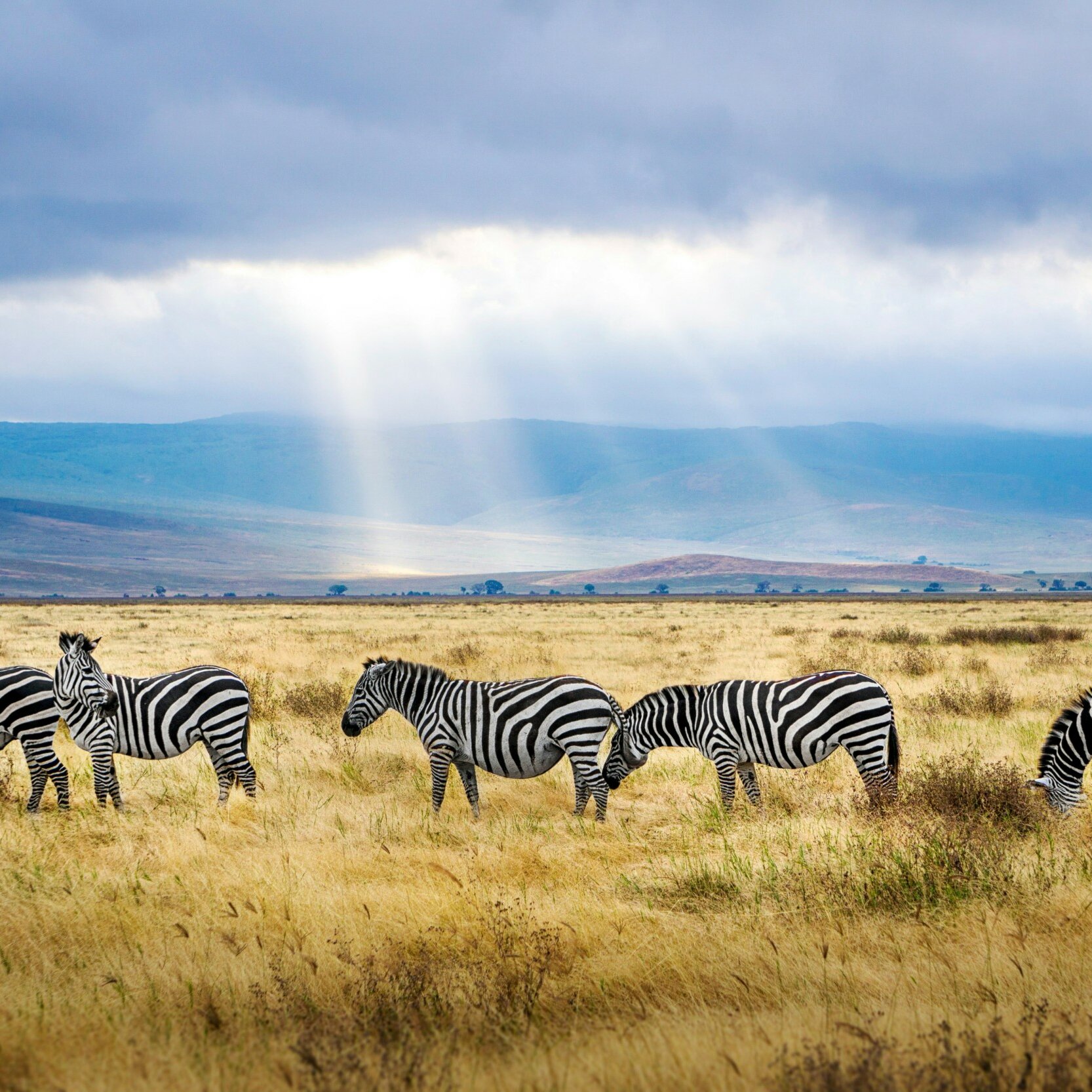
The strongest reason for Kenya is the Masai Mara. The grassland is open, the density of predators is high, and many guests see lions, elephants, buffalo and zebras on their first full safari day. Add Lake Nakuru, where flamingos and pelicans line the shore and rhinos roam the park. And then there is Nairobi National Park, the only protected area of its kind right next to a major city: giraffes and lions in front of the skyline.
The best thing about Kenya is its efficiency. If you only have a week or less of holiday for Africa, this is where you get the furthest. Our lodge safari Kenya with Masai Mara and Big Five lasts four days and starts from 1899 euros. You spend two full days in the Mara grassland, plus Lake Nakuru, Nairobi National Park and the Giraffe Centre. It is a trip for beginners, with no athletic demands and no long stages.
The flip side: in high season you share well-known sightings with many vehicles. And if you are looking for long stretches through empty wilderness, you will find them less often in Kenya than in northern Tanzania. The distances are short, which is both an advantage and a limit.
Good to know: according to our country overview, Kenya has two dry seasons, January to February and June to September. You will find everything else about entry in our travel information for Kenya. That is where the details that can change are kept, and they are maintained. We deliberately do not repeat them here.
Tanzania: Serengeti, crater and the road to the sea
Tanzania plays with different images. The Serengeti is an endless plain where herds move like a carpet. The game drives take longer, the distances are greater, and the silence between sightings is part of the experience. Then there is the Ngorongoro Crater, a closed caldera with rhinos, buffalo, lions and flamingos in a small space. The drive down to the crater floor takes you about 600 meters down and is one of the moments guests never forget.
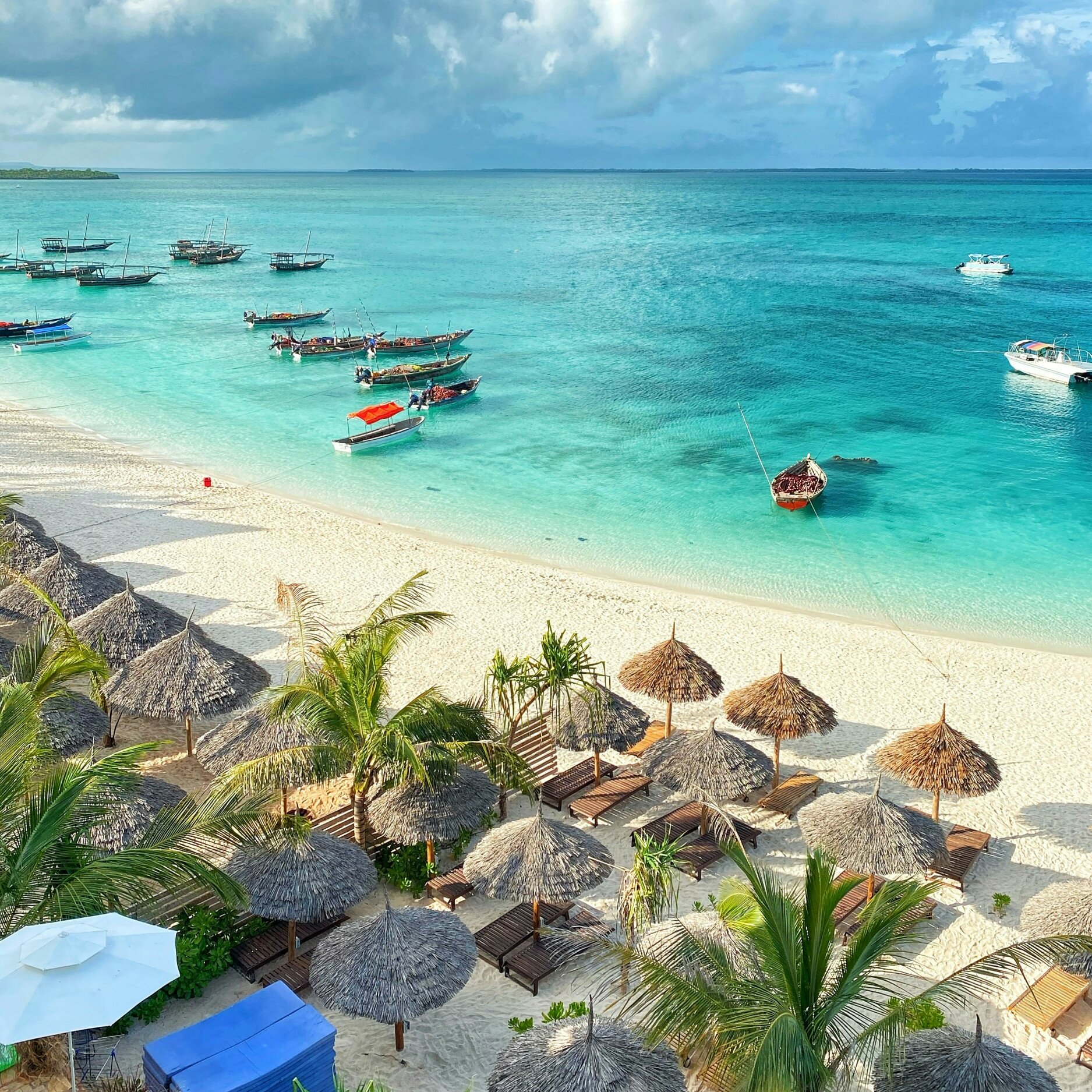
Tanzania's biggest plus comes after the safari: Zanzibar. If you want to dip your feet in the water after days in the dust, you will find narrow alleys with Swahili and Arab history in Stone Town, cloves, vanilla and nutmeg on the plantations, and then white beaches. Our safari Tanzania with Zanzibar combines the Serengeti and Ngorongoro with this finale, lasts ten days and starts at 2699 euros.
If you want to know when the herd is where, read our article Serengeti best time to travel. It answers the question of the months more precisely than we could in a comparison.
The flip side of Tanzania: it takes more time. If you only take four days, you mostly see travel time. Plan at least a week, better more.
Kenya and Tanzania compared side by side
The table summarises what matters most for your decision. Trip length and prices come from our tours, which we present further below.
| Criterion | Kenya | Tanzania |
|---|---|---|
| Character | Compact, many sightings per day | Wide, calm, expansive |
| Highlights | Masai Mara, Lake Nakuru, Nairobi National Park | Serengeti, Ngorongoro Crater, Zanzibar |
| Shortest trip in the catalogue | 4 days, from 1899 euros | 10 days, from 2699 euros |
| Beach extension | Possible, but not part of the short tour | Zanzibar directly in the programme |
| Who it suits | Little time, first safari | More time, landscape and sea |
On budget: Kenya is cheaper in our catalogue only because the trip is shorter. If you calculate per day, the two countries are closer together than the total price suggests. So always compare the days, not just the total.
Migration and travel time: the country does not follow the herd
A common misconception goes: in Kenya you see the Great Migration, in Tanzania you don't, or the other way round. In fact, wildebeest and zebras move in a large circle through the ecosystem of the Serengeti and the Masai Mara. The border is invisible to the animals. You experience the herd wherever it happens to be, and that depends on the month, not on the passport in your travel documents.
For your planning this means: do not decide by country first, but by your travel month. If your holiday falls in the dry season, visibility is good in both countries, the grass is low and the animals gather at the waterholes. Outside the dry season it gets greener and quieter, but some tracks are softer and the drives take longer. That is no disaster, but you should know it before you book.
If you want to see a particular natural spectacle, such as river crossings, find out exactly beforehand and do not hope for a guarantee. No serious operator can promise that the herd will be at a certain spot on a certain day. The animals follow the rain, not the itinerary. That is why we tell our guests openly: a safari day is a good day when you spend time with the animals, not when you tick off a list.
The Masai Mara has an advantage here that is easy to overlook: because the distances are short, you can fit two or three game drives into a short trip and spread your chances well. In Tanzania, on the other hand, every additional day in the park is worth it, because the distances are long and you first have to settle into the landscape.
A safari day: what to expect in the vehicle
Whether Kenya or Tanzania, the rhythm is similar. The day starts early, because predators are active in the cool of the morning and the light is soft. You sit in an open vehicle or under a pop-up roof, the driver looks for tracks, and radio messages help with orientation. At midday it gets quiet, the animals rest in the shade, and you rest with them. In the late afternoon comes the second game drive, often the more beautiful one.
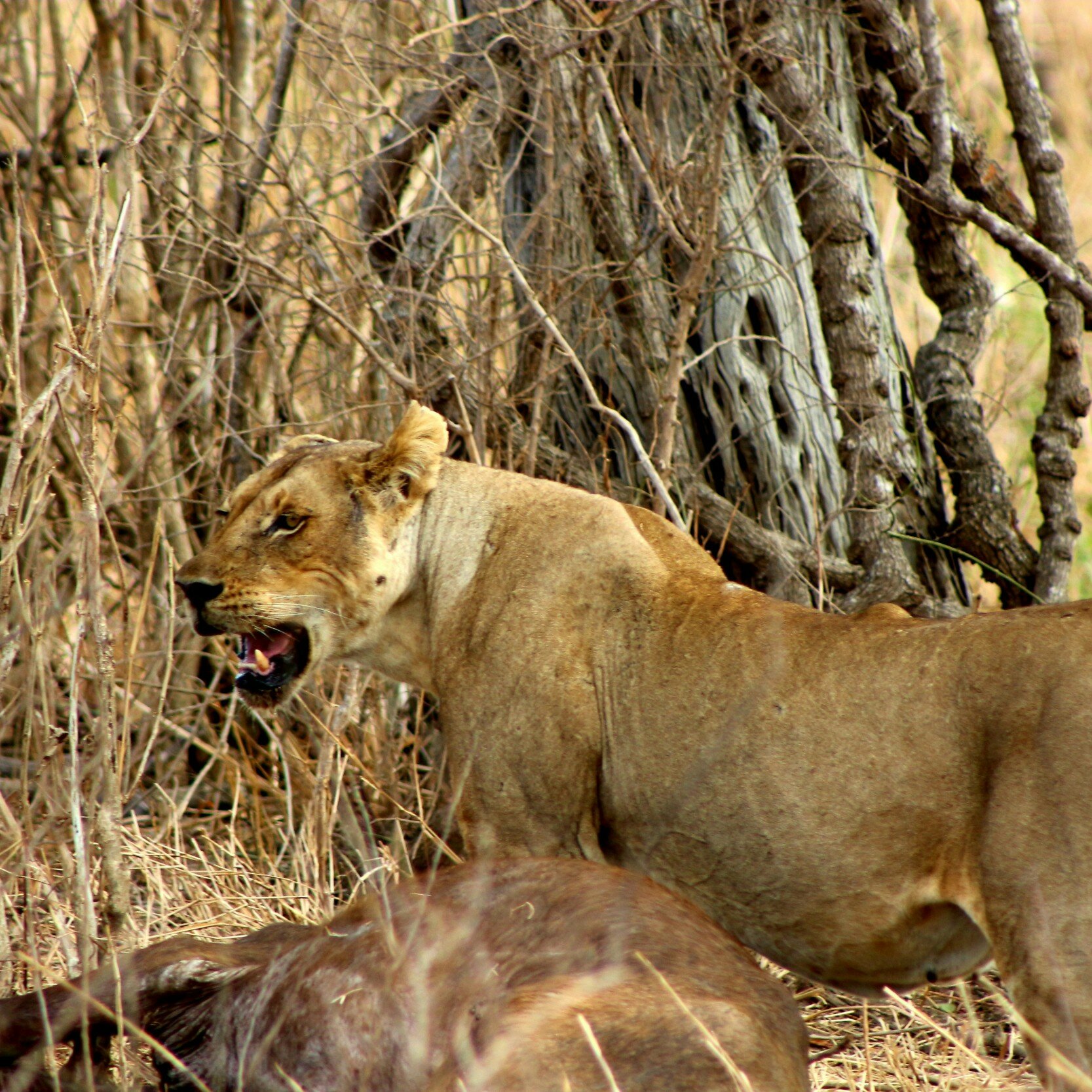
What many underestimate: safari is patience. There are hours with little, then suddenly a lioness with cubs right beside the track. If you come expecting to see action every minute, you will be disappointed. If you are ready to simply watch, you take away the most. A good pair of binoculars helps more than any expensive camera, and a camera with a zoom helps more than a phone.
You feel the differences between the countries mostly in the openness. In the Mara you often see several groups of animals at once, in the Serengeti you spend more time with individual encounters. In the Ngorongoro Crater, in turn, the space is limited, so you see a surprising number of species in one morning. At Lake Nakuru a very different scene is added, because flocks of birds stand in the water and the rhinos graze in the background.
Pack light, unobtrusive clothing in earth tones, plus sun protection, a jacket for the cool mornings and sturdy shoes. You need nothing more for a lodge safari. On the overland trip, add a sleeping bag and a torch, and your luggage should be soft and compact so that it fits in the truck.
Lodge or overland: how you want to travel
Almost as important as the country is the travel style. On a lodge safari you sleep in permanent accommodation, travel in a safari vehicle and have a bed, a shower and a meal someone else has prepared in the evening. Our short Kenya trip and the ten-day Tanzania trip are built this way. Both are meant for guests without special experience, and the level of demands is low.
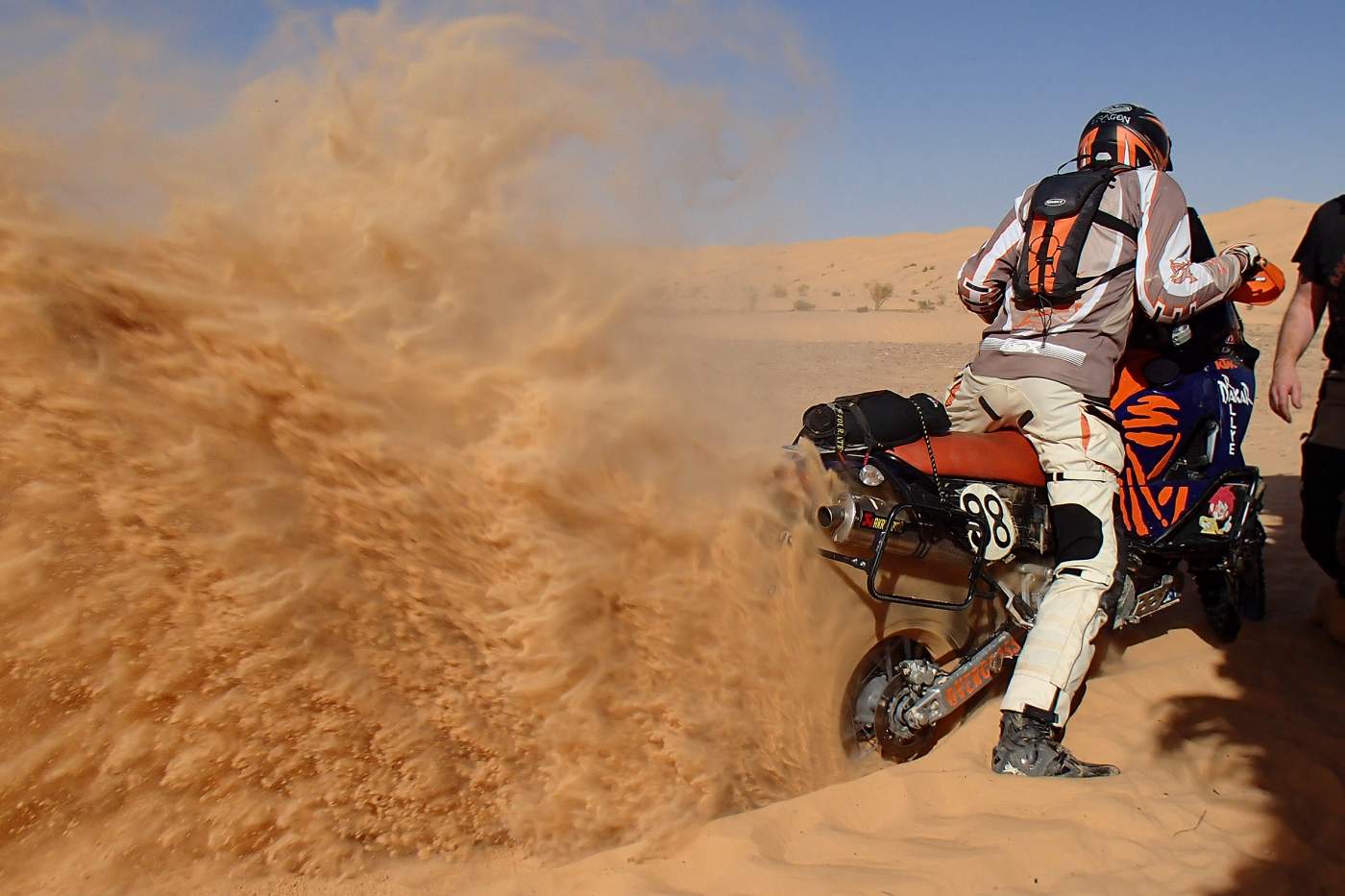
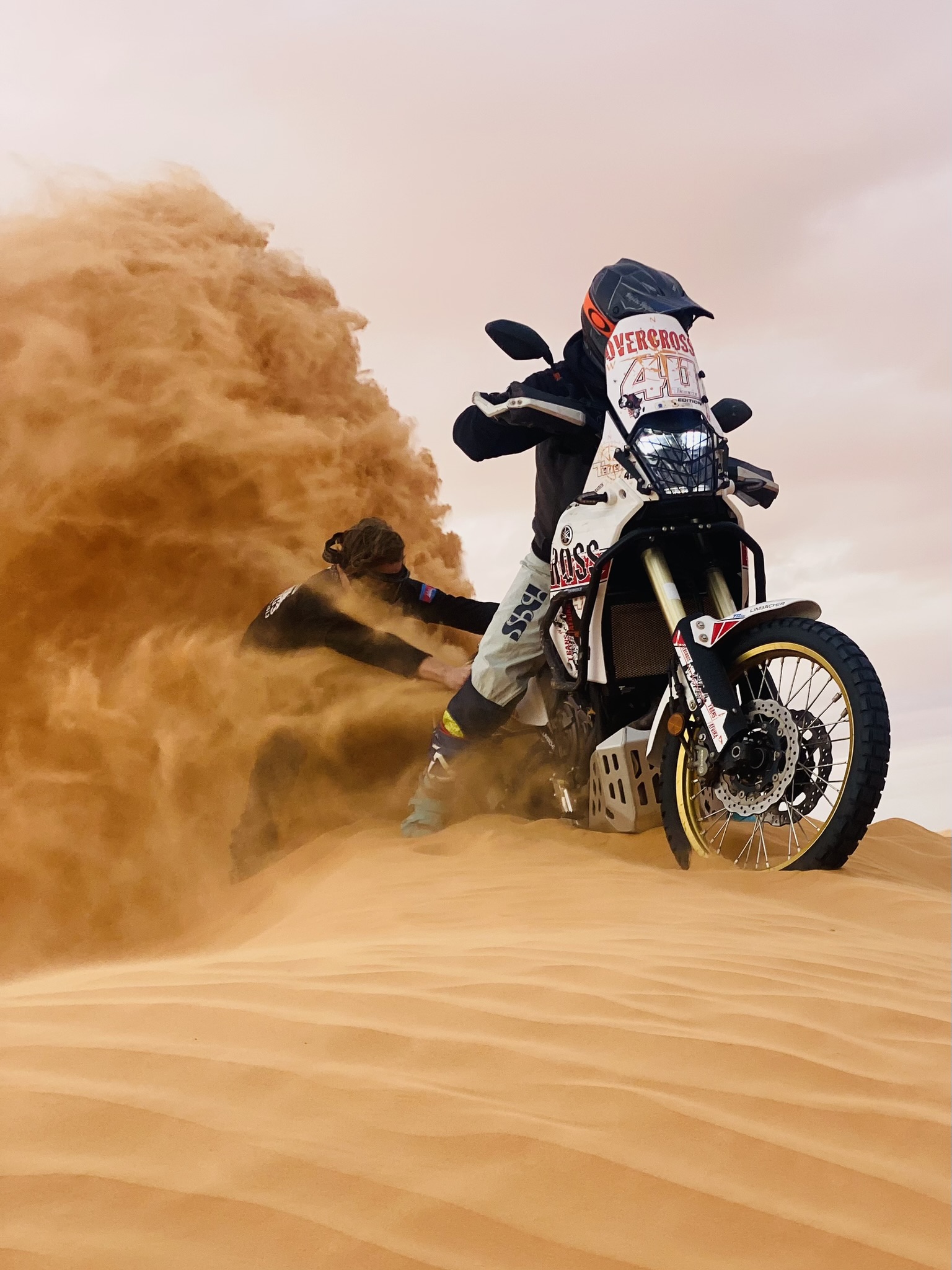
On an overland trip you sit in the truck, the group cooks and helps set up camp, and you sleep partly in a tent. In return you reach places that are not on a lodge route, and on the day of arrival you are already in the middle of it. The group often grows together because everyone shares the tasks. Guests on our big East Africa round trip mainly praise the clear routing and the good organisation of the stages, including the change between safari and camping. That fits what we ourselves expect from this style of travel: it is rougher, but reliable when the leadership is experienced.
A simple rule of thumb: if after a long flight you want to shower and sleep in on the first evening, choose lodge. If you would rather be on the move, together with other travellers, and a tent is no problem for you, choose overland. Both ways are honest, they are just differently strenuous.
Which animals do you see where?
Many guests ask whether they are more likely to see certain animals in one of the two countries. An honest answer: the big names exist in both. Lions, elephants, buffalo, zebras and wildebeest are part of the basic equipment of the savannah in Kenya as in Tanzania. Among the Big Five, that is lion, elephant, buffalo, leopard and rhino, leopards and rhinos are naturally the shyest. Finding them is luck, the driver's experience and patience, and no country can guarantee them to you.
What you get particularly well in Kenya are the rhinos at Lake Nakuru and the variety over a short distance. A four-day trip includes savannah, lakeshore and city park, so you change habitat three times. In Tanzania it is the sheer density in the Ngorongoro Crater and the size of the Serengeti that give you the feeling of standing in the middle of a wildlife film. If you like birds, you get your money's worth in both countries, and the flamingos at Lake Nakuru are part of the finale on the overland route too.
What matters is that you don't arrive with a checklist. The best memories often arise in unexpected places: a bull elephant feeding right next to the vehicle, a cheetah on a termite mound, giraffes in the evening light. Tell your guide what interests you most, and they will plan the drive accordingly.
Both countries on one trip
Often the most honest answer to Kenya or Tanzania is: both. The migration moves back and forth between the Serengeti and the Mara, and you don't have to choose one side either. Our overland safari Tanzania and Kenya with Zanzibar lasts fourteen days, costs from 4859 euros and needs at least six participants. You travel through the Serengeti, Ngorongoro and the Masai Mara, watch flamingos at Lake Nakuru and end up at the Indian Ocean.
A guest from this region wrote that the stages between the parks were well coordinated, and that the camping nights felt well thought out and accessible. If you put comfort above everything, you are better off choosing one of the lodge trips.
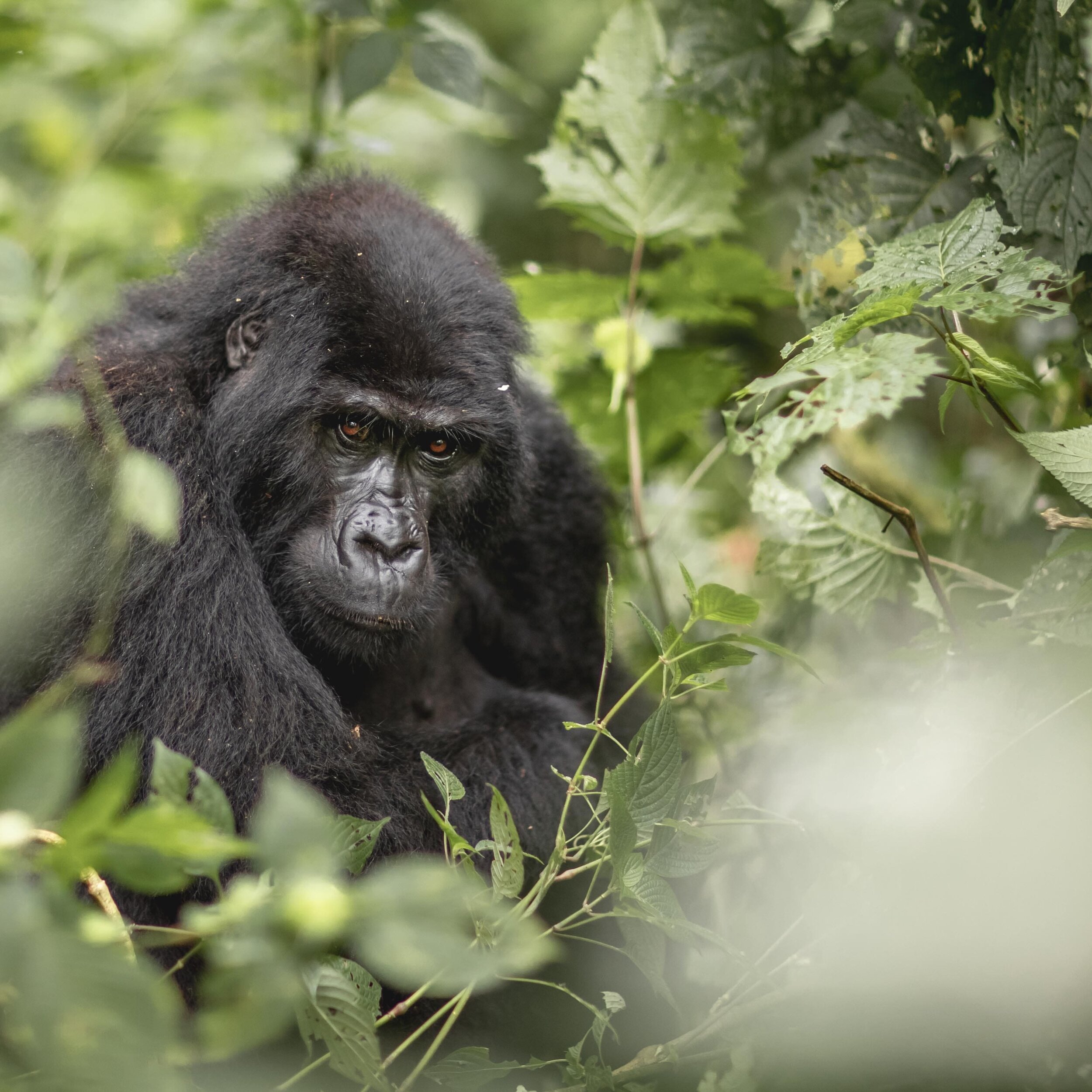
If Uganda also appeals to you, our safari Kenya and Uganda shows how the Masai Mara can be combined with mountain gorillas. That is already a different trip with a different focus, but it shows that East Africa can be thought of in building blocks.
How to decide in five questions
- How many days do you have? Up to a week: Kenya. From ten days: both countries are open.
- Do you want a beach? Then Tanzania with Zanzibar is the easier solution.
- Is it your first safari? The Masai Mara delivers quick rewards. The Serengeti rewards patience.
- What do you expect from the travel style? Lodge safaris are calmer, overland trips are closer to the action and rougher.
- When can you travel? Check the dry seasons and the departure dates. Some of our tours still have free starts in the coming weeks.
If you are still undecided after these questions, write to us with when you have holiday and what you absolutely want to see. We will tell you honestly which country fits better, even if it is the shorter and cheaper trip.
Answered briefly
Frequently asked questions
- Is Kenya or Tanzania better for a first safari?
- For beginners with little time, Kenya is usually the easier choice, because the Masai Mara offers short distances and dense wildlife encounters. With more time and a taste for open space, Tanzania with the Serengeti and the Ngorongoro Crater is worth it.
- How many days do I need for a safari in Kenya?
- Just four days are enough for a good start: Masai Mara, Lake Nakuru and Nairobi National Park fit into a compact lodge safari. If you want to travel more relaxed, plan a week or more.
- Can I combine a safari with a beach holiday?
- Yes. In Tanzania, Zanzibar with Stone Town, spice plantations and beaches is part of our ten-day safari. The overland trip through both countries also ends at the Indian Ocean.
- Is a trip through Kenya and Tanzania together worth it?
- If you have two weeks, yes. You see the Serengeti, the Ngorongoro Crater and the Masai Mara on one route. In return you travel in an overland truck, sleep partly in a tent and have longer driving days.
- Where do I find information on entry and vaccinations?
- All current details on entry, documents and health are in our travel information for Kenya. It is maintained continuously, which is why we do not give the details here.