
Kenya

A Masai Mara safari takes you to south-western Kenya, the northern part of the Serengeti ecosystem: 1,510 km² of grassland between the Oloololo Escarpment and the Mara River, at 1,500 to 2,180 m. From July to October up to 1.3 million wildebeest, 200,000 zebras and 500,000 Thomson's gazelles stand here. The rest of the year you see the reserve's share of the ecosystem's roughly 850 lions, plus elephants, cheetahs and leopards in open country. 3 of our safaris cross the reserve.
The Masai Mara lies in Narok County at 1,500 to 2,180 m and, at 1,510 km², is about one tenth the size of the Serengeti, which it borders to the south without a fence. To the west the Oloololo Escarpment closes the reserve, a fault line rising some 300 m above the plain. From there the land falls away eastwards into open grassland. The Mara River, 395 km long from the Mau Forest to Lake Victoria, splits the reserve into two management areas: the Mara Triangle, 510 km² west of the river and run by the Mara Conservancy since 2001, and the larger eastern part under Narok County. The Talek and the Sand River join as tributaries from the east and south.
The vegetation is mostly open savannah of red oat grass, which stands over a metre high after the rains and is grazed short by October. Gallery forest of fig and acacia lines the rivers; bushland sits at the foot of the escarpment and in the Ngama Hills to the east. The east receives 800 mm of rain a year, the west 1,200 mm, spread over two rainy seasons.
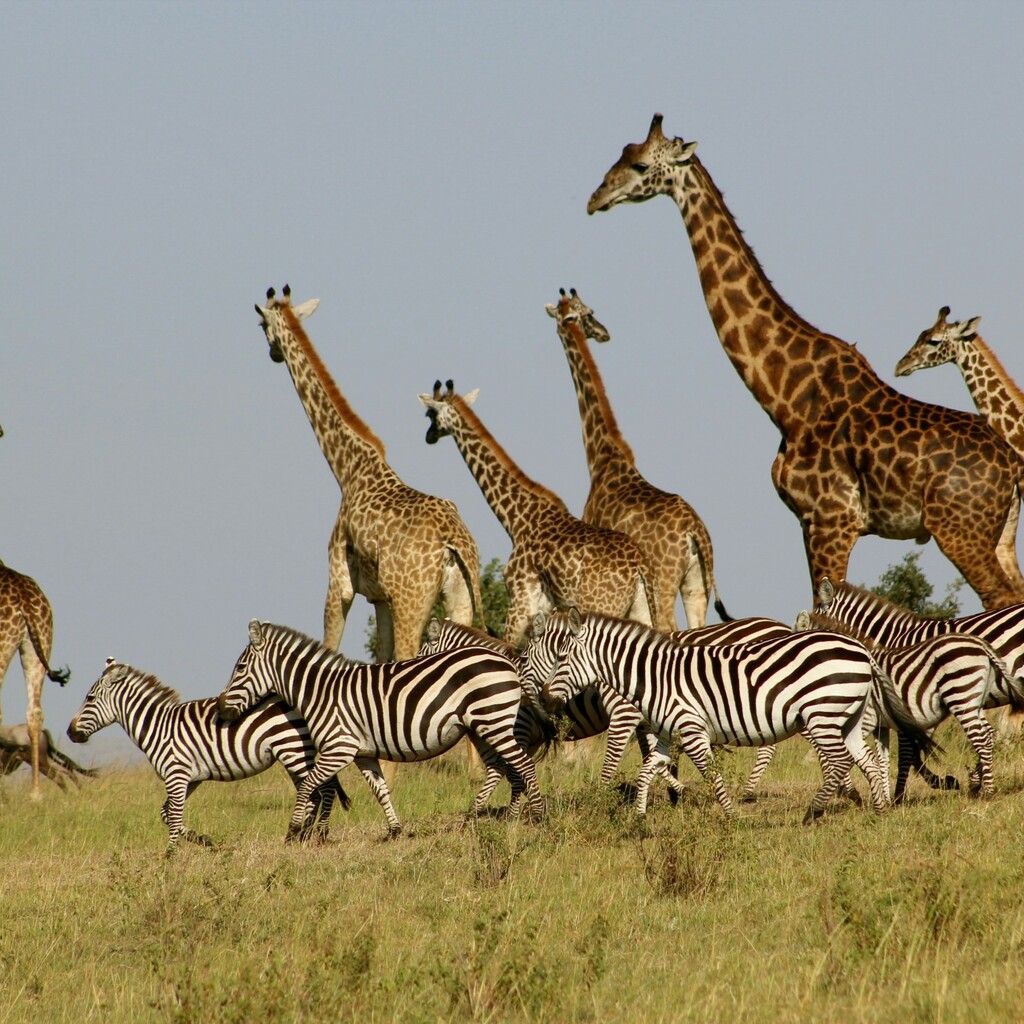
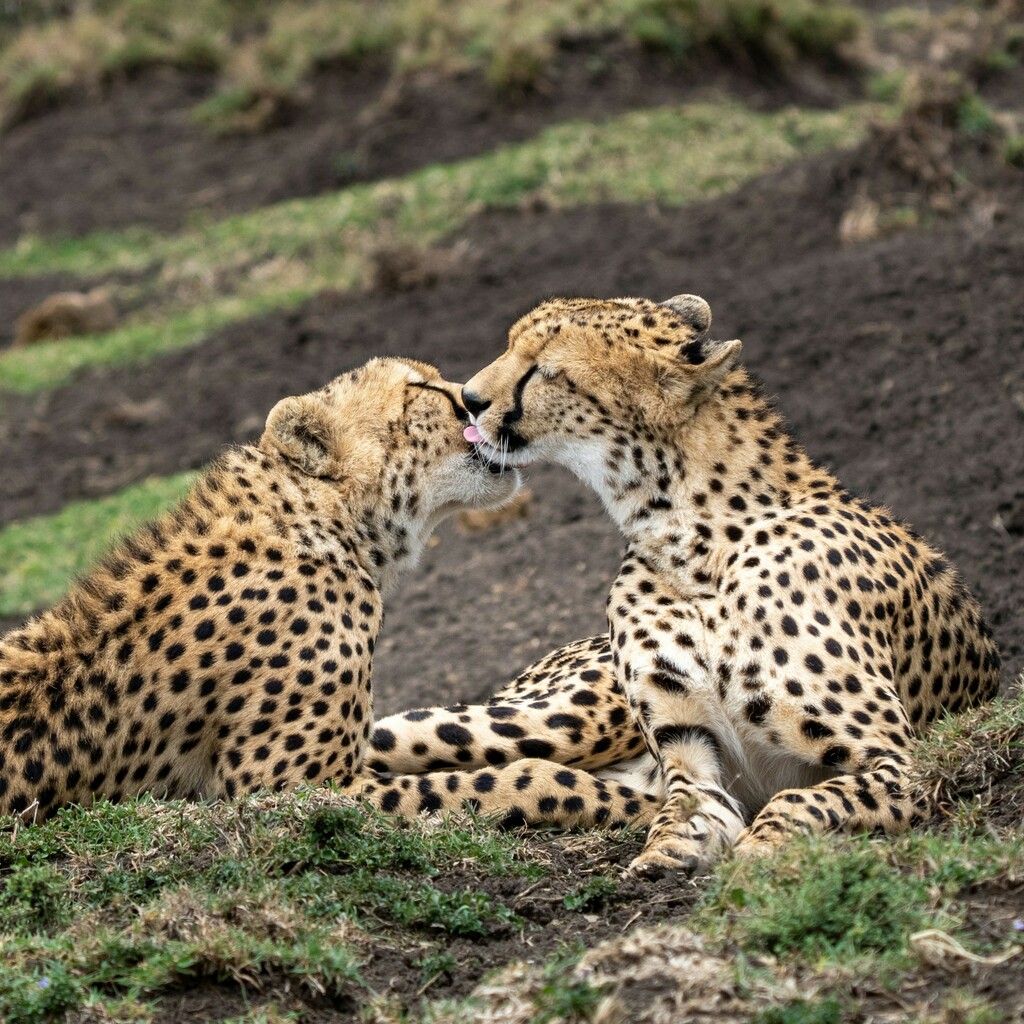
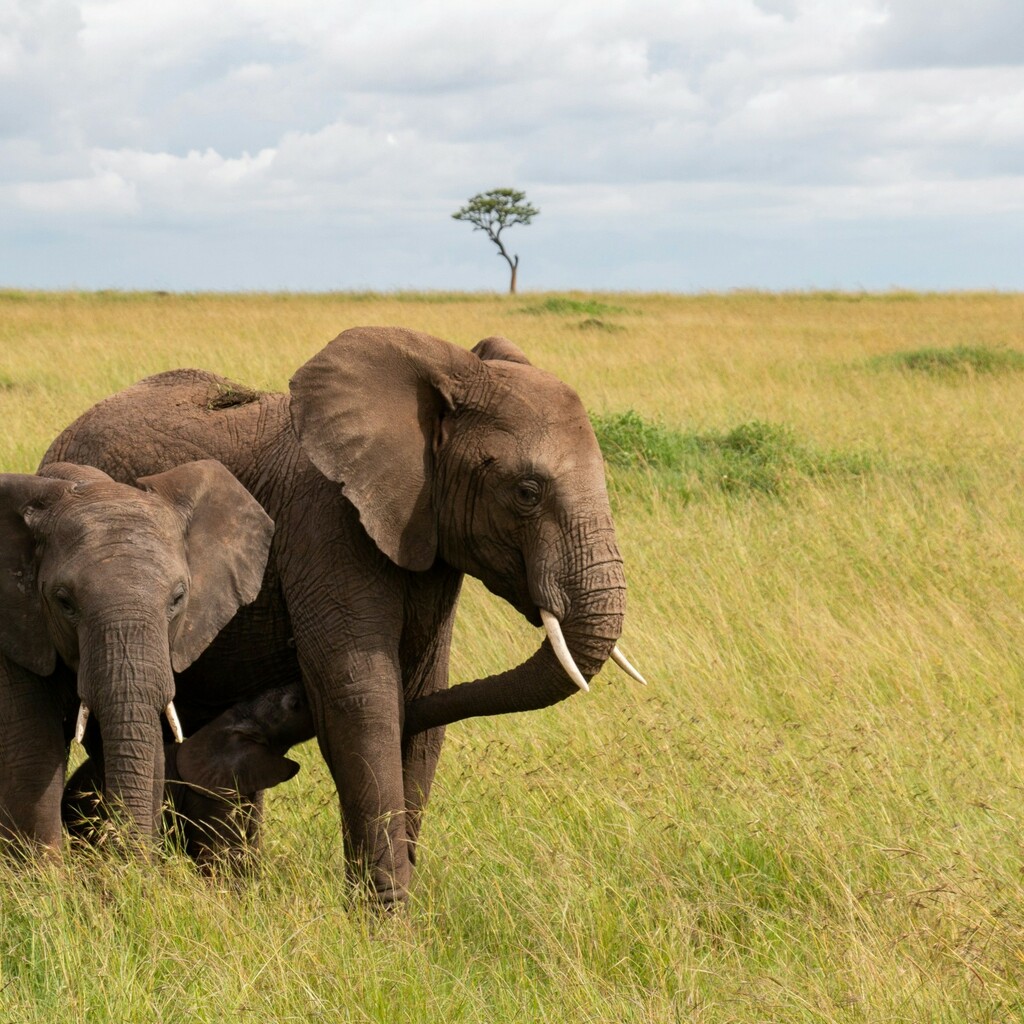
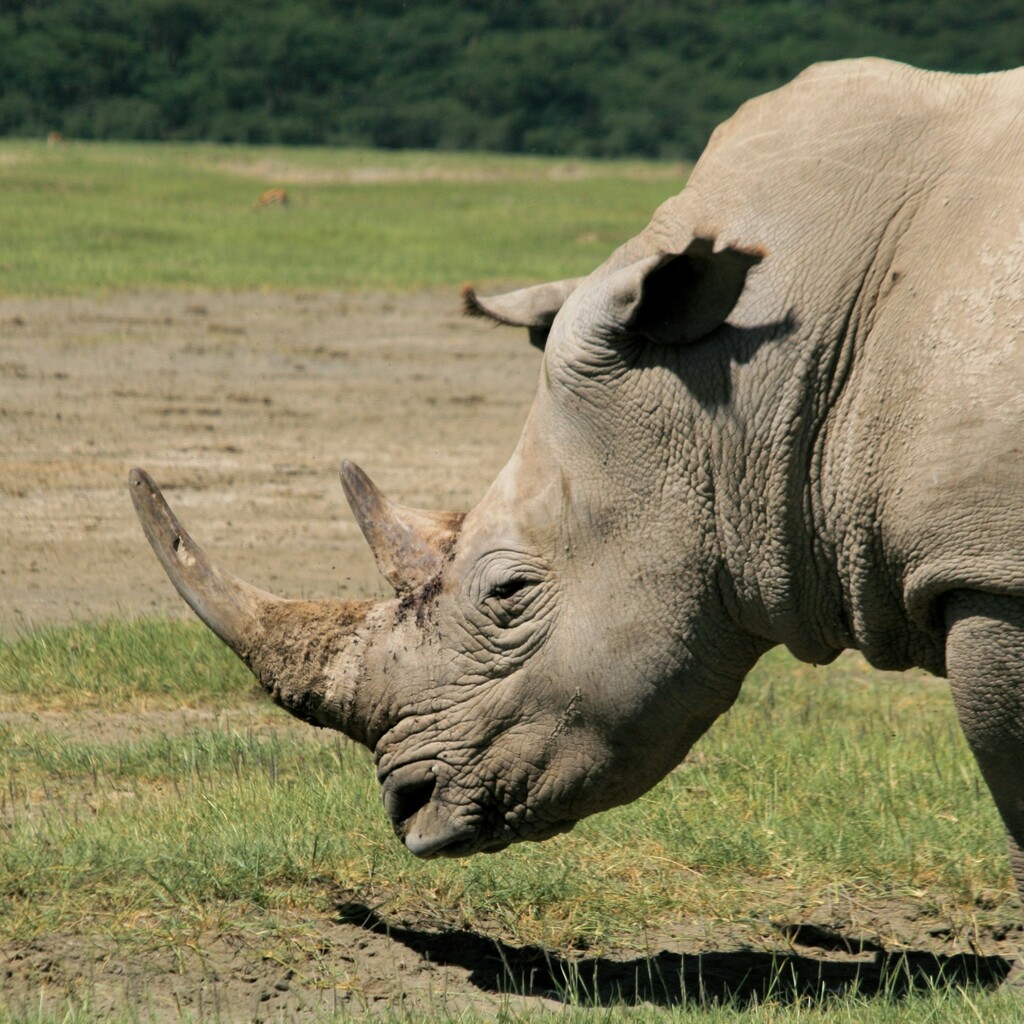
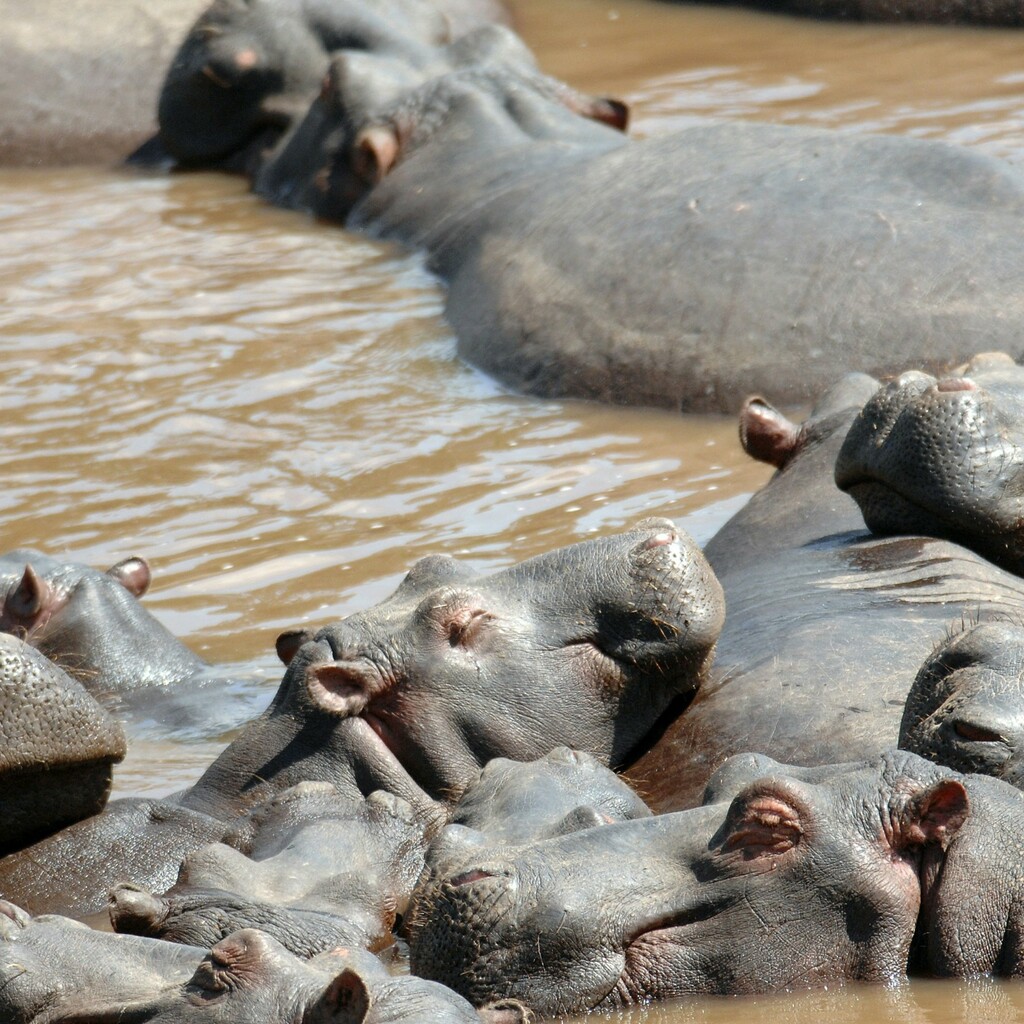
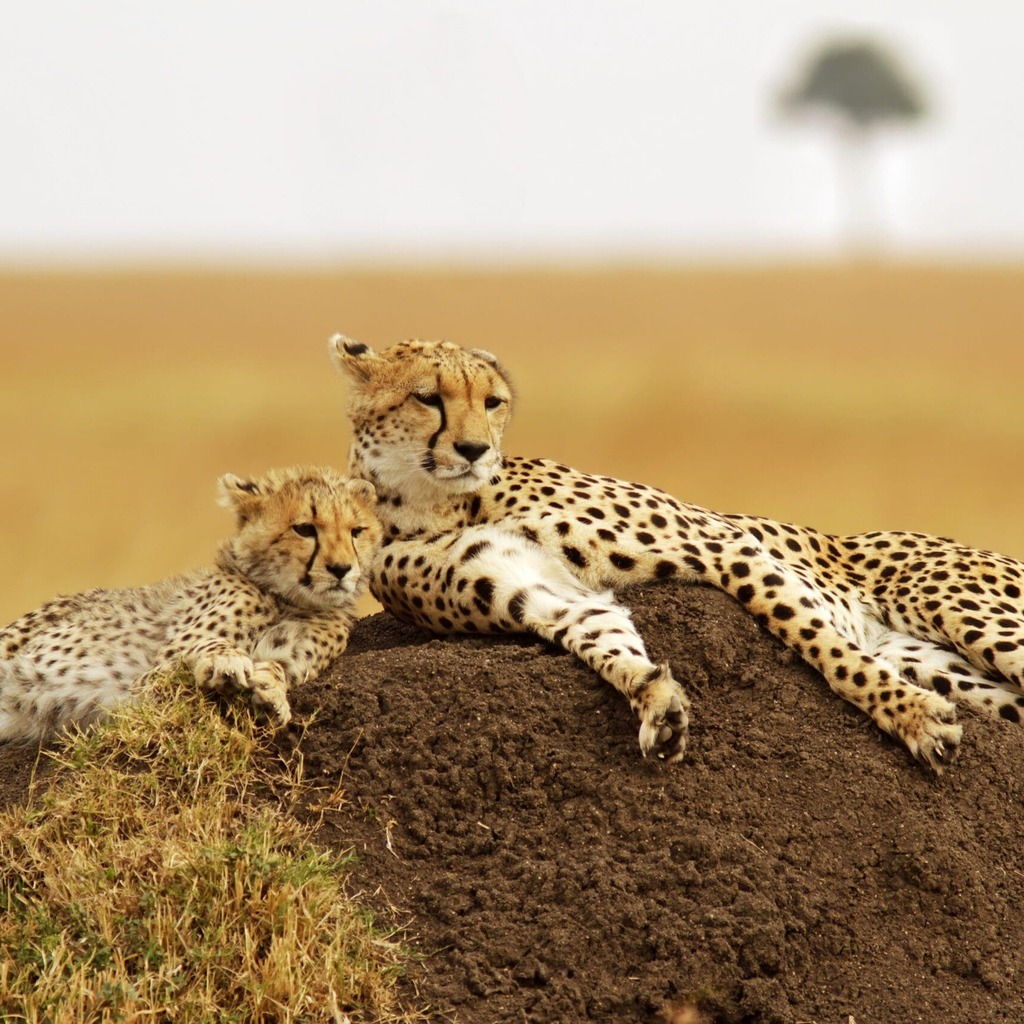
All of the Big Five live in the reserve. Across the whole Mara ecosystem, about 3,000 km² with the surrounding conservancies, some 850 lions are counted, one of the highest densities in Africa. Around 2,500 elephants move between the reserve, the conservancies and the Mau Forest. The black rhino population stands at 25 to 30 animals, mostly in the Mara Triangle. Add leopards along the riverine forest, around 40 cheetahs on the short-grass plains, spotted hyenas in clans of up to 80, hippos and Nile crocodiles in the Mara River. Among the grazers, topi, impala, eland, Masai giraffe, Cape buffalo and warthog are here all year; the wildebeest, zebras and Thomson's gazelles come with the migration.
More than 500 bird species are recorded, among them about 60 raptors: bateleur, martial eagle, secretary bird and 6 species of vulture. Ostriches, crowned cranes and kori bustards stand on the open plain, saddle-billed storks and fish eagles along the rivers.


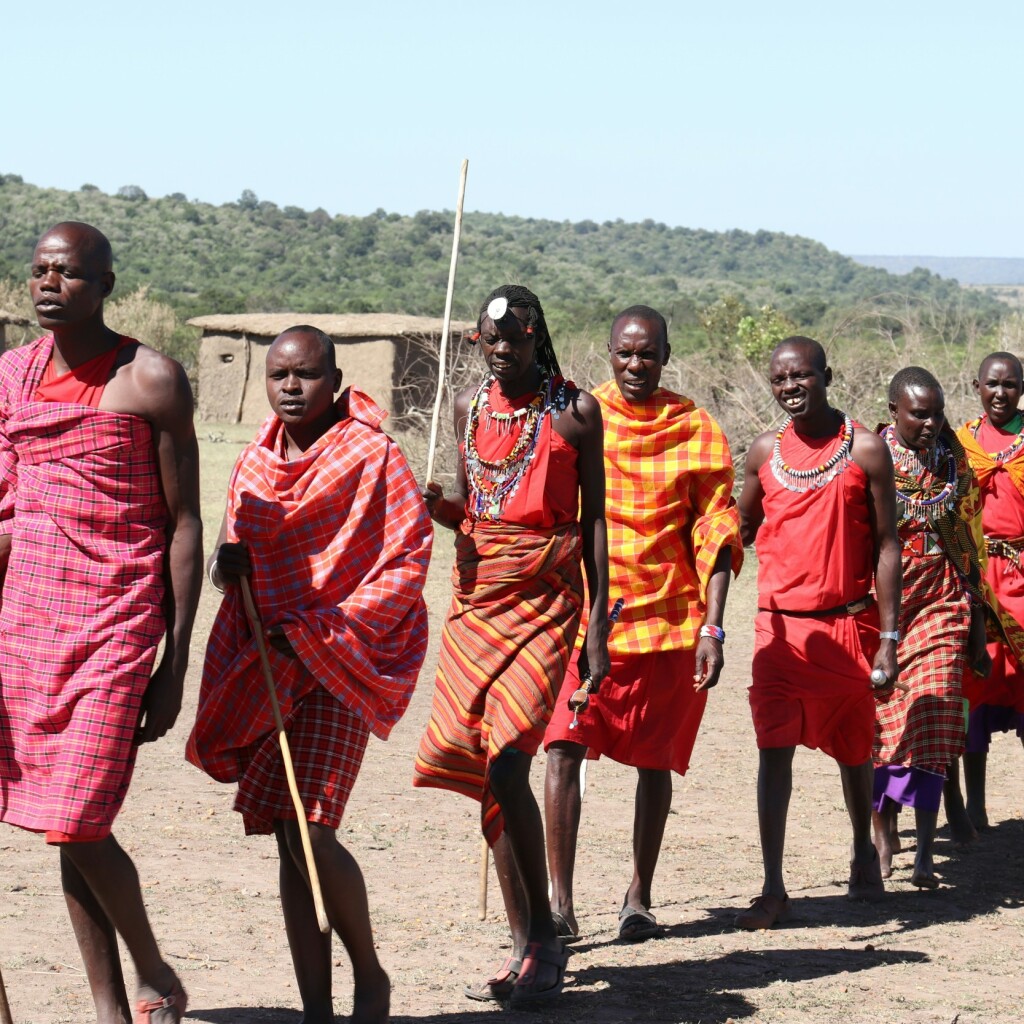
Around 1.3 million wildebeest, 200,000 zebras and 500,000 Thomson's gazelles circle the Serengeti-Mara ecosystem every year, following the rain and the fresh grass. In late June or early July the first herds reach the Kenyan side over the Sand River and through the Mara Triangle. Until September the animals then stand on the plains of the Masai Mara, the only part of the ecosystem where grass still grows in the dry season. The exact timing depends on the rain and shifts by 2 to 4 weeks from year to year.
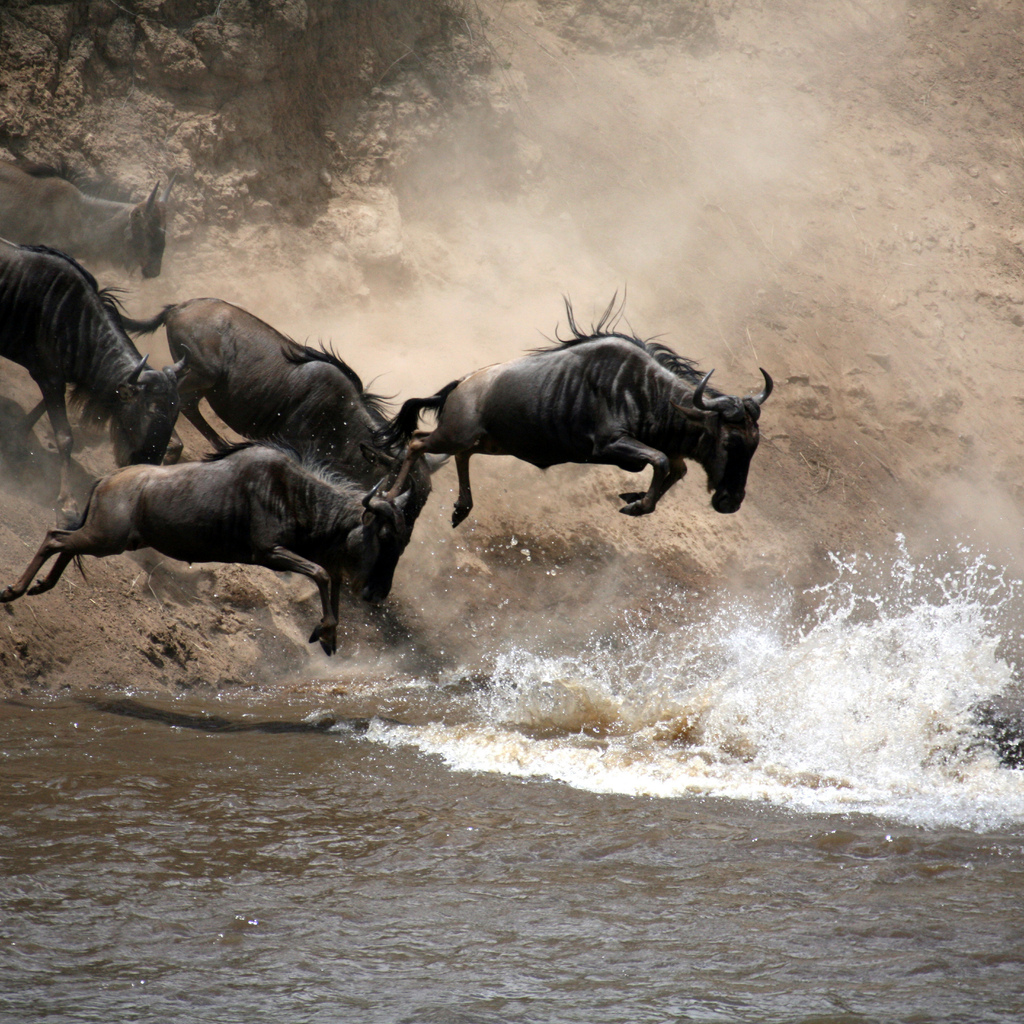
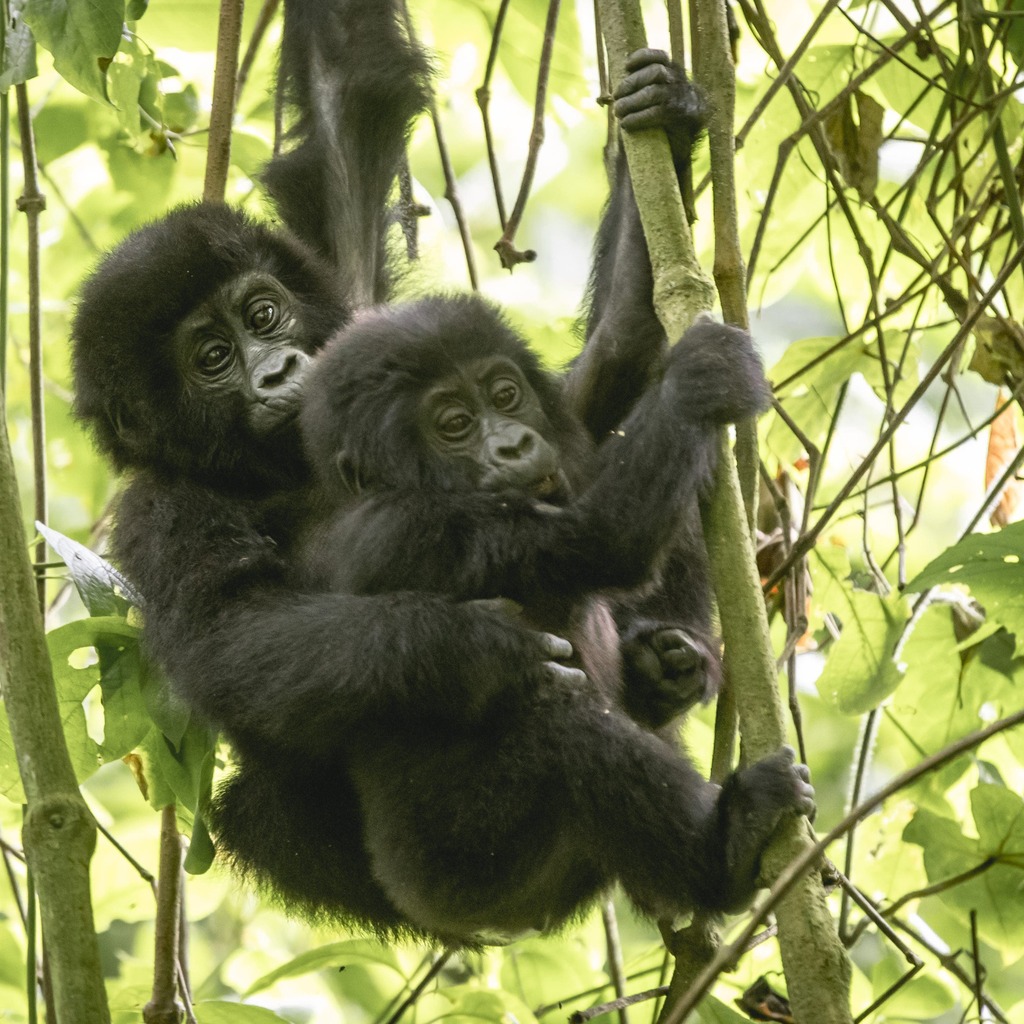
The herds move between the grazing west and east of the Mara River and have to cross it several times. There are about 10 classic crossing points, most of them between the Mara Triangle and the Musiara area. The wildebeest often gather on the bank for hours before the first animal jumps; then thousands follow within 20 to 30 minutes. Nile crocodiles of up to 5 m wait in the water, and at steep banks several hundred animals drown in a big crossing. A crossing can never be planned: your guide drives the points in the morning and waits where herds are gathering, sometimes for 3 to 4 hours.
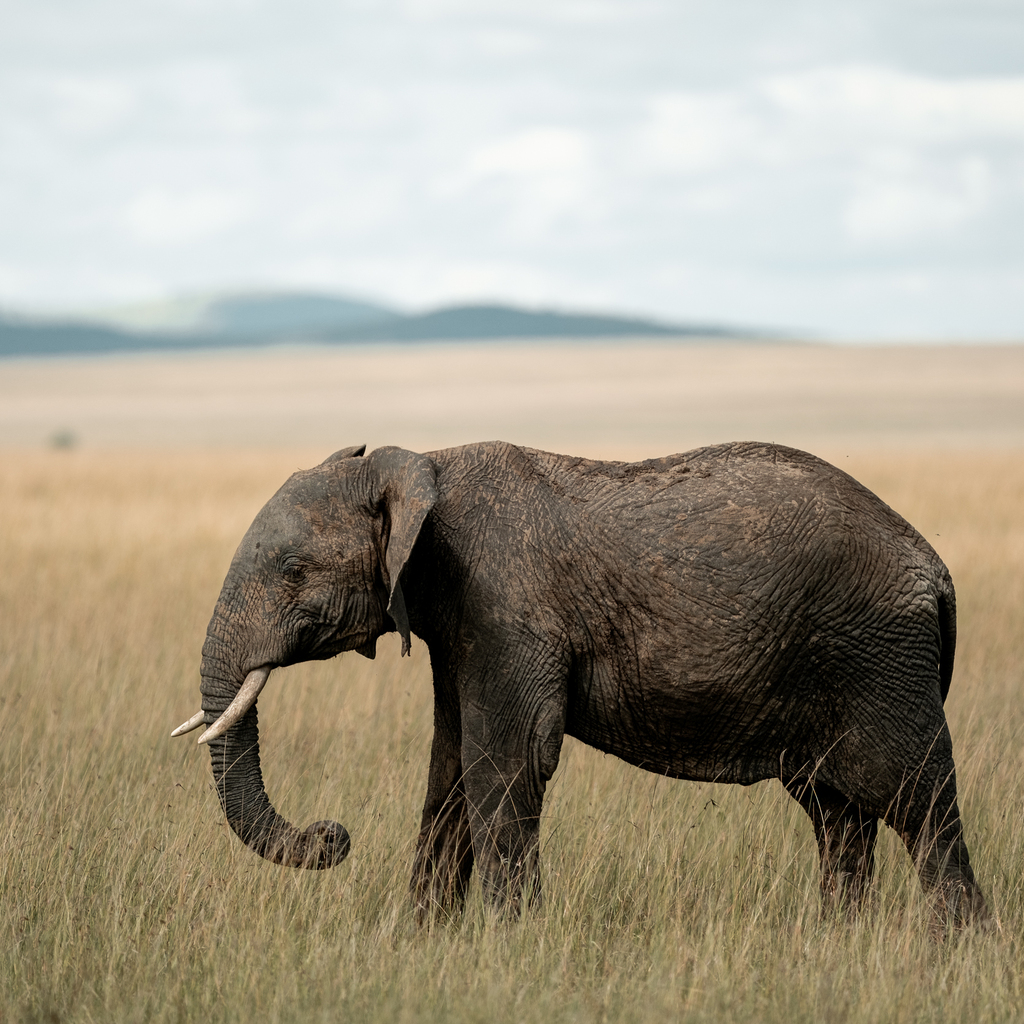
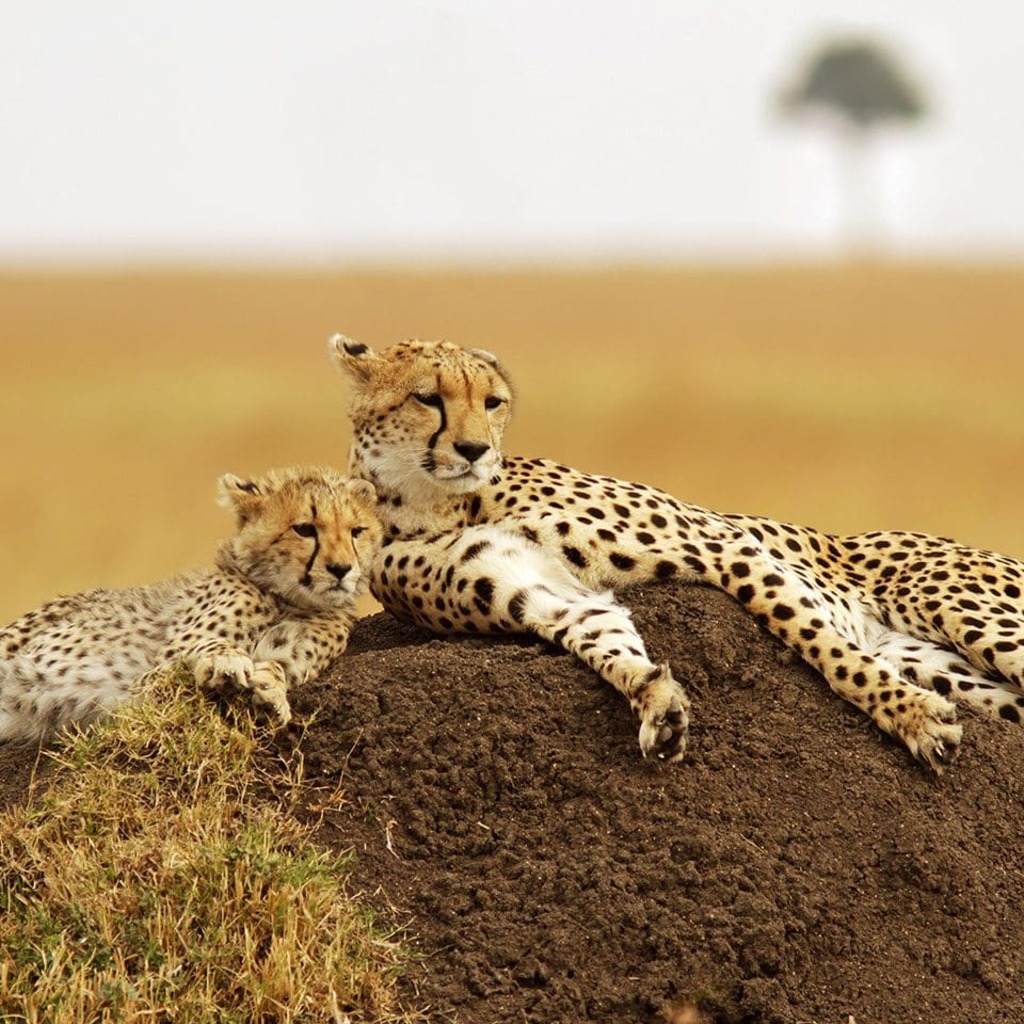
With the first short rains in October or November the herds turn south and move back into the Serengeti, where they calve in January and February. What stays in the Masai Mara is the resident game: topi, impala, giraffe, elephant, buffalo, and the predators, which profit from the migrants for only 4 months of the year and hunt in open country the rest of the time. For lions, cheetahs and leopards the months from January to March are therefore often more rewarding than the migration season, with fewer vehicles and lower entry fees.
The reserve is open all year, but the tracks and the animals follow two rainy seasons. January and February are dry and, at 28 to 30 °C by day, the warmest months: short grass, good sightings of predators, entry at 100 US dollars instead of 200. In March the long rains begin, usually in the second half of the month. April and May bring the heaviest rainfall, up to 200 mm a month in the west. The black cotton soil of the plains then becomes impassable and some camps close from mid April to the end of May.
From June the tracks dry out and the first wildebeest herds reach the Sand River at the end of the month. July to October are the migration months with river crossings, mostly from mid July to early October, and with the most vehicles in the park; lodges are booked out 6 to 12 months ahead. Nights turn cool at 10 to 12 °C. In November the short rains set in, mostly as afternoon showers, and the herds head south. December turns dry again from mid month and, with green plains and few visitors, is a good month for photographers.
Since 1 July 2024 non-resident visitors pay 200 US dollars per person and day from July to December and 100 US dollars from January to June, children half. The Mara Triangle charges the same rates. Payment is cashless, by card at the gate or through the eCitizen portal; cash is not accepted. The surrounding conservancies (Mara North, Naboisho, Olare Motorogi) charge their own fees of 100 to 130 US dollars a day, and in return allow night drives and walking safaris. On our safaris the entry fees are included in the tour price.
Sekenani Gate is 270 km from Nairobi: 145 km of tarmac to Narok, then about 95 km to the gate, largely tarmacked since 2022 as well. Allow 5 to 6 hours of driving. Other gates are Talek, Musiara, Oloololo (for the Mara Triangle) and Sand River on the Tanzanian border. From Wilson Airport in Nairobi several airlines fly daily in 45 minutes to the Keekorok, Ol Kiombo, Musiara and Serena airstrips. Our tours drive the route in the safari vehicle you then keep for the game drives.
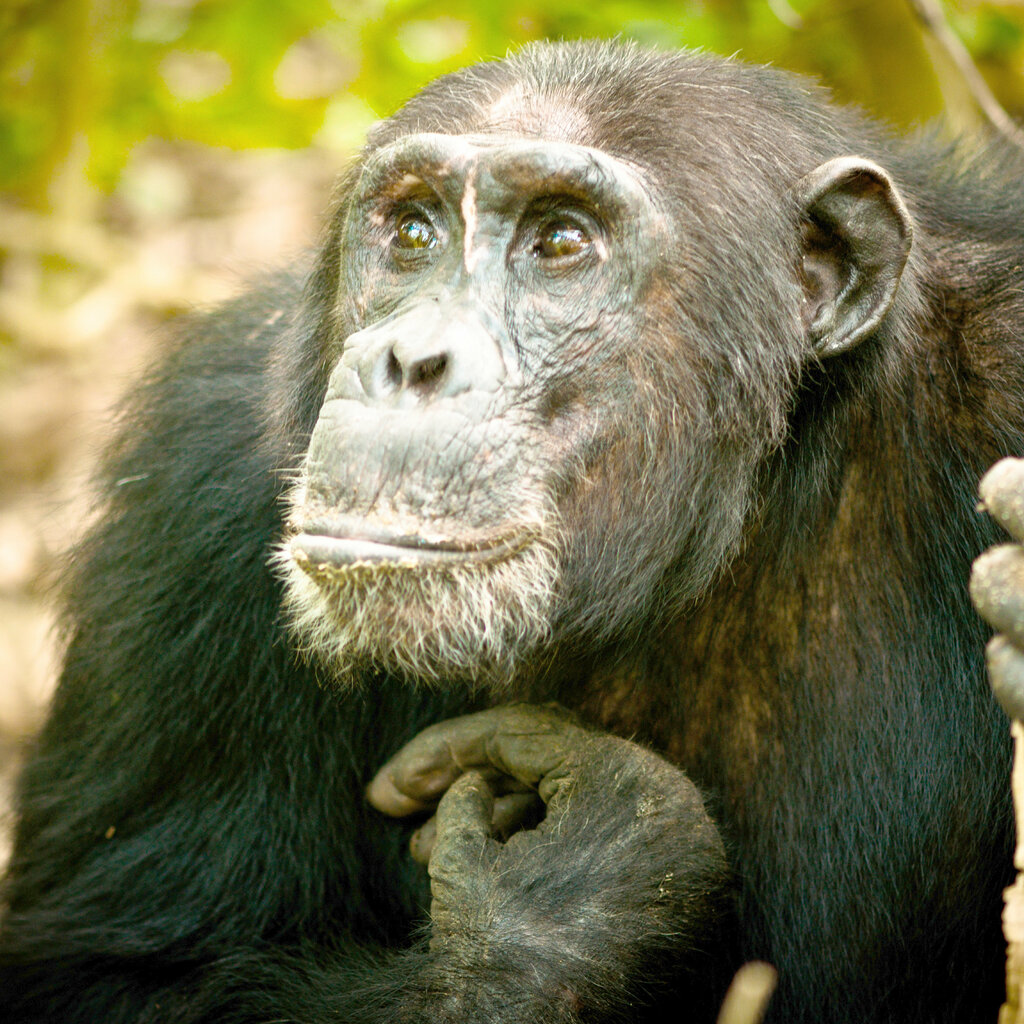
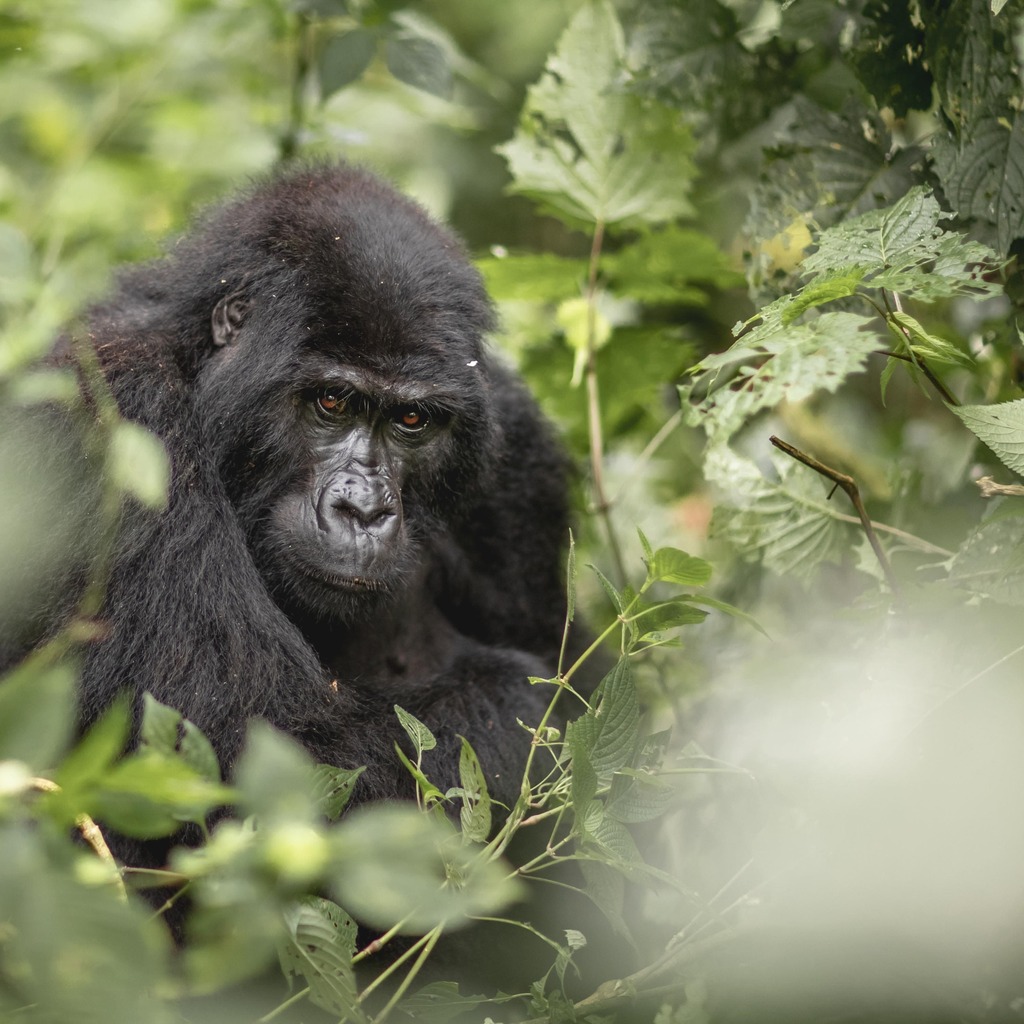
Plan 3 nights, that is 2 full days of game drives plus the arrival and departure day. That covers both banks of the river and, in the migration season, 2 attempts at the crossing points. If you want to see a crossing between July and October, plan 4 nights. Our 4-day lodge safari is spent entirely in the Masai Mara; the 14- and 15-day tours combine it with Tanzania and Zanzibar or with Uganda and the mountain gorillas.
Inside the reserve you stay on the tracks: off-road driving is prohibited and fined in the Mara Triangle. Speed limit 50 km/h, minimum distance to animals 20 m, no more than 5 vehicles at a sighting. Game drives are allowed from 06:00 to 19:00; night drives only in the conservancies. You may only leave the vehicle at the marked picnic sites and viewpoints. Drones are banned in all Kenyan protected areas. Balloon flights take off at 06:00, last 1 hour and cost about 450 US dollars per person.
The Masai Mara lies at 1,500 to 1,900 m, so the risk is lower than at the coast or on Lake Victoria, but the German Society for Tropical Medicine classes all of Kenya below 2,500 m as a malaria area and recommends chemoprophylaxis. Bring long clothing for the evenings and repellent, and sleep under the mosquito net. If you enter Kenya from Uganda or Tanzania you need proof of yellow fever vaccination, which applies to both of our combination tours. The nearest clinic with emergency care is in Narok, 100 km from Sekenani Gate; for serious cases there are the Flying Doctors out of Nairobi.
Keekorok Lodge, built in 1965, was the first accommodation in the reserve and sits right on the herds' route in the south-east. Mara Serena stands on a hill in the Mara Triangle overlooking the river, Sarova Mara near Sekenani Gate. All three have 70 to 100 rooms, a pool and power around the clock. Our lodge safari uses accommodation of this class on full board.
Permanent safari tents with bed, shower and toilet mostly stand on the banks of the Mara or the Talek: Governors' Camp since 1972 in the Musiara marsh, Mara Intrepids and Basecamp on the Talek. You hear hippos at night, which is why an askari walks you to your tent in the evening. Balloon flights leave straight from camp.
Public campsites lie at Oloololo Gate, Sekenani Gate and at Talek: no fences, a pit latrine, water from a tank. The camping fee is charged on top of the entry fee. Our camping and overland safaris sleep at sites like these in two-person tents; food and rubbish stay in the vehicle at night because hyenas work through the camps.
From July to October the wildebeest herds are in the reserve; the river crossings mostly run from mid July to early October. January and February are dry, warm and half the price at the gate, with good sightings of lions and cheetahs. April and May are unfavourable because of the long rains: the black cotton tracks become impassable and some camps close.
At least 3 nights, which gives you 2 full days of game drives. At 1,510 km² the reserve is manageable, but both banks of the river and the Mara Triangle each need a day. For a river crossing in the migration season allow 4 nights, because a crossing day often passes with 3 to 4 hours of waiting on the bank.
Since July 2024: 200 US dollars per person and day from July to December, 100 US dollars from January to June, children half. Payment is cashless at the gate or through eCitizen. The conservancies around the reserve cost extra, 100 to 130 US dollars a day. On our safaris the entry fee is included in the tour price.
Yes, though less than at the coast: the reserve lies at 1,500 to 1,900 m. The German Society for Tropical Medicine recommends chemoprophylaxis for all of Kenya below 2,500 m. Add long clothing from dusk, repellent and a mosquito net. If you enter from Uganda or Tanzania you also need proof of yellow fever vaccination.
Yes, with a four-wheel drive and ground clearance; outside the dry season the black cotton tracks cannot be done without a 4x4. There is no signposting, so without radio and local knowledge you spend much longer finding animals than with a guide. Our safaris drive with Kenyan guides who hear every day over the radio where lions, leopards and crossings are reported.
It is one ecosystem, divided only by the border between Kenya and Tanzania. The Serengeti, at 14,763 km², is almost 10 times larger; the Masai Mara, at 1,510 km², is more compact and, with some 850 lions in the ecosystem, more densely populated. The herds are in the Mara from July to October and in the Serengeti the rest of the year. Our 14-day overland safari links both parks.

How did you
hear about us?