
South Africa

A Kruger National Park safari starts about 400 km north east of Johannesburg. Its 19,623 km² are home to 147 mammal species, among them all of the Big Five: elephant, lion, leopard, buffalo and rhino. The park is 350 km long, 65 km wide on average, and has 9 gates, 21 rest camps and a road network of tar and gravel. From May to October the grass is short, the animals come to the rivers and waterholes, and you watch them from the vehicle without a long search.
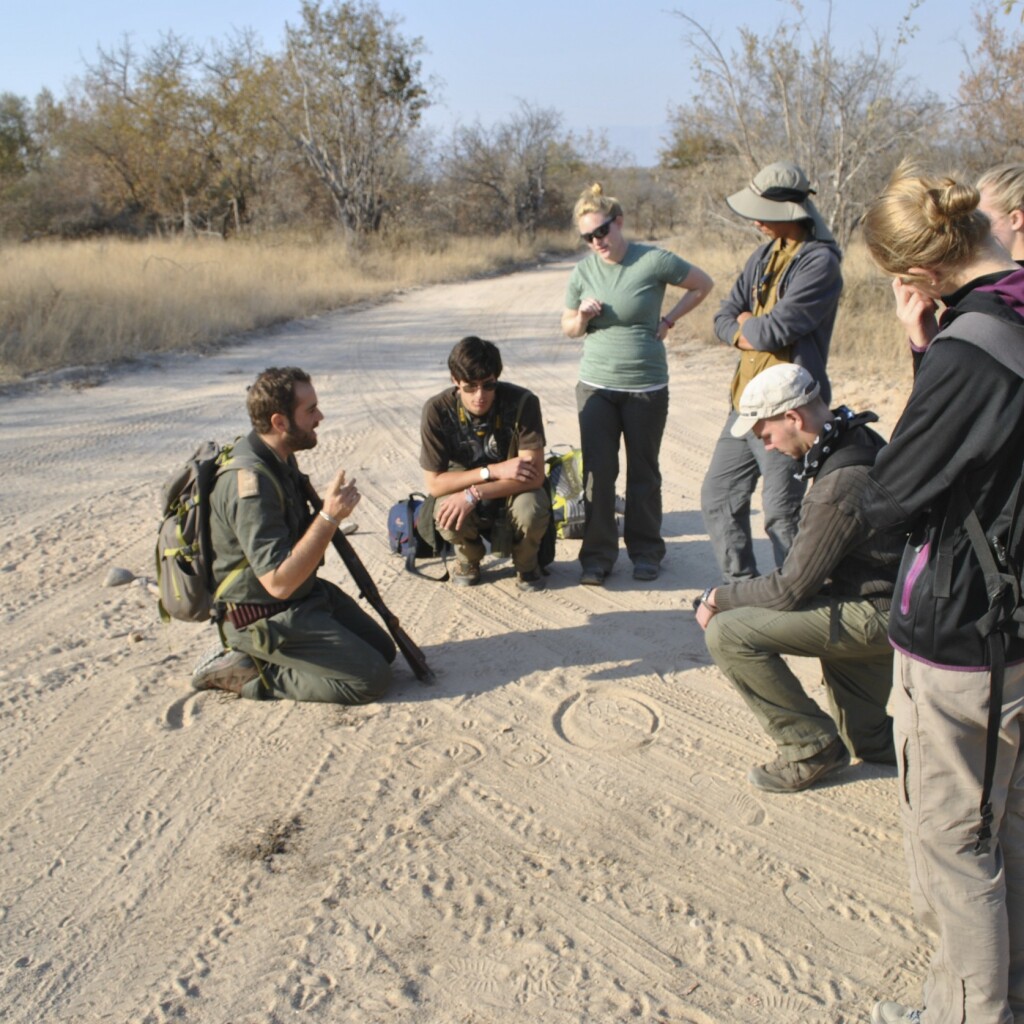
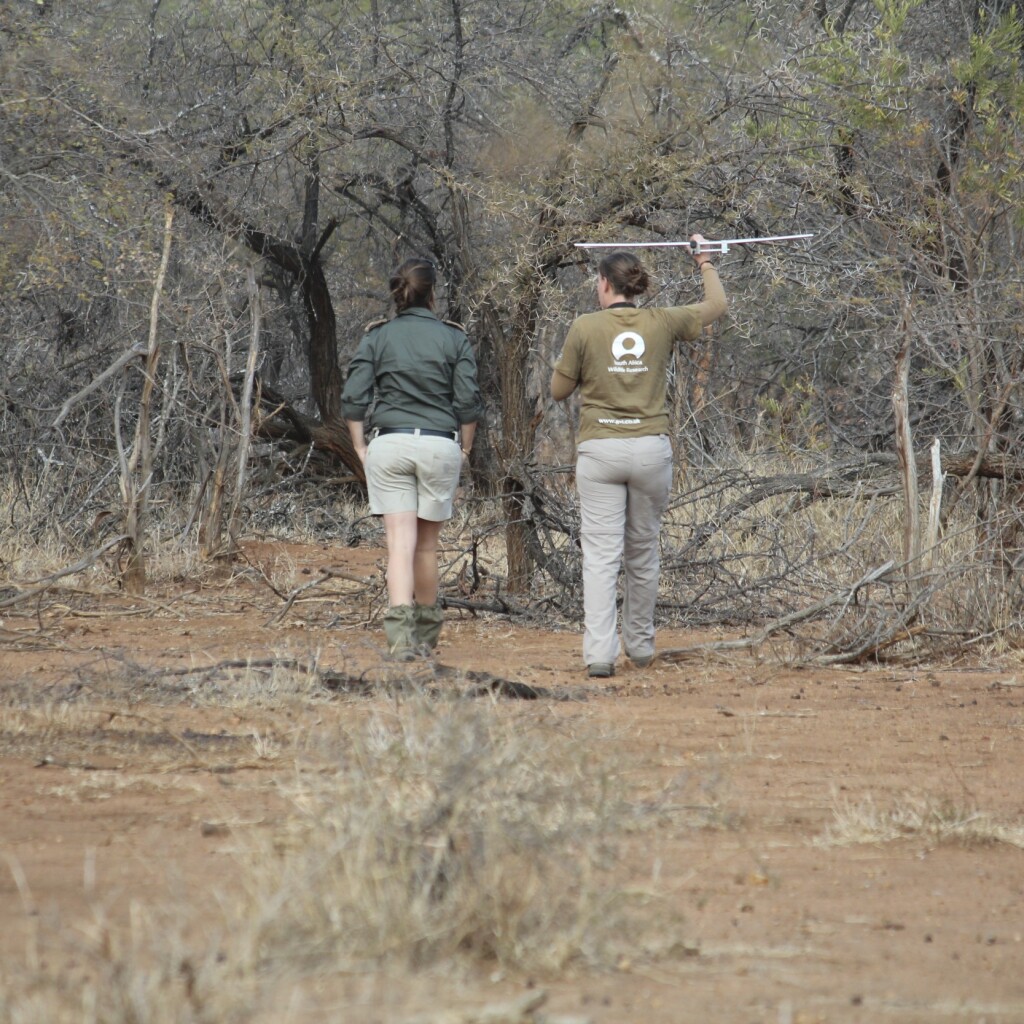
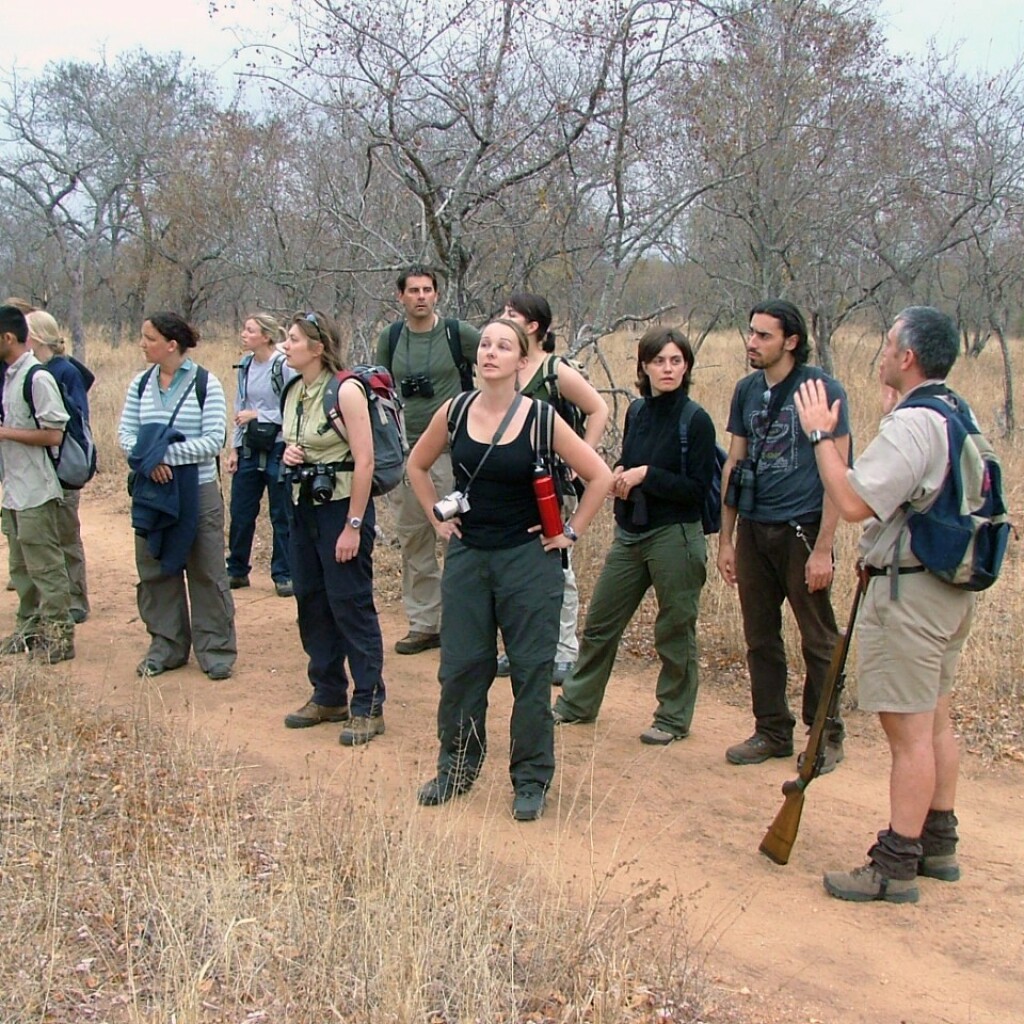
Kruger is a narrow strip 350 km long and 65 km wide on average, between the Crocodile River in the south and the Limpopo in the north. To the east it borders Mozambique, to the west the private reserves of the Greater Kruger, which no longer have a fence to the park. Since 2002 it has been part of the Great Limpopo Transfrontier Park, together with Limpopo National Park in Mozambique and Gonarezhou in Zimbabwe.
The south around Skukuza, Berg en Dal and Lower Sabie sits on granite, hilly and densely grown with acacia and marula. Most of the rhinos and leopards are here, and so is the heaviest visitor traffic. The plain in the east around Satara sits on basalt, open grassland with umbrella acacias, and counts as the best lion country in the park. North of the Olifants the mopane begins, a flat woodland of butterfly-shaped leaves through which the large elephant herds move. In the far north around Punda Maria and Pafuri it turns to sandveld: baobabs, a fever tree forest on the Luvuvhu and the highest bird density in the park.
Seven rivers cross the park from west to east: Crocodile, Sabie, Olifants, Letaba, Shingwedzi, Luvuvhu and Limpopo. They are the reason Kruger still carries water at the end of the dry season, and the roads along the rivers are the best game drives. Add about 300 waterholes, many of them pumped.
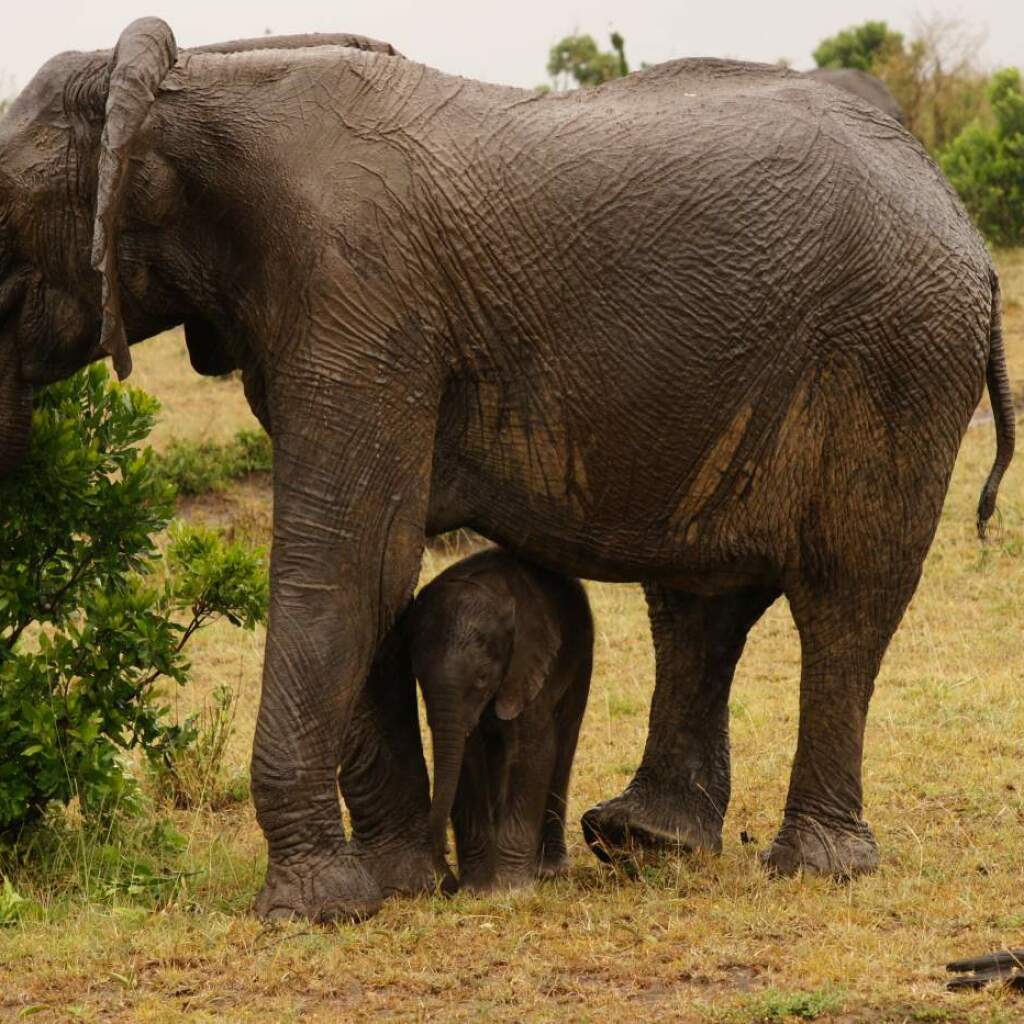
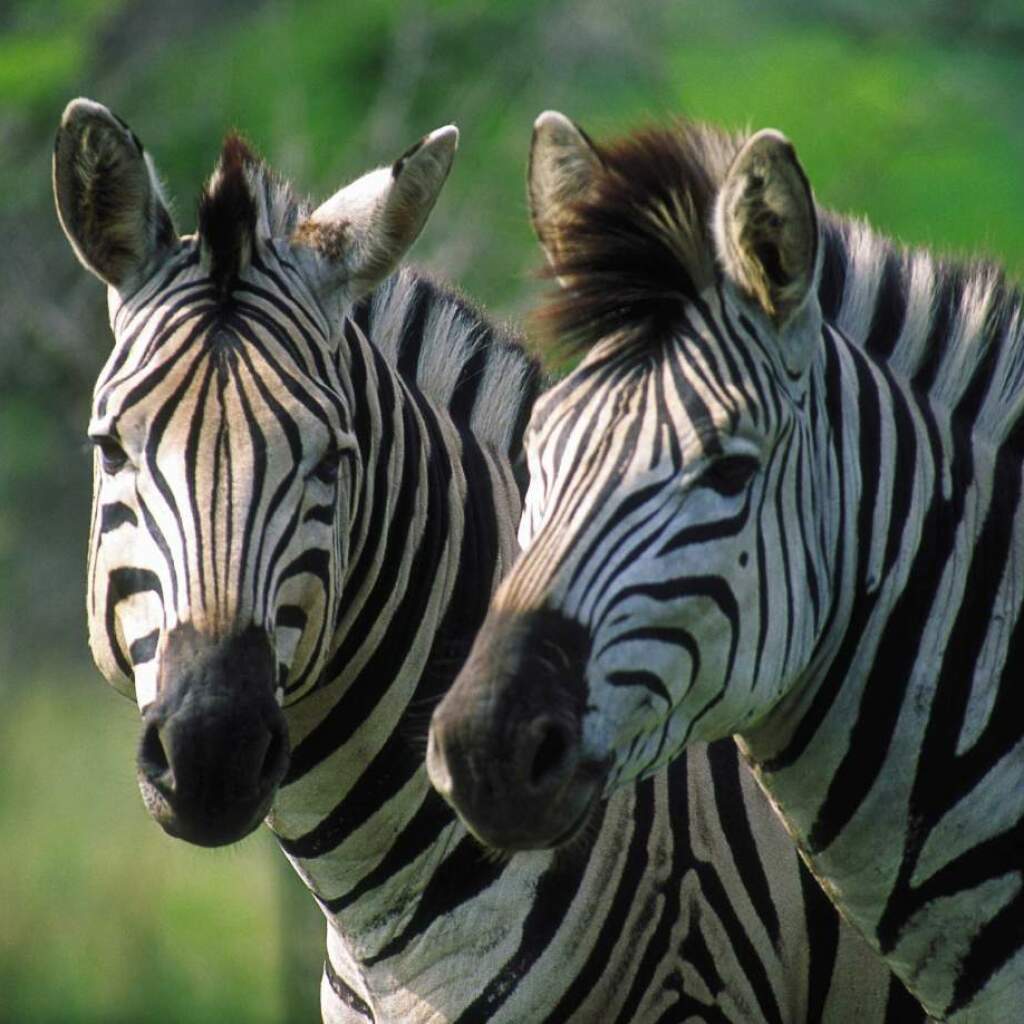
147 mammal species, 492 bird species, 118 reptile species, 49 fish species, 34 amphibian species and 404 tree and shrub species. From the counts: more than 31,000 elephants in 2020, about 37,000 buffalo, 32,000 zebra, 1,500 to 1,700 lions and around 1,000 leopards. The rhinos are the exception: from 9,383 animals in 2013 down to about 2,060 at the end of 2022, almost all of it poaching. You are unlikely to see a rhino here, and if you do, the place stays among the people in the vehicle.


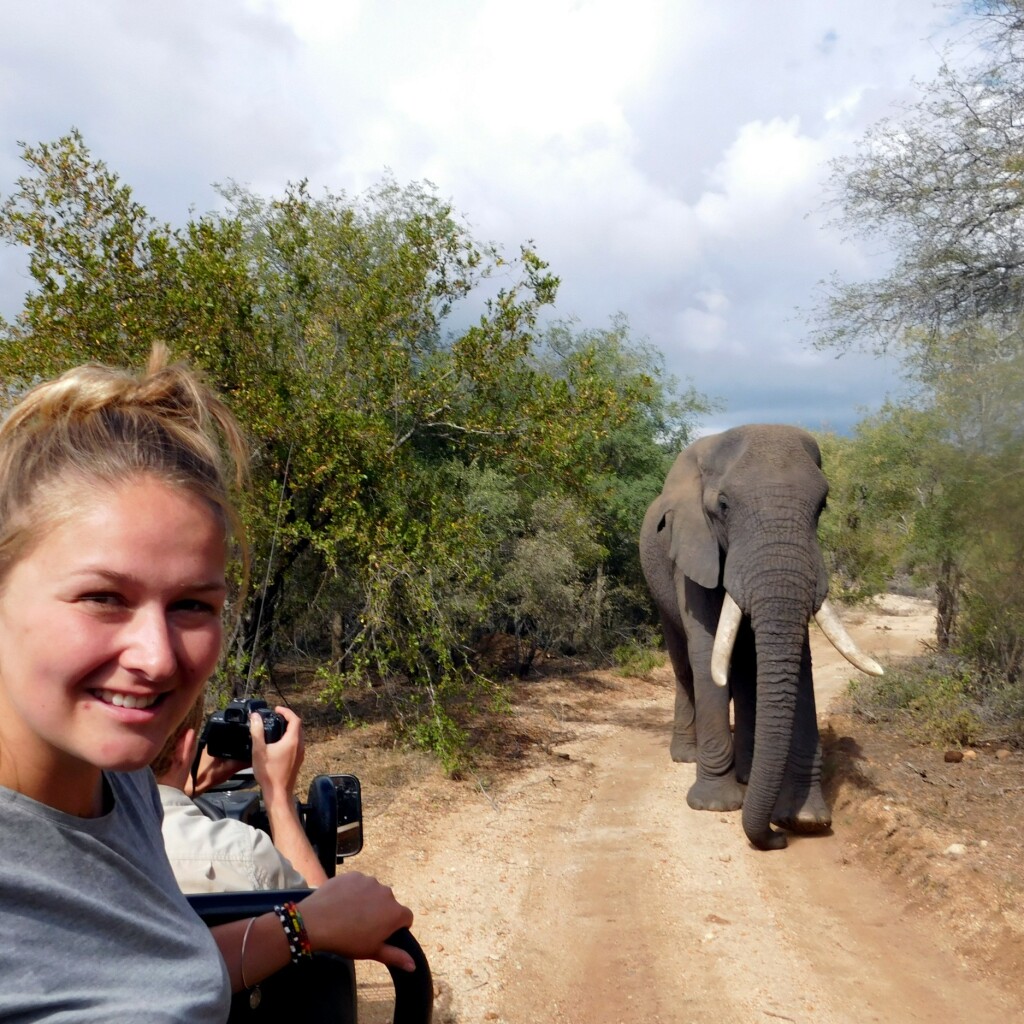
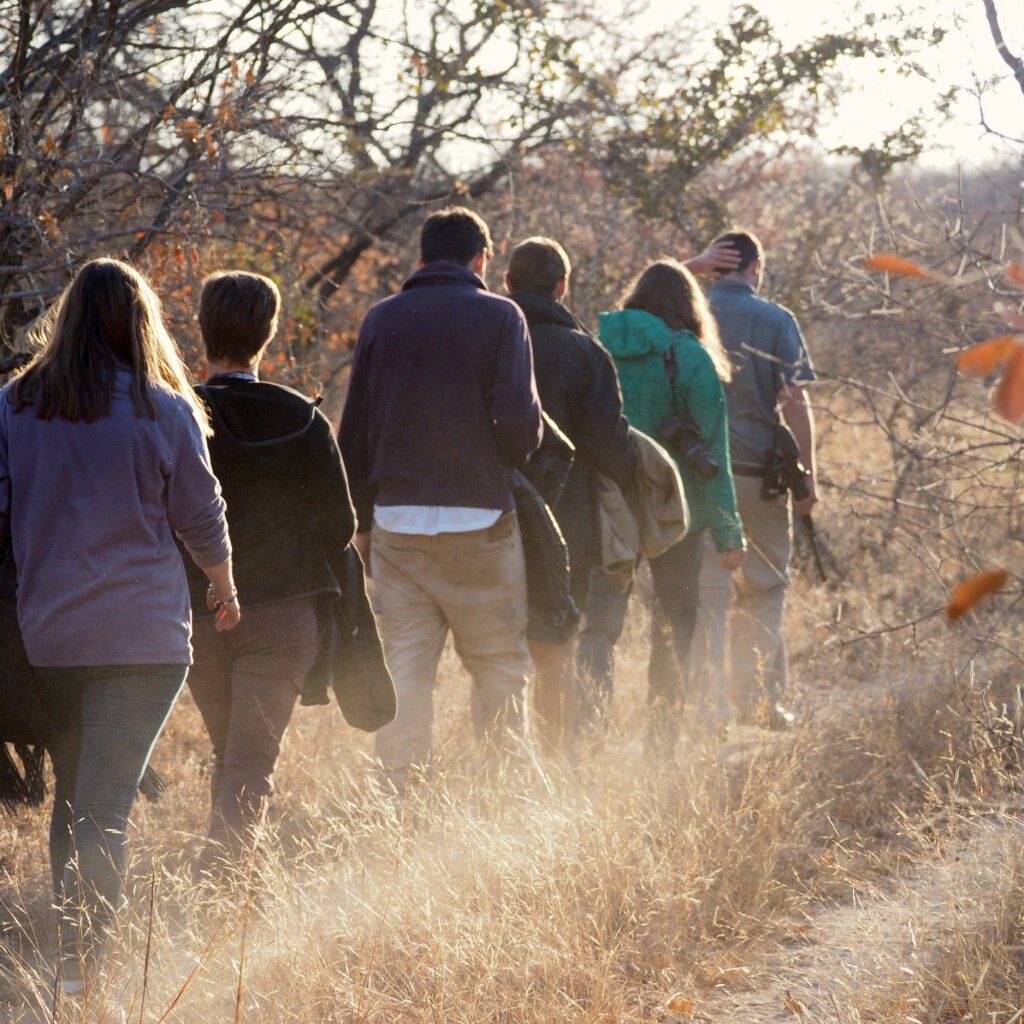
Kruger has about 900 km of tar and 1,700 km of gravel roads, fuel stations, shops, restaurants and an airport of its own at Skukuza. That sounds like little wilderness and is still the reason you can see all of the Big Five here in four days: you reach every corner, also after rain, and no stage has to be fought for with the vehicle. If you want to avoid people, drive north of the Olifants. Up there the visitors share an area half the size of Switzerland, and on some afternoons you meet no second car in 60 km.
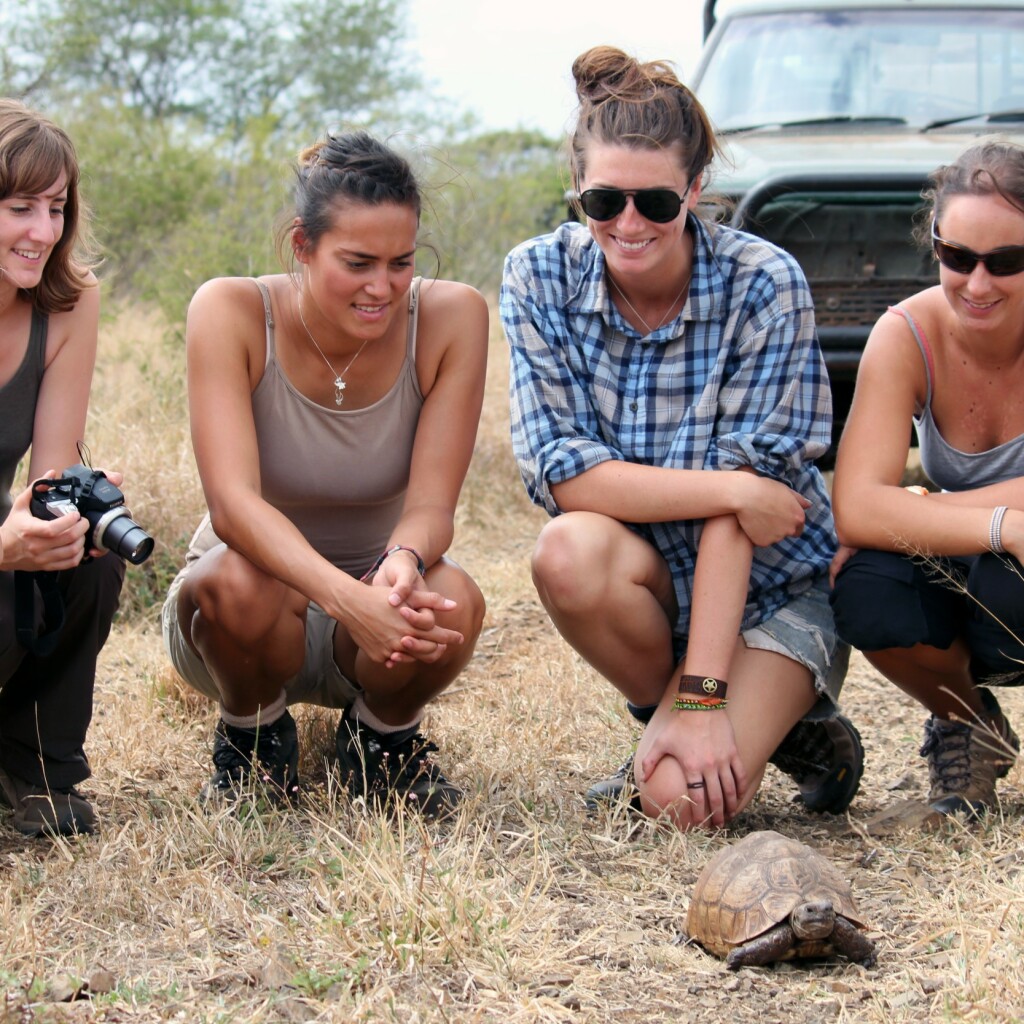
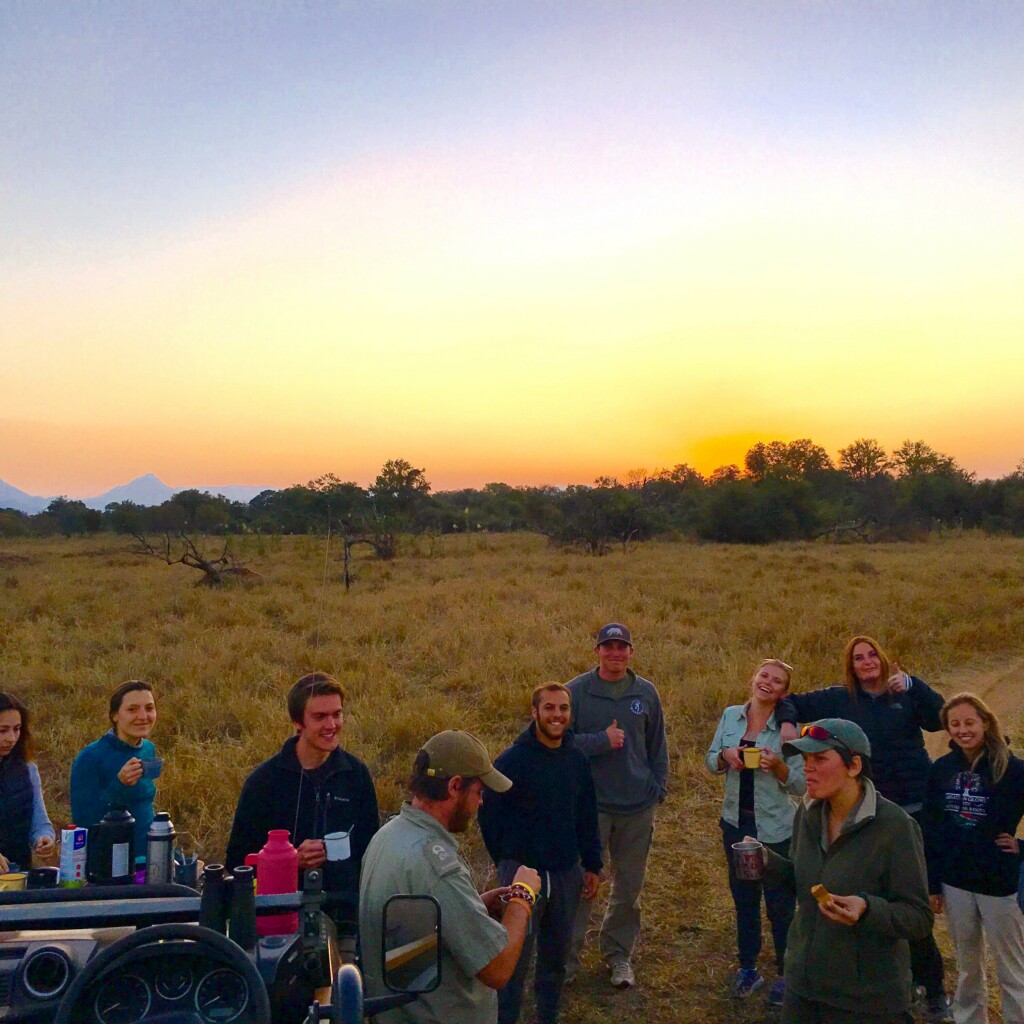
West of the park lie private reserves such as Timbavati, Klaserie, Balule and Sabi Sand. The fences to the national park came down in the 1990s and the animals move freely between the two sides. The difference is the rule book: in the national park you stay on the road and in the vehicle, in a private reserve the guide may drive off road and walk with you. That is why leopard sightings are more frequent there and the vehicles closer to the animal. Several of our trips combine both: days in the national park and a night in a private reserve near Phalaborwa or Timbavati.
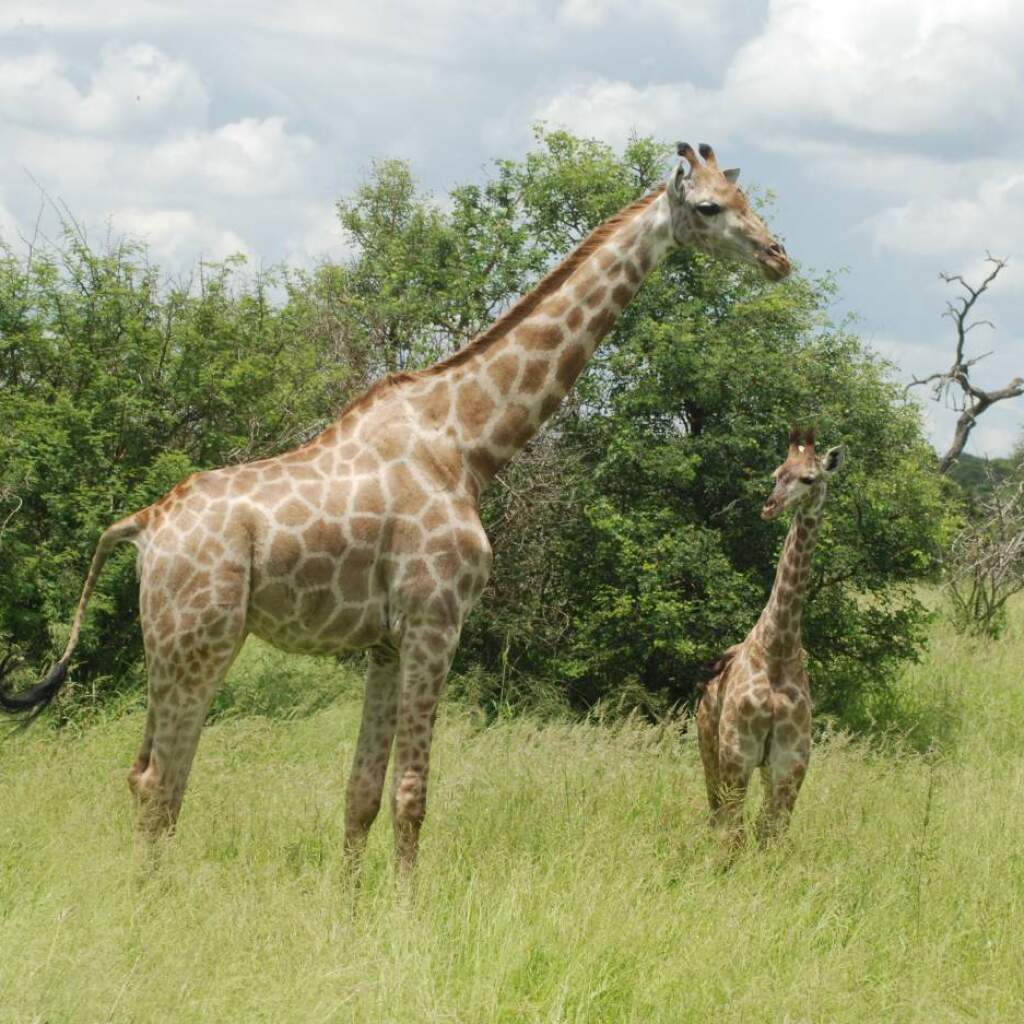
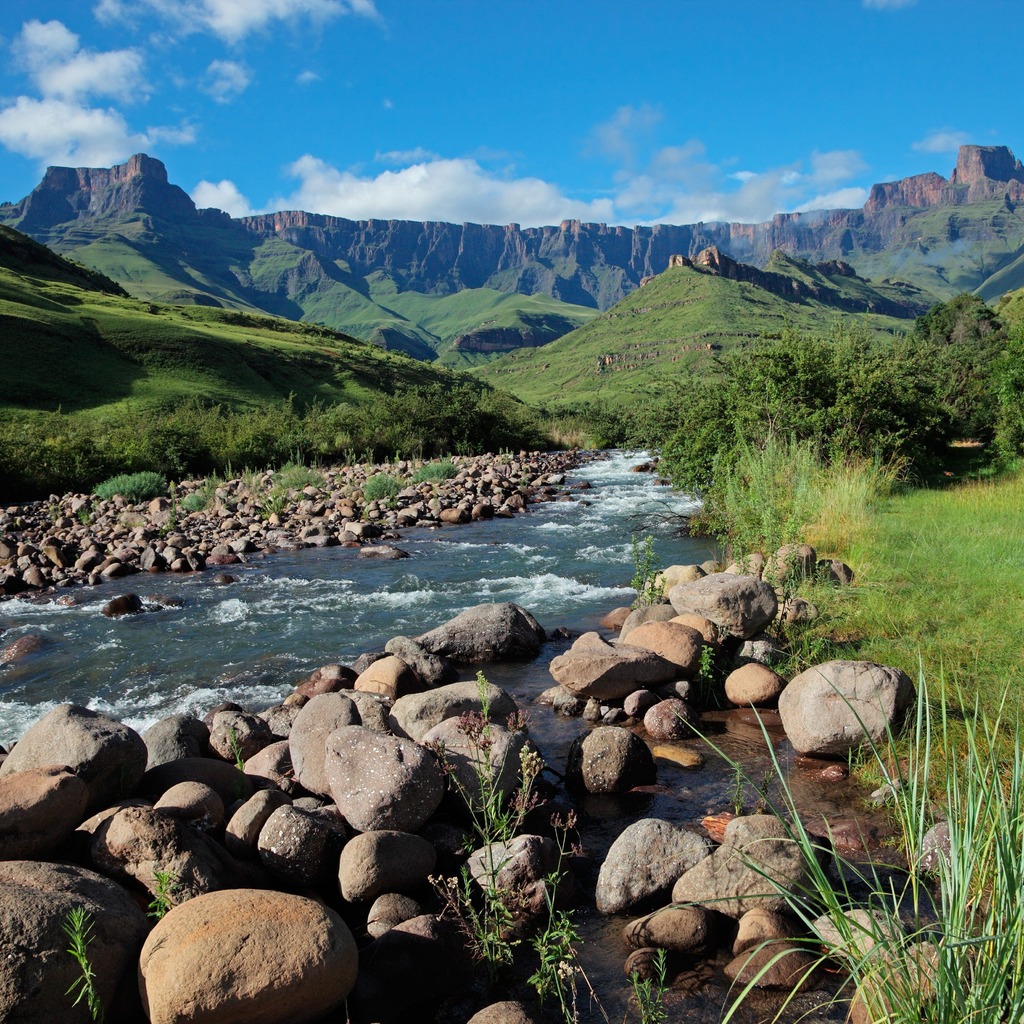
Between Shingwedzi and the Zimbabwean border the park becomes a different one. At Pafuri, where the Luvuvhu and the Limpopo meet, stands a forest of fever trees with yellow trunks, plus baobabs, nyala antelope and around 350 of the park's 492 bird species. There are hardly any lions or rhinos here, but elephant bulls, crocodiles and a landscape with nothing in common with the south. Two nights at Punda Maria or Shingwedzi are the part of Kruger most visitors leave out.
Kruger is open all year and every road is drivable all year. What changes is the grass. Dry season, May to October: no rain, the leaves fall, the grass is short, and the animals come to the rivers and waterholes. June to August are the cool months, 23 to 26 °C by day and 6 to 10 °C in an open vehicle in the morning. September and October turn hot, up to 38 °C, and are the weeks with the most sightings because water runs short.
Rainy season, November to April: thunderstorms in the late afternoon, about 400 mm a year in the north and up to 700 mm in the south. The park turns green, impala and wildebeest drop their young, migrant birds arrive, and the landscape looks better than in any other month. In return the grass is high, the game spreads over 19,623 km², and the malaria risk is at its highest in these months. January and February are humid, with more than 35 °C at midday.
For a first safari we recommend June to September: dry, cool, few mosquitoes, good visibility. If you want birds and young animals and can live with high grass, come in February or March, and pay less for it.
Park entry for foreign visitors costs R 602 per person per day, about 30 euros, children under 12 pay R 300. A 1 percent community levy is added. The tariff runs from 1 November 2025 to 31 October 2026 and is raised every year. All gates are cashless, you pay by card. Whether park fees are included in the trip price is stated under Services on each trip.
From Johannesburg it is about 400 km to Malelane or Paul Kruger Gate, a good 5 hours on the N4 via Nelspruit. If you would rather fly, you land at Kruger Mpumalanga International Airport in Mbombela, 55 km from Numbi Gate, or at Skukuza in the middle of the park. Kruger has 9 gates: Crocodile Bridge, Malelane, Numbi, Phabeni, Paul Kruger, Orpen, Phalaborwa, Punda Maria and Pafuri. Depending on the month they open between 05:30 and 06:00 and close between 17:30 and 18:30. Our trips drive there from Johannesburg by minibus or safari truck.
3 nights are the minimum for the Big Five, 4 nights are better. From Crocodile Bridge Gate in the south to Punda Maria in the north is about 400 km, which is two full driving days inside the park. Most trips stay in the south between Skukuza, Lower Sabie and Satara, where the game density is highest. Our trips spend 2 to 4 days in the park, with game drives in the early morning and late afternoon, when the animals are active.

50 km/h on tar, 40 km/h on gravel, and the rangers do measure. Outside the fenced rest camps and the marked viewpoints you stay in the vehicle, even for a photo and even when others get out. No feeding, no hooting, no drones. Anyone outside after gate closing pays a fine. There is mobile coverage in the camps and along the main roads in the south, hardly any in the north. You can refuel at almost every rest camp.
Kruger lies in a malaria area with a seasonal risk. It is highest from November to April and low from May to October. Talk to a travel doctor about prophylaxis before the trip, and in any case pack long sleeves for dusk and a repellent with DEET. A yellow fever vaccination is not required for South Africa if you arrive directly from Europe or North America; anyone coming via a yellow fever country such as Kenya or Zambia needs the certificate.
The park has 21 rest camps, 13 of them large. Skukuza is the biggest, joined by Satara in the lion plain, Lower Sabie on the river, Olifants on the cliff above the valley and Punda Maria in the north. All are fenced and have campsites with ablution blocks, plus huts, a shop, a fuel station and usually a restaurant. Our camping safaris pitch their tents here, with two-person tents, mattresses and a kitchen on the vehicle.
The small bushveld camps such as Talamati, Biyamiti and Bateleur take 15 to 40 guests, have no day visitors and their own roads open to their guests only. Add permanent tented camps with a bed, shower and toilet on the edge of the park. You hear the night without the work of pitching a tent.
In the private reserves west of the park, Timbavati, Klaserie, Balule and Sabi Sand, there are lodges with their own game drive vehicles and guides. They drive off road and walk on foot, which is not allowed inside the national park. The lodge versions of our trips use houses of this kind, or lodges right outside the gates at Hazyview and Phalaborwa.
May to October. In the dry season the leaves fall, the grass is short and the animals come to the rivers and waterholes. August and September have the most sightings but are hot, up to 38 °C. June and July are cool and pleasant, 6 to 10 °C in an open vehicle in the morning. The rainy season from November to April is green, full of birds and cheaper, but the grass is high and the game is dispersed.
3 nights are the minimum if you want the Big Five, 4 nights are better. The park is about 400 km long, which is two full driving days from south to north. Most trips stay in the south between Skukuza, Lower Sabie and Satara, where the game density is highest. Our trips spend 2 to 4 days in the park.
Elephant, lion, buffalo and leopard you are very likely to see in 3 to 4 days with a guide. The rhino is another matter: of 9,383 animals in 2013, about 2,060 were left at the end of 2022, almost all of it poaching. A sighting is luck, not a given, and where one stands is not posted online.
R 602 per person per day for foreign visitors, about 30 euros, children under 12 pay R 300, plus a 1 percent community levy. The tariff runs from 1 November 2025 to 31 October 2026 and rises every year. All gates are cashless, you pay by card. Whether park fees are included in the trip price is stated under Services on each of our trips.
Yes, Kruger lies in a malaria area with a seasonal risk. It is highest from November to April and low from May to October. Talk to a travel doctor about prophylaxis before the trip and pack long sleeves and a repellent with DEET for dusk. You only need a yellow fever certificate if you arrive via a yellow fever country.
Yes, Kruger is the self drive park of Africa: about 900 km of tar and 1,700 km of gravel, 9 gates, 21 rest camps, fuel stations and shops. Speed limit 50 km/h on tar and 40 km/h on gravel, and you get out only in the camps. On our trips a guide drives, someone who knows where the lions were lying in the morning and which tree carries the leopard; you sit in the minibus or truck and look.

How did you
hear about us?