At a glance Contents
- The short answer: it is a trade-off
- What the year feels like in the park
- What the dry season really brings
- What the rainy season does better
- A day on game drive: how the season changes the rhythm
- Which season suits which type of trip
- Three tours that include Kruger National Park
- How to plan the trip
- Frequently asked questions
The short answer: it is a trade-off
Almost every page you find on the best time to visit Kruger National Park names winter. That is true, and yet it is only half the truth. The park has no bad season, it has two things you can wish for: animals that are easy to find, or a bush that is alive. Getting both at once is rare.
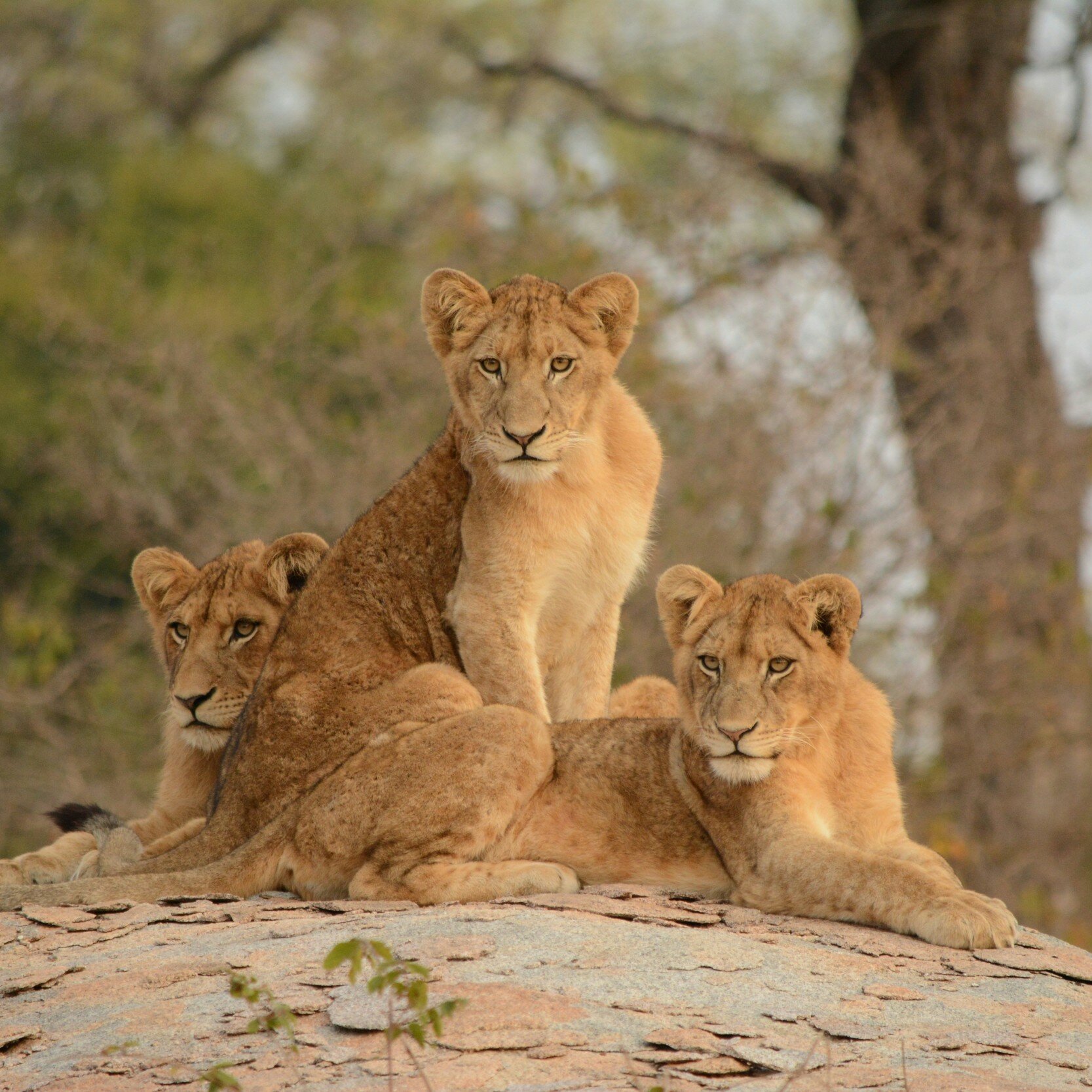
In the dry season, roughly May to September, the bush is sparse and brown. The animals have no choice: anything that needs a drink comes to the river or the waterhole. You sit in the vehicle, wait, and get elephants, buffalo, zebras and, with luck, lions in front of your lens. That is why the dossier for our country lists May to September as the dry season in the northeast, with more in the travel information for South Africa.
From late October the picture turns. The first thunderstorms end the drought, the bush turns green, the impalas drop their lambs, and the birdlife returns from the north. In return, the grass stands tall, the animals spread out across puddles over the whole area, and an animal you were watching a moment ago disappears into the thicket.
We have already answered this question elsewhere from the winter perspective: Best time to visit Kruger National Park: why winter shows you the animals. Here we go the opposite way and ask what you gain from the rainy season, when it is really worth it and how you match the season to your trip.
What the year feels like in the park
Instead of weather charts, which you can find everywhere, we describe here what you experience as a guest. The transitions are gradual, and depending on the year the boundaries shift by a few weeks.
May to July: clear, cool in the morning
Visibility is at its best, the air is dry, and the mornings in the open vehicle are cold. Pack a jacket you will really need before sunrise. During the day it gets pleasantly warm, never oppressive. Mosquitoes are rare, and the bush is yellow and see-through.
August and September: the peak of sightings
Now it is at its driest. The waterholes have become meeting points, and the drivers wait patiently in line at the reservoirs. At the same time it gets busier, because school holidays in the south overlap with the European high season. If you book early, you travel more relaxed. Towards the end of September the heat builds, and dust lies on everything.
October: the turning point
A month with two faces. At the start of October it still resembles late winter: hot, dry, many animals at the water. From the second half the first showers arrive, and within a few days the bush changes colour. If you catch the turn, you see the park more dramatically than at any other time, but it cannot be planned.
November to February: green, hot, full of young animals
It is humid, a thunderstorm often builds in the afternoon, and the landscape is lush. The young animals are here, which makes these months appealing for photographers and families. Lions and leopards are harder to find because they vanish in the tall grass. The tracks and road network in the park usually remain passable, though after heavy rain individual sections may be closed.
March to April: the quiet transition
The heat eases, and so does the cloud build-up, and the bush is still high. For anyone looking for quiet and happy to get by with a little patience, this is an underrated time. Towards the end of April it visibly dries out.
What the dry season really brings
The advantage of the dry season is not magic, but geometry. Where no foliage blocks the view and water is scarce, you need less distance and less luck. You notice this in three things.
- You save time. A day in the park has only a limited number of hours in which animals are active. If you see them by the road instead of deep in the bush, more of those hours are left for the observing itself.
- You can wait. Standing at a waterhole and doing nothing for an hour is a serious strategy in winter. In summer you are waiting for animals that could just as well drink at another puddle.
- Health is a calmer topic. Mosquitoes are much less active in the cool season. What you need to pay attention to in concrete terms is not covered here but in the dossier, which is kept up to date: travel information for South Africa.
There are still downsides. The morning drives are cold, the dust is annoying, and in the peak months you share the sightings with other vehicles. If you are looking for solitude, you will not find it in July.
A traveller on the round trip through South Africa, Lesotho and Eswatini wrote after the two days in the park that the tour demanded a certain level of fitness, “especially during the two days in Kruger National Park, where we had to set off early and cover long distances in the 4x4 overland truck” (Peter M.). That applies regardless of the season: safari means getting up early, sitting for a long time and staying alert.
What the rainy season does better
The rainy season has a bad image that it only partly deserves. It brings you three things that winter does not deliver.
First, the young animals. Most hoofed animals give birth in the first summer months, when the food is most plentiful. That also attracts the predators: where there are many young antelopes, tension is never far away. If you want to see lions at the moment of the hunt, your chances in summer are no worse, just more strenuous.
Second, the birds. Migratory birds from Europe and Central Africa are here, and the breeding plumage is colourful. Birdwatchers will tell you without hesitation that this is the best time. If you have a bird guide in your luggage and are excited about bee-eaters, rollers and raptors, summer is your season.
Third, light and mood. Storm clouds over the savannah, rainbows in the evening, the smell of wet earth. Photographers love it, and clouds give the sky a depth that the cloudless winter does not have.
The price for this should be named honestly: the heat is humid, visibility in the tall grass is limited, and the chance of quiet waiting hours at the waterhole is slim. And some animals you are looking for because of the Big Five simply do not show themselves in the thicket. If you come with a tick list, you often go home in summer with an incomplete one.
The health topic changes too: in the warm, wet season, mosquitoes are more active. That is no reason to cancel, but it is a reason to read the dossier beforehand and talk to a travel doctor, instead of taking it from a travel blog.
A day on game drive: how the season changes the rhythm
The season decides not only what you see, but also how your day goes. If you know that, you plan better and are less disappointed.
In winter the day begins in the dark. You set off while the air is still cold and the predators are returning from the night's hunt. The hours after sunrise are the most productive, after that the animals grow calmer. At midday a break in camp or at a shady viewpoint is worthwhile, and in the late afternoon a second round follows, when the animals move to the water again. The rhythm is clear and easy to plan.
In summer everything shifts forward. The heat drives animals and people into the shade early, and the midday hours are practically lost. In return, dawn comes early, and the first hours are surprisingly lively. Thunderstorms build in the afternoon, and after the rain the loveliest encounters often happen, because the air cools and the animals come out.
A tip from experience: find a vehicle and a guide that suit your pace. On our tours there are briefings before the daily activities that explain the schedule. One participant praised exactly that: the informative briefings allowed a pace adapted for everyone (Tobias W.). This matters especially in the heat of summer, because your energy is distributed differently than in the cold of winter.
And one more thing that is rarely said: the quality of a game drive depends less on the month than on whether you are quiet. If you switch off the engine, stop talking and wait ten minutes, you see more than someone who drives the route in the best season.
Which season suits which type of trip
Instead of a blanket recommendation, an honest matching helps. The table shows what makes sense for whom.
| You want ... | Go in ... | The catch |
|---|---|---|
| as many Big Five sightings as possible in a short time | June to September | Peak season, full park, cold mornings |
| Quiet and still good visibility | May or early spring | Transitional weather, less predictable |
| Young animals and birds | November to February | Heat, tall grass, thunderstorms |
| Photography with atmosphere | March and October | The weather cannot be promised |
| Safari with family, children or little experience | Winter | Early cold, dust |
Our rule of thumb: if this is your first safari and you only have one chance, go in the dry season. You learn to read tracks and to be patient in places that make the work easy for you. If you already know Africa, the rainy season is the trip that will surprise you.
And if you are not sure: choose the edge of the dry season. May and September are less crowded than July and August, visibility stays good, and you are not tied to one particular week.
Three tours that include Kruger National Park
Visiting the park on your own is possible. Here we show you how we build it into round trips, so that you can measure the season against the route too.
South Africa, Lesotho and Eswatini in fourteen days
The round trip South Africa Lesotho Eswatini lasts fourteen days and stretches from the Drakensberg to Addo Park. In the park itself you spend a whole day in an open 4x4 vehicle, and the following day brings the Panorama Route with God's Window and Three Rondavels. Groups are limited to twelve people. The next departure starts on 13 December, right in the green season, when young animals and thunderstorms are part of the experience.
Zimbabwe to Kruger in eleven days
The safari from Victoria Falls to Kruger leads over eleven days through Hwange, Matopos and Great Zimbabwe and ends in South Africa with a full-day drive in Kruger National Park and the Panorama Route. If you are looking for the dry season, you will find a route here that is strong there too, where waterholes decide things, especially in Hwange.
Garden Route with Lesotho in twelve days
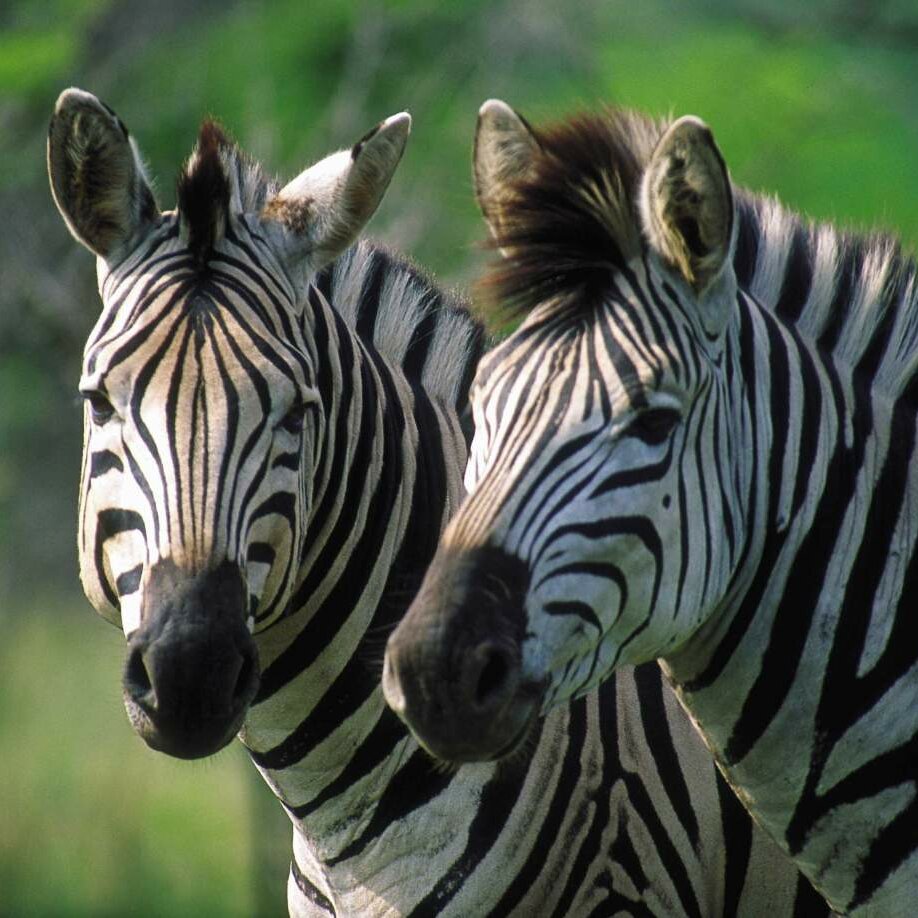
The group tour Garden Route with Lesotho lasts twelve days and includes no Kruger day. It belongs here anyway: in Addo Elephant National Park you see herds of elephants on two afternoons in the open truck, and the coast and the highlands depend less on the season of the waterholes. If you want to visit Kruger in winter and the south in summer, this is the complement.
How to plan the trip
A few practical things that concern the season, not the formalities. For entry, health, currency and emergency numbers, the dossier always applies, not this article: travel information for South Africa.
- Dress in layers. In the morning in winter you will be grateful for a hat and gloves, at midday for a T-shirt. In summer you need a light rain jacket and a head covering.
- Book early for the peak months. The group tours are kept small, which means places are scarce when winter comes.
- Allow time. A single day in the park is enough for a first impression, not for a verdict. Two days show you how different two days in the same place can be.
- Adjust your expectations. No safari delivers animals on demand. Those who accept that usually have the better trip.
- Do not forget binoculars. In summer they decide the day, in winter the details.
And one last thought: you ask about the best time to travel because you want to avoid a mistake. But the biggest mistake is not travelling in the wrong month, it is travelling and then looking only at the tick list. The bush rewards attention in every season.
Answered briefly
Frequently asked questions
- Which month is best for Kruger National Park?
- For most travellers, August and September are best: it is at its driest, the animals concentrate at the waterholes, and visibility through the sparse bush is excellent. May is somewhat quieter and still good.
- Is Kruger National Park worth visiting in the rainy season?
- Yes, if young animals, migratory birds and photographic mood matter more to you than guaranteed sightings. The tall grass hides predators, and it is humid. With lower expectations of the Big Five, it is an impressive trip.
- When do you see the most animals in Kruger?
- In the dry season, especially towards its end. The vegetation is low, water is scarce, and the animals reliably come to rivers and waterholes. Early in the morning and in the late afternoon your chances are greatest.
- How many days should you plan for Kruger?
- Two to three days make sense, so that you can repeat morning and evening drives. A single day, as some round trips include, gives you a good first impression, but no guarantee of all the Big Five.
- Where do I find information on entry and health for South Africa?
- All details on entry, health, currency and emergency numbers are in the continuously updated dossier travel information for South Africa on overcross.com. It holds the current rules, and we deliberately do not repeat them in articles.