At a glance Contents
Pass or tunnel: the short answer
Between Swiss Valais and the Italian Aosta Valley there are two ways over the Great St Bernard: the old mountain road up top and the road tunnel underneath. The tunnel is your weather insurance, the mountain road is the reason to come here in the first place.
The rule of thumb: if you have time, visibility is clear and the road is open, you ride over the top. If clouds are hanging on the slopes, you are running late or all you need is the crossing, you ride through the mountain.
The mountain road is only passable in the summer half of the year. We are writing this in mid-November: right now it is usually closed, and the tunnel is the only option. Always check the current status on the day of your ride, before you strap on your luggage.
The mountain road: what awaits you at the top
The pass sits at almost two and a half thousand metres. This is high mountain terrain with everything that comes with it: on the south side, hairpins wind their way up the slope, and at the top there is a small lake next to the hospice, which has taken in travellers for centuries. You probably know the St Bernard dogs from advertising, and this is where they come from.
- Temperature: It is much colder up top than in the valley. Even in midsummer, gloves and a windproof layer belong in your top case.
- Weather: In the afternoon, thunderstorms and fog build up. Set off early and plan to reach the summit in the morning.
- Road surface: Expect cracks, patches and wet spots in the shade. It is not a gravel track, but it demands your attention.
- Traffic: On nice weekends you share the road with motorhomes and cyclists. During the week it is quieter.
The south side with its tight hairpins is technically the more interesting one. From the north the ramps run longer, and the view changes more often. Both directions work.
How to ride the hairpins cleanly
Anyone riding uphill into tight hairpins almost always makes the same mistake: too much speed before the corner and too little looking ahead. Roll off the throttle before the hairpin, brake while you are still on the straight and look through the corner to the exit. The bike follows your eyes.
On the inside the asphalt is often rougher and the line tighter. On the outside you get more room, but also more oncoming traffic that likes to cut the middle in hairpins. So stay in your lane and keep your distance from motorhomes, which have to swing wide in the corner.
Downhill, engine braking is your friend. Take one gear lower than you think you need and keep your brakes cool. With luggage or a passenger you feel the weight above all on the long descents.
When in the year the ride is worth it
The mountain road has a short window. In early summer there is often still snow beside the road at the top, and the opening depends on how quickly the clearing progresses. In high summer it is the most reliable, but also the busiest. In early autumn the light is at its best and traffic is thinner, but the first snow can fall overnight and close the road again.
So never plan in a way that makes your whole day depend on this one pass. Keep a second plan in mind: the tunnel or another crossing. If you stay flexible, you ride more relaxed and you do not get annoyed when there is a closure at the top.
The time of day matters too. In the morning the asphalt in the shaded hairpins is often still damp or cold, and grip is lower than the sun in the valley leads you to expect. Give your tyres two or three corners before you go looking for lean angle.
The tunnel: when it is the smarter choice
The tunnel under the pass is not a compromise but everyday reality for everyone who has to reach their destination. It works all year round and regardless of the weather. Especially when you are on a longer Alpine loop with more passes still ahead of you on the other side, it saves energy and time.
Inside the tunnel you ride without a view, but with rules: keep your distance, lights on, no overtaking. The temperature is constant, and the difference from the climb up top is noticeable. Which conditions apply to motorcycles and what the crossing costs changes over time. Check the operator's official pages rather than old forums.
A tip from practice: ride the pass in one direction and take the tunnel back if the weather turns. That way you get the view and a safety net.
How to plan your approach
The Great St Bernard lies on a route that combines well with other Western Alps passes. From the north, the approach takes you through the Rhône Valley to Martigny and on to the south. On the Italian side you descend into the Aosta Valley and have connections in every direction from there.
- Fill up before the climb, petrol stations at the top are rare.
- Bring ID, the border lies right at the pass.
- For entry, insurance and tolls, check with the official bodies.
- Plan a buffer. A photo at the hospice and a coffee cost time that you would otherwise need for the next pass.
If you want more than one pass
The Great St Bernard is a good introduction to the Western Alps, but not a whole trip, and it is a day ride that you plan on your own. If riding at high altitude on narrow roads appeals to you, you will find something similar in other mountain ranges. The following tours are not in the Alps, but they speak to the same feeling:
Romania: The luxury premium trip through the Carpathians takes you on the way back over the Transalpina, Romania's highest panoramic road. It is pass riding with an all-round view, just with wine tastings in the evening.
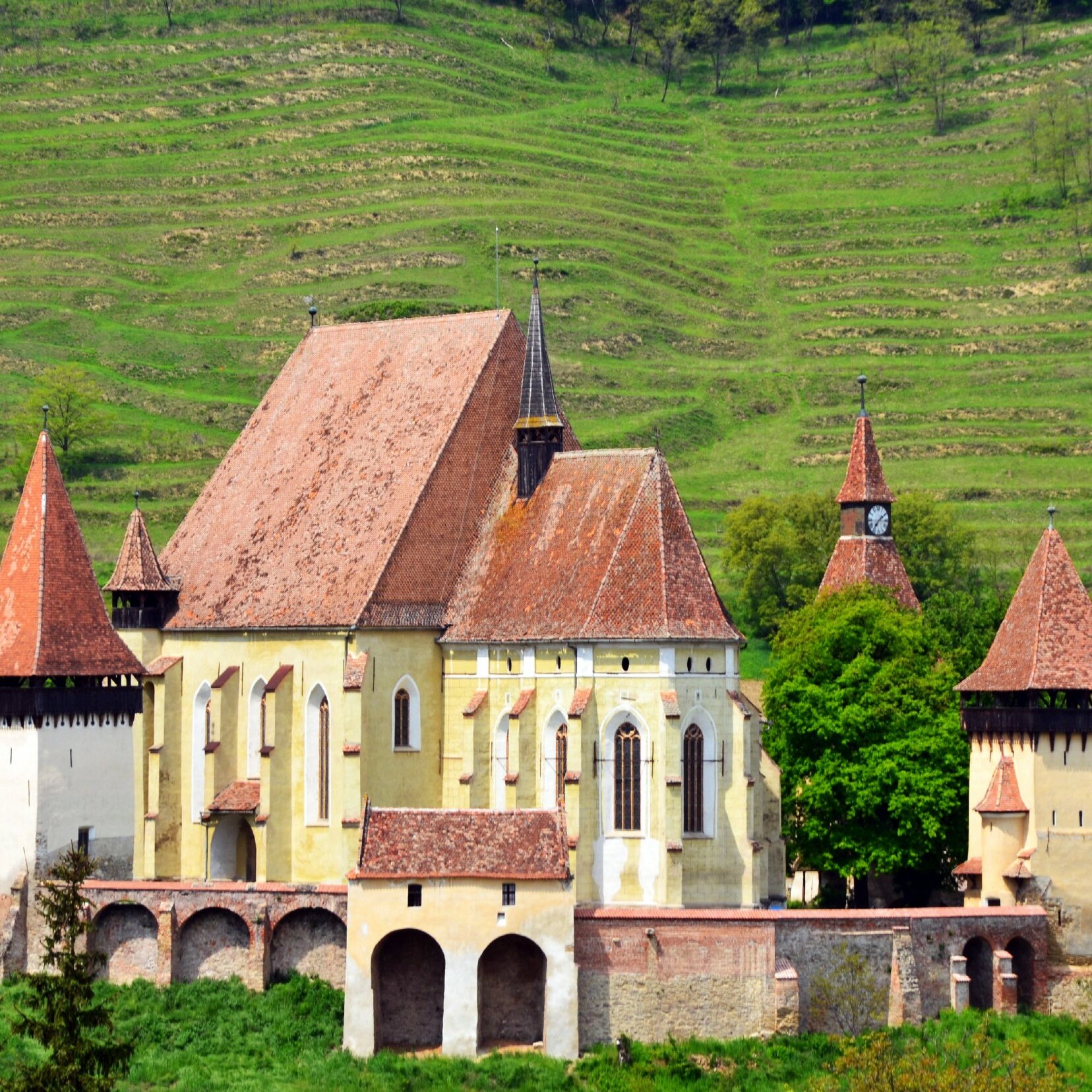
Sardinia: On the Sardinia 4x4 off-road trip you drive on gravel tracks through Gennargentu and Supramonte. There you sit in a 4x4 instead of on a motorcycle, but the mix of curves, mountains and sea is similar.
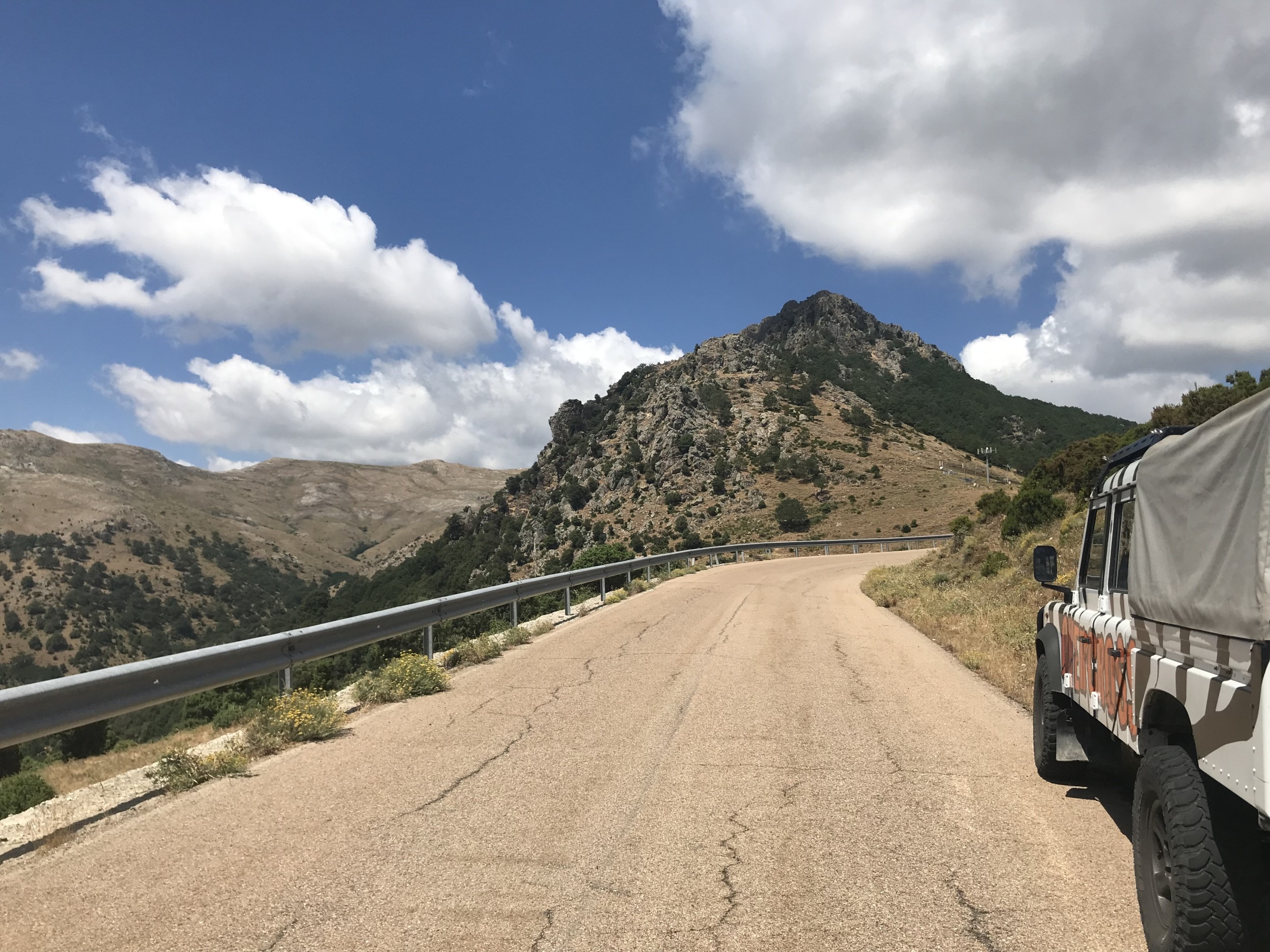
Morocco: The guided 4x4 off-road trip through Morocco takes you into the Atlas Mountains, also in a 4x4.
Answered briefly
Frequently asked questions
- Is the Great St Bernard Pass open in winter?
- Usually not. The mountain road closes in winter because it lies at high altitude and gets snowed in. The tunnel underneath, however, stays open. Check the current status on the day of your ride with the official bodies.
- Can I ride through the tunnel on a motorcycle?
- Yes, the road tunnel is open to motorcycles too. The usual tunnel rules apply, such as keeping your distance and lights on. You can find current conditions and fees with the operator, as they can change.
- What is the best time of day for the mountain road?
- Set off early and plan to reach the summit in the morning. In the afternoon, fog and thunderstorms often build up in the high mountains, and it is then unpleasant and cold at the top.
- What should I wear for the summit?
- A windproof layer and gloves, even in summer. At the summit it is noticeably colder than in the valley, and wind and wet chill you quickly.
- Is the pass worth it if I just want to get across?
- If all you need is the crossing and the weather is bad, the tunnel is the better choice. Under a clear sky the mountain road is worth it, because the view and the hairpins are the real reward.