
Namibia

Sossusvlei is a clay pan between red star dunes in Namib-Naukluft National Park, and 13 of our tours come here. With 49,768 km² the park is the largest in Namibia, and the dunes around the pan are among the highest in the world: Big Daddy measures around 325 m. You set off before sunrise at the gate in Sesriem, climb the 80 m high Dune 45 at kilometre 45 and then walk to the dead camel thorn trees of Deadvlei.

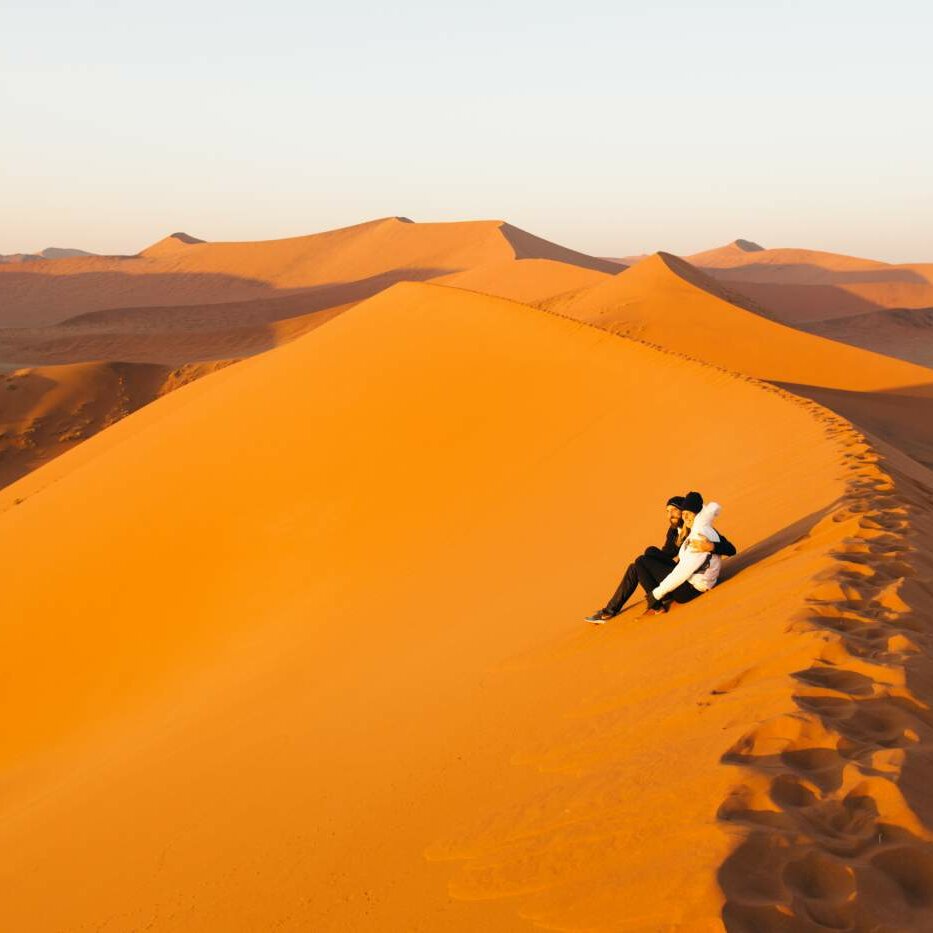
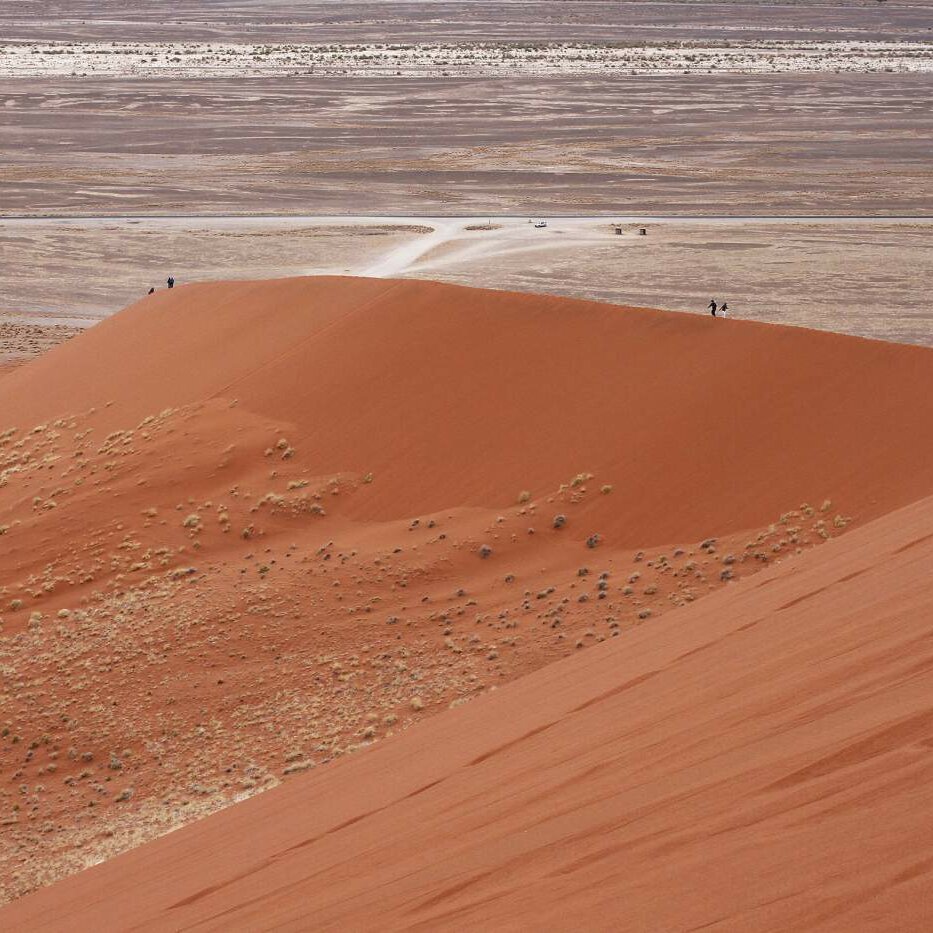

Sossusvlei lies in the south of the Namib, inside Namib-Naukluft National Park. The park was founded in 1907, when the German colonial administration proclaimed three game reserves, and with 49,768 km² it is today the largest park in Namibia. Since 2013 the dune field has been part of the UNESCO World Heritage site Namib Sand Sea.
Strictly speaking the name refers to just one pan: Sossusvlei is a shallow basin of pale clay where the Tsauchab river ends. The river only reaches it in years of heavy rain, and then water stands between the dunes for a few weeks. The rest of the time the pan is dry. All around rise red star dunes, whose sand was blown here from the interior of the continent over thousands of years and gets its colour from iron oxide. Big Daddy, the highest dune in the area, measures around 325 m.
Right next door lies Deadvlei, a second pan that was cut off from the river. On the white clay floor stand black, dead camel thorn trees that have not rotted for centuries in the dry climate. In front of the orange dune behind them, this is one of the most photographed scenes in Africa.
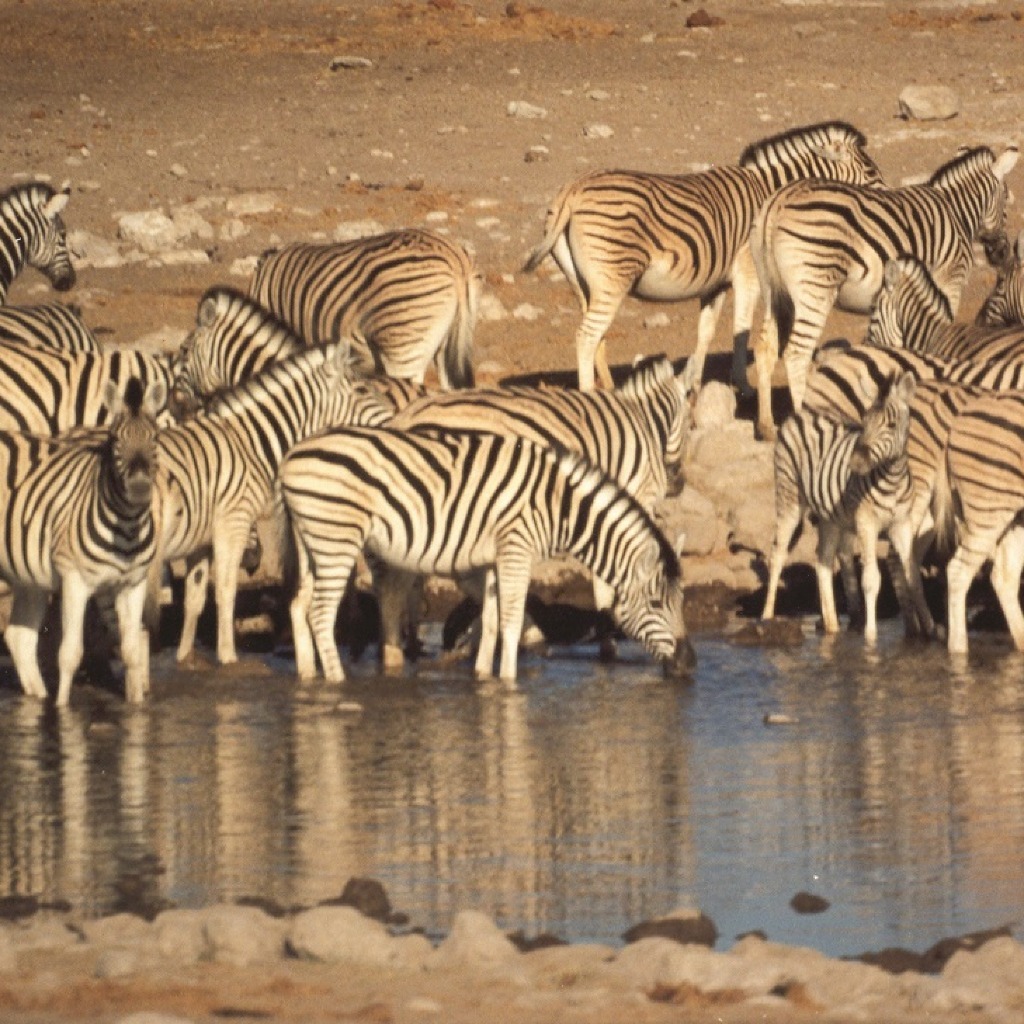
The Namib is dry, but not empty. Oryx, springbok, ostriches and jackals live in the valleys between the dunes, along with beetles and lizards that take their water from the morning fog off the Atlantic. Many of the tours continue north after Sossusvlei to Etosha National Park. More about the country is on the page Namibia Safari.


Dune 45 takes its name from its position: it stands 45 km beyond the gate in Sesriem, right by the road. It is 80 m high, and the way up follows the narrow crest, step by step in soft sand. Our tours leave early enough for you to stand on top shortly after sunrise, when the light turns the dunes from dark red to orange and the valleys still lie in shadow. Barefoot, the sand feels pleasantly cool in the morning.
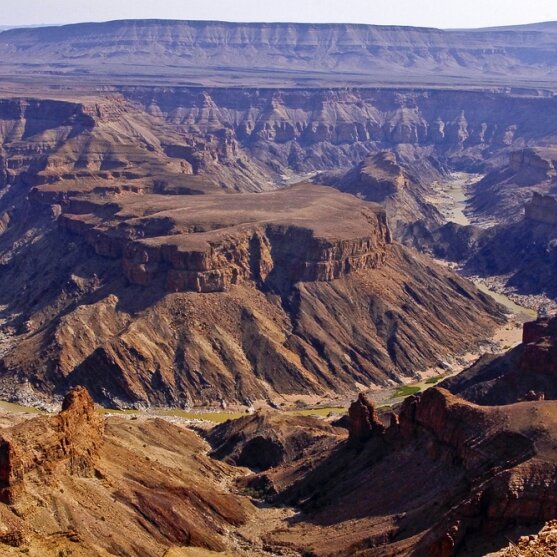

From the car park at the end of the tar road you continue by 4x4 shuttle, because the last 5 to 6 km are deep sand and only passable with four wheel drive. A footpath then leads over a low dune into Deadvlei. The white pan with the black trees and the red dune behind it looks strongest in the morning, before the sun climbs too high and the shadows disappear. Bring enough water, there is no shade here.


If you have the energy, climb Big Daddy from Deadvlei, at around 325 m the highest dune in the area. The climb is long and steep, the way down takes you straight back into Deadvlei in a few minutes. The actual Sossusvlei pan lies right next door, ringed by dunes, with green camel thorn trees where oryx look for shade. Around midday, when the sand gets hot, our tours drive back to Sesriem.
Sossusvlei is open all year, the road from Sesriem is tarred to just short of the pan, and hardly any rain falls in the Namib. What changes is the temperature. April to September: dry, warm during the day, cold nights in the desert, in June and July often close to freezing. This is the most comfortable time to climb the dunes and walk into Deadvlei.
October to March: hot, very hot at midday. From late morning the sand gets so hot that you can no longer walk barefoot, and the walks belong in the first hours after sunrise. From January to March thunderstorms over the highlands can fill the Tsauchab. In rare years water then stands in Sossusvlei, and the dunes are reflected in it.
For a first trip we recommend April to September. Entry and visa rules are covered in the dossier Travel information Namibia.
You pay the entry fee for Namib-Naukluft National Park at the gate in Sesriem, per person and day, plus a fee for the vehicle. The rates are set by the Namibian park authority and change regularly. Whether the park fees are included in the tour price is listed under services for each tour. The 4x4 shuttle for the last kilometres costs extra.
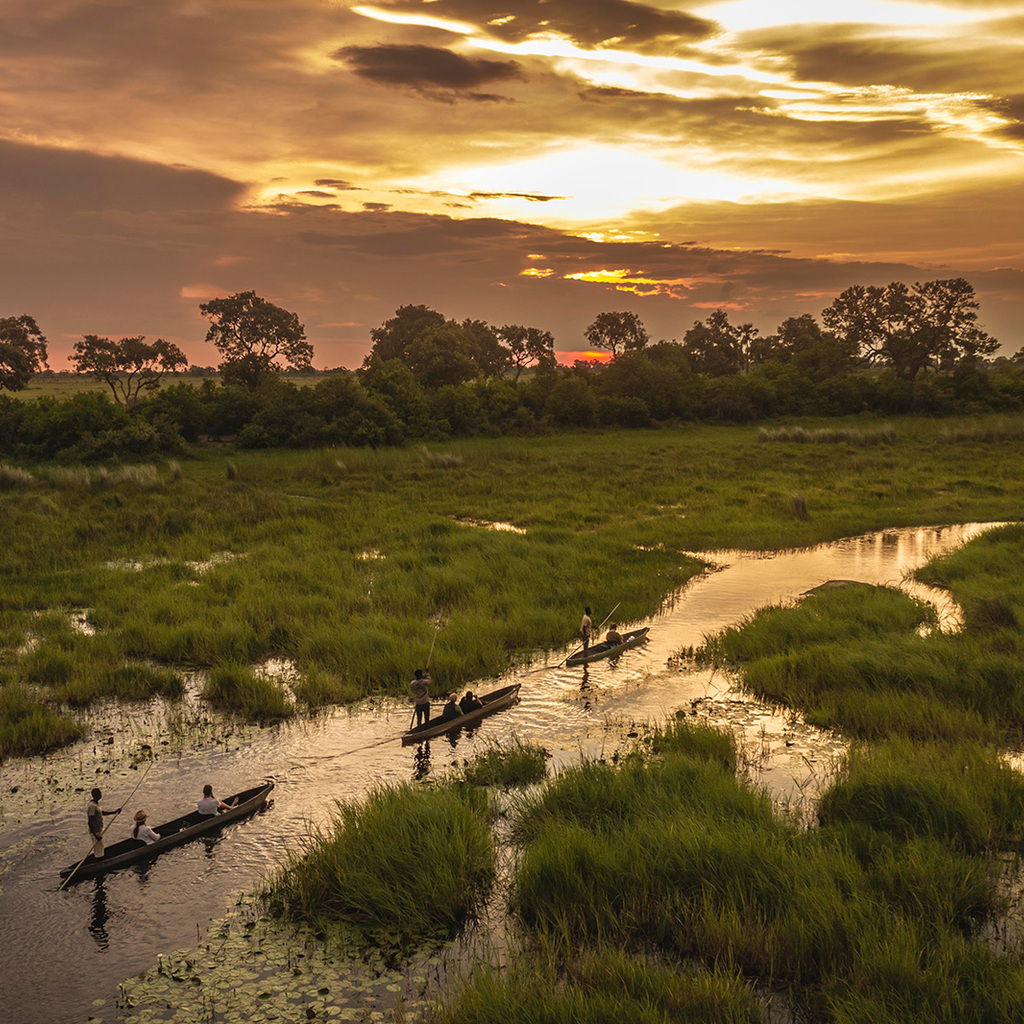
The gate to the dune field is in Sesriem. From there a tar road of around 60 km runs west to the car park for normal vehicles, with Dune 45 at kilometre 45. The last 5 to 6 km to the pan are deep sand and only passable with four wheel drive. Our tours come from the south via Fish River Canyon or from the north via Swakopmund and stay overnight near Sesriem.

1 night near Sesriem is enough for the morning at Dune 45 and in Deadvlei. 2 nights give you a quiet afternoon for Sesriem Canyon and the sunset over the desert. Our tours stay 1 to 2 nights, some with a rest day in the park.

The gate opens at sunrise and closes at sunset. Walking on the dunes is allowed, driving off the road is not. Take your rubbish with you, especially in Deadvlei, and do not touch the dead trees. Water, a sun hat and sunscreen belong on every walk, there is hardly any shade.
Southern Namibia around Sossusvlei is considered practically free of malaria. Malaria occurs in the north of the country, for example along the Kavango. If your tour continues north, talk to a travel medicine doctor about prophylaxis before you leave. In the desert, heat is the bigger risk: drink plenty, stay in the shade at midday.
The camping safaris and overland tours pitch their tents at campsites near Sesriem, with two person tents, mattresses and meals cooked from the truck. At night the sky over the desert is clear and free of light all around, you see the Milky Way from your tent. Pack a warm sleeping bag for the winter months.
The lodge versions and small group tours stay in lodges in the area around Sesriem, with a room or chalet, private bathroom and restaurant. Some lie on the open plain with a view of the mountains, others a few kilometres before the gate. Which accommodation your tour uses is listed in the day by day programme.
April to September. Then the days are pleasantly warm, the nights are cold, and climbing the dunes is easy. From October to March it is very hot at midday, so the walks belong in the first hours after sunrise. The area is open all year.
Dune 45 is 80 m high and lies 45 km beyond the gate in Sesriem right by the road, hence the name. The climb along the crest is manageable for anyone with normal fitness. The highest dune in the area is Big Daddy near Deadvlei at around 325 m.
1 night near Sesriem is enough for the morning at Dune 45, in Deadvlei and in Sossusvlei. 2 nights give you time for Sesriem Canyon and a quiet evening. Our tours stay 1 to 2 nights, some with a rest day.
Yes, the road from Sesriem is around 60 km long and tarred, passable in any car. The last 5 to 6 km to the pan are deep sand, for which you need four wheel drive or take the shuttle. On our tours the guide drives, and you are already at the dune for sunrise.
Southern Namibia around Sossusvlei is considered practically free of malaria. Malaria occurs in the north, for example along the Kavango and around Etosha in the rainy season. If your tour continues north, talk to a travel medicine doctor about prophylaxis beforehand.
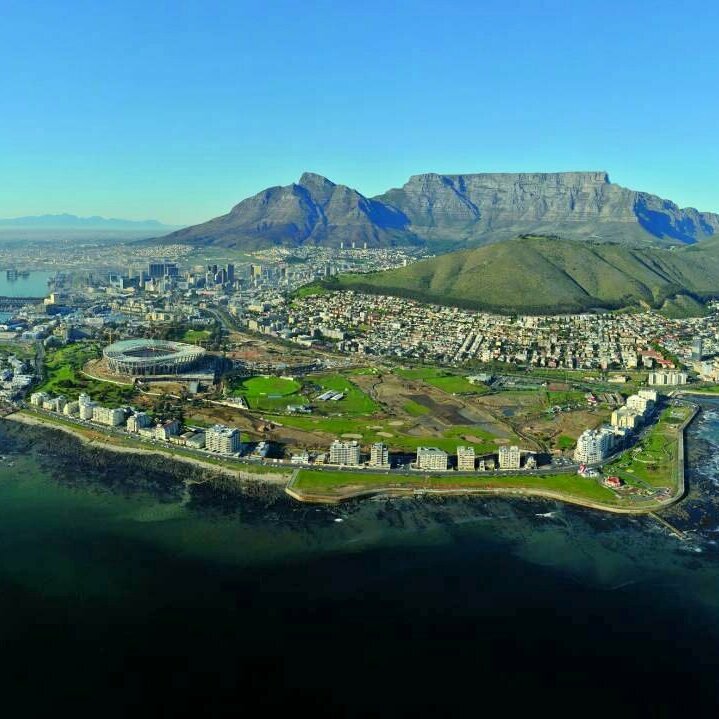
The shortest is the camping safari through South Africa and Namibia of 7 days. Then there are Namibia tours of 11 and 12 days with Sossusvlei and Etosha, overland tours from Cape Town of 20 to 36 days, and the long routes to Nairobi of 42 and 57 days.

How did you
hear about us?