
Tanzania

The Ngorongoro Crater lies in the highlands of northern Tanzania, between Karatu and the Serengeti. The caldera is 17 to 21 km across, its walls rise 400 to 600 metres and the floor sits at about 1,700 metres. Around 25,000 large mammals live down there, among them lions, buffalo, elephants and 55 black rhinos. Since 1959 the 8,200 km² Ngorongoro Conservation Area has protected the crater, and since 1979 it has been a UNESCO World Heritage Site.
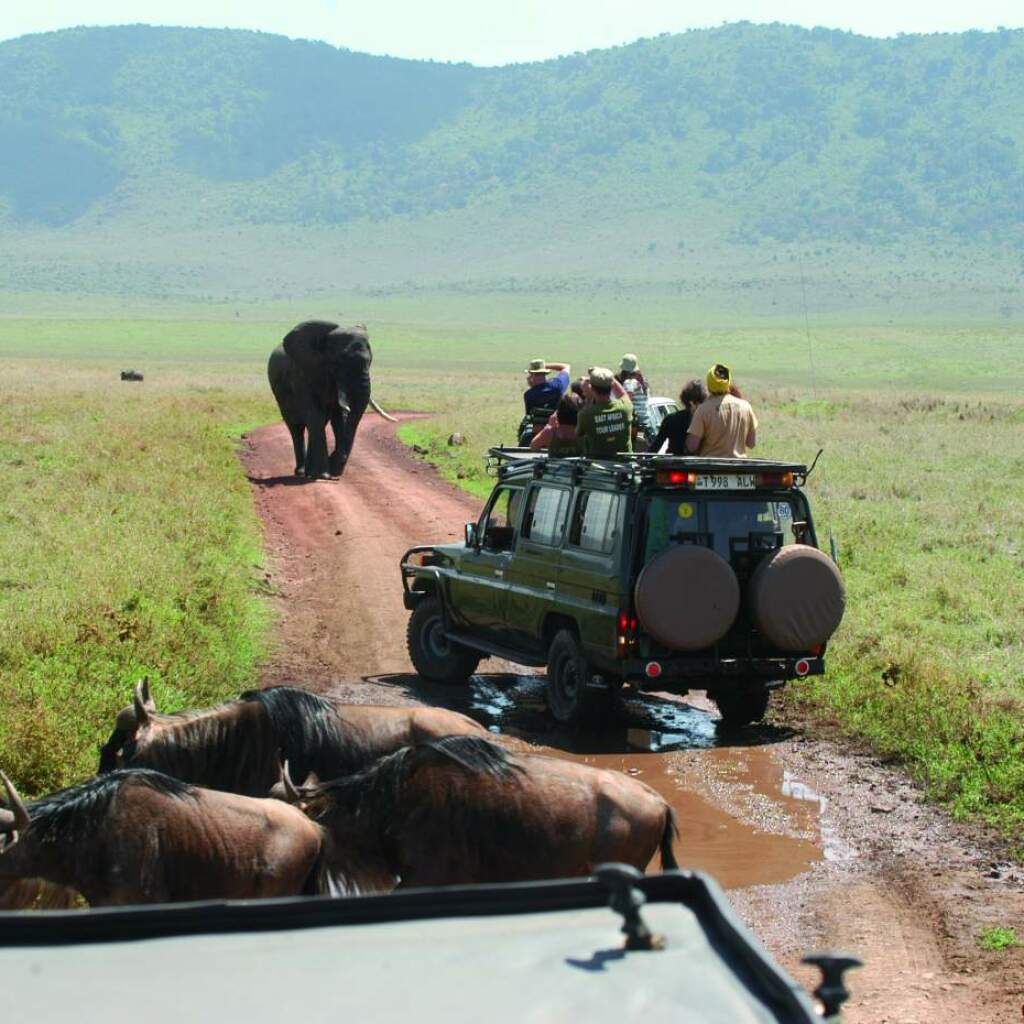

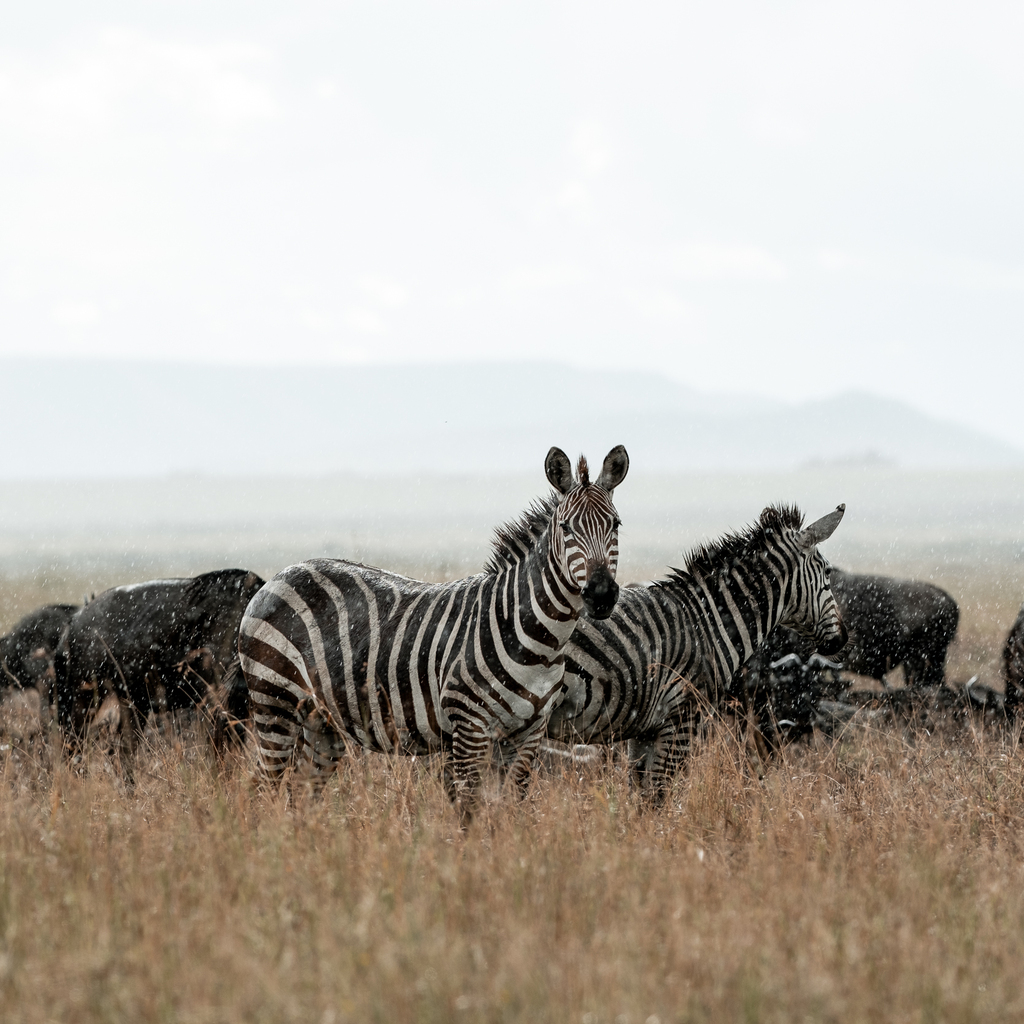
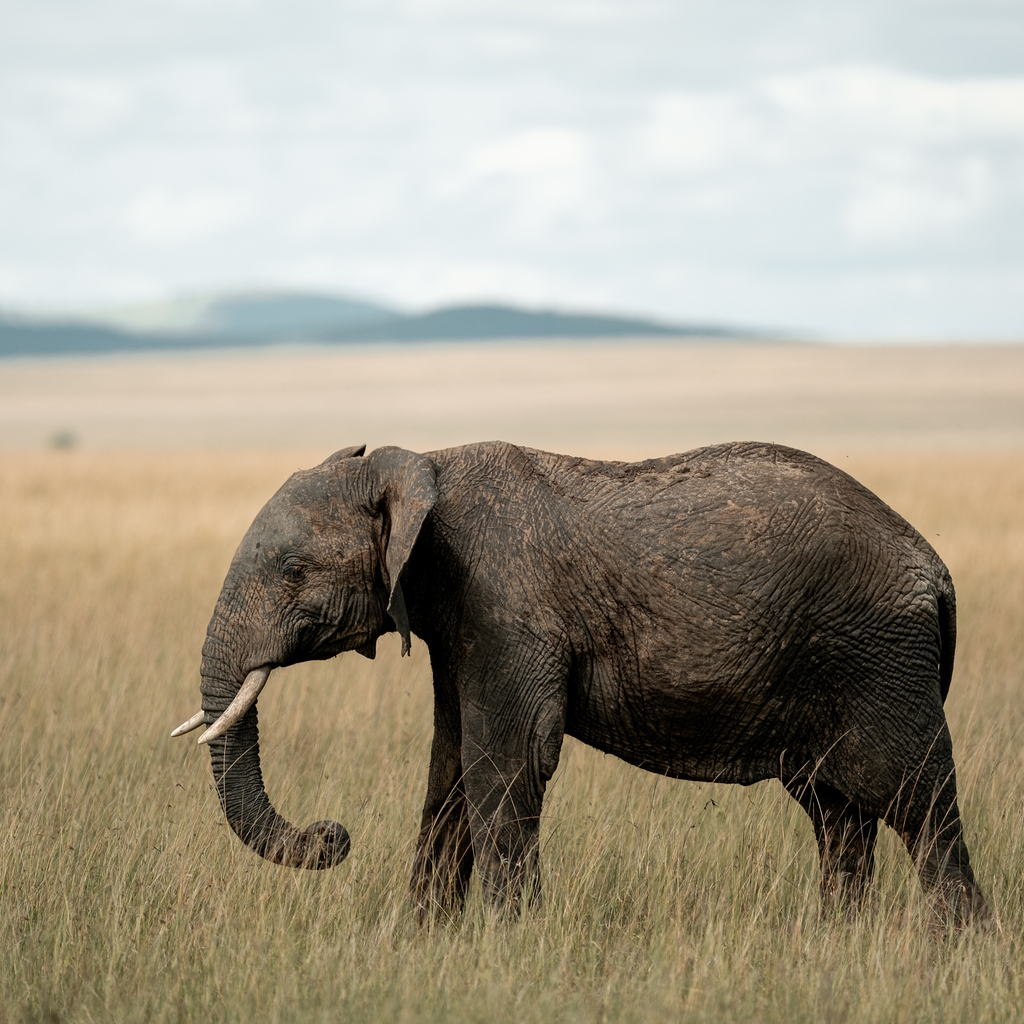
The crater formed when a volcano collapsed in on itself after its last activity about 2 million years ago. What remained is a caldera 17 to 21 km across with an area of 26,400 hectares. The rim sits at about 2,300 metres and is often in cloud, the floor at about 1,700 metres. Mornings on the rim are cool, down below it warms up by midday. Until 1959 the crater belonged to Serengeti National Park; today it is part of the Ngorongoro Conservation Area, where Maasai may live with their cattle.
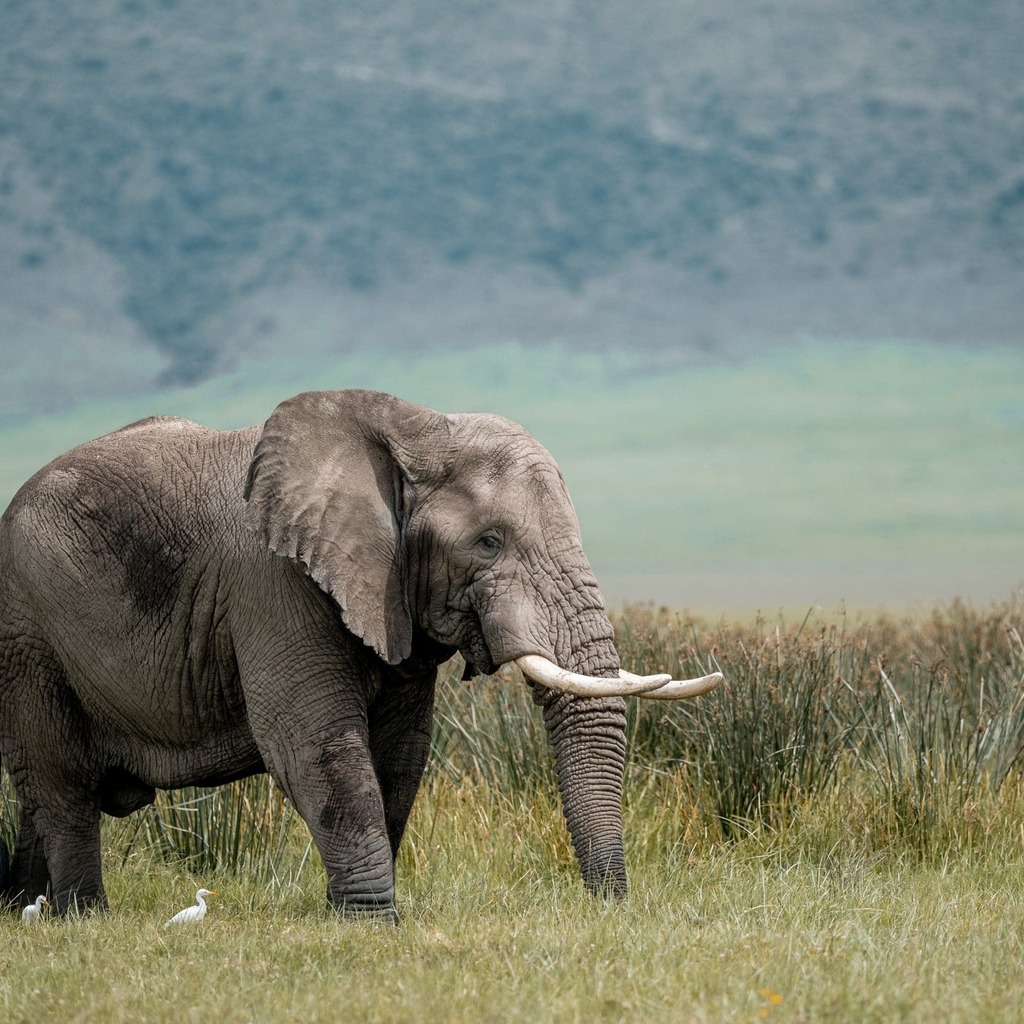
On the crater floor, open grassland, swamps and forest alternate. In the southwest lies Lake Magadi, a shallow soda lake 1.7 metres deep where thousands of lesser flamingos often stand. The Lerai Forest is fed by a stream from the crater rim, and elephants stand here among the fever trees. The Munge stream drains Olmoti Crater to the north and fills the seasonal salt lake.
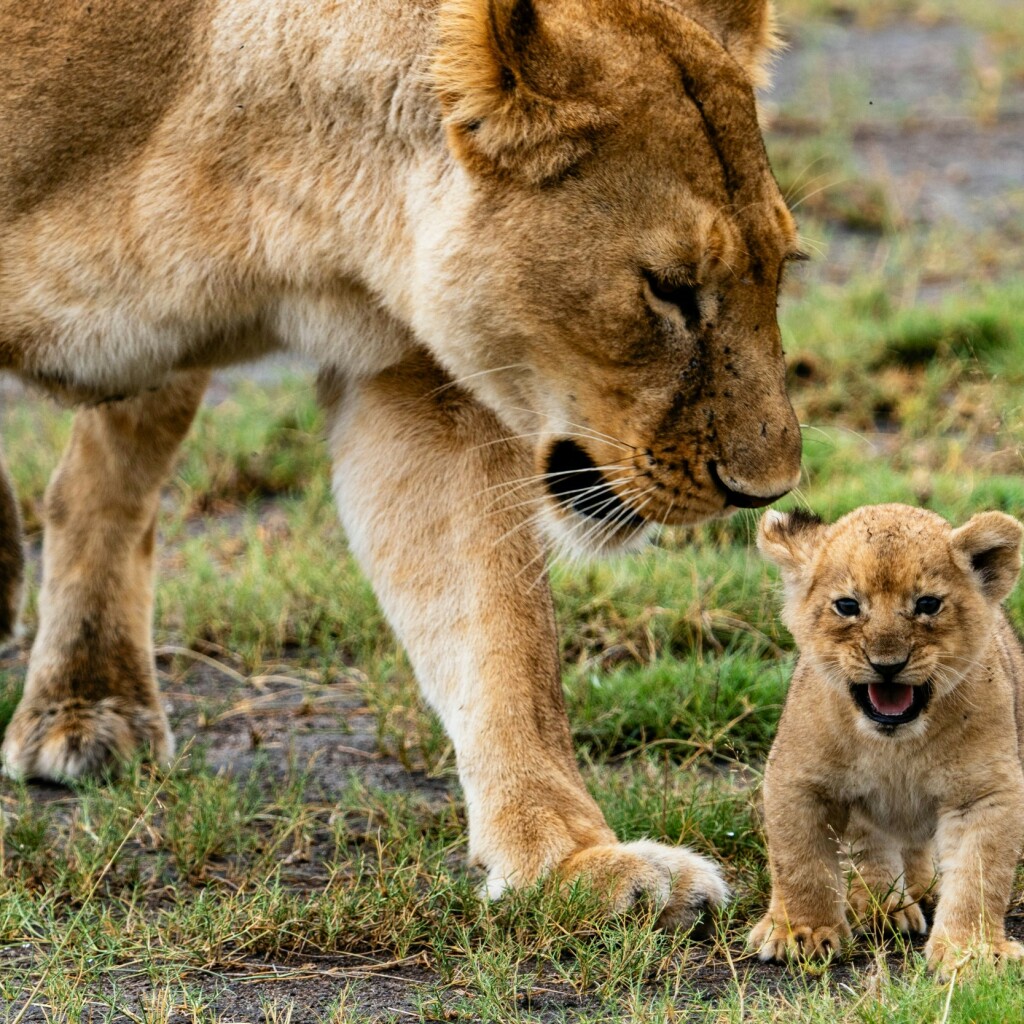
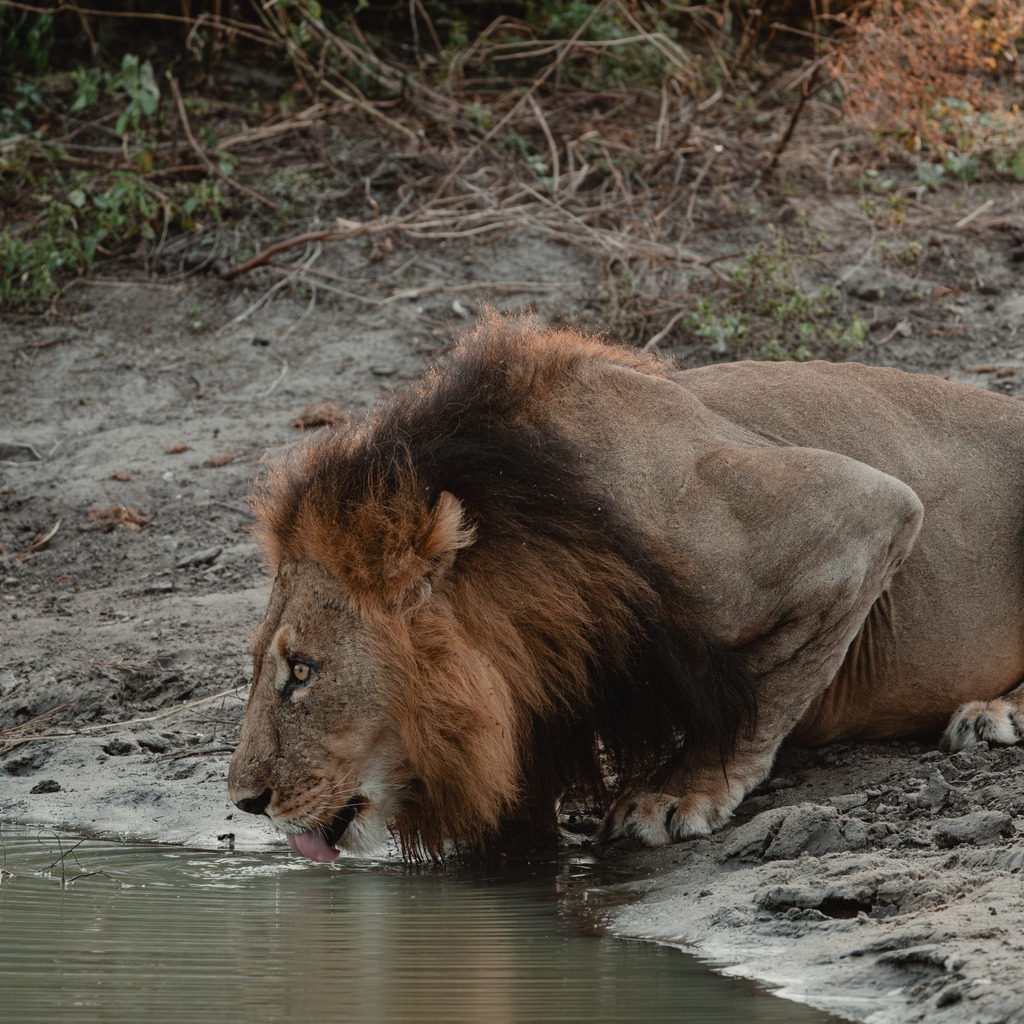
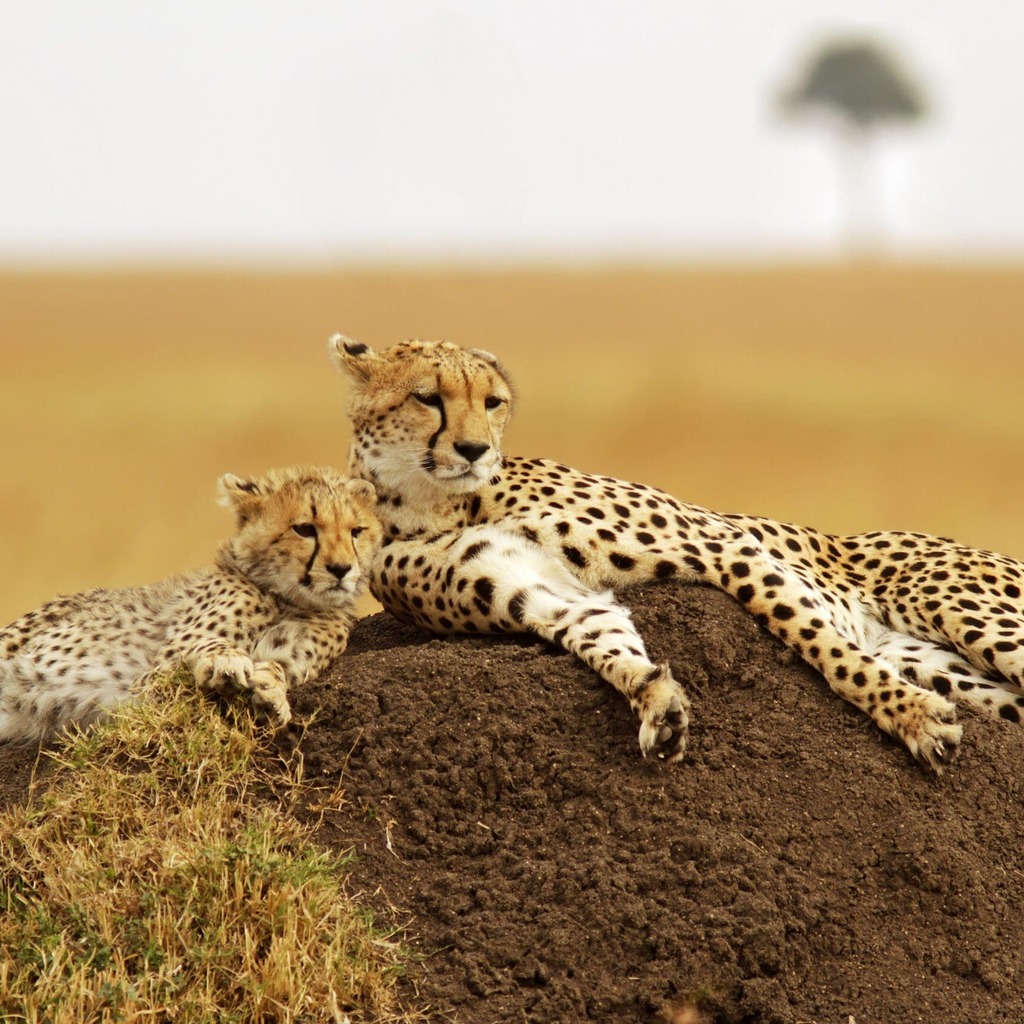
Around 25,000 large mammals live on the crater floor, and the density of predators is considered the highest in Africa. Wildebeest and zebra form the largest herds, with buffalo, Thomson's gazelles, eland and hippos alongside. In 2001, 62 lions were counted. Black rhinos fell from about 108 animals in the 1960s to 13 in 1993 and recovered to 55 by 2018. The crater is one of the few places in East Africa where you are very likely to see a rhino from the vehicle. Giraffes are missing: they cannot get down the steep walls.


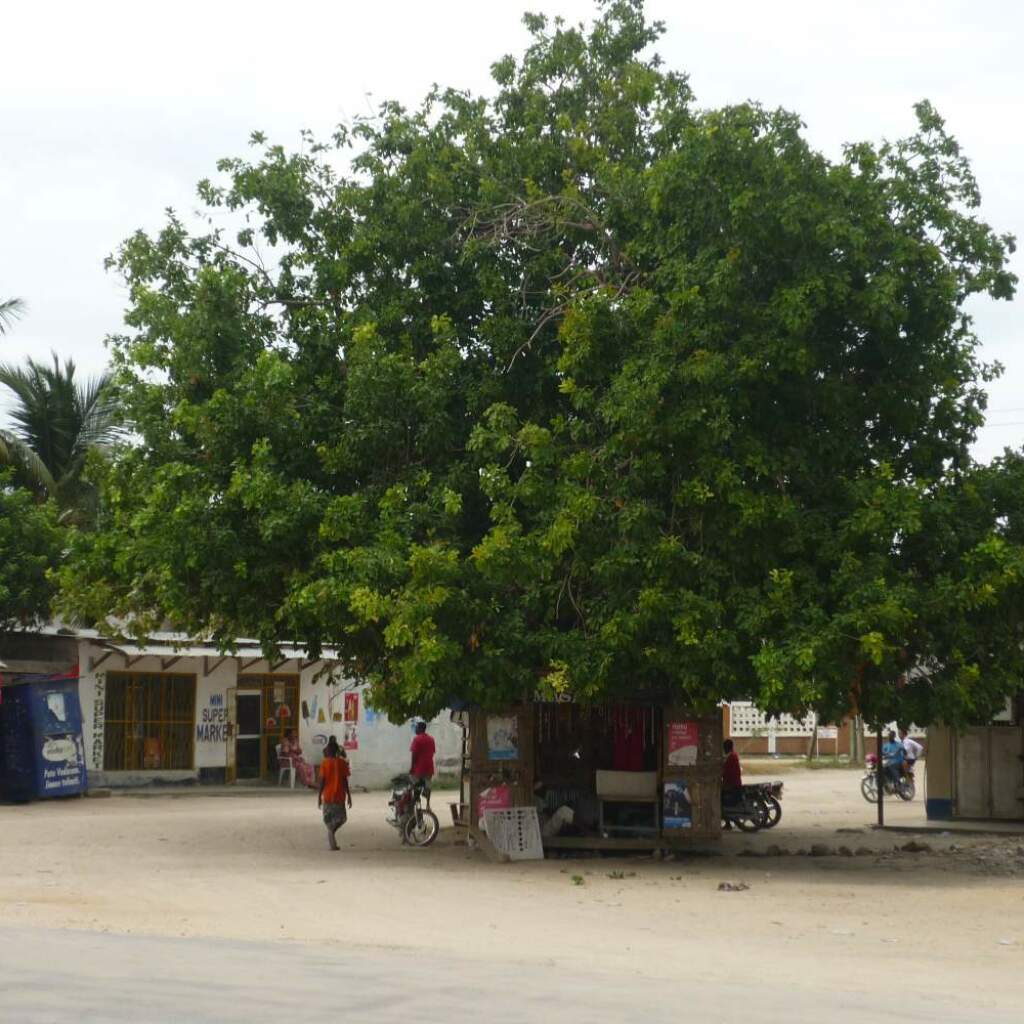
The day starts early, because the vehicle first has to drive down a steep track from the rim at about 2,300 metres. On the way you drop 400 to 600 metres, often driving through the cloud on the rim and only seeing the floor once the sun burns it off. Down below, the first herds usually appear within minutes. Whoever gets down first finds the lions at the swamps still active and the tracks still empty.
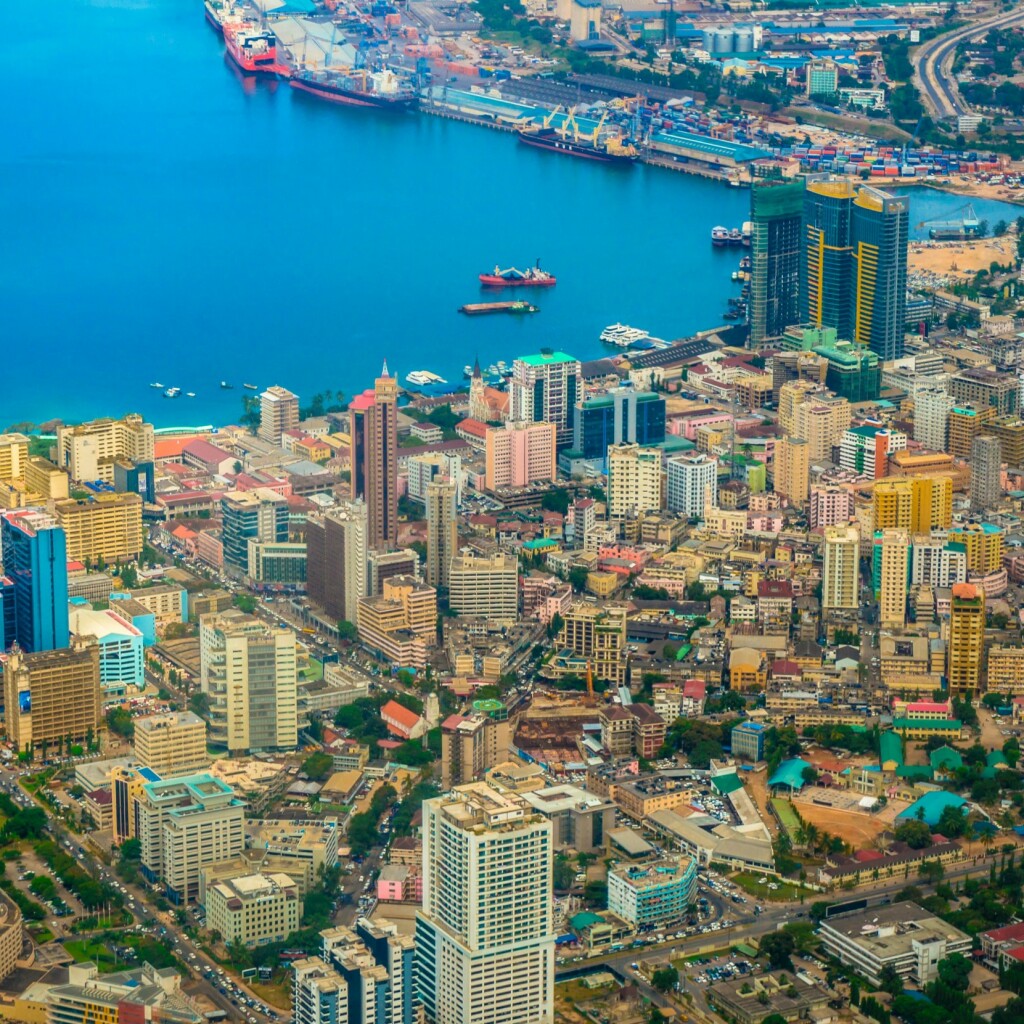
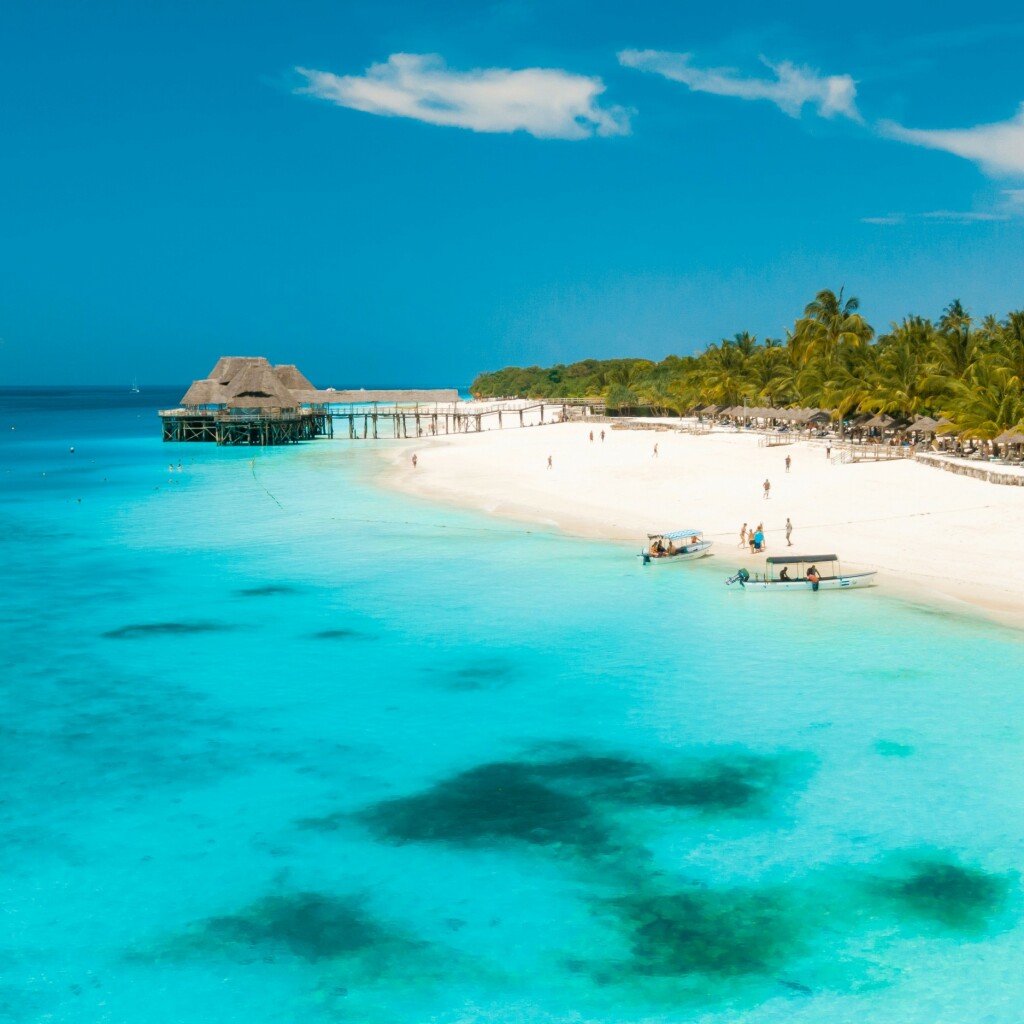
At 264 km² the crater floor is small enough to drive a full loop in a day. The black rhinos usually stand in the open grassland, the lions at the swamps and by the Lerai Forest, the flamingos at Lake Magadi in the southwest. Elephants are rare in the crater, usually only a few dozen stand by the Lerai Forest while the big herds stay in the forest on the rim. At midday the vehicle stops at one of the picnic sites by the water where hippos lie. In the afternoon you take the return track back up.
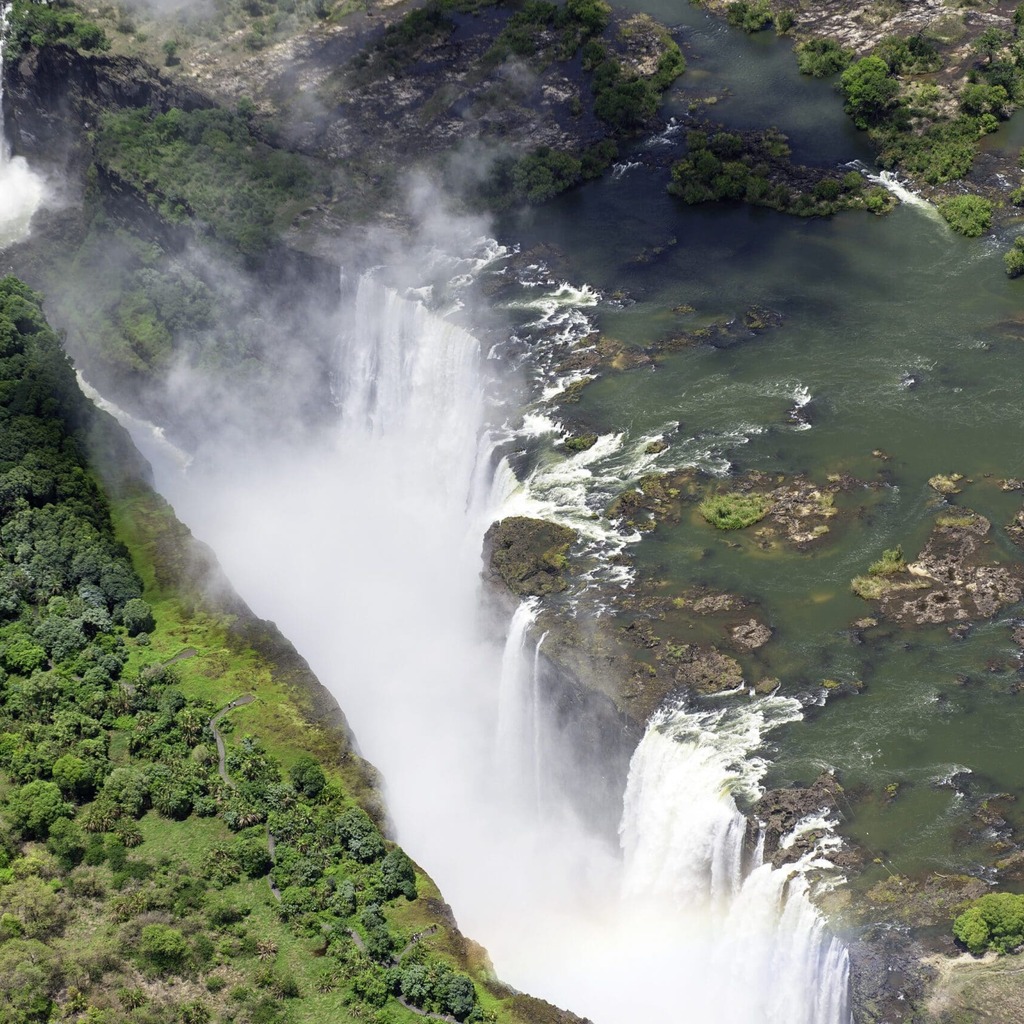
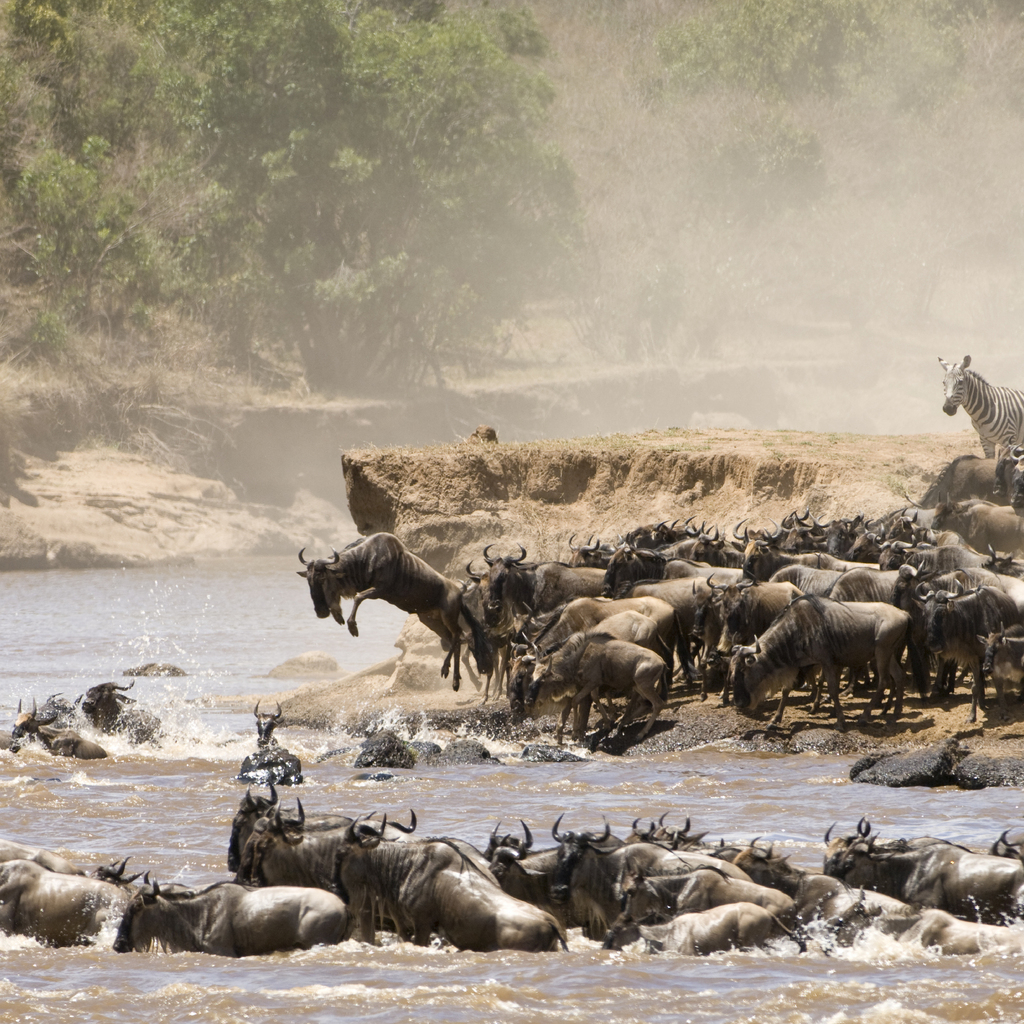
The Ngorongoro Conservation Area is not a national park: people live here. The last count found 60,000 herders with 350,000 head of livestock in the area. On the drive across the highlands to the rim you see Maasai grazing their cattle next to zebra and wildebeest, and sometimes the herds come right up to the rim. That is why, since 2010, the area has been a UNESCO cultural as well as natural heritage site. On our camping safari this side by side is part of the crater day.
The crater is open all year and inhabited all year: unlike in the Serengeti, most animals do not move away, because water and grass on the crater floor last through the dry season. So the question is not whether you will see animals, but how good the tracks are and how busy the descents get.
June to October is the dry season: the grass is short, animals are easy to see, mornings on the rim are cold, the floor is dusty, and the most vehicles are about. January and February are green with short showers in between, and wildebeest calve in the crater too. In March the long rains begin, in April and May the descent and ascent tracks are wet and slippery and the rim is often in fog all day. In return there are hardly any other vehicles down below. November and December bring the short rains, mostly in the afternoon.
If you want to combine the crater with the migration in the Serengeti, plan around the Serengeti, not the crater.
The crater does not belong to the national parks authority TANAPA but to the Ngorongoro Conservation Area, which has its own authority. It charges a fee per person and 24 hours, which is also due if you only drive through the area to the Serengeti, plus a crater fee per vehicle and descent. The rates change almost every year. On all 12 of our tours the fees for the crater day are included in the price.
Karatu is the last town before the conservation area on the road from Arusha, and most of our tours spend the night here before or after the crater day. On the way you pass Mto wa Mbu and its market, known for red bananas. Separate tracks lead down from the rim and back up; you ride in an open roof 4x4, and on the overland tours you switch from the truck into a 4x4 safari vehicle for this.
One day on the crater floor is enough to drive a full loop and see Lake Magadi, the Lerai Forest and the swamps. None of our tours spends more than one crater day, because at 264 km² the floor is compact. On 8 tours you drive on to the Serengeti in the afternoon after the crater day, on 4 tours you come from the Serengeti into the crater.
The crater rim sits at about 2,300 metres. Mornings and evenings are cold up there, especially in June and July, and damp in the fog. On the crater floor at about 1,700 metres it warms up by midday. Bring a fleece and a rain jacket for the rim, a scarf against the dry season dust and a hat for the open roof.
The Ngorongoro Conservation Area is a malaria zone, even if fewer mosquitoes fly on the cool rim than below. Talk to your travel doctor about prophylaxis 4 to 6 weeks before the trip and wear long clothing from dusk. What Tanzania requires on entry is covered in our Tanzania travel information. Travel health insurance with repatriation belongs on every trip.
The 9 day lodge safari stays in lodges, and the two 10 day tours with Zanzibar offer a Classic option with hotels for 2,999 € instead of 2,699 € alongside camping. In Karatu you are close enough to the gate to stand on the rim early in the morning. Proper rooms, hot water and electricity; evenings are cool at this altitude.
The Explorer option of the two 10 day tours and all 8 overland tours camp: tents, meals cooked on the truck and eaten at a table under the open sky. Our 7 day private camping safari sleeps in 2 person tents with mattresses. Bring a warm sleeping bag, nights in the highlands get cold.
One day. The crater floor covers 264 km², and in one day you drive a full loop and see Lake Magadi, the Lerai Forest and the swamps. None of our tours stays longer than one day in the crater; they combine it with the Serengeti and some with Tarangire and Lake Manyara. Count on one night in Karatu beforehand.
June to October is dry, the grass is short and animals are easy to see, but that is also when the most vehicles are down there. January and February are green and good as well. In April and May the descent tracks are wet and the rim is often in fog. The animals stay in the crater all year, because there is water.
Very likely, yes. In 2018, 55 black rhinos lived in the crater, up from only 13 in 1993. They usually stand in the open grassland and are easy to pick out from the track with binoculars. Nobody can guarantee it, but nowhere in northern Tanzania gives you a better chance in a single day.
The conservation area charges a fee per person and 24 hours, plus a crater fee per vehicle and descent that the people in one vehicle share. The Ngorongoro authority sets the rates anew almost every year. On all our tours these fees are included in the price, so you pay nothing extra on site.
Yes, in a four wheel drive, but only on the official descent and ascent tracks and with the crater fee for the vehicle. The tracks are steep and slippery in the rainy season, and driving off the tracks on the floor is forbidden. Our tours go with a driver guide in an open roof 4x4, and on the overland tours you switch from the truck to a 4x4 vehicle.
For one week, the 7 day private camping safari from Arusha with Tarangire, Serengeti and Lake Manyara; for more comfort, the 9 day lodge safari. With a beach, the two 10 day tours with Zanzibar from 2,699 €. If you travel longer, you find the crater on 8 overland tours of 14 to 57 days.

How did you
hear about us?