
Tanzania
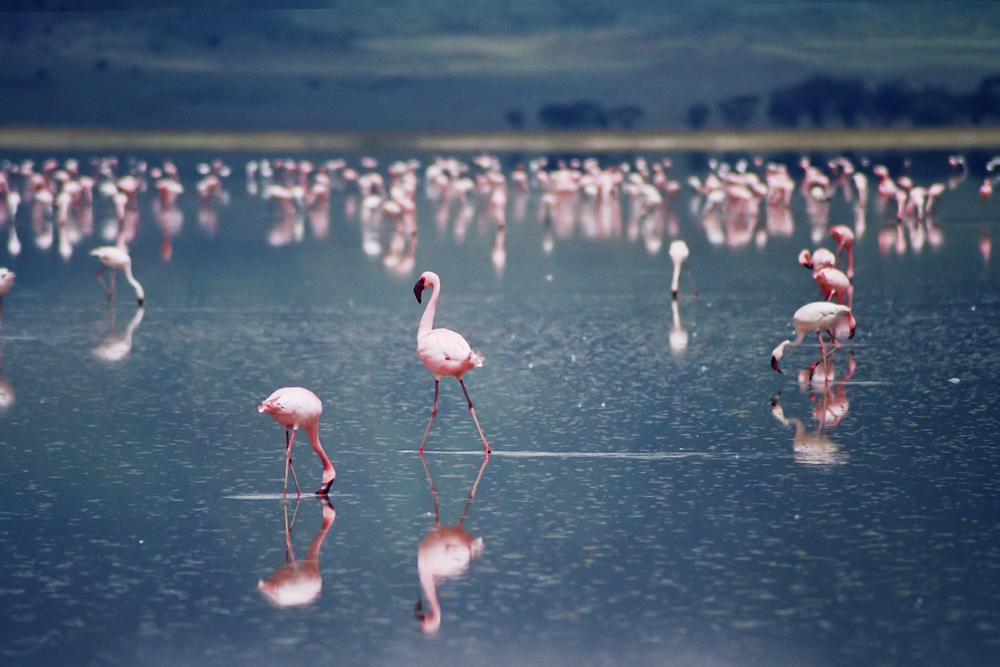
Lake Manyara National Park lies in northern Tanzania between the escarpment of the Great Rift Valley and the soda lake that gives it its name. Of the park's 649 km², the lake covers about 220 km². The area has been a national park since 1960 and a biosphere reserve since 1981. Over 400 bird species live here, thousands of flamingos often stand along the shore, and the park's lions are known for climbing trees.
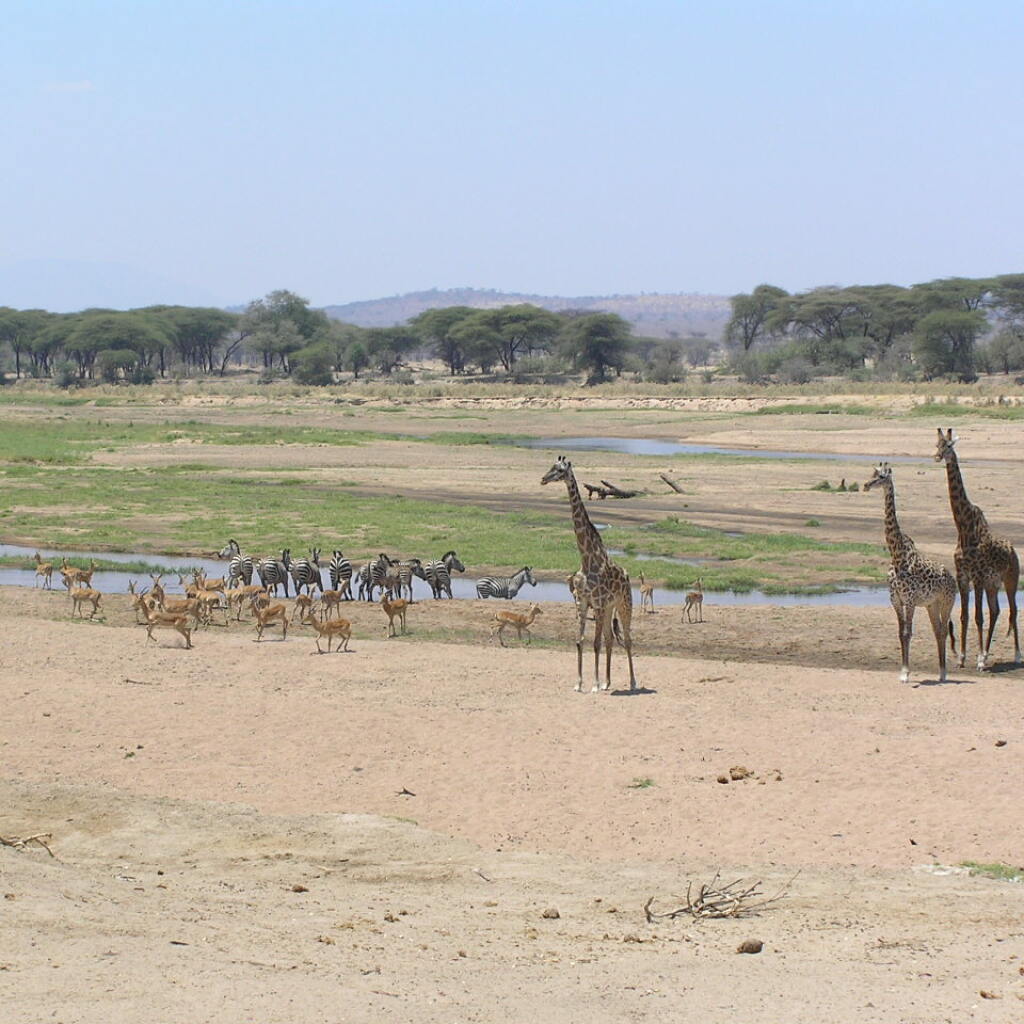

To the west the escarpment of the Rift Valley bounds the park, rising to 1,829 metres. Below it lies a narrow strip of land, measured from the lake shore at 960 metres. The park covers only the northwestern part of the lake. Within a short distance the landscape changes: forest at the foot of the wall, acacias, open grassland by the shore and the shallow water of the soda lake.
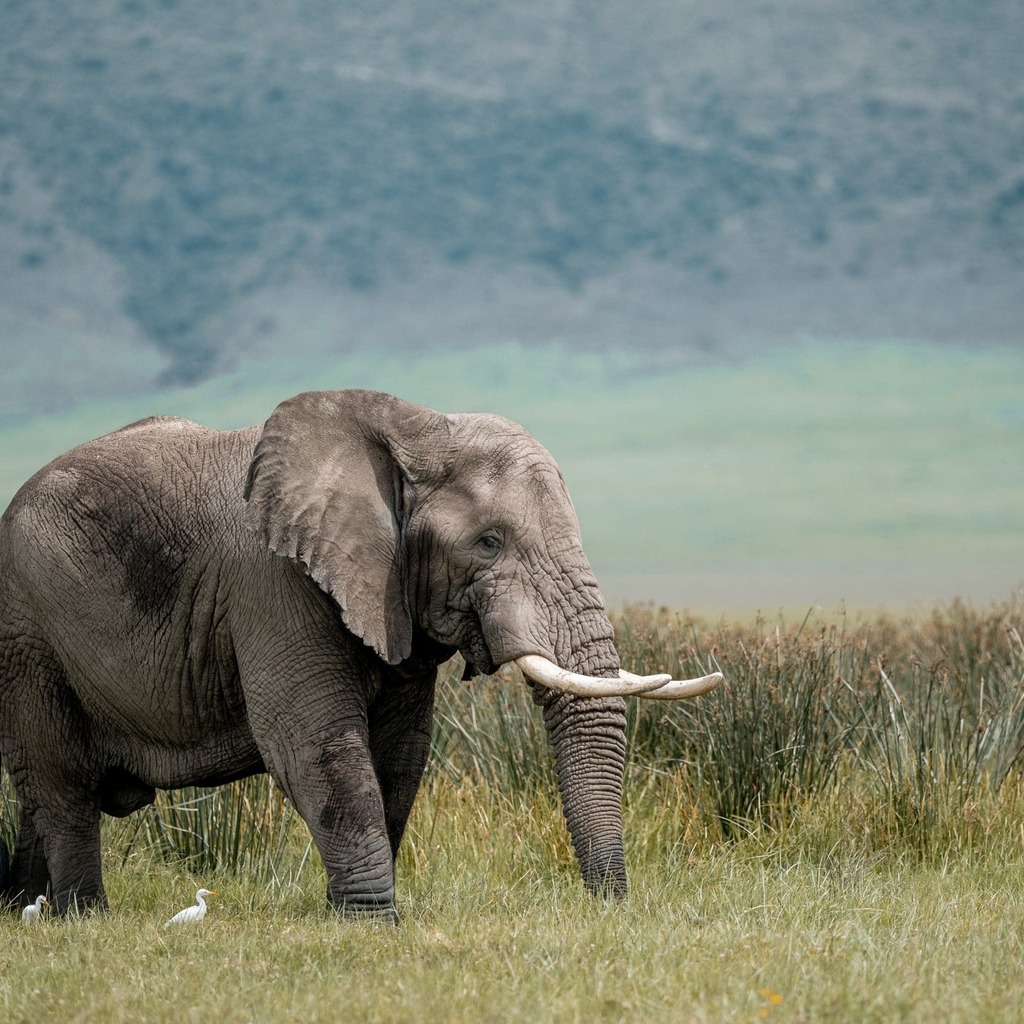
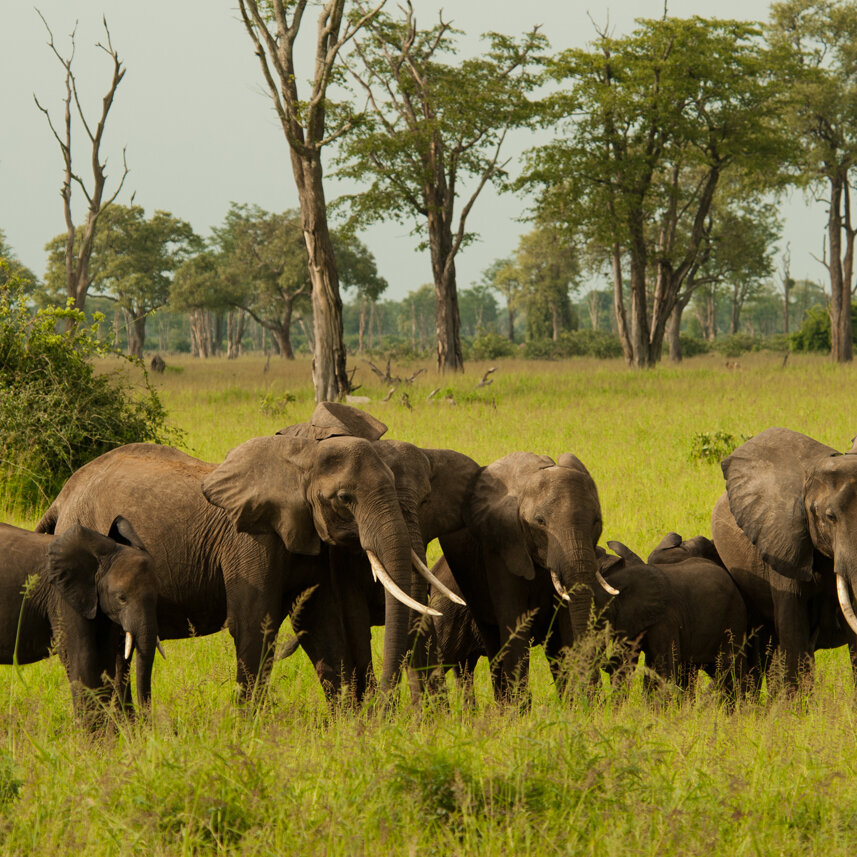
Right behind the gate the groundwater forest begins. Water seeps from the escarpment and keeps figs, mahogany and other evergreen trees green even in the dry season, without any river flowing here. Baboons, blue monkeys and elephants live in this forest. In the south of the park hot springs emerge at Maji Moto, which means hot water in Swahili.
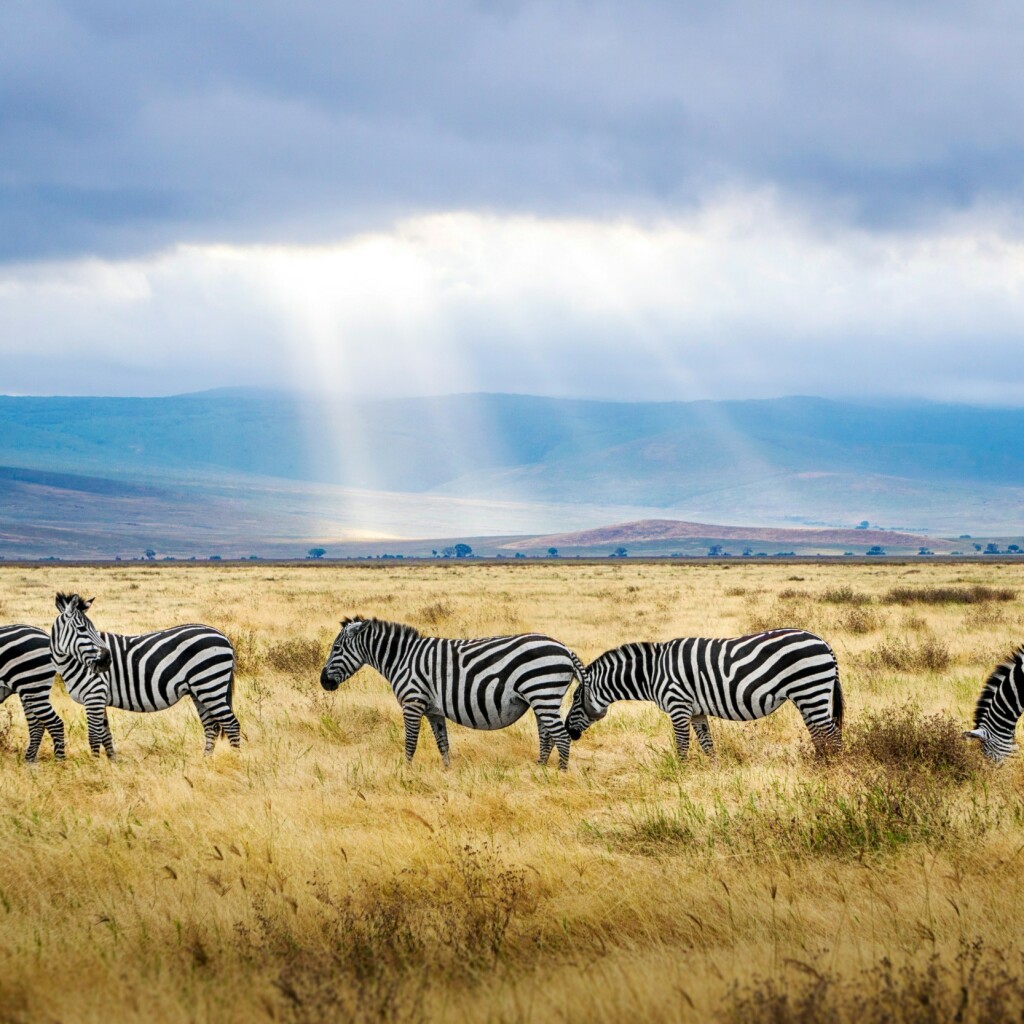
The lake draws birds in huge numbers. Over 400 species have been recorded in the park, among them pelicans, storks, herons and above all flamingos. In 1991 about 1.9 million lesser flamingos and 40,000 greater flamingos were counted, feeding along the shore in the rainy season. Among mammals you see zebra, wildebeest, buffalo, giraffes, impala and hippos. In 1996 about 200 elephants lived in the park. Manyara's lions are famous: in the early 1990s there were 20 to 30 of them, and during the day they often lie in the branches of the acacias.

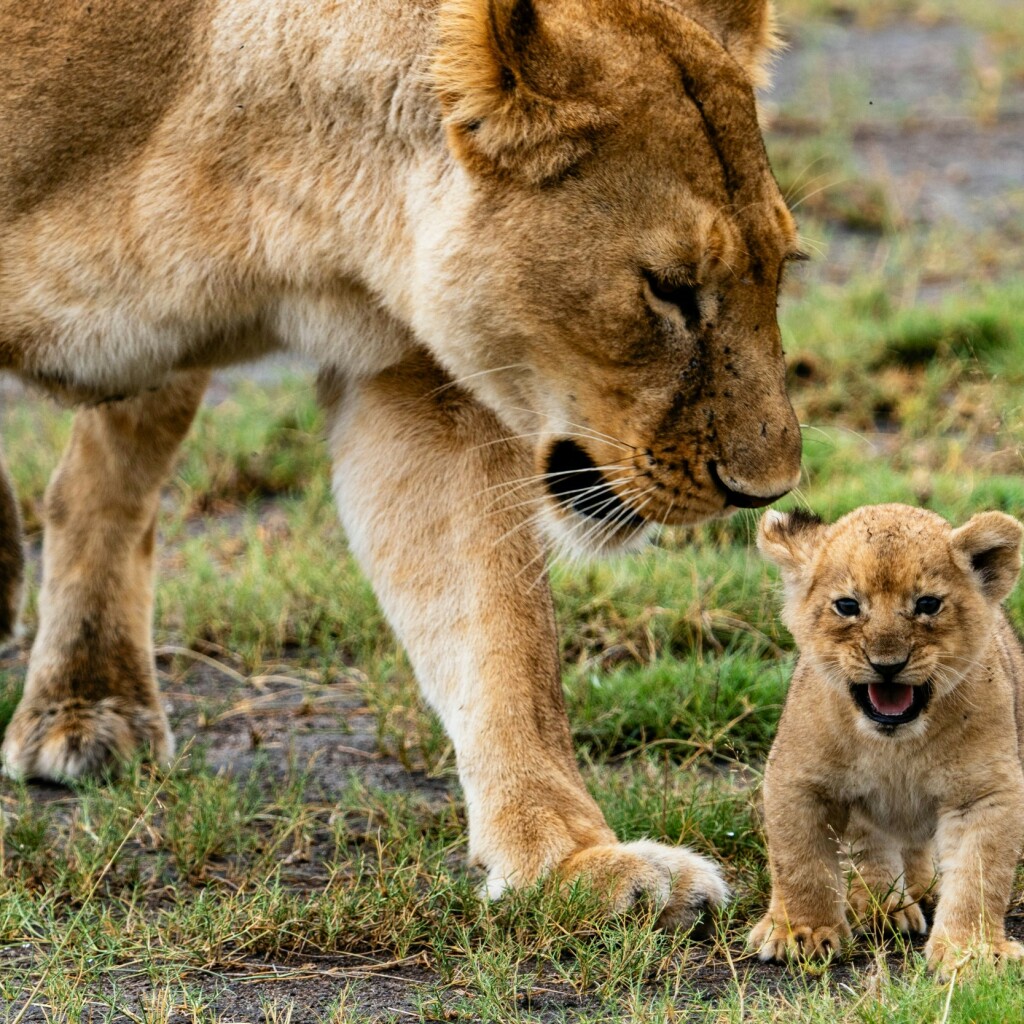
Lions that climb trees exist in only a few places in Africa, and Lake Manyara is one of them. In the early 1990s 20 to 30 lions lived in the park, and during the day they often lie in the branches of the acacias, probably because it is cooler up there. Nobody can guarantee a sighting, the animals change trees. Your guide drives the tracks along the forest edge where the chances are best and stops at every big tree with a tail hanging down.
Lake Manyara is a shallow soda lake where algae grow that flamingos feed on. In good years hundreds of thousands stand along the shore; in 1991 about 1.9 million lesser flamingos and 40,000 greater flamingos were counted. How many come depends on the water level, and in the rainy season the flocks feed along the shore. From the shore you also see pelicans, storks and hippos lying in the shallow water.
Right behind the gate you drive into a forest that stays green although no river feeds it: the water comes from the Rift Valley escarpment and emerges as groundwater. Figs and mahogany stand close together, baboons cross the track, elephants feed between the trunks. In the south of the park the hot springs of Maji Moto come to the surface. In a small area you get forest, grassland, lake and escarpment in a single day.
The park is open all year. June to October is the dry season: the tracks are firm, the grass is short, elephants, buffalo and giraffes are easy to see, and the lions lie in the acacias. That is the best time for mammals.
From November to May the park is green, and this is bird season: migrants from Europe arrive, and the flamingos feed along the shore in the rainy season. With the long rains from March to May the shore tracks get soft, some stretches may flood, and the forest behind the gate is at its densest. The park stays passable, you just move more slowly.
Because the park is small and lies on the road to the Ngorongoro Crater, it fits into half or a full day on any route through the north, whatever the month.
Lake Manyara is a national park of the TANAPA park authority. It charges a fee per person and day plus fees for the vehicle; the rates differ between high and low season and change almost every year. On both our tours all park fees are included in the price, so you pay nothing extra at the gate.
The park lies on the road from Arusha to the Ngorongoro Crater, below the escarpment at Mto wa Mbu. From Tarangire it is about 70 km by road. On both our tours Lake Manyara is the last park: on the camping safari you drive back to Arusha in the afternoon, on the lodge safari you come from Lake Eyasi and end the trip here.
The park is small enough to see in half to a full day: the forest behind the gate, the shore, the grassland and, time permitting, the hot springs in the south. The 7 day camping safari spends the morning in the park with a lunch box break at a spot inside the park, and the 9 day lodge safari devotes its whole last day to Lake Manyara.
The park lies at about 960 metres on the lake shore and is a malaria zone. Talk to your travel doctor about prophylaxis 4 to 6 weeks before the trip, wear long clothing from dusk and use a repellent with DEET. What Tanzania requires on entry is covered in our Tanzania travel information. Travel health insurance belongs on every trip.
The 9 day lodge safari stays in hotels, lodges and camps with proper rooms, and all meals are included. On day eight it comes from Lake Eyasi to Lake Manyara, and day nine brings the last game drive in the park. You ride in a private extended Land Cruiser with an open roof, with 2 to 7 guests, and the single room costs 700 € extra.
On safari the private camping safari sleeps in 2 person tents with mattresses, and at the end in a hotel in Arusha. Lake Manyara is its last safari day, and after a lunch box meal in the park you head back to Arusha. You ride in a Land Cruiser with an open roof, with 2 to 12 guests.
Half to a full day. The park covers 649 km², about 220 km² of which is lake, so the drivable area is small. In a morning you manage the groundwater forest, the shore and the grassland, and with a full day also the hot springs in the south. Both our tours end their safari here, one with a morning, one with a full day.
For mammals and the lions in the trees, June to October, when it is dry and the tracks are firm. For birds and flamingos, November to May, when the park is green and the migrants from Europe are there. From March to May the shore tracks get soft, but the park stays passable.
Yes, Manyara's lions are known for it. In the early 1990s 20 to 30 lions lived in the park, and during the day they often lie in the branches of the acacias. Nobody can promise how many there are today or whether you will see one in a tree. But your guide knows the trees where they were last seen.
Usually yes, but how many depends on the water level. In 1991 about 1.9 million lesser flamingos and 40,000 greater flamingos were counted, while in other years there are far fewer. In the rainy season the flocks feed along the shore. Add pelicans, storks and herons: over 400 bird species have been recorded in the park.
The TANAPA park authority charges a fee per person and day, plus fees for the vehicle. The rates differ between high and low season and are adjusted almost every year. On both our tours all park fees are included in the price, so you pay nothing at the gate.
Two: the 7 day private camping safari for 3,189 € with Tarangire, the Serengeti and the Ngorongoro Crater, and the 9 day lodge safari for 4,019 €, which also visits Arusha National Park and Lake Eyasi. On both, Lake Manyara is the last park of the trip, and you ride in a Land Cruiser with an open roof.

How did you
hear about us?