
Tanzania
Tarangire National Park lies southwest of Arusha in northern Tanzania and is the first park on many safaris through the north. It covers 2,850 km², has been a national park since 1970 and lies at 900 to 1,250 metres. The Tarangire River carries water all year, which is why in the dry season from June to October the herds come here, among them over 6,000 elephants. From Arusha you reach the gate on tarmac in under 2 hours.
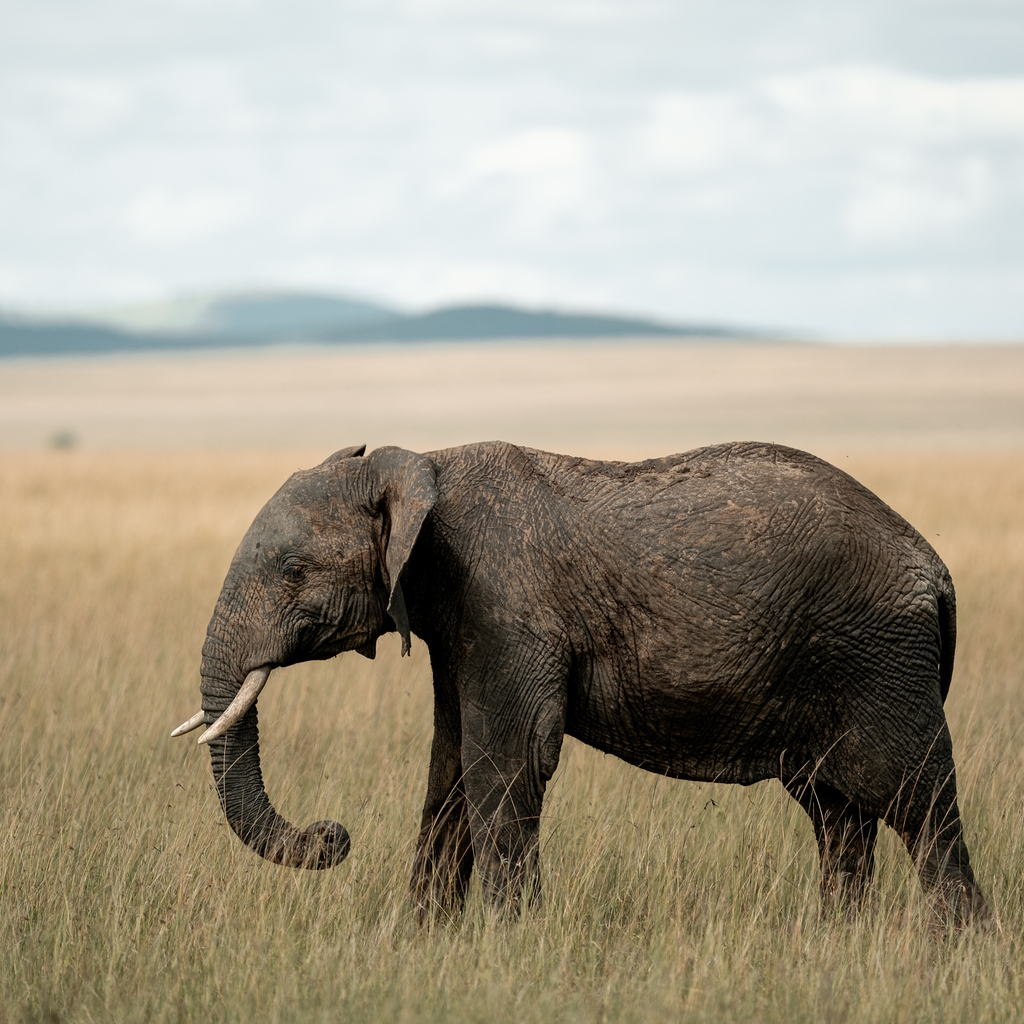

The park takes its name from the Tarangire, which flows through it and carries water even in the dry season. It is the main water source of the region, and that is exactly what defines the park: when the land around dries out from June, the animals come from the surrounding country to the river. In the rainy season from November to May they spread out again across the steppe outside the park.
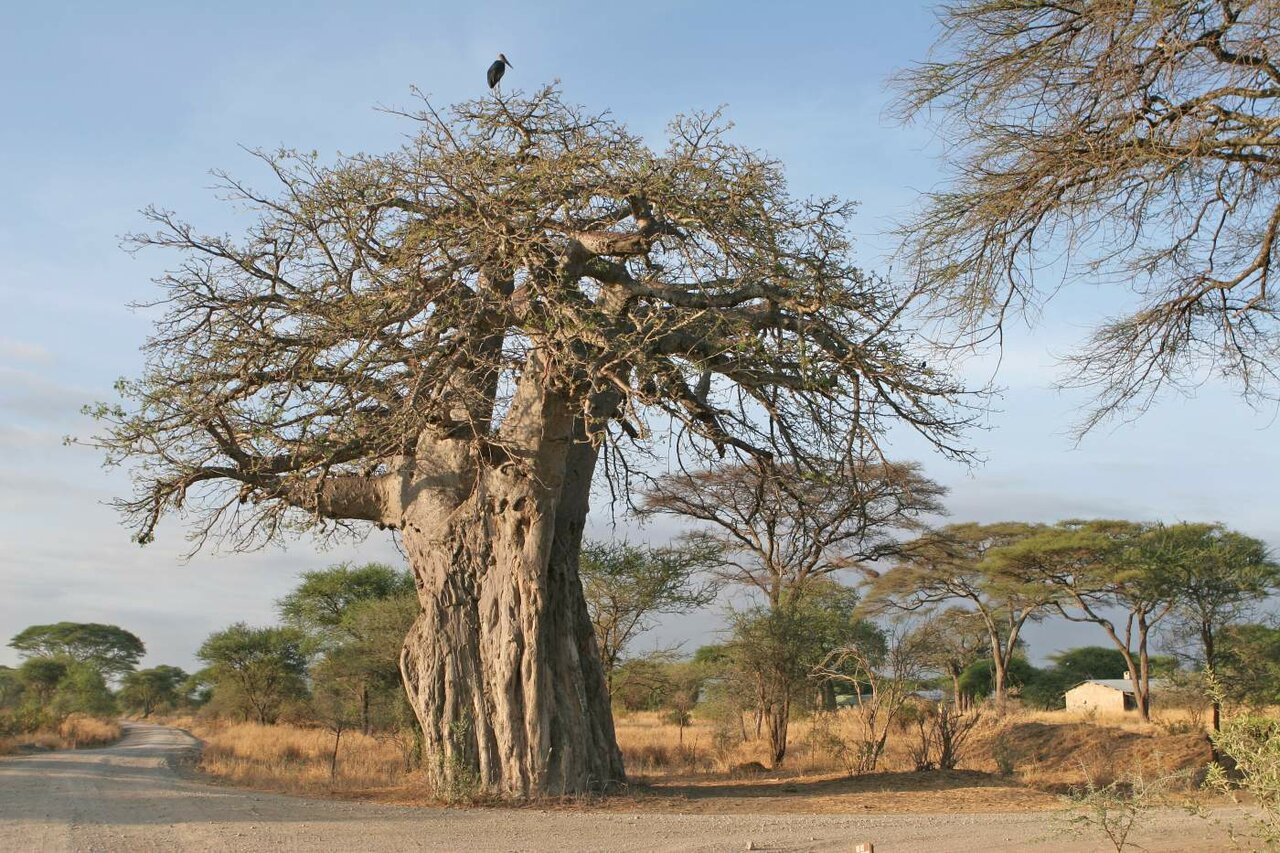
The landscape lies at 900 to 1,250 metres and is hillier than the plains of the Serengeti. Baobabs stand here far more often than in other parks of the north, and some are about 300 years old. In between lie acacia woodland, open grassland and, in the south, large swamps that turn into green plains in the dry season and are impassable in the rainy season.
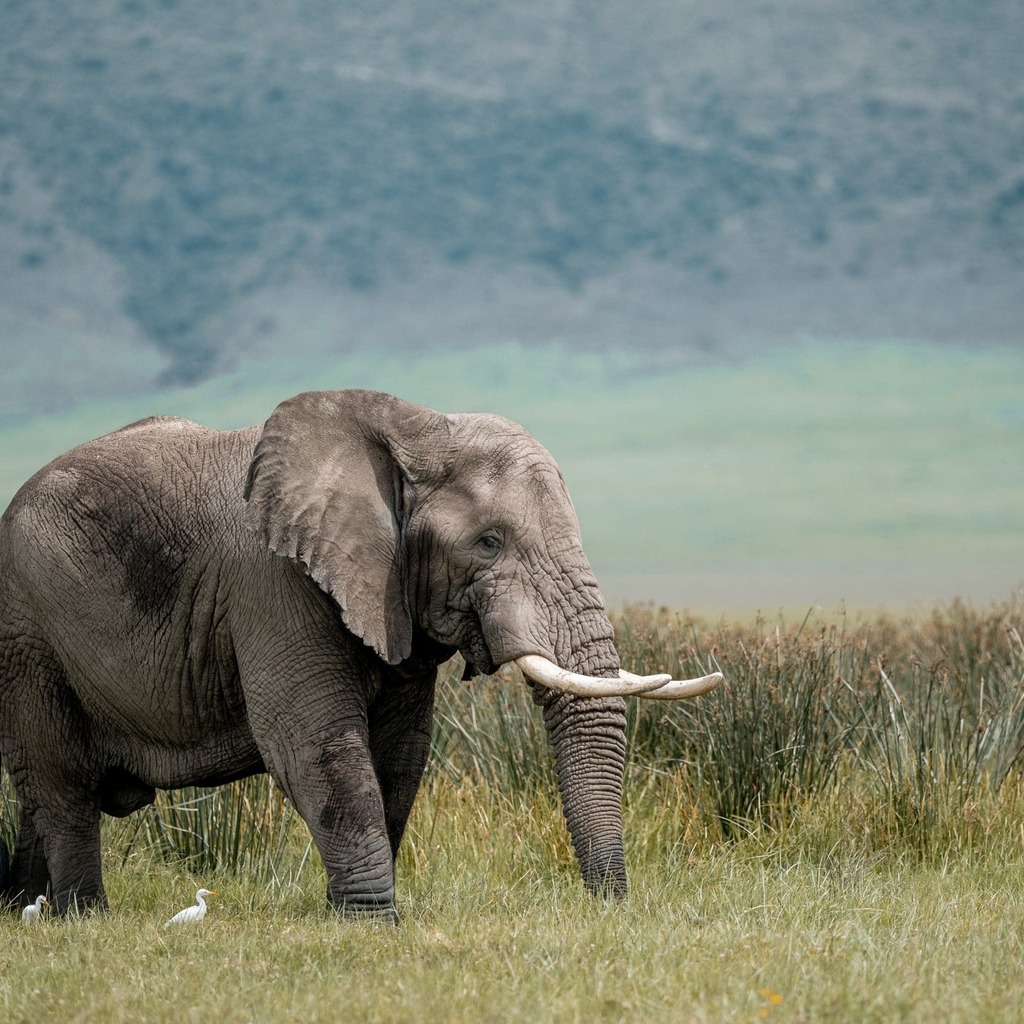
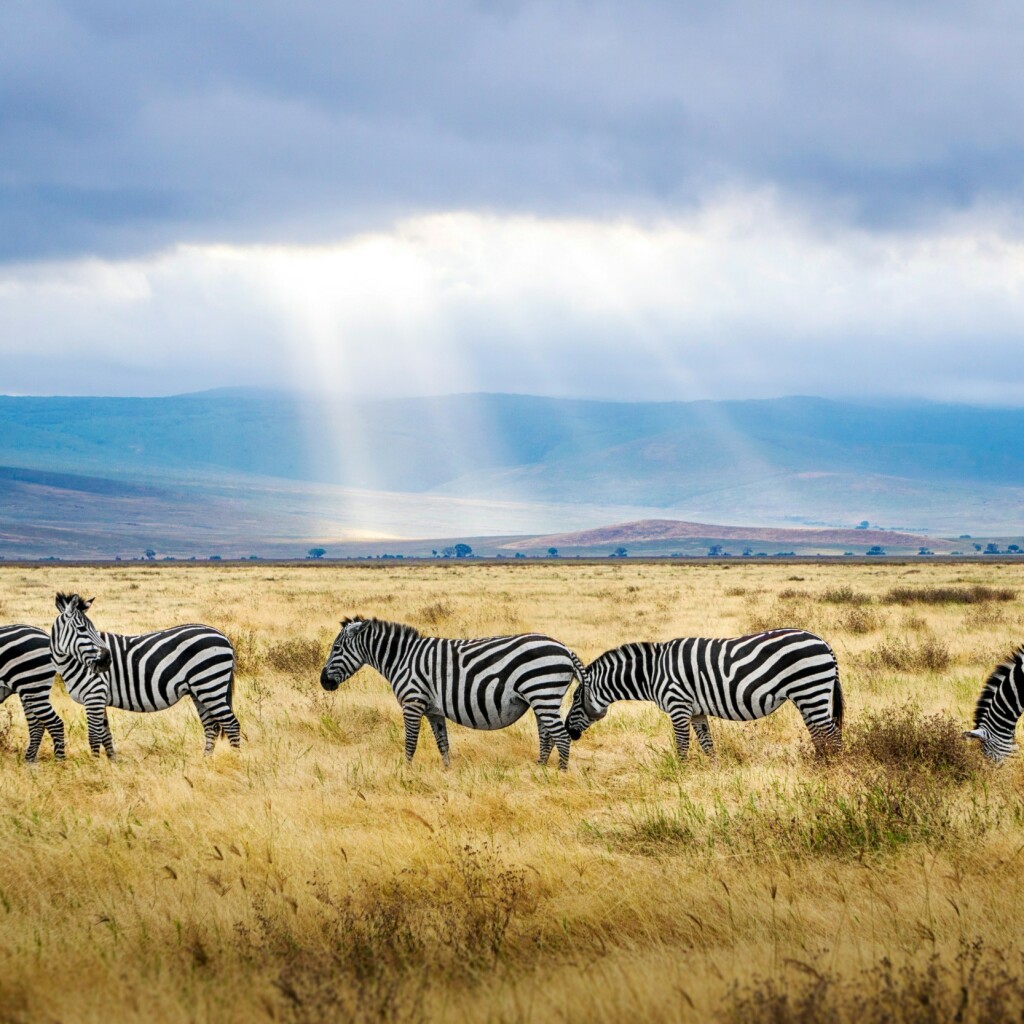
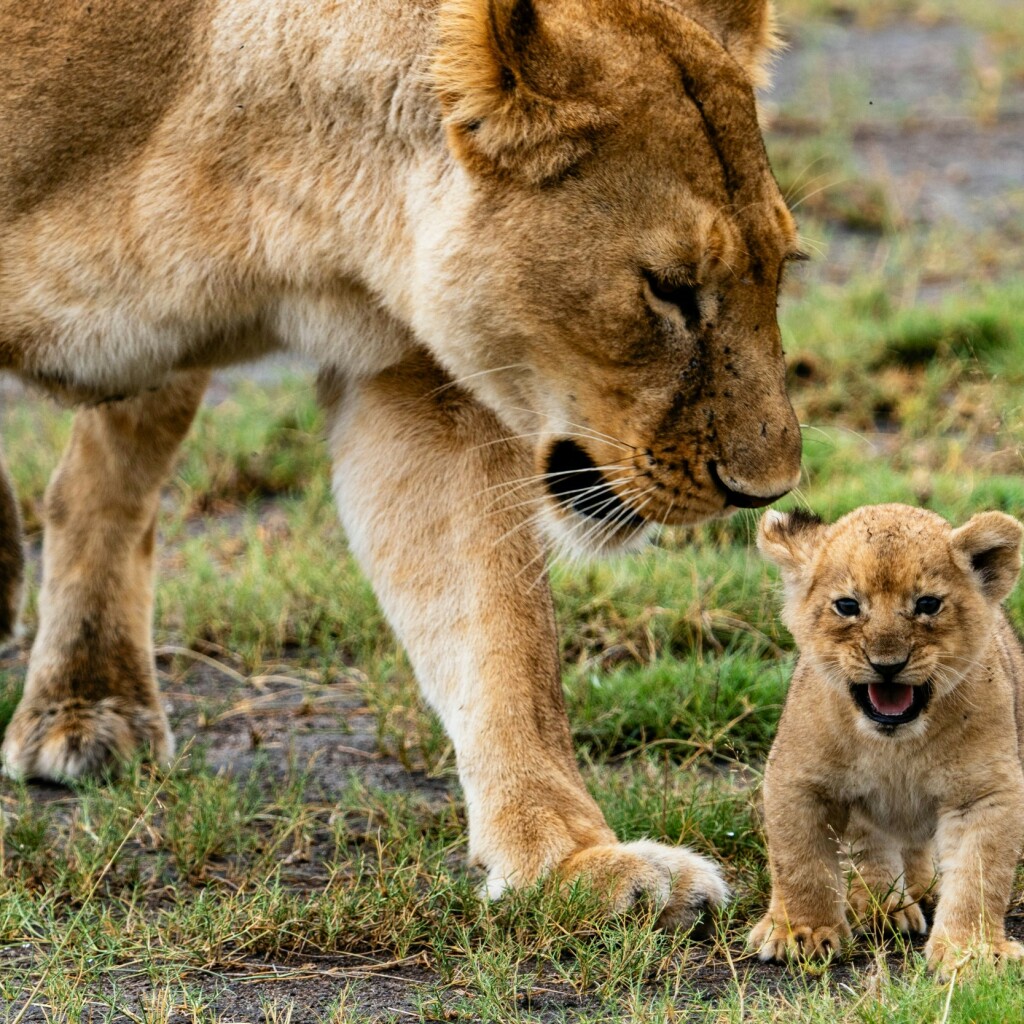
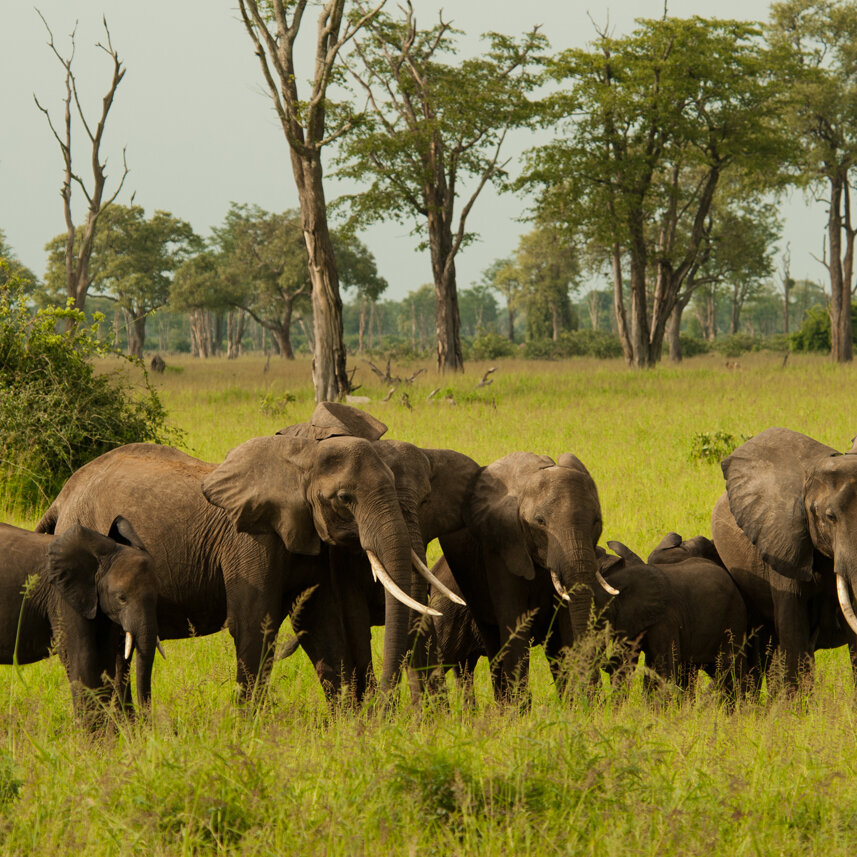
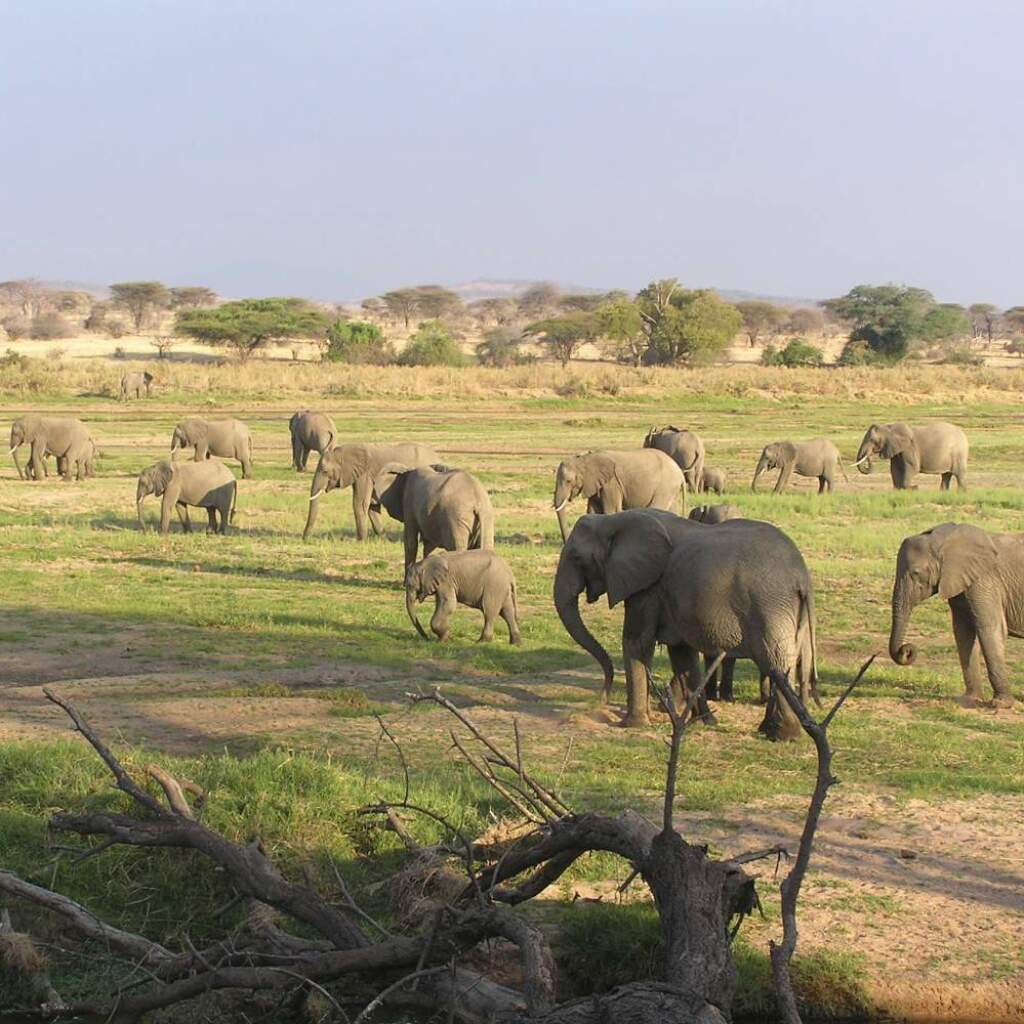
Tarangire is the park of elephants. In the dry season over 6,000 animals were counted in the park and the neighbouring Simanjiro steppe, and in 1987 the count was 6,110. Add zebra, wildebeest and buffalo standing in big herds at the river in the dry season, plus giraffes, impala, lions and leopards. Since 2005 the area has been a Lion Conservation Unit, a designated protection area for lions. With over 550 bird species, Tarangire is also one of the richest parks in Tanzania for birdwatchers. In 2015 a white giraffe was sighted here.

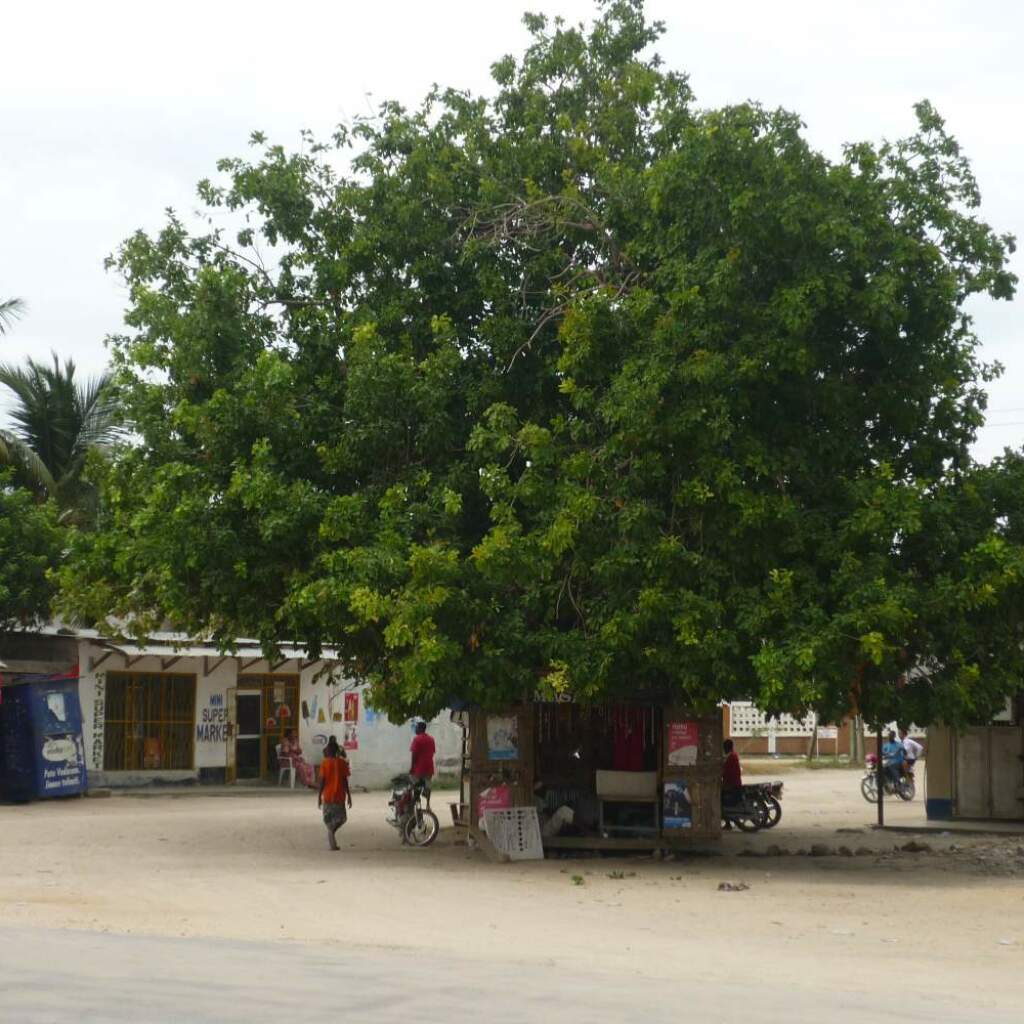

Between June and October, Tarangire is the surest place for elephants in northern Tanzania. The herds come to the river to drink, often several family groups one after another, and dig for water in the dry riverbed. In the dry season over 6,000 elephants were counted, more than in any other park on our routes through the north. In the afternoon they stand in the shade of the baobabs or bathe in the river.
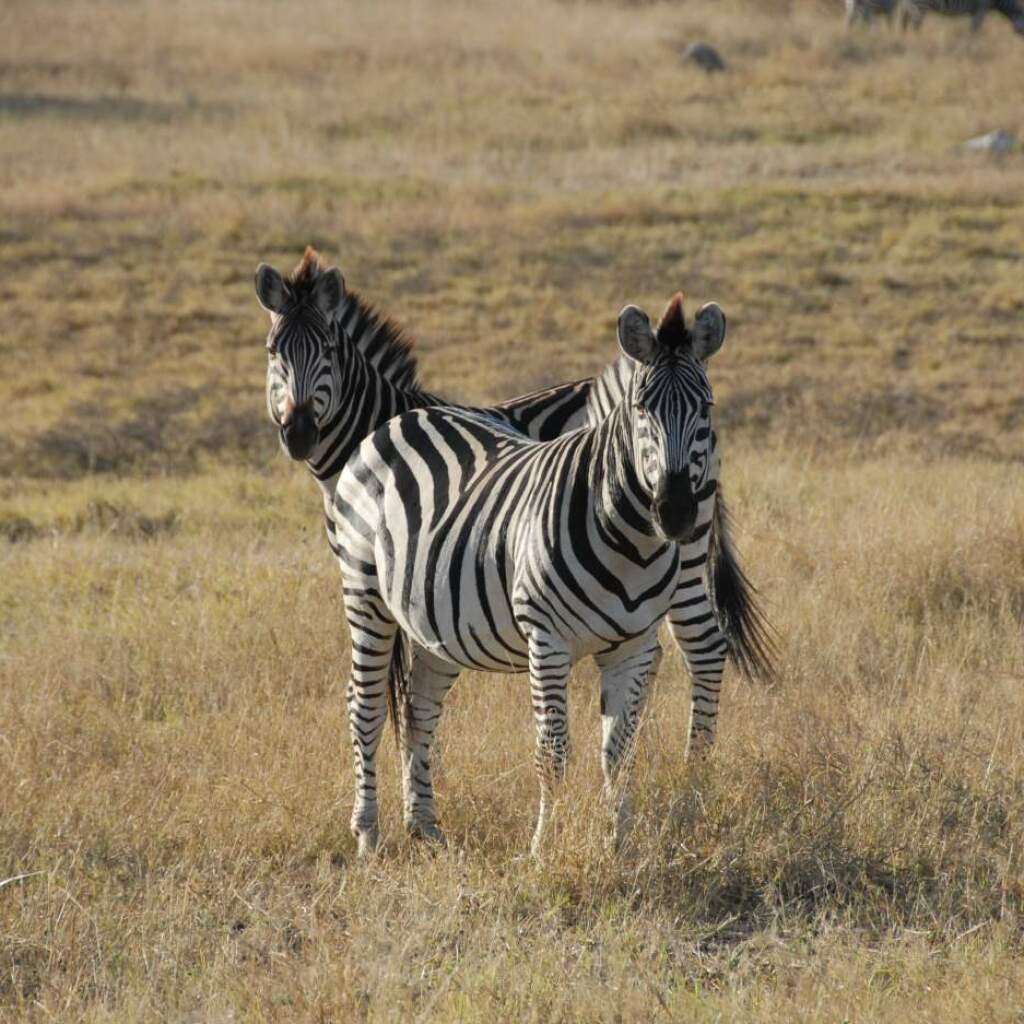
No other park in northern Tanzania has as many baobabs. The trees store water in their trunks for the dry season, and elephants strip the bark and eat the fibrous wood, which is why many trunks carry deep scars. Some trees in the park are about 300 years old. In the dry season they stand leafless in the brown landscape, and after the first rains they carry leaves and white flowers.
Tarangire counts over 550 bird species, from ostriches and kori bustards in the grassland to yellow necked spurfowl, weavers and hornbills in the acacias. Herons, storks and cranes stand in the swamps in the south. The best time for migrant birds from Europe is November to April, when the park is green and the elephants spread out. On a game drive in an open roof vehicle you easily see several dozen species.
Tarangire is a dry season park. From June to October the land around dries out, the river is the only reliable water source, and the animals crowd its banks. That is the best time: elephants, zebra, wildebeest and buffalo in big herds, short distances, all tracks passable. In September and October it is hot and dusty, and the concentration at the river is at its highest.
With the short rains in November many animals leave the park for the surrounding steppe, and the long rains from March to May make the swamps in the south impassable and the side tracks soft. The park stays open and the tracks along the river in the north are usually passable even then, but you see fewer big herds and more birds. December to February is green with short showers and good for birdwatchers.
If you combine Tarangire with the Serengeti and the Ngorongoro Crater, plan around the Serengeti and take Tarangire as the first or last day.
Tarangire is a national park of the TANAPA park authority. It charges a fee per person and day, plus fees for the vehicle and for nights inside the park; the rates differ between high and low season and change almost every year. On both our tours all park fees are included in the price, so you pay nothing extra at the gate.
From Arusha you reach the park on a tarmac road heading south in under 2 hours. That is why Tarangire is day two on both our tours, straight after arriving in Arusha or after Arusha National Park. From here it is about 70 km by road to Lake Manyara National Park, and the route continues west to the Ngorongoro Crater and the Serengeti.
Both our tours spend a full game drive day in Tarangire. That is enough for the north of the park along the river, where most animals stand in the dry season. The south with its swamps lies far from the gate and is more something for a second day.
Tarangire lies lower than the Ngorongoro Crater and is a malaria zone. Talk to your travel doctor about prophylaxis 4 to 6 weeks before the trip, wear long, light coloured clothing from dusk and use a repellent with DEET. What Tanzania requires on entry is covered in our Tanzania travel information. Travel health insurance belongs on every trip.
The 9 day lodge safari stays in hotels, lodges and camps with proper rooms, and all meals are included. It starts with Arusha National Park, and Tarangire follows on day two. For solo travellers the single room costs 700 € extra. You ride in a private extended Land Cruiser with an open roof, with 2 to 7 guests.
On safari the private camping safari sleeps in 2 person tents with mattresses, and in a hotel in Arusha on the arrival and departure days. The team cooks, and 1.5 litres of drinking water per person and day are provided. You can book a single tent for a surcharge. You ride in a Land Cruiser with an open roof, with 2 to 12 guests.
One full day. That shows you the north of the park along the Tarangire River, where most animals stand in the dry season. Both our tours spend a game drive day in Tarangire and combine it with the Serengeti, the Ngorongoro Crater and Lake Manyara. For the south with its swamps you would need a second day.
June to October. The land around dries out, the river is the only water source, and elephants, zebra, wildebeest and buffalo stand in big herds on its banks. From November to May many animals move onto the steppe outside the park, but it is green and full of birds. In April the swamps in the south are impassable.
In the dry season over 6,000 elephants were counted in the park and the neighbouring Simanjiro steppe, and in 1987 the count was 6,110. They come to drink at the Tarangire River, often several family groups in a row. That makes the park the surest place for elephants in northern Tanzania between June and October.
Yes, the park lies at 900 to 1,250 metres and is a malaria zone. Talk to your travel doctor about a drug 4 to 6 weeks before the trip, wear long clothing from dusk and use a repellent with DEET. What Tanzania requires on entry is covered in our Tanzania travel information.
The TANAPA park authority charges a fee per person and day, plus vehicle and overnight fees. The rates differ between high and low season and are adjusted almost every year. On both our tours all park fees are included in the price, so you pay nothing at the gate.
Two: the 7 day private camping safari for 3,189 € with the Serengeti, the Ngorongoro Crater and Lake Manyara, and the 9 day lodge safari for 4,019 €, which also visits Arusha National Park and Lake Eyasi. Both ride in a Land Cruiser with an open roof and a multilingual guide.

How did you
hear about us?