
MOTORCYCLE-TRIPS · SOUTH AMERICA
Motorcycle Adventure Ushuaia - La Paz: Goo North Stage 3
Eight weeks for the full motorcycle expedition is too long for you? Then just ride Stage 3, 'Goo North': a motorcycle journey from Ushuaia to La Paz on an enduro.
How long?
29 Days
When?
Spring, Autumn
Price
€ 7,829
/ Person
The Journey
Goo North - From the End of the World across the Andes to La Paz
Are you searching for your unique adventure? Here it is: a motorcycle journey from Ushuaia to La Paz, travelling from Tierra del Fuego in Argentina all the way to La Paz in Bolivia, criss-crossing the Andes from south to north. Covering 7,000 km both off-road and on-road, you will ride through breathtaking landscapes, past vast glaciers and towering volcanoes. Parts of the Panamericana and stages of the Dakar Rally are on the route. If you bring off-road and on-road experience, fitness and team spirit, this Argentina Chile Bolivia motorcycle tour is perfect for you. Your experienced, multilingual tour guide grew up in South America and is an expert in adventure travel. As a certified tour operator, OVERCROSS has been offering motorcycle expeditions since 2016. Four weeks and 7,000 km from Ushuaia to La Paz: first 1,400 km in Argentina over the Andes to Puerto Montt in Chile, then up the Carretera Austral and back across the Andes to Mendoza, continuing through the Argentine pampas following the Dakar route via Chilecito to Salta, before reaching the Uyuni salt flats in Bolivia and riding on to La Paz via Oruro. 29 travel days: 1 preparation day, 2 flight days, 21 riding days and 2 rest days (average 330 km/riding day, 250-400 km/day) in Aldana and Mendoza, plus buffer days for excursions.


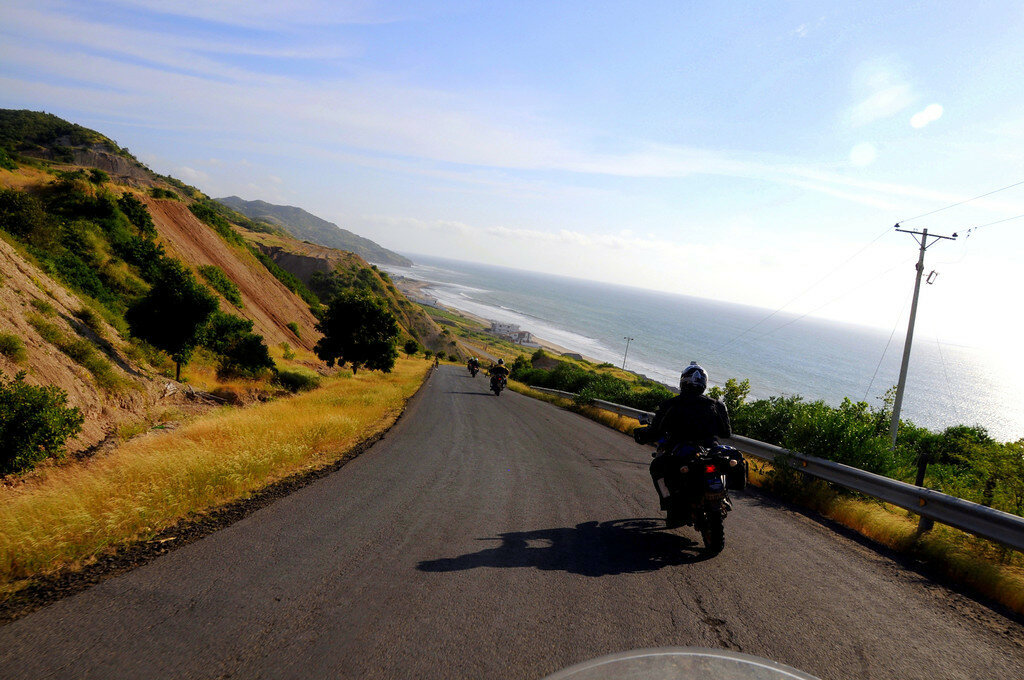
Key Highlights of the Trip
Key Highlights of the Trip
01
From Ushuaia to La Paz
01
From Ushuaia to La Paz
Start at the southernmost city in the world and ride to the highlands of Bolivia.
02
7,000 km of adventure
02
7,000 km of adventure
Cross Argentina, Chile and Bolivia off-road and on-road on Stage 3, Goo North.
03
Andes & Carretera Austral
03
Andes & Carretera Austral
Cross the Andes several times and ride the legendary Carretera Austral through Patagonia.
04
On the Dakar's tracks
04
On the Dakar's tracks
Follow parts of the Dakar Rally route through Argentina's pampas and desert landscapes.
05
Uyuni salt flats & Altiplano
05
Uyuni salt flats & Altiplano
Experience the world's largest salt flat and the Altiplano on the way to La Paz.

Argentina
Your Ushuaia to La Paz motorcycle adventure begins in the world's eighth largest country. Argentina stretches from the tropical north to the sub-Antarctic islands and Tierra del Fuego in the south, with pampas, rainforests and snow-capped peaks in Patagonia.
Day 1
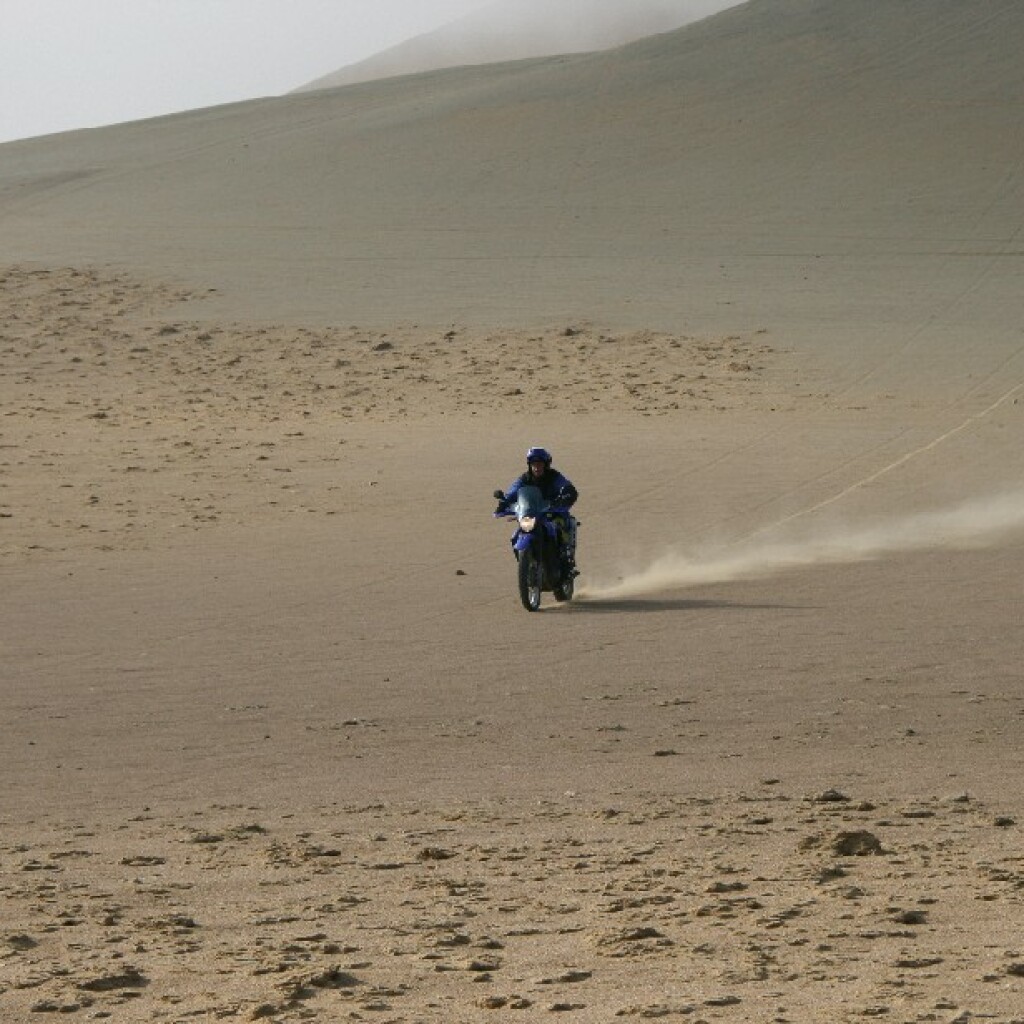
Ushuaia → Tierra del Fuego, first border crossing
Your Ushuaia to La Paz motorcycle journey sets off from Ushuaia on the Beagle Channel, the southernmost city accessible by road anywhere in the world. After the tour briefing, collecting your enduro bike, equipment check and loading your luggage, the next day sees you heading to the first border crossing on Tierra del Fuego from Argentina into Chile. Just outside Ushuaia, you ride east across the Andes Cordillera via the Garibaldi Pass, enjoying stunning views of the southern continent's fjords. After border formalities, you reach the Strait of Magellan in Chile.
Chile
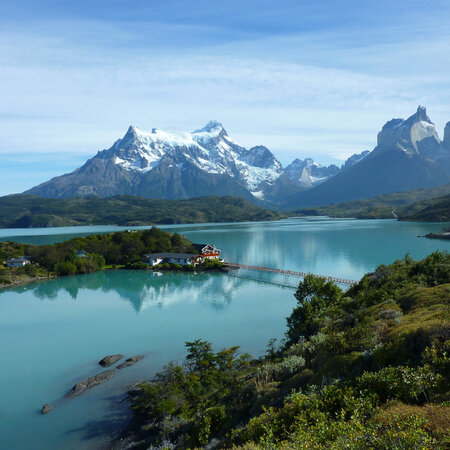
On your Argentina, Chile and Bolivia motorcycle adventure, you reach Chile, which stretches for over 4,270 km along the Pacific and is on average only 180 km wide. In the south lies the world-famous Torres del Paine National Park, with its peaks and glaciers.
Day 2
Strait of Magellan, ferry back to Argentina
Still in Chile, you cross the Strait of Magellan by small ferry, leaving the vast island of Tierra del Fuego behind. Puerto Williams and Ushuaia both lay claim to being the southernmost city in the world. After a short ride, this stage of your Argentina, Chile and Bolivia motorcycle adventure brings you back onto the Argentine mainland heading north, just as the wide Patagonian pampas begin.
Argentina
Back in Argentina, your Andes and Pampas motorcycle adventure leads you from Rio Gallegos north towards Torres del Paine and into Perito Moreno National Park, passing one of the world's few advancing glaciers.
Day 3
Perito Moreno & Fitzroy to Roballos Pass
Setting out from rugged Rio Gallegos, you ride to the famous Perito Moreno Glacier, which pushes up against a mountain spur and dams a vast lake. The mystical Fitzroy appears on the horizon as your Andes and Pampas motorcycle adventure takes you deeper into the dry Argentine pampas. Crossing turquoise glacial rivers and endless plains dotted with sheep, you reach an estancia where a traditional 'Cordero asado' is prepared for dinner. The journey continues to Roballos Pass and through a small border post back into Chile.
Questions about the tour itinerary?
Our tour guide is happy to answer any questions about the day-by-day route, stops, and details.
Chile
The Carretera Austral motorcycle adventure takes you through Patagonia National Park, past the Rio Baker and Lago General Carrera to the Marble Cathedrals, along one of South America's most spectacular adventure routes.
Day 4
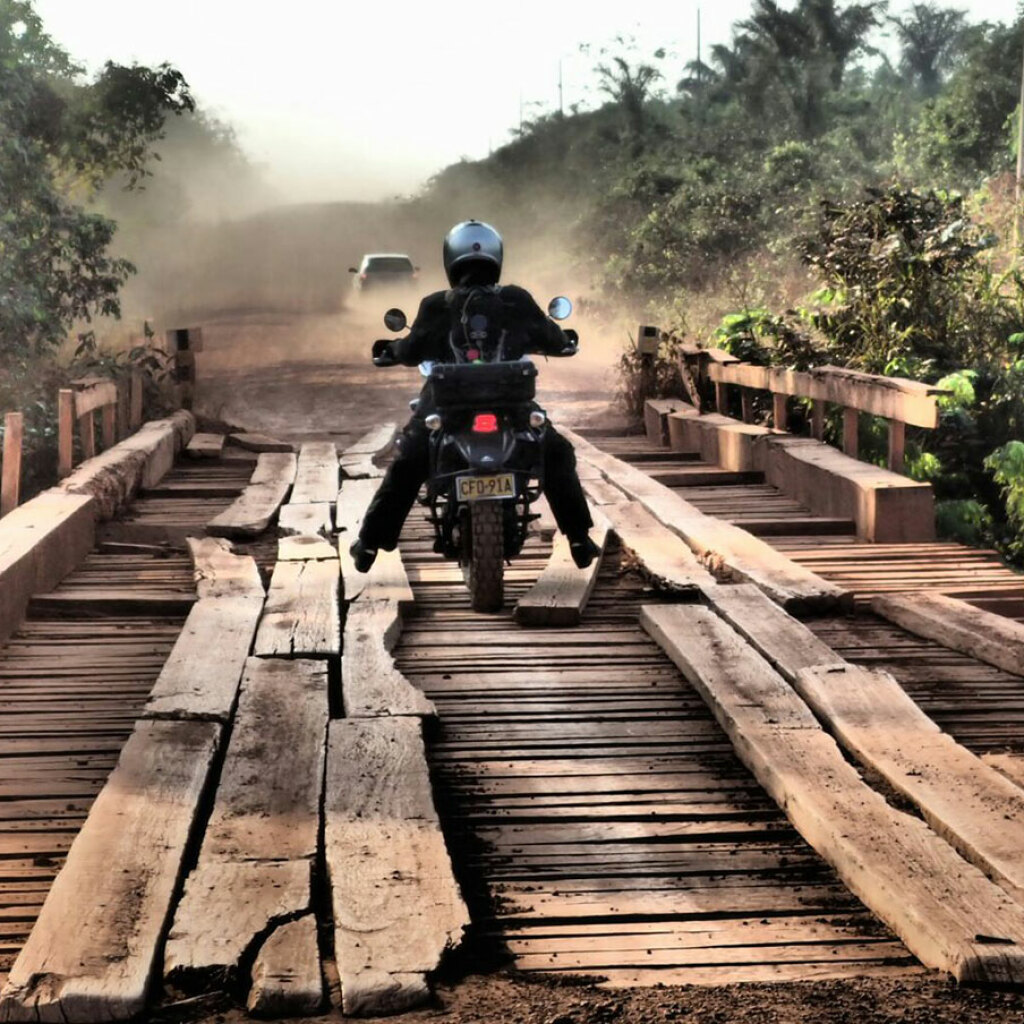
Carretera Austral to Puerto Montt
In Patagonia National Park, you ride alongside the rapids of the Rio Baker and Lago General Carrera, where a boat takes you to the Marble Cathedrals. You enjoy a rest day in a wooden lakeside lodge. Further north on the legendary Carretera Austral, you pass hanging glaciers and ancient Alerce trees up to 3,000 years old, before three fjord crossings. From Puerto Montt, volcanoes accompany you to Villarrica and Linares. Finally, you cross the Andes once more from west to east, returning to the Argentine border.
Argentina
On the Dakar Route motorcycle adventure, you cover over 630 km northwards. In Mendoza, you enjoy a rest day with a Malbec wine tasting before deserts, rock formations and the Ruta 40 take you all the way to Salta.
Day 5
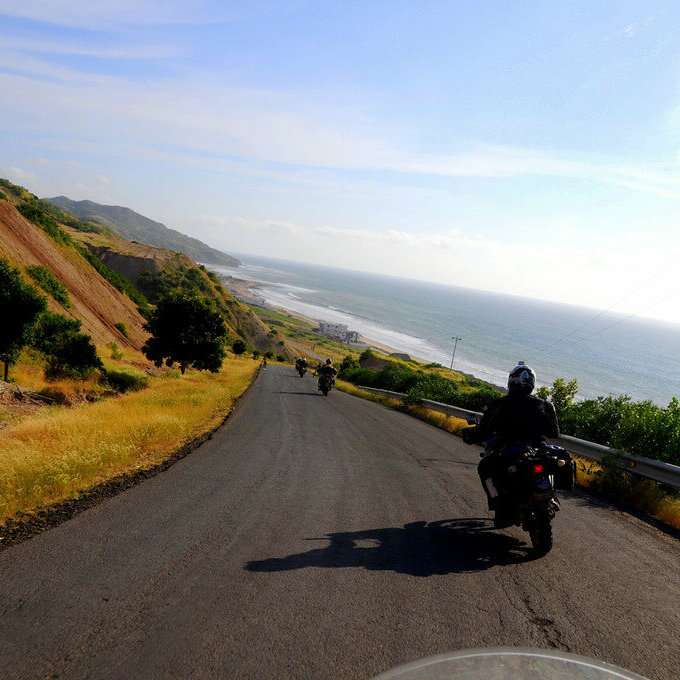
Mendoza, Ruta 40 & Dakar to Salta
A marathon stage takes you into the mountains to Mendoza, where you sample Argentine Malbec on a winery tour. Further north, the Dakar Route motorcycle adventure follows sections of the Dakar Rally from 2009 to 2019, through Talampaya National Park, past the Amphitheatre and the 'White Desert'. You ride the legendary Ruta 40 as far as Cachi. In Salta, you visit the Museum of High Mountain Archaeology with the Children of Llullaillaco, before reaching the colonial village of Humahuaca just before the Bolivian border.
Bolivia
Bolivia motorcycle tour: The landscape ranges from the Andes to the Atacama Desert. La Paz is one of the highest cities in the world, and the Salar de Uyuni is one of the continent's main attractions.
Day 6
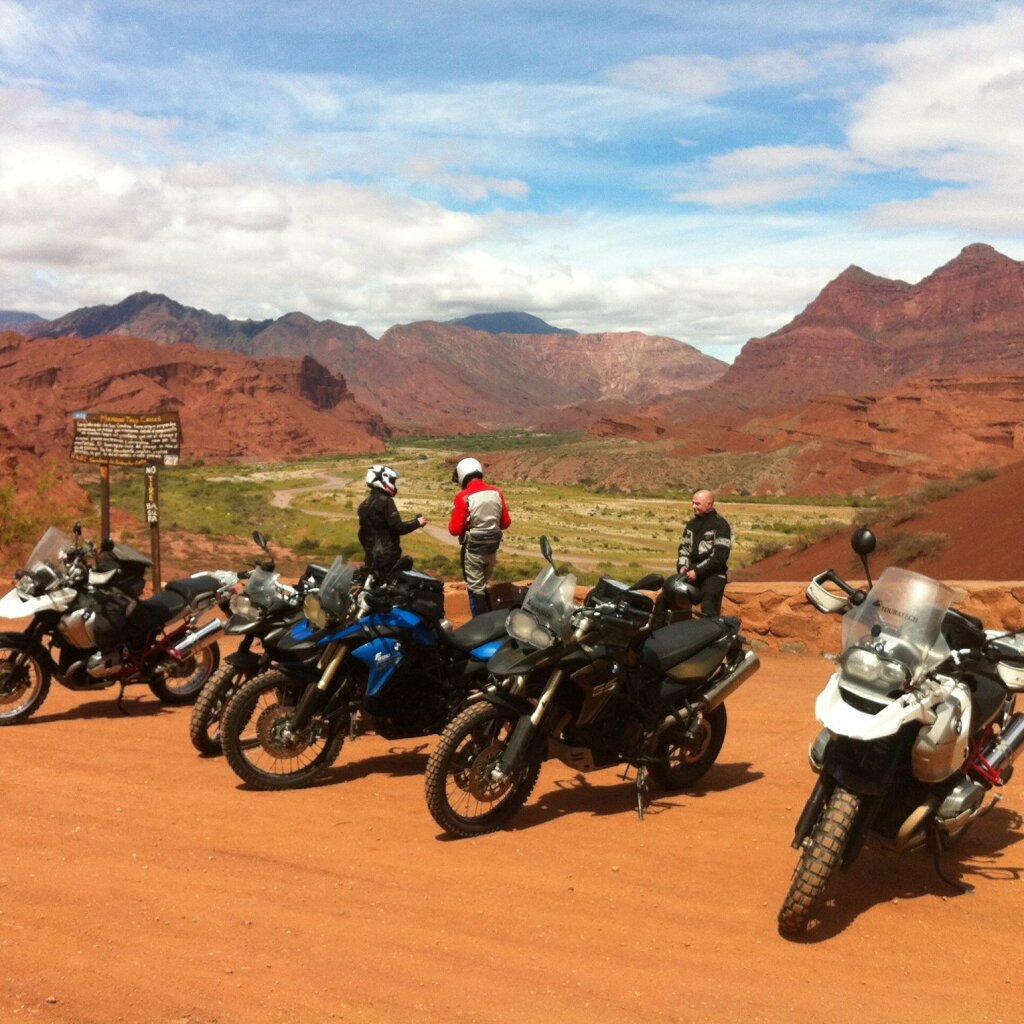
Uyuni Salt Flats & Altiplano to La Paz
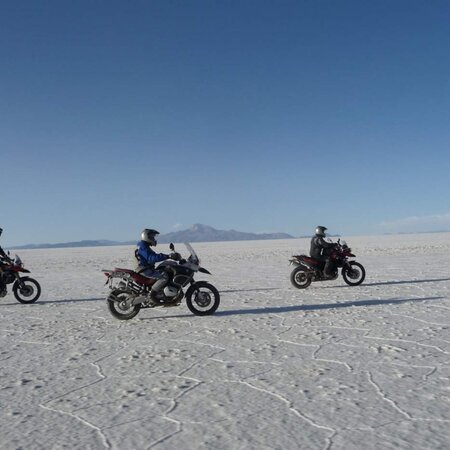
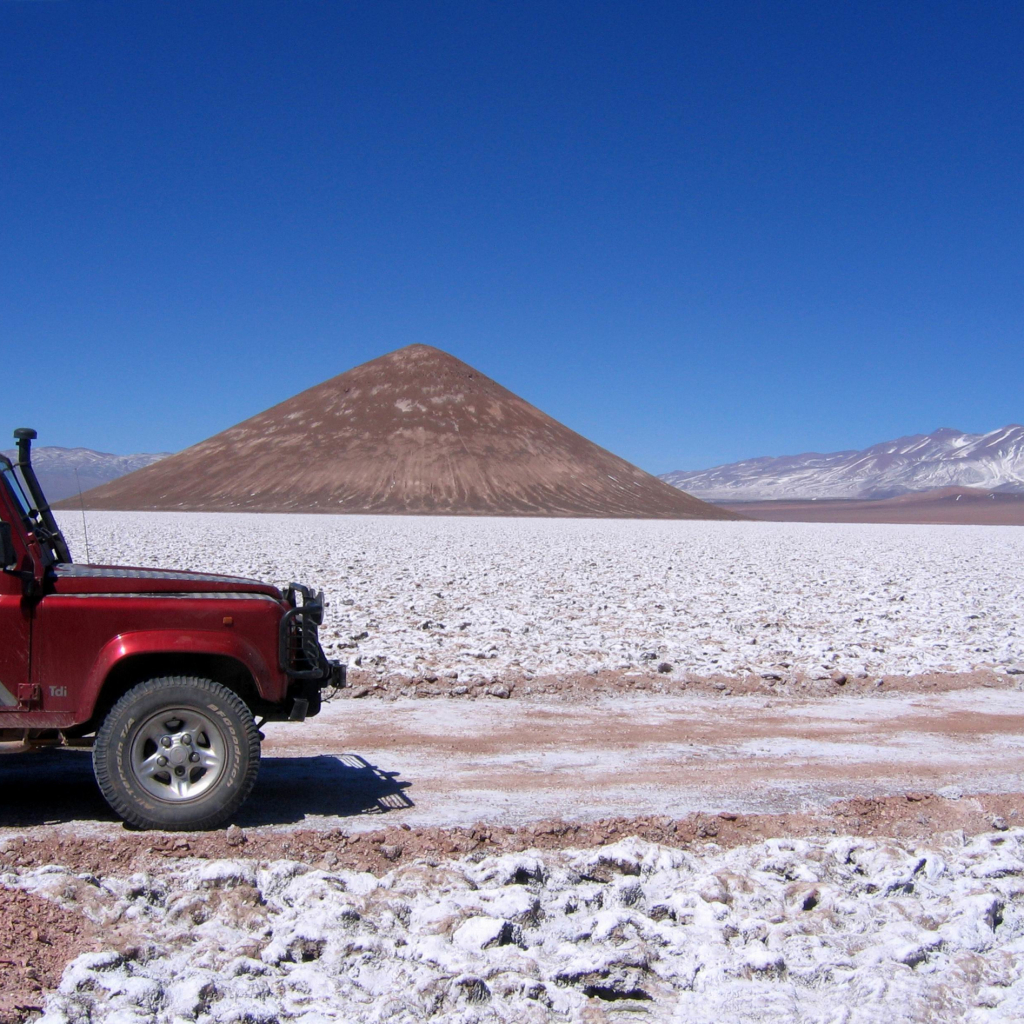
After the border crossing, your Bolivia motorcycle tour takes you through deep gorges to Uyuni, home to the world's largest train cemetery. On the Salar de Uyuni, you discover 'islands', coral caves and cacti, spending the night on the lakeshore in a hotel with a heated pool. There's a side trip to the crater lake of Jayuqota. From Oruro, you ride swiftly across the Altiplano to La Paz. On the final day, a 200 km loop takes you over the La Cumbre Pass (4,670 m) and the infamous Yungas Road (Camino de la muerte).
Want a detailed description of all tour days?
Our expert will walk you through the full itinerary and answer all your questions.
PRICE
from
€ 7,829
/ person
Price Options
Expedition participants
€ 7,829
Additional Options
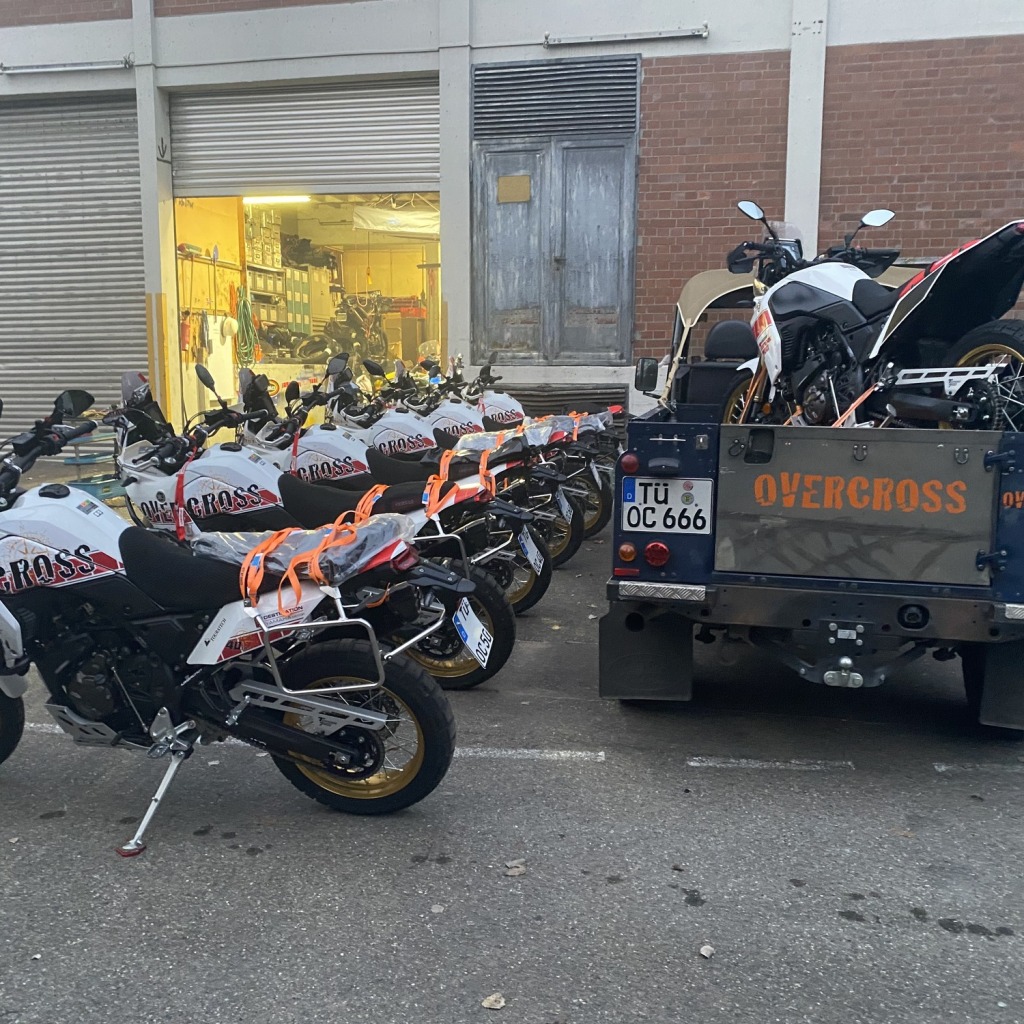
Rental motorcycle Yamaha Tenere 700 for this motorcycle trip
€ 4,639
Trip includes
- All hotel, lodge and camping nights on the South America motorcycle expedition
- Breakfast and dinner
- Multilingual tour guide for the South America expedition
- 24-hour emergency hotline from OVERCROSS
- Rescue service in case of evacuation up to a cover of €5,000
- Satellite phone specially for the motorcycle expedition
- Travel security certificate (insolvency protection according to BGB §651r), obligatory for all OVERCROSS tours
- Online tour guide, connected to the team via satellite tracker
- On request, location and status updates for family and friends
- Maps for crossing South America
- Support with visa queries and, if needed, organisation
- Tour pack with travel information to prepare for the motorcycle expedition
- Equipment and packing list to prepare enduro travellers
- If you choose 'Yamaha Tenere 700 rental bike' option: transport of the rental motorcycle
- Post-expedition meet-up
- Ride with your own motorcycle
FAQS
-
How is a motorcycle expedition different from a classic motorcycle tour?
A motorcycle expedition is a longer, often more adventurous journey by bike. Unlike a more tourist-focused motorcycle tour, the aim is to explore remote places, ride unusual routes and tackle challenges. You can find more information in the linked Wikipedia article on expeditions. -
Do I need special visas or documents for this motorcycle tour in South America?
Yes, you will generally need a valid passport and, depending on your home country, possibly a visa for the countries you cross on this motorcycle expedition. The OVERCROSS team will be happy to help you with formalities such as visa applications. -
What motorcycle do I need for this tour?
If you are not using one of our Yamaha Tenere 700 rental bikes, we recommend a travel enduro or enduro under 1000 cc. Basically, you can ride any motorcycle you are comfortable with, the limits are usually with the rider, not the bike. -
What challenges might I face on the South America motorcycle expedition?
This motorcycle expedition will test you in several ways: mental resilience, long stages, cultural differences, language barriers and technical riding challenges. -
What are the roads like in South America?
The road network ranges from well-developed motorways to unpaved tracks in rural areas. Main routes are usually well maintained, but it gets more challenging in remote regions. On this motorcycle expedition, you'll ride a mix of different terrains. -
What tyres do I need for this motorcycle tour?
Manufacturers like Continental, Metzeler or Mitas offer high-quality tyres for this kind of trip. Ultimately, the choice is very individual. We usually fit Heidenau K60 Scout, as this tyre has a centre strip on the rear from a certain size upwards. -
What luggage system do I need on my motorcycle?
Our OVERCROSS rental bikes come with an aluminium pannier system. Of course, you can also opt for a soft luggage system. -
What modifications should I make to my motorcycle?
We recommend fitting an engine guard, crash bars and hand guards to your motorcycle. -
Do I need an extra fuel canister?
No, the capacity of your standard tank is sufficient for this trip. -
Do I need a credit card?
Yes, you will need a credit card with sufficient funds and the ability to withdraw cash for this trip. -
Do I need to bring cash on the motorcycle tour?
Having some cash is always useful, but you can also withdraw money with your credit card along the way. -
What equipment do I need for the motorcycle expedition?
You will receive a complete equipment list for this motorcycle tour before departure in the tour pack. -
How much time should I allow for shipping my vehicle?
Depending on the route (south or north), the vehicle will be shipped to Cartagena (Colombia) or Ushuaia (Argentina). To ensure all vehicles arrive in time for the tour start, they must be shipped at least 2 months in advance.
OVERCROSS note on itinerary
The above travel description is a non-binding online proposal and does not represent a binding travel itinerary. We expressly reserve the right to make changes to the route, schedule, and accommodations (§ 651d BGB in conjunction with Art. 250 EGBGB). The terms and conditions of OVERCROSS apply.Terms and Conditions of OVERCROSS
Similar Adventures
motorcycle-trips
6 tours
Send request

How did you
hear about us?