At a glance Contents
The best time to travel? There is no single one. But there is a worst one.
Everyone is looking for the perfect weather window. It does not exist. There are only better and worse compromises, and anyone who understands how the monsoon, the dry seasons and altitude work travels more relaxed.
The worst scenario: arriving at your destination at the wrong time. Morocco in August at 47°C. Vietnam in the middle of the monsoon rains. Patagonia in the southern winter. That is not adventure. That is suffering.
This guide shows you when the great motorcycle destinations really work. And why.
October to March: the time for South America
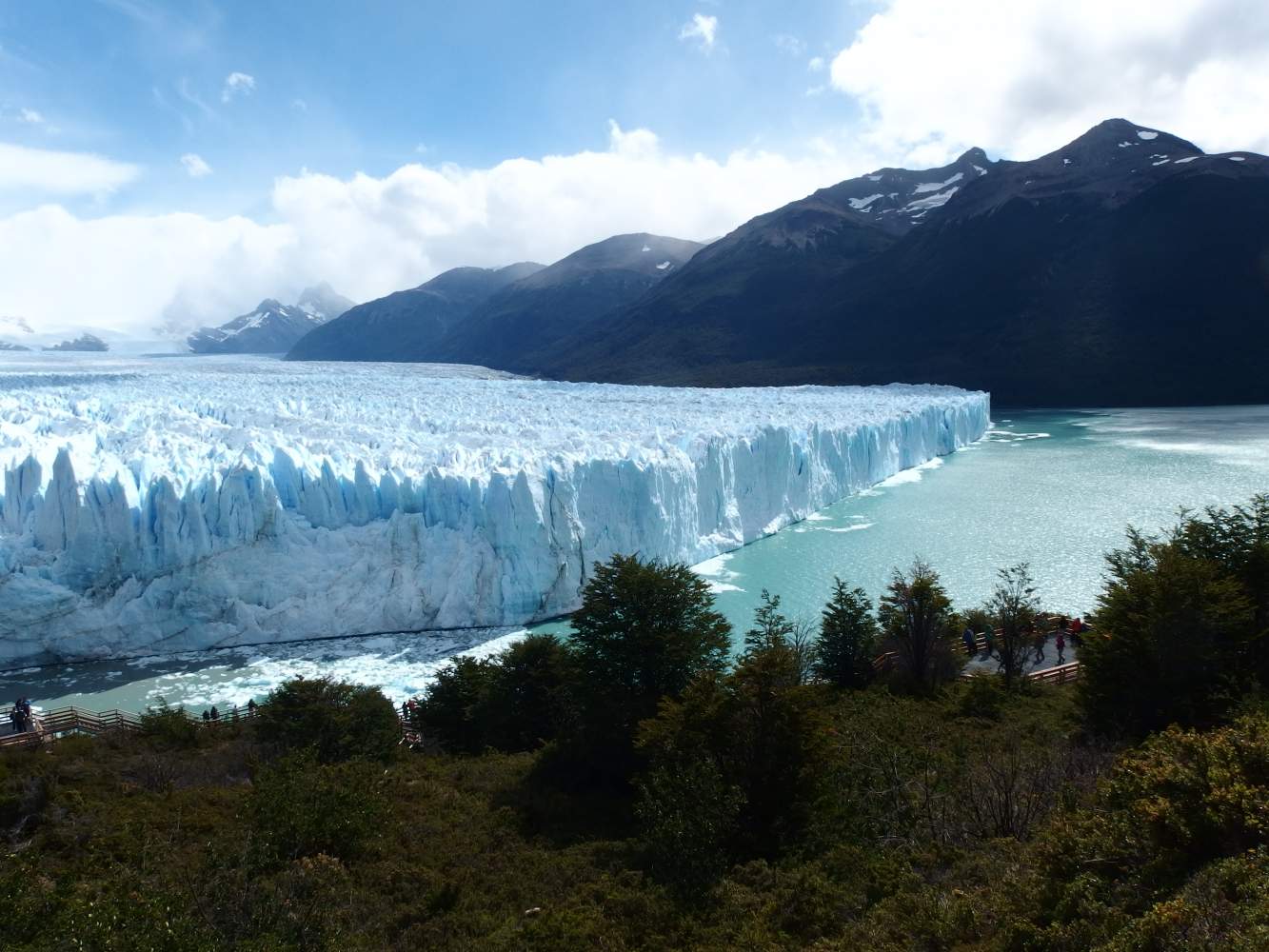
You travel Patagonia from November to March. Full stop. The southern summer brings long days (daylight until 9 p.m.), pleasant temperatures between 10 and 20°C and winds that are still bearable. In April the wind turns. In May the Ruta 40 freezes over.
The motorcycle tour through southern Patagonia, from Bariloche to Ushuaia, shows you all of it in 15 days: glaciers, steppe, gravel and a sky that is wider than anywhere else in the world.
Important: in Patagonia a storm builds up in two hours. The weather is moody, always. Plan buffer days. Not for excursions: for waiting it out.
October to April: North Africa and the Sahara
Morocco in March is almost perfect. The passes in the High Atlas still carry snow up top, but they are passable. The valleys are green. The Sahara in the south sits at around 25°C. That is the window.
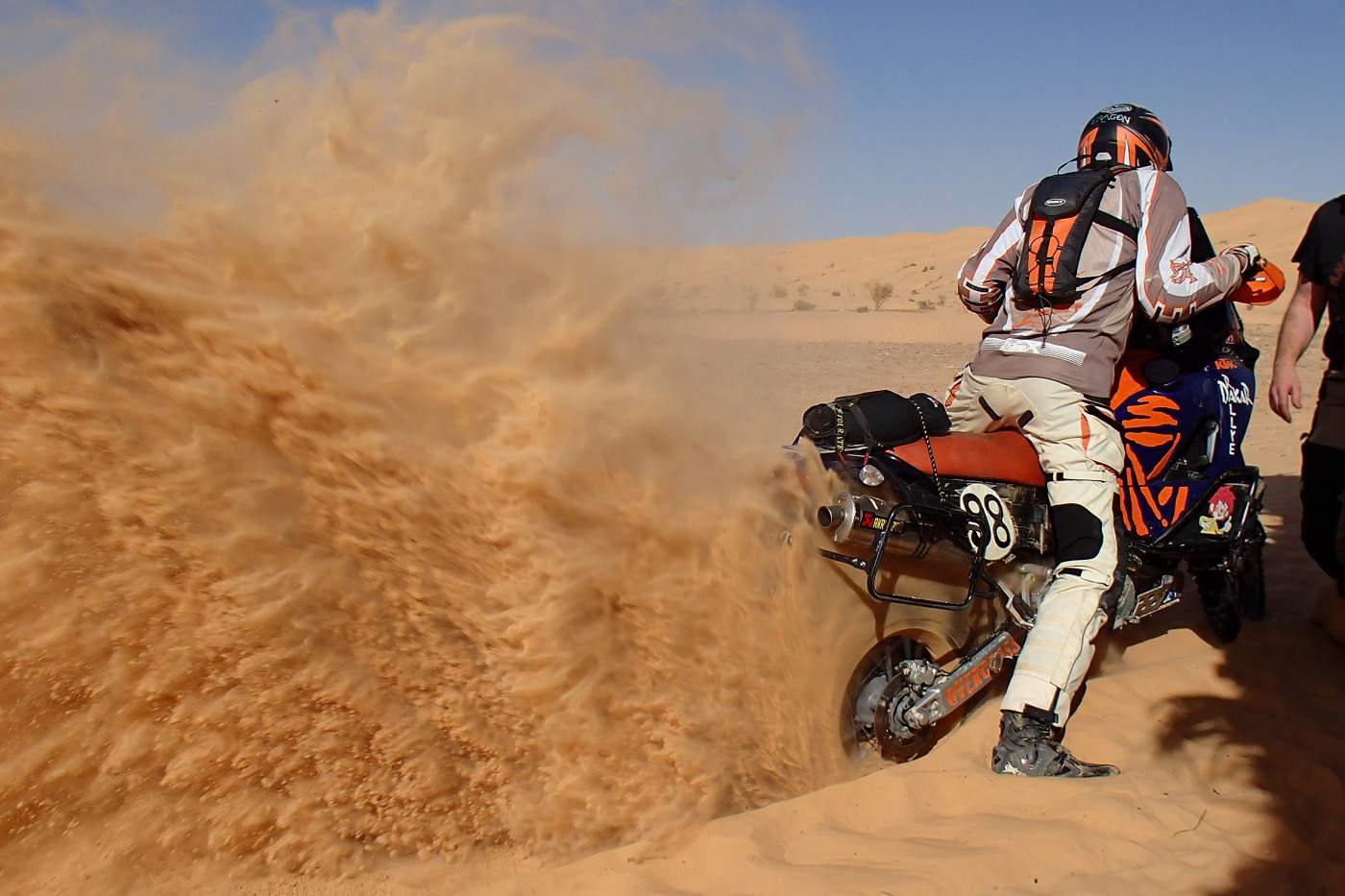
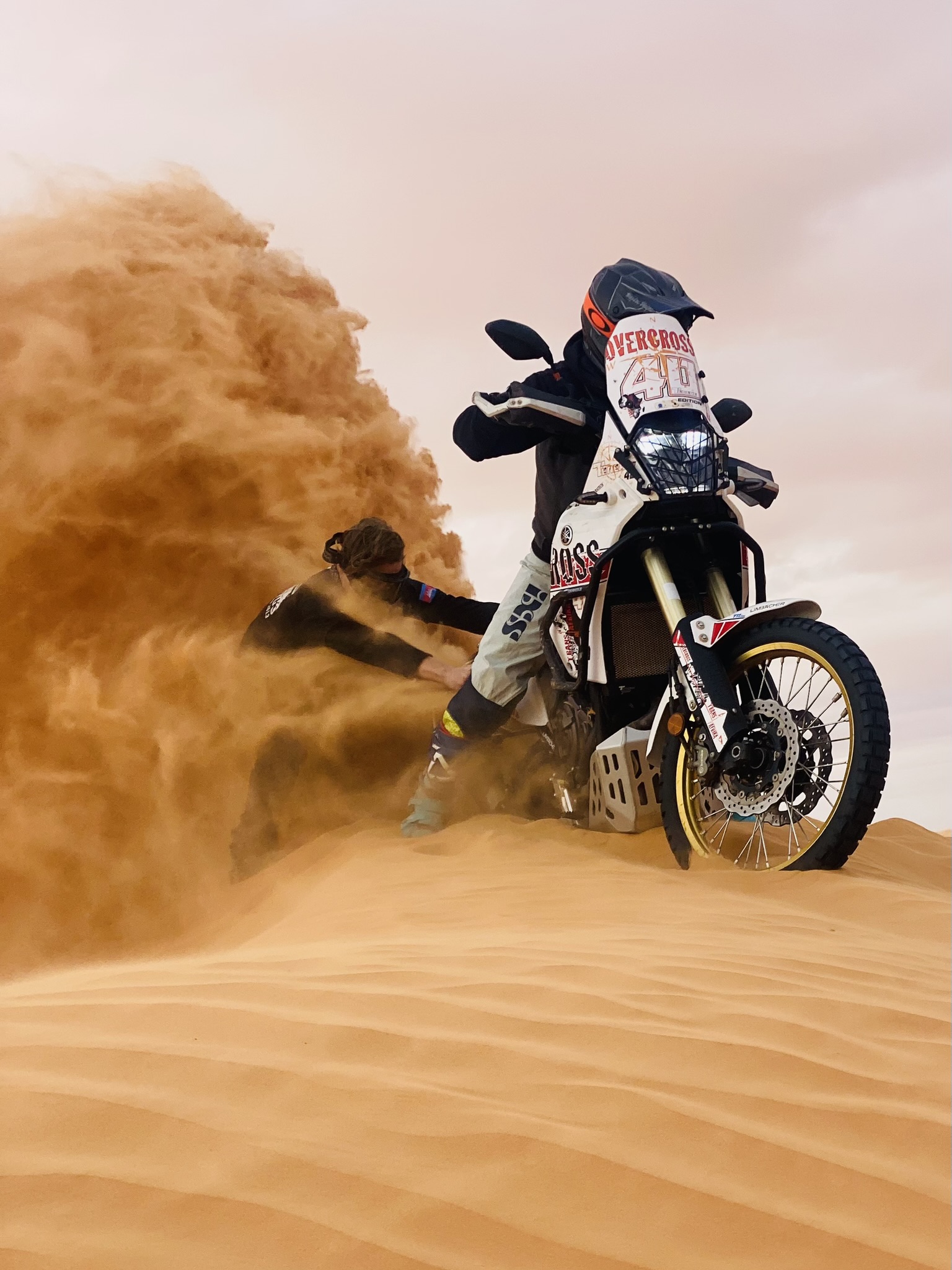
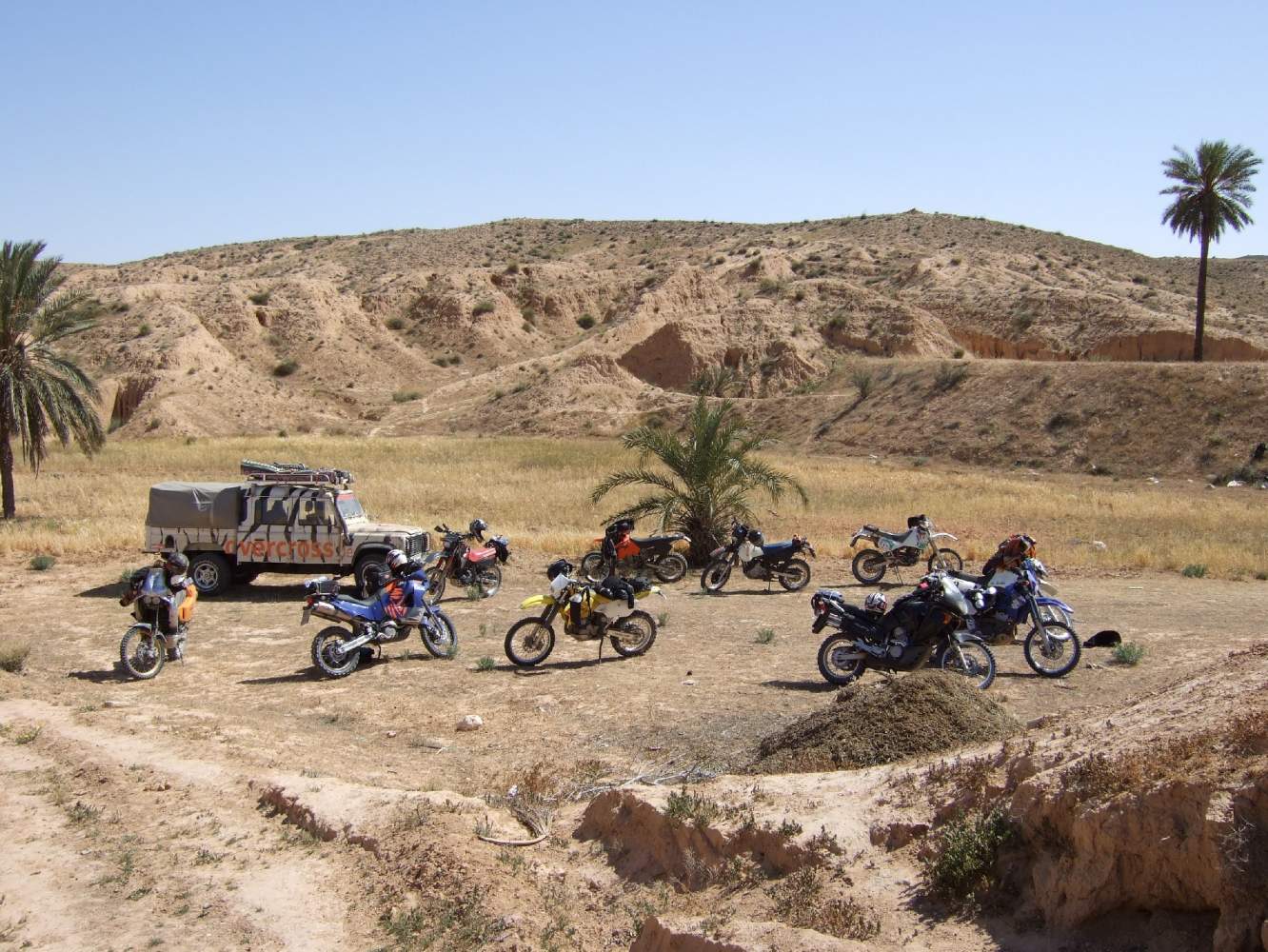
Tunisia behaves in a similar way. October to April is motorcycle season. The enduro tour through the Tunisian Sahara works from October to March, when the temperatures in the desert are bearable, the dunes have beautiful shapes and the nights are cold but not dangerous.
What happens in summer? Between June and September the daytime temperatures in the Sahara run between 45 and 50°C. The engine overheats. You overheat. That is not motorcycling, that is survival.
November to February: India and Southeast Asia
India works in two phases: October to February for the north (Rajasthan, the Himalayan highlands) and December to March for the south (Kerala, Tamil Nadu). The monsoon ends. Temperatures fall to a pleasant 20 to 28°C. The roads dry out.
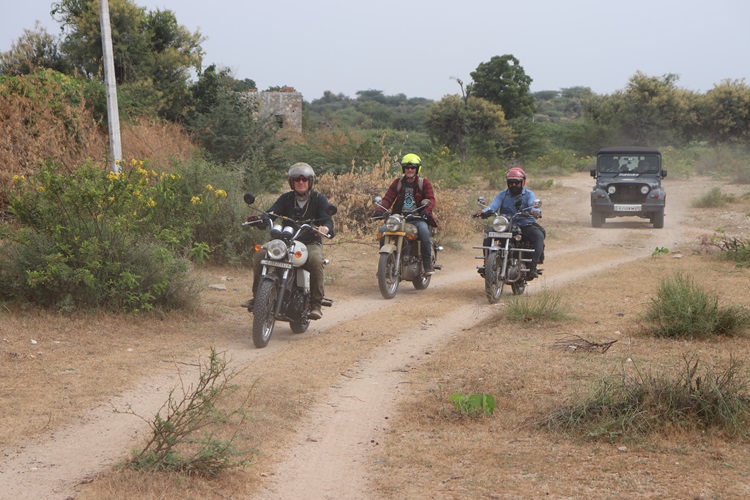
Rajasthan on a Royal Enfield: that is a category of motorcycle travel all of its own. No high performance machine, no high speed, no rigid plan. The Royal Enfield tour through Rajasthan lasts 15 days and shows you an India that has little to do with asphalt.
You ride Vietnam, Thailand and Cambodia from November to March. The rainy season ends, the heat is not yet unbearable. In April the temperatures in Thailand climb above 40°C.
June to September: Europe and Central Asia
The Alps open their passes from the middle of May. The Grossglockner, the Stelvio Pass, the Timmelsjoch: all free of snow. High summer is not the best time. July and August bring convoys of tourists. June and September belong to motorcyclists.
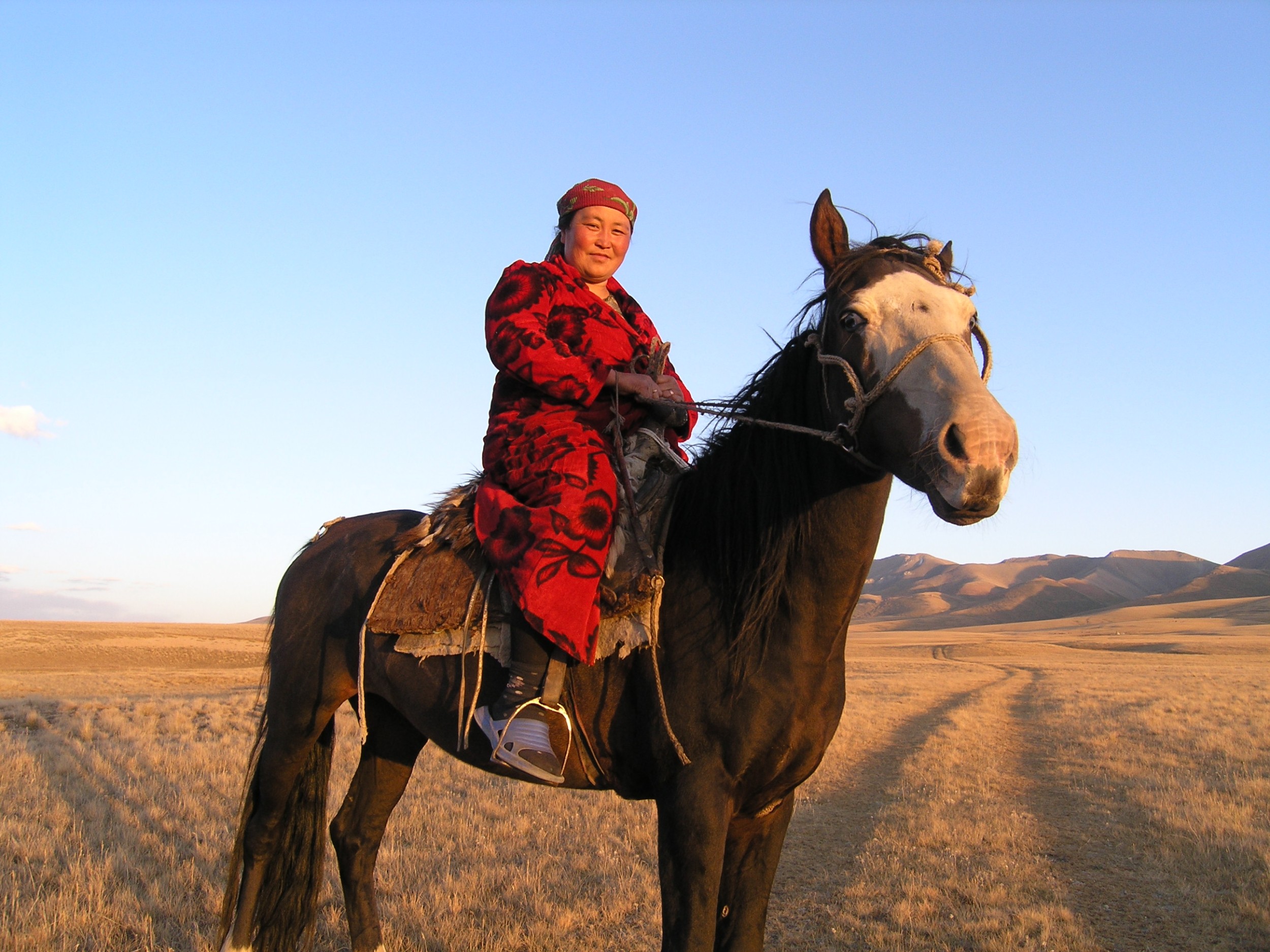
Central Asia is passable only from June to September: Kyrgyzstan, Tajikistan, the Pamir. The passes at 4,000 metres are still closed in May, and by October they are closing again. The window is small. Use it.
Temperatures in Central Asia are a daily surprise: 32°C in the valley, 8°C on the pass, 25°C in the afternoon. Layering works. Anyone who wants to pack only one jacket will freeze.
One last honest thought about the season
The best time to travel is the one when you can travel. Not the one written in this article.
The off season has real advantages: fewer people, cheaper accommodation, more honest encounters. Anyone who rides Morocco in October instead of March finds markets without mass tourism and roads without tour buses.
In return you get less predictable weather, fewer places to stay open and possibly closed passes. That is the compromise.
Every destination in this guide has a high season and an off season. The choice is yours, not a season calendar's.