
Botswana
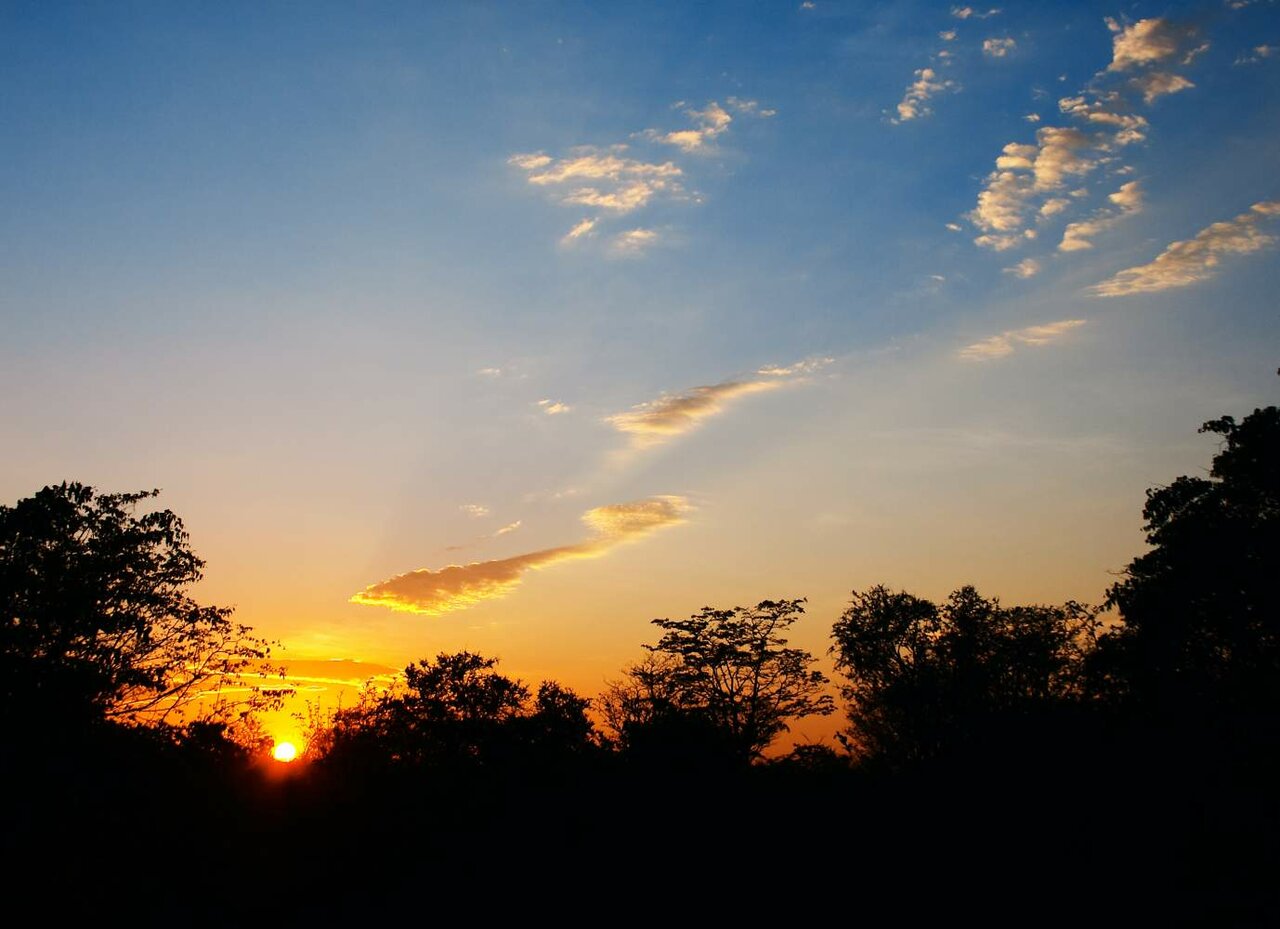
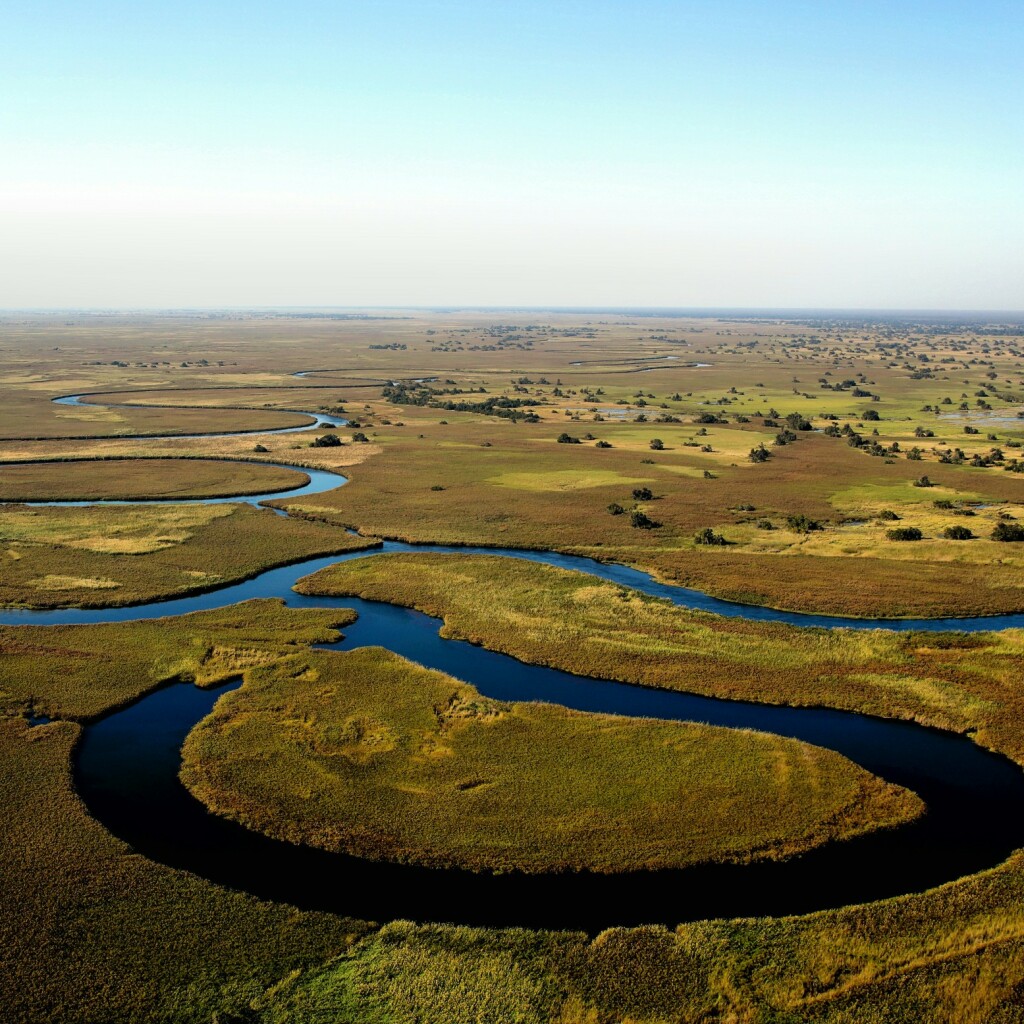
Moremi Game Reserve lies on the eastern edge of the Okavango Delta in Botswana and, at 4,871 km², is the protected area where you experience the delta from a 4x4. Only about 30 percent of it is dry land, the rest is channels, lagoons and floodplains. 18 of our tours spend a full day on game drives here in an open 4x4, with 2 nights in a camp at Khwai on the northern edge of the reserve.


Moremi covers much of the eastern side of the Okavango Delta, at about 900 m above sea level. Only about 30 percent of the reserve is dry land: Chief's Island in the west and the Moremi Tongue in the east, a ridge of land that reaches into the delta. In between lie channels, lagoons, papyrus and floodplains that fill with the flood every year. On the dry parts grow mopane woodland and acacia savanna, and more than 1,000 plant species have been recorded in total.
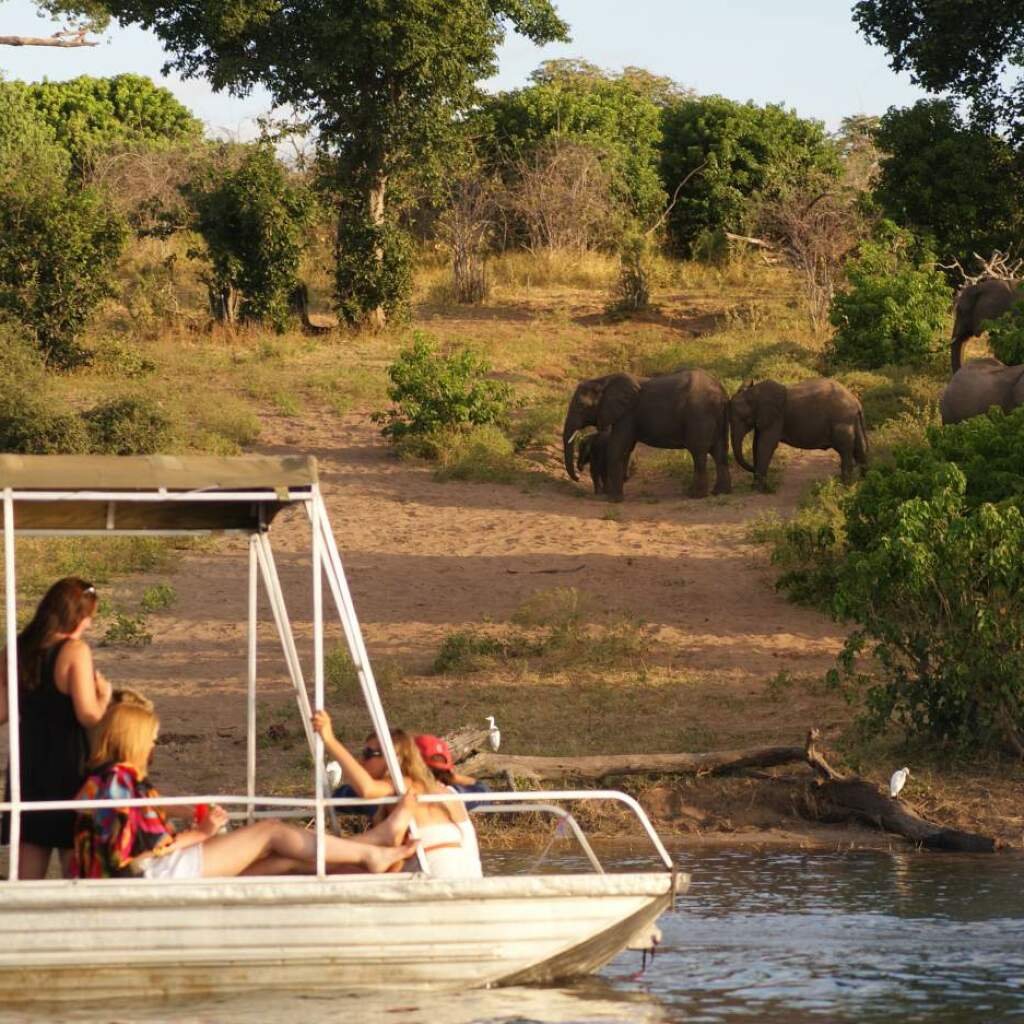
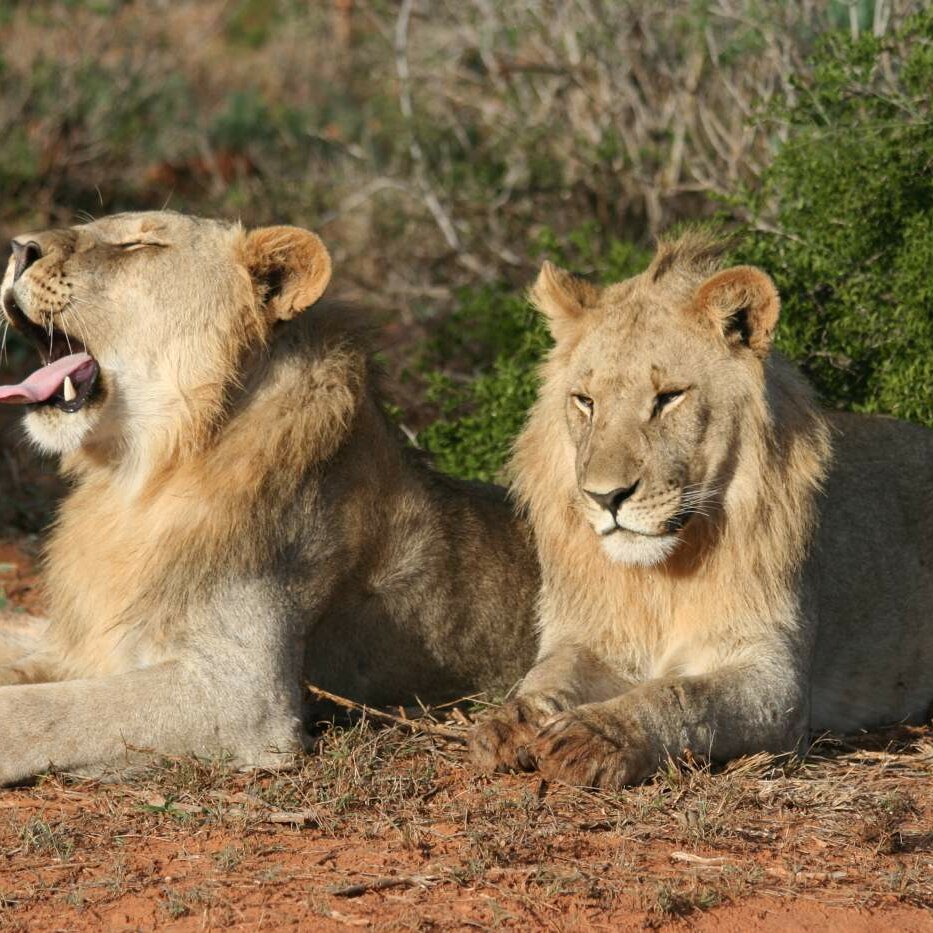
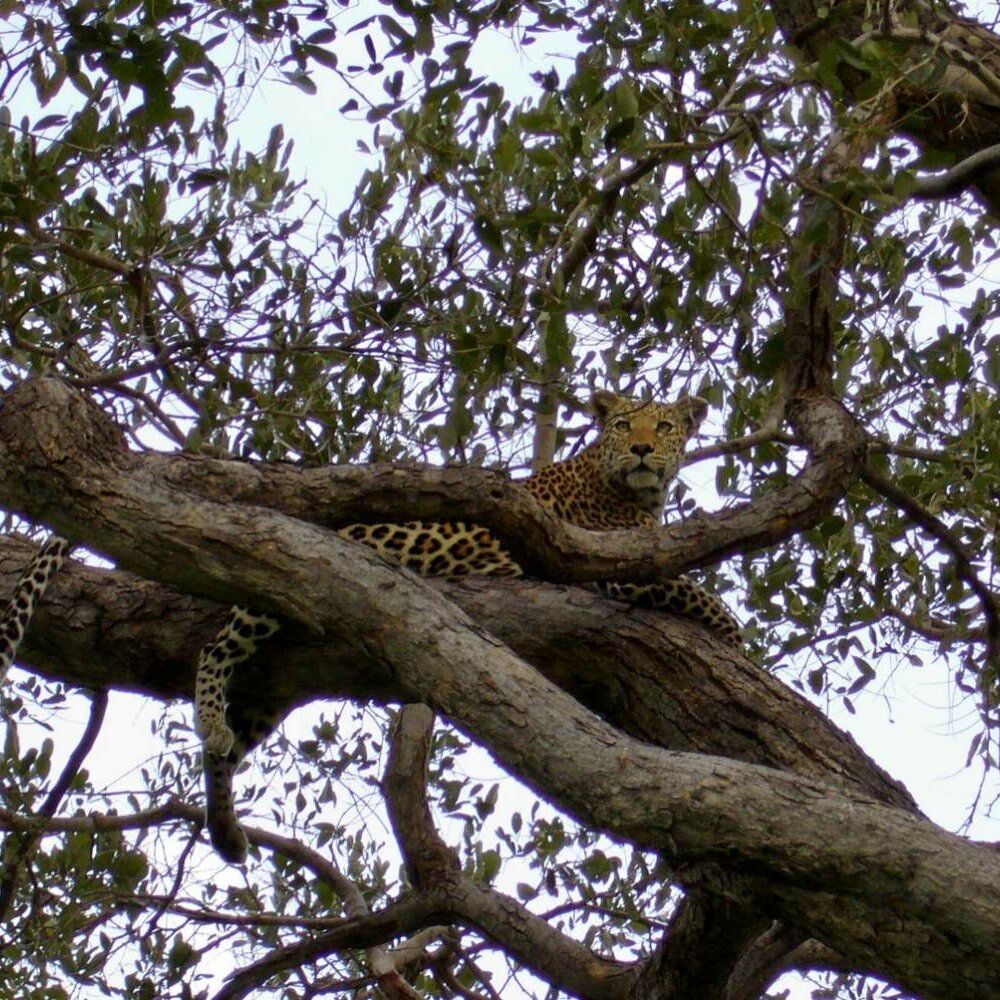
This mix of water and land is what makes a game drive here: on a single route you switch between woodland, open grassland and riverbanks. Buffalo and hippos are the most common animals. Add elephants, giraffes, zebras, wildebeest, red lechwe and impala, and among the predators lions, leopards, cheetahs and hyenas. Since 1989 a research project has followed the African wild dog packs in the reserve. Rhinos have been reintroduced. Birders count about 500 species.
The reserve was proclaimed on 15 March 1963 by the widow of Chief Moremi III, whose people, the Batawana, wanted to protect the area from hunting. In the 1970s the royal hunting grounds were added. Since 2014 Moremi has been part of the Okavango Delta World Heritage Site. The mokoro and the delta as a whole are covered on our Okavango Delta page.


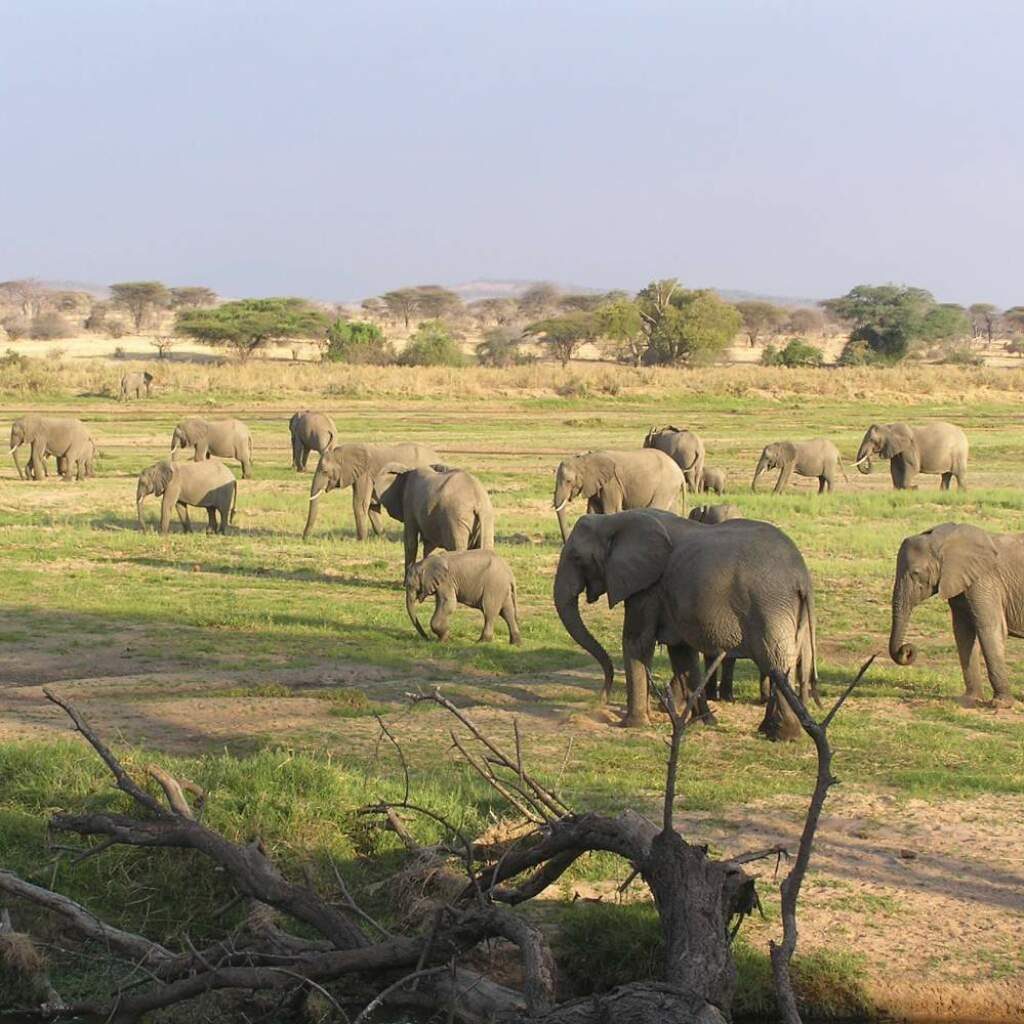

On 17 of the 18 tours the Moremi day is a full day of game drives: you leave Khwai in the morning in an open 4x4 and only return in the evening. The tracks are bumpy, sand alternating with dried mud. Along the way you cross wetlands, open water, grassland and savanna woodland, and the guide looks for the animals wherever they are that day. On the 24 day tour from the Okavango to Zanzibar you drive in Moremi in the afternoon after the mokoro trip.
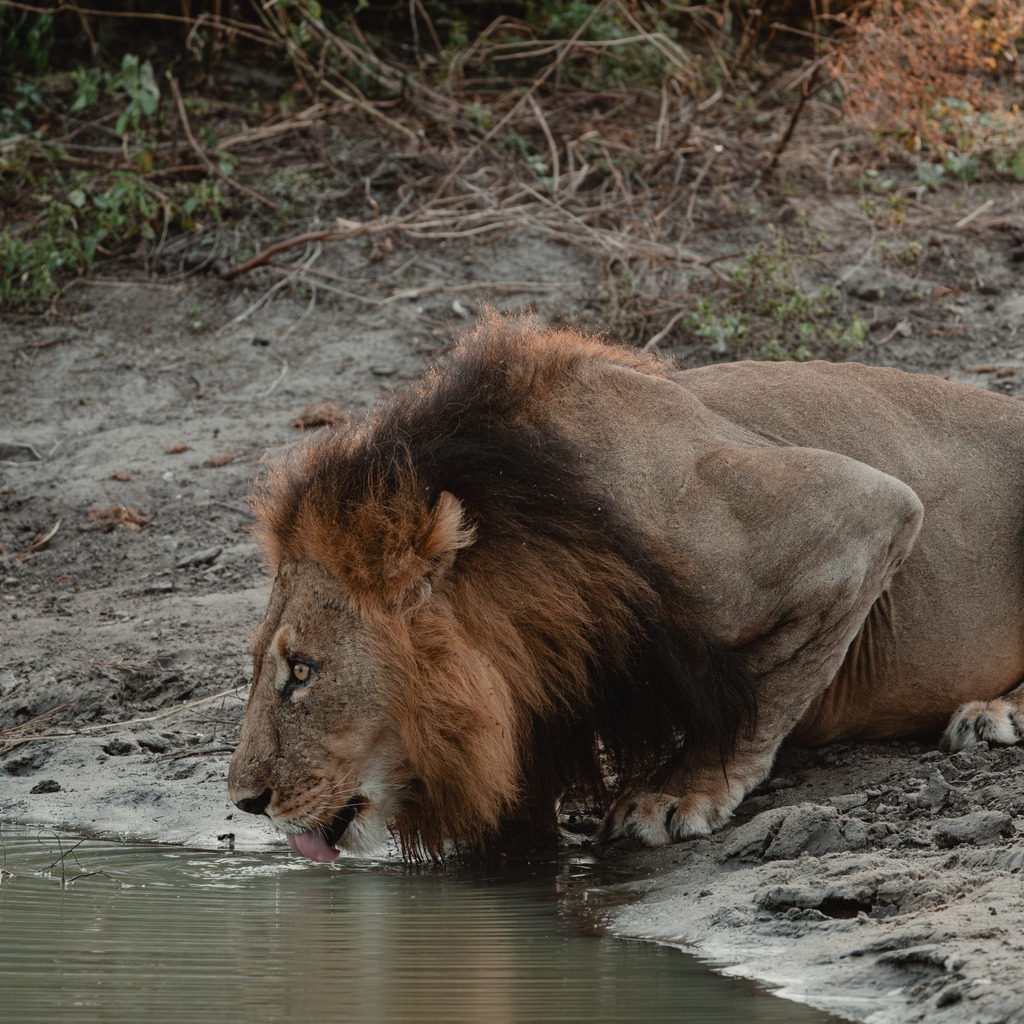

Packs of African wild dogs live in Moremi, and since 1989 a research project has followed them in the reserve. Add lions, leopards and cheetahs. Nobody can promise that a pack will show up on your day; the chances are best in the dry season from July to October, when the animals hunt around the last waterholes.
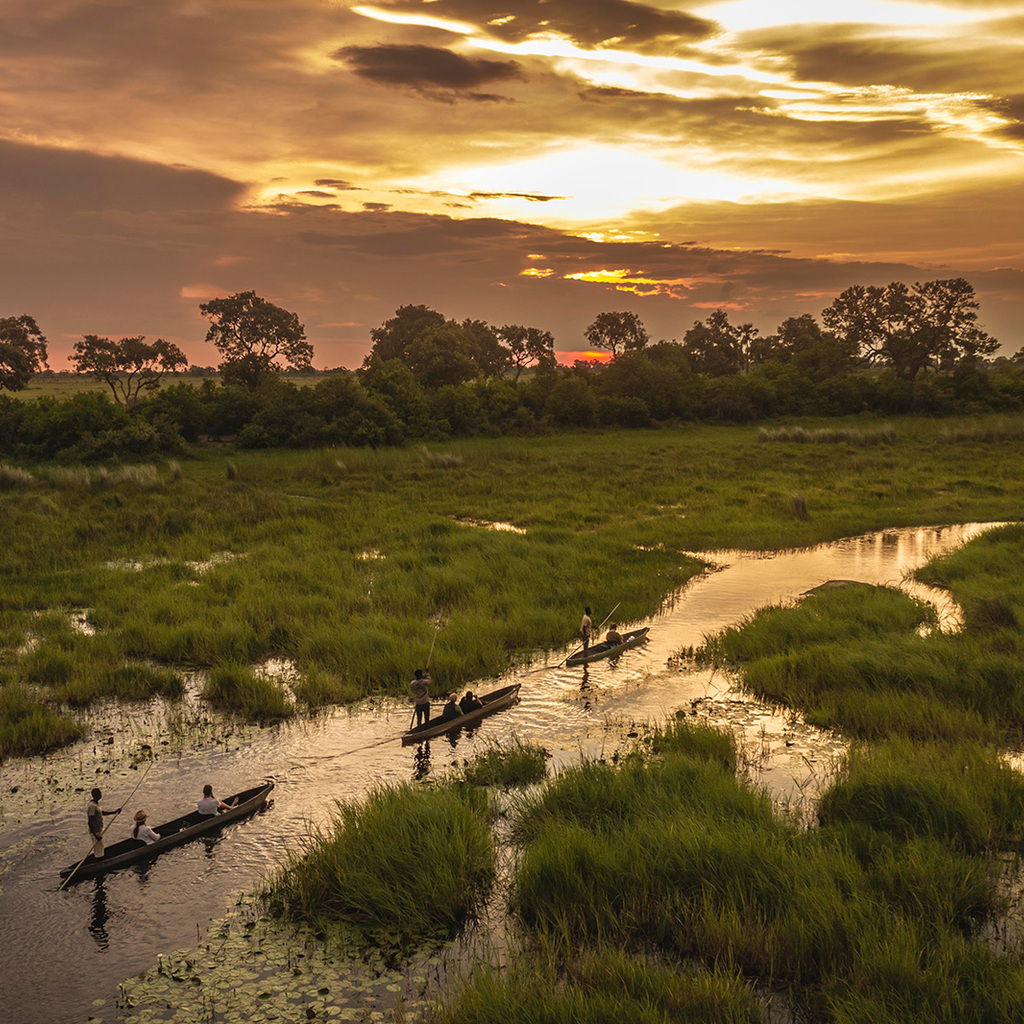

Almost all our tours leave the truck in Maun and travel in small safari vehicles to Khwai, an area of about 2,000 km² on the northern edge of Moremi that is managed by the local community. You stay 2 nights in the camp there with a small bag, and the Moremi game drive day is right on your doorstep. In the morning you drive from Khwai into the reserve and back again in the evening.
Dry season, June to October: the waterholes on dry land dry up from July to October, the grass gets short, and the animals gather at the lagoons and channels that the tracks follow. July to October are the months with the most sightings. From October it gets very hot until the rains start at the end of November or early December.
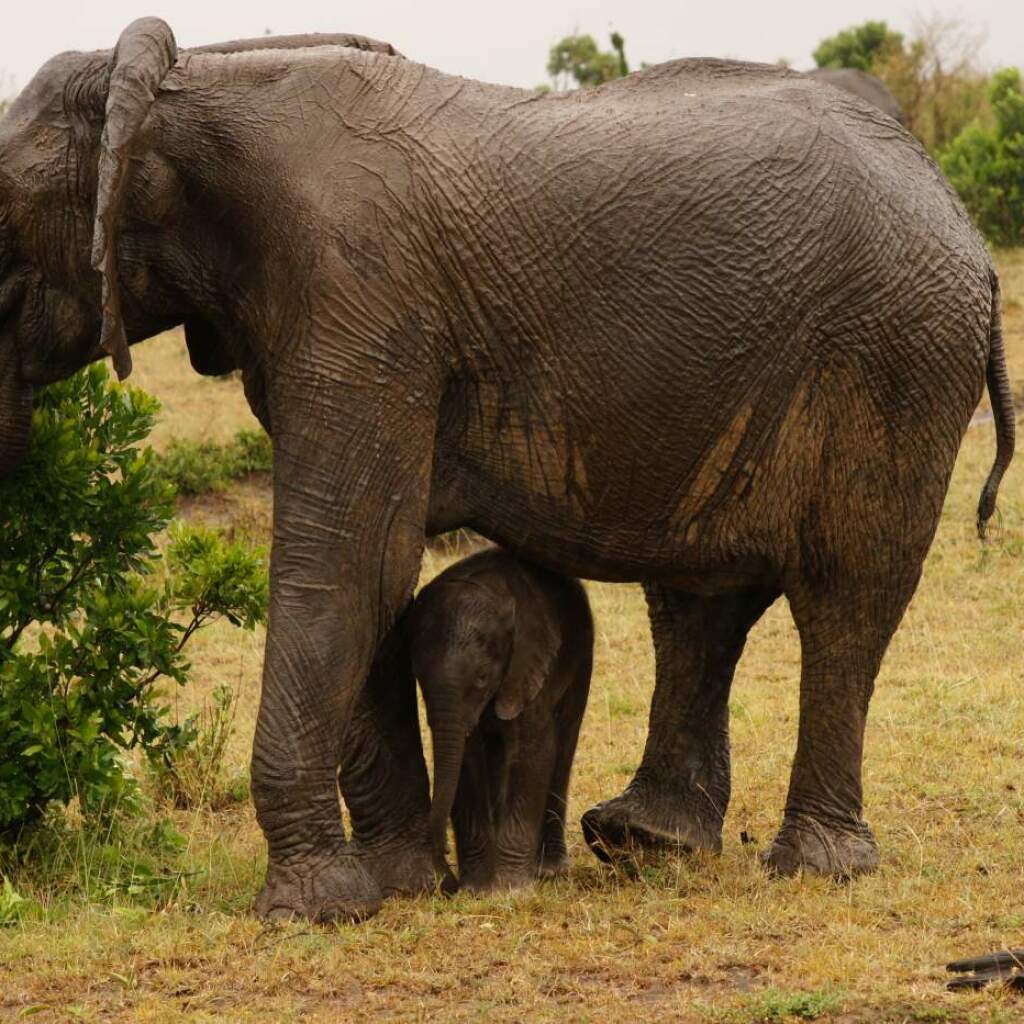
Rainy season, December to March: 400 to 500 mm of rain a year, afternoon storms, everything green. Many animals give birth, the game spreads out and some tracks turn muddy. Between June and August the flood from the north reaches the delta; some tracks and crossings are then under water and the guide takes other routes.
Climate, visa and vaccinations for all of Botswana are covered in the country dossier.
Day 1: small safari vehicles take the group from Maun to Khwai, on many tours with a mokoro trip in the afternoon. You can book an optional scenic flight over the delta in Maun beforehand. Day 2: a full day of game drives in Moremi Game Reserve, back to Khwai in the evening. Day 3: early start in the open 4x4 back to Maun and the truck, and on towards Nata or the Kalahari.

For the time in Khwai and Moremi you leave the truck and your main luggage behind. Pack a small bag with the essentials for 2 nights, as there is hardly any time to repack in Maun. In the winter months May to September the mornings in the open vehicle are cold: a jacket, hat and scarf belong in the bag. Buy snacks and water in Maun.
Moremi is a game reserve of the Department of Wildlife and National Parks (DWNP), and the fee is charged per person and day. Botswana has raised its park fees recently, so check the current amount before you travel. On 17 of the 18 tours on this page the national park entry fees are included in the price, and the Moremi game drive is part of the programme.
Moremi lies in the malaria area of northern Botswana, and the risk is highest in the rainy season from November to April. Talk to a travel medicine doctor about prophylaxis before you go, and bring long sleeves and insect repellent for the evenings in camp. What Botswana requires for entry is in the country dossier.
Most of our tours spend 2 nights in a simple fly camp at Khwai, on the northern edge of Moremi, with Meru tents and basic facilities. The truck and the main luggage stay in Maun. In the evening the group sits together and compares the day's sightings, and in the morning you leave early.
The Botswana and Zimbabwe tour is a lodge only tour, and the camping or lodge safaris have a lodge option. Here too you travel from Maun in small safari vehicles towards Khwai and Moremi, and the game drive day in the reserve stays the same.
Moremi Game Reserve is a protected area of 4,871 km² on the eastern side of the Okavango Delta. The delta is the whole wetland; Moremi is the part of it with a track network where you go on game drives by 4x4. The mokoro trips on our tours take place in the areas outside the reserve, for example near Khwai.
Our tours plan one full game drive day in Moremi and 2 nights in the camp at Khwai, 3 days in total from and back to Maun. That gives you one day for the mokoro or the drive in and one full day in the reserve.
June to October, with the most sightings from July to October, when the waterholes on dry land dry up and the animals stand at the lagoons. From October it gets very hot. The rainy season from December to March is green, with young animals, but the game is spread out and some tracks turn muddy.
Most common are buffalo and hippos, plus elephants, giraffes, zebras, wildebeest, red lechwe and impala. Among the predators lions, leopards, cheetahs, hyenas and African wild dogs, which have been studied here since 1989. Rhinos have been reintroduced, and there are about 500 bird species.
Yes, Moremi lies in the malaria area of northern Botswana, and the risk is highest in the rainy season from November to April. Talk to a travel medicine doctor about prophylaxis before you go, and bring long sleeves and insect repellent for the evenings in camp.
Short: The Best of Botswana or the Botswana and Zimbabwe tour, 7 days each with Moremi, Chobe and Victoria Falls. With Namibia and Etosha: 10 days. With South Africa: 14 days as a camping or lodge safari. In an overland truck: 8 days through Botswana only, or 20 to 57 days on long routes through southern and eastern Africa.

How did you
hear about us?