
South Africa

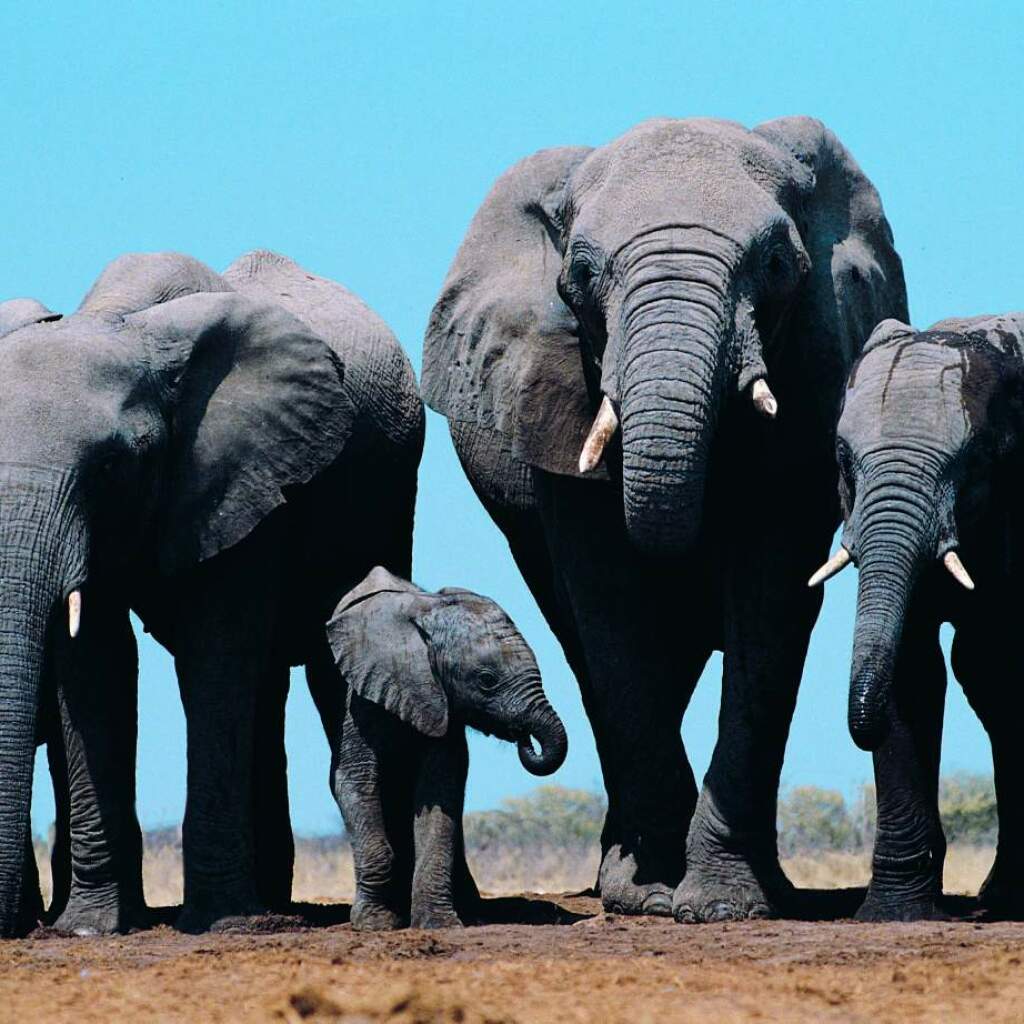
Addo Elephant Park in the Eastern Cape near Gqeberha covers 1,640 km², was founded in 1931 and is today the third largest national park in South Africa. More than 600 elephants live here, plus about 400 buffalo, lions and more than 48 black rhinos. 6 of our tours drive into the park, for a half day game drive or for two safari days, mostly in an overland truck.


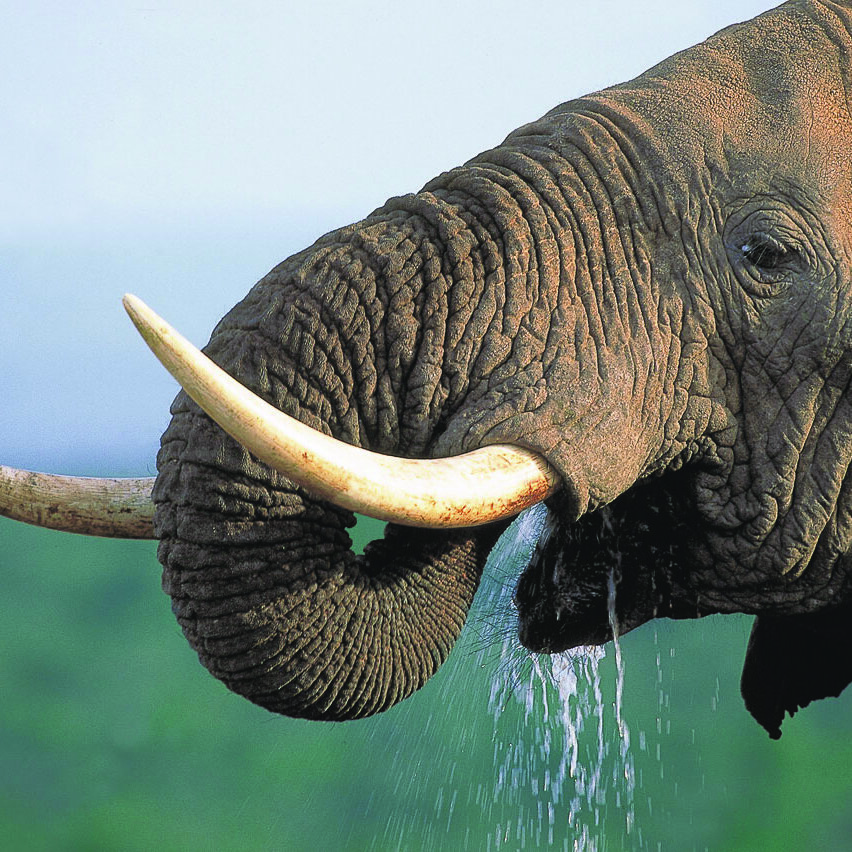
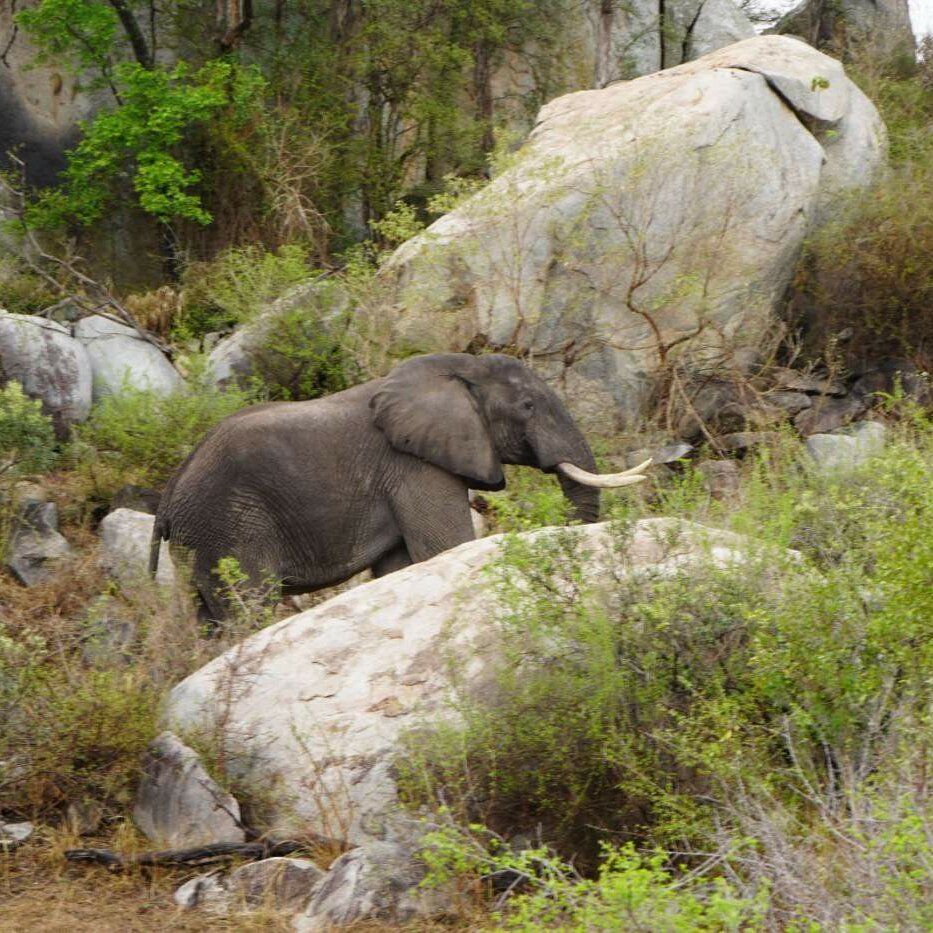
The park was founded in 1931 to save the last elephants of the Eastern Cape. In 1919 and 1920 a single hunter, acting for the authorities, had shot more than 120 animals and reduced the herd from about 130 to 16. Today more than 600 elephants live in Addo Elephant Park, and with 1,640 km² it is the third largest national park in South Africa after Kruger and the Kgalagadi Transfrontier Park.
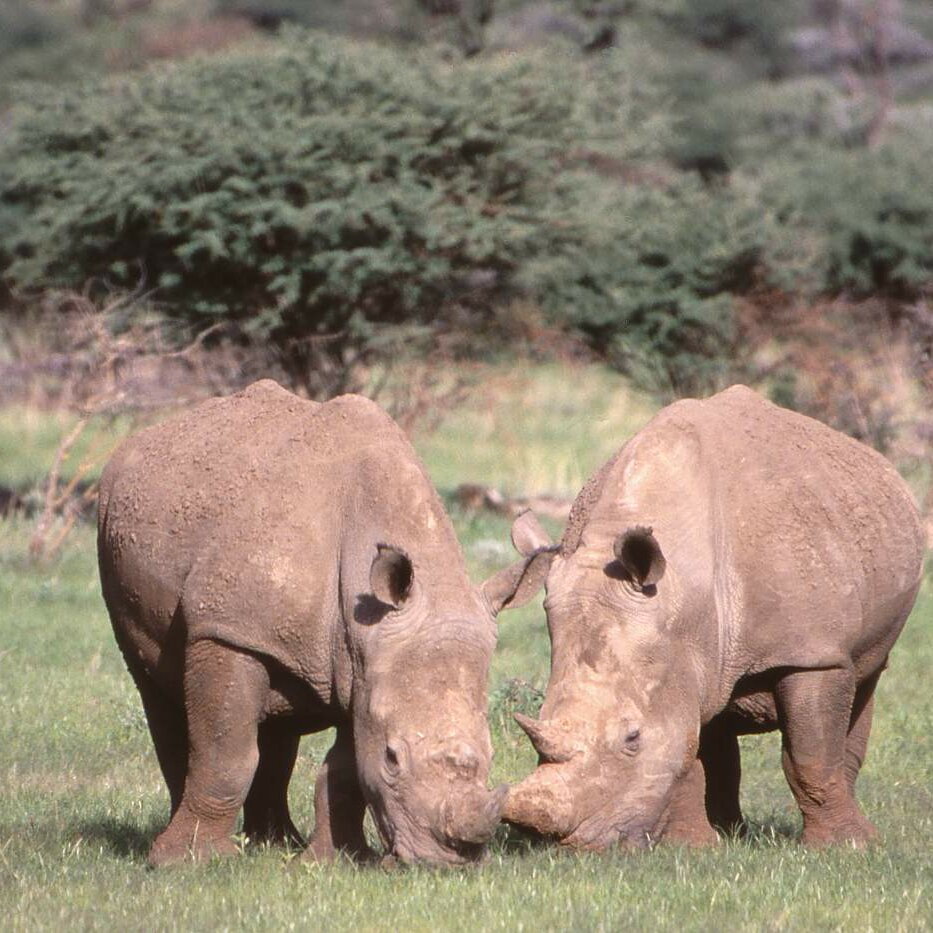
The defining landscape is dense, low thicket, where elephants only appear once they are already close to the vehicle. Up to 77 endemic plant species grow here that are sensitive to elephant browsing. Besides the elephants, the park holds about 400 Cape buffalo, more than 48 black rhinos, kudu, zebra and other antelope. Lions and hyenas only returned in 2003, when 6 lions from the Kalahari were introduced.
The park reaches the coast of Algoa Bay. It includes two marine protected areas, among them Bird Island with about 120,000 Cape gannets, the largest breeding colony in the world, and St. Croix Island with the largest colony of African penguins. That is why the park calls itself the home of the Big Seven: elephant, rhino, lion, buffalo, leopard, whale and great white shark.
An animal you won't look for on any other safari: the flightless dung beetle Circellium bacchus, whose largest remaining population lives here. The main access road and two loops are tarred, the rest is gravel. Kruger National Park in the north east of the country offers more predators and longer distances; Addo is the park for elephants up close.


Addo's elephants move through the thicket in family groups with calves and gather at the waterholes along the loops. In the dry summer months, the European winter, whole herds stand in the water and the mud while the young ones play on the bank. On the game drive in the overland truck you sit high and see over the thicket, which here is a real advantage over a car.
_1024_1024.jpg)
Addo is the only park that calls itself the home of the Big Seven: whale and great white shark in the marine protected areas of Algoa Bay join the Big Five. Off the coast lies Bird Island with about 120,000 Cape gannets, the largest breeding colony in the world. Our tours focus on game drives in the land part of the park; you only reach the marine areas on your own boat trips from Gqeberha.

Addo is home to the largest remaining population of the flightless dung beetle Circellium bacchus. It rolls elephant dung across the roads, and signs in the park ask you to drive around it. It sounds like a side note, but it shows how the park works: the elephants eat the thicket, the beetle spreads their dung, and the thicket grows back. On the game drive, keep an eye on the ground too.
Addo Elephant Park is open all year, and the main access road and two loops are tarred. So there are no months when the park cannot be driven. The gravel roads off these can be slippery after rain, but the game drives on our tours stay on the main routes.
December to March is summer in the Eastern Cape. The elephants gather at the waterholes, often with calves, and you see whole family groups in the water and the mud. June to August is winter: cooler mornings, fewer leaves in the thicket and so a clearer view, but shorter days for the game drive.
Our tours visit the park all year. For elephant herds at the water we recommend the summer months; for quieter days, autumn and winter.
The daily conservation fee for international visitors is R565 per adult and R283 per child aged 2 to 11, valid from 1 November 2026 to 31 October 2027 (as of 2026, SANParks). It is charged per day in the park. Whether the park fees are included in the price is listed under inclusions on each of our tours.
_1024_1024.jpg)
The park lies in the Eastern Cape north of Gqeberha, formerly Port Elizabeth. An access road leads from the N2 near Colchester through the southern part. Our overland tours mostly come from the Karoo and Graaff-Reinet, the Garden Route safari starts right in the park, and the South Africa Lesotho group tour reaches it via Jeffreys Bay.
A half day game drive is enough for the elephants; that is how the Garden Route safari, the 14 day South Africa Lesotho Eswatini tour and the Family and Friends lodge tour plan it. If you want to see more, choose a tour with two safari days in Addo: the South Africa safari tour, the small group tour South Africa, Eswatini and Lesotho or the South Africa Lesotho group tour.
Outside the camps and marked spots you stay in the vehicle. Don't feed the animals, keep your distance from the elephants, especially from herds with calves. Dung beetles on the road have right of way, so drive around them. The gates open and close at fixed times, and on our tours the crew plans the game drives around them.
Addo Elephant Park lies in the Eastern Cape and is malaria free; you don't need prophylaxis for the park. If your tour also goes to Eswatini or the north east of the country, talk to a travel medicine doctor about the whole route before you leave. More is in our travel information on South Africa.
The Main Camp lies inside the park, with a restaurant, a pool and a floodlit waterhole where you can watch animals in the evening. There are also four more rest camps and four camps run by private concessionaires. If you travel on your own, book early: the park has more than 300,000 visitors a year.
Our tours stay outside the park in the Addo region or in Gqeberha, in a tent or fixed accommodation depending on the option you book. The 14 day South Africa Lesotho Eswatini tour sleeps in Gqeberha after the game drive; the Family and Friends lodge tour stays in guesthouses with a German speaking contact on site.
More than 600. The park was founded in 1931 after the herd had fallen to 16 animals in 1919 and 1920. It also holds about 400 buffalo, lions, hyenas and more than 48 black rhinos. You see the elephants on almost every game drive, often in family groups with calves.
The park can be driven all year, and the main routes are tarred. From December to March the elephants gather at the waterholes, the best time for herds with young ones. In winter, from June to August, the thicket is thinner and the mornings are cool.
A half day game drive is enough for the elephants. Three of our tours plan exactly that; three others spend two safari days in the park with game drives in the morning and afternoon. If you also want to see the marine areas with whales and Bird Island, you need an extra day in Gqeberha.
No, Addo Elephant Park in the Eastern Cape is malaria free. That is one reason it is popular with families. If your tour also goes to Eswatini or the north east of the country, talk to a travel medicine doctor before you leave about prophylaxis for those sections.
International visitors pay R565 per adult and R283 per child aged 2 to 11 per day, valid from 1 November 2026 to 31 October 2027 (as of 2026, SANParks). Whether the fees are included in the price is listed under inclusions on each of our tours.
6 tours, from the 6 day Garden Route safari from 1,360 €, which starts with a game drive in Addo, to the 19 day tours through South Africa, Eswatini and Lesotho with two safari days in the park. Most travel in an overland truck with at most 12 to 20 guests, the Family and Friends lodge tour with at most 10.

How did you
hear about us?