
South Africa

Hluhluwe Imfolozi Park in Zululand, KwaZulu-Natal, covers 960 km², was founded on 30 April 1895 and counts as the oldest protected area in Africa. This is where the rescue of the white rhino began: in the 1950s about 400 animals were left, and the park recently counted about 1,600. 4 of our tours drive into the park for a game drive early in the morning and take a boat onto the St. Lucia estuary in the afternoon.

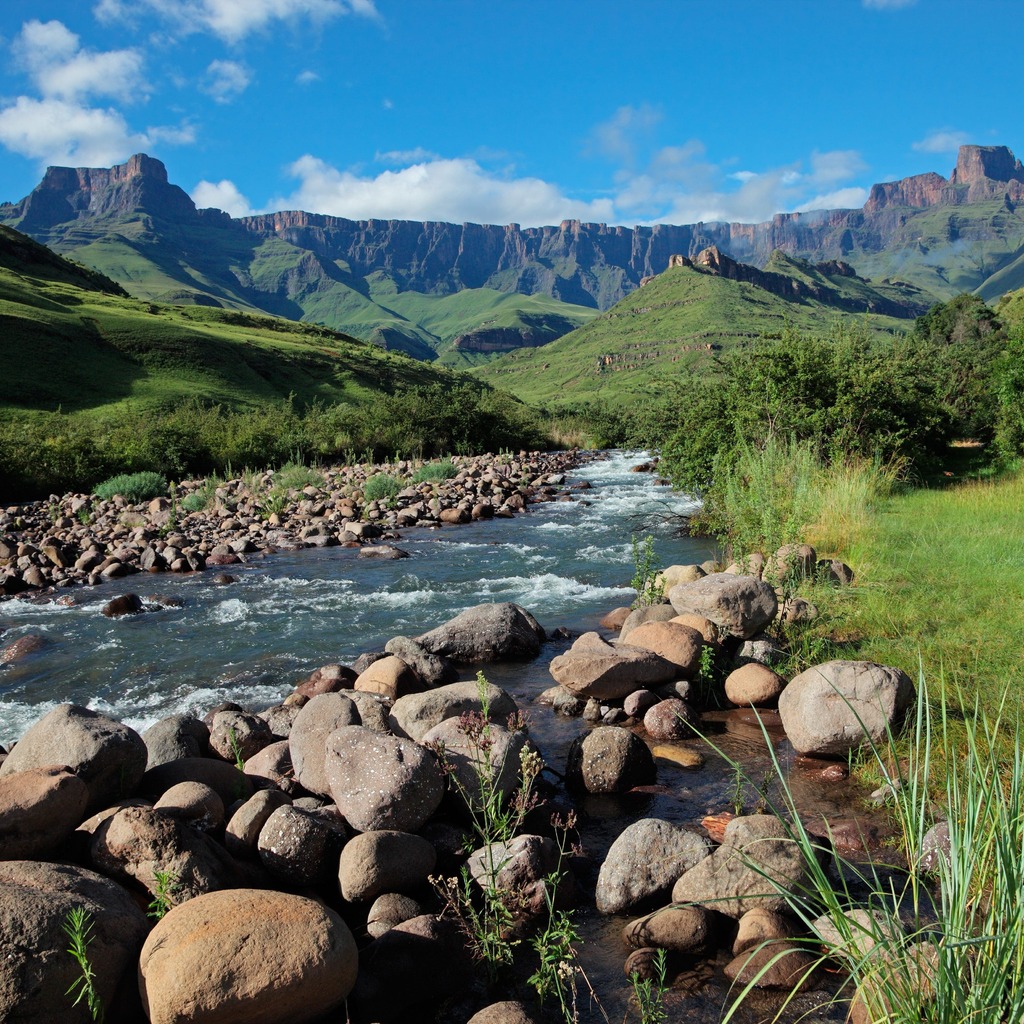
Hluhluwe Imfolozi Park consists of two parts that today form one protected area: Hluhluwe in the north and Imfolozi in the south. The reserve was founded on 30 April 1895, which makes it the oldest protected area in Africa. Across 960 km², wooded hills, open grassland and the valleys of the two rivers that give the park its name alternate. About 300 km of roads and tracks run through the park.
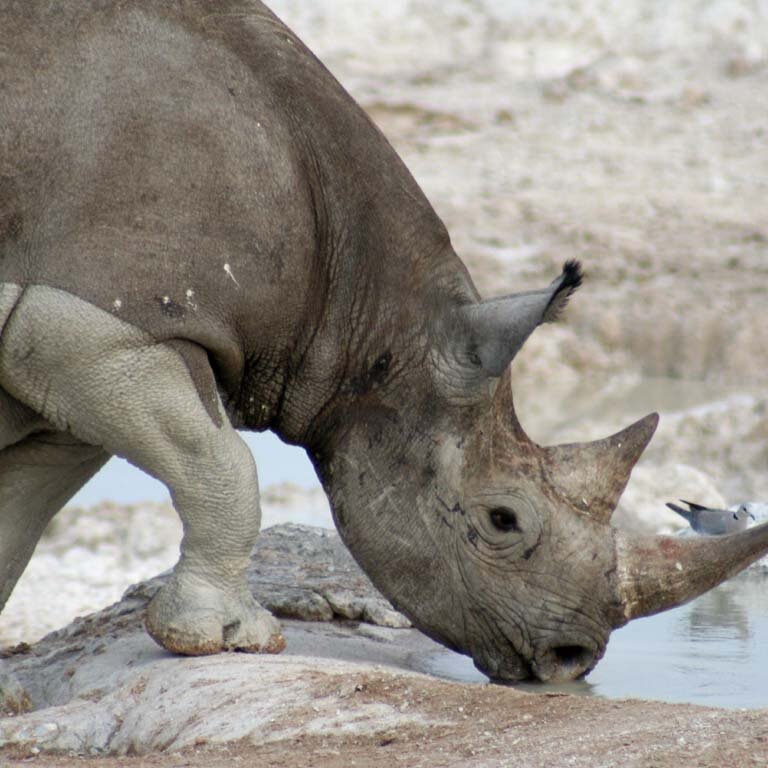
The park is famous for its rhinos. In the 1950s only about 400 white rhinos lived here. In the 1950s and 1960s the ranger Ian Player built up a capture unit with Operation Rhino that relocated hundreds of rhinos to other reserves. The park recently counted about 1,600 white rhinos, plus black rhinos.
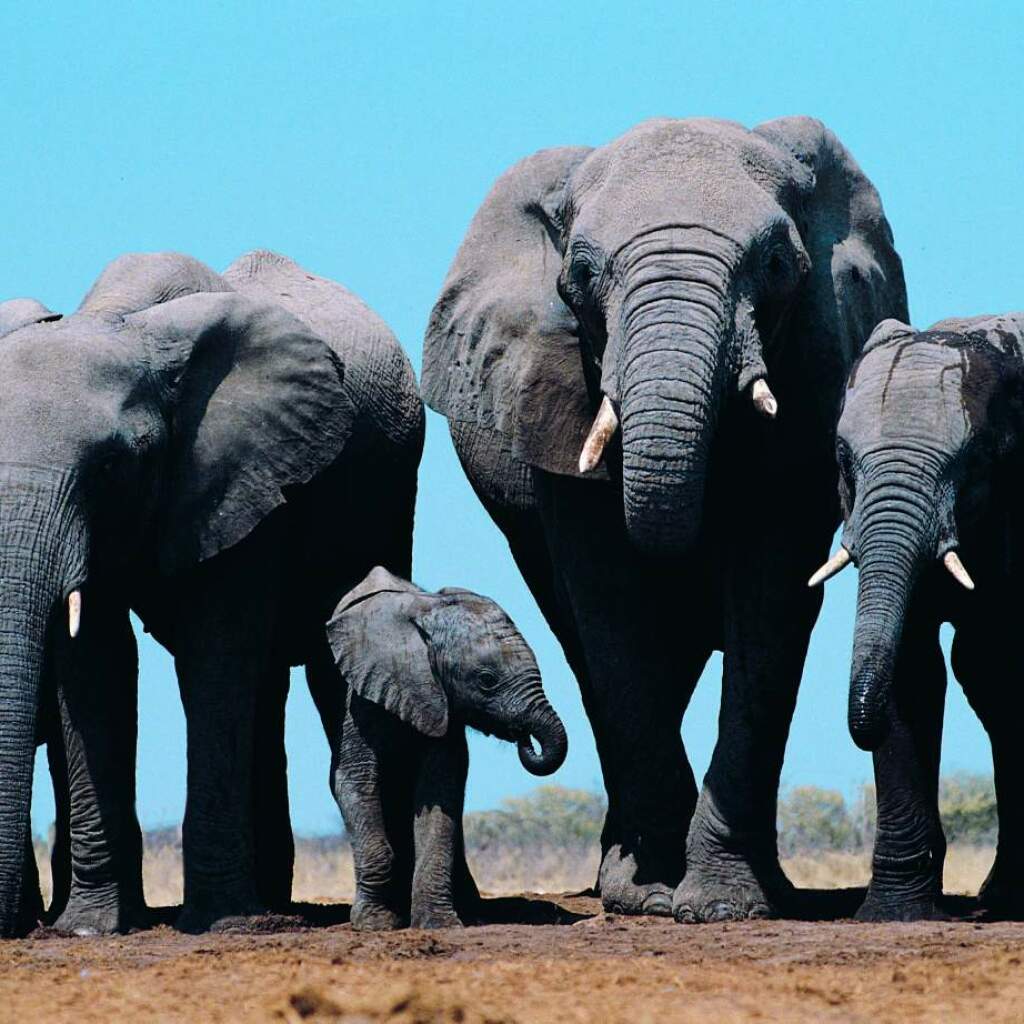
Besides the rhinos, all of the Big Five live in the park: elephants, buffalo, lions and leopards. Add giraffes, zebras, wildebeest, nyala and warthogs, plus about 340 bird species. Poaching is still a problem today: in 2022, 244 rhinos were poached in the province, 228 of them in this park.
Hilltop, the first visitor camp from 1934, lies in the north above the Hluhluwe section; Mpila is the main camp in the south. The park is run by Ezemvelo KZN Wildlife, the conservation authority of the province.


In the 1950s only about 400 white rhinos lived here. In the 1950s and 1960s the ranger Ian Player built up a capture unit that darted rhinos, loaded them and brought them to other reserves. Hundreds of animals were relocated this way, and the park itself grew to about 1,600 white rhinos. On the game drive you travel through the landscape where this rescue began.
All 4 tours set off from St. Lucia into the park early on the seventh day. In the morning the animals are active, before the midday heat drives them into the shade. The game drive lasts into the late morning, then you head back to your accommodation for a midday break. White rhinos often graze on open ground, and with about 1,600 animals in the park your chances of a sighting are good. Buffalo, elephants, giraffes and zebras come on top.
In the afternoon of the same day you take a boat onto the St. Lucia estuary in iSimangaliso Wetland Park, the river mouth on the coast of the Indian Ocean. From the boat you see hippos and crocodiles, plus water birds along the banks. So the day links the oldest protected area in Africa with a wetland on the coast, and in the evening you are back in St. Lucia before the tour continues to the Drakensberg or to Durban.
The park is open all year, and the main roads stay passable. Zululand has summer rain: most of it falls as thunderstorms between November and March.
May to October is the dry season and the best time for a game drive. The grass is short, the bush loses its leaves, and the animals keep to the rivers and waterholes. You then see rhinos, buffalo and elephants on open ground, and the mornings are cool and clear.
November to April the park is green and densely overgrown, the animals spread out, and the young are born. After heavy storms the side tracks can be slippery, so the game drives on our tours stay on the main routes. Our tours visit the park all year.
Ezemvelo KZN Wildlife, the conservation authority of KwaZulu-Natal, charges a daily conservation fee per person, with children under 12 at half rate. The tariffs apply from 1 November for one year each, so check the current amount before travelling on your own. Whether the fee is included in the price is listed under inclusions on each of our tours.
The park lies in Zululand in the north east of KwaZulu-Natal; Durban is the nearest larger city. Our 4 tours come from Johannesburg via Kruger National Park and Eswatini, spend the sixth night in St. Lucia on the Indian Ocean and drive into the park early on the seventh day.
One morning is enough for a game drive with good chances of rhinos, and that is how all 4 tours plan it, with the boat trip on the St. Lucia estuary in the afternoon. If you want to explore both parts of the park at leisure, you need 2 days with a night in Hilltop or Mpila camp.
Outside the camps and marked spots you stay in the vehicle. Don't feed the animals, keep your distance from rhinos, elephants and buffalo, and never drive between a mother and her calf. The gates open and close at fixed times. To protect rhinos from poachers, don't share sightings with their location on social media.
The park lies in a low risk malaria area, with a higher risk in the rainy season from November to April. Talk to a travel medicine doctor about the whole route before you go. Long clothing in the evening and a DEET repellent belong in your luggage. More is in our travel information on South Africa.
Hilltop was built in 1934 as the first visitor camp and lies in the north above the Hluhluwe section; Mpila is the main camp in the Imfolozi section in the south. Both are run by Ezemvelo KZN Wildlife. If you stay here, you are already in the park at sunrise and save the drive in.
Our 4 tours stay in St. Lucia, the holiday town at the river mouth, from where the park in the morning and the boat trip in the afternoon are easy to reach. Depending on the option you book, you sleep in a tent with meals cooked on the truck or in fixed accommodation. It is 2 nights, the one before and the one after the day in the park.
The park recently counted about 1,600 white rhinos, plus black rhinos. In the 1950s there were only about 400. Through Operation Rhino, hundreds of animals were relocated from here to other reserves. Poaching remains a problem: in 2022, 228 rhinos were poached in the park.
May to October. In the dry season the grass is short, the bush is thin, and the animals keep to rivers and waterholes. From November to April summer rain falls as thunderstorms, the park is green and dense, and the game spreads out. Our tours visit the park all year.
One morning is enough for a game drive with good chances of rhinos, and that is how our 4 tours plan it. If you want to see both parts of the park, Hluhluwe and Imfolozi, at leisure, you need 2 days and a night in Hilltop or Mpila camp.
The park lies in a low risk malaria area, and the risk rises in the rainy season from November to April. Talk to a travel medicine doctor about prophylaxis for the whole route before you go. Long clothing and a DEET repellent are part of every evening.
Yes, the park is open to self drivers, with about 300 km of roads and tracks. The gates close at fixed times, and outside the camps you stay in the vehicle. On our tours the crew drives, and you sit high in the truck or safari vehicle, which clearly improves your view in the dense bush.
4 tours: the 8 day camping safari with Eswatini from 2,080 €, the 14 day South Africa Lesotho Eswatini tour and two 19 day tours through South Africa, Eswatini and Lesotho, one of them a small group tour. All of them combine the game drive in the park with a boat trip in St. Lucia.

How did you
hear about us?