At a glance Contents
- Why there is not one best travel time
- The migration calendar: Where the herd is in which month
- January to March: Birth season in the South Serengeti
- April to June: Green season and quiet slopes
- July to October: The Mara River crossings in the north
- November and December: Short rains and the way back to the south
- Which Serengeti safari fits your time frame
- Frequently asked questions
Why there is not one best travel time
Whoever asks about the best time to visit the Serengeti often expects a single month as an answer. There isn't one, because the Serengeti is not a single place, but an ecosystem through which huge herds of wildebeests and zebras migrate year-round, always in search of fresh grass and water. The herd does not adhere to a travel calendar; it follows the rain.
Depending on the month, it can be found in the south near Ndutu, in the center around Seronera, in the western corridor at the Grumeti River, or in the north at the Mara River, just before the border with the Kenyan Masai Mara. What is the best time for you depends on what you want to see: the calving season with thousands of calves among predators, the dramatic river crossings with waiting crocodiles, or a quiet green safari without a second vehicle at the watering hole.
It is also important how much time you have in the Serengeti itself. Trips that only include the Serengeti for two or three nights mainly show you the region where the herd is currently located, regardless of the rest of the route via Ngorongoro Crater or Zanzibar. On the other hand, those who are on the road for several weeks often pass through several migration zones consecutively. Some travelers therefore consciously plan two trips in different months to see both the calving season and the river crossings live.
The predators also follow the herd, not the calendar. Lion prides and hyena clans in southern Serengeti, for example, are significantly more active during the calving season than in the months when the herd moves on and only a few leftover animals remain. Those who especially want to see big cats hunting will plan their trip according to the herd's location just like someone who wants to see the river crossings.
The Travel Information Tanzania lists June to October, as well as January and February, as the best travel time for the entire country, a good framework for climate, travel, and everything related to visas and preparation. For the Serengeti alone, a closer look at the individual month is worthwhile because the answer changes with the region in the park. The following calendar shows approximately where the herd is and what this means for your safari.
The migration calendar: Where the herd is in which month
The table shows the rough annual rhythm of migration. It is a natural phenomenon and not a timetable; the weather shifts each phase by a few weeks from year to year, but the order of the regions remains the same.
| Month | Region | What you experience |
|---|---|---|
| January | South, Ndutu plains | The herd gathers on the short grasses, the calving time begins |
| February | South, Ndutu plains | Peak of calving time, many predators near the calves |
| March | South, slowly central Serengeti | The herd breaks up and starts moving north |
| April | Central Serengeti, Seronera | Long rainy season, lush green plains, few other travelers |
| May | Western corridor, Grumeti River | First small river crossings at Grumeti |
| June | Western corridor, moving north | The landscape dries out, the herd continues |
| July | North, Lobo and Kogatende | Arrival at the Mara River, first major crossings |
| August | North, Mara River | Peak time for river crossings, crocodiles waiting in the water |
| September | North, partly Maasai Mara | The herd crosses the border into Kenya multiple times and back |
| October | North | Last crossings, the herd begins the journey back south |
| November | Central and eastern Serengeti | Short rainy season begins, the herd moves further south |
| December | South, Ndutu plains | The first animals return to the south, the circle closes |
When planning, stick to the region, not a fixed date. Local guides exchange information via radio and messaging groups several times a day about the exact position of the herd and adjust the route of your safari drive accordingly, not according to the calendar.
Many tent camps in the park are therefore set up seasonally and follow the herd from region to region, while fixed lodges remain at the same location all year round and you drive varying distances to the herd depending on the season.
January to March: Birth season in the South Serengeti
Between January and March, the calving season of the Serengeti takes place in the short grasses of the Ndutu plains in the south, right on the border with the Ngorongoro Conservation Area. The volcanic soil there is rich in minerals, and the fresh grass provides exactly the nutrients that the wildebeest cows need for giving birth. In just a few weeks, thousands of calves are born, attracting lions, hyenas, cheetahs, and leopards, and delivering some of the most dramatic game drives of the year.
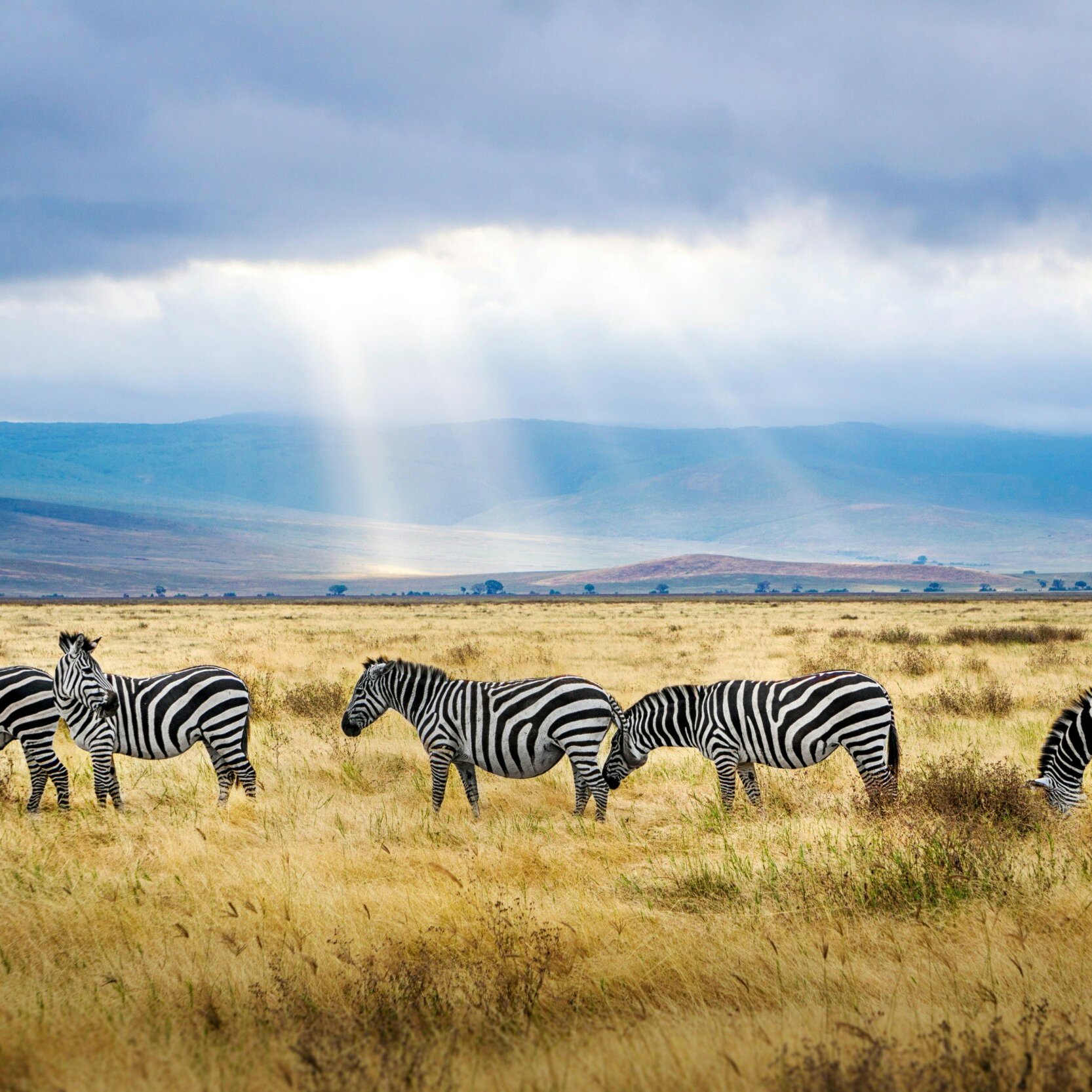
In the Ndutu region, mobile tent camps are often set up during these months, moving with the herd; permanent lodges are usually a bit further north at the edge of the plains. Early in the morning, the chance of a hunt is greatest because the calves are still unsteady on their legs in the first weeks of life, and predators take advantage of this. Nights and early mornings are pleasantly cool, while the days are dry and warm, with short showers that keep the plains green.
The reason for the close synchronization of births lies in the herd's own strategy: When thousands of calves are born within a few weeks, the predators, despite their numbers, can only prey on a small portion of them, allowing most calves to survive the dangerous early days.
Exactly in this window falls the 9-day lodge safari through Northern Tanzania with dates on January 15 and March 5, starting at 4019 euros and in a small group of at least 2 and a maximum of 7 travelers. In addition to the Serengeti, the program includes Arusha National Park, Tarangire National Park, Ngorongoro Crater, and Lake Eyasi. Customer Uwe S. describes this journey as follows: "The use of a private, extended Toyota Landcruiser with an open roof ensured accessible views of the wildlife in the Serengeti."
April to June: Green season and quiet slopes
From April to June, the green season begins. The long rain usually falls as short, heavy showers in the afternoon, in between the sun shines, and the plains change from dusty yellow to lush green. For birds, this is one of the best times of the year, many migratory birds from Europe are still here, and the breeding season for many African species is in full swing.
The herd disperses in these weeks from the south and moves across the central Serengeti towards Seronera and further towards the western corridor, where they reach the Grumeti River in May and show the first smaller crossings there. There are significantly fewer vehicles at the waterholes than in the peak summer season, because most travelers are waiting for drier months.
The plains bloom vividly in these weeks, wildflowers among the grasses also attract butterflies and smaller birds that are hardly seen in the dry season. For drives off the established tracks, your guide often needs a little more patience during this time, because some stretches are temporarily softened after heavy rain.
Bring a light rain jacket for these months, the showers are short but intense, and often dissipate as quickly as they came. Between the downpours, the light constantly shifts between dark clouds and low-hanging sun, which allows for extraordinary photos, especially in the late afternoon.
The date on April 10 for the Lodge Safari through Northern Tanzania falls exactly in this transition: You see the last remnants of the birthing season and the first green plains, often without a second vehicle in sight. You won't find solid, asphalted roads in the parks anyway; to get to the Serengeti and Ngorongoro Crater, you will always travel with a guide in a safari vehicle, rain or not, that doesn't change with the season.
July to October: The Mara River crossings in the north
Between July and October is peak season in the Serengeti, and for good reason. The dry season causes water to become scarce in the center and south, prompting the herd to move north, where they must cross the Mara River multiple times, often right in front of waiting crocodiles. In between, they even cross the border into the Masai Mara in Kenya and back again, sometimes several times in the same week when the lead animals cannot agree.
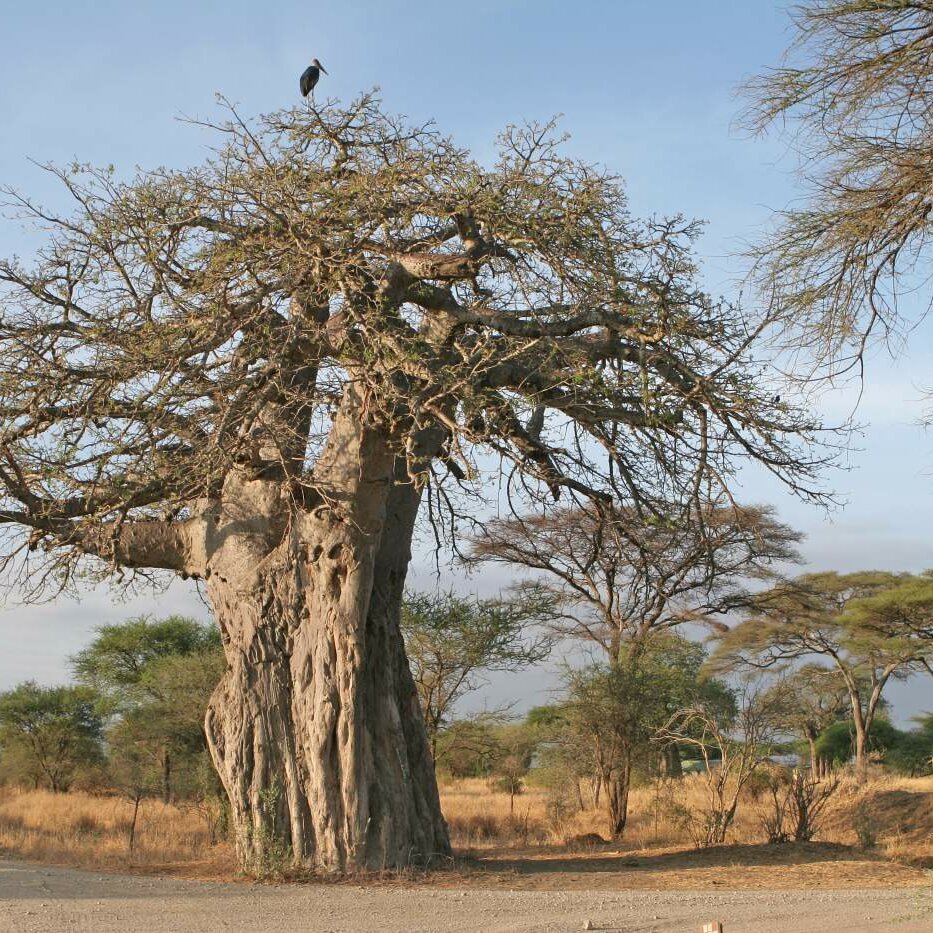
The weather is reliably dry, the vegetation sparse, and visibility of animals at the few remaining waterholes correspondingly good. For this reason, most other safari vehicles are also on the move during these months; those who book early secure the better spots at the river crossings. Because these months are the most sought after of the year, good lodges and camps at the well-known viewpoints are often fully booked many months in advance.
At the well-known crossings like Kogatende, not only do crocodiles wait, but lions and leopards also take advantage of the chaos at the shore to pick off individual animals from the herd. The quietest hours for a game drive to the crossings are usually early morning and late afternoon, when the herd is most active.
This window is perfect for the 22-day East Africa safari tour with two nights in the heart of the Serengeti around Seronera and a whole day of game drive, with dates on September 27, October 25, and November 8, starting at 4109 euros. For a shorter option, there is the 10-day Tanzania safari with Zanzibar & Serengeti, which stays at the camp in the heart of the Seronera region and optionally offers a hot air balloon safari over the herd, starting at 2699 euros with dates on September 30, October 14, and October 28. Dirk K., who booked a similar route, describes the experience as follows: "The transport was in a 4x4 overland truck and the daily briefings before the activities were helpful."
November and December: Short rains and the way back to the south
In November, the short rain showers begin, mostly as strong afternoon downpours with dramatic towers of clouds on the horizon, ideal for photographers seeking the special light. The herd leaves the north and moves over the eastern and central Serengeti back toward the south. After the months at the Mara River, it is mostly full and calm, and the game drives feel more relaxed than in midsummer.
From December on, the cycle closes: The first animals reach the Ndutu plains in the south again, where soon the next calving season begins. The landscape is particularly green during these weeks, there are noticeably fewer vehicles at the viewpoints than in midsummer, and lodges generally still have available beds.
For travelers who prefer the calm of fewer people and can cope with occasional rain, November and December are one of the most pleasant times for a Serengeti safari: rich colors, little traffic on the tracks, and a herd that appears visibly more relaxed after the exhausting months in the north.
Because fewer travelers are out and about during these months, lodges and camps are easier to book at short notice, and you have many viewpoints all to yourself instead of sharing them with several other vehicles.
Since the herd follows the rain and not a fixed date, each of these windows shifts from year to year by a few weeks. How best to align your travel date with the current situation of the herd can be clarified directly with your Overcross travel consultant. Everything about visas, entry, and preparation for Tanzania, regardless of the travel month, can be found in one place at the Travel Information Tanzania.
Which Serengeti safari fits your time frame
The three safaris in this article show you a different chapter of the migration. The table summarizes when you travel, how long you are on the way, and what the trip costs.
| Safari | Time Window | Duration | Price from |
|---|---|---|---|
| Lodge Safari Northern Tanzania | January to April, calving season in the south | 9 days | 4019 Euro |
| Tanzania Safari with Zanzibar & Serengeti | September and October, river crossings in the north | 10 days | 2699 Euro |
| East Africa Safari Round Trip | September to November, north and return south | 22 days | 4109 Euro |
No matter which time window you choose: The more popular the month, the earlier you should book, especially in high season between July and October for lodges directly at the well-known river crossings.
All three routes combine the Serengeti with other highlights such as the Ngorongoro Crater or Zanzibar, allowing you to experience the migration not in isolation but as part of a larger East Africa trip. If a single chapter of the migration is more important to you than the overall route, let your Overcross travel advisor know directly when making the inquiry, and they will suggest the date that best fits the desired region.
Answered briefly
Frequently asked questions
- What is the best time to travel to the Serengeti?
- There is not one best time to travel, because the herd is in different places in the Serengeti depending on the month. If you want to see the calving season, come to the south between January and March. If you want to see the river crossings, come to the north between July and October.
- When do the Mara river crossings in the Serengeti take place?
- The major crossings of the Mara River in the north of the Serengeti usually take place between July and October, when the dry season drives the herd further north and they switch back and forth between the Serengeti and the Masai Mara in Kenya.
- When do the wildebeests calve in the Serengeti?
- The main calving period is between January and March on the short grasses of the Ndutu plains in the south, right on the border of the Ngorongoro Conservation Area. During this time, the density of big cats around the herd is particularly high.
- Is the rainy season a bad time for a Serengeti safari?
- No. The green season between April and June brings short, heavy showers instead of continuous rain, along with lush green landscapes, dramatic light, and significantly fewer other safari vehicles at the waterholes.
- What else do I need to know for entry into Tanzania?
- Everything about visa, entry, health, and money for Tanzania is collected by the travel information Tanzania in one place, regardless of which month you visit the Serengeti.