At a glance Contents
- Two countries in one: why there is no single best time
- The Sahara in the south: when the dunes are drivable and pleasant
- Month by month: an overview for off-road travellers
- Travel time by occasion: New Year's Eve, Easter, winter escape
- Weather risks in the south: rain, wind and the salt lake
- What to pack depending on the season
- When you should book
- And the coast? When it really has its time
- Heavy vehicles and a look across the border
- Our advice: how to choose your month
- Frequently asked questions
Two countries in one: why there is no single best time
If you ask forums about the best time to visit Tunisia, you will often get a single answer. It is rarely right, because Tunisia is split in two climatically. In the north and on the coast you get a Mediterranean climate: mild, rainy winters and long, dry summers with beach weather. In the south, beyond the salt lakes, the Sahara begins, and completely different rules apply. In summer the sand gets so hot that driving, shoveling and camping become an ordeal. In winter the days are clear and pleasant, but the nights are properly cold.
That is why the honest answer is: it depends on what you have planned. If you want to lie on the beach, see cities and explore ruins, summer or the shoulder season around it is your time. If you want to take your own 4x4 into the dunes, it is exactly the other way round. This article is written for the second group, for everyone who sees Tunisia as an off-road country. You will also find the key facts about the season in our travel information on Tunisia, which is kept up to date.
For orientation, the travel information names spring (March to May) and autumn (September to November) as the best seasons for the whole country. For the desert, the window shifts a little towards winter in our experience, because late autumn and spring can already be very warm in the deep south. We show you how that looks in detail, month by month.
The Sahara in the south: when the dunes are drivable and pleasant
The south around Douz, Ksar Ghilane and Tembaine is the heart of every Tunisia trip by 4x4. Here the heat above all decides whether a tour is fun. Two other factors come on top: the sand itself and the light.
Sand and heat
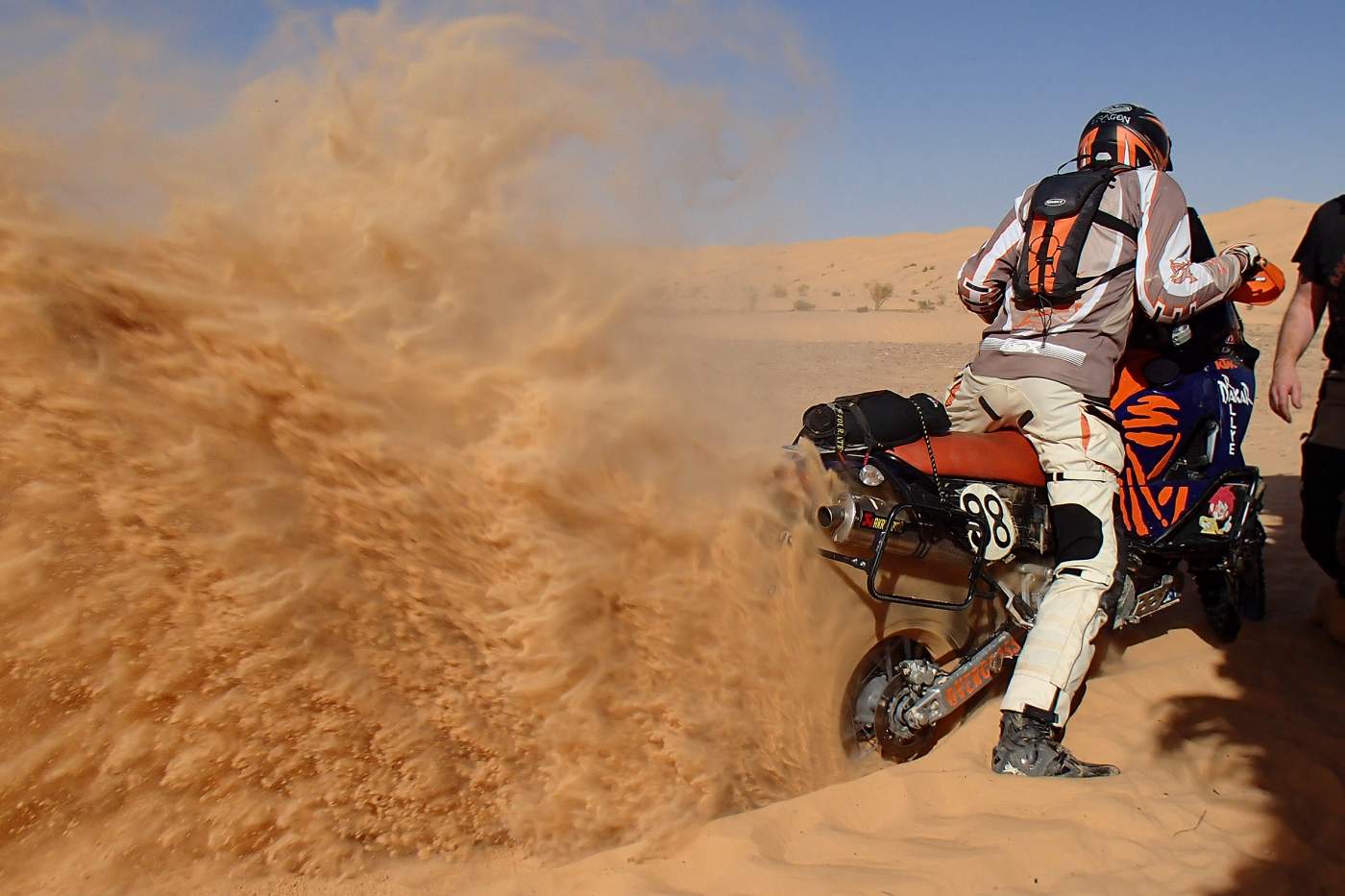
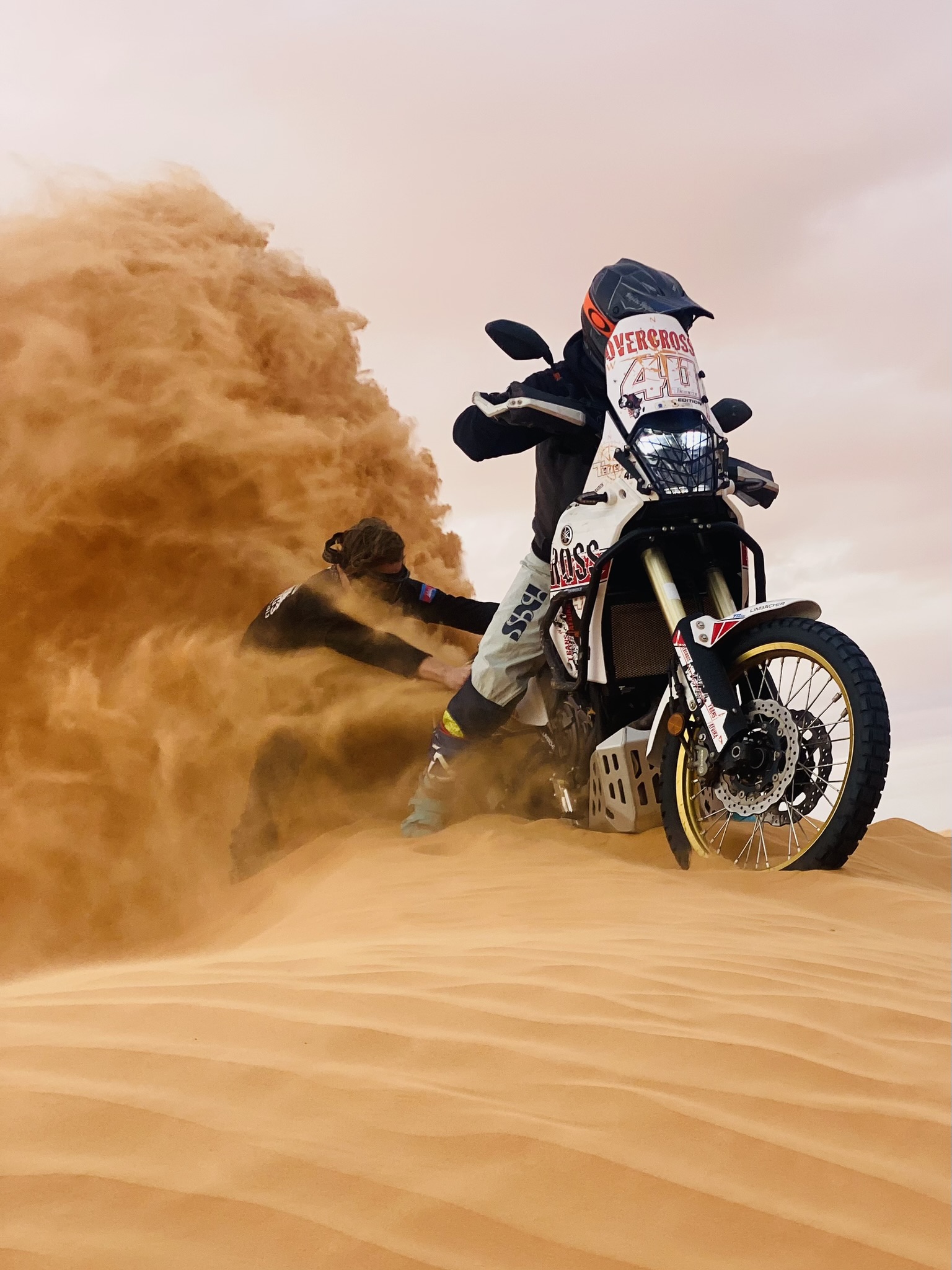
Cool, firm sand carries better than hot, soft sand. In the morning and in winter the dune flanks have more grip, the vehicle sinks in less, and you have to shovel less often. In midsummer it turns around: the tyres lose pressure faster, the engine struggles, and the recoveries that are part of every dune tour become a physical strain. For drivers without desert experience this is a safety issue, not just a question of comfort.
Nights in the tent
If you travel in winter, take the cold seriously. During the day a T-shirt is enough, after sunset the temperature drops noticeably, and in a wild camp a good sleeping bag, a hat and warm layers help. In return, winter offers something summer lacks: starry, calm nights without haze, with a fire that everyone gathers around.
Light for photos
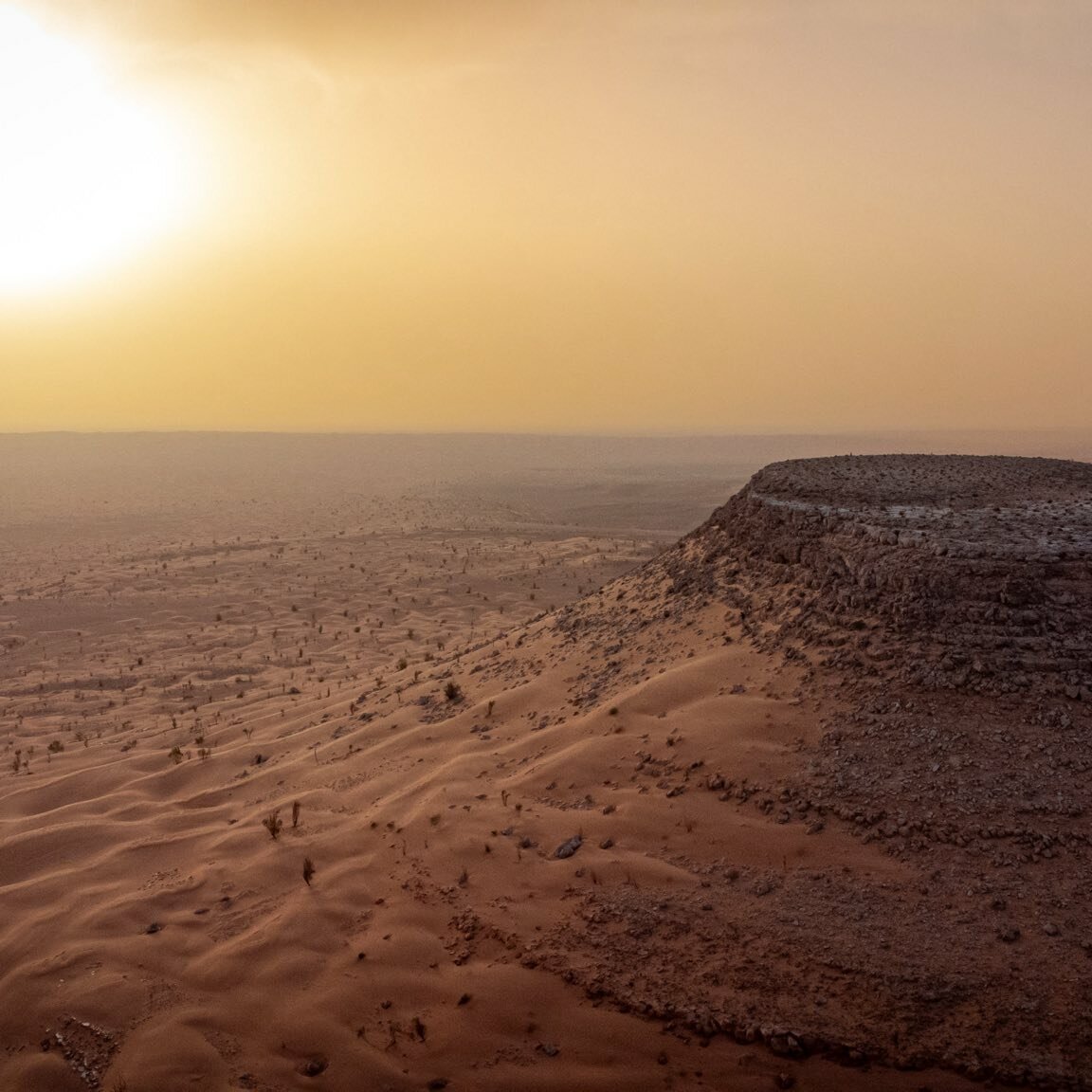
The low winter sun draws the dune crests sharply. In summer the sun stands high, the sand looks flat and the midday hours are unsuited to anything but shade.
Month by month: an overview for off-road travellers
The following table is deliberately qualitative. Concrete temperatures vary from year to year, and a figure that looks good in a brochure does little for you in the desert. What matters is the trend.
| Period | Sahara (south) | Coast and north | Assessment for 4x4 trips |
|---|---|---|---|
| October | Still warm, but easy to bear | Mild, sea still warm enough for swimming | Good start to the season |
| November | Pleasant days, cool nights | Changeable, first rainy days | Very good |
| December to January | Clear days, cold nights | Cool and damp | Very good, warm gear needed |
| February | Clear, days getting longer | Almond blossom in the north | Very good |
| March to April | Warm, ideal until Easter | Green and blooming | Best time for many groups |
| May | Already hot | Pleasant, swimming season begins | Only with caution now |
| June to August | Extremely hot | High summer, full beaches | We do not run desert tours |
| September | Still very hot | Sea warm, less busy | More coast than dunes |
It stands out that the period we recommend for the Sahara almost coincides with the one beach holidaymakers avoid. That is a real advantage: if you travel in winter or towards spring, you have the desert almost to yourself, and the hotels on the coast are quiet and cheap.
Travel time by occasion: New Year's Eve, Easter, winter escape
Many of our guests choose their travel time not by the climate but by the calendar. In Tunisia that fits surprisingly well, because the classic holiday windows fall exactly in the Sahara season.
New Year's Eve in the desert
The New Year's Eve tour through the Sahara lasts 15 days and costs from €2569. The next start is on 19 December 2026. The group drives via Tozeur and the Chott el Djerid to Douz and celebrates the turn of the year in a wild camp, far from fireworks and crowds. A driving training is on the programme before the sand sections. If you do not shy away from cold nights, you get one of the quietest New Year's Eves you can book.
Easter with the family
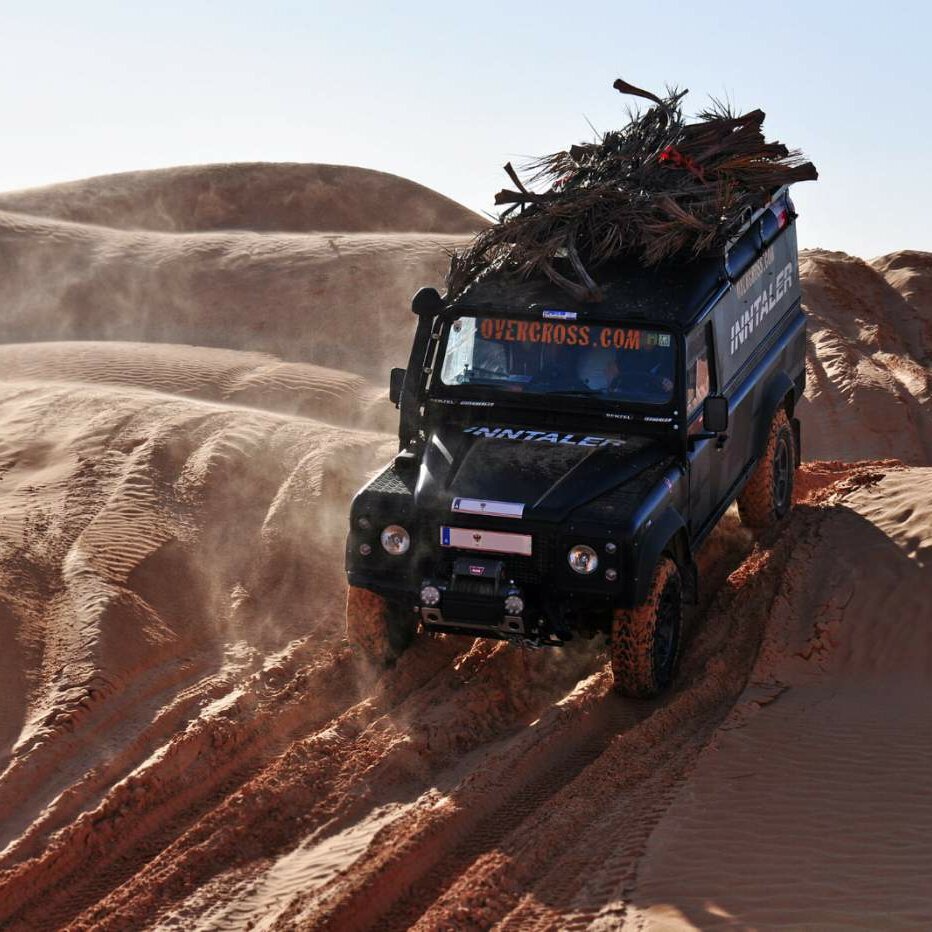
At Easter the desert is mild enough for children, and the school holidays fit. The Easter trip to the Sahara lasts 14 days and costs from €2369. The next date starts on 27 March 2027, the one after that in March 2028. The group stays overnight in oases and in a wild camp, visits Star Wars film sets and finishes with the ferry to the island of Kerkennah. The driving level is kept simple, so less experienced drivers can come along too.
Winter escape in February
When the grey winter weighs on you at home, February is a good time. The Sahara tour with your own 4x4 lasts 15 days and costs from €2939. The next start is at the beginning of November 2026, followed by a departure at the end of February 2027, precisely on 27 February. The route leads through the Dahar mountains, across the Chott el Jerid and deep into the Grand Erg Oriental. To finish, a hotel by the sea with a pool awaits, the contrast after the days in the sand.
Weather risks in the south: rain, wind and the salt lake
The desert has its moods even in winter, and they are part of the honest answer to the question about travel time. There are three things you should know.
Rain is rare, but real. When a low passes through in winter, it can rain heavily in the south. Dry riverbeds, the wadis, then fill quickly, and the salt lake Chott el Djerid turns in places into a treacherous surface. That is why our group drives there only on the causeway road and only with a guide who assesses the situation anew every day. On such days an experienced guide is worth more than any weather app.
Wind and sand. In spring, especially from March, the wind sometimes brings dust. This reduces visibility and makes photography difficult, but it is usually over after a day. Pack goggles, a scarf and dust protection for the camera.
The shoulder seasons. In October and in May the days in the deep south are already quite warm. That is not a reason to rule it out, but you should set off early in the morning, take a break at midday and carry enough water. If you are sensitive to heat, you are better off staying in the core window between November and March.
What to pack depending on the season
The travel time also decides what goes in your bag. For a tour in winter you need layers: a light shirt for the day, a fleece jacket and a warm jacket for the evening, plus a hat and gloves for the nights in the wild camp. A sleeping bag with a good comfort temperature is the most important single investment if you use your own tent.
In spring and at Easter the focus changes. Sun protection, a wide-brimmed hat and sunscreen move to the front, and the thick jacket stays for the evenings. For both seasons: sturdy shoes for dune walks, a scarf against dust and a water bottle you always keep within reach.
On the vehicle itself little changes with the season, but one point deserves attention: in the cold months the tyre pressure for sand is a bit easier to maintain, in spring you have to check it more often. Beginners learn this in the driving training at the start of the tours, without needing any prior knowledge.
When you should book
The most popular windows fill up first. New Year's Eve and Easter are holiday periods in which families and groups of friends often plan many months ahead. If you have a specific date in mind, you should therefore enquire early instead of hoping for a last-minute place. Especially on group trips with your own vehicle you also need lead time for preparing your car, the ferry crossing and the equipment.
If you are more flexible, travel in February or March and you will often still find places when the holiday weeks are already fully booked. Late autumn is also a good tip: the groups are smaller, the desert is empty, and the first cool air makes driving pleasant. So do not look only at the calendar of school holidays, but at the weather window that suits your driving style and fitness.
And one more practical thought: plan a buffer. The desert does not stick to timetables, and one more night by the campfire is rarely a disadvantage. A relaxed arrival, a day to settle in before the start and some leeway on the return journey turn a good tour into a successful one.
And the coast? When it really has its time
In fairness: if you only want the sea, go in summer. From the island of Djerba to the beaches near Hammamet the season is long, the water warm, the weather reliable. Early summer and early autumn are often the most pleasant times, because the heat is not yet or no longer oppressive and it is quieter.
For culture on the coastal side, meaning Carthage, the medina of Tunis or the amphitheatres inland, spring and autumn are ideal. Then the paths are comfortable to walk, and the well-built coastal road RN1 from Tunis via Sfax to Gabès can be driven without heat stress. It is exactly this combination, desert in the south and sea at the end of the tour, that makes many trips appealing: first dust and dunes, then water.
In high summer an off-road trip to the south is not worthwhile. Even shorter excursions into the fringes of the Sahara are then exhausting, and breakdowns become a risk. If you are travelling in summer, stay by the water and save the dunes for the cooler half of the year.
Heavy vehicles and a look across the border
If you travel with a Unimog, an all-wheel-drive truck or an expedition vehicle, the same heat rules apply to you, but you have different options. Our Sahara tour for trucks and campers lasts 14 days and costs from €4500. It uses firm tracks and selected sand sections, with two nights in the oasis of Ksar Ghilane. The next start is at the beginning of January 2027, right in the cool season.
And if Tunisia is not enough for you: right next door, in Libya, our Sahara expedition runs, which leads back to Tunisia on the return. It is much longer and more demanding than anything we drive in Tunisia, and winter is the right season there too.
Practical questions beyond the weather are answered by the travel information on Tunisia, not this article.
Our advice: how to choose your month
After many groups in the country, the decision can be boiled down to a few simple questions.
- You want dunes, wild camping and quiet: Go between November and February. Pack warm, you will need it at night.
- You are travelling with children or want it mild: Take the time around Easter or March.
- You are a beginner in sand: Choose a tour with driving training and a cooler season, then the technique stays manageable.
- You want sea and culture without desert: Then early summer or early autumn are your windows.
The participants who travelled with us in April put it like this: a guest booked the Sahara tour with his wife in April 2024 and praised the calm, flexible guide who stayed relaxed even when the unexpected happened. He recommends the trip to anyone who has a real 4x4, brings some experience and wants to feel the sand under the tyres. Another guest spoke of a dream trip, organised from the first enquiry to the last beer on the ferry.
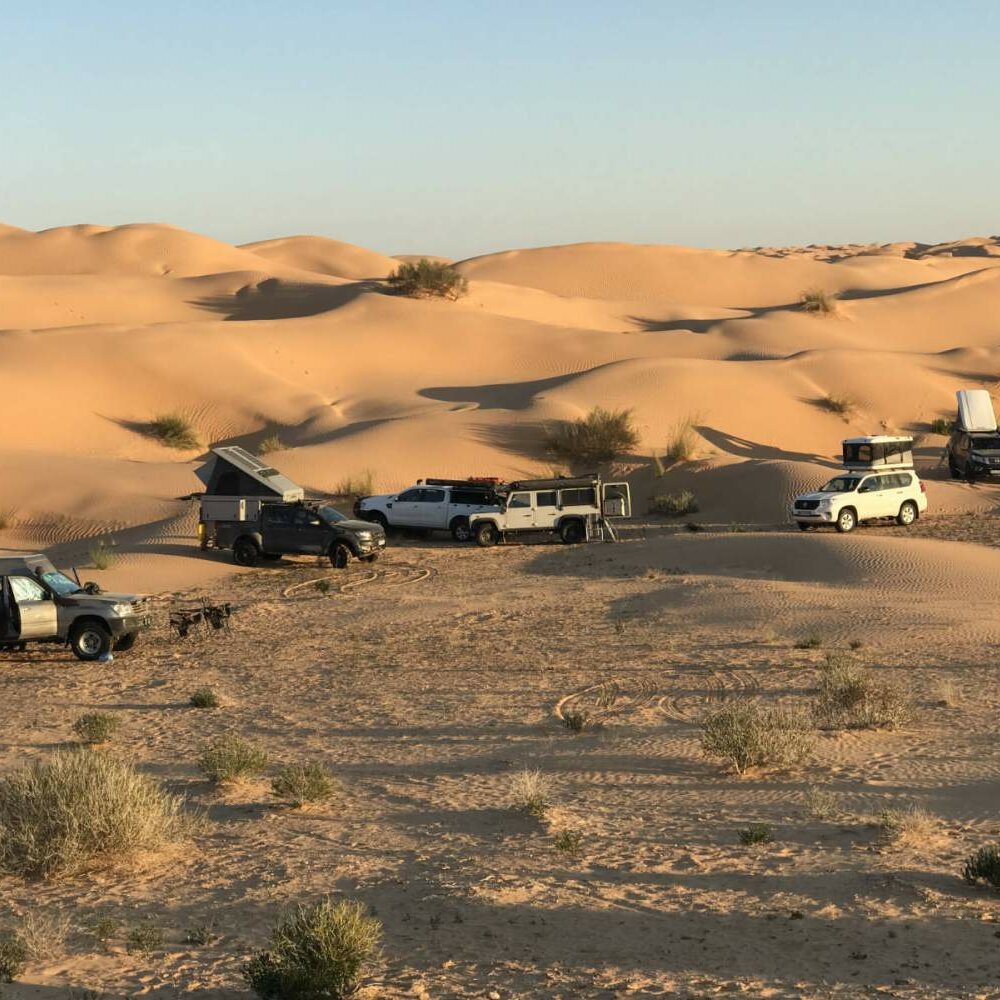
In the end what counts is that you are in the right place at the right time. The Sahara rewards patience in choosing the month: if you travel in winter or spring, you experience it at its friendliest.
Answered briefly
Frequently asked questions
- Which month is best for Tunisia?
- For the whole country, March to May and September to November are the most pleasant. If you are going to the Sahara, November to March is ideal, because the days are mild and the sand is firm. At Easter it is still quite bearable there as well.
- Can I do a Sahara tour in summer?
- We advise against it. In high summer it is extremely hot in the south, vehicles and people are under heavy strain, and breakdowns become dangerous. That is why we offer the desert tours in the cooler half of the year and recommend summer for the coast.
- How cold does it get at night in the desert?
- In winter it gets clearly cold after sunset, and in a wild camp you need a good sleeping bag, a hat and warm layers. During the day, on the other hand, it is mild to warm. The differences between day and night are big, so plan clothing for layering.
- Which tour suits New Year's Eve or Easter?
- For the turn of the year there is the 15-day New Year's Eve tour with wild camp and driving training, the next start is on 19 December 2026. At Easter there is the 14-day family trip, starting on 27 March 2027, with a simple driving level that also suits beginners.
- Do I need experience in sand for the tour?
- Not necessarily. The Easter trip and the tour for trucks and campers are designed for beginners, and there is driving training before the dune stages. For the classic Sahara tour you should bring a real 4x4 and some experience.