 Featured

OFFROAD-TRAVEL · TUNISIA
Sahara Truck Adventure Tour:
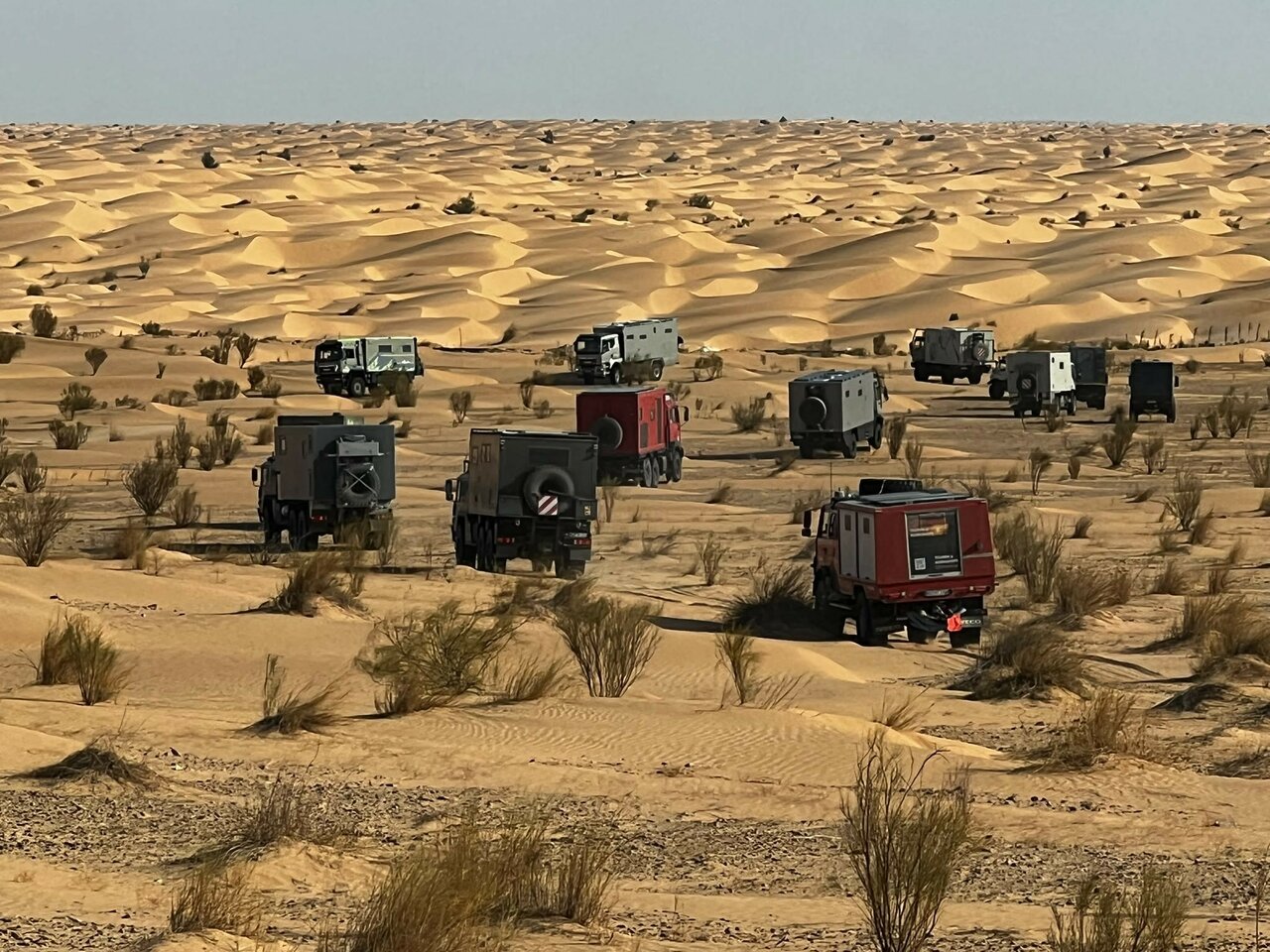
With your Unimog, 4x4 truck or expedition vehicle, you drive from Genoa to the edge of the Sahara and on to the oasis of Ksar Ghilane. The route follows a proven line over asphalt, firm tracks and selected sandy sections instead of cutting straight across the great dune fields.
How long?
14 Days
When?
Mar 13, 2027
Price
€ 4,500
/ Person
The Journey
Unimog 4x4 Camper & Expedition Vehicle Africa Off-Road Trip
The tour takes you and your expedition vehicle through the south of the country: via Kairouan and Gafsa to the oases of Tozeur, along the causeway across the Chott el Djerid to Douz, into the dunes of Tembaine and on to the oasis of Ksar Ghilane. The return leads over the Dahar Mountains and Matmata to the coast. Along the way the group stays at campsites with sanitary facilities and in a few wild camps, and the daily stages stay moderate. Ideal for anyone who brings off-road experience with a Unimog, 4x4 truck or motorhome in Tunisia and wants to experience the Sahara away from the tarmac.
Key Highlights of the Trip
Key Highlights of the Trip
01
Route for heavy axles
01
Route for heavy axles
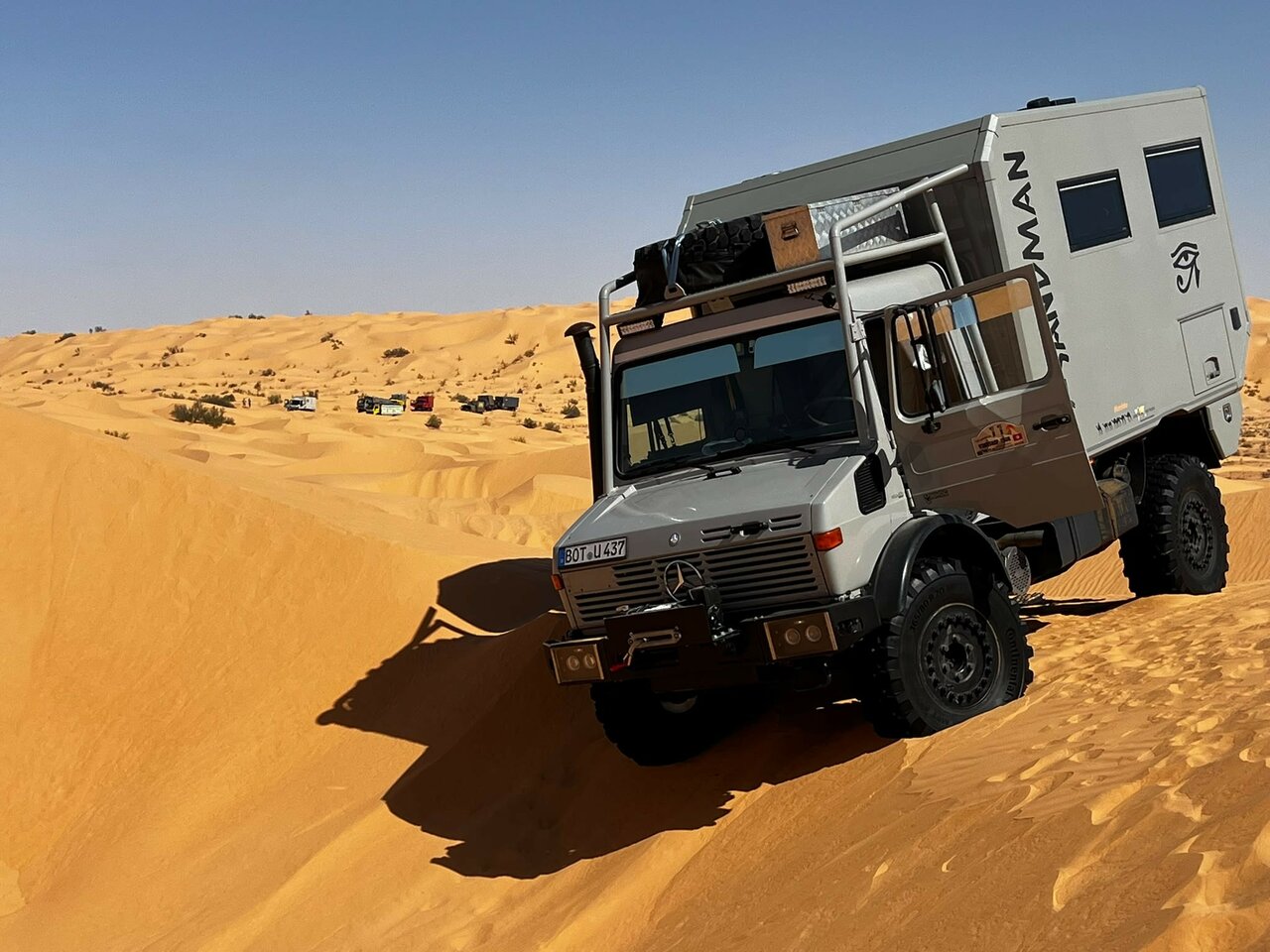
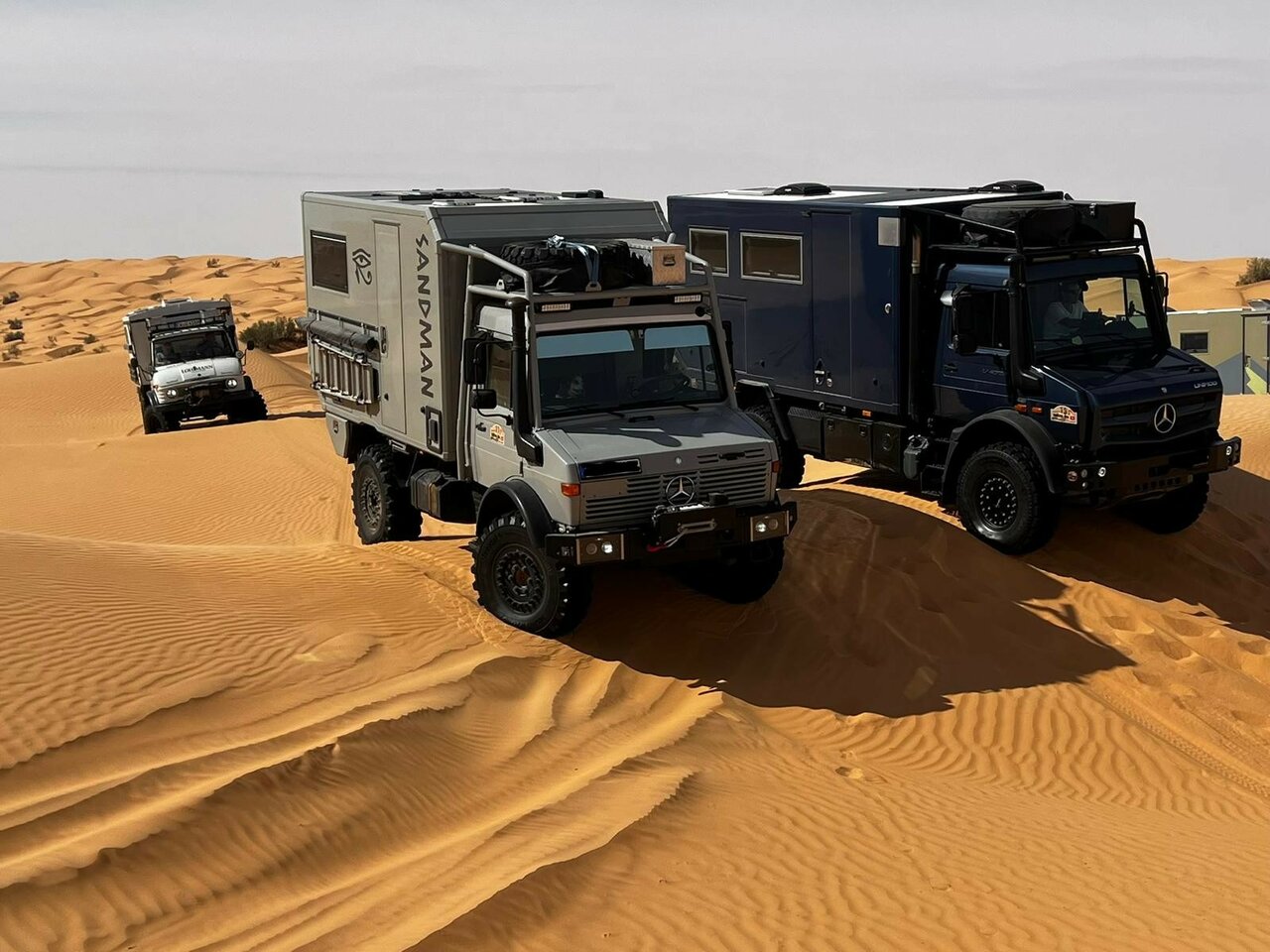
The route follows a proven line through southern Tunisia. Asphalt, firm tracks and selected sandy sections make it drivable for Unimogs, 4x4 trucks and expedition vehicles.
02
Dunes of Tembaine
02
Dunes of Tembaine
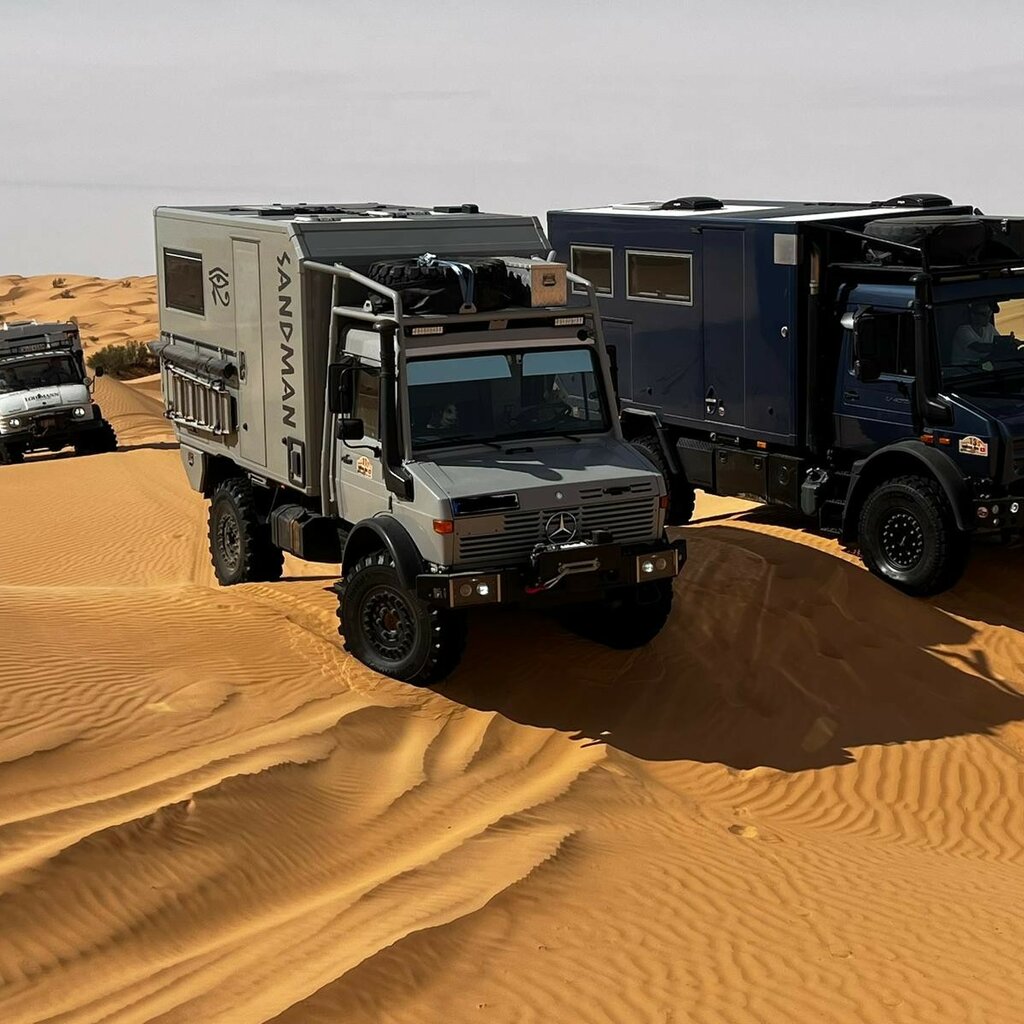
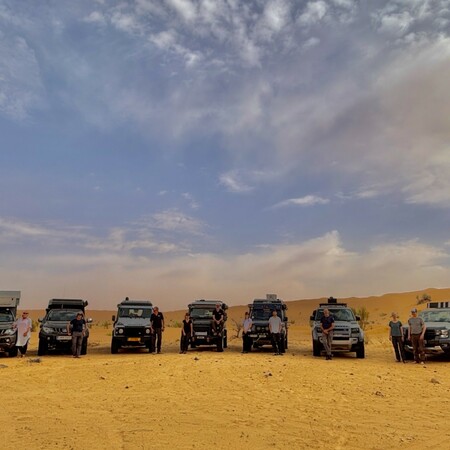
Around Tembaine you meet your first real Sahara dunes and climb on foot to the top of the rocky hill rising out of the sand. The wild camp lies in the middle of the vast sea of sand.
03
Ksar Ghilane oasis
03
Ksar Ghilane oasis
Two nights in the oasis of Ksar Ghilane with a warm spring, palm trees and the remains of a Roman fort. Time for a swim, some work on your vehicle and exploring the area.
04
Film sets near Tozeur
04
Film sets near Tozeur
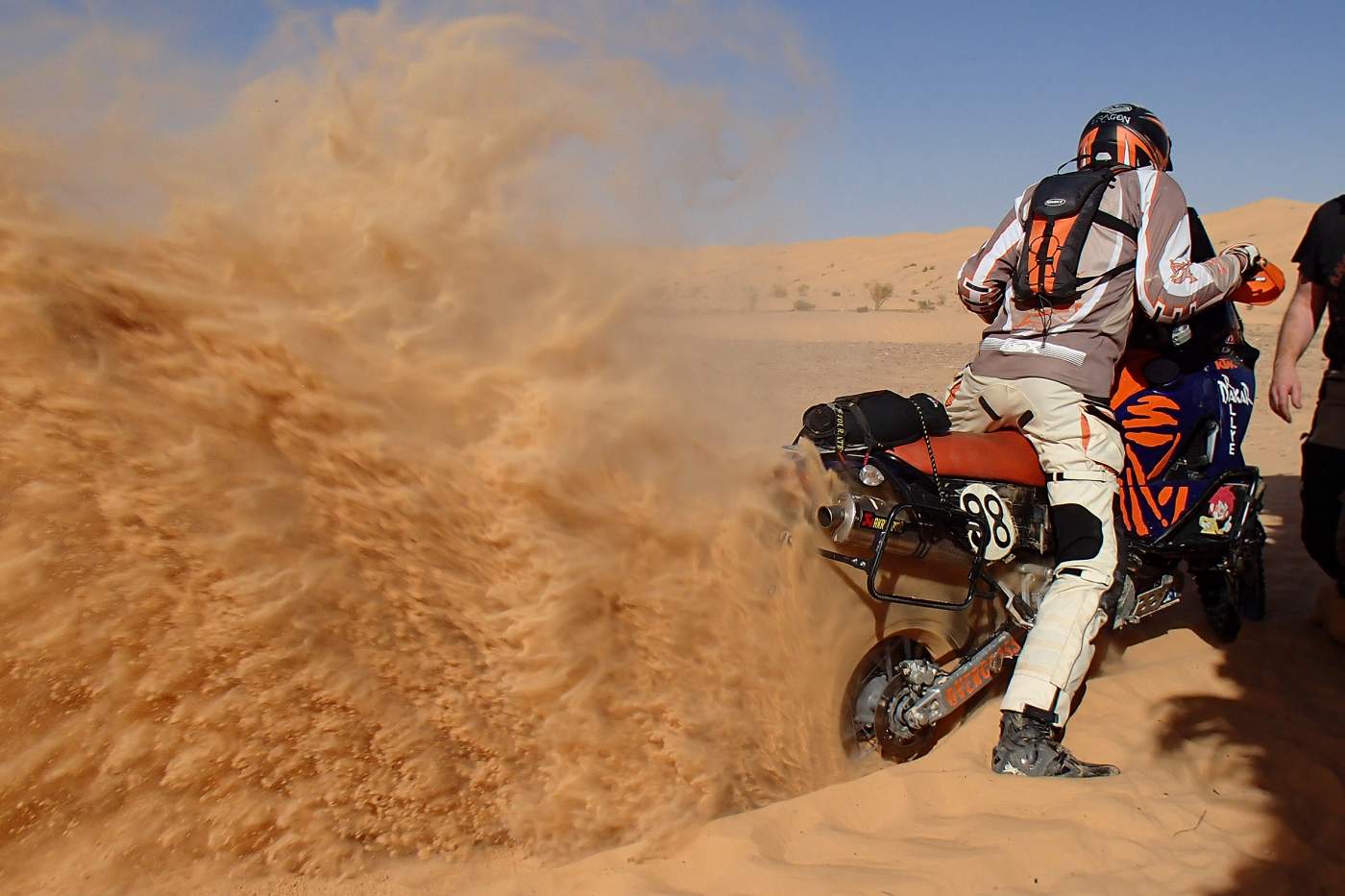
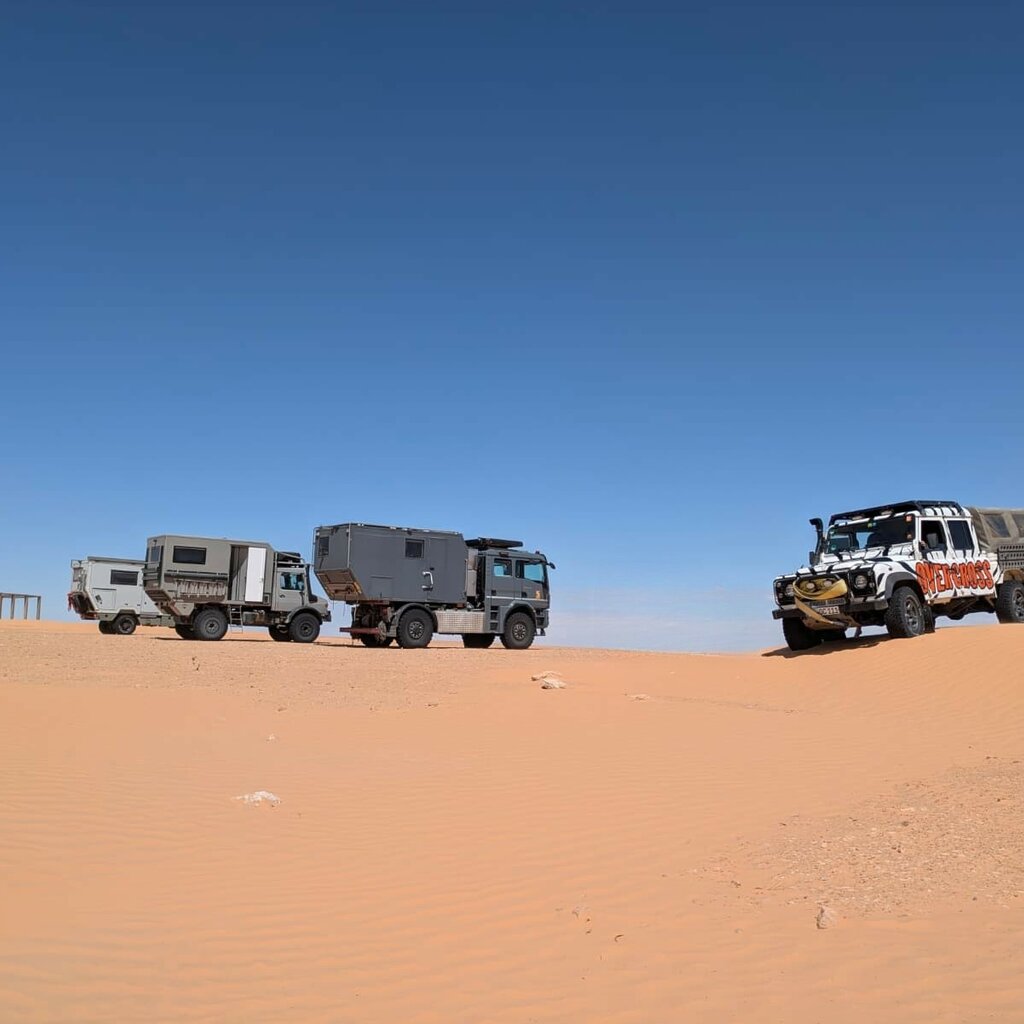
Near Tozeur you visit a well-known film set in the middle of the sand and then start your sand training. You practise dune driving with your truck on manageable terrain before heading further south.
05
Dahar Mountains & salt lake
05
Dahar Mountains & salt lake
The causeway across the Chott el Djerid, one of the largest salt lakes in Africa, and the cave dwellings of Matmata in the Dahar Mountains show you Tunisia between mirages and Berber culture.
Days 1-15
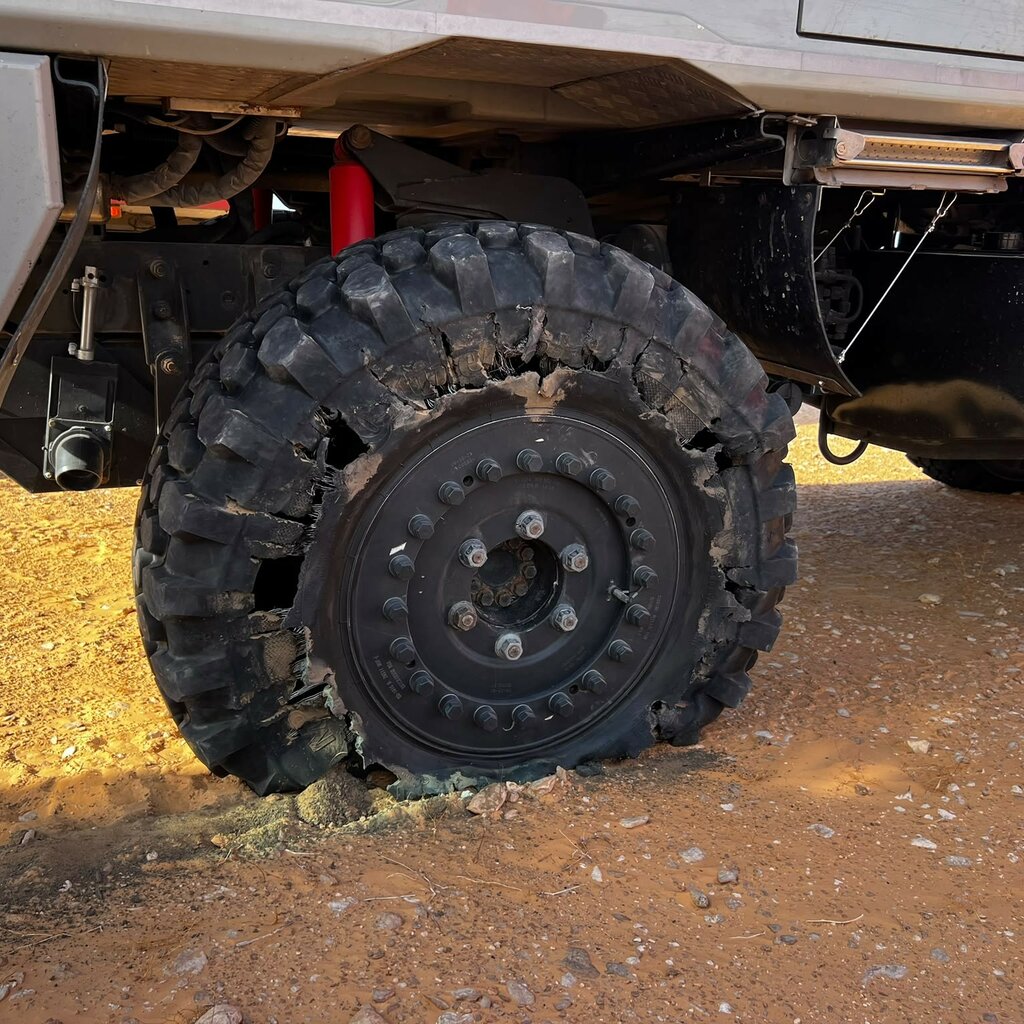
Tübingen → Journey to the ferry port of Genoa
Your expedition begins before the first grain of sand. All participants receive their info pack in advance, with meeting points, an equipment list and tips for preparing the vehicle. Whether you join directly at Overcross in Tübingen, in Switzerland or only at the port of Genoa is up to you. In the evening the group meets and the radios are tested.
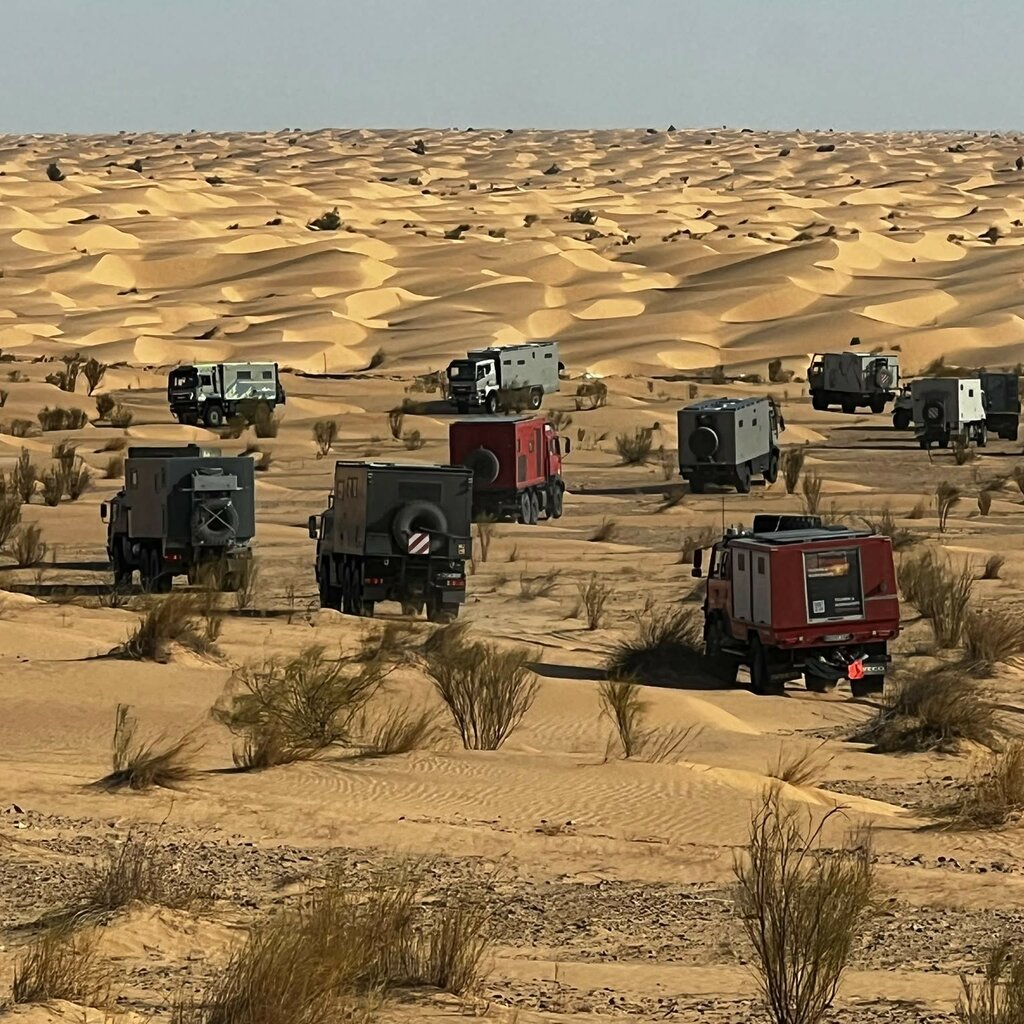
Genoa, start of the Sahara tour
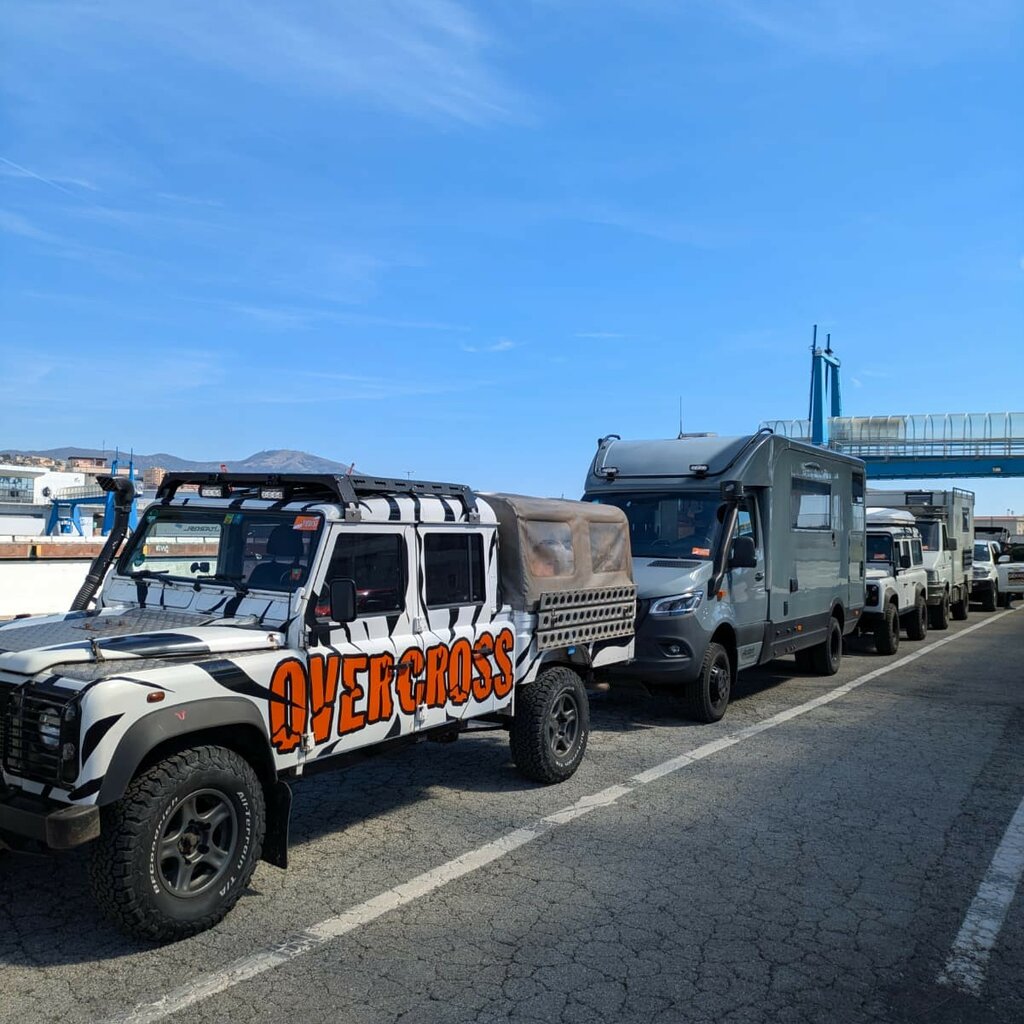
Unimogs, 4x4 trucks and expedition vehicles roll into the port of Genoa. The convoy meets between 3 and 4 pm. At the CNT terminal you receive your ferry tickets along with the fast-lane sticker. The ferry sets course for the Mediterranean as the lights of Genoa fade behind you.
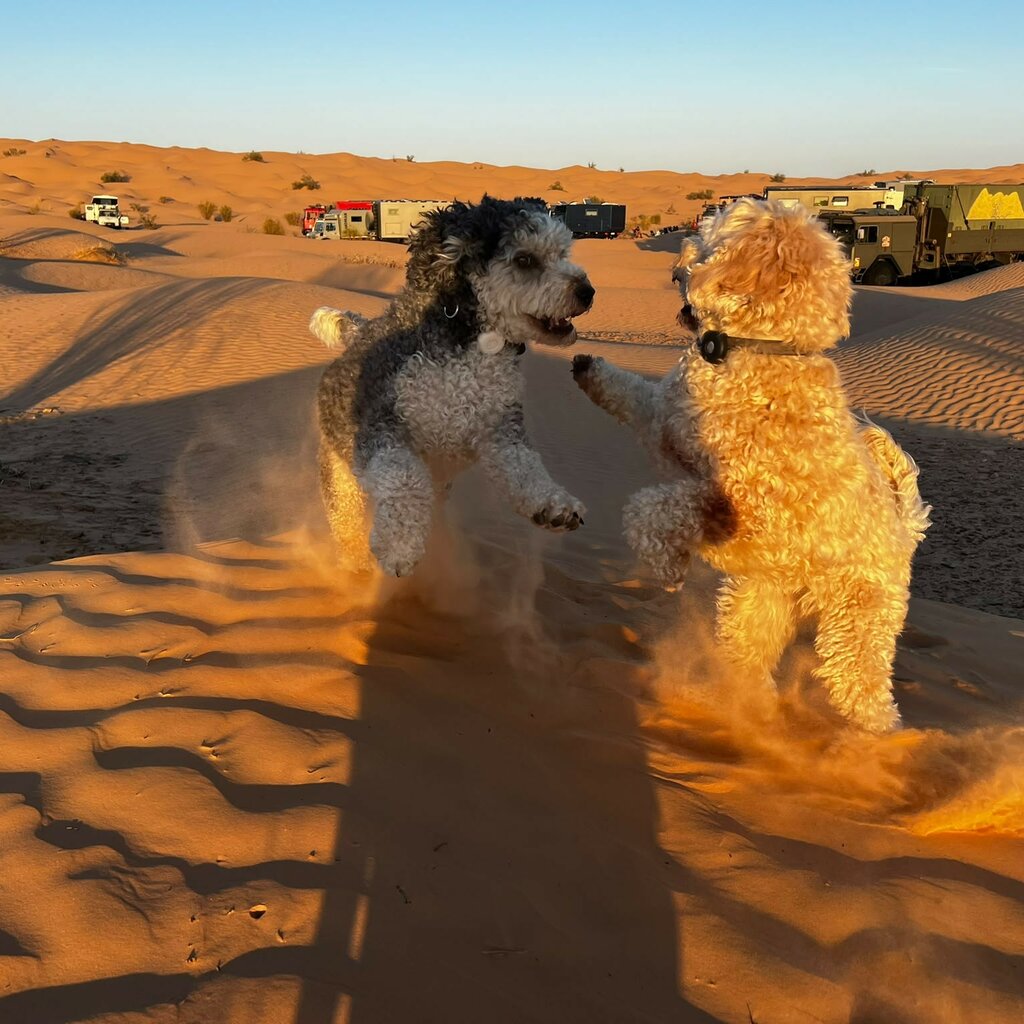
Tunis → Hammamet
As soon as Cap Bon appears, the ferry enters the port of La Goulette. Thanks to the VIP service, you stand on African soil with your vehicle and a stamped passport in about 45 minutes. The convoy continues to Hammamet, and you spend the first night in a hotel by the sea.
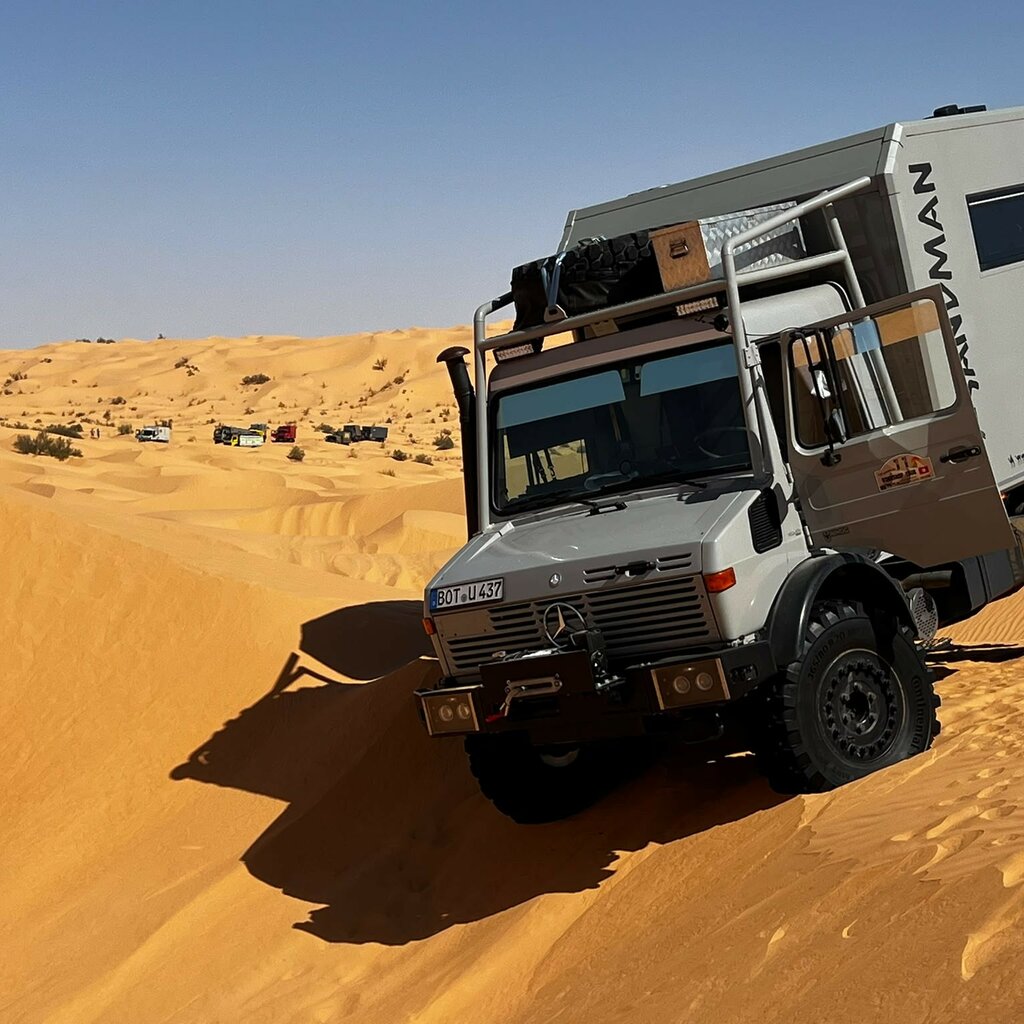
Kairouan → Gafsa
After breakfast the convoy heads inland, coordinated by radio. You make a stop in Kairouan, one of the holy cities of Islam, then steppe and mountain ranges alternate until the landscape becomes barer. In Gafsa the first camp is at a campsite, a quiet start to the journey.
Oasis landscapes to Tozeur
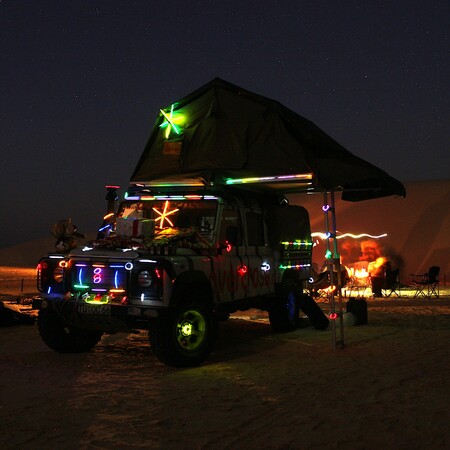
Between mountains, dry riverbeds and green palm groves, the route leads south to Tozeur, one of the best-known oasis towns in the country. The stage runs on asphalt and firm tracks, easy to drive for any heavy vehicle. You set up camp under date palms, and in the evening the expedition kitchen cooks Tunisian food.
Film set and sand training near Tozeur
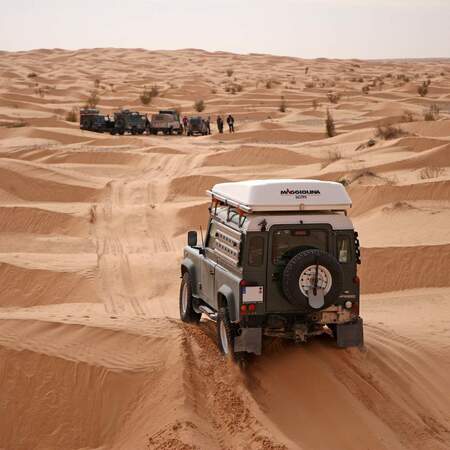
A day straight out of a film: you visit a well-known Star Wars set near Tozeur. Then comes the first sand training on manageable terrain: tyre pressure by axle load, pulling away in sand, keeping momentum and recovery with sand ladders and a recovery strap. You learn dune driving with a truck here step by step. In the evening the first wild camp is set up.
Chott el Djerid → Douz
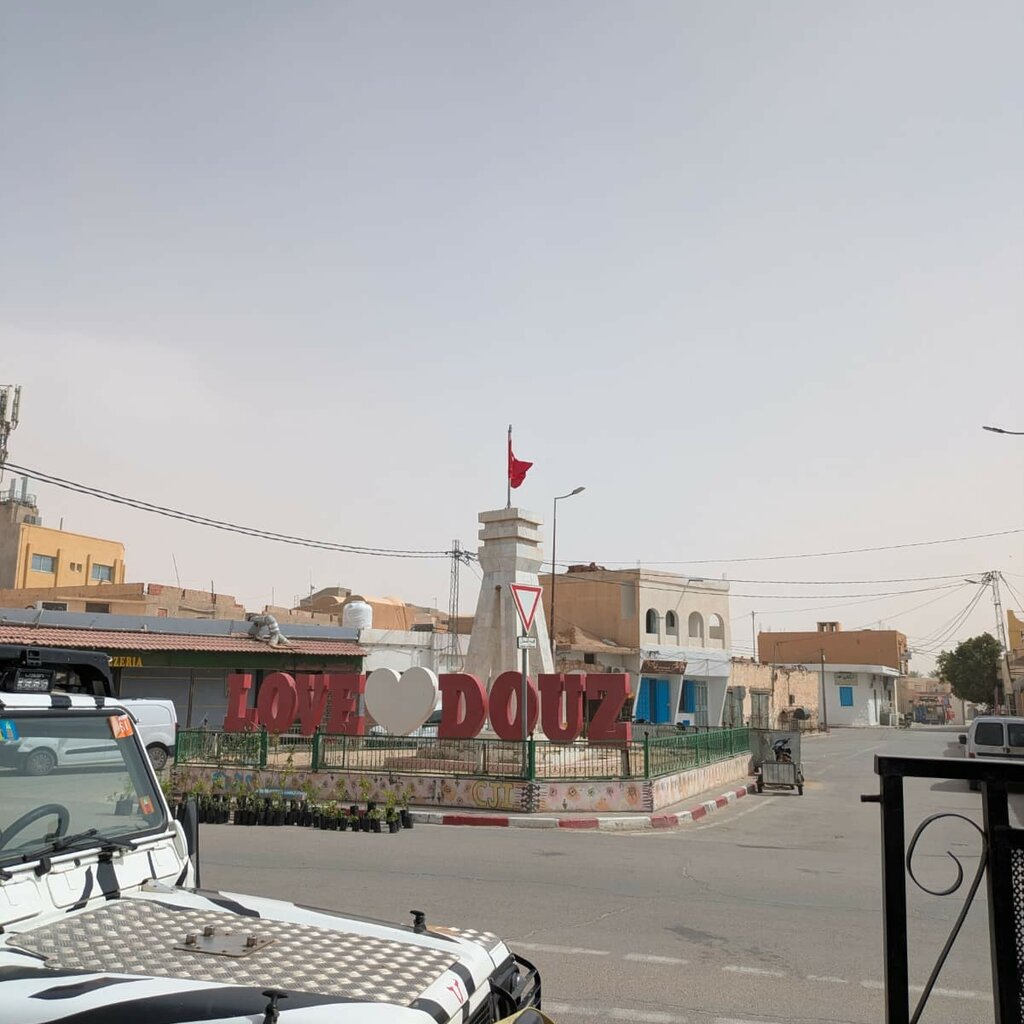
You cross the Chott el Djerid, one of the largest salt lakes in Africa, on the causeway. White expanses, reflections and the mirage accompany the drive, while the road offers safe ground even for heavy vehicles. In Douz, the gateway to the Sahara, the group takes a campsite.
Douz, rest day and vehicle check
Today there is no schedule. You stroll through the market of Douz, check tyres, filters and recovery equipment, and fill up water and diesel for the coming sand days. The guides go through the stages to Tembaine and Ksar Ghilane with every team, so your vehicle is ready.
Questions about the tour itinerary?
Our tour guide is happy to answer any questions about the day-by-day route, stops, and details.
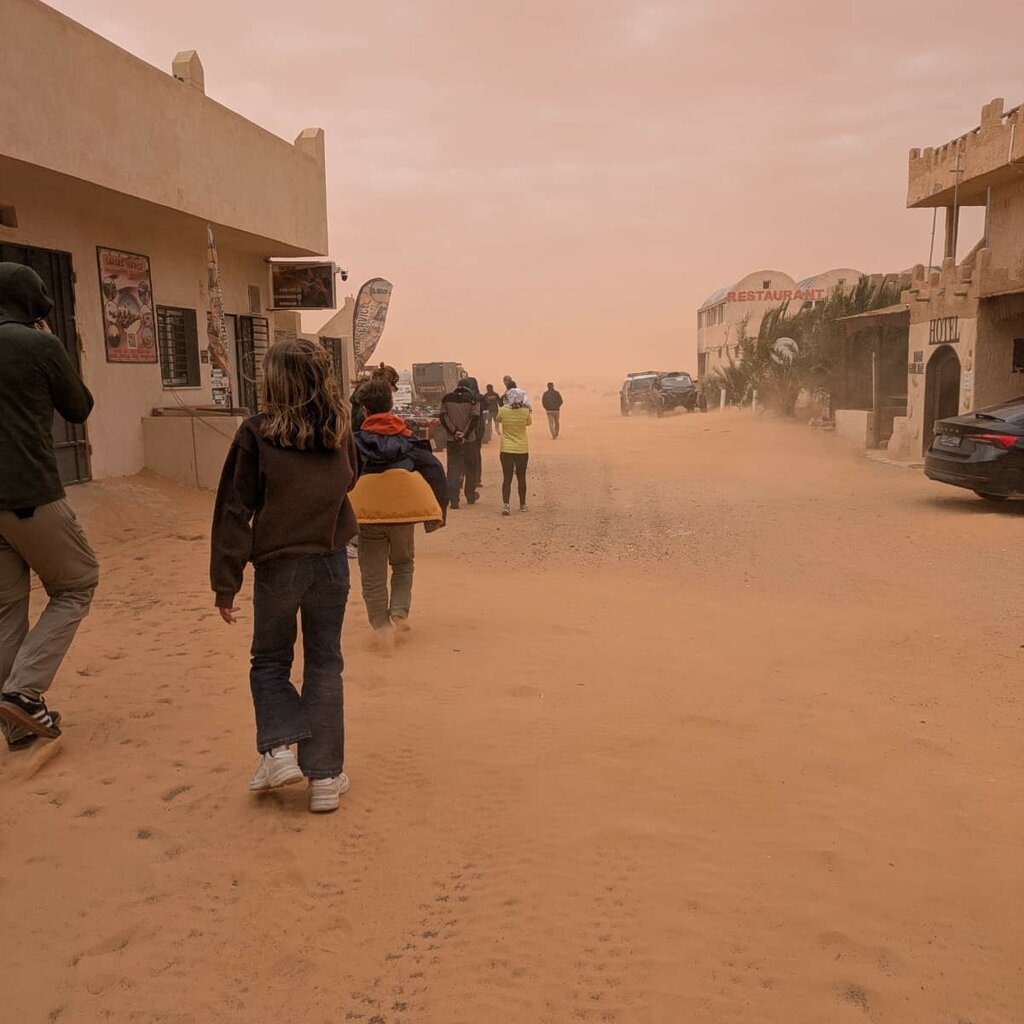
Douz → Tembaine, first Sahara dunes
The convoy moves deeper into the desert to the dunes around Tembaine. The guides set the line according to axle load and sand conditions, and heavy vehicles drive with additionally reduced tyre pressure and close support. On foot you climb the rocky mountain of Tembaine and look out over the sea of sand. The wild camp lies in the middle of the vastness.
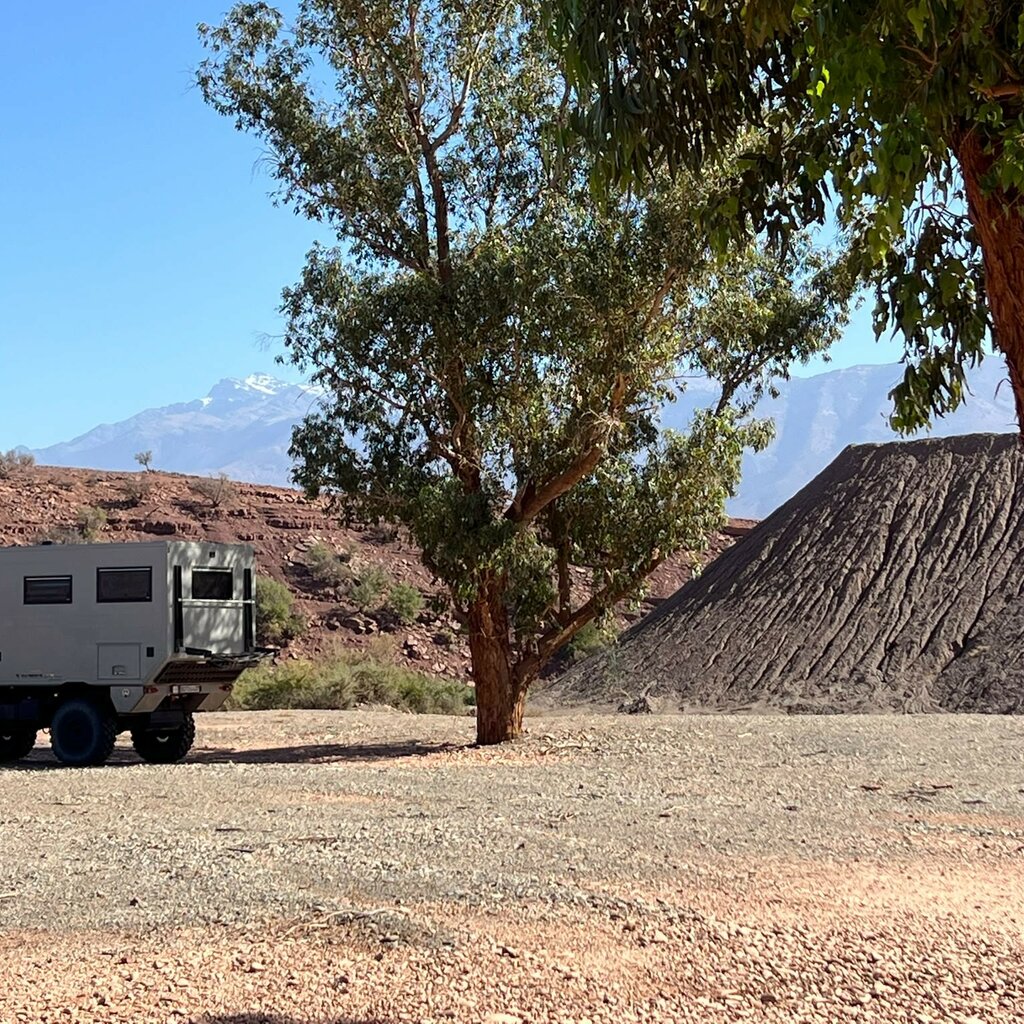
Tembaine → Ksar Ghilane oasis
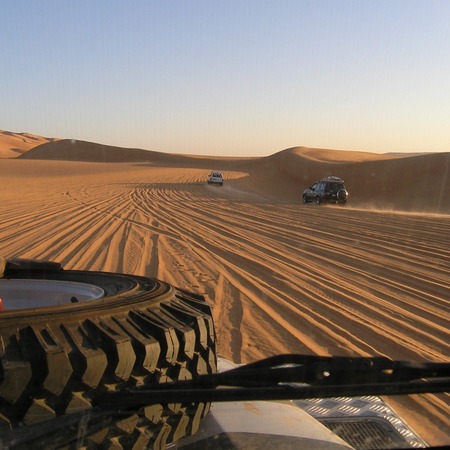
Today the sandiest section of the journey awaits. As a team, with radio and coordinated tyre pressure, the convoy reaches the oasis of Ksar Ghilane. Warm springs, palm trees and a camp for two nights reward the stage. In the evening lamb and couscous are cooked together.
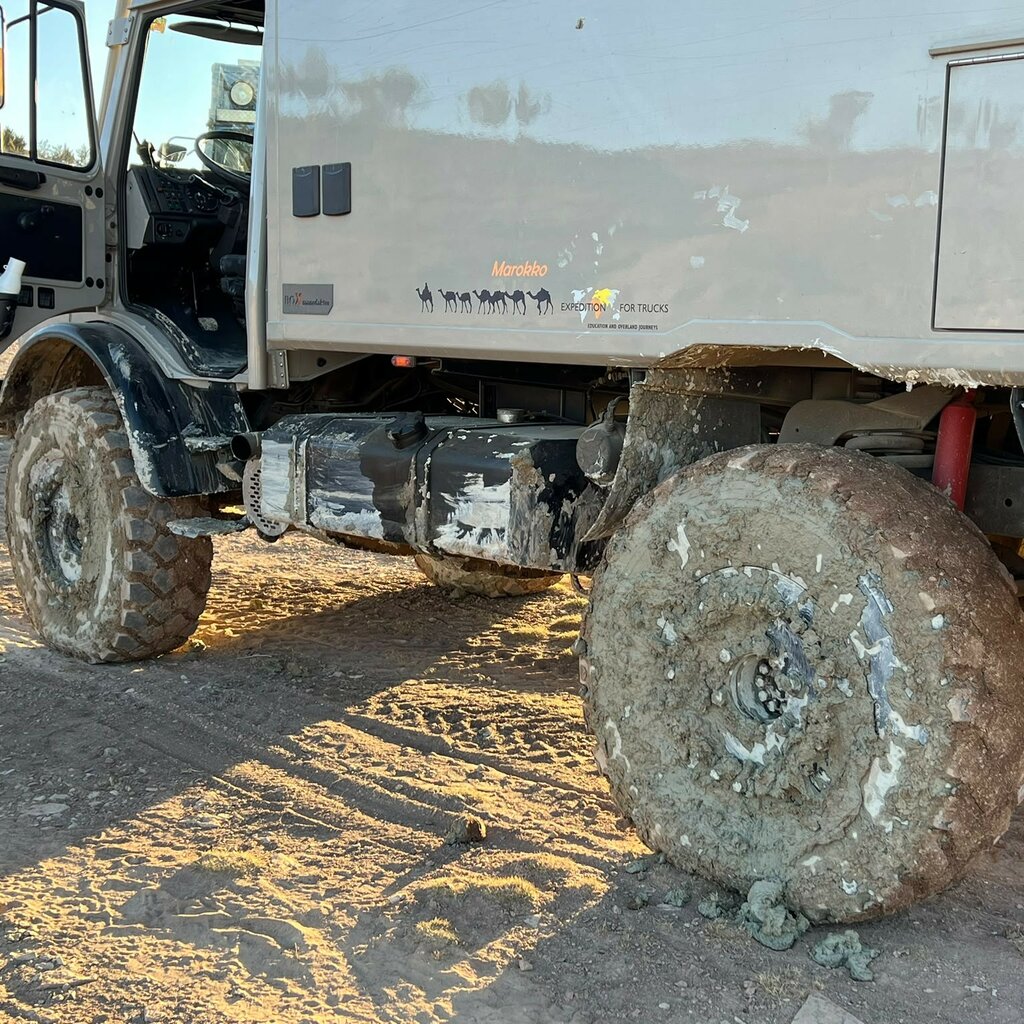
Ksar Ghilane, a day in the oasis
A day without moving camp: bathing in the warm spring, a trip to the remains of the Roman fort and time to tinker with your vehicle. If you like, you can practise with the guides on the sandy areas around the oasis. In the evening you bake desert bread together and listen to stories from nomads.
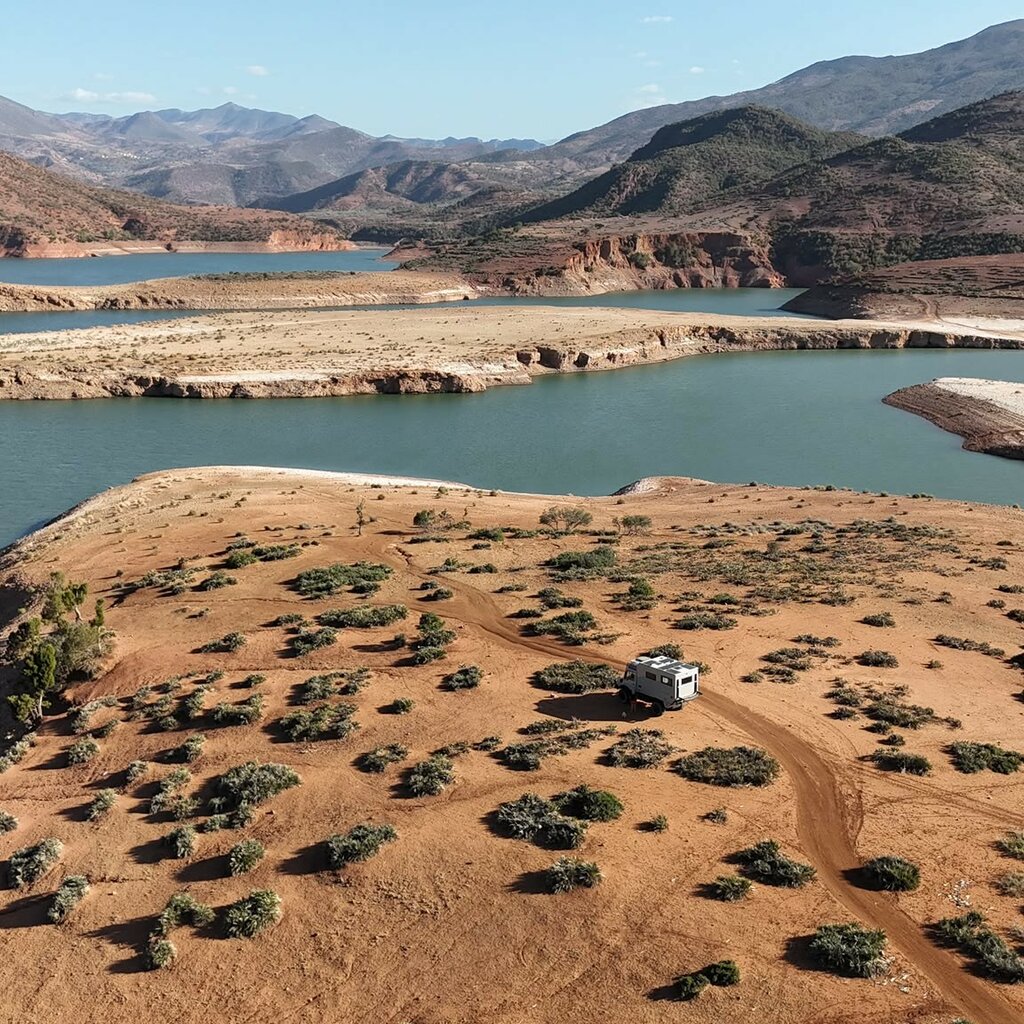
Ksar Ghilane → Matmata, Dahar Mountains
The convoy leaves the Sahara to the north and climbs into the Dahar Mountains. Past Berber villages you reach Matmata with its cave dwellings, and the landscape changes from sand to rock. The last camp night gives you time to look back over the stages.
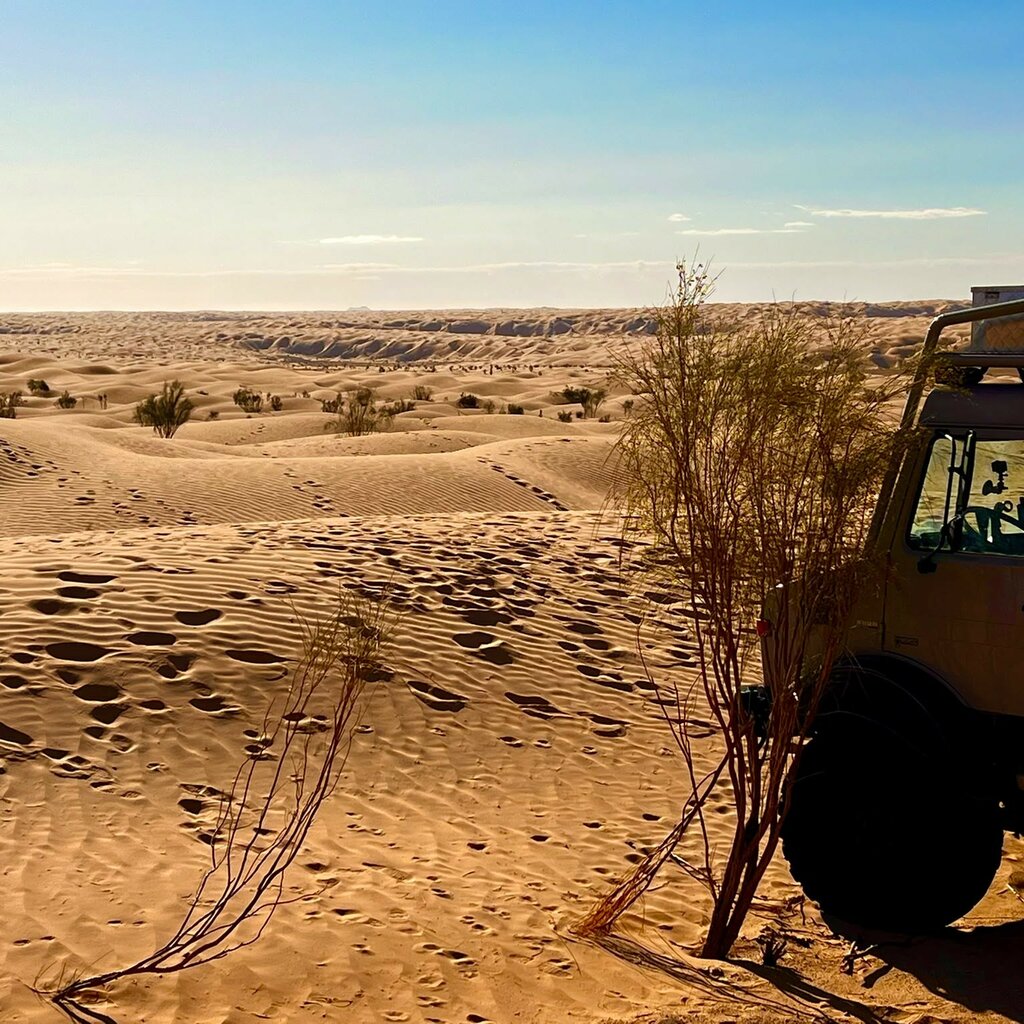
Matmata → Hammamet
After days of silence, the road returns: via Gabès and the motorway along the coast you head to Hammamet, where a hotel with an infinity pool awaits. The contrast could not be greater, and your cabin gets a night off.
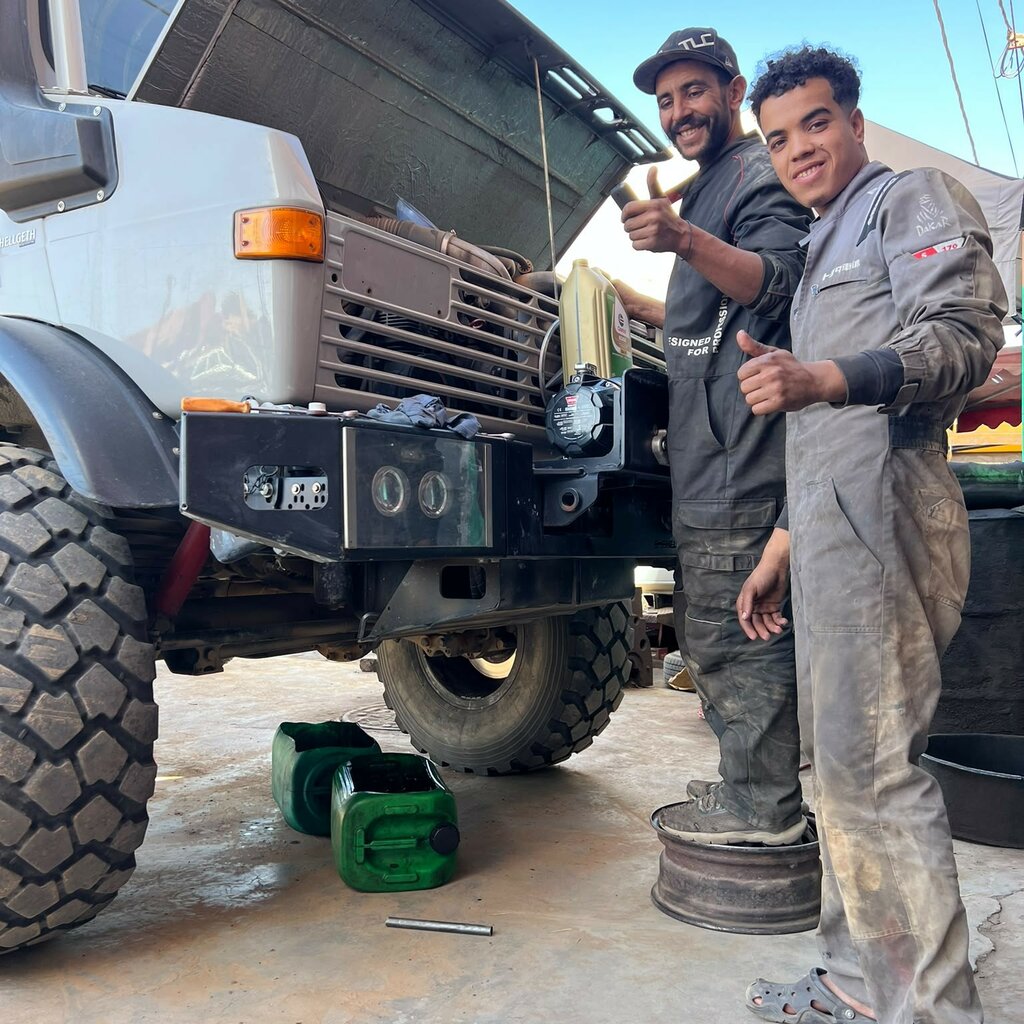
Return journey, ferry to Genoa
Breakfast, drive to Tunis, check-in for the ferry. The formalities go quickly, and loading runs just like on the way out. In the evening at sea, one last meal together. Africa sinks away behind you, the Sahara stays in your head.
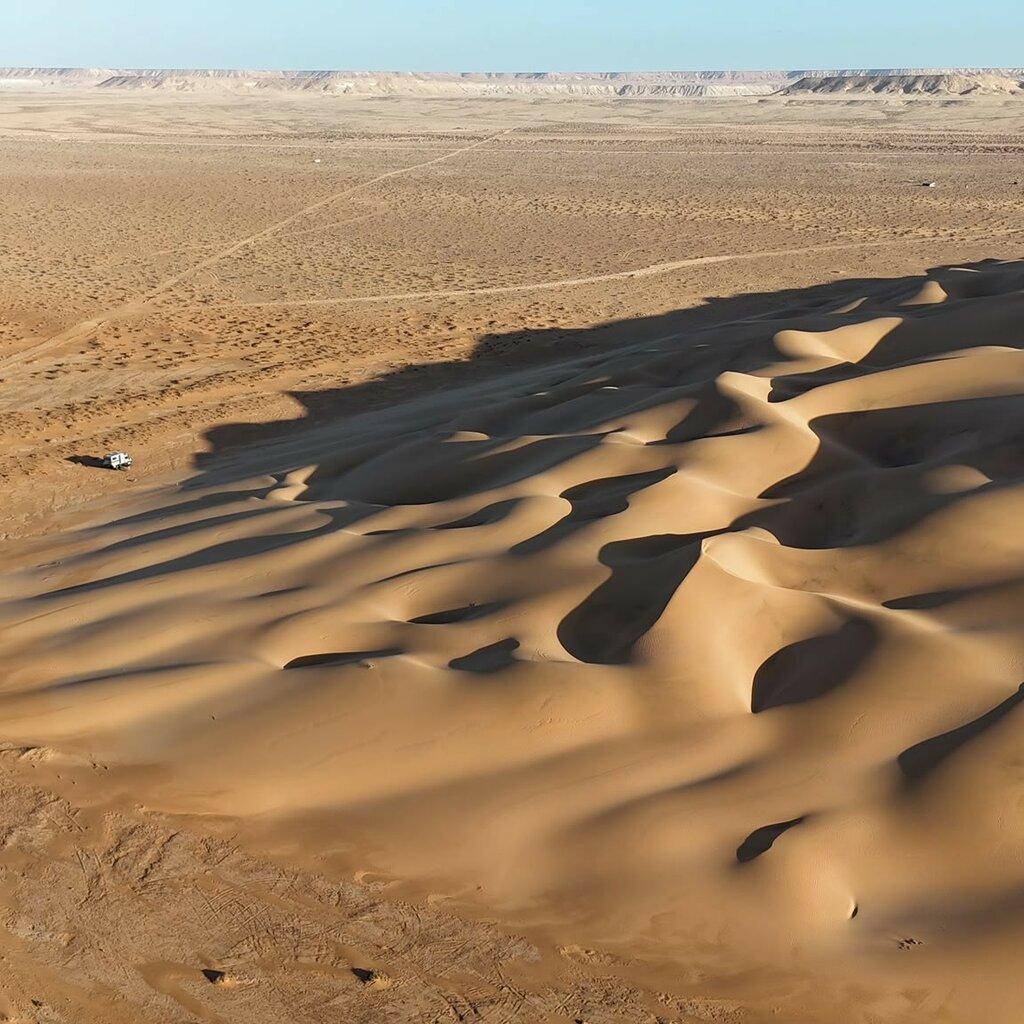
Arrival in Genoa
At midday Genoa comes into view: engine on, eyes forward, dust in every crevice. The journey ends here, but its echo stays: the oases, the rustle of the sand and the feeling of having experienced something real in the Sahara with your own vehicle.
Want a detailed description of all tour days?
Our expert will walk you through the full itinerary and answer all your questions.
PRICE
from
€ 4,500
/ person
Price Options
Driver in own vehicle (Unimog, truck, expedition vehicle)
€ 4,500
per passenger
€ 1,000
Passenger (children)
€ 580
Driver in rental 4x4 (Land Rover Defender or similar) incl. camping equipment
€ 5,820
Additional Options
Single room/single cabin
€ 300
Ferry Genoa → Tunis → Genoa per car/4x4
€ 600
Ferry Genoa → Tunis → Genoa per truck/Unimog/expedition vehicle
€ 800
Trip includes
- Hotel by the sea on the first and last night in Tunisia (shared double room)
- All campsites and wild camps as per the programme
- Breakfast and dinner from the expedition kitchen
- A cook from 10 vehicles upwards, who prepares Tunisian cuisine in the Sahara together with the participants
- German-speaking tour guide for the entire tour
- Escort and support vehicle
- Technical help and support with vehicle repairs
- Radios for all vehicles in the group
- All permits, including for the Sahara restricted zone
- Tolls in Tunisia
- Port fees in Tunisia and Genoa
- Travel security certificate (insolvency protection under § 651r para. 4 BGB)
Service
Notes:
- All our tour descriptions are meant as a suggested itinerary only. The exact route can be adapted to current conditions on the ground, although we always do our best to stick to the itinerary described.
FAQS
-
Can I drive through the Sahara in Tunisia with a Unimog?
Yes. This tour is planned for exactly that. The route follows a proven line over asphalt, firm tracks and selected sandy sections around Tozeur, Tembaine and Ksar Ghilane. It deliberately leaves out the great dune fields of the Grand Erg Oriental. -
Which vehicles suit this tour?
Unimogs, 4x4 trucks, expedition vehicles and 4x4 motorhomes. Four-wheel drive, low-range gearing and a differential lock are mandatory, as are all-terrain or mud-terrain tyres. Send us the weight, height and length of your vehicle before booking, and we will check whether it suits the route. -
Can I join without my own vehicle?
Yes. You then ride along in a rental off-road vehicle, a Land Rover Defender or a comparable model, including camping equipment. You can choose this option directly when booking. -
Can I bring a living cabin?
Yes. In 2025, two cabins with 250 and 650 kg of extra weight already came along and coped superbly. A living cabin is no obstacle on this route, as long as the suspension and payload are designed for it. -
Why doesn't the route go to the lost lakes and through the Grand Erg?
The soft, steep dunes around the lakes and deep in the Grand Erg Oriental are needlessly risky for heavy vehicles with high axle loads and a high centre of gravity. That is why this tour stays on the edge of the Sahara, with sandy sections near Tembaine and Ksar Ghilane. -
How do we cross the Chott el Djerid?
On the causeway. Away from it, the salt crust can give way, especially after rain, which is an unnecessary risk for heavy vehicles. You still see the reflections and the vastness of the salt lake up close. -
Do I need a visa for Tunisia with my own vehicle?
No, EU citizens do not need a visa. A passport valid for at least 6 more months is enough. Travelling in Tunisia with a motorhome or truck, you also need to carry your green insurance card and the vehicle registration documents. -
How do entry and customs work for vehicles in Tunisia?
At the ferry in Tunis, your vehicle is temporarily imported and recorded in your passport. With the Overcross VIP service this usually takes only 45 minutes. On departure the import is cancelled automatically, so the journey home runs smoothly too. -
How safe is a truck trip through Tunisia?
Tunisia is one of the safest countries in North Africa for organised travel. Overcross has worked with local authorities and guides for more than 25 years. Satellite communication, GPS tracking and experienced desert guides keep you safe. -
What tyre pressure is right in sand for a Unimog or truck?
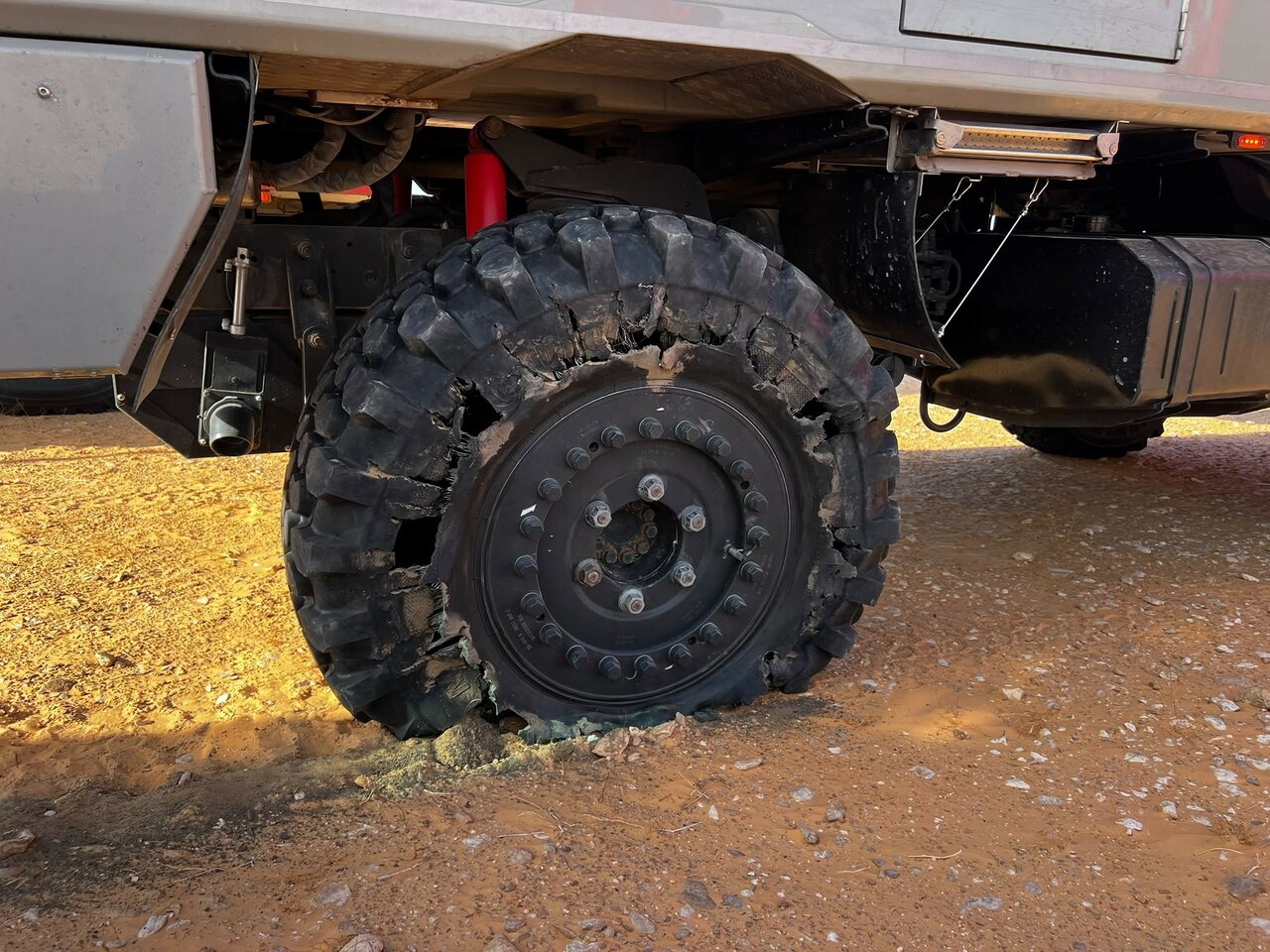
The pressure is lowered considerably in sand, and the exact value depends on axle load, tyre size and terrain. The guides agree it with you before every sand stage, so your vehicle keeps traction and does not dig in. An on-board compressor is mandatory for this. -
What range does my expedition vehicle need?
Tunisia has a good network of filling stations. You fill up completely in Douz before the sand days, so plan enough diesel for the stages via Tembaine and Ksar Ghilane up to the Dahar Mountains. Heavy vehicles use considerably more fuel in sand than on the road, so a spare jerrycan belongs on board. -
Do I need sand ladders, a recovery strap or a winch?
Sand ladders and a recovery strap rated for your vehicle's weight are strongly recommended, and a winch is optional but helpful. In sand, heavy vehicles are best recovered by each other, which is why the convoy drives as a team and nobody gets left behind. -
How difficult is dune driving with a truck in Tunisia?
Dune driving with a truck takes concentration and feel, not speed. Near Tozeur the guides show you line choice, building momentum and recovery for heavy vehicles before you head to Tembaine and Ksar Ghilane. You should bring off-road experience with your own vehicle. -
How long are the daily stages?
We plan moderate stages of about 4 to 6 hours of actual driving time, plus breaks and briefings. The routes run over asphalt, tracks and sandy sections, leaving time in the evening for camp and vehicle. -
Where do we sleep?
In cabins on the ferry. In Tunisia you sleep in a hotel by the sea only on the first and last night. In between, the group uses campsites with sanitary facilities in Gafsa, Tozeur and Douz, plus a few wild camps, for example in the dunes of Tembaine. -
Are there workshops or spare parts along the route?
There are workshops for off-road vehicles in Douz, Kebili and Tozeur. For a Unimog or 4x4 truck, you should carry important wear parts, filters and V-belts yourself. The guides are mechanically experienced and help with repairs along the way. -
Is there mobile reception or internet in the desert?
The mobile network works well in towns and oases, but mostly not in the dunes. The group is connected by satellite and radio, and contact with the base is possible at any time. Wi-Fi is available at the start and end of the tour. -
Is there medical care in the desert?
Yes, Overcross carries basic medical equipment, satellite communication and a support vehicle. Larger towns such as Douz and Tozeur have hospitals. Emergency plans and evacuation options are in place for every stage. -
When is the best time to visit the Sahara in Tunisia?
Between October and April. In summer the Sahara can exceed 40 °C during the day and drop below 10 °C at night. In these months temperatures are mild and the air is clear, ideal for days on the tracks and nights in camp. -
What can I photograph in Tunisia?
Only photograph people with their permission, especially women. Along the way you meet nomads, shepherds and traders, and a smile and a thank you in Arabic open more doors than any lens.
OVERCROSS note on itinerary
The above travel description is a non-binding online proposal and does not represent a binding travel itinerary. We expressly reserve the right to make changes to the route, schedule, and accommodations (§ 651d BGB in conjunction with Art. 250 EGBGB). The terms and conditions of OVERCROSS apply.Terms and Conditions of OVERCROSS
Similar Adventures
offroad-travel
6 tours
Featured
 Featured
 Featured
 Featured
Send request

How did you
hear about us?