Tunisia from 2.050 €

Germany from 299 €

Peru from 2.379 €

South Africa from 869 €

Namibia from 1.129 €

Greece from 1.579 €

Switzerland from 1.289 €

Senegal from 4.729 €

Mauritania from 4.729 €

Nigeria from 9.899 €

India from 2.469 €

France from 270 €

Spain from 1.239 €

Italy from 1.079 €

Chile from 2.819 €

Morocco from 2.059 €

Kenya from 1.899 €

Austria from 2.679 €

Tanzania from 2.369 €

Ukraine from 2.060 €

Cameroon from 9.899 €

Congo (DR) from 9.899 €

Western Sahara from 4.729 €

Balkan from 669 €

China from 8.899 €

Travel Information Tunisia

Egypt's Secrets: Discover Tunisia's Magical Coast

Everything you need to know about Tunisia

Travel map of Cameroon by the tour operator Overcross

Travel map of Tunisia by the tour operator Overcross


  1. General travel information for Tunisia
  2. Travel climate in Tunisia
  3. Geography in Tunisia
  4. Flora and fauna in Tunisia
  5. National parks and nature conservation in Tunisia
  6. Population in Tunisia
  7. Politics and economy in Tunisia
  8. Transport network in Tunisia
  9. Cities and regions in Tunisia
  10. Culture and sights in Tunisia
  11. Holidays in Tunisia
  12. Medical information for Tunisia
  13. Travel advice for Tunisia
  14. Foreign representation in Tunisia
  15. Information sources for Tunisia


1. General travel information for Tunisia

Continent: Africa
Geographical location: North Africa, on the Mediterranean coast
Highest point: Djebel Chambi (1544 m a.s.l.)
Longest river: Medjerda (450 km)
Form of government: Republic
System of government: Semi-presidential government system
Languages: Arabic
Neighboring countries: Libya and Algeria
Capital: Tunis
Area: Approx. 164,000 km²
Population: Approx. 12.0 million people (2023)
Population density: 73 inhabitants per km²
Religions: Approx. 98% Muslims, small minorities of Christians and Jews
Currency: Tunisian Dinar; 1 EUR is about 3.4 TND. Current exchange rates can be found at oanda.com
Travel climate: Mediterranean and arid climate
Time zone: UTC + 1
Country code: +216
Country code: TN
Electricity: In Tunisia, power sockets of type C and E are used. A travel adapter is recommended. The mains voltage is 230V at 50Hz alternating current. An overview of the sockets and plugs used in our travel countries can be found at wikipedia.de

back to top of page


2. Travel climate in Tunisia

Tunisia has a Mediterranean, balanced travel climate in the regions influenced by the Mediterranean Sea. With increasing distance from the coast, the climate becomes similar to the hot and dry conditions of the Sahara. Precipitation decreases from north to south and increases slightly from east to west. The north of Tunisia is wet in winter and dry in summer, the central Tunisian steppe region has a varied climate with hot summers, cold winters, and decreasing precipitation, and south of the Tunisian salt pans there is a desert climate.
The average temperatures on the Tunisian coast are 10 °C in January and 27 °C in August. South of the Atlas Mountains, there is a year-round dry-hot desert edge climate with very irregular precipitation. Here, temperatures can reach maximum values of up to 45 °C, and there can be temperature differences of up to 10 °C in the shade. Extreme temperature differences can occur when traveling in the Sahara, with summer temperatures of 50 °C and ground frosts in winter. The Saharan wind known as the sirocco can bring unbearable heat.
Rainfall occurs almost exclusively in the winter months, but in exceptional cases, heavy rainfalls can also occur during summer trips, turning previously dried-up wadis into raging streams. While the annual precipitation on the northern coast and in the mountains is between 500 and 1000 mm, which is sufficient for successful rain-fed agriculture, arid climate conditions prevail in southern Tunisia, with stronger evaporation than the irregularly occurring precipitation, which amounts to at most 200 mm per year.
 

Travel climate chart for Tunis by the tour operator Overcross


Travel climate chart for Djerba by the tour operator Overcross


Travel climate chart for Gafsa by the tour operator Overcross


Travel climate chart for Remada by the tour operator Overcross

back to top of page


3. Geography of Tunisia

The northern Tunisian highlands are predominantly shaped by the eastern foothills of the Atlas Mountains. Along the northern Mediterranean coast, from the Algerian border to the Bay of Bizerte, lie the mountain ranges of the Kroumirie (700 - 800 m), followed to the east by the flatter Mogod highlands with an altitude of 300 - 400 m. The mountain ranges, which are attractive for traveling in Tunisia, mostly drop steeply into the Mediterranean with rocky cliffs. On the southern, leeward side of the coastal mountains lies the fertile valley basin of the Medjerda, Tunisia's longest river at 450 km, which is the only river in the country to carry water all year round. Important parts of Tunisian agriculture are concentrated in the lower reaches of the Medjerda.
Bordering the valley basin of the Medjerda is the Dorsale, the northernmost part of the Tell Atlas Mountains, which run from northeast to southwest, which is a popular travel destination and rises to the highest mountain in Tunisia, Djebel Chambi, at an altitude of 1,544 m above sea level. East of the Dorsale lies the coastal region known as the Sahel, which is very fertile due to rain-bringing easterly winds and is a pleasant travel area for Tunisia. To the south lies the region of the Central Tunisian steppe, characterized by dry valleys (wadis) and bordered to the south by the depression of the Schott, which runs from Algeria into the country. This depression, not to be missed on any round trip, lies below sea level and is marked by salt lakes (schotts) such as the Chott el Djerid and numerous oases. Even further south, at the eastern edge of the Great Erg, Tunisia merges into the desert landscape of the Sahara with the Jebil National Park, which is popular for adventure travel.

back to top of page


A mesa in the Tunisian Sahara

A mesa in the Tunisian Sahara


4. Flora and fauna in Tunisia

The typical Mediterranean vegetation in the north of the travel country Tunisia is home to Aleppo pines, juniper trees, deciduous forests, cork and holm oaks, or even vineyards depending on the altitude. In southern Tunisia, with the exception of the oasis gardens worth seeing while traveling, where a variety of crops are cultivated in a small space and supplied with constructed irrigation channels, you will find steppe vegetation with shrubs, wild grasses, and typical esparto grass.
When traveling through Tunisia, you can observe wild boars, lynxes, and a variety of snake species, including poisonous snakes such as cobras or horned vipers, in the forests. The remaining populations of wild donkeys are protected by a hunting ban. Hyenas, jackals, gazelles, wild goats, and typical desert animals such as the jerboa and the fennec fox live in the southern and drier regions of the country. The birdlife includes, among others, the osprey, peregrine falcon, long-eared owl, and bearded vulture. The marsh areas of the Ichkeul National Park in the north of the country—worth seeing on trips to Tunisia—are an important bird sanctuary and are listed as a UNESCO World Natural Heritage Site.

back to top of page


5. National parks and nature conservation in Tunisia

In Tunisia, there are 17 national parks and protected areas that are intended to preserve and protect different types of vegetation and habitats, and are among the most popular travel destinations in Tunisia. The most famous is the Ichkeul National Park, which stretches over 126 km² and includes Lake Ichkeul. The park owes its unique ecosystem to being included in the list of UNESCO natural World Heritage Sites. A visit to Forêt El Feija National Park in the northwest of the country, which is distinguished by the impressive mountain landscape of the Kroumirie, is also worthwhile on a trip to Tunisia. The Djebel Chambi National Park in the central west of Tunisia is home to Barbary deer and wild boars in the ancient forests of cork and holm oaks. The huge Jebil National Park in southern Tunisia covers a large area of 1500 km² of the Tunisian Sahara and offers endless vastness and solitude for adventure travel. Other national parks of interest for a trip to Tunisia include the small Boukorine National Park south of Tunis, the Zembra National Park consisting of an island and surrounding waters in the Gulf of Tunis, the Sidi Toui National Park located in the southeast on the border with Libya, and the Bou Hedma National Park located in the central steppe region of Tunisia.

back to top of page


6. Population in Tunisia

Although the population of the travel destination Tunisia, with over 12 million inhabitants, has almost doubled since gaining independence from France in 1956, population growth in Tunisia is today at about 1%, the lowest in Africa, with an average age of around 32 years. Almost all Tunisians identify culturally with Arabs, although their genetic ancestry is more to be found among the Berbers and Iberians; only about 2% of the population belong to other ethnic groups. In the 7th century, the first Arabs came to the country with the conquest of the Maghreb states. At that time, a large number of Tunisians were converted to Islam, and new cities such as Kairouan and Mahdia were founded. From the 11th century onwards, Arab Bedouins—the Banu Hilal—who had been expelled from Egypt, settled in what is today Tunisia, thus finally sealing the linguistic and cultural Arabization of the country. The Berber language and culture have only been preserved in some isolated areas in the mountains. The official language is Arabic and, although the Arabic language has been promoted by corresponding government regulations, in many places, in addition to the Tunisian Arabic variant Derija, French and also English are spoken, enabling travelers to communicate sufficiently during a trip to Tunisia. The state religion is Islam and the majority of the population are Sunni Muslims. Christians and Jews now only represent a small minority in the Tunisian population.
About two thirds of Tunisians prefer to live in cities along the coastal regions.

back to top of page


Ruins at the mountain oasis Chebika, Tunisia

Ruins at the mountain oasis Chebika, Tunisia


7. Politics and Economy in Tunisia

The government of the Republic of Tunisia consists of the Prime Minister and the ministers and state secretaries appointed by him. Together with the President of the Republic, the government is the dual head of the executive branch. The head of government is proposed by the president and selects his own ministers and state secretaries, although the foreign and defense ministers are appointed in consultation with the president. The head of government is dependent on the confidence of his individual ministers and the parliament, which is equipped with a strong position, to which he must simultaneously justify his actions.
As an emerging country, Tunisia has worked its way into a leading position within the Maghreb region. Agriculture, which was previously the most important economic sector, now employs only about one fifth of Tunisia's working population. Through close ties with the EU, Tunisia aims to join the group of industrialized nations. The most important natural resources are oil and phosphates, but zinc, lead, iron ore, natural gas, and salt are also extracted. Electrical appliances, textiles, leather goods, and products from the mechanical industry are the main export goods. The most important trading partners are France, Italy, and Germany. With more than seven million tourists annually, Tunisia is a very popular travel destination, especially for European tourism, on whose revenue the Tunisian economy cannot afford to miss out.

back to top of page


8. Transportation network in Tunisia

The road network in the travel destination Tunisia is almost 19,000 km long, of which 257 km are built as motorways. Almost 12,500 km of the road network are paved, the rest consists of tracks and unpaved roads. A large part of the public passenger transport is handled by buses or shared taxis called Louage via the roads.
The railway network of Tunisia is 2,145 km in length and mostly dates back to the colonial period. It serves the 200 stations for long-distance and local traffic, which in particular connect the suburbs of Tunis and Sousse with the city center.
Among the 30 airports in Tunisia, seven international airports are available for long-distance travel. The most important are Tunis Airport (TUN), Monastir Airport (MIR), and Djerba Airport (DJE).
Seaports or commercial ports are located in Bizerte, Gabès, La Goulette, Radès, Sfax, Sousse, Skhira, and Zarzis. A new deep-sea port is being built in Enfidha on the northeast coast of Tunisia.

back to top of page


9. Cities and regions in Tunisia

The travel destination Tunisia is administered in 24 governorates, which are mostly named after their respective capitals and whose sizes are determined by population density. The governorates are further divided into a total of 264 delegations, with the lowest administrative level forming the actual municipalities or districts. For a travel recommendation through Tunisia, the following cities should not be missed:

Tunis
The capital of Tunisia and provincial capital of the governorate of the same name is with over 1.2 million inhabitants the largest city of the travel destination. Tunis is both the economic and cultural center of Tunisia with all major institutions, and forms a central transport hub in the travel destination Tunisia due to its dense road and highway network and advanced flight connections.
As one of the oldest cities on the Mediterranean, Tunis already existed before the arrival of the first Phoenicians in the 9th century BC, but in antiquity always stood in the shadow of mighty Carthage, whose archaeological remains are located in the suburb of the same name and belong to the World Heritage Site. After the French annexation of Tunisia in 1881, the French made Tunis the seat of their protectorate administration and carried out numerous urban development changes. Between the old town and the sea, a new city in European style was built and the city port was connected to the newly constructed port of La Goulette via a shipping canal through the Lake of Tunis. Tunis, whose historical core, the Medina, is today listed as a UNESCO World Heritage Site, has numerous sights that should be visited during a trip. The cityscape is characterized by a strong contrast between the oriental old town and the new city with a European flair. In the center of the old town stands the Ez-Zitouna Mosque, which after the Great Mosque of Kairouan is the most important mosque in Tunisia. Around the mosque extends the market quarter, in which traditionally each of the market alleys (souks) is assigned to a particular branch of economy. Also worth seeing is the Place of Victory with the former city gate at the border between the old and new town. The over 1.5 km long and lined with shops, cafés, and hotels, the grand avenue Avenue Habib Bourguiba forms the main axis of the new city and invites you to linger and stroll.
About four kilometers west of the city center is the former villa suburb of Le Bardo with the palace district laid out by the Hafsids in the 15th century and expanded by the Turkish Beys, which today houses the Tunisian Parliament and the National Museum.

Sousse
With over 200,000 inhabitants, the port city of Sousse on the Gulf of Hammamet on the Mediterranean is the third largest city in Tunisia. The capital of the governorate of Sousse forms the metropolis of the Tunisian Sahel and was founded as a trading post as early as the 9th century BC by the Phoenicians. The old city of Sousse, which dates back to this time, is surrounded by a 2.25 kilometer long city wall and has been a UNESCO World Heritage Site since 1988. On the eastern edge of the old town lies the port established from 1899 with the new city built north of it. The beachside promenade, lined with tourist hotels, is a popular boulevard for travelers and tourists. On a cultural trip to Sousse, one should definitely visit the Ribat, a fortification of the Islamic frontier from the year 821 AD, the main mosque and the Bou-Fatata mosque, the fortress (Kasbah) with the Archaeological Museum of Sousse and the Koran school.

Bizerte
The Tunisian port city of Bizerte has been an important maritime and trading center on the Mediterranean for almost two millennia with an outer harbor and two inner harbors. In the city, founded around 1100 BC by the Phoenicians as a trading post, about 130,000 inhabitants live today. After Bizerte was an important naval base for Tunisian corsairs until the French annexation, the city, after being converted into a military base by the French, is now a center of the Tunisian oil industry, but with its beautiful coastal stretches, is also turning to tourism and offers a popular bathing destination for trips through Tunisia. Architecturally significant is the building of the city administration.

back to top of page


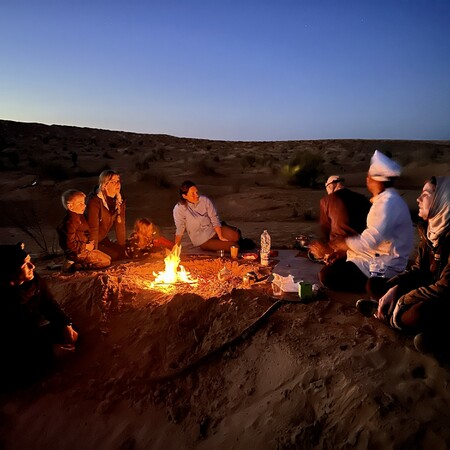
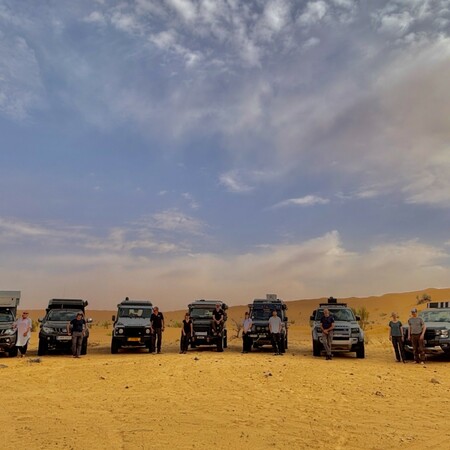
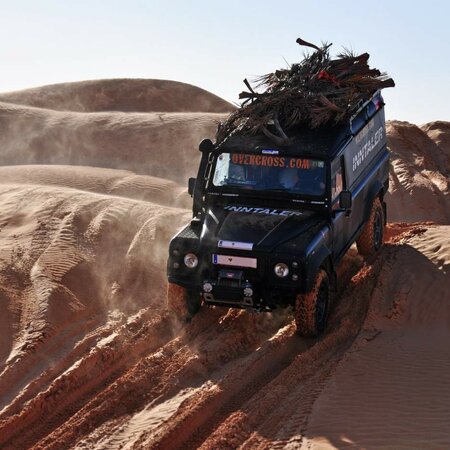
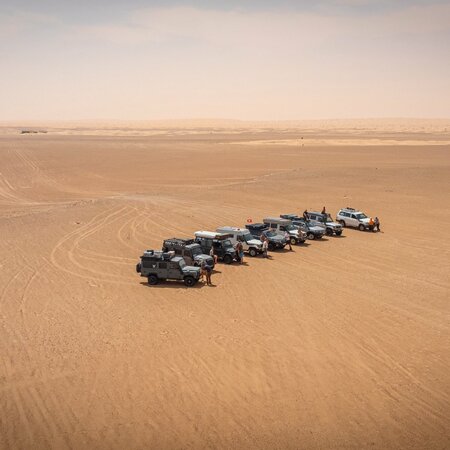
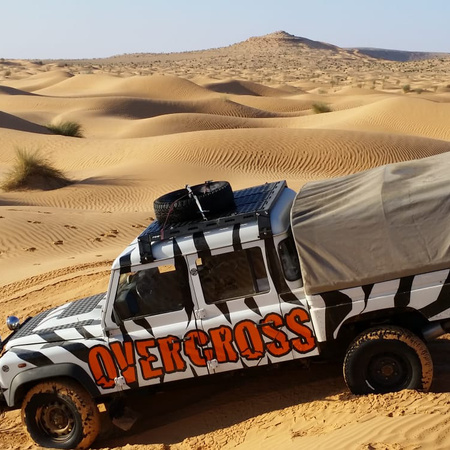
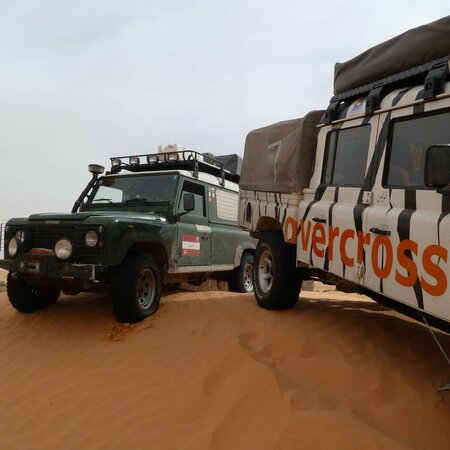
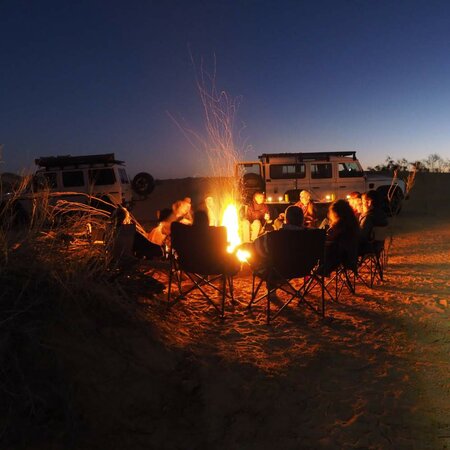
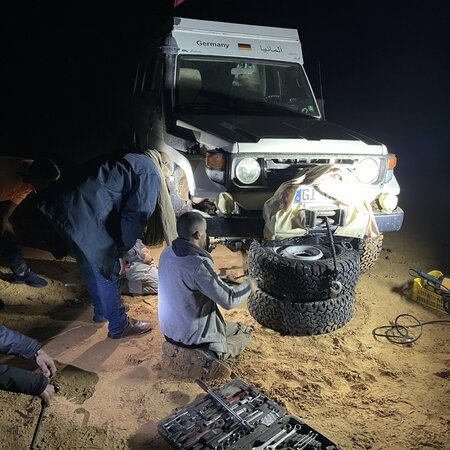
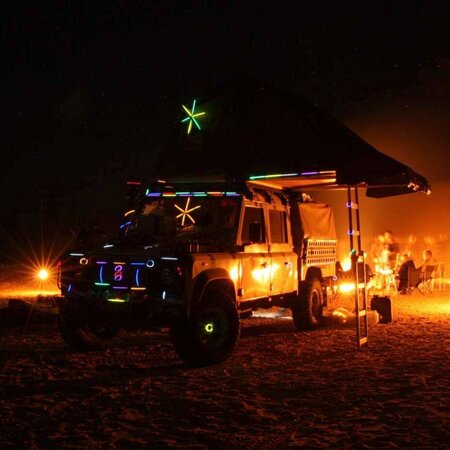
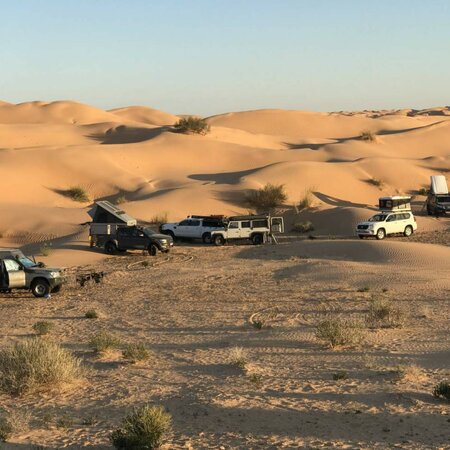
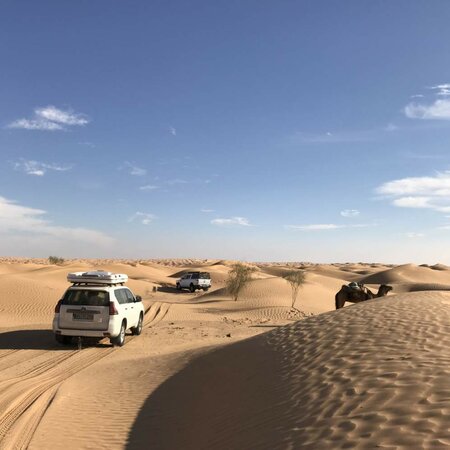
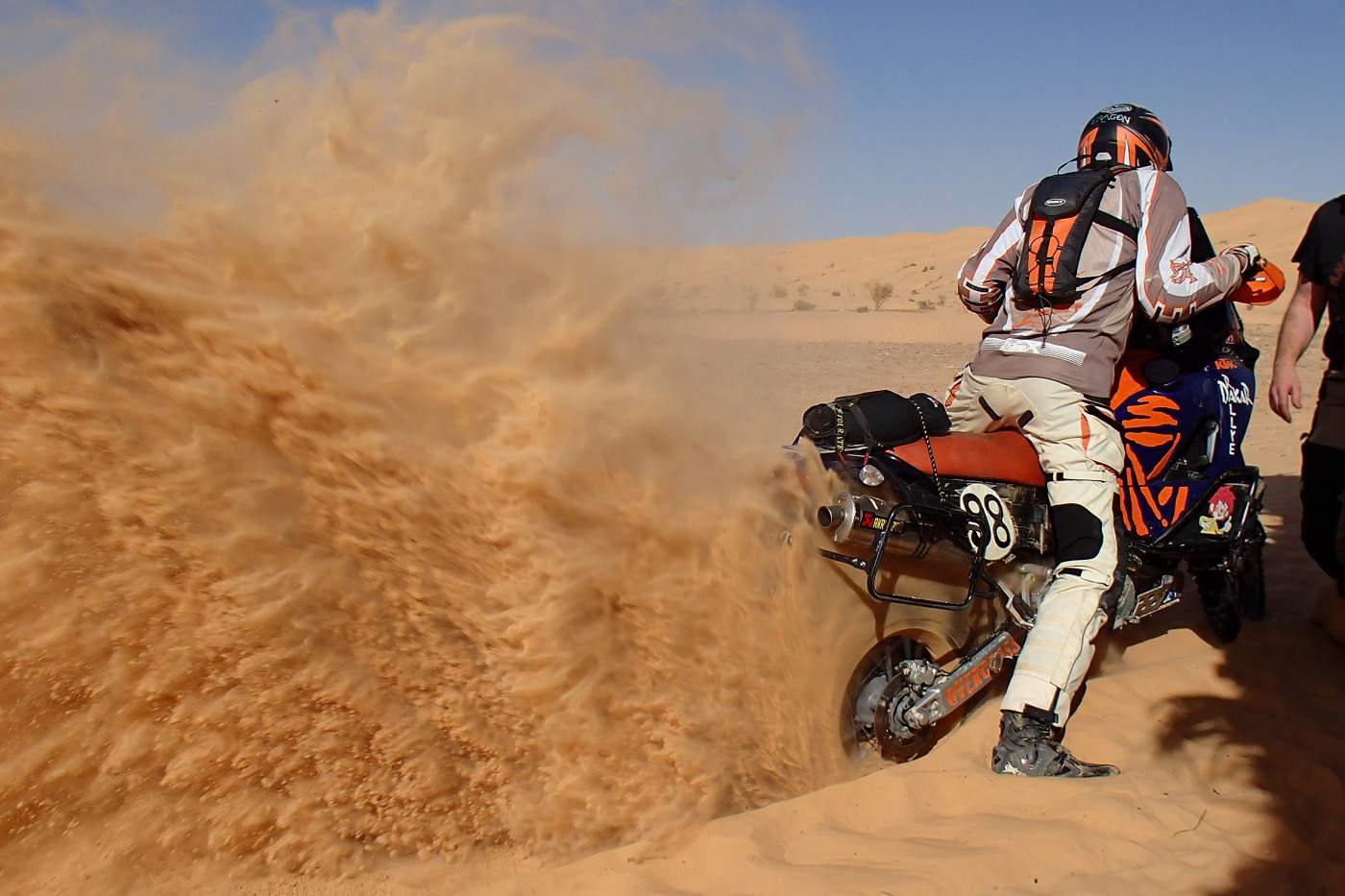
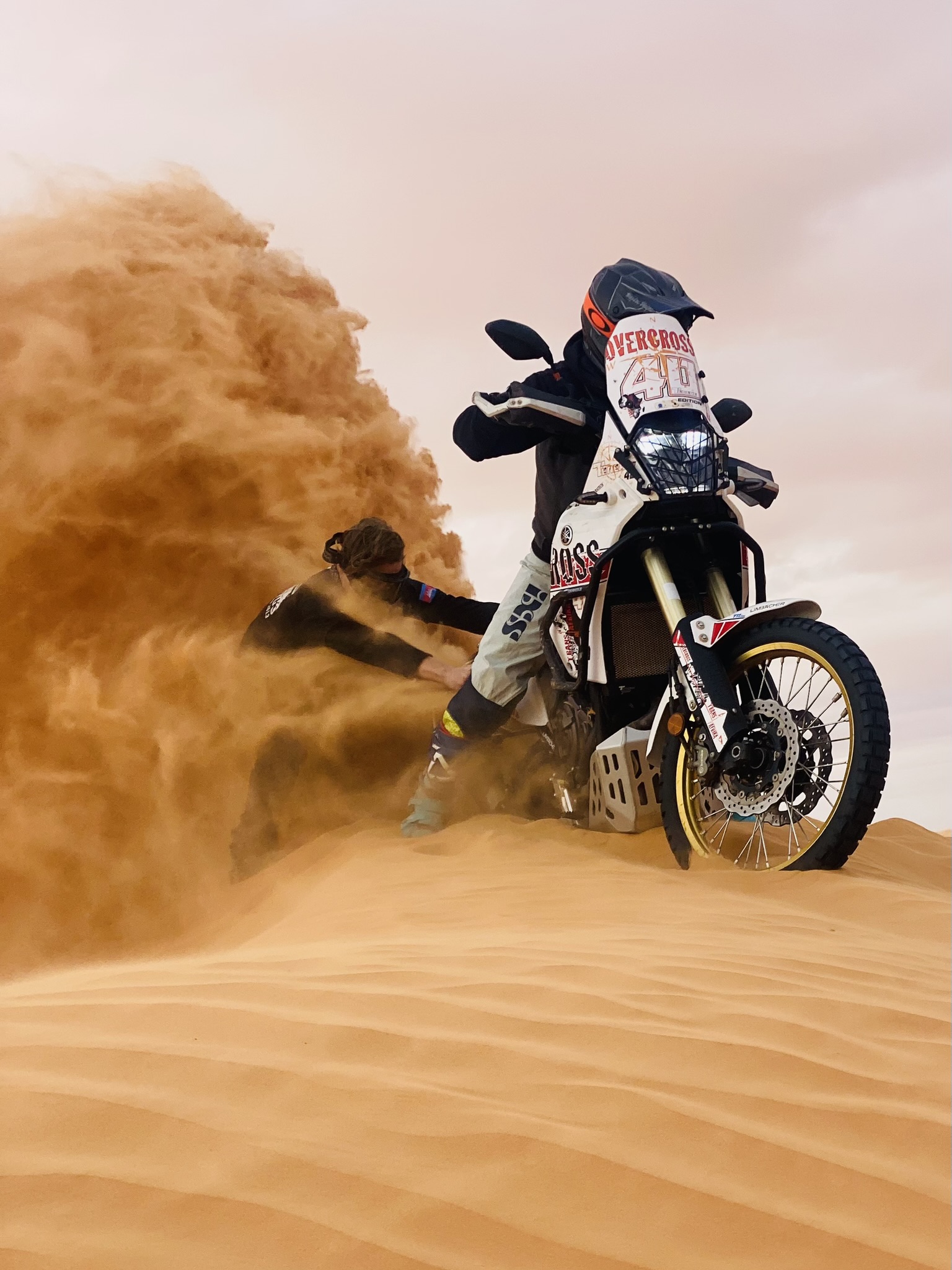
Adventurous journeys into the Tunisian desert

Adventurous journeys into the Tunisian desert


10. Culture and Sights in Tunisia 

Today's travel destination Tunisia, shaped by Arab influences, has experienced various periods of conquest and immigration over centuries, by Arabs, Spaniards, French, Turks, and West African Berbers. Therefore, Tunisians differ both in their appearance and their cultural life from other Arab nations. This is reflected in the architecture, pottery, ceramics and general crafts, music, and also in Tunisian cuisine.
Tunisia’s architectural history alone ranges from the Phoenicians through the Roman and subsequent Byzantine Era and the Berber-influenced Hafsids, to the Moorish style shaped by Moroccan and Andalusian influences, and the subsequent eras of Turkish and finally French-influenced mixed styles. From all these architectural periods, many sights can be visited on a trip to Tunisia in places like Carthage, Sbeitla, Gafsa, Tebessa, Sbiba, Sousse, Bizerte, and of course in Tunis.
Tunisian music is a result of a blend between Arab-Andalusian and Western musical styles. It has many facets; the most famous classical genre is Malouf. It is played by small orchestras, consisting of violin, qanun, oud, cello, double bass, nay, darbuka, and nagharats. Classical songs are also still successful today. Apart from instrumentation, urban and rural music differ little. In urban environments, stringed instruments such as the rebec, oud, and qanun dominate, as well as the darbuka. In rural environments and the songs of the Bedouins, in addition to percussion, wind instruments such as the mezwed and the gasba dominate.
Besides music, Tunisia as a travel destination has a rich craft heritage with many regional specialties such as pottery around Guellala or the production of faience in Nabeul. Craftsmanship is also an important economic sector in which an estimated 300,000 people are employed. Mosaic art has spread throughout the country since the 2nd century, with the world's most important collection of mosaics found in the Bardo National Museum. Metalworking came to Tunisia with refugees from Andalusia; today, the blue window grilles, reminiscent of mashrabiya, are especially famous. Carpet weaving, introduced to Tunisia by the Carthaginians and later influenced by the Persians, is now mainly practiced in and around Kairouan.
Alongside the cultural sights, the many national parks and protected areas of Tunisia offer on a journey great landscape impressions into the mountainous Atlas regions, the deserts of the Sahara, maritime coastal environments, and of course the large salt flats known as chotts.


back to top of page


11. Public holidays with fixed dates in Tunisia

The dates of Islamic holidays are based on the Islamic lunar calendar and therefore shift from year to year.
 

1 Jan New Year
14 Jan Day of the Revolution and Youth
20 Mar Independence Day
9 Apr Martyrs' Day
1 May Labor Day
25 July Republic Day
15 Oct Evacuation Day

back to top of page


12. Medical advice for Tunisia

For legal reasons, as a tour operator we are not permitted to communicate binding medical advice for the travel destination Tunisia and therefore refer to the information provided by the Federal Foreign Office of the Federal Republic of Germany, the Robert Koch Institute and the German Society for Tropical Medicine and International Health e.V.

back to top of page


13. Travel Information for Tunisia

You can obtain current travel and safety advice, information on entry and exit, as well as special legal notes and behavioral recommendations for your stay in Tunisia from the Federal Foreign Office of the Federal Republic of Germany.

back to top of page


14. Foreign Representation in Tunisia

Embassy of the Federal Republic of Germany in Tunis (There is an honorary consulate in Djerba)
Jurisdiction/
Consular District:
Tunisia. The official business of the Embassy Tripoli in Libya, including all legal and consular matters, is temporarily handled by the Embassy in Tunis.
Location: Tunis
Street Address: Impasse du Lac Windermere 1, Tunis, Tunisia
Postal Address: B.P. 222, 1053 Les Berges du Lac, Tunisia
Phone: +216 71 143 200
Fax: +216 71 143 299
E-Mail: Contact form
Website: http://www.tunis.diplo.de
Official Languages
in the Host Country:
French and Arabic


Embassy of the Tunisian Republic in Berlin
(There are additional honorary consulates in Bonn, Hamburg and Munich)
Location: Berlin
Street Address: Lindenallee 16
Postal Address: Lindenallee 16, 14050 Berlin
Phone: 030 36 41 07 10
Fax: 030 30 82 06 83
E-Mail: [email protected]
Website: http://www.tunesien.tn


back to top of page


15. Information Sources for Tunisia

German Weather Service
Federal Foreign Office of the Federal Republic of Germany
Wikipedia

back to top of page

Karte von Tunisia

×

Send request

Adventure

How did you
hear about us?

Ask a Route Expert

How do you want to travel?