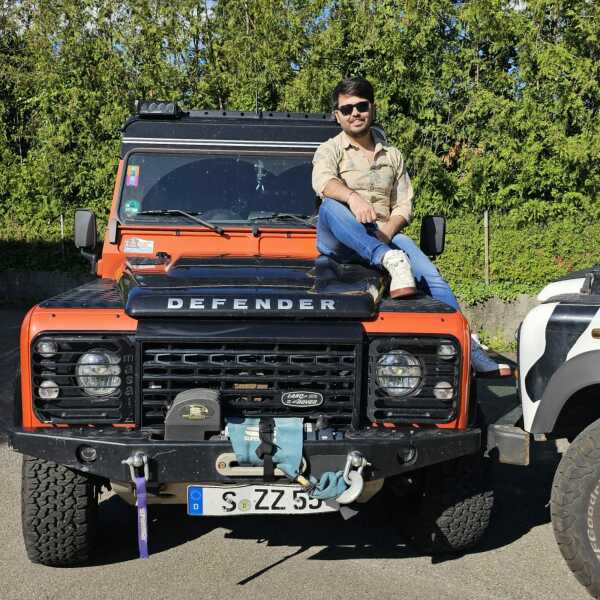
You have the option to rent a 4x4 off-road vehicle directly from us for your Offroad 4x4 trip. Information on costs, equipment, and all other rental terms can be found in our rental conditions .
OVERVIEW
Listen to audio tour
0:00
0:00
New Year's Eve in Tunisia: 4x4 Off-road Adventure through the Sahara
When the year ends, a different sense of time begins in Tunisia: clear desert air, deep silence, and nights that shine brighter than any fireworks.
On this 4x4 off-road journey, the route takes you from the Mediterranean through the international Sahara Festival to the large dune fields of the south - through oases, salt lakes, and broad plains that only bear this special light in winter.
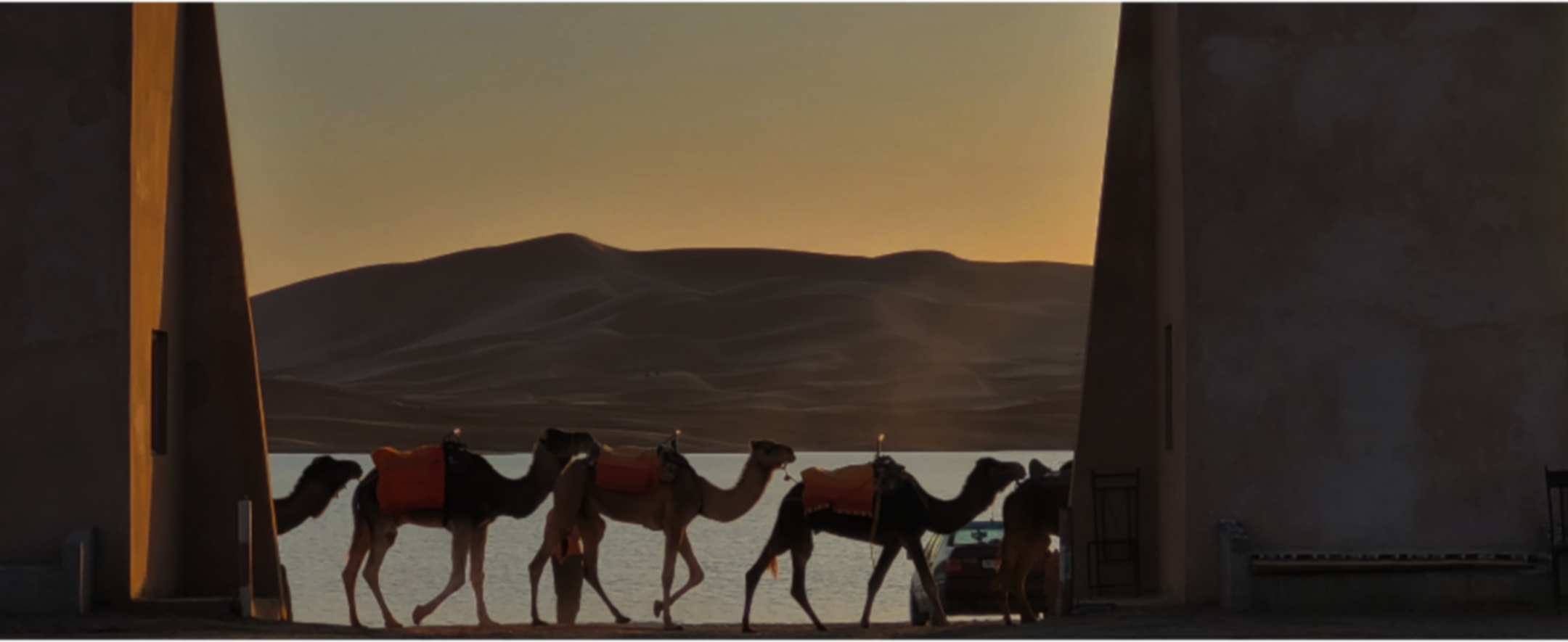
Instead of party noise, you experience the turn of the year in the Sahara: a New Year's Eve under a thousand stars, in a landscape where time and sounds almost disappear. For two weeks, we are on- and off-road, meeting people who live in the desert and experiencing Tunisia's diversity between desert tracks, palm groves, and sand ridges.
This off-road journey combines true adventure with the quiet of a New Year's transition far from the ordinary and creates memories that last long after the first tracks in the sand have been blown away.
What to expect on this 4x4 New Year's trip
The New Year's trip combines real desert adventure with relaxed moments in oases, clear desert air, and a route that connects the most beautiful landscapes of southern Tunisia.
Start in Genoa: approx. 22-24h ferry to Tunisia
Route through the heart of the Sahara: Chott el Djerid, Douz, Tembaine, Ksar Ghilane
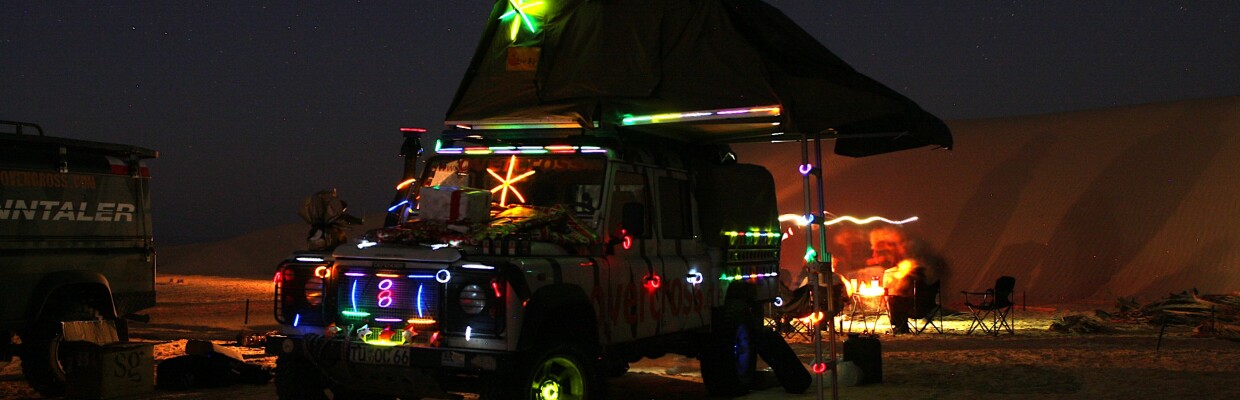
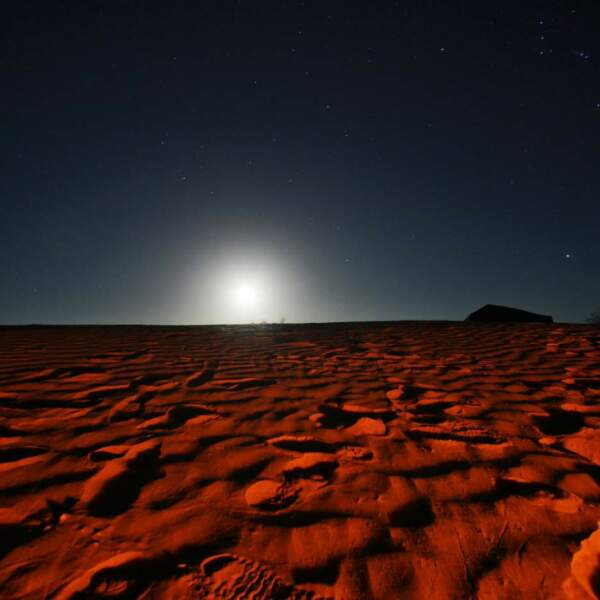
New Year's Eve in the desert: without fireworks, under a clear starry sky
Offroad mix: sand tracks, wide salt lake passages, beginner and advanced dune fields
Wild camping nights in the dunes + campgrounds in Douz & Ksar Ghilane
International Sahara festival atmosphere (depending on the date)
Guided 4x4 convoy with experienced Overcross guide
Several days away from civilization: no reception, pure desert silence
Oasis moments: warm springs, palm groves, encounters with desert dwellers
Perfect travel time: mild winter days (approx. 15-22°C) and clear, cool nights
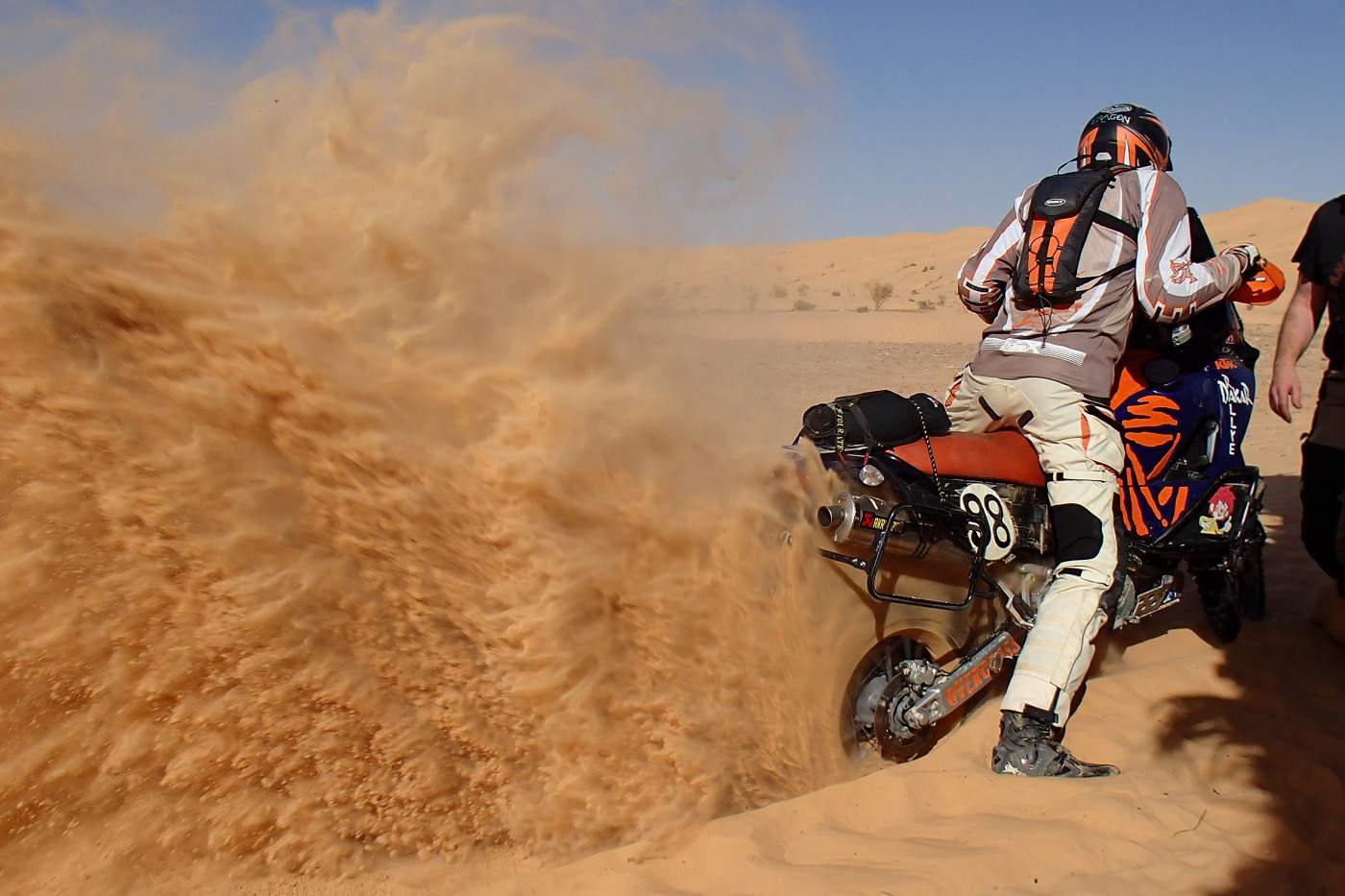
Teamwork & offroad practice: getting through together, shoveling, driving on sand
Travel duration approx. 14 days including arrival and departure
Information folder & packing list in advance for vehicle & equipment
Below you will find a compact overview of the key stages of this New Year's trip - so you know exactly which landscapes, offroad passages, and desert moments await you.
Daily program: 4x4 New Year's Eve in the Sahara: Offroad trip to Tunisia
Start in Genoa & Crossing to Tunis
The kick-off begins in the port of Genoa, where the group and the convoy form up.
After boarding, the crossing of the Mediterranean begins - time for first conversations, cabin assignments, and a relaxed preparation for the journey.
The next day we roll off the ship in Tunis and head south together.
From Hammamet via Gafsa to Tozeur
The first stages lead us on asphalt and back roads through central Tunisia, past mountain ranges and fertile valleys.
In Tozeur, we immerse ourselves in the world of oases, visit local markets, and prepare vehicle and equipment for the desert.
First off-road sessions get us in the mood for the upcoming days in the desert.
Chott el Djerid & Gate to the Sahara
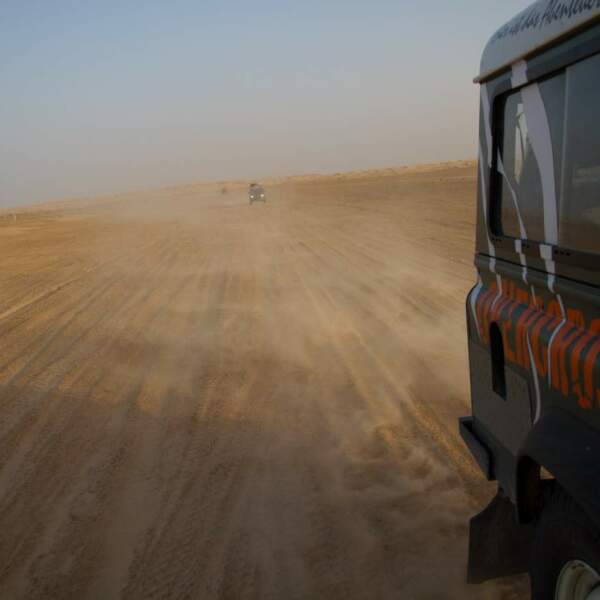
We cross the salt lake Chott el Djerid - depending on conditions via the northern or southern route - before we reach Douz, the legendary "Gateway to the Sahara".
Here we replenish supplies, check vehicles, and prepare for several days away from civilization.

Deep in the Sahara: Dunes, Sand & Oases
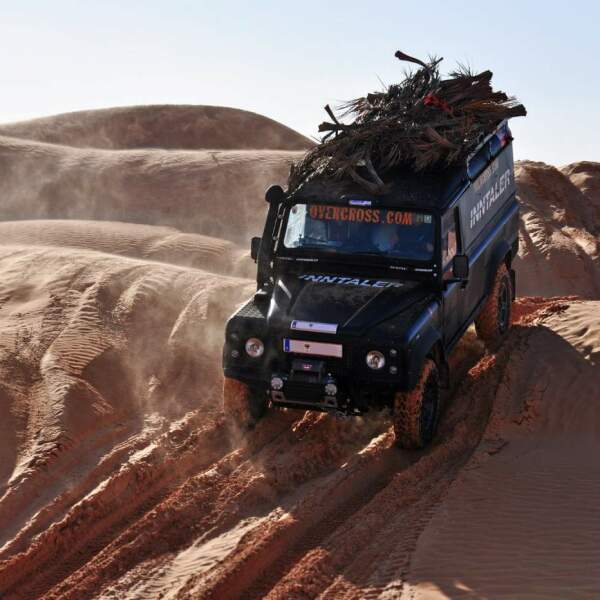
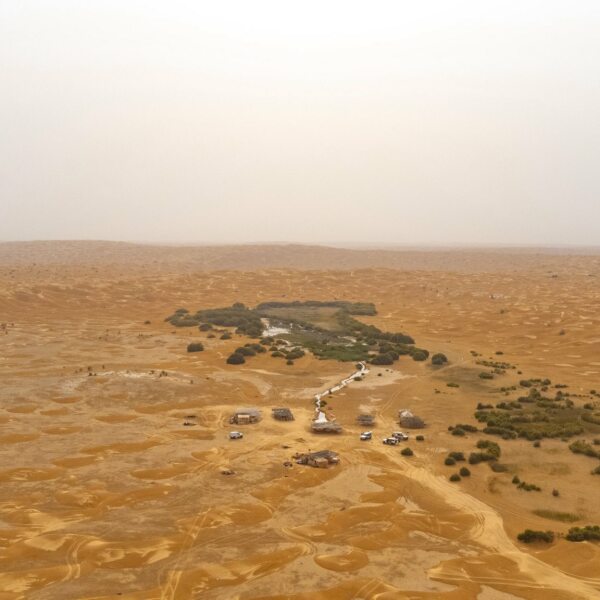
The desert stages lead over sandy tracks, first dune fields, and wide plains towards Tembaine and Ksar Ghilane. Teamwork, rhythm, and a sense of direction characterise these passages. In the oases, palm groves, warm springs, and genuine Sahara atmosphere await, before we dive back into the open sea of dunes.
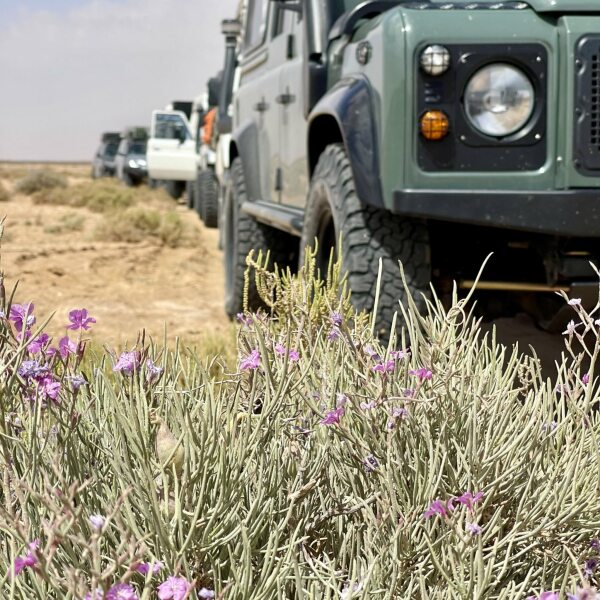
New Year's Eve in "Nothing"
The New Year's Eve is celebrated in the middle of the Sahara - far away from fireworks, street noise, and hustle.
Under a clear starry sky, surrounded by silence and sand, a New Year's moment arises that is one of the most unforgettable experiences of this journey.
Goodbye Africa! Return trip via Matmata & journey home
After the desert days, we slowly return to civilization: over the mountain landscapes around Matmata, past Berber houses and oasis towns.
In the coastal region, we spend one last night in a hotel before the journey back to Tunis and the ferry crossing to Genoa conclude the trip.
×
![]()
PRICE
from€2569.00 / person✓ Trip includes
✕ Trip does not include
- All overnight stays (twice in a hotel in a shared double room, otherwise campsites & wild camps)
- Breakfast & dinner from the expedition kitchen by a Tunisian cook who will take care of us during our desert stage
- Toll in Tunisia
- Accompanying/support vehicle
- Technical assistance and support with vehicle repair
Service
HIGHLIGHTS
Adventurous off-road vehicle journey!:
Explore Tunisia for two weeks in your own off-road vehicle.
Unforgettable New Year's Eve Party!:
Celebrate New Year's Eve in the Sahara under the glittering starry sky.
Desert experiences in Tozeur!:
Visit historical places like Tozeur and experience cultural diversity.
Off-road driving training included!:
Prepare yourself with professional training for the challenges of the desert.
Unique New Year's Eve!:
Spend the turn of the year far from civilization: under the starry sky without fireworks. Experience a campfire party or enjoy the silence of the desert. This New Year's Eve will offer an unforgettable experience of nature and community. Leave your everyday worries behind and start the new year under the azure of the African sky!