
Uganda

Bwindi Impenetrable National Park in southwestern Uganda is the place for gorilla trekking in Uganda, and 6 of our tours take you to the mountain gorillas in its forest. On 331 km² of montane rainforest between 1,190 and 2,607 m, the 2018 gorilla census counted 459 mountain gorillas in 36 groups. You walk with rangers through steep, wet terrain, often for 2 to 4 hours, and then spend one hour with a family. The park has been a UNESCO World Heritage Site since 1994.
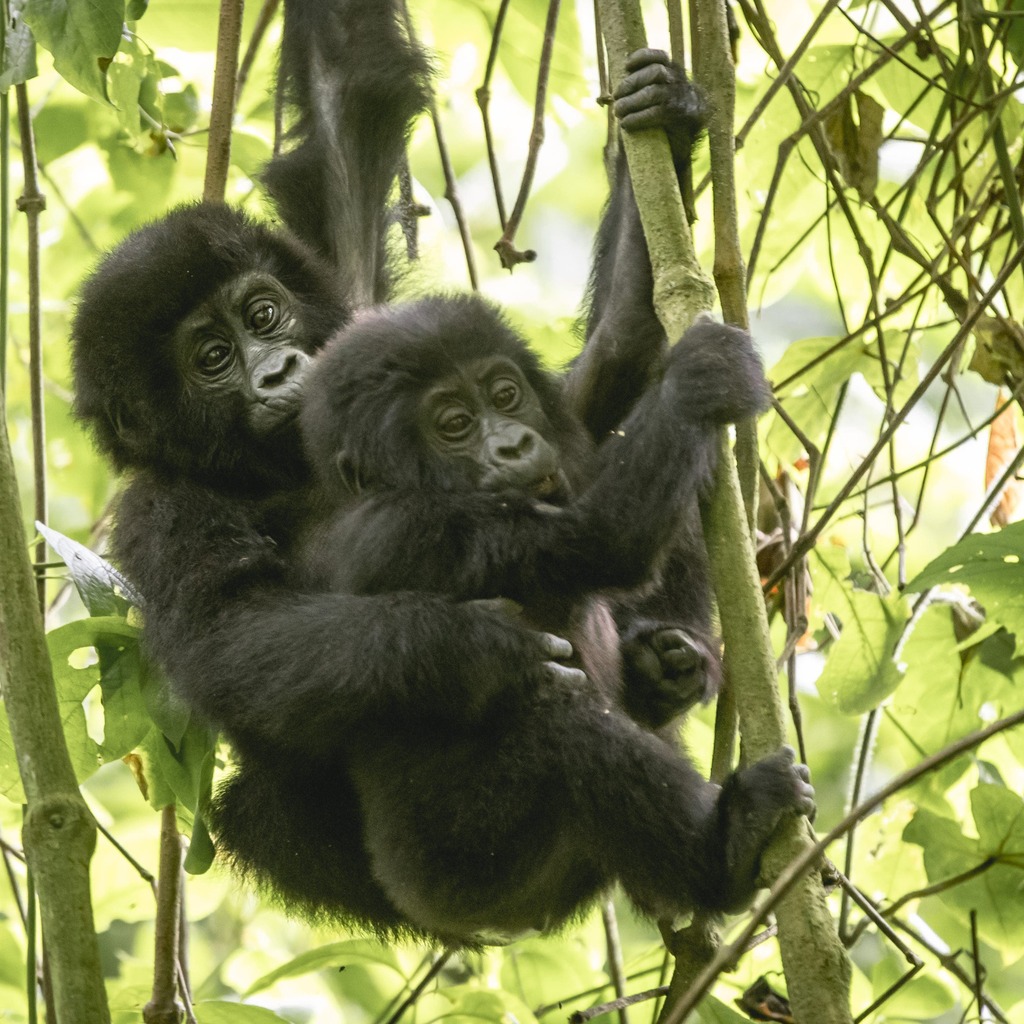
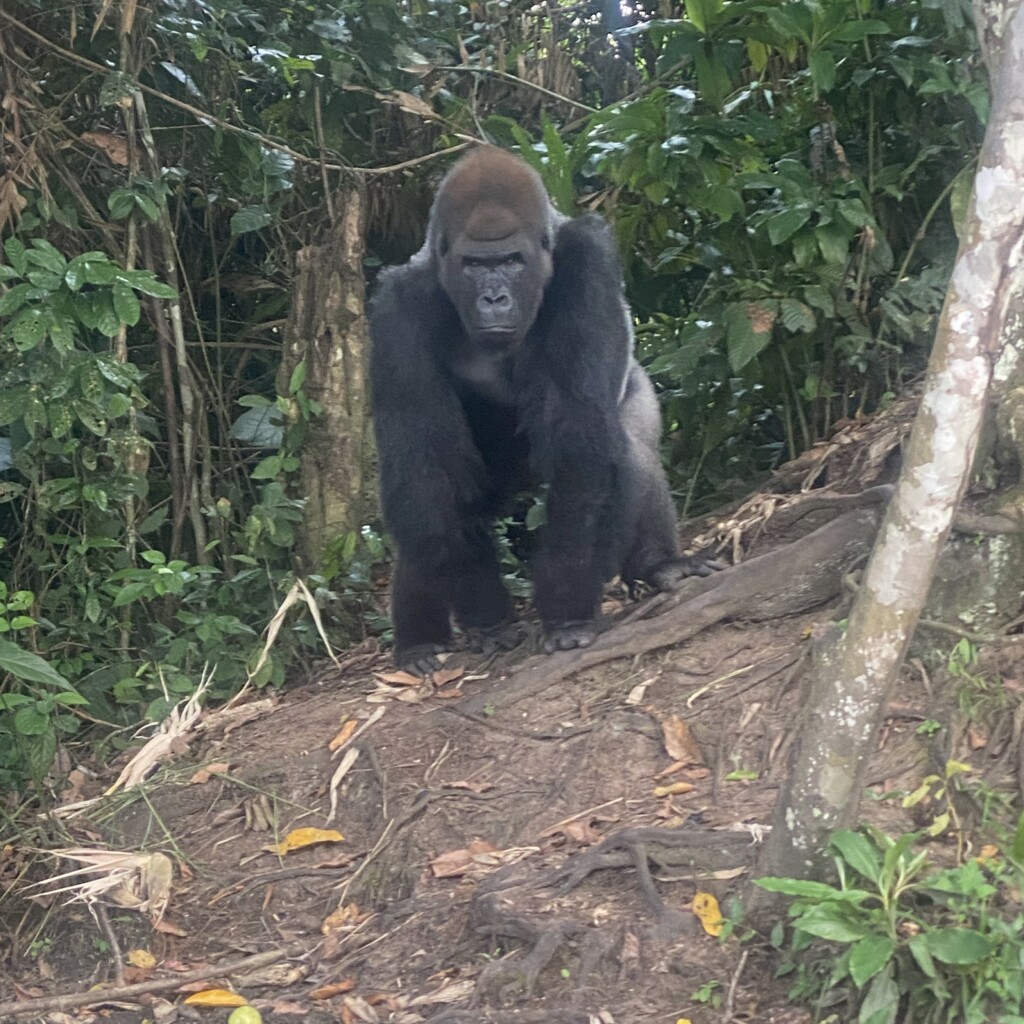

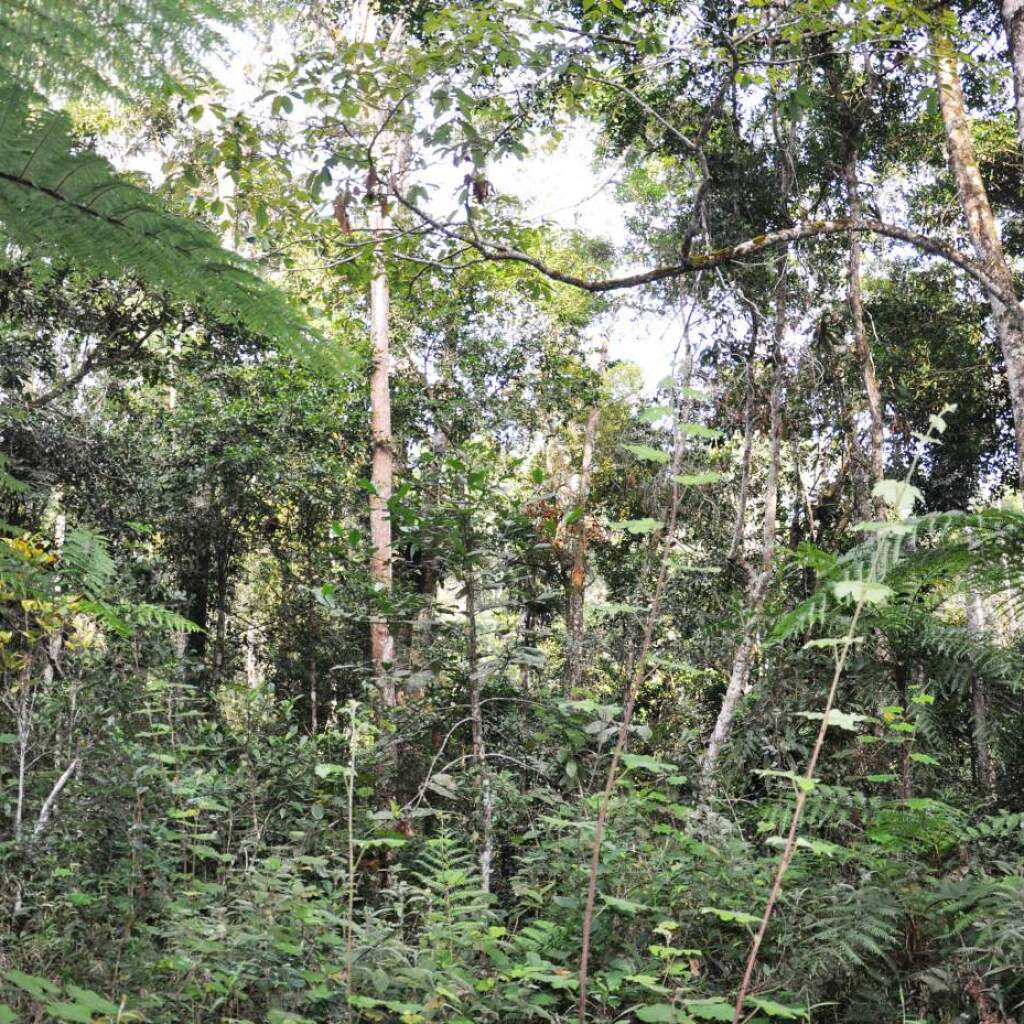
Bwindi means something like impenetrable, and the name fits: the park is a montane rainforest on steep slopes and in narrow valleys, between 1,190 and 2,607 m high. It was declared a national park in 1991, covers 331 km² and has been a UNESCO World Heritage Site since 1994. Each year 1,400 to 1,900 mm of rain fall, daytime temperatures range from 20 to 27 °C, and at night it cools down to 7 to 15 °C.
Gorilla trekking in Uganda almost always happens here. The 2018 census counted 459 mountain gorillas in 36 groups in the park, plus 16 solitary animals. Some of the families are used to people and can be visited. They are spread over 4 sectors: Buhoma in the north, Ruhija in the east, Rushaga and Nkuringo in the south. Your permit states which sector you trek in.
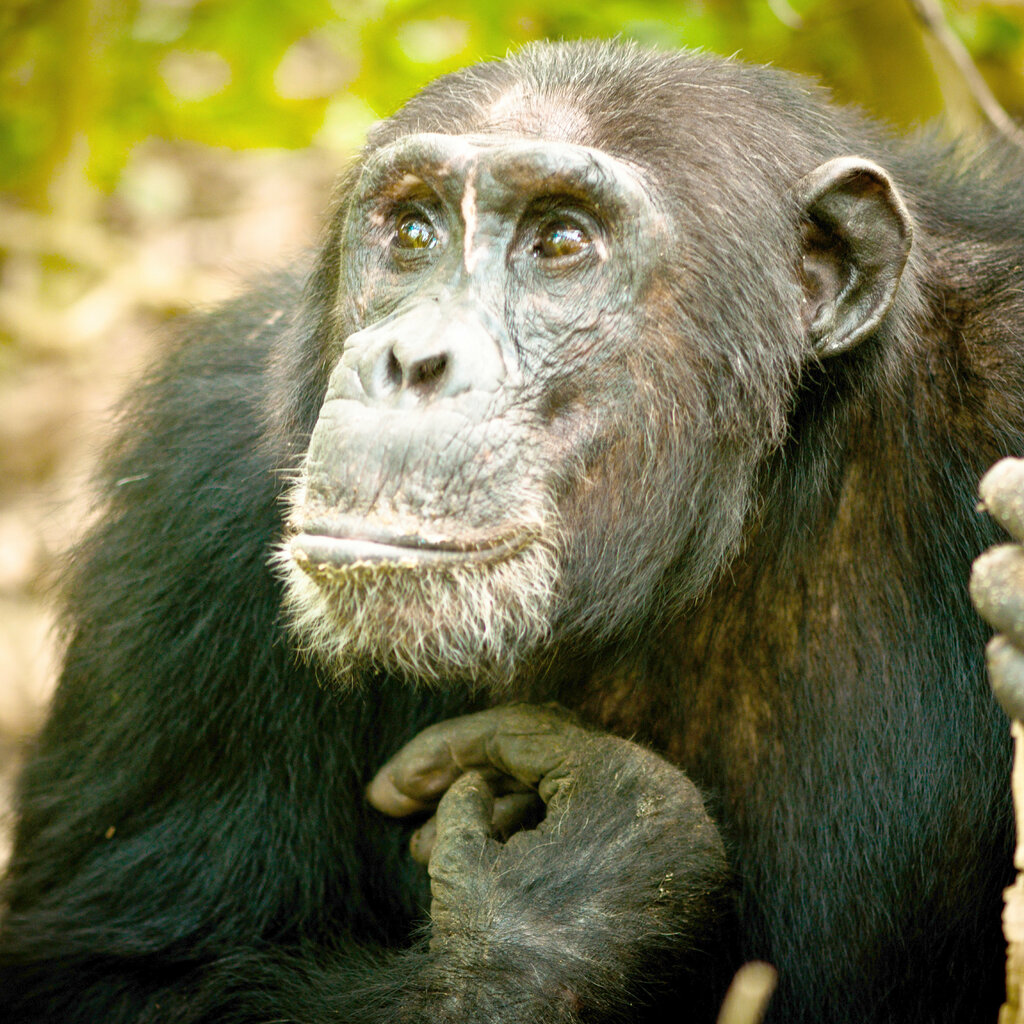
Besides the gorillas, around 120 mammal species live in the forest, among them chimpanzees, several monkey species, forest elephants and duikers. Add around 350 bird species, 310 butterfly species and around 200 tree species, many of them tree ferns and mosses in the dense undergrowth. Apart from the gorillas you rarely see most of the animals, because the forest is so dense.
Bwindi is not a park for game drives. You drive to the starting point of a sector, and from there you continue only on foot. On our tours Bwindi is therefore the stage where you get out of the vehicle and spend the day in the forest.


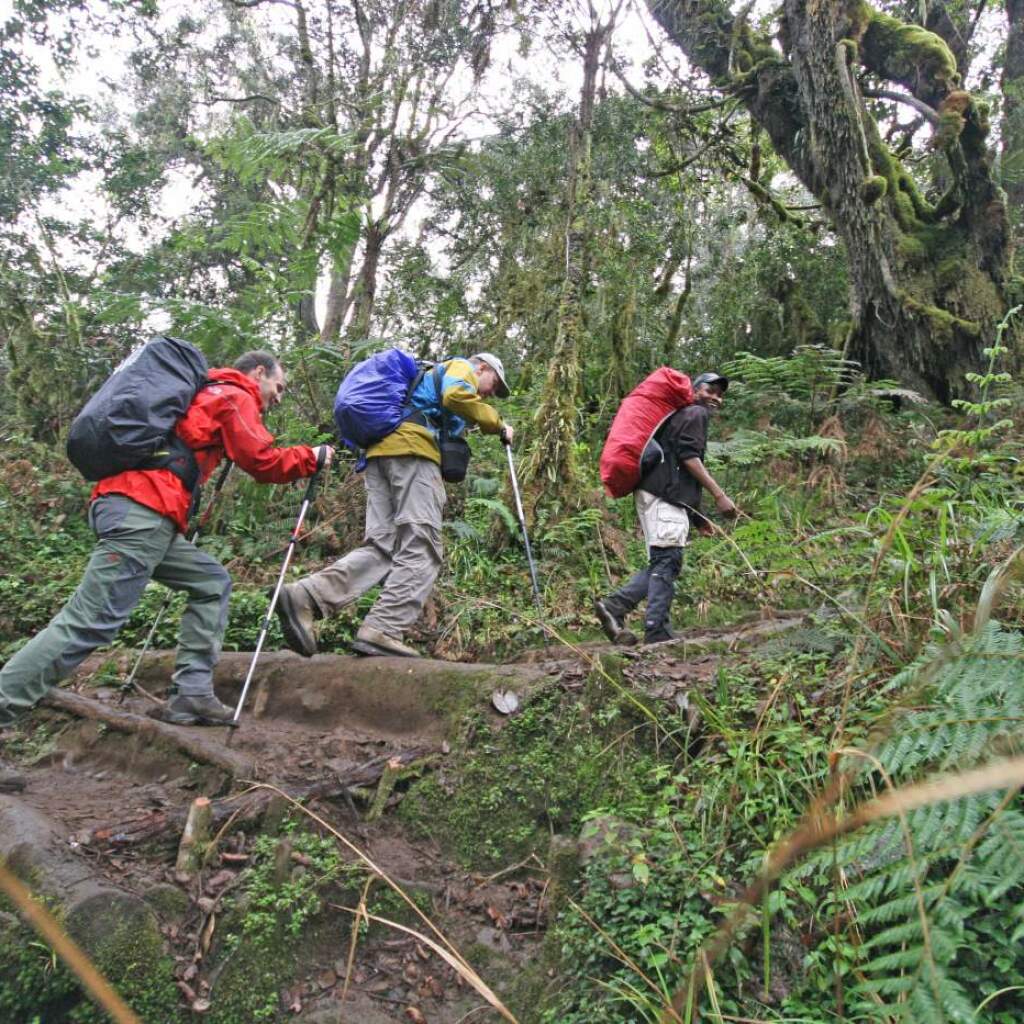
The day starts early at the headquarters of the sector. The rangers assign visitors to the gorilla families and explain the rules: keep your distance, speak quietly, no food near the animals, turn away if you cough or sneeze. Then you set off in a small group with rangers and trackers. Porters carry your backpack if you want and help you on the steep parts.
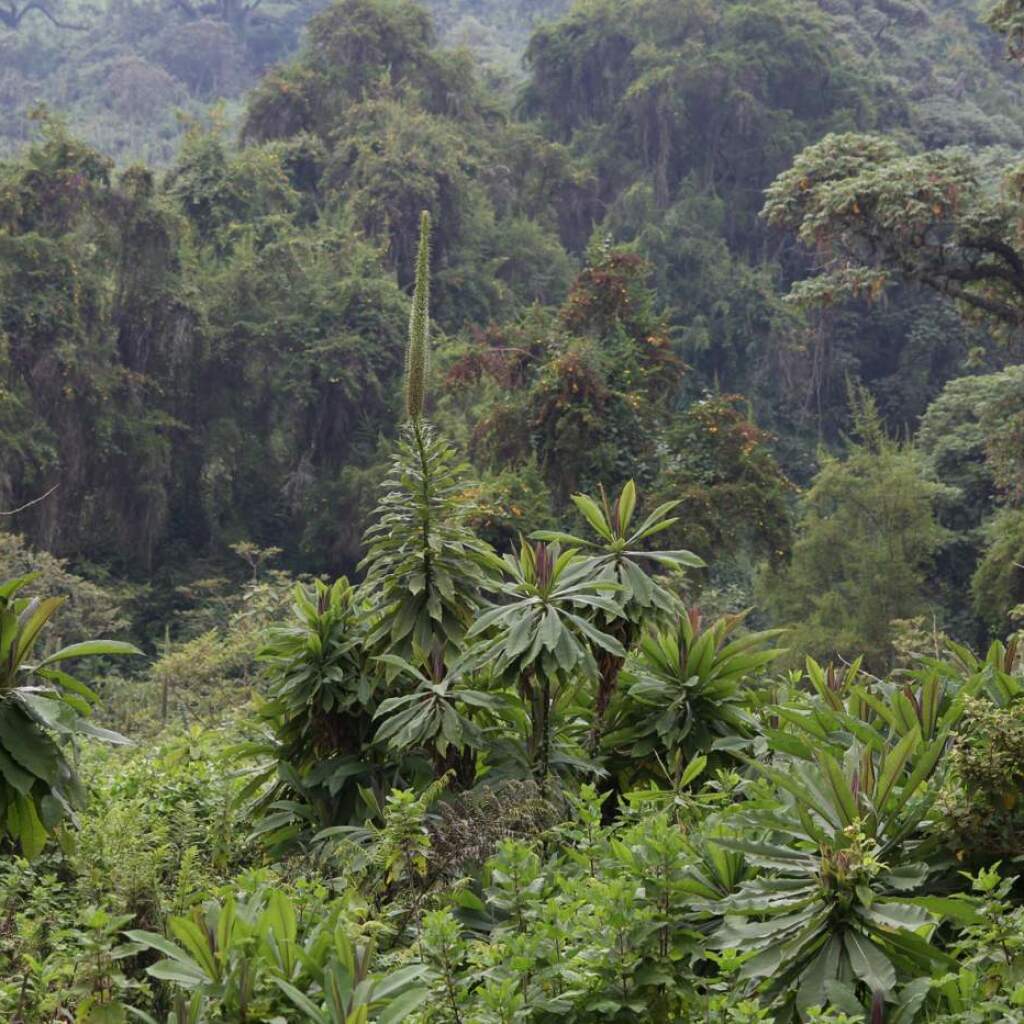
The trackers are already out ahead of you and know where the family spent the night. The walk to the animals often takes 2 to 4 hours depending on the family and the day, sometimes more. You follow narrow paths over wet roots and straight through the undergrowth, steeply up and down. Good hiking boots, long trousers, gloves against stinging nettles and a rain jacket are part of it.

When you reach the gorillas, you stay with them for one hour. The silverback feeds, the young ones climb in the vines, the females watch the group. You stand a few metres away, photos are allowed, flash is not. Then you walk back to headquarters, and the afternoon is free, on some tours for a visit to a Batwa community or a dance centre.
Gorilla trekking in Bwindi is possible all year, and it rains in every month, 1,400 to 1,900 mm a year. What matters is how slippery the paths are.
Drier months, June to August and December to February: Less rain, firmer paths, and the walk to the gorillas is easier. Permits are in highest demand in these months, so our tours plan them well in advance.
Rainy seasons, March to May and September to November: More frequent rain, mostly in the afternoon, the paths are wet and steep, and the trek takes longer. The treks still go ahead, and the forest is at its greenest.
Our tours plan a buffer day for the trek in case weather or permits push back the first day. More on climate, visa and vaccinations is in our Uganda travel dossier.
For the trek you need a permit from the Uganda Wildlife Authority (UWA), issued for one day, one sector and one gorilla family. The number of permits is limited, and the UWA sets the price with each new tariff. On 2 of our tours 1 gorilla permit is included in the price. Whether it is included on the other tours is listed under services on each tour.

Bwindi lies in southwestern Uganda on the border with the DR Congo. Our tours arrive by road from Queen Elizabeth National Park with a stop in Ishasha, from Rwanda across the border in around 4.5 hours from Musanze, or from Lake Bunyonyi, the base of the overland tours. The last kilometres are a dirt road through the hills.
The trek is a mountain hike at 1,190 to 2,607 m on wet, steep paths without a fixed trail. You should be able to walk for 4 to 6 hours, even if the search is sometimes shorter. The minimum age for gorilla trekking is 15 years. If you are ill or have a cold you may not join, because gorillas can catch infections from people.
Bring sturdy hiking boots, long trousers, a long sleeved shirt, gardening gloves, a rain jacket, 2 litres of water and a packed lunch. Uganda is a malaria area, and in higher Bwindi the risk is lower than in the lowlands but present. Talk to a tropical medicine doctor about prophylaxis before you travel. Visa and yellow fever are covered in our Uganda travel dossier.
On the small group tours with no more than 4 travellers and on the 8 day gorilla tour you stay in fixed accommodation, lodges or permanent tents, close to the starting point of the trek. On the morning of the trek you drive from there to the sector headquarters early, and in the evening you sit by the fire looking out over the forest.
The overland tours and the 15 day tour through Kenya and Uganda spend 2 to 3 nights at Lake Bunyonyi, a highland lake with 29 islands. You sleep in a tent or, on the lodge option, in a fixed room. From here you drive to the gorillas early on the trekking day, and on the free day you can paddle, hike or ride a mountain bike.
The price is set by the Uganda Wildlife Authority with each new tariff, and it is the largest single cost of a gorilla tour. On 2 of our tours 1 gorilla permit is included in the price. On the other tours the services list whether the permit is included or added on site.
The walk to the gorillas often takes 2 to 4 hours, shorter or longer depending on the family and the day. You stay with the animals for one hour, then you walk back. Plan a full day, and our tours also keep a buffer day free.
You should be able to walk for 4 to 6 hours on steep, wet paths between 1,190 and 2,607 m. Porters carry your backpack and help on the steep parts. The minimum age is 15 years, and if you have a cold you may not join.
June to August and December to February, when it rains less and the paths are firmer. Trekking is possible all year, and in the rainy seasons from March to May and September to November the walk takes longer. Each year 1,400 to 1,900 mm of rain fall.
It is not guaranteed, but every morning the trackers know where the family spent the night, and the rangers lead you to it. On some overland tours the trek can take place in Rwanda or the DR Congo depending on available permits, which is stated in the itinerary.
6 tours between 7 and 37 days. The shortest is a 7 day small group tour through Rwanda and Uganda with no more than 4 travellers. The 8 day tour starts in Uganda, and the longer ones combine Bwindi with the Masai Mara, Rwanda or an overland tour through East Africa.

How did you
hear about us?