At a glance Contents
Where the canyon is and how to get there
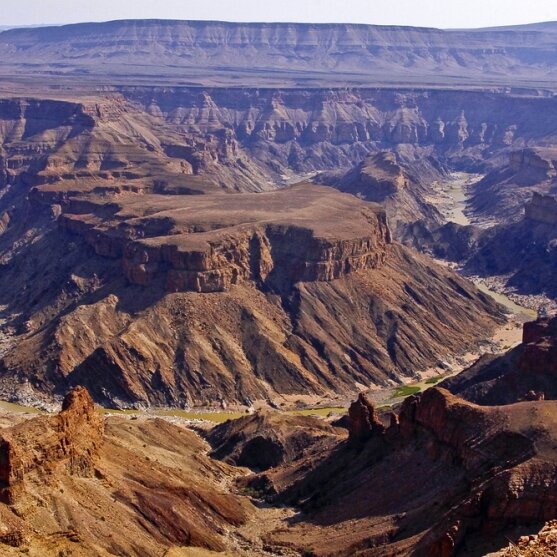
The Fish River Canyon lies in the far south of Namibia, a long way from Windhoek and even farther from the Etosha Pan. That is exactly what defines it: you drive for a long time before you arrive, and the reward is space and silence. At the rim you stand at the second-largest canyon in the world, and the largest in Africa.
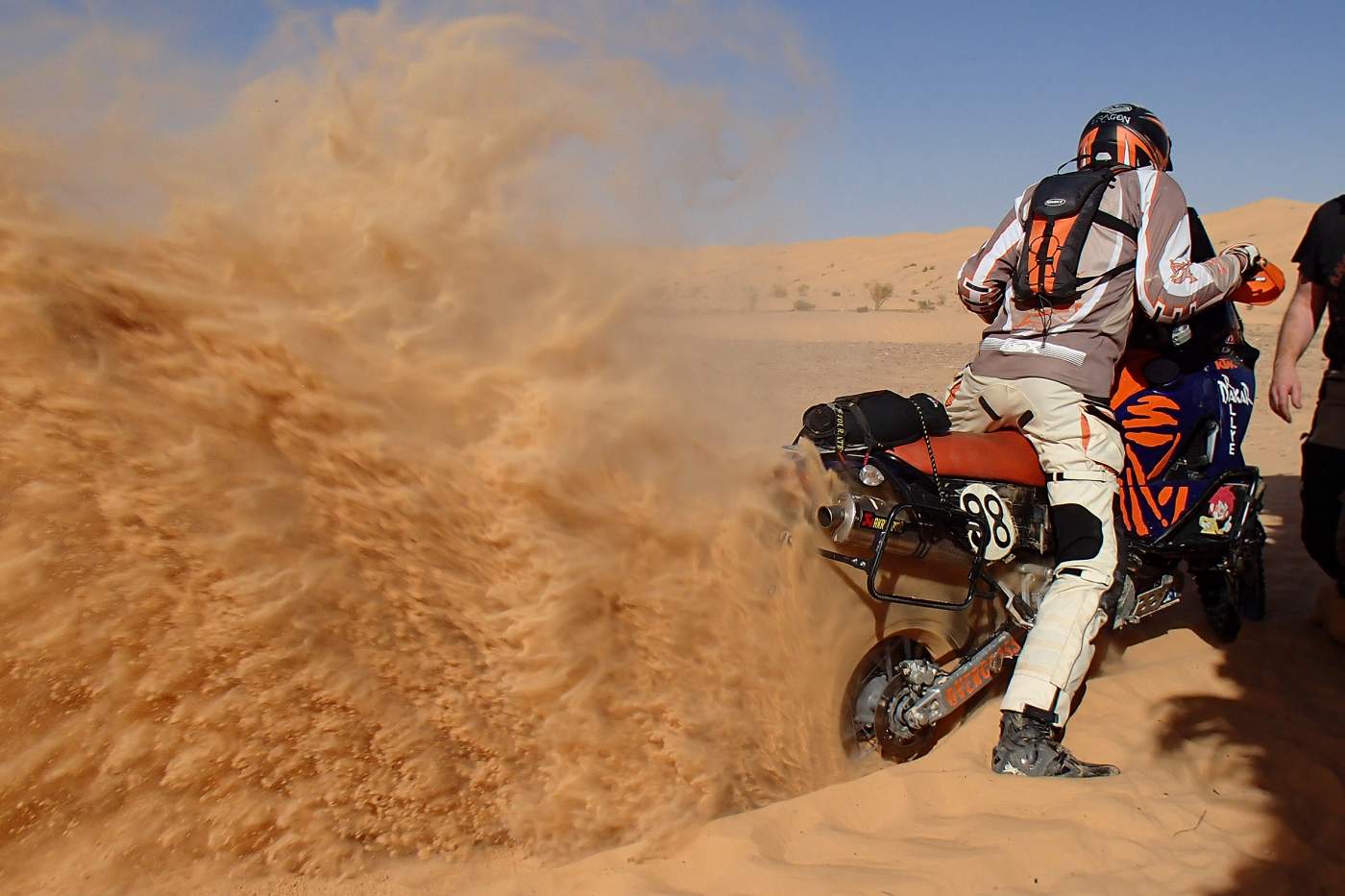
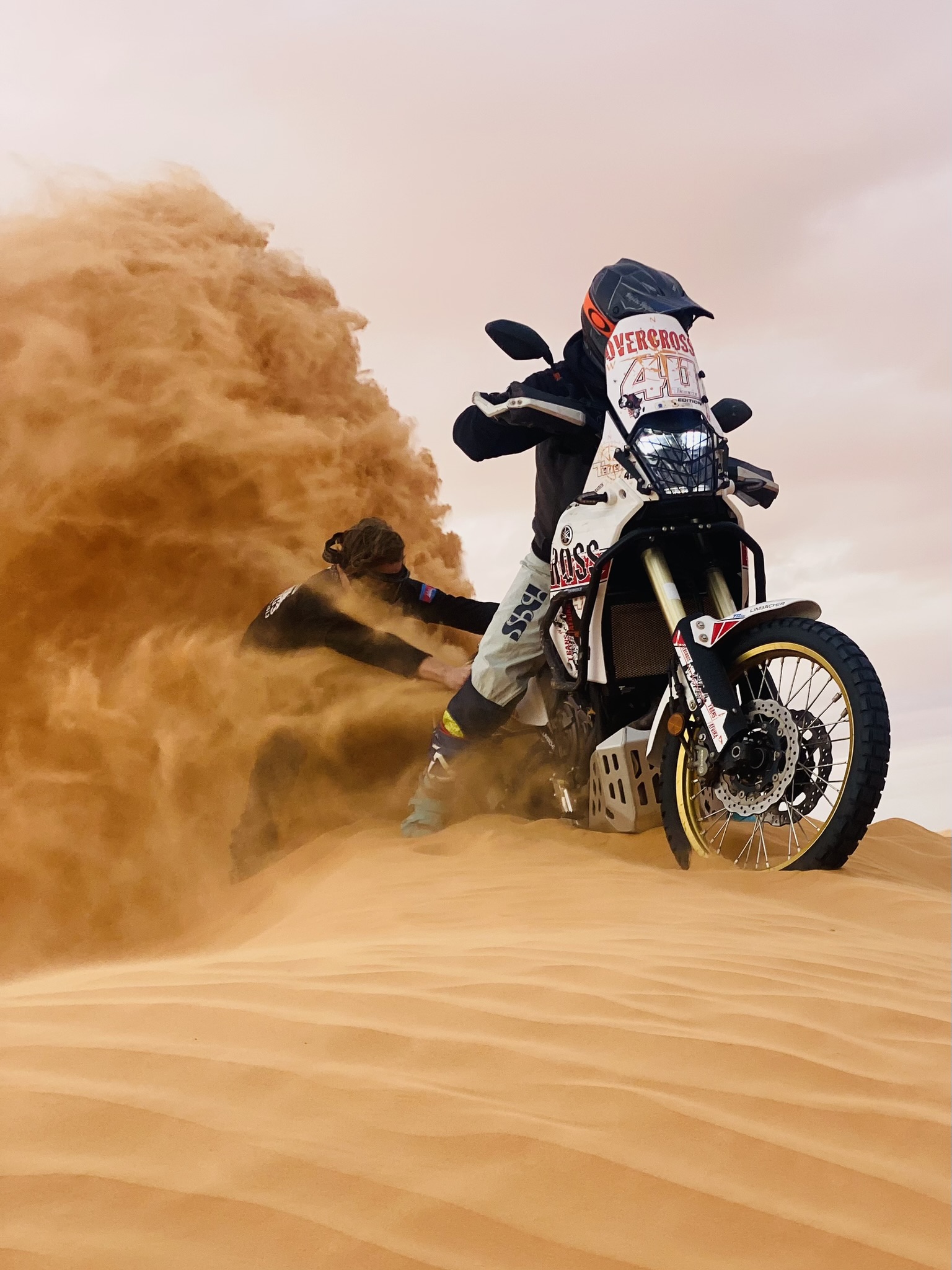
The north-south axis B1 is paved, as is the B2 between Windhoek and Swakopmund. Almost everything that branches off from them is gravel. For the canyon that means you roll along on tarmac for most of the route, while the last sections to the viewpoint are gravel. With an ordinary rental car it is doable if you drive slowly and take your tyres seriously. If you come by motorcycle, you quickly notice on loose gravel how much a loaded bike weighs.
Drive on the left, wear your helmet (compulsory for rider and passenger) and plan every fuel stop deliberately: unleaded is available in larger towns, but not reliably on the gravel stages in between. You will find all the basics on entry and driving in our travel information for Namibia.
When the roads are good: the best time to go
The best time to travel is the dry season from May to September. The nights are cool, the tracks are firm and the visibility is clear. In southern Namibia it is very hot during the day in summer, which is no fun at the canyon rim: there is hardly any shade and the wind dries you out.
If you travel outside the dry season, plan more reserve. After rain, river crossings and tracks can become difficult, and the heat forces you into an early start and a long midday break. If you are flexible, winter is the most relaxed choice. Set off in the morning, stand at the rim at midday and stay for the late light, when the walls take on colour.
A practical tip from the everyday life of our tours: always expect longer driving days in the south than the map suggests. Gravel eats time, and every stop for photos, checking tyres or refuelling adds up. If you travel to a fixed schedule, it is better to drop a stage than to drive over gravel in the dark.
Hiking, looking, driving: what you actually do at the canyon
Most travellers come for the view from the rim and a walk along the edge. That is enough to understand why so many Namibia travellers take their photos right here. The multi-day hike through the gorge is an expedition of its own that you have to prepare separately, with a permit and equipment. It does not belong in a round trip as a side project.
With a vehicle you stay at the rim. The tracks to the viewpoints are doable for a carefully driven vehicle, but they are not a playground. Never set off late in the afternoon without knowing where you will spend the night. The distances in the south are big and phone reception is unreliable, so download your maps offline beforehand.
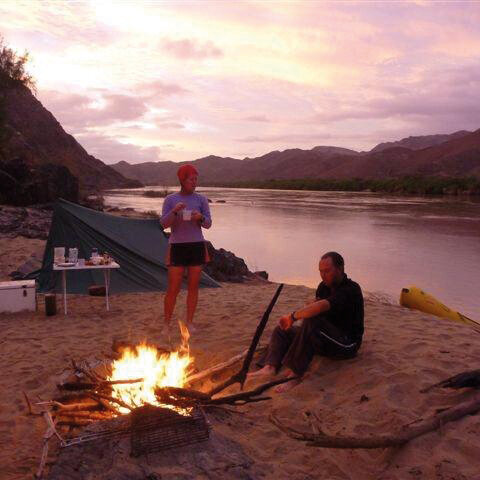
On the stretch towards the border the Orange River accompanies you, a green ribbon in an otherwise barren landscape. The combination of canyon and river makes the south one of the most impressive sections of any Namibia trip.
How long to stay and what is worth seeing nearby
Do not plan the canyon as a quick stop. One evening and one morning at the rim are the minimum: the light changes strongly over the course of the day, and only in the early morning and shortly before sunset does the gorge show its depth. At midday it looks flat and glaring.
On the way there, the Quiver Tree Forest and the rock maze of Giants Playground are worth a visit, both lie along the route and make good intermediate stops. Further north the coast at Lüderitz awaits, where after the dry expanse you suddenly stand at the cold Atlantic. It is a contrast you will not forget.
If you want to combine the canyon with dunes and wildlife, think of the route as a whole from the start: the south and the Namib-Naukluft lie on one line, while the Etosha Pan lies far in the north and needs days of its own.
Three ways to the canyon compared
You rarely head for the canyon on its own as a destination. It is a stage, and the question is how you want to experience the rest of the route. Three of our tours take you there:
- Motorcycle tour Windhoek to Cape Town, 13 days: You ride from the capital over the Spreetshoogte Pass and the dunes of Sossusvlei to Lüderitz on the coast, and then stand at the rim of the canyon. The tour ends in Cape Town and is the right choice if you want to cross Namibia on two wheels.
- Namibia adventure tour with Sossusvlei and Etosha, 11 days: A group tour in an overland truck with camping. After the border crossing you reach the canyon, preceded by the Quiver Tree Forest and the rock maze of Giants Playground. Good if you would rather hand over the driving.
- Camping safari in South Africa and Namibia, 7 days: The shortest variant, from Cape Town via Namaqualand to the canyon and on into the Namib-Naukluft, ending in Swakopmund.
The motorcycle tour is the only one where you sit at the handlebars yourself. The other two are group trips in a vehicle, where you see more and organise less.
Packing and planning for the south
The south forgives little carelessness. Take more water than you think you need, and never go to the viewpoint without a hat. Nights get cold in the dry season, so a warm layer belongs in your backpack, even if the sun burns at midday.
Plan accommodation in advance, especially in high season. There are only a few lodges and campsites around the canyon, and they fill up. If you do not want to organise this yourself, a guided tour with fixed stages is the simpler solution.
Also pack good sunglasses, sunscreen and sturdy shoes. There is loose scree at the rim, and the edge has no railings. Keep your distance, watch your cap in the wind and do not let children and dogs run free. A small first-aid kit and a spare tyre with tools belong in the car anyway if you are driving yourself.
Answered briefly
Frequently asked questions
- Do I need a 4x4 for the Fish River Canyon?
- Not necessarily. The main roads are paved, and the last sections to the viewpoints are gravel. With careful driving and good tyres it is possible even with an ordinary vehicle. A four-wheel-drive vehicle gives you more reserve, especially after rain.
- When is the best time for the Fish River Canyon?
- The dry season from May to September is best. The nights are cool, the tracks are firm and the visibility is clear. In summer it gets very hot at the canyon rim and there is hardly any shade.
- Can I visit the canyon in one day?
- The view from the rim and a walk along the edge are possible in one day. Because of the big distances in the south, though, it is worth planning a night nearby so that you do not drive in the dark.
- Where do I find information on entry and driving licences in Namibia?
- Everything on entry, passport and driving licence is in our travel information for Namibia. The details are kept up to date there, so you will not find them in this article but on the linked page.