At a glance Contents
- The rule that doesn't apply on the Garden Route
- What really happens on the coast: rain all year round
- Month by month: how the coast feels
- What the season means for your motorcycle
- Whales, wildflowers, holidays: what else decides the timing
- Combining the Garden Route: Cape, Route 62, Namibia
- How to plan the timing in practice
- Our recommendation in one sentence per type of trip
- Frequently asked questions
The rule that doesn't apply on the Garden Route
Anyone who starts reading about South Africa learns one simple rule first: winter is the good season. In the northeast, around Kruger National Park, it is dry from May to September, the grass is low and the animals come to the waterholes. We have described in detail why winter shows you the wildlife there, and we also went through the question of dry season or rainy season in that article.
If you apply the same logic to the south coast, you'll be wrong. The Garden Route is not a safari region but a narrow strip between coast and mountains, and its weather follows a different mechanism. The country basically has two climate logics: in the northeast the rain falls in summer, at the Cape in winter. The Garden Route sits right at the seam between them.
That is why the answer is turned upside down here. On the south coast, winter is not the dry premium season but the time of year when low-pressure fronts move in from the Atlantic across the Cape and reach the coast with rain, wind and cloud. Summer, on the other hand, brings the most stable, longest and warmest days. If you only have the South Africa rule of thumb in your head and head to the coast in July, you often get grey days instead of postcard weather.
We write this text with motorcycle riders in mind. On two wheels the weather counts double, because you're sitting right in the middle of it. Wet coastal roads, crosswinds on the passes and fog on the mountain flanks are not side notes, they decide whether a stage is fun or turns into a fight.
What really happens on the coast: rain all year round
The term winter rainfall region is often used quickly, and it is quite accurate for Cape Town and the Winelands. For the Garden Route itself it is too smooth. Between Mossel Bay in the west and Tsitsikamma in the east, rain falls in every season. In the west of the strip the winter fronts dominate, while further east summer thunderstorms and humid sea air from the Indian Ocean increasingly mix in. That is why the landscape is so green: forests, lagoons and fern gorges exist only because it never gets completely dry.
For you as a rider this means: there is no time when you can rule out rain. But there are times when it is rare and stays short, and times when it settles in. A few things help you put it in context:
- Winter fronts bring rainy spells lasting several days with strong wind, especially on the coastal sections and on the passes.
- Summer thunderstorms are shorter, often in the afternoon, and you can dodge them with earlier starts.
- Coastal fog on the south coast mostly appears in the morning and can reduce visibility on the mountain passes considerably.
- The southeast wind blows strongly in summer, especially around the Cape. It keeps the air clear, but it pushes noticeably on the motorcycle.
The information here is deliberately qualitative. You'll find reliable monthly averages from the South African weather service, and they vary strongly from place to place. What we can say from experience: between February and April the conditions add up best most often.
Month by month: how the coast feels
Instead of tables full of measured values, here is the assessment we give guests in conversation. The seasons are those of the Southern Hemisphere: summer runs from December to February, autumn from March to May.
| Period | Weather and roads | For motorcycle riders |
|---|---|---|
| December to January | Hot, sunny, strong southeast wind, long days | Lovely riding days, but high season: full accommodation, lots of traffic in the coastal towns |
| February to April | Stable late-summer weather, warmest sea, clear air | Best mix of weather, space on the road and availability |
| May to August | Cooler, winter fronts possible, shorter days, clear days in between | Pack rain gear; quiet, but with weather risk and early darkness |
| September to November | Changeable, spring, wildflowers in the west | Good for peace and nature; wind and showers come with it |
December and January: beautiful, but crowded
These are the school holidays and the time when South Africans themselves head to the coast. The beaches fill up, restaurants in Knysna and Plettenberg Bay are booked out in the evenings, and even road sections that are otherwise empty are busy. On a guided tour this is less of a problem, because the accommodation is booked in advance. If you plan freely, you're at a disadvantage.
February to April: our favourite
The holidays are over, the weather stays. The coast is quieter, the sea is at its warmest, and the roads are free enough that you can actually ride the route instead of sitting behind motorhomes. March is our core month: the heat of the main season has eased, and the autumn rains haven't arrived yet.
May to August: quiet, but changeable
In winter you get the coast almost to yourself. In return you have to expect fronts passing through that can spoil a whole day. You can catch very good days in this period, but you don't plan them, you get them as a gift. If you're visiting Kruger in winter anyway and add the coast, it's doable. But bring a buffer.
September to November: the transition
Spring is underrated. The landscape is green, the wildflowers are out in the west, and the towns aren't crowded yet. But the weather turns quickly. That means: start early, keep an eye on the sky, keep stages short.
What the season means for your motorcycle
A coastal road is not the same road in every month. The most important differences we see again and again when planning tours:
- Grip and visibility: After rainy spells the surface in the corners is slippery, while in high summer the asphalt gets dusty and heats up. In late summer the grip is usually the most reliable.
- Wind: The southeast wind in high summer is no myth. On open coastal sections and on bridges you occasionally ride at a slight angle. It is manageable, but tiring over several days.
- Daylight: In summer the days are long, so you have a reserve for photo stops and detours. In winter it gets dark early, and then you don't want to be out on these roads with wildlife and pedestrians.
- Passes: The mountain roads behind the coast, such as the Swartberg, are more demanding in wet weather and fog. In high summer, on the other hand, it can get very hot there.
- Fuel: In the interior, towards the Karoo, there are sometimes long distances between two petrol stations. That applies in every season, it is just more unpleasant in bad weather.
On equipment: rain gear belongs in your luggage in any case, even in summer. A visor that you can quickly darken when the sun is low is also worthwhile, because the coastal roads often run exactly towards the sunrise or sunset. You'll find the helmet requirement and other rules for riding in our travel information for South Africa. Entry, driving licence and money are covered there too, and we deliberately don't repeat them here, so that you always read the current status in one place.
Whales, wildflowers, holidays: what else decides the timing
The weather is one argument, but rarely the only one. Three things shift the decision for many travellers.
Whales. Southern right whales come into the bays of the south coast in the southern winter and spring, roughly from June into November. If whale watching matters to you, the time between winter and spring is the right choice, and you accept the changeable weather for it. If you want to combine whales with halfway decent weather, plan September or October.
Wildflowers. Spring in the west and in Namaqualand is a travel season of its own with its own character. The landscape that looks brown and hard in summer is then a carpet of blossoms. If you want to experience that, you deliberately travel against the Garden Route rule.
Holidays and prices. South Africans have their holidays over the turn of the year. That pushes occupancy on the Garden Route up. If you're flexible, February to April wins you not only money but above all peace of mind.
And the sea? For swimming it is most pleasant in late summer. If you mostly ride anyway, you'll see that as a bonus, not a criterion.
Combining the Garden Route: Cape, Route 62, Namibia
You rarely ride the Garden Route on its own. Usually it is part of a larger arc, and the travel time depends on which other stops count. Three examples from our programme.
Route 62 and Garden Route in one trip
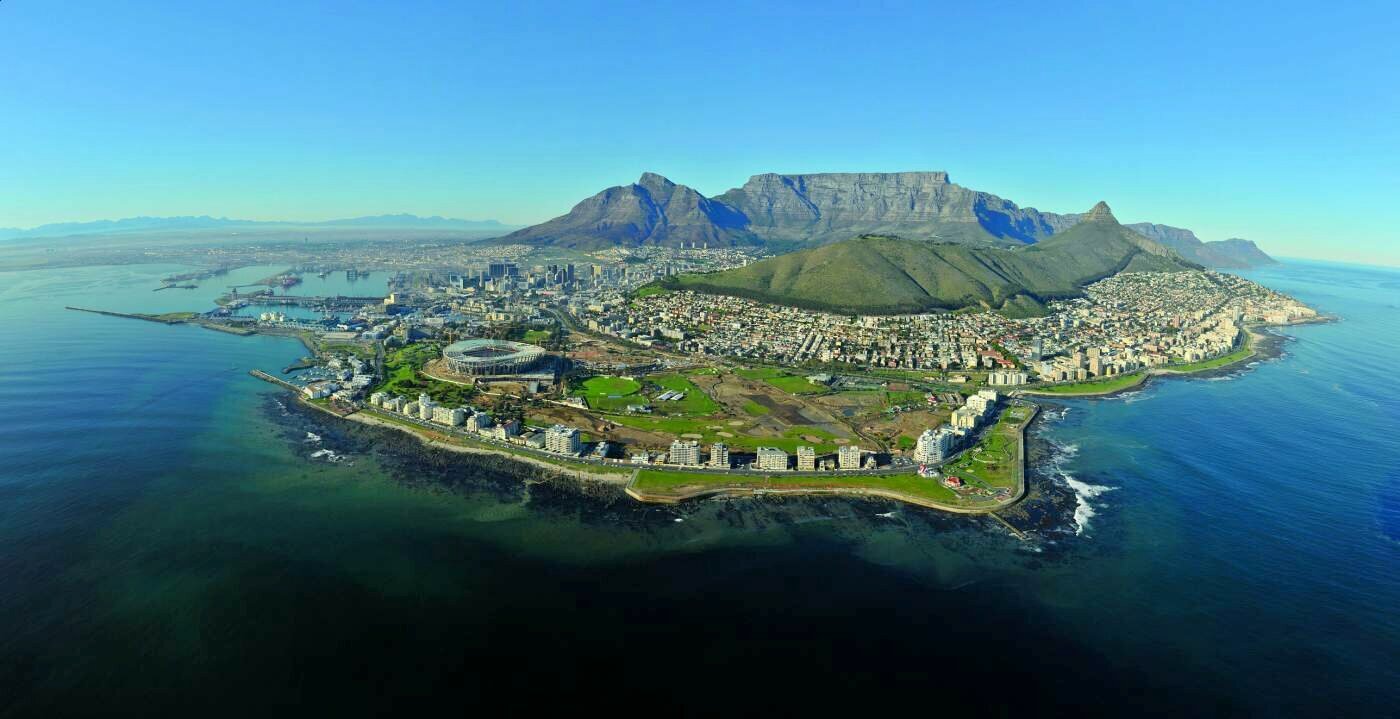
The South Africa motorcycle tour via Route 62 and the Garden Route lasts 11 days and links Cape Town, the Winelands, Cape Agulhas, the Cango Caves and the Swartberg Pass with the coast. It is designed as a road trip, you ride on asphalt, and the pass into the Little Karoo is the highlight. The next date after the late-autumn start in November 2026 is in February 2027, exactly in the window we describe as the best time. The November date falls in spring, with more changeable weather.
From Windhoek to Cape Town
If you want to combine South Africa with Namibia, the motorcycle tour from Windhoek to Cape Town offers a route of 13 days with Sossusvlei, Lüderitz and Fish River Canyon. It ends at the Cape, and from there the Garden Route is an obvious add-on. One date is at the end of January 2027. Note: this trip is a Namibia trip ending in Cape Town. You ride the coast with the Garden Route afterwards on your own or with a separate extension, not within this tour.
Camping and wildflowers
The camping safari through South Africa and Namibia starts in Cape Town, leads through the Cederberg and Namaqualand and ends in Swakopmund. It is not a Garden Route trip, but an example of how differently the seasons work in the west. The current dates are in June and July 2027, that is, in the southern winter, when it is dry and clear in northern Namibia.
The separation matters to us: the Garden Route itself is only part of the first of the three tours. The other two start or end at the Cape and can be combined with the coast.
How to plan the timing in practice
Once you've decided on a time window, a few steps help turn theory into a good trip.
Plan buffer days. Whatever the month: a free day in the middle of the route takes the pressure off when a front passes through. If you ride every day on a tight schedule, sooner or later you'll ride in the rain just because the timetable demands it.
Start early. The quietest and clearest hours are in the morning. In summer the wind builds up during the day, in spring and autumn the showers usually come in the afternoon. If you reach your daily destination around midday, you've won in both cases.
Decide by weather situation, not by calendar. The forecast for the south coast is quite reliable for a few days ahead. If you ride in a group, you swap the coast day for the pass day and vice versa when the clouds distribute differently. Good tour leadership does exactly that.
Book early if you travel in high season. Around the turn of the year the best accommodation is gone long in advance. For February to April there is more room, but there too: the earlier, the better the choice.
Our recommendation in one sentence per type of trip
- You want to ride, with good weather and open roads: February to April, with March as the core.
- You combine the Garden Route and Kruger in one trip: Put the coastal part in late summer or early autumn and Kruger at the end of this period. With the end of April to the beginning of May you catch both rules, more or less.
- You want to see whales: September to November, and expect changes in the weather.
- You travel during the holidays: December and January are doable, book early and plan rest buffers.
- You travel in winter: May to August works if you plan for rainy days and choose shorter daily stages.
And if you're unsure which combination suits you, write to us. We know these routes and will tell you honestly what the month you have in mind looks like.
Answered briefly
Frequently asked questions
- When is the best time to visit the Garden Route by motorcycle?
- The best time to ride is between February and April. The weather in late summer and early autumn is usually stable, the roads are much emptier after the summer holidays, and accommodation is easier to get. March is the most reliable month for us.
- Does it really rain more on the Garden Route in winter?
- Yes, in winter low-pressure fronts move from the Atlantic across the south coast and bring rainy spells of several days with wind. But it rains there in every season, just less often and for shorter periods in late summer. That is why rain gear always belongs in your luggage.
- Why is winter considered the best time for Kruger National Park, but not for the Garden Route?
- The northeast of the country has summer rain and dry winters, while the south coast lies in the transition zone to the winter rain of the Cape. In winter it is therefore dry in Kruger, but changeable on the Garden Route. You'll find more in our article on Kruger.
- Are December and January a good time for the Garden Route?
- The weather is lovely, but it is school holidays in South Africa. Beaches and towns are full, accommodation is often booked out and the coastal roads are busier. If you travel then, you should book early and plan free days as a buffer.
- When can I see whales on the south coast?
- Southern right whales come into the bays in the southern winter and spring, roughly from June to November. If you want to combine whales with reasonably reliable weather, plan September or October. In return you accept showers and wind.
- Where can I find information on entry, driving licence and money for South Africa?
- We keep these topics up to date in the travel information for South Africa. Entry, driving licence, currency and rules of the road are gathered there. We don't repeat them in the blog articles, so that you always read the valid status in one place.