
Kenya

Lake Nakuru National Park lies in the Great Rift Valley in Kenya, and 7 of our tours take an afternoon game drive here, usually straight after the Masai Mara. On 188 km² around a soda lake live more than 60 black and white rhinos, Rothschild's giraffes, lions, leopards and buffalo. Flamingos and pelicans stand along the shore, how many depends on the water level. With 450 recorded bird species, the lake has been part of the UNESCO World Heritage Kenya Lake System since 2011.
Lake Nakuru National Park lies at 1,754 m in the Great Rift Valley, on the edge of the town of Nakuru. In 1961 the southern part of the lake was protected as a bird sanctuary, later the whole lake was added, and today the park covers 188 km². Since 2011 it has been part of the UNESCO World Heritage Kenya Lake System in the Great Rift Valley, together with Lake Bogoria and Lake Elementaita.
At its centre lies a shallow alkaline soda lake whose surface changes a lot. Between 2013 and 2020 it grew from around 40 to 68 km², the water rose into the shoreline forests and the salt content dropped. Around the lake you find grassland, acacia forest with yellow barked fever trees, bush and rocky slopes. From the Baboon Cliff viewpoint on the western shore you look out over the whole lake.
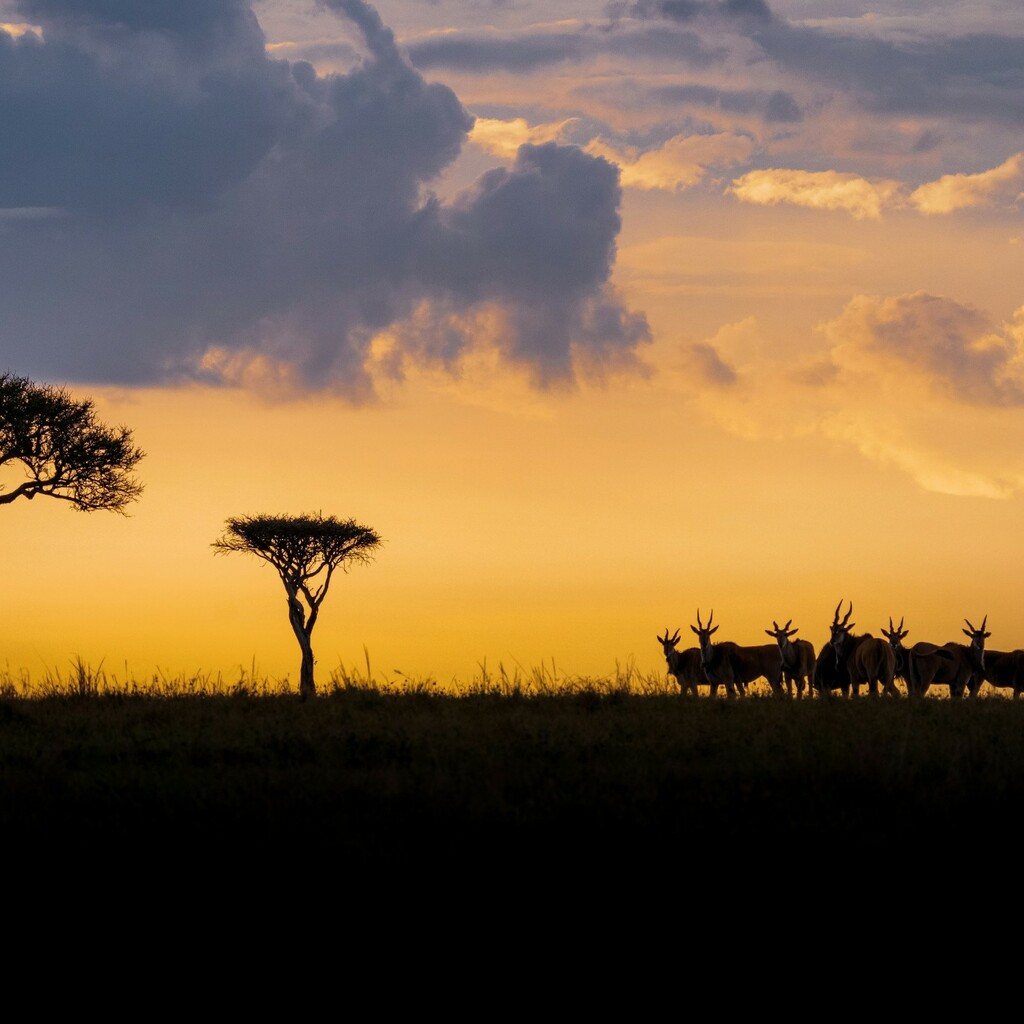
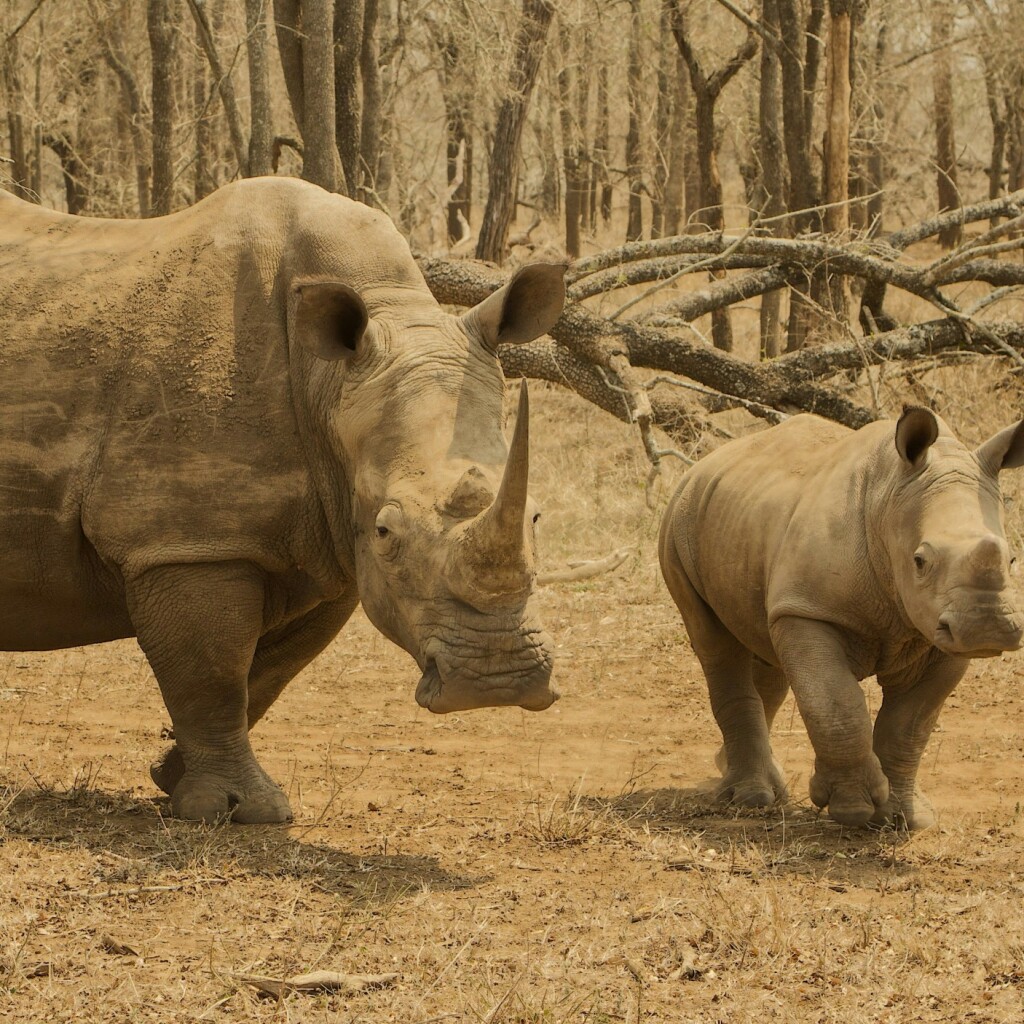
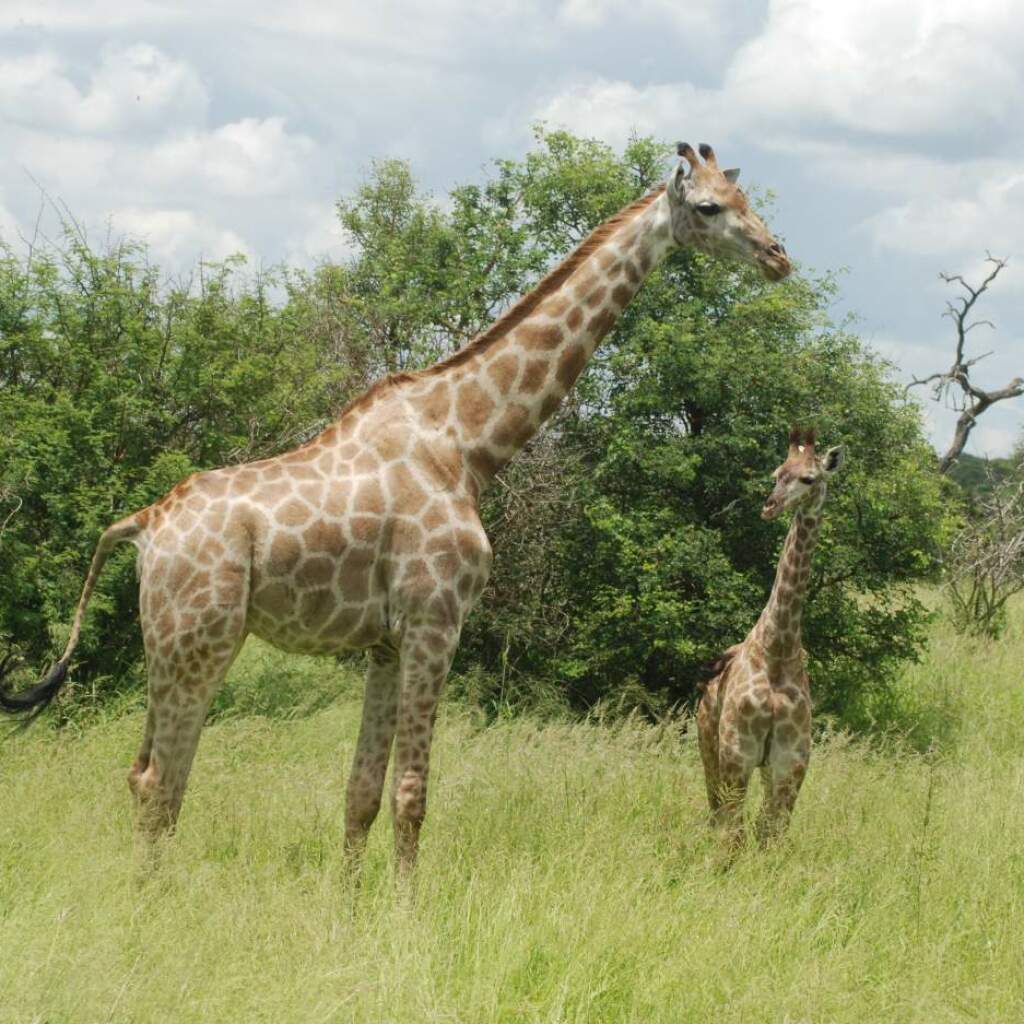
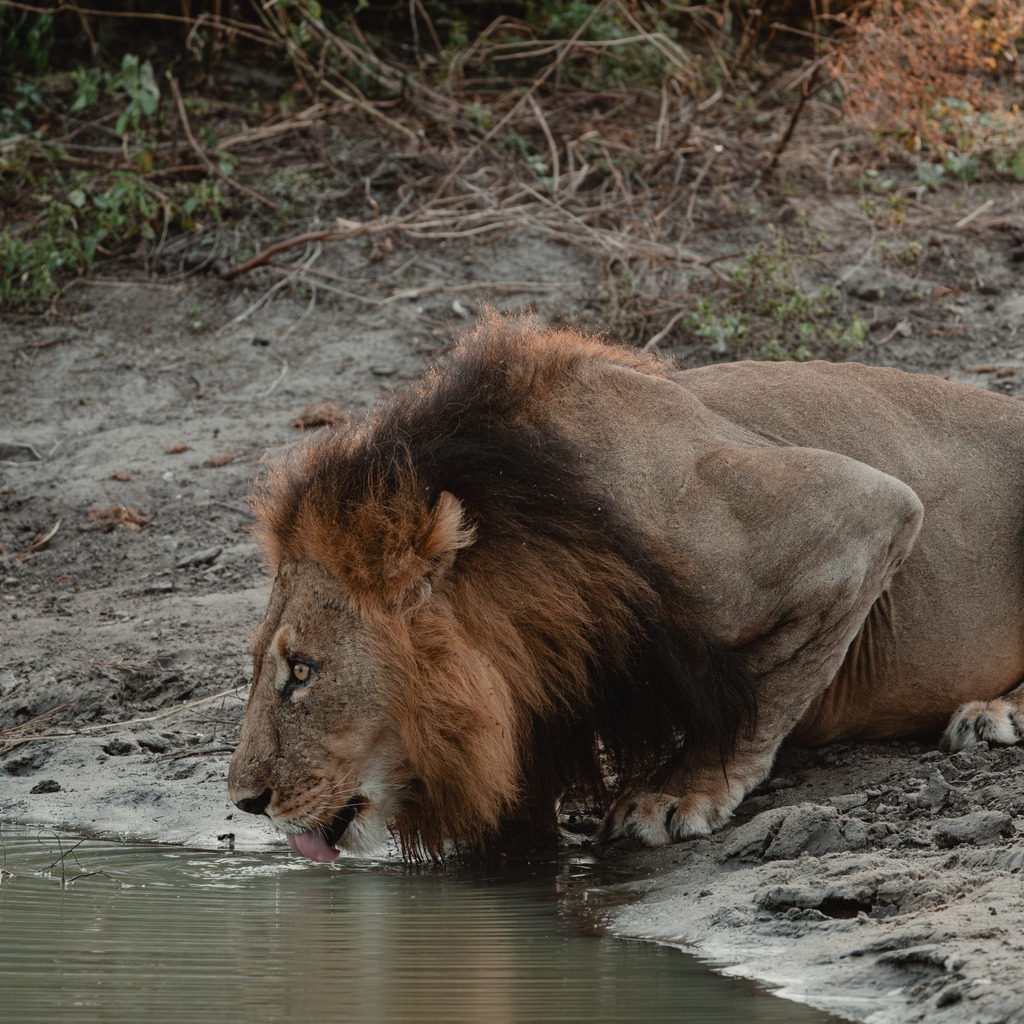
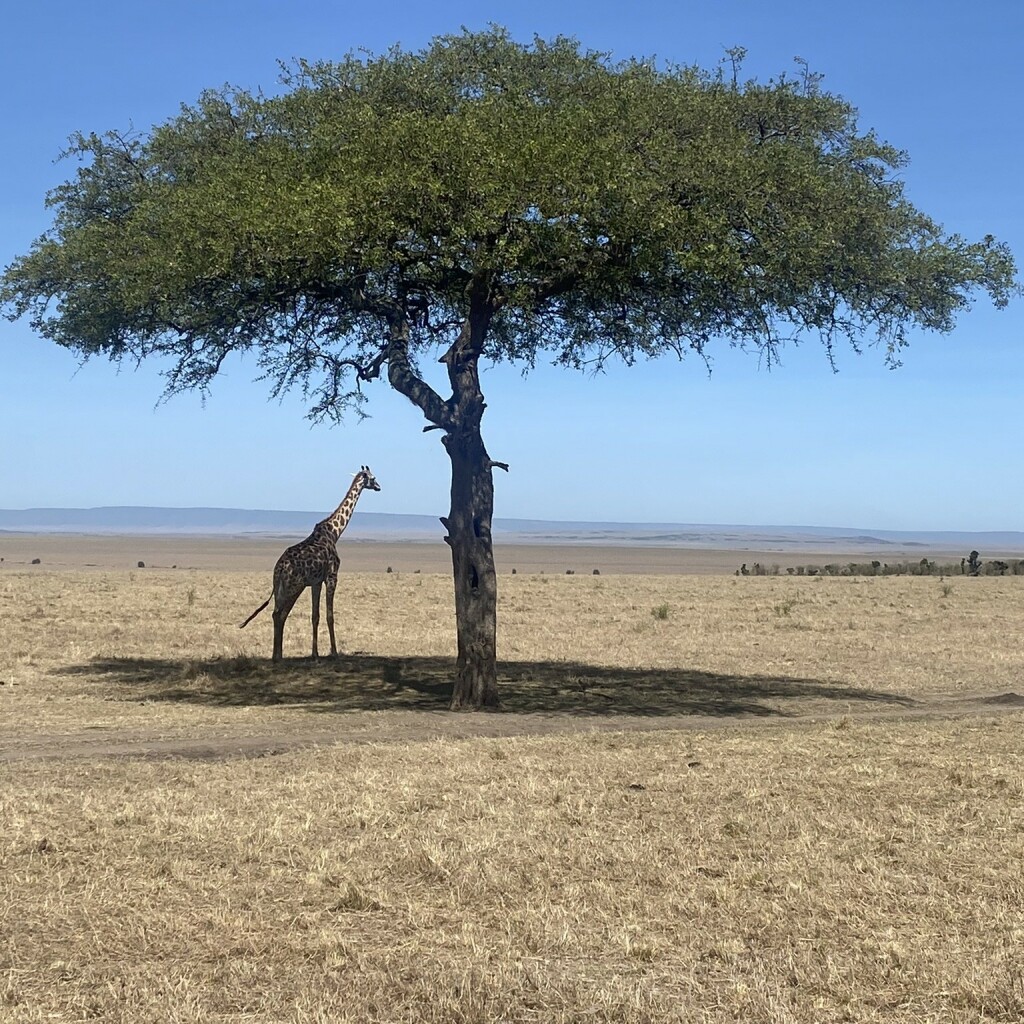
The park is fully fenced and one of the most important rhino sanctuaries in Kenya. More than 60 black and white rhinos live here. Since 1977 Rothschild's giraffes have been brought in, an endangered subspecies whose numbers grew to around 70 here. Add lions, leopards, buffalo, waterbuck, zebras and baboons.
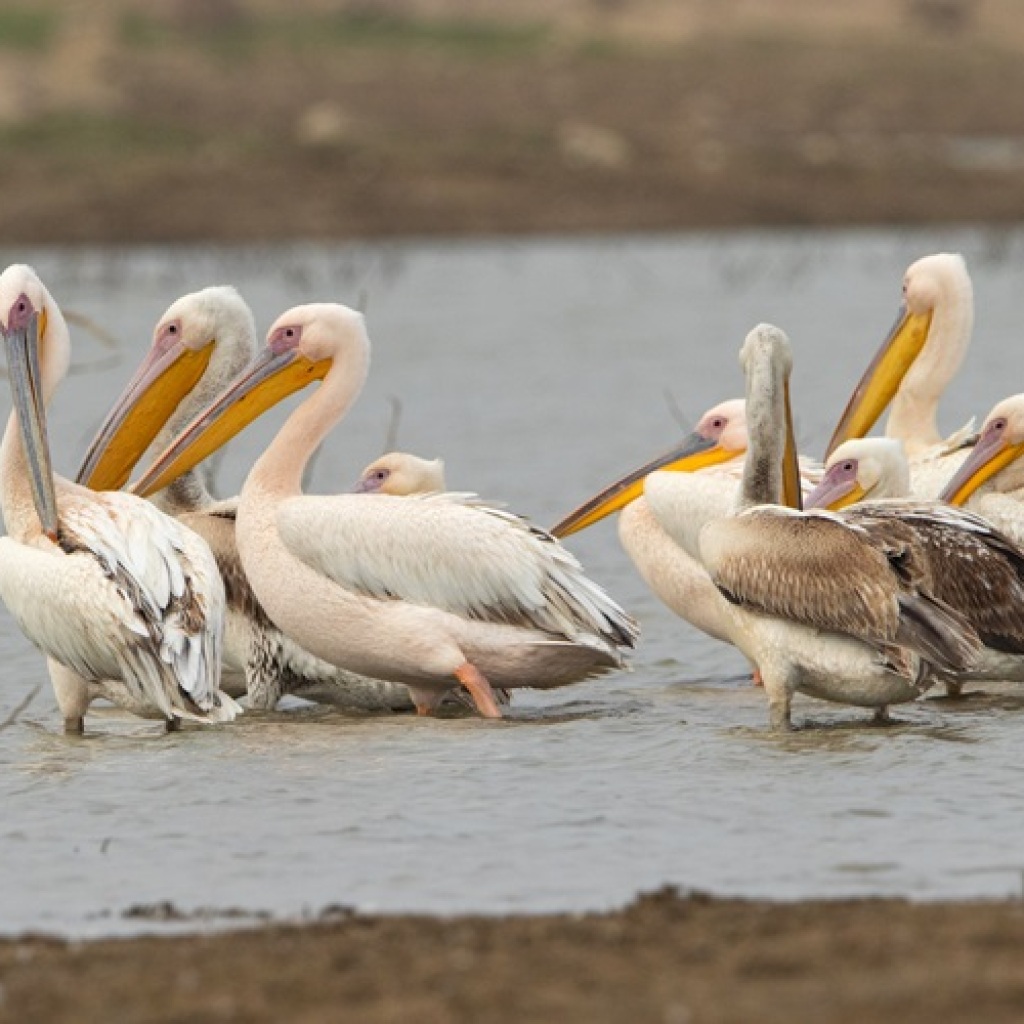
Around 450 bird species have been counted in the park, including 90 water bird species. The best known are the flamingos: with the right water level and plenty of algae in the lake they stand in the shallows by the hundreds of thousands. Since the lake rose there are fewer, and some have moved to other Rift Valley lakes. Pelicans, cormorants and marabou storks, on the other hand, are there in every month.


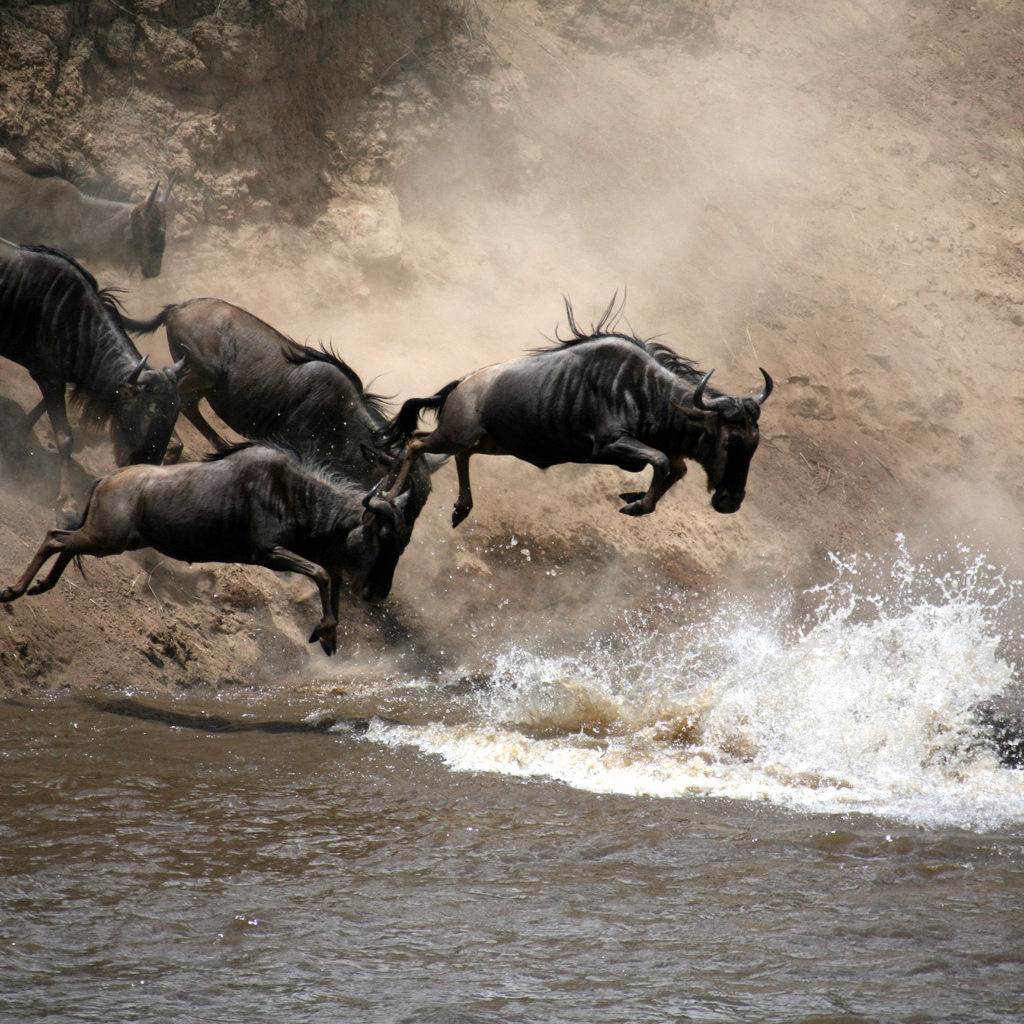
Lake Nakuru is one of the places in East Africa where you are most likely to see rhinos. More than 60 black and white rhinos live on 188 km² behind a fence, and the white rhinos often graze in the open grassland by the shore. The black rhinos prefer the bush and the acacia forest. On the afternoon drive of our tours they stand next to buffalo and waterbuck, sometimes only a few metres from the track.
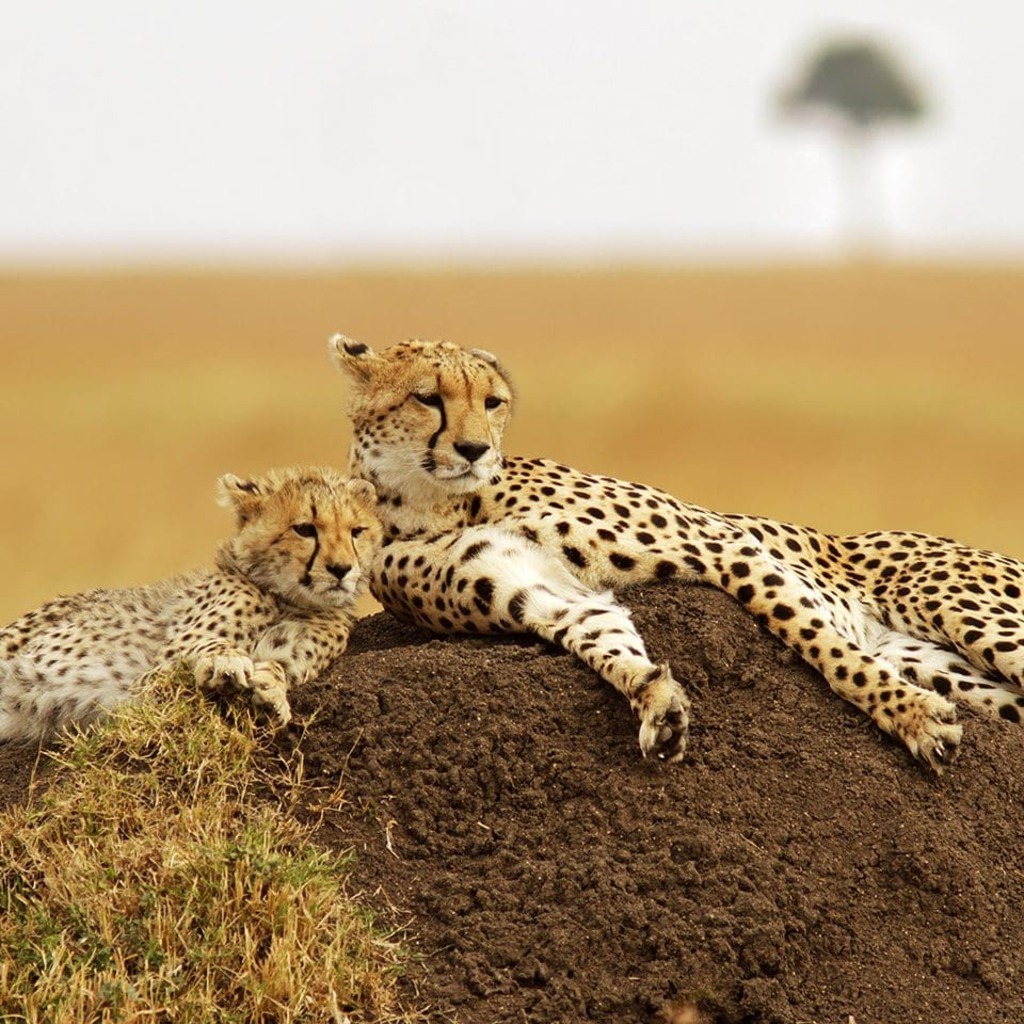
The lake is alkaline and shallow, and when there is a lot of blue green algae in the water, lesser flamingos come to feed. In good years they stand along the shore by the hundreds of thousands and turn it pink. Since the water level rose clearly between 2013 and 2020 there are fewer, and how many you see depends on the month and the year. Great white pelicans, cormorants and marabou storks, on the other hand, are there all year.
Since 1977 Rothschild's giraffes have been brought into the park, an endangered subspecies whose numbers grew to around 70 here. Some were later taken back to Uganda. You recognise them by their pale legs without spots below the knees. At the end of the drive many guides stop at Baboon Cliff, a rocky ledge on the western shore, from where you look out over the whole lake and the acacia forest.
The park is open all year, and our tours visit it in every month. What matters for the game drive are the tracks and the grass.
Dry season, June to October, plus January and February: The tracks around the lake are dry, the grass is shorter, and rhinos, buffalo and giraffes stand out in the open grassland. This is the best time for the game drive.
Long rains, March to May, and short rains in November and December: Thunderstorms mostly in the afternoon, the landscape turns green, migratory birds arrive. Some tracks along the shore and in the forest get muddy after heavy rain, and the drive takes longer. The main track stays passable.
How many flamingos stand on the lake depends less on the month than on the water level and the algae that year. More on climate and entry is in our Kenya travel dossier.
The park is run by the Kenya Wildlife Service (KWS). Since October 2025 entry costs US$ 90 per person and 24 hours for foreign adults and US$ 45 for children and students (as of 2026). Payment is cashless. On 2 of our tours all park fees are included according to the services, on the others it is listed under services on each tour.
All 7 tours arrive at Lake Nakuru from the Masai Mara in the morning and go on a game drive in the park in the afternoon. The next morning they move on, on the 4 day tour back to Nairobi, on the longer tours on towards Uganda or Nairobi. The park lies on the edge of the town of Nakuru and is reached by a paved road.
At 188 km² the park is small, and a game drive of 3 to 4 hours takes you once around the lake. Our tours plan one afternoon drive and one night at the lake. That is enough for rhinos, giraffes, buffalo and the birds on the shore. If you are looking for lions or leopards, you need a bit of luck.
You stay in the vehicle during the game drive, except at marked viewpoints such as Baboon Cliff. No feeding, no drones. Nakuru lies in a malaria region of Kenya. Talk to a tropical medicine doctor about prophylaxis before you travel, and pack long sleeves and insect repellent. Vaccinations and entry rules are in our Kenya travel dossier.
On the overland tours and on the camping option of the 15 day tour to Uganda you sleep in a tent at a site with a shower block, and meals are cooked at the truck. On the lodge option of the same tours you sleep in a fixed room with your own bathroom.
The 4 day tour from Nairobi via the Masai Mara to Lake Nakuru is offered as a lodge safari. You sleep in fixed accommodation, with a single room supplement if you travel alone. The next morning you head back to Nairobi early, with the Giraffe Centre and Nairobi National Park on the way.
The flamingos are no longer guaranteed. Since the lake grew from around 40 to 68 km² between 2013 and 2020 there are fewer, and how many you see depends on the water level and the algae. The park is still worth it: more than 60 rhinos, Rothschild's giraffes and around 450 bird species on 188 km².
A game drive of 3 to 4 hours is enough for one loop around the lake. Our 7 tours plan one afternoon drive and one night at the lake, usually between the Masai Mara and Nairobi or Uganda.
Since October 2025 foreign adults pay the Kenya Wildlife Service US$ 90 per person and 24 hours, children and students US$ 45 (as of 2026). Whether the park fees are included in the tour price is listed under services on each of our tours.
Black and white rhinos, Rothschild's giraffes, buffalo, waterbuck, zebras and baboons, less often lions and leopards. Add around 450 bird species, including flamingos, great white pelicans, cormorants and marabou storks. There are no elephants in the park.
June to October as well as January and February. Then the tracks are dry and the grass is shorter. In the rainy seasons from March to May and in November some shore tracks get muddy, but the park stays open.
7 tours between 4 and 57 days. The shortest is a 4 day lodge safari from Nairobi with the Masai Mara and Lake Nakuru. The 15 day tour combines Kenya with the gorillas in Uganda, and the longer overland tours come from Tanzania, Zambia or South Africa.

How did you
hear about us?