
Africa

Hwange National Park covers 14,651 km² and is the largest protected area in Zimbabwe, and 4 of our tours drive in from Victoria Falls. The park is home to over 100 mammal species and around 400 bird species, plus one of the largest elephant populations in Africa, most recently around 23,000 animals. Our tours stay 2 nights, with game drives in the afternoon, at dawn or for a whole day, and on 3 of the 4 tours you visit the centre for the African wild dog.

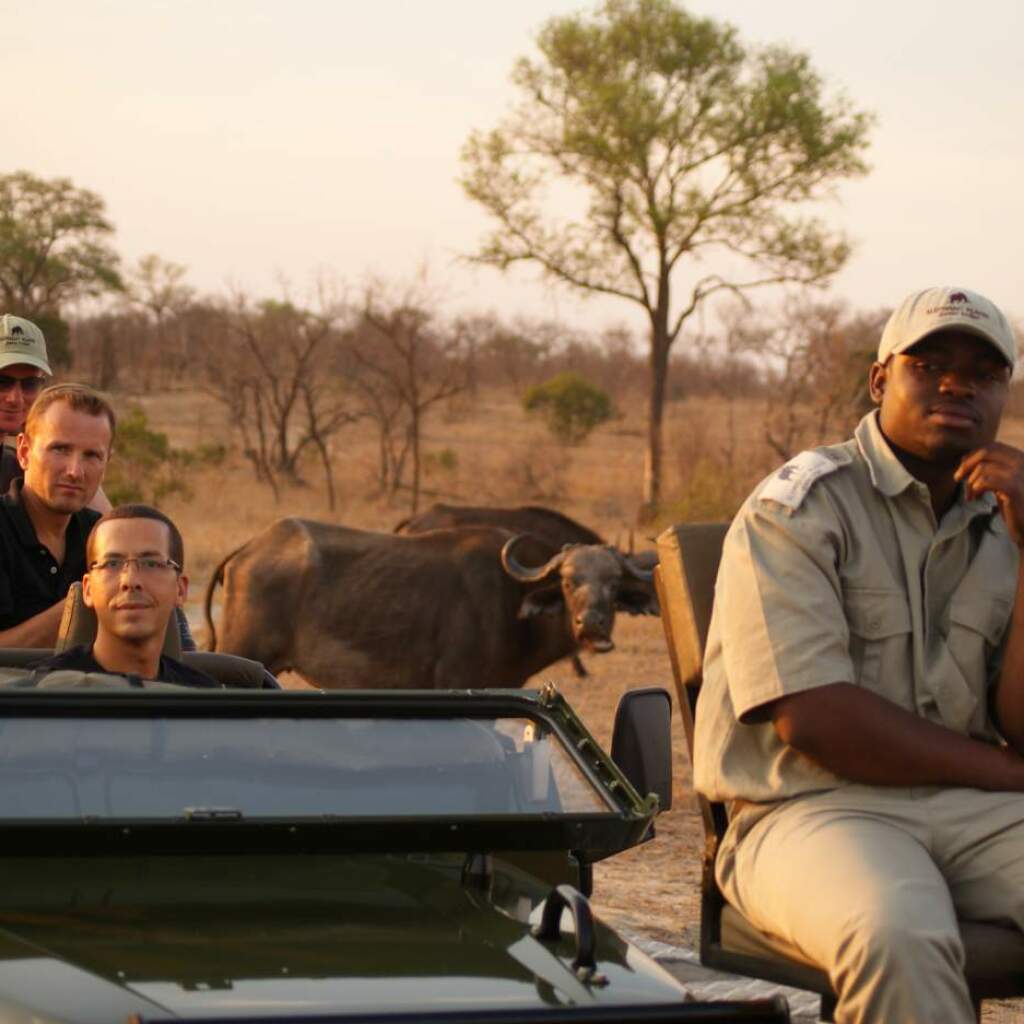
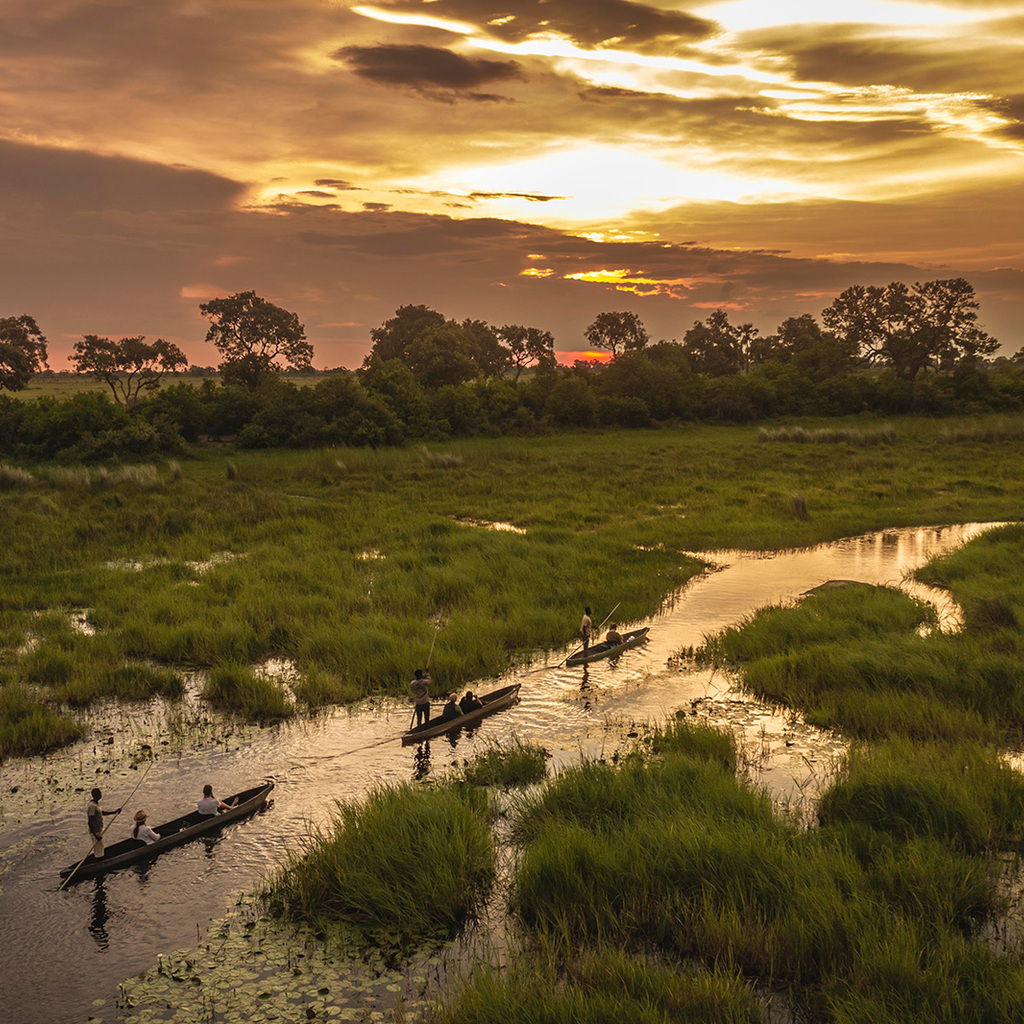
Hwange National Park lies in western Zimbabwe on the border with Botswana, between Victoria Falls and Bulawayo. It has been protected since 1928, first as a game reserve, later as a national park, and with 14,651 km² it is the largest park in the country. Most of it lies on the deep sand of the Kalahari: teak forest, mopane, open grassland and shallow pans that fill with water in the rainy season and dry out afterwards.
There is no permanent river in the heart of the park. So that the animals survive the dry season, pumps bring water from boreholes into many of the pans, for example Ngweshla Pan in the south. From July the wildlife gathers at these waterholes, and that is where the game drives stop too.
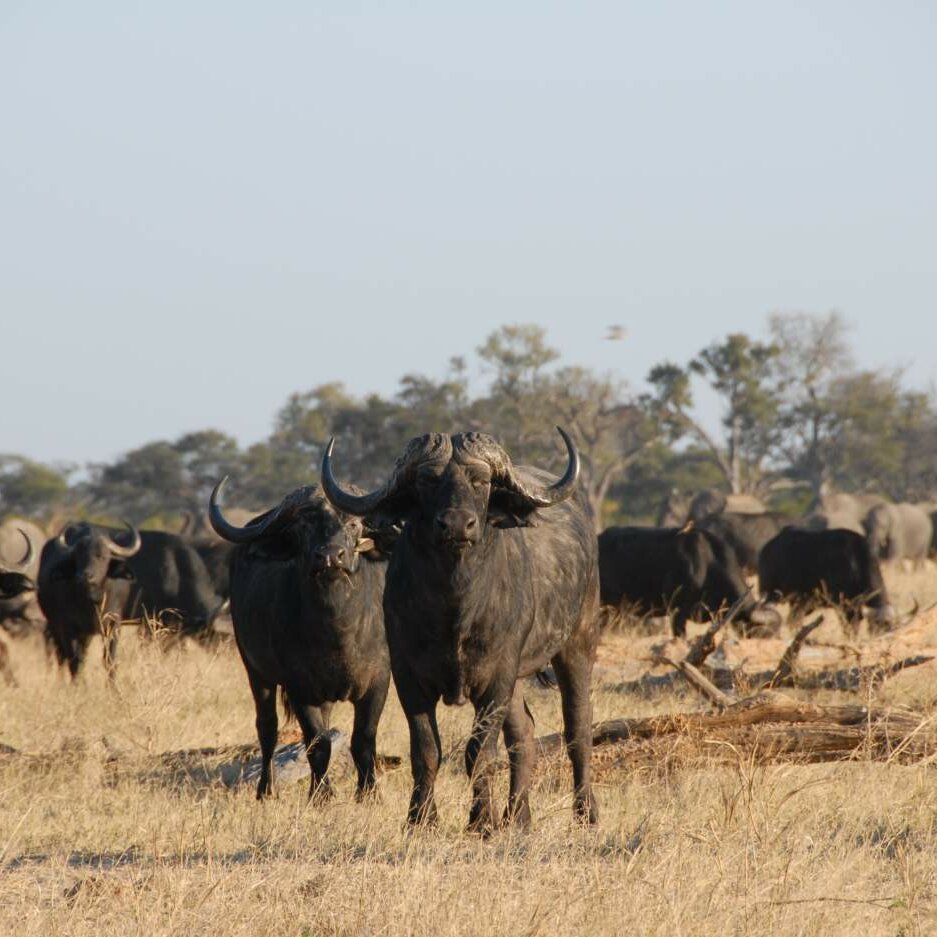
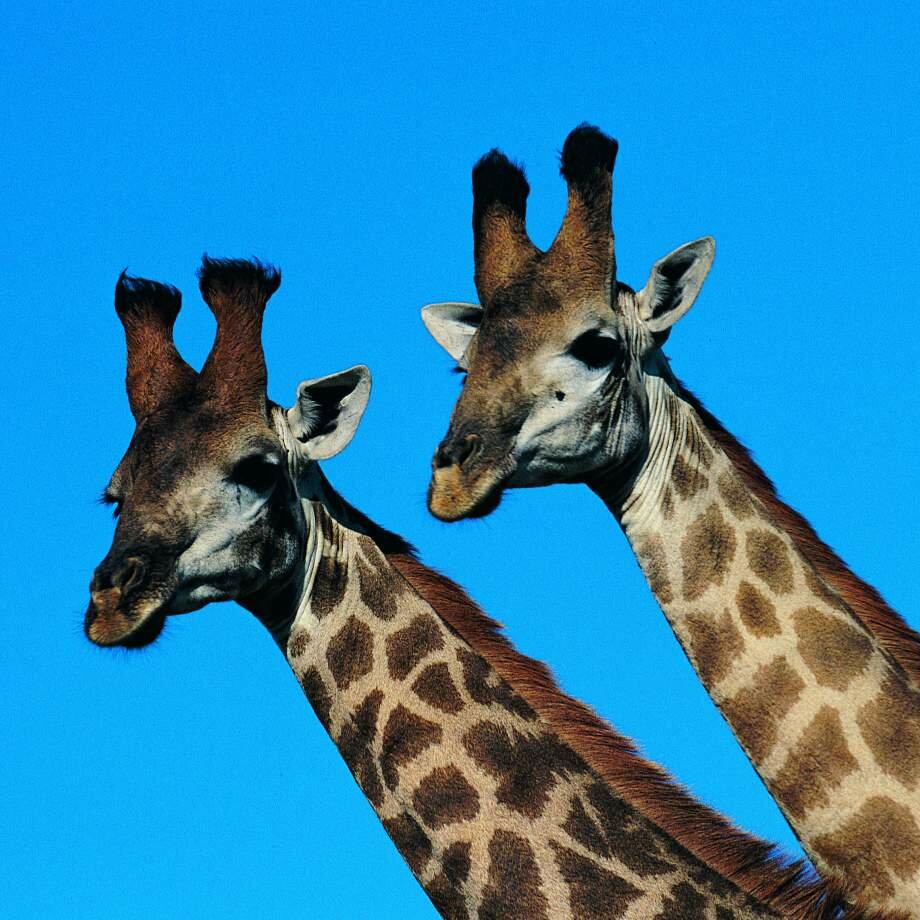
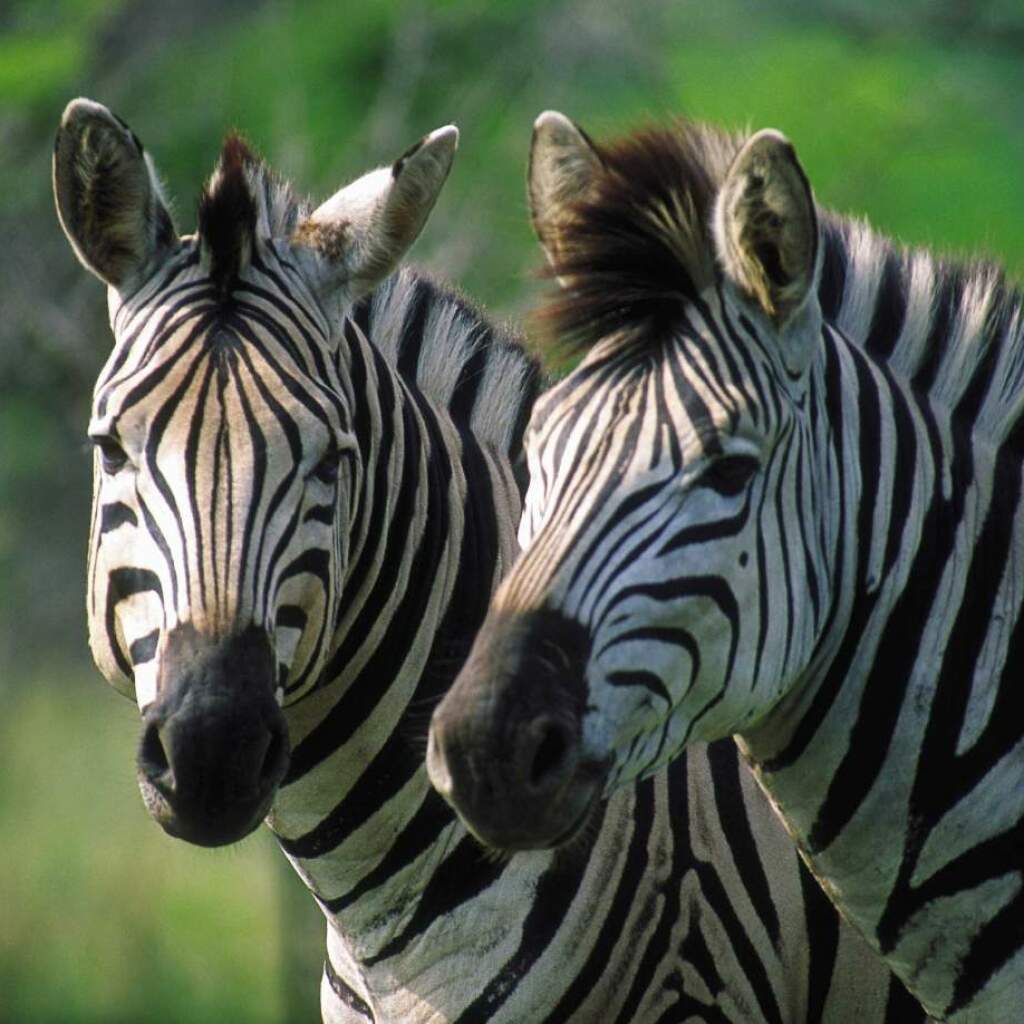
Hwange is the park of elephants. Their number stood at 2,000 to 4,000 around 1930 and was given as around 23,000 in 2017, more than the landscape can carry in the long run. In the dry season herds of several dozen animals come to the pans in the afternoon. The park also holds over 100 mammal species: buffalo, giraffe, zebra, sable and roan antelope, lion, leopard, cheetah, spotted hyena and one of the most important populations of the African wild dog. Around 400 bird species make it worthwhile for birdwatchers as well.
All 4 of our tours come from Victoria Falls and continue south after Hwange, to Bulawayo, the Matobo Hills or towards Kruger. More about the country is on the page Zimbabwe Safari.


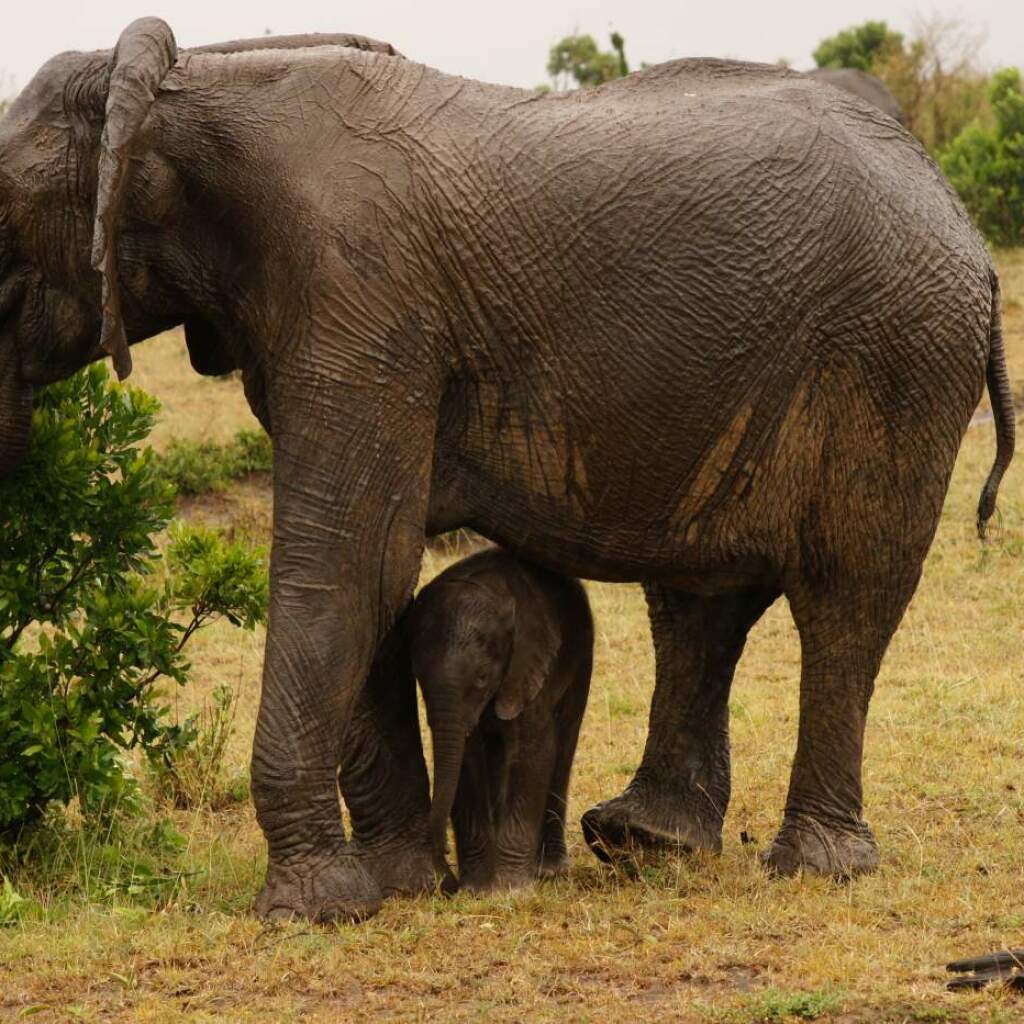
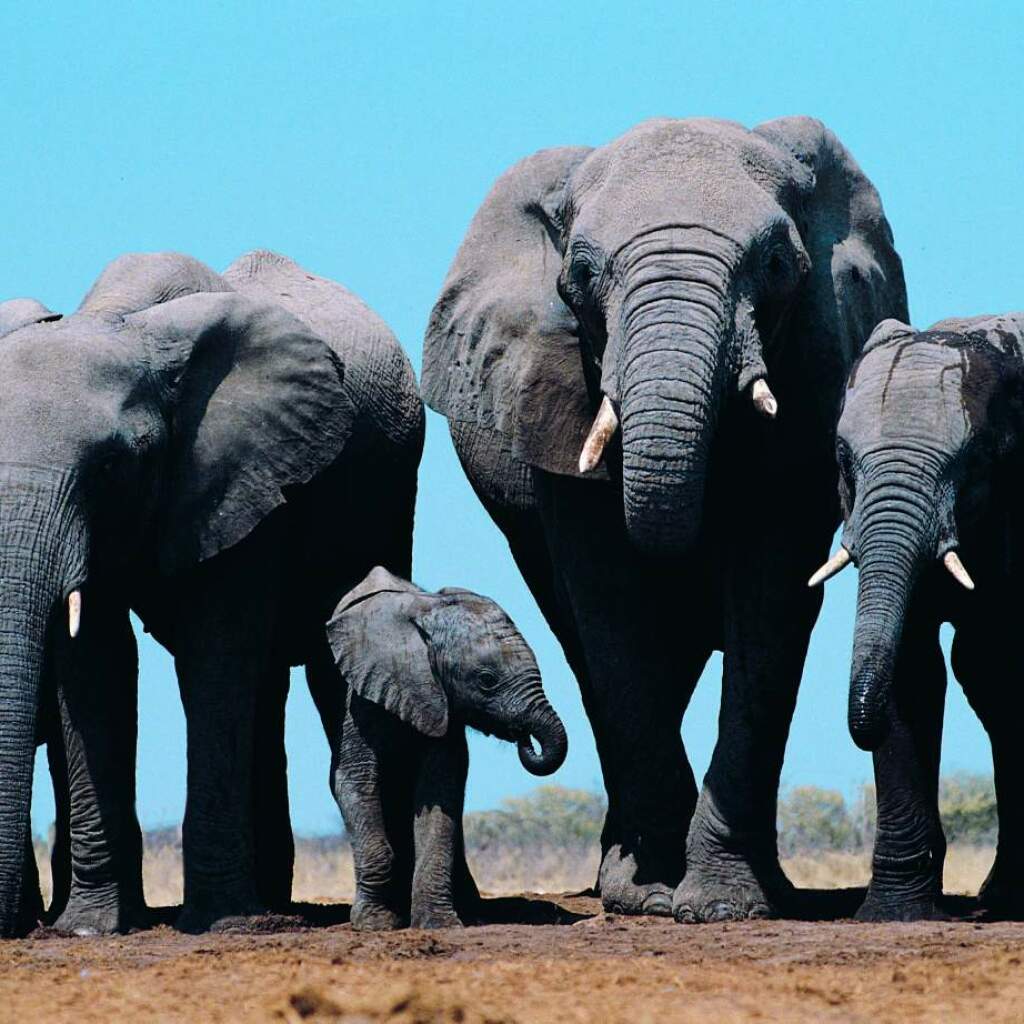
In the dry season from July to October the natural water sources dry up, and the pumped pans become the meeting point. In the afternoon elephant herds come out of the forest to the water, drink, bathe in the mud and make way for the next group. Zebras, giraffes, kudus and troops of baboons wait at the edge in between. You stand with the vehicle at the pan, the engine is off, and the animals come to you.
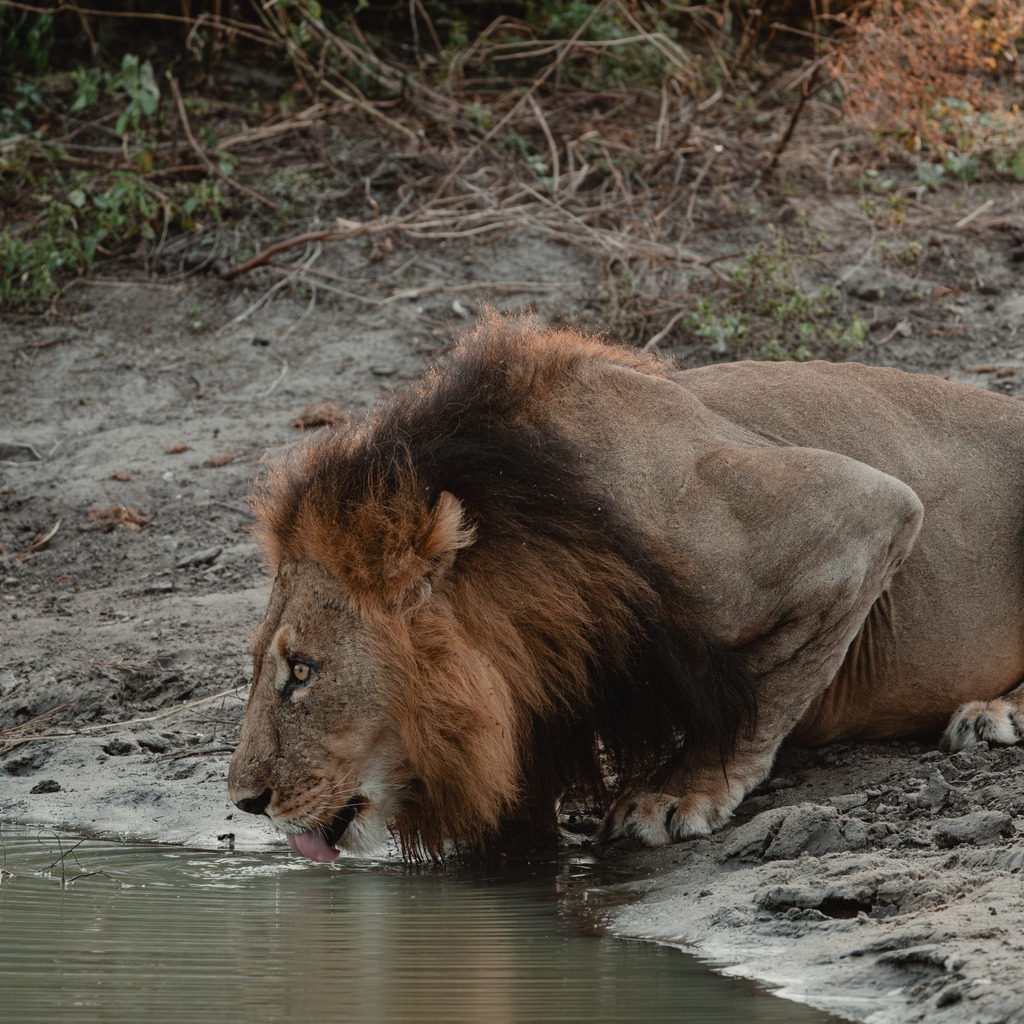

The African wild dog is one of the rarest predators in Africa, and Hwange holds one of its most important populations. On the edge of the park a centre works to protect the wild dogs, with an exhibition and information on the packs in the park. On 3 of our 4 tours you visit the centre, and with luck you meet a pack hunting in the early morning on a game drive.

Two of our tours plan a full day game drive by 4x4, the Zimbabwe group tour of 11 days in an open vehicle. The other two drive into the park on the afternoon of arrival and in the early morning, the truck safari of 19 days with two game drives in one day. The first hour after sunrise and the last two before sunset are the times when lions, hyenas and wild dogs are on the move.
Hwange has two seasons, and they decide where the animals are. Dry season, July to October: no rain, the grass is short, the natural pans dry out, and the wildlife gathers at the pumped waterholes. This is the best time for elephants and big cats. In July the nights are cool, in October the midday heat rises sharply.
Rainy season, November to April: afternoon thunderstorms, the park turns green, the pans fill, and the animals spread out across the whole park. Many young are born and migratory birds arrive. On the Kalahari sand, side tracks become hard going after heavy rain, while the main roads around Main Camp stay open.
May and June are a good transition: dry, mild, with the grass still higher. Visa and entry rules are covered in the dossier Travel Information Zimbabwe.
The park is run by Zimbabwe's national parks authority ZimParks. The fee is charged per person and day at the gate, in US dollars, and the rates change regularly. Whether the park fees are included in the tour price is listed under services for each of our tours.

All our tours drive south from Victoria Falls into the park. The main entrance is Main Camp near Dete in the north, further gates are at Mbala south of the town of Hwange and at Nantwich in the west. The last kilometres to the accommodation run on dirt roads, inside the park on sand and gravel tracks.

2 nights are the minimum, so that you have a full day for game drives. Our 4 tours stay exactly that long: arrival in the afternoon, a full day or a morning in the park, then on to Bulawayo, the Matobo Hills or towards Kruger.
Outside the camps and marked picnic sites you stay in the vehicle. No feeding, no drones, keep quiet at the waterholes. The gates open at sunrise and close at sunset, at night the park is closed to visitors without a guide.
Hwange lies in a malaria zone, with the highest risk in the rainy season from November to April. Talk to a travel medicine doctor about prophylaxis before your trip and bring long clothing and a repellent with DEET for the evenings.
The Zimbabwe group tour of 11 days, the truck safari of 19 days and the lodge version of the 14 day group tour stay in lodges on the edge of the park, with a room or chalet, private bathroom and restaurant. From there you set off on your game drive, and in the evening you hear the bush outside your door.
The camping version of the 14 day group tour and the overland tour of 31 days camp near the park, with two person tents, mattresses and meals cooked from the truck. Whether you camp or sleep in a lodge is your choice when you book the tour. The exact accommodation is listed in the day by day programme.
July to October. In the dry season the natural pans dry out, and elephants, buffalo and big cats gather at the pumped waterholes. September is the peak, October is very hot. In the rainy season from November to April the park is green, but the wildlife spreads out.
In 2017 the population was given as around 23,000 animals, around 1930 it was 2,000 to 4,000. That gives Hwange one of the largest elephant populations in Africa. In the dry season you often see herds of several dozen animals at the pans in the afternoon.
2 nights are the minimum, so that a full day is left for game drives. Our 4 tours stay 2 nights, with drives on the afternoon of arrival and in the early morning or a whole day by 4x4.
Yes, Hwange lies in a malaria zone, with the highest risk in the rainy season from November to April. Talk to a travel medicine doctor about prophylaxis before your trip and bring long clothing and a repellent with DEET.
The shortest is the Zimbabwe group tour of 11 days from Victoria Falls to Kruger. Then there is the 14 day group tour as camping or lodge, the truck safari of 19 days through South Africa, Botswana and Zimbabwe, and the overland tour of 31 days through four countries.
Yes, the main roads around Main Camp are passable in the dry season, for the Kalahari sand away from them you need four wheel drive. The gates close at sunset. On our tours a guide drives who knows the waterholes and the tracks of the night, so you do not have to worry about anything.

How did you
hear about us?