At a glance Contents
- A country made for motorcycles: Morocco in the first kilometres
- Between Atlas and Sahara: landscapes that demand everything
- The magic of the villages: culture, people, encounters
- Sun instead of sleet. Why Morocco is perfect in winter
- Adventure, not risk: safety, preparation and trust
- From Marrakesh to the Atlantic: sights you have to see
- Secret trails and routes for explorers
- Desert packing list: what you really need
- Why Morocco becomes an addiction
- FAQ: frequently asked questions
- Conclusion
A country made for motorcycles: Morocco in the first kilometres
Everything changes the moment Marrakesh is behind you.
The noise of the medina fades, the road pulls into the mountains like a dark ribbon, and the hum of the engine replaces any need for music.
The air smells of dust, mint and metal.
Morocco does not welcome you with comfort. It welcomes you with movement.
The Atlas Mountains rise straight ahead of you: the first real test.
The passes Tizi n'Tichka (31.28, -7.35) and Tizi n'Test (31.03, -8.23) wind their way up in hairpins to over 2,000 metres.
In a single hour you ride through four climate zones, two landscapes and countless curves.
Hardly any other country packs so many riding realities into such a short distance: asphalt, gravel, sun, cold.
Morocco is not a destination. It is a state of mind.
Between Atlas and Sahara: landscapes that demand everything
South of the Atlas the adventure begins.
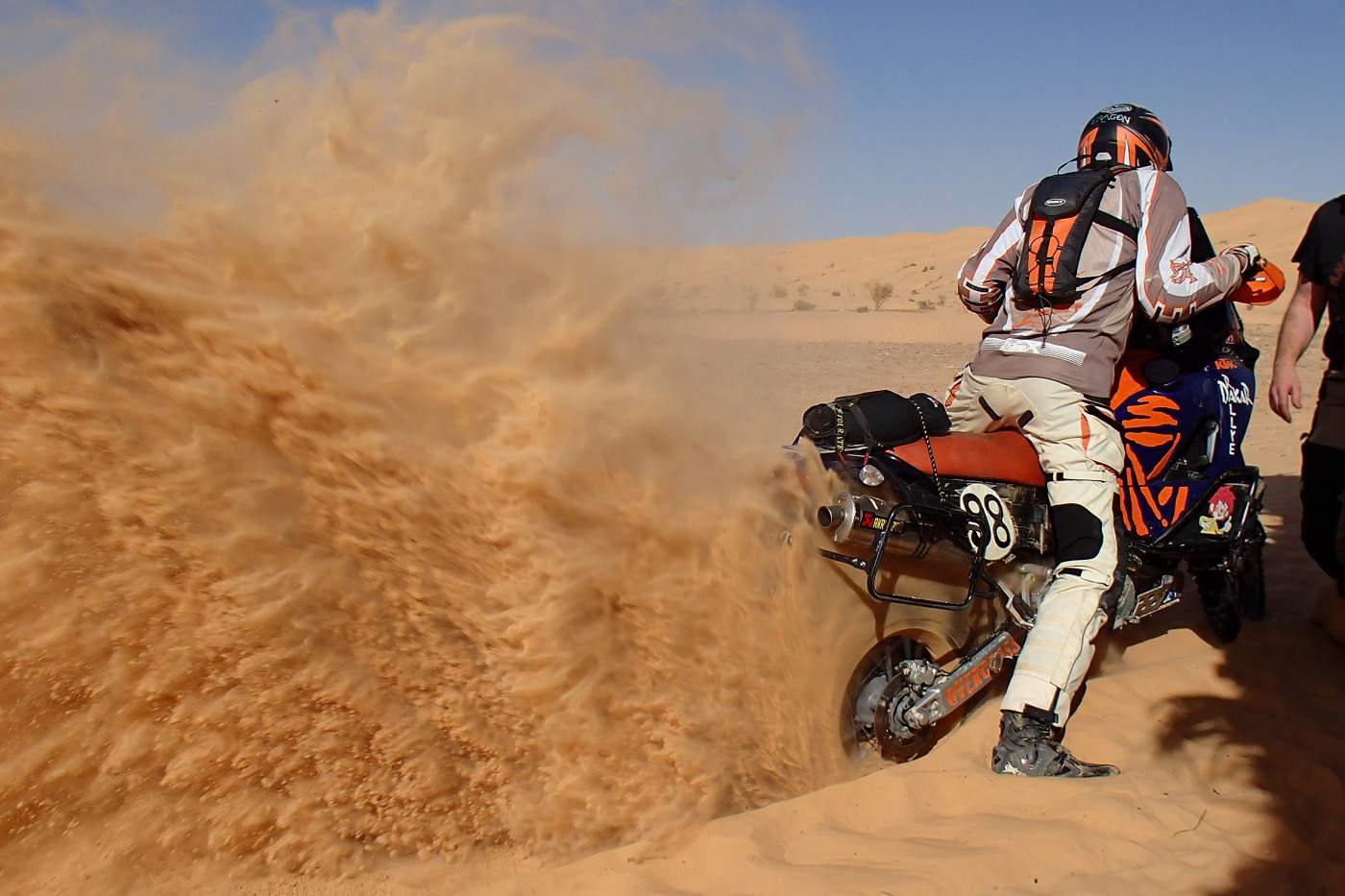
Here, where the green disappears and the colours turn to ochre and rust, the surface alternates between asphalt, scree and loose sand.
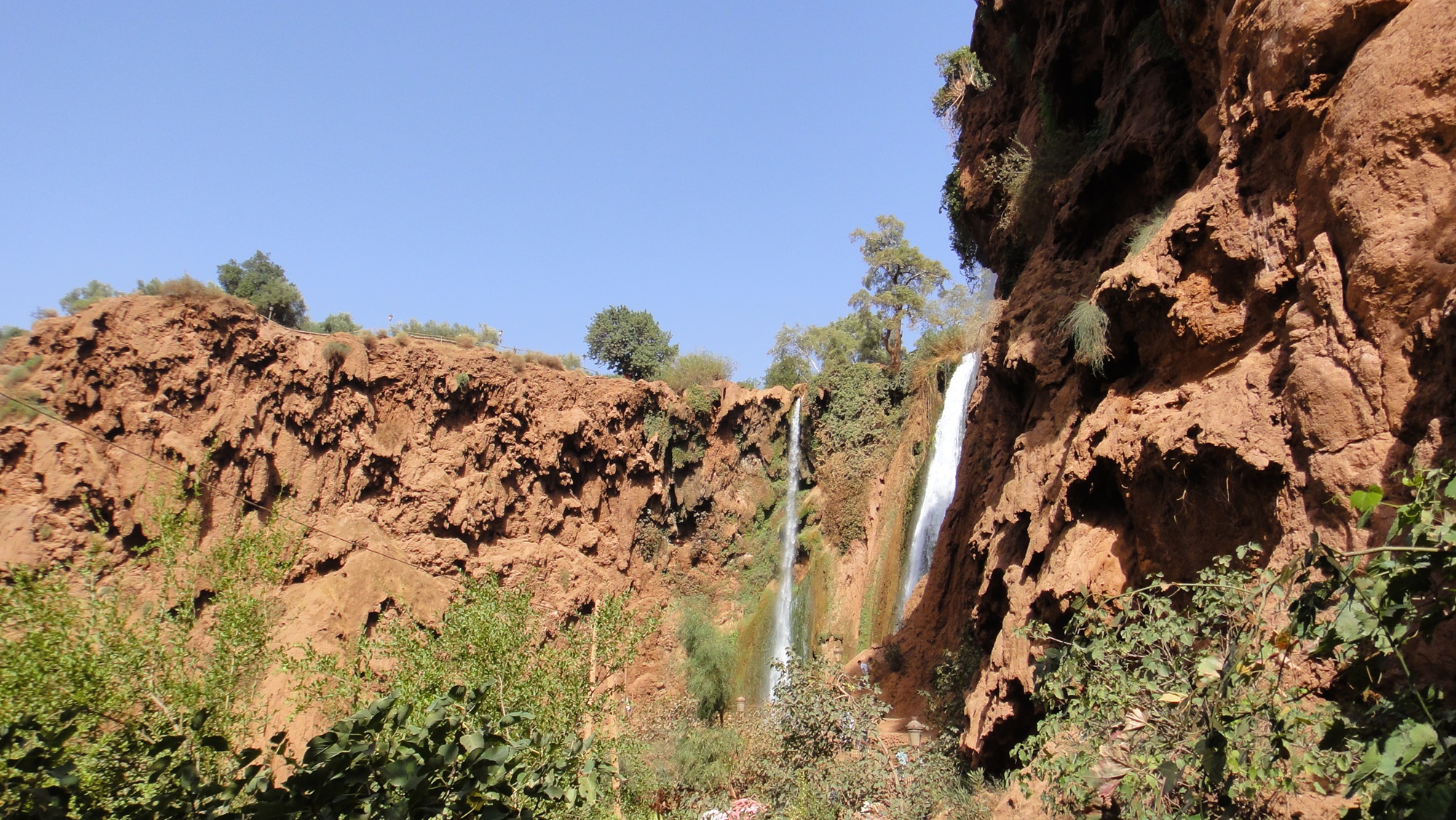
The Todra Gorge (31.60, -5.60) is like a gateway: walls 160 metres high, 10 metres apart, light and shadow fighting for space.
A few hours further on lies the Dadès Gorge (31.58, -5.90), with hairpins that look as if someone had drawn the road into the rock with a ruler.
Further south the Jbel Saghro is waiting: black volcanic rock, canyon country, almost no traffic.
Then the land opens up and suddenly you are standing on Lac Iriki (29.99, -6.50), a dried-out salt lake that feels like the end of the world.
Out there the horizon loses all meaning, and even the GPS seems to fall silent.
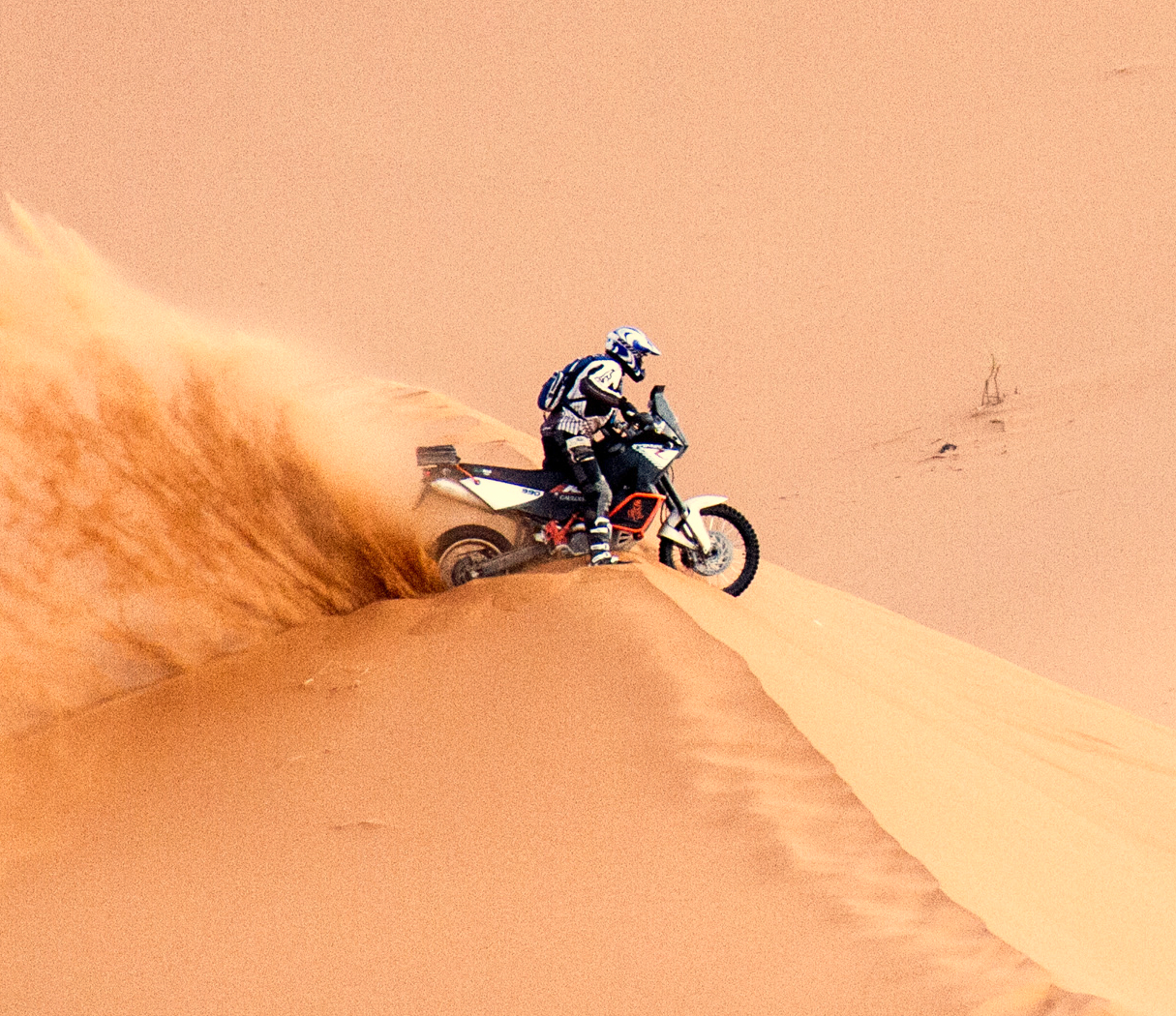
Further to the south-east lie the dunes of Erg Chebbi (31.17, -3.98), mountains of sand 150 metres high, golden in the evening light.
Switch off the engine here and you hear nothing but wind and your own heartbeat.
These stages are not roads. They are tests for machine, body and mind.
The magic of the villages: culture, people, encounters
In Morocco you do not measure distances in kilometres, but in encounters.
A glass of tea is worth more than a fuel stop.
In the villages of the Atlas or on the edge of the Sahara you are met with a smile and almost always with Atay b Na'na', Moroccan mint tea.
Poured three times: life, love, death.
Every sip sweet, strong and warm: like the country itself.
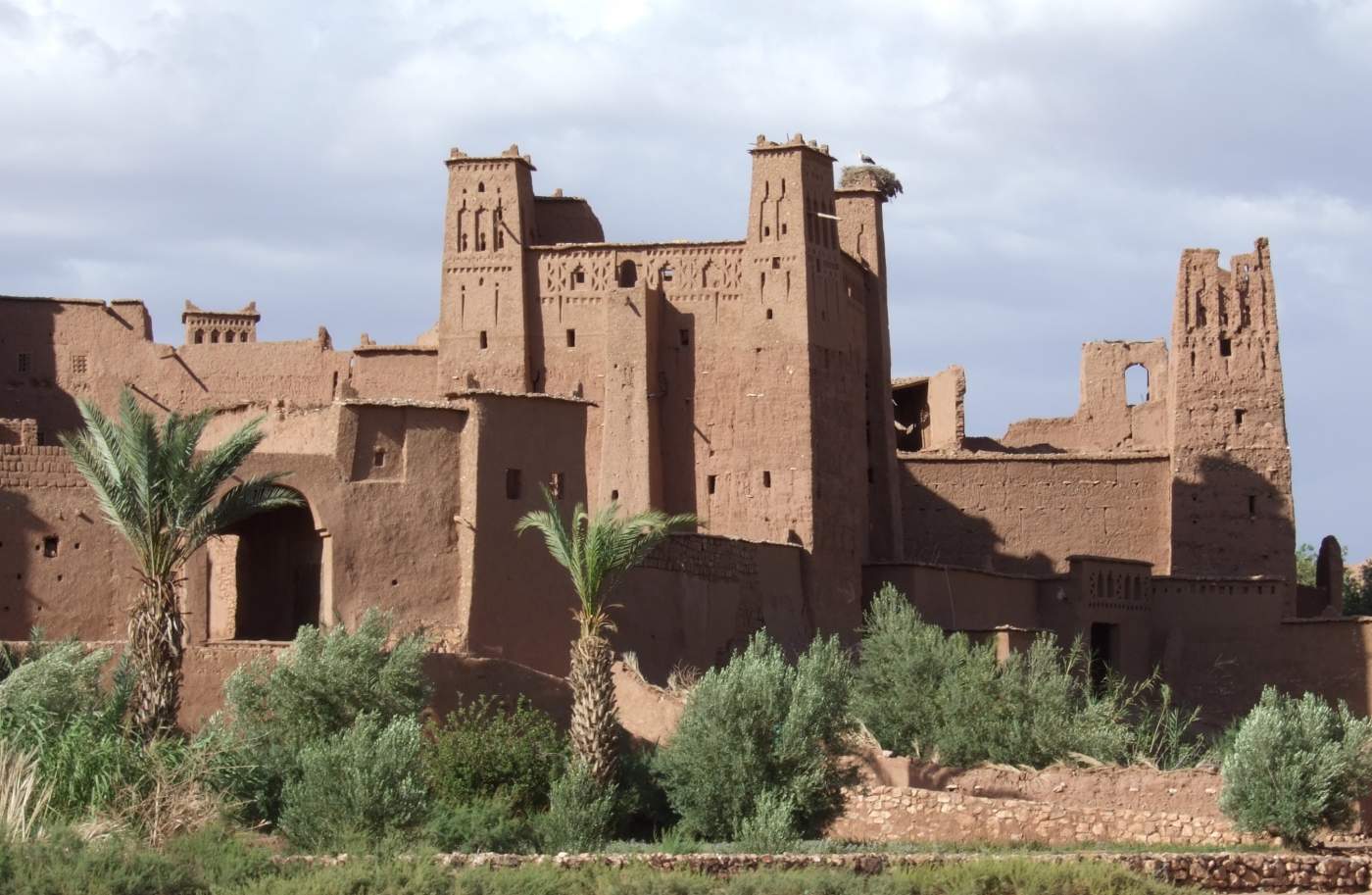
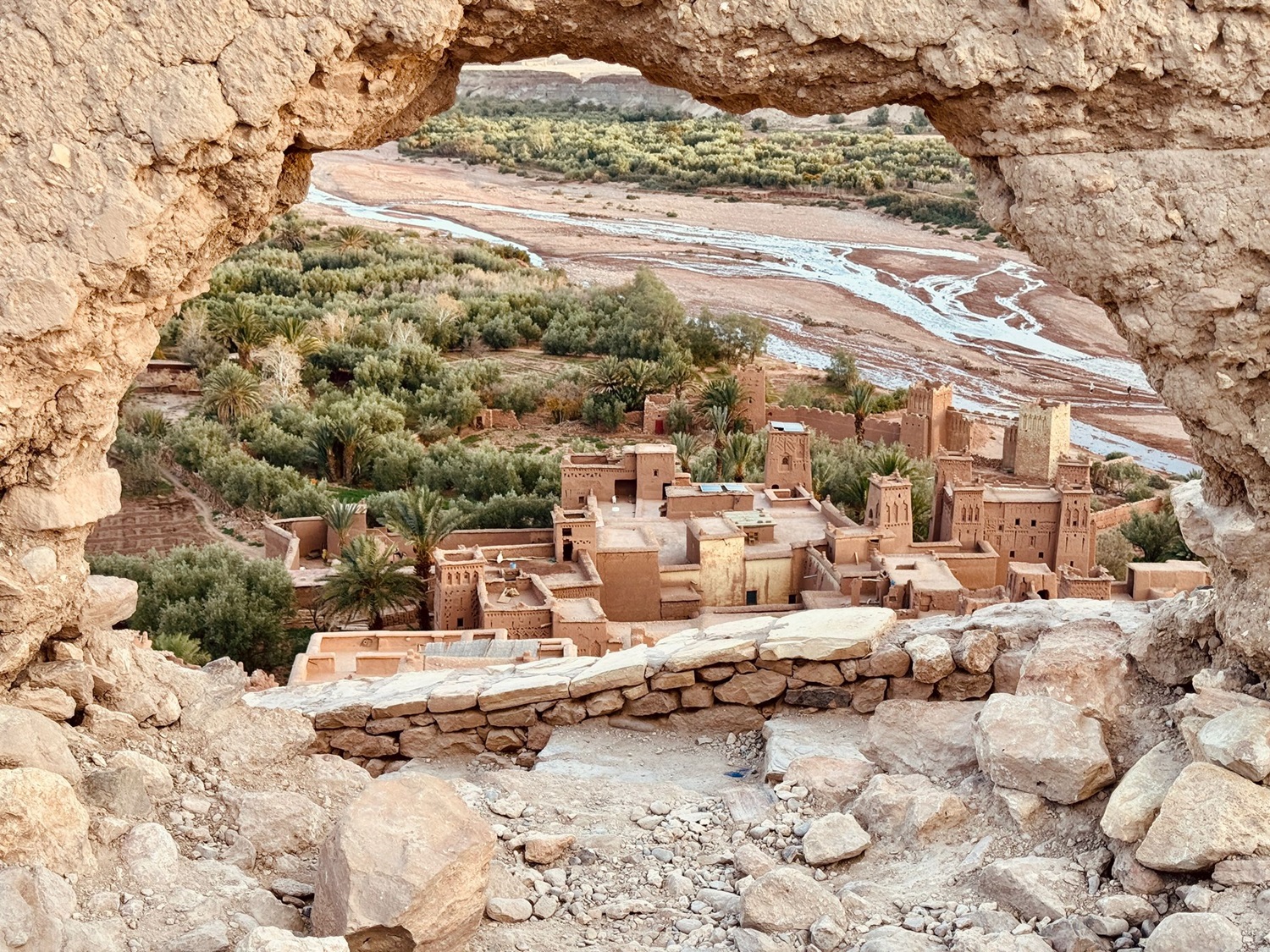
Between Aït Ben Haddou (31.05, -7.13), an ancient fortified mud ksar, and the small oases of the Draa Valley, you feel what timelessness means.
There is no clock here, only sun and shade.
Children wave, villagers smile, and you learn that riding a motorcycle in Morocco is not an escape. It is an approach.
Do's and don'ts in the villages:
-
Always ask before you take a photograph.
-
Cover shoulders and knees. Respect opens doors.
-
Never be in a hurry. Tea takes time, and so does conversation.
Sun instead of sleet. Why Morocco is perfect in winter
While frost sits on the windscreens in Europe, conditions in Morocco are perfect.
Marrakesh: Ø 20 °C by day, 6 °C at night, hardly any rain.
Merzouga: Ø 25 °C by day, down to 0 °C at night, ideal for the desert.
Essaouira: Ø 17 °C and Atlantic air.
Daylight? Around 10 hours, enough for every stage.
Stuttgart 5 °C, Marrakesh 21 °C
Four hours of flying time apart, and it feels like worlds.
The sun sits lower, the colours are warmer, the dust is finer.
Winter in Morocco feels like an invitation to leave everything behind.
Adventure, not risk: safety, preparation and trust
Morocco is safer than many people think, provided you prepare properly.
Speed limits: 60 km/h in town, 100 km/h on country roads, 120 km/h on the motorway. Radar checks are frequent, but polite.
Helmets: compulsory nationwide and checked by the police.
Road reality: sheep, sand, donkey carts. A defensive riding style is a must.
Technology: check the air filter daily, clean the chain, protect your visor from dust.
Health: 3 to 4 litres of water a day, electrolytes, UV protection.
Navigation: offline maps and a paper map, because reception can disappear.
Note for beginners: if you prefer firm ground under your tyres, stay on the paved routes through the Atlas and the Draa Valley. Spectacular, but manageable.
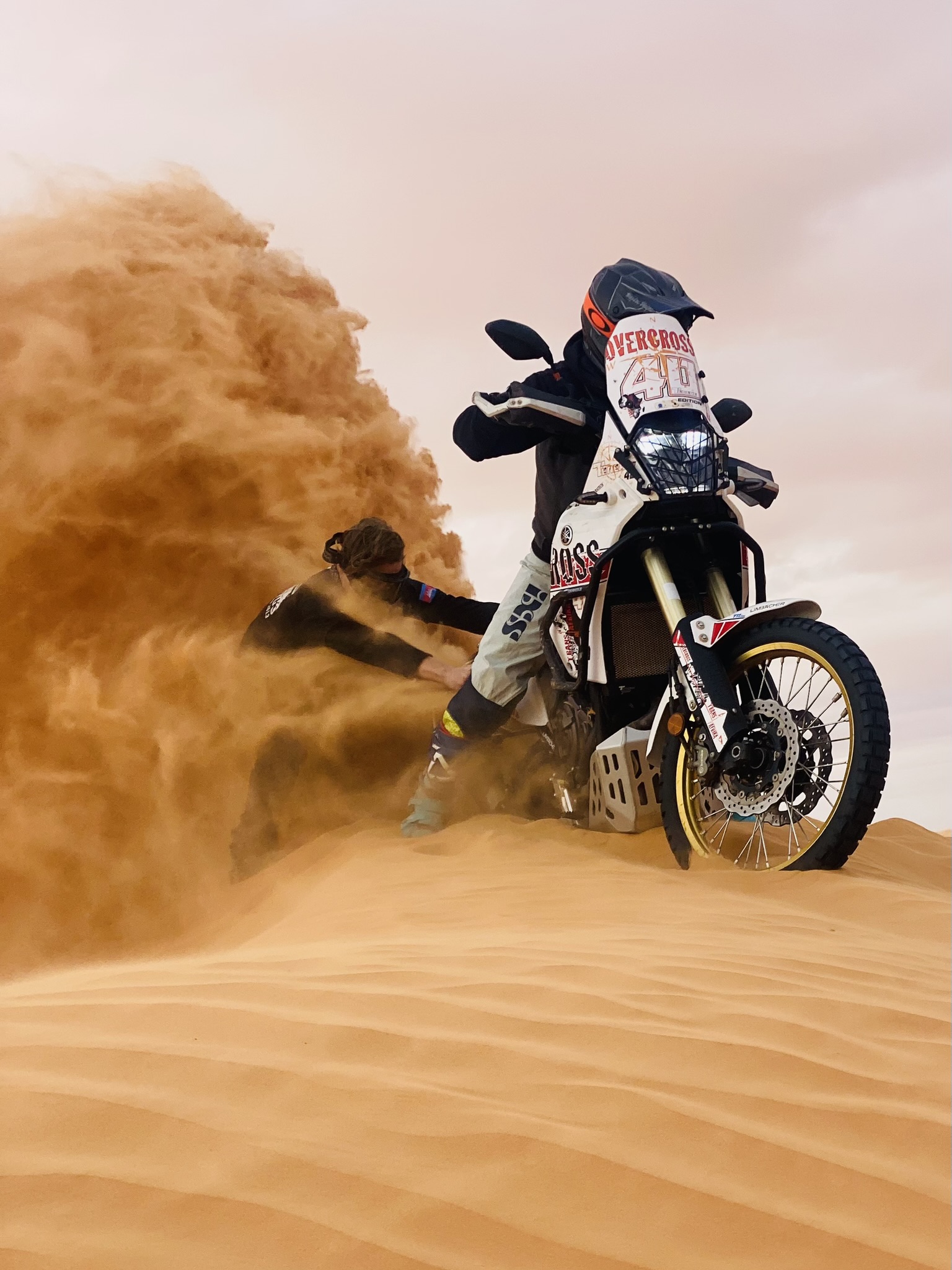
An Overcross guide would put it like this:
“In Morocco you do not earn respect with speed, but with patience.”
From Marrakesh to the Atlantic: sights you have to see
These places define Morocco, and every curve tells a different story:
-
Marrakesh (31.63, -8.00): the starting point, chaos and charm.
-
Tizi n'Tichka (31.28, -7.35): panorama and passage.
-
Aït Ben Haddou (31.05, -7.13): mud walls, caravans, film history.
-
Todra (31.60, -5.60) and Dadès (31.58, -5.90): gorges of stone and dust.
-
Lac Iriki (29.99, -6.50): space, wind, freedom.
-
Erg Chebbi (31.17, -3.98): sand, stars, silence.
-
Essaouira (31.51, -9.76): sea, wind, a return to lightness.
These places are not routes. They are chapters of a country that is best read on two wheels.
Secret trails and routes for explorers
| Trail | GPS (approx.) | Character |
|---|---|---|
| Tizi n'Test Backroad | 31.03, -8.23 | Away from the main pass; almond groves, gravel, hardly any traffic. |
| Anti-Atlas / Plage Blanche Trail | 29.78, -10.20 | Coastal track with sand and canyons; for experienced off-road riders. |
| Draa Valley Gravel Piste | 30.90, -6.70 | Palm groves and kasbah tracks, ideal for intermediate riding experience. |
| Lac Iriki Expanse | 29.99, -6.50 | Open salt lake surface, surreal horizon. |
| Rif Mountains Hinterland | 35.17, -5.27 | Northern route with a mountain and coast mix; hardly any tourism. |
Each of these sections tells a different Morocco: raw, real, untamed.
Desert packing list: what you really need
Clothing: ventilated ADV jacket, layering system, thin down jacket, dust scarf, UV glasses.
Equipment: puncture repair kit, compressor, tool roll, power bank, head torch.
Safety: first aid kit, offline GPS, emergency contacts.
Food and drink: 3 to 4 litres of water per day, electrolytes, nuts, dates.
Technology: adjust tyre pressure, clean the filter, oil the chain.
Documents: passport, driving licence plus IDP, Carte Verte, insurance.
Mindset: patience, respect, humility. The desert rewards, but it does not forgive.
Why Morocco becomes an addiction
At the end of every tour, silence and longing remain.
Suddenly the sound of the engine is missing.
You still feel the sand on your skin, you smell tea and dust, you hear the wind of the passes echoing in your head.
Anyone who has been there once wants to go back. Not because of the roads, but because of the feeling.
Morocco changes the way you ride. And a little bit the way you live.
FAQ: frequently asked questions
Is off-road riding allowed in Morocco?
Yes, on official pistes and tracks. Avoid protected areas and private land, and respect local instructions.
Do I need a Carnet de Passages?
No, only when you enter with your own motorcycle and a longer customs commitment. It is not required for tours on rental machines.
How dangerous is the Sahara?
Not dangerous, but extreme. Good preparation, a water supply and experience are essential.
Can you ride Morocco on your own?
Yes, but off-road only with local knowledge or track experience. Guided groups save time and reduce risk.
Conclusion
Morocco is not a destination for people who count kilometres. It is for people who understand that riding is a form of perception.
A country that demands and rewards at the same time, that takes you to your limits and then widens them.
Dust, sun, silence, and you in the middle of it.