At a glance Contents
- In short: why the dry season wins
- May to September: winter in the bush
- October to April: green, young animals and thunderstorms
- Month by month at a glance
- A day in the bush: what the season does to your routine
- Three misconceptions about the travel season
- Which trip suits which season
- How to plan your time window
- Frequently asked questions
In short: why the dry season wins
Anyone planning for the first time asks the same question: when should I go? The honest answer is that there is no bad time in Kruger, but there is one that is clearly better than all the others for wildlife viewing. That is winter in the southern hemisphere, which means the dry season. Our travel information dossier on South Africa gives May to September for the region in the northeast. We agree with that.
The reason is simple and has less to do with the weather than with the grass. In the rainy season the savanna grows over. Grass stands hip-high, bushes carry dense foliage, and a lion lying three meters from the track stays invisible. In winter all of that falls away. The grass is grazed down or withered, the bushes have lost their leaves, and suddenly you look right through the bush.
Then there is the water. When the rains end, the small pools and hollows dry out. What remains are the big rivers and a few artificial waterholes. The animals have to go there every day, and you only need to know where to position yourself.
What this article does
We go through the seasons one by one, explain what happens in the bush in each, and also tell you for whom green summer is the better choice. Where it comes to entry, health or money, we deliberately point to the dossier, because that is where the maintained information lives.
May to September: winter in the bush
The dry season is the classic safari season, and it has earned its reputation. From May on it hardly rains anymore. The sky is clear for weeks, the days are pleasantly mild, and the bush looks swept clean. That is exactly when it shows what it has in it.
Visibility instead of luck
In summer you are lucky on a game drive if you spot a leopard. In winter you have a real chance of it. That is not because there are more animals. It is because you see them. A leopard on a bare branch is a picture that simply does not exist in leafy February.
Waterholes as a stage
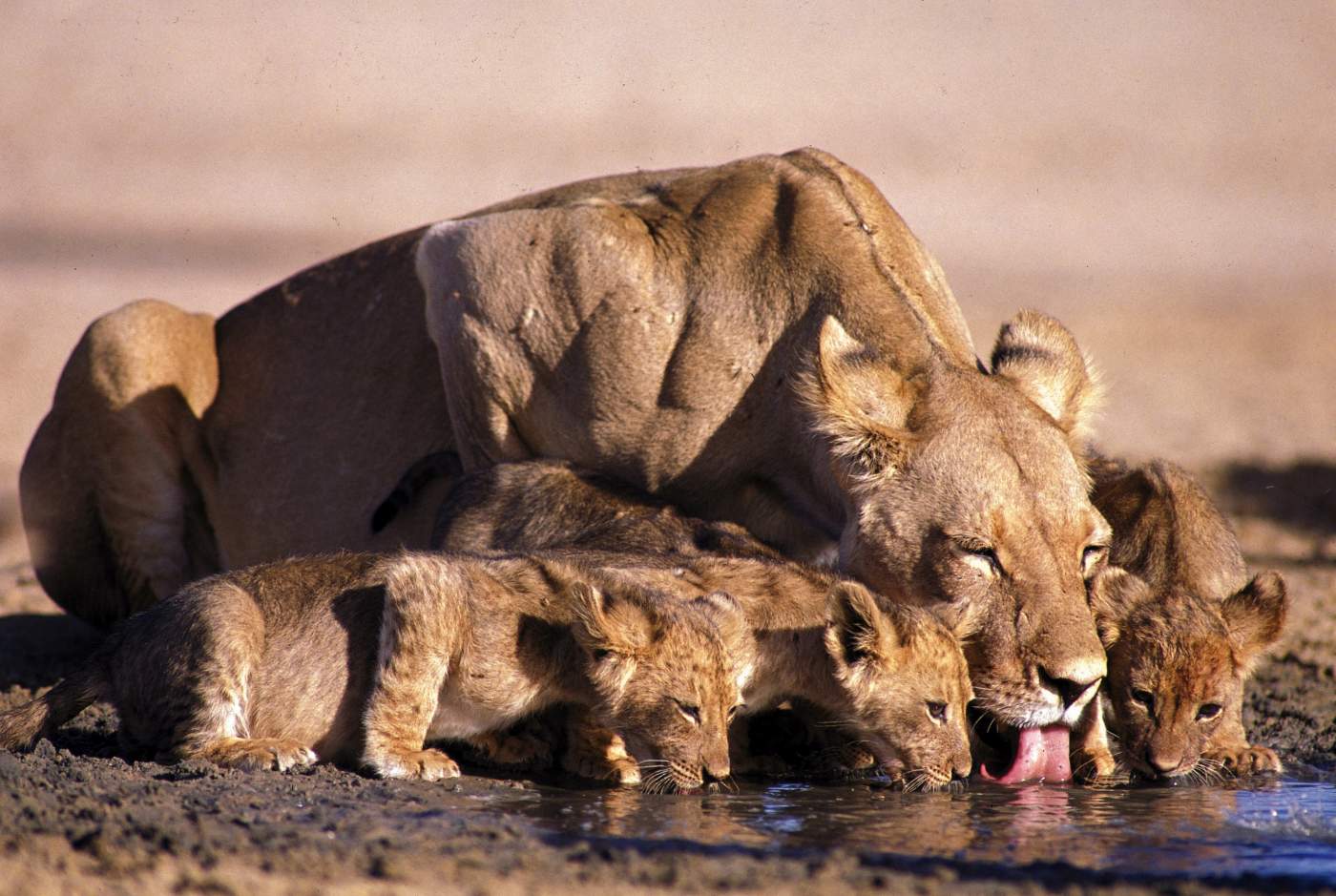
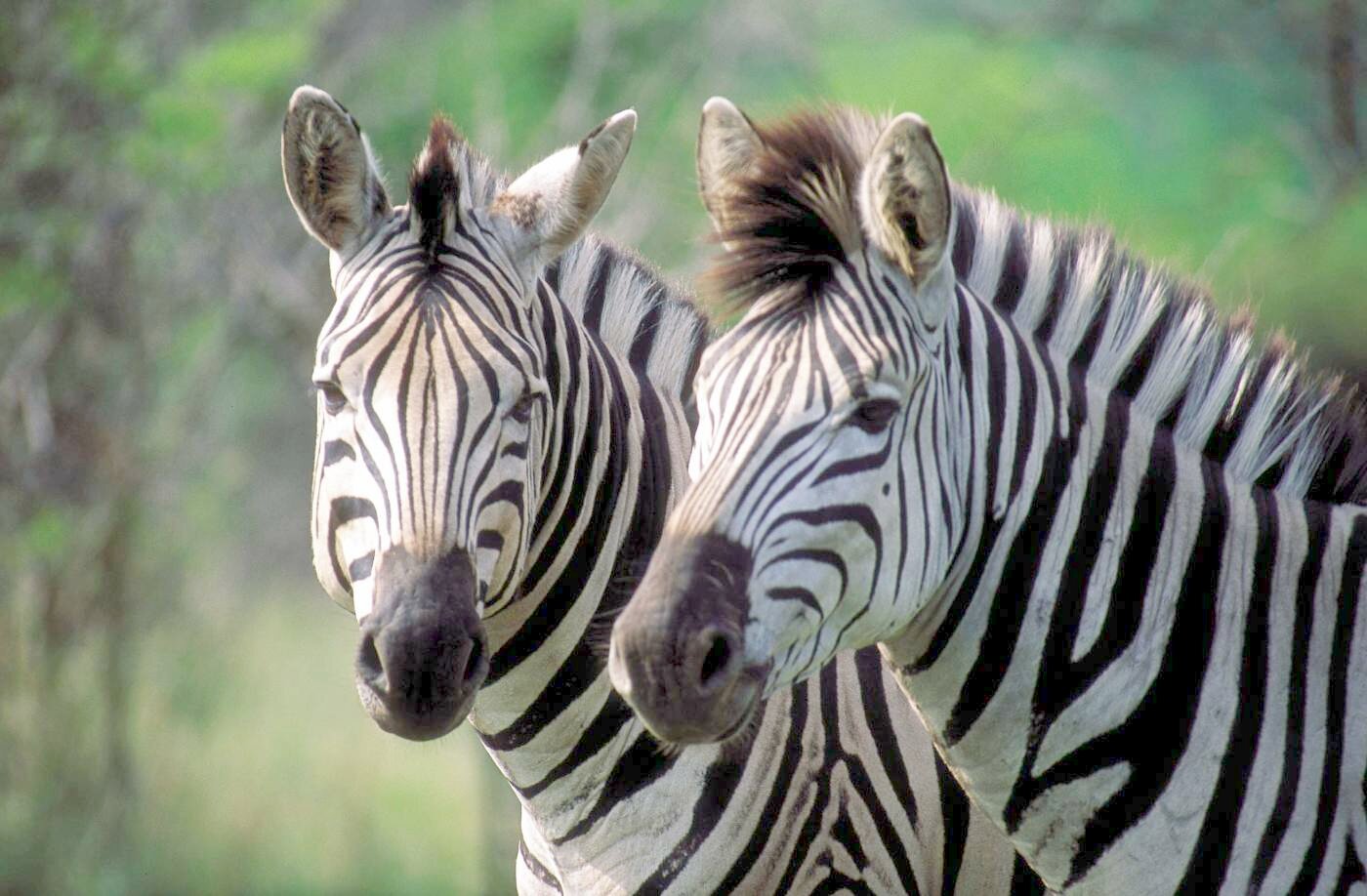
Over the course of the dry season, water becomes a magnet. Elephant herds move to the rivers, buffalo follow, zebras and antelopes come in groups, and where they are, the big cats are not far. You do not have to search for hours. A quiet morning on a riverbank is often enough for more encounters than a whole summer day on the track.
Cool mornings, warm middays
The price of this visibility is the cold early in the morning. Game drives in open vehicles start at sunrise, and the first hours are fresh, in the winter months even properly cold. The layering principle solves it: fleece jacket, hat, gloves, with a T-shirt underneath. By midday it gets warm enough to take everything off again.
A participant of our South Africa round trip describes exactly this: the two days in Kruger demanded a certain level of fitness, with an early start and long stretches in the vehicle. That is part of a safari, and in winter the early alarm is most worth it.
The downside
The dry season is high season. The camps are booked out earlier, and at popular sightings several vehicles are standing. If you want a particular lodge, book early. It is also dusty. The bush is brown, not green, and if you expect a postcard landscape with lush foliage, winter offers a different scene: barren, wide, honest.
October to April: green, young animals and thunderstorms
With the first rains in spring the park transforms. The dust disappears, the bushes sprout, and within a few weeks the savanna stands in lush green. This is the season of births. Impalas have their young, wildebeest and zebras follow, and the predators benefit from the easy prey too.
What summer does better
The light is soft, the cloud formations are dramatic, and migratory birds from the north make the park a paradise for bird lovers. Photographers love the thunderstorm moods in the evening. And because fewer guests come, the roads are emptier and the accommodation is easier to get.
What it does worse
Water is everywhere, so the animals no longer need to come to the rivers. They spread across the whole park, and the dense green hides them. The heat is strong at midday, the humidity is high, and afternoon thunderstorms can cut a game drive short. If you only have a few days in the park anyway, you risk going home with fewer sightings.
The transition periods
September and October are a special case. The dry season is running out, water is scarcest, and the animals are most concentrated. At the same time it gets hotter. If you are looking for the peak of animal density and can handle heat, you will often find the densest encounters of the year here. April and May, on the other hand, are the change in the other direction: the bush is still green, but the days are already clearer and cooler.
Month by month at a glance
The following table sums up what you can expect in each period. It describes tendencies, not guarantees, because the rain falls differently every year.
| Period | Landscape | Wildlife viewing | Special feature |
|---|---|---|---|
| May to July | Dry, grass sinking | Very good | Cold mornings, clear days |
| August to September | Bare, dusty | Best | Animals concentrated at waterholes |
| October to December | First rains, new growth | Good to medium | Birthing season begins |
| January to March | Dense, green | More difficult | Young animals, migratory birds, thunderstorms |
| April | Still green, getting clearer | Medium | Quiet roads |
If you want to take away just one rule: the later in the dry season, the better the view of the animals, but the fuller the camps and the hotter the last weeks.
A day in the bush: what the season does to your routine
The season determines not only what you see, but also what your day looks like. This is rarely mentioned in itineraries and yet it is the difference between a relaxed safari and a tough one.
In winter: up early, break at midday
In the dry season the day begins long before breakfast. The animals are most active at dawn, the big cats return from the night's hunt, and if you stand at the river early, you experience the first hour of light. Toward midday it gets quieter. Many animals look for shade, and you do well to do the same. In the late afternoon the second round follows, when the light turns golden and the herds come to drink.
In summer: windows between the showers
In the rainy months the pattern shifts. Mornings are often clear, and in the afternoon clouds build up. If you stay flexible and read the weather, you can have very good time in the bush between two showers. This takes more patience, but rewards you with moods that winter does not know: steam over the tracks, rainbows over the savanna, frogs and insects at night.
What you should bring in any case
- Binoculars. In winter you find animals in the distance with them, in summer birds in the foliage.
- A camera with a long lens, if photos matter to you.
- Sun protection for midday and warmth for the morning, in every season.
- Patience. The best encounters rarely come when you expect them.
What fellow travelers say
A traveler on the group trip through South Africa and Lesotho praises the daily briefings that explain how the day will go and what to expect. This is exactly the information that makes the difference: if you know that the alarm rings early and the midday is free, you divide your energy better.
Three misconceptions about the travel season
Misconception one: winter in Africa is warm
Many expect T-shirt weather around the clock. In fact the dry season is the cool season. The days are mild to warm, but nights and mornings are cold, and in an open vehicle you feel the wind. If you know that, you pack right once and enjoy the morning instead of shivering.
Misconception two: you see nothing in summer
That is not true in such absolute terms. If you bring time, you see a lot in the green bush too, especially at the rivers and on the open plains. It just takes longer, and the hit rate varies more. A week in summer can be better than two days in winter. It depends on how much time you have and how you travel.
Misconception three: high season is automatically the best choice
High season means full camps, more vehicles at every sighting and earlier booking. If you look for quiet and appreciate the advantages of summer, go in the shoulder months of October or April. You trade a bit of sighting certainty for space and atmosphere, and some travelers find exactly that better.
In the end, the question of the best time to travel is always also a question of what you want to take home: the densest wildlife viewing or the most beautiful atmosphere.
Which trip suits which season
Kruger is rarely the only destination. Most travelers combine it with other stops, and the season helps decide which combination makes sense. Three trips from our program show what that can look like.
South Africa, Lesotho, Eswatini: 14 days with Kruger
The 14-day round trip through South Africa, Lesotho and Eswatini devotes a whole day to Kruger in an open 4x4 vehicle, in a group of at most 12 guests. The next day follows the Panorama Route with Three Rondavels and God's Window. Add the Drakensberg, pony trekking in Lesotho and Hluhluwe-Imfolozi. For this mix the dry season is ideal: clear views on the Panorama Route, good hiking conditions in the mountains and the best visibility in the bush. Departures include December, which is summer. Then you get green and young animals, but somewhat fewer sightings.
Southern Africa from Johannesburg: 14 days, camping or lodge
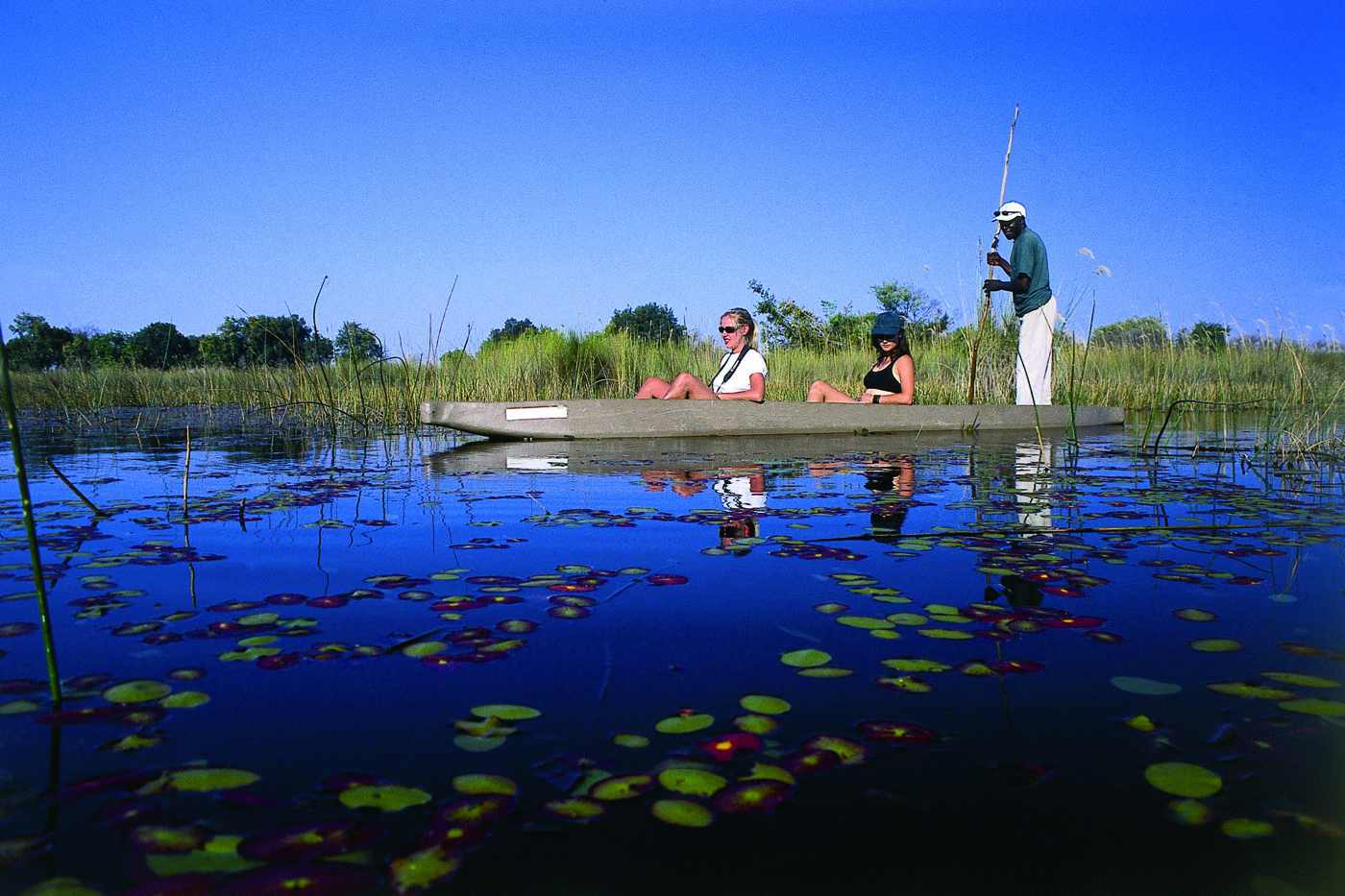
The group round trip from Johannesburg leads to Victoria Falls and into the Okavango Delta and promises the Big Five. If you travel that far, you should take the dry season seriously: in the Delta the water only rises over the course of winter, and the bush is more see-through everywhere. The next departures are in February, May and September. The May and September dates are the ones that fit best climatically.
South Africa and Lesotho: 12 days Garden Route
The 12-day group trip along the Garden Route has no Kruger in the program, but Addo, Tsitsikamma and the Whale Coast. We mention it because it is the counterpart: if you travel in the southern summer, from December to March, you are often better off on the coast than in the bush. The group is small with at most 12 guests, and with some luck you see southern right whales off Hermanus, depending on the season. A good choice if your dates fall in the green months and Kruger is not the main goal.
How to plan your time window
From the practice of our trips come a few rules of thumb that go beyond the month list.
- Few days in the park: Go in the dry season. With only one or two game-drive days you cannot afford any waiting time, and the bare landscape makes up for it.
- Photography and birds: Take summer. The light is better, the colors stronger, and the migratory birds are there.
- Families or travelers who shy away from cold: September or October are a compromise, because the mornings are milder and the animal density is high.
- Combination with mountains and coast: May to September is stable. In the highlands of Lesotho and in the Drakensberg it can get very cold in winter, though, so pack accordingly.
- Early booking: The dry season fills up first. If you want to travel in August or September, better decide months in advance.
What is missing in this article
On entry, health precautions, currency and emergency numbers we give no details here, because they change. Everything on this is in the dossier on South Africa. Read it before you book, not only at the airport.
The last piece of advice
Most of those we ask after the trip do not say: it was too cold or too hot. They say: I would have needed more time in the bush. So plan one more day in the park rather than fiddling between the seasons. One additional game-drive day brings more than any month you choose perfectly.
Answered briefly
Frequently asked questions
- Which month is best for Kruger National Park?
- For wildlife viewing, late winter is best, meaning August and September. Water is scarce, the animals concentrate at the rivers and waterholes, and the view through the thin bush is excellent. The camps are booked out earlier then, though.
- Can I visit Kruger in summer too?
- Yes, the southern summer from December to March has its own charms: green landscape, young animals, migratory birds and fewer visitors. On the other hand, the animals spread across the whole park, the grass is high and thunderstorms can cut game drives short.
- How cold does it get on a winter safari?
- In the morning in an open vehicle it is properly fresh, at midday it is warm. Pack fleece, hat and gloves for sunrise and light clothing for the day. The layering principle solves the problem reliably.
- Are one or two days in Kruger enough?
- For an impression, yes, especially in the dry season, when animals are easier to find. Our 14-day round trip plans a whole game-drive day. More time clearly raises the chance of shy animals like the leopard, though.
- Where do I find information on entry and health?
- We maintain entry, health precautions, currency and emergency numbers centrally in the travel information dossier on South Africa. That is where the current details are. We deliberately do not repeat them in blog articles, so that nothing goes out of date.