At a glance Contents
- The basic rule: sleeping, eating, staying dry
- The core gear: this belongs in your luggage
- How to pack: heavy at the bottom, soft at the back
- What you can leave out
- The campsite: choosing a spot, pitching and the first night
- When the luggage doesn't have to go on the bike: camping with a support vehicle
- Your first night camping: a trial run at home
- Frequently asked questions
The basic rule: sleeping, eating, staying dry
When camping with a motorcycle, a simple order applies. First comes whatever keeps you warm and dry at night. Then what fills your stomach. Only after that comes everything that is merely comfortable. If you stick to this order, you almost pack right by itself.
A motorcycle doesn't forgive excess weight. Every kilo at the rear changes the handling, especially on gravel and in corners. That's why it's worth asking about every item: will I use this every day? If not, it's a candidate for the cut list.
You'll find a detailed packing list with packed dimensions and everyday life at the campsite in our article Motorcycle tour with a tent: gear, packed size and campsite routine. Here we look at the logic behind it.
The core gear: this belongs in your luggage
- Tent: small when packed, with a vestibule for your helmet and boots. A two-person tent is perfectly fine for one person if you need room for your bags.
- Sleeping bag: suited to the season. Better to choose a comfort range slightly too warm than to freeze at night. In hot weather you can use a liner on its own.
- Sleeping mat: self-inflating or inflatable. It insulates against the ground and is more important than the sleeping bag, more than it first seems.
- Stove and one pot: a small gas stove is enough. Add a cup, spoon and knife.
- Headlamp: indispensable when pitching the tent in the dark.
- Repair kit: patches for tent and mat, cable ties, duct tape, a puncture kit for the tyre.
Clothing belongs here too, but in moderation: one set for riding, one to change into, rain gear, a warm layer for the evening. Anything you pack in technical fabric dries faster than cotton.
How to pack: heavy at the bottom, soft at the back
The distribution decides whether the loaded motorcycle still feels good. Heavy items such as the stove, tools and water go low and close to the centre of the bike, in the panniers or bags at the height of the rear axle. Light and bulky items such as the sleeping bag and mat go to the rear and on top.
The tent goes across the seat or in a waterproof roll. It's important that the left and right sides are roughly the same weight. Try this before the trip: ride a lap fully loaded, brake a few times, turn around once. If the bike feels light at the handlebars, you have too much at the back.
Whatever you need in the evening, you pack last and on top. That way you can pitch the tent without unpacking all the bags. Rain covers or dry bags made of coated fabric keep your gear dry even in constant rain.
What you can leave out
Most riders pack too much the first time. Typical candidates to cut are:
- a second pair of shoes, if you wear your boots anyway,
- a folding chair, which you can replace with a roll of your sleeping mat,
- heavy pots and dishes for several people,
- large wash bags instead of small travel sizes,
- books that a phone can replace.
On the other hand, you shouldn't skimp on three things: rain protection, a good place to sleep and a water supply. If you save in the wrong place, you pay for it with a bad night or wet gear.
It's also worth checking your tyre pressure: a loaded bike usually needs a little more pressure. The figure is in your motorcycle's manual.
The campsite: choosing a spot, pitching and the first night
A good spot is half the battle. Look for a level place, preferably not in the deepest hollow, because water collects there when it rains. Check the ground for stones and roots before you lay out the mat. A spot in the lee of a hedge or wall saves you a lot of noise and cold at night.
Park the motorcycle so that it stands securely: on firm ground, and on soft ground with a base under the side stand. A steering lock or a padlock is part of the kit too, especially on public sites. You take valuables into the tent, not in the panniers.
When cooking: never in the tent, and not in the vestibule if gas stoves are running there. The stove stands on stable ground, sheltered from the wind and at a distance from the tent wall and the motorcycle. After eating, you put food away so that no animals come to the tent. You take your rubbish with you, even if nobody is watching.
In the morning, you air the tent before packing it. A wet tent in the roll stays wet all day and smells by evening. If there's no other way, dry it in the sun at the next break or lay it out first in the evening.
When the luggage doesn't have to go on the bike: camping with a support vehicle
Many riders want the camping, but not the daily packing and hauling. Then a guided trip with a support vehicle is an option: the luggage travels along, and you ride unburdened. To be honest about it: on our site, the tours with camping currently belong to the 4x4 and overland trips, not to the motorcycle tours.
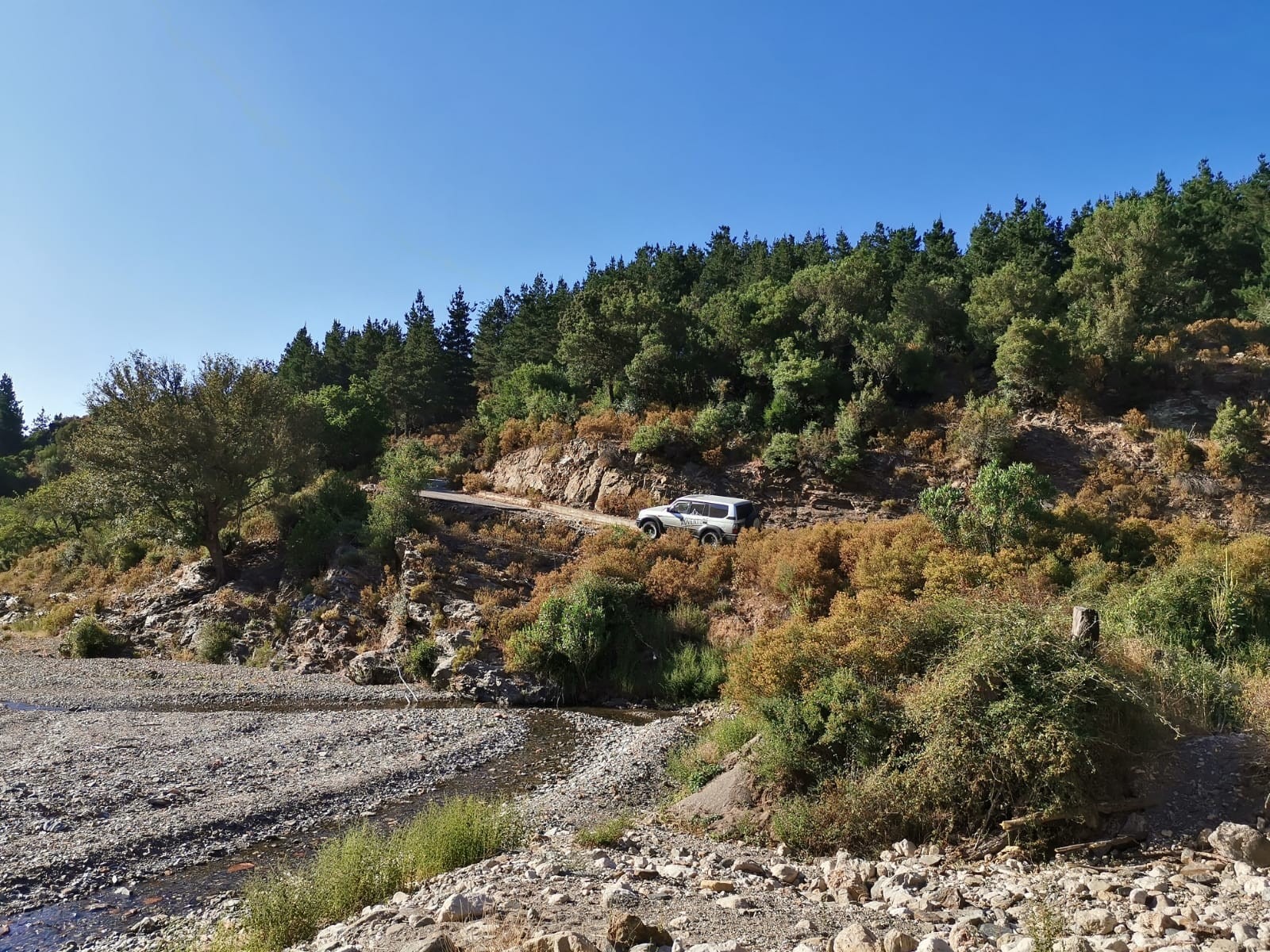
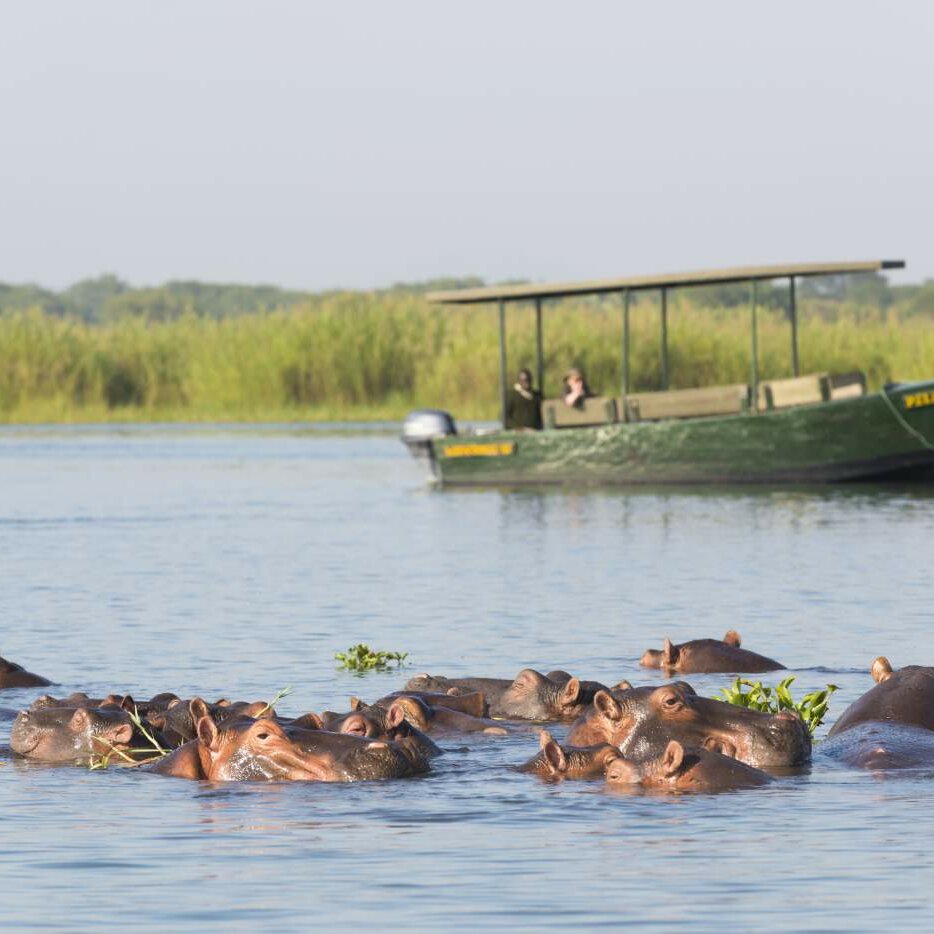
The Sardinia 4x4 offroad trip overnights at campsites, with breakfast, and can be switched to guesthouses or hotels if needed. It lasts nine days and is a good test of whether camping life suits you. The Overland Safari Victoria Falls offers the choice between a camping safari and a lodge, thirteen days in an overland truck. A motorcycle trip with a safari character is the Motorcycle safari Uganda Rwanda Burundi, twenty-one days with gorilla trekking and tracks through Burundi. How you stay overnight there is in the tour description, so check there before you book.
Your first night camping: a trial run at home
Pitch the tent once in the garden before you set off. You learn how long it takes, where the pegs are and whether everything fits back into the stuff sack. Cook once with the stove, weigh your luggage roughly and ride a weekend trip nearby. After that you know what's missing and what was superfluous.
On this trial run, really sleep in the tent too. Only at night do you notice whether the mat is thick enough, whether the sleeping bag is enough and whether you have everything within reach when it suddenly rains. In the morning, note down three things: what you missed, what you never touched and what annoyed you. This list is your best packing list.
Answered briefly
Frequently asked questions
- How much luggage fits on the bike for motorcycle camping?
- That depends on the motorcycle and its payload. The permitted payload is in your motorcycle's papers. Plan so that you don't max it out, because rider, clothing and luggage count together. Better to take a little less and test the handling when loaded.
- Which tent is suitable for camping with a motorcycle?
- A small, light tent with a small packed size and a vestibule for helmet and boots. A two-person tent for one person is often ideal, because bags fit in the interior. A stable pole construction and a waterproof floor are important.
- Do I need a stove for motorcycle camping?
- Not necessarily, but it makes you independent. A small gas stove with a pot and cup is enough for coffee, pasta and soup. If you mostly stay at campsites with a restaurant, you can leave it at home.
- Are there motorcycle trips with a tent and support vehicle?
- With us, the tours with camping currently belong to the 4x4 and overland trips, for example in Sardinia or to Victoria Falls. For motorcycle trips, the respective tour description says how you stay overnight.