At a glance Contents
Why Chile knows not a single answer
Chile is one of the longest-stretched countries on Earth, and that is precisely what makes the question of the best travel time complicated. Anyone thinking from the Atacama Desert in the north to Patagonia in the south is actually considering several climate zones that are best traveled at very different, sometimes opposing times. Additionally, Chile is located in the Southern Hemisphere, so the seasons run opposite to Europe. December, January, and February are Chilean summer; June, July, and August are Chilean winter. Therefore, anyone planning a trip should not rely on the calendar season they know from home but rather on the region they actually want to visit. In the north, the dryness of the desert is crucial; in the center, the mild Mediterranean climate around Santiago and the vineyards; in the south, a narrow summer window, outside of which passes, slopes, and ferries are hardly predictable. The following three sections will go through each zone individually, with tours precisely timed to their time windows.
This combination of desert, Mediterranean valley, and subpolar south on a single north-south axis is rare in this form. Other countries have dry and temperate zones, but hardly any stretch from one of the driest deserts on Earth to the edge of the sub-Antarctic. That is precisely what makes Chile attractive for motorbike travelers and at the same time challenging for trip planning: The question is never just when you go but above all where exactly. Those who commit to a region in advance can deliberately align the season with it instead of searching for a compromise between several climate zones that ultimately fits nowhere well. Conversely, anyone who wants to connect several zones on a trip should know that while the windows may overlap, they never fully coincide.
For your own planning, this means above all: Do not set the travel date first and then see what fits, but rather choose the region that should be the focus and align the date accordingly. In guided motorcycle tours, this is essentially already taken care of by the tour planning, as each fixed departure is already coordinated with the ideal window of its region. Anyone combining on their own, for example, Atacama and Patagonia on a large round trip, should still keep in mind that both regions rarely show their best weather at exactly the same time.
Atacama in the north: the desert that is almost always open
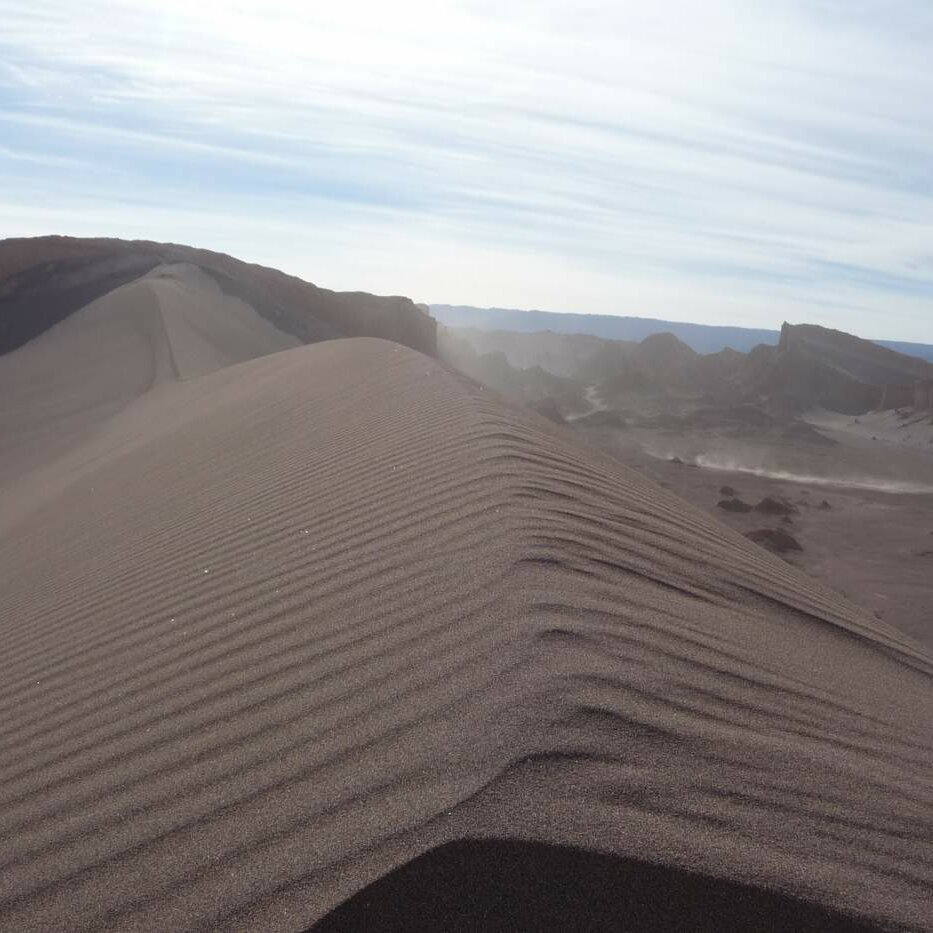
The Atacama is the driest desert on Earth, and that is exactly what makes it the only region of Chile that you can traverse almost all year round. During the day, the sun almost always shines, notable rain is the exception, and the vast tracks between volcanoes, salt lakes, and flamingo lagoons are rarely truly closed. The nights are still cold, as the desert is at a high altitude, and the temperature difference between day and night is among the largest in the world. A good travel outfit with warm layers for the evening is more important here than rain gear.
The one limitation is not in Chile itself, but in the highlands at the border with Bolivia. In the Chilean summer months, roughly between December and February, the so-called "Bolivian winter" causes short but heavy afternoon thunderstorms on the Altiplano. The tracks are then softened in places, and rivers in the high valleys can swell. Anyone who wants to experience the highest passes and salt lakes in peace should plan their trip more in the Chilean autumn or spring, when the sky over the Altiplano remains clear.
It is worth stopping in San Pedro de Atacama, the small desert town from where most excursions to the geysers of El Tatio, the Valle de la Luna, and the surrounding salt lakes start. Especially the geysers are most impressive shortly after sunrise when the cold air drives the steam columns high into the sky, another reason to be out early in the day rather than in the midday heat. San Pedro itself is one of the best-known destinations in South America for stargazing due to the extremely clear, dry air and low light pollution, making the cool, clear nights of the desert a small highlight of each leg, regardless of the exact season.
Anyone driving over the Salar de Uyuni also knows another effect of the rainy season in the highlands: after the first showers, the salt lake turns into a mirror in places, reflecting the sky and volcanoes, an image that many only truly grasp after the journey. The price for this is uncertain tracks and poorer visibility during thunderstorms, which is why most groups consciously choose the dry months outside of this window and treat the reflective version as an exceptional experience for later trips.
The Inca Trail motorcycle tour: Machu Picchu and the Andes specifically utilizes this window. Over 20 days, it leads from Cusco over Lake Titicaca, La Paz, and the Salar de Uyuni to the Atacama Desert, with passes and volcanic landscapes that are among the most impressive in South America. It operates in groups of 4 to 10 riders, starting at 13,400 euros, with difficulty level 2 on mixed terrain of asphalt and dirt track. The next dates are in October 2026 and in September and October 2027, each outside of the thunderstorm weeks in the highlands.
Central Chile: Santiago, vineyards and the crossing of the Andes
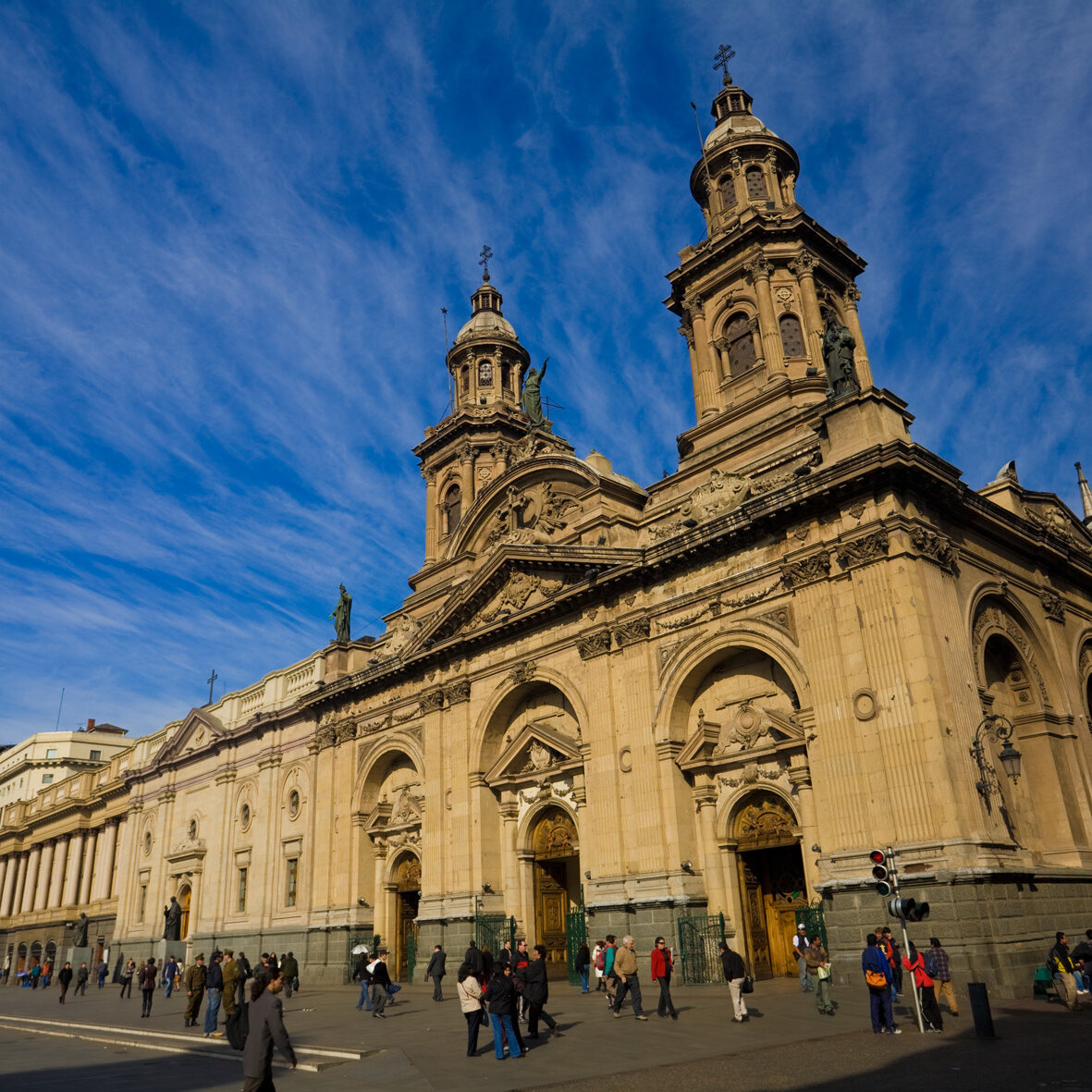
Between Santiago and the vineyards of the Casablanca Valley, there is a mild Mediterranean climate with four distinct seasons, which makes central Chile much more predictable than the dry north or the weather-driven south. The most pleasant driving conditions are in the Chilean spring and autumn, when the temperatures do not tip into the heat of midsummer or the cold of winter, and the Andean passes are reliably open.
In winter, from about June to August, snow brings the high Andean passes between Santiago and Mendoza to a standstill, including the route past the Portillo ski area, which is one of the most spectacular Andean crossings in South America during the summer months. In midsummer, on the other hand, it is often very hot and dry in the valley, which can be exhausting for long driving days in the blazing sun. The Chilean autumn has an added allure: between March and April, it is harvest time, and the estates in the Casablanca Valley open their cellars for tastings, while the vineyards themselves are adorned in warm autumn colors.
By the way, between the two quiet windows lies a little bonus for wine lovers: while the harvest in March and April fills the cellars, the flowering in the vine rows is already visible in the Chilean spring, around October and November, offering a distinctly calmer and greener view of the same vineyards. Both windows are noticeably less touristy than the midsummer, which is also reflected in the more relaxed streets around Santiago.
Those with extra time from Santiago will find a stark contrast to the warm interior at the Pacific coast: Valparaíso, with its colorful hills and narrow streets, is only a short drive from the capital and remains pleasantly mild even in midsummer due to the cool Humboldt Current. Route 5, Chile's central Pan-American route, connects these coastal cities with the fertile central valley, through which vineyards, fruit orchards, and small country roads stretch. This change between coast, valley, and Andes over a short distance is one of the reasons why central Chile combines so well with an Andean crossing to Argentina, without any stage feeling the same as another.
The South America Experience Tour: Chile to Brazil crosses the Andes exactly on this route: from Santiago via Route 60 past the Portillo ski area and the Aconcagua, through the Uspallata Valley to Mendoza, before continuing to Buenos Aires and the Iguazú Falls. It lasts 13 days, runs in groups of 2 to 16 people, starting at 2,819 euros, difficulty level 1, with the next dates in October and November 2026. Travelers repeatedly describe the German-speaking tour guides and the visit to the Casablanca Valley as a highlight: "The support from the team in South America was consistently professional and dedicated. Especially the German-speaking tour guide in Santiago de Chile and the assistance during the winery experience in the Casablanca Valley were marked by extensive knowledge of the region," writes Markus S. after his trip.
Patagonia: the narrow window from November to March
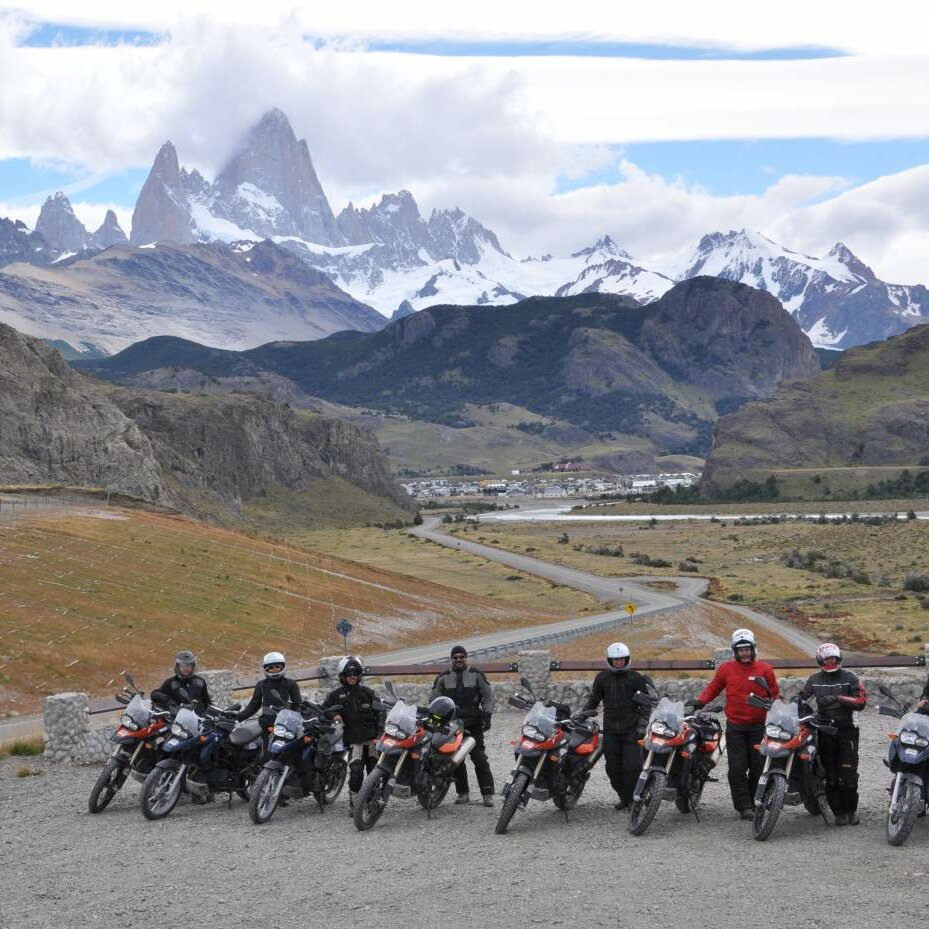
Patagonia turns the rule from the north upside down: Here there is no "almost always," but a clearly defined window. From November to March, the Chilean spring and summer, the Carretera Austral, the passes over to Argentina, and the ferries that some stages depend on are in operation. During these months, the famous granite towers of Torres del Paine and the peak of Fitz Roy are most likely to appear without dense clouds, even though the Patagonian wind remains a constant companion even in high summer.
Outside this window, it quickly becomes uncomfortable. Snow shuts down individual mountain passes, days become short, the wind tends to increase, and ferry connections run less frequently or not at all. Those wishing to travel in the Chilean winter are better off staying in the north or central Chile and postponing Patagonia to the next season.
The Patagonian season also offers the best views of the region's wildlife: Guanacos roam the steppe, Andean condors circle over the cliff faces, and on clear days, the Perito Moreno Glacier shines in a rich blue that only truly reveals itself in the direct sunlight of the long summer days. The long daylight hours between November and March also provide more leeway for long stretches on gravel, which is particularly helpful on the Carretera Austral, where gas stations and accommodations are often far apart and time buffers are worth having.
Anyone following the Carretera Austral further south crosses dense, rainy forests, past turquoise glacier lakes and small ferry ports, through which individual stretches are first connected by boat. The island of Chiloé with its traditional wooden churches and unique island culture lies at the northern end of this route and shows a significantly wetter, greener Patagonia than the dry steppe further south around Torres del Paine. This very transition from rainforest, steppe, and glacier ice makes the region climatically capricious, which is why reliable weather actually concentrates on the short summer span between November and March.
The Ruta 40 motorcycle trip: Salta to Ushuaia is precisely timed to this window. Over 27 days, it leads from Salta on the Argentine Andes side along the Ruta 40 deep into Patagonia, crossing the border to the Carretera Austral in Chile, past hanging glaciers and Lake General Carrera, continuing to the Perito Moreno Glacier, to Fitz Roy and Torres del Paine, all the way to Ushuaia at the end of the world. It runs in groups of 4 to 10 people, from 19,200 euros, difficulty level 1. The next dates are in November 2026, February 2027, and November 2027, all right in the middle of the Patagonian season.
When where: the overview
Because Chile spans three climate zones, it is worth looking at the region rather than a single date on the calendar. The following overview summarizes when each zone is most reliable and what you can expect outside this window.
| Region | Best Travel Time | What to Expect Outside This Time |
|---|---|---|
| Atacama (North) | Almost year-round, with caution between December and February | Afternoon thunderstorms on the Altiplano, softened paths |
| Central Chile (Santiago, Vineyards) | Spring and autumn, roughly September to November and March to April | Snow on the Andean passes in winter, extreme heat in mid-summer |
| Patagonia (South) | November to March | Snowfall, closed passes, rarer ferries |
The same rule of thumb applies to all three zones: The closer you get to the respective peak season, the more reliable the trip becomes, and the further you venture into the shoulder season, the more flexibility you should plan for in your schedule, such as an extra buffer day for weather delays.
Those who choose a shoulder season instead of peak season, such as late October or early April, often benefit from emptier roads and cheaper rates but should be prepared for less stable weather and shorter daylight hours. Therefore, for a first trip to Chile, the safe peak season of the chosen region is usually worthwhile, while experienced travelers intentionally use the shoulder seasons for quieter stages.
Anyone wishing to connect multiple regions in one trip, such as on a route from Salta via the Carretera Austral to Ushuaia, should ideally plan for the Patagonian season and include the north or the center of Chile in the quieter weeks before or after, when the cheaper windows generally occur. For entry, driver's license, vaccinations, and other practical questions, it is also worth taking a look at our Travel Information Chile, which keeps these topics continuously updated.
Answered briefly
Frequently asked questions
- When is the best time to travel for a motorcycle trip through all of Chile?
- That depends on the region. The Atacama Desert in the north is almost open year-round, Central Chile is best in spring and autumn, and Patagonia in the south has a reliable window only from November to March. A route through several zones is best directed towards Patagonia and includes the north or the middle before or after.
- Is the Atacama Desert passable all year round?
- Mostly yes, as it almost never rains there. The only exception is the Chilean summer months between December and February, when the "Bolivian winter" causes short, heavy thunderstorms on the Altiplano. Those who want to experience the highest passes and salt flats without this risk should travel in Chilean autumn or spring.
- When is the best time for the Carretera Austral and Torres del Paine?
- Between November and March, in the Chilean spring and summer. During this window, passes, slopes, and the necessary ferries for some stages are reliably in operation, and the granite towers of Torres del Paine are most visible without dense clouds.
- Is a trip to Chile worth it during the Chilean winter between June and August?
- For Patagonia rather not, as snow closes passes and ferries run less frequently. Central Chile is cool and partly rainy, with closed Andes passes to Mendoza. The north with the Atacama Desert is the most likely option, even though the nights there are cold anyway.
- How do the seasons in Chile differ from those in Germany?
- Chile is located in the Southern Hemisphere, so the seasons are reversed. December, January, and February are Chilean summer, while June, July, and August are Chilean winter. Anyone who transfers the seasons they are accustomed to at home to Chile easily plans past the wrong window.
- What should I know about entry, driver's license, and equipment for Chile?
- These topics change regularly and are therefore continuously updated in our travel information for Chile, instead of being listed here in detail. Questions about fuel, gas station distances in Patagonia, and the usual road conditions such as asphalt and gravel sections are also compiled there, so you can focus entirely on the season here.