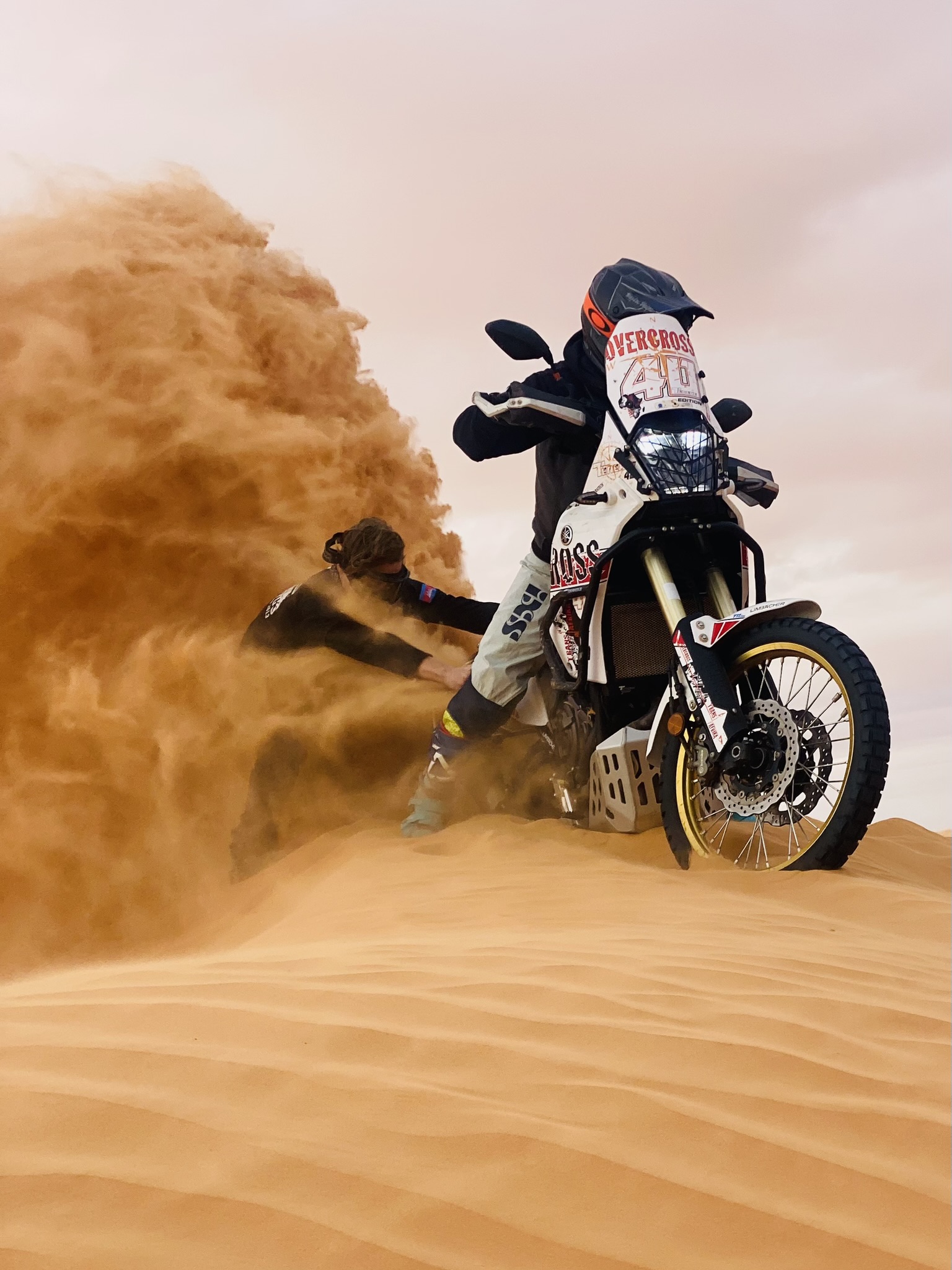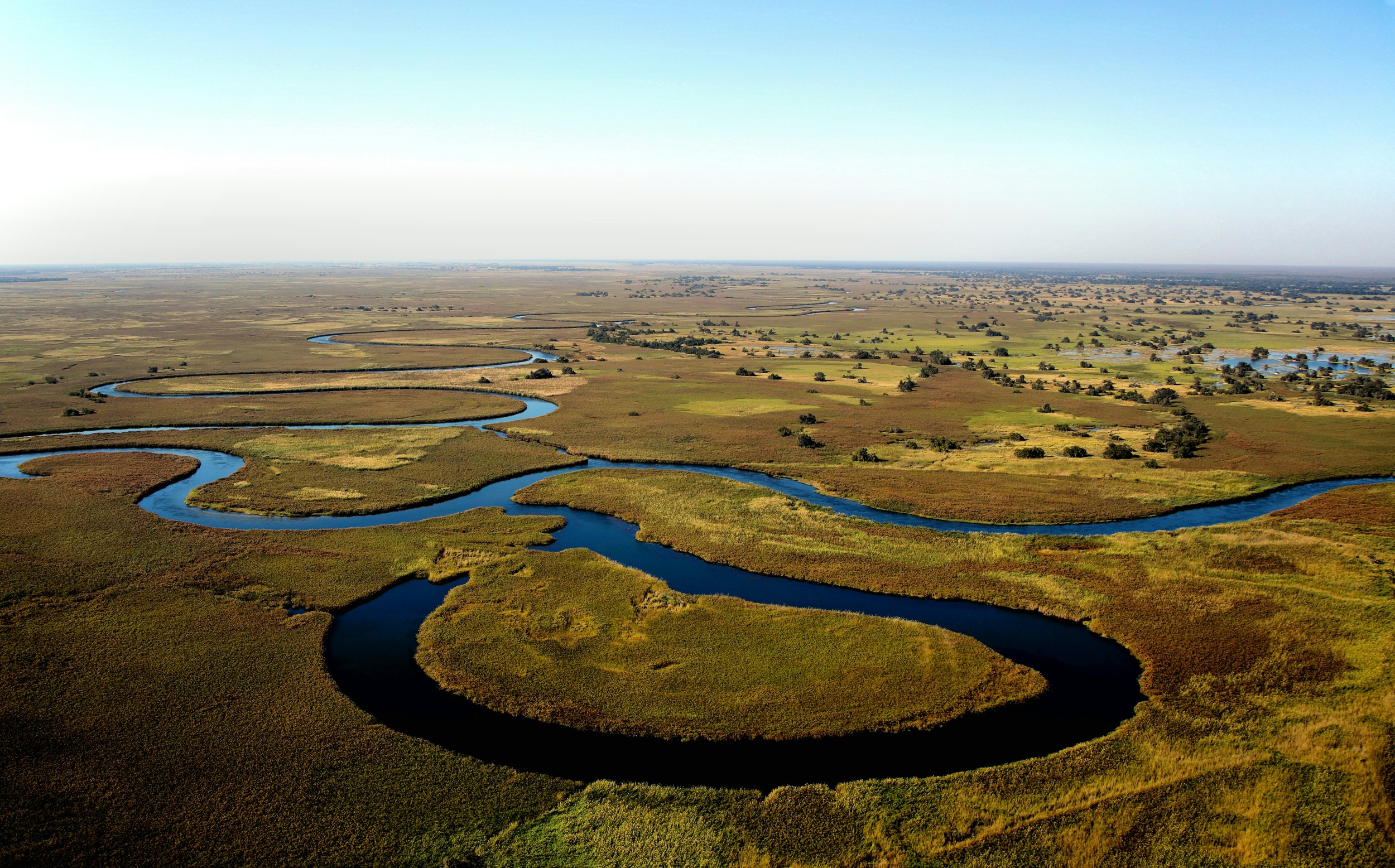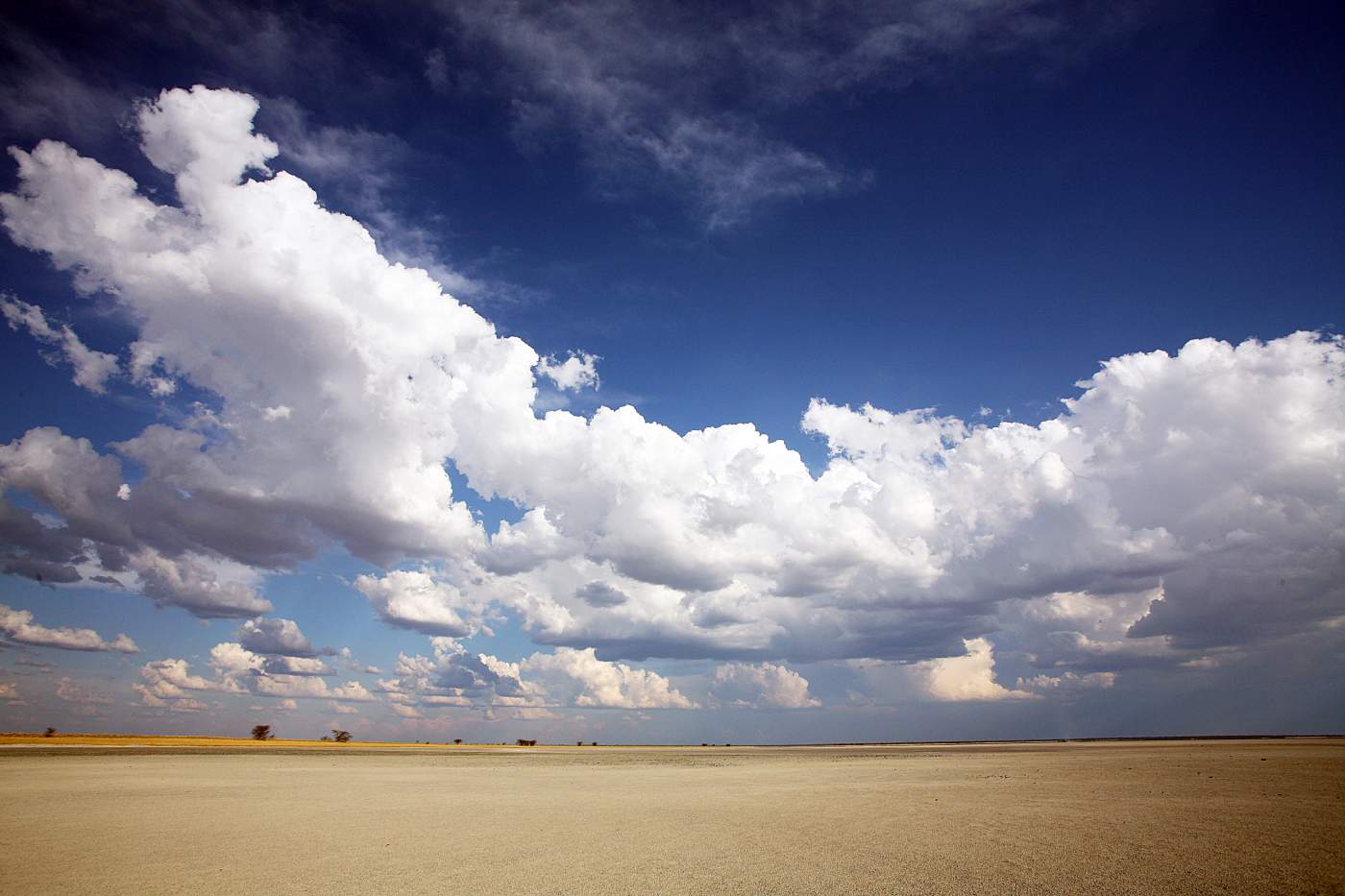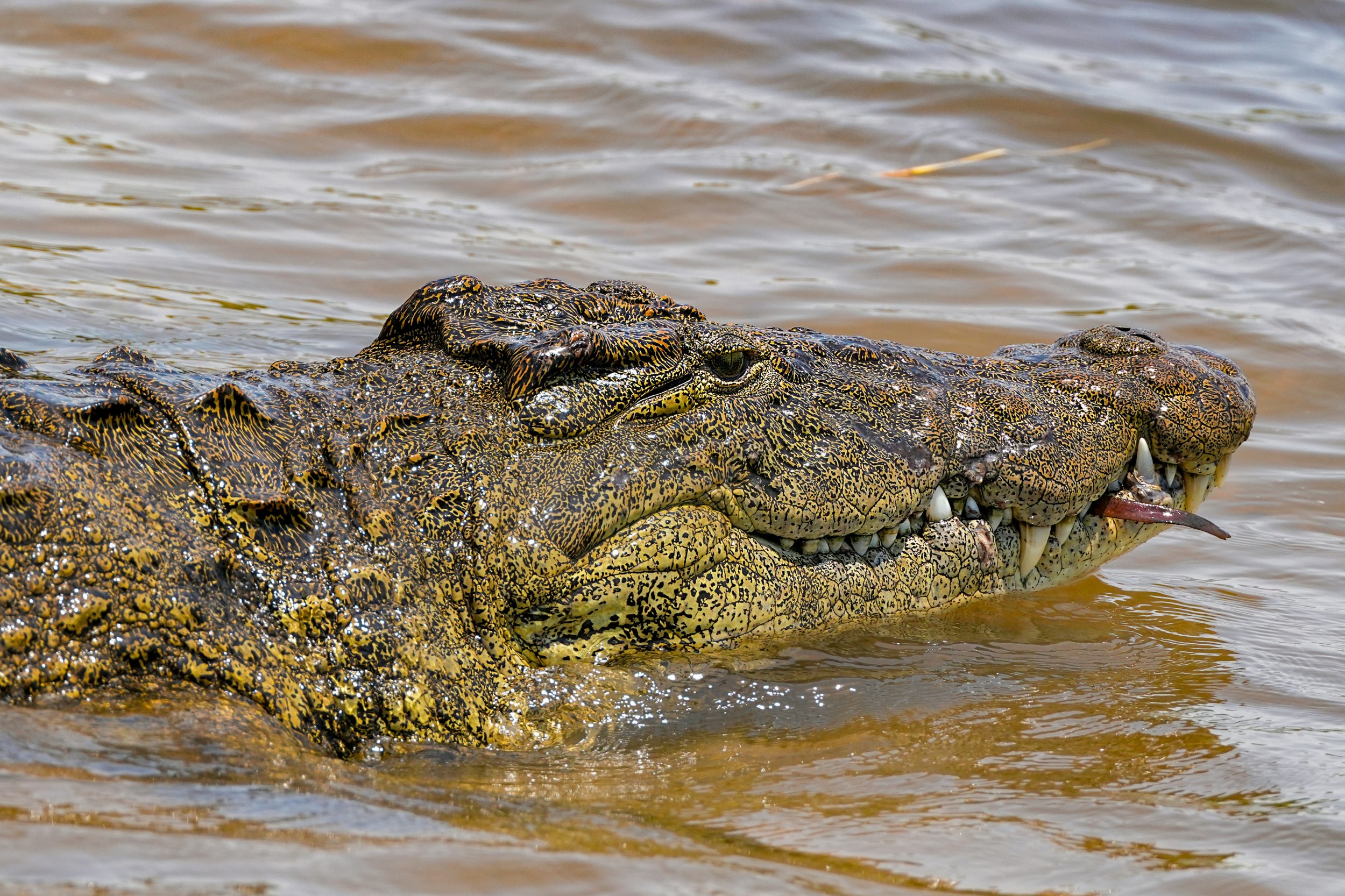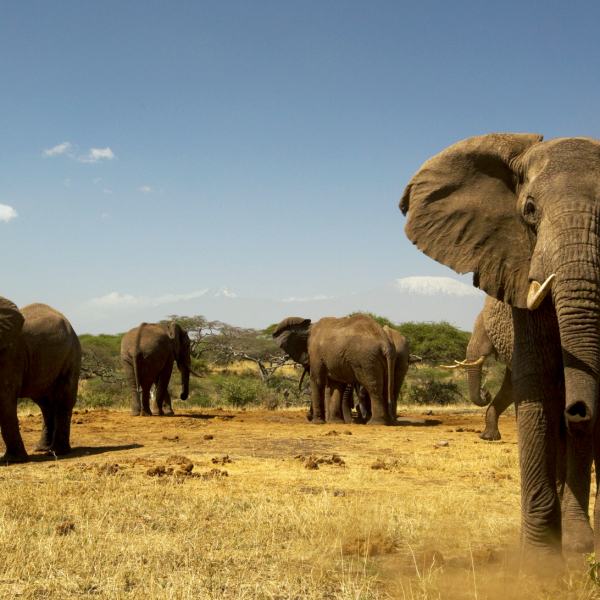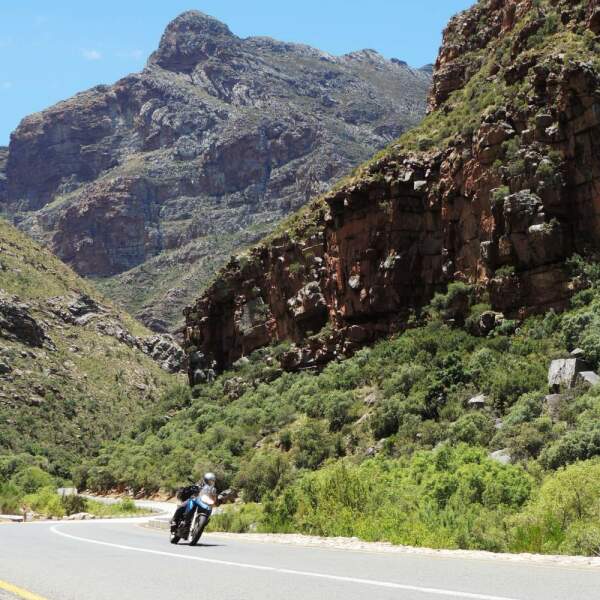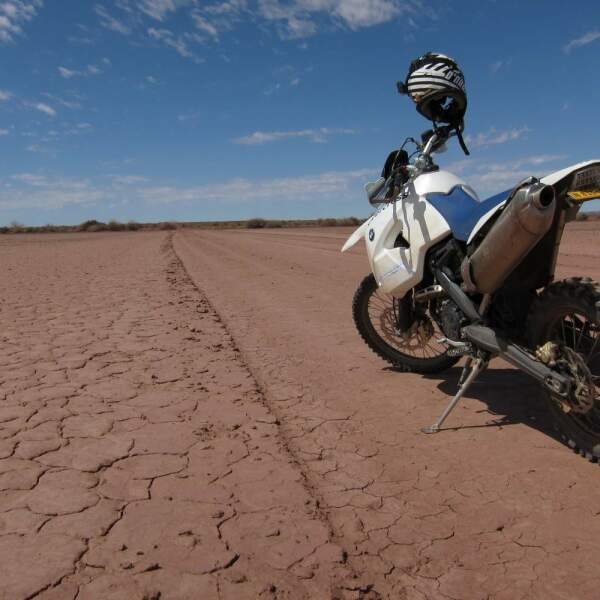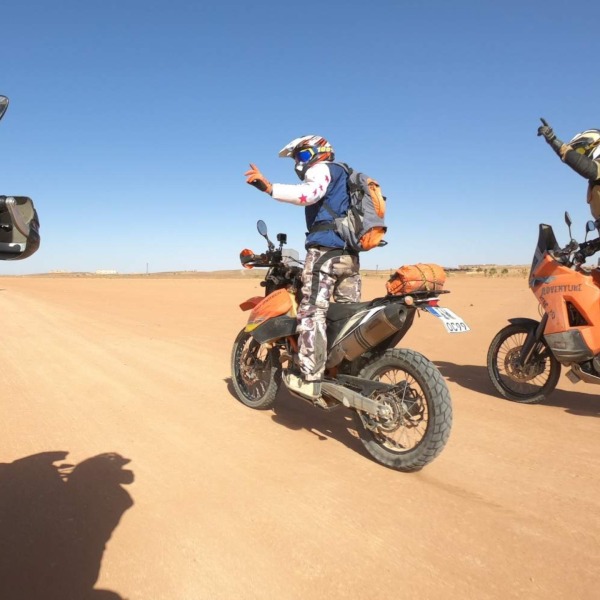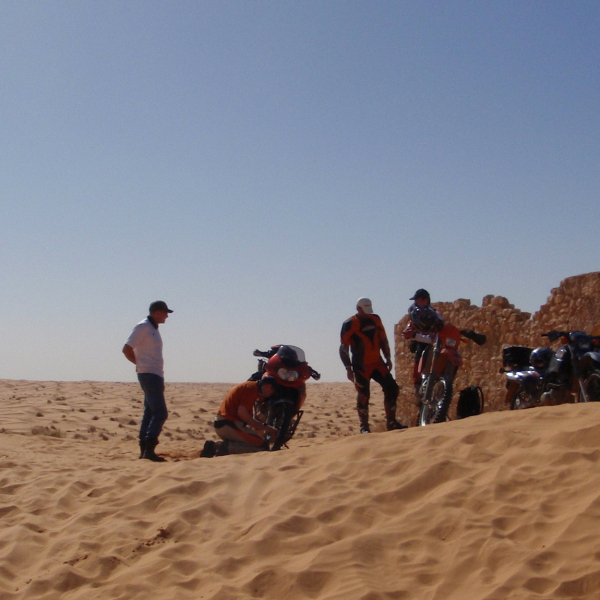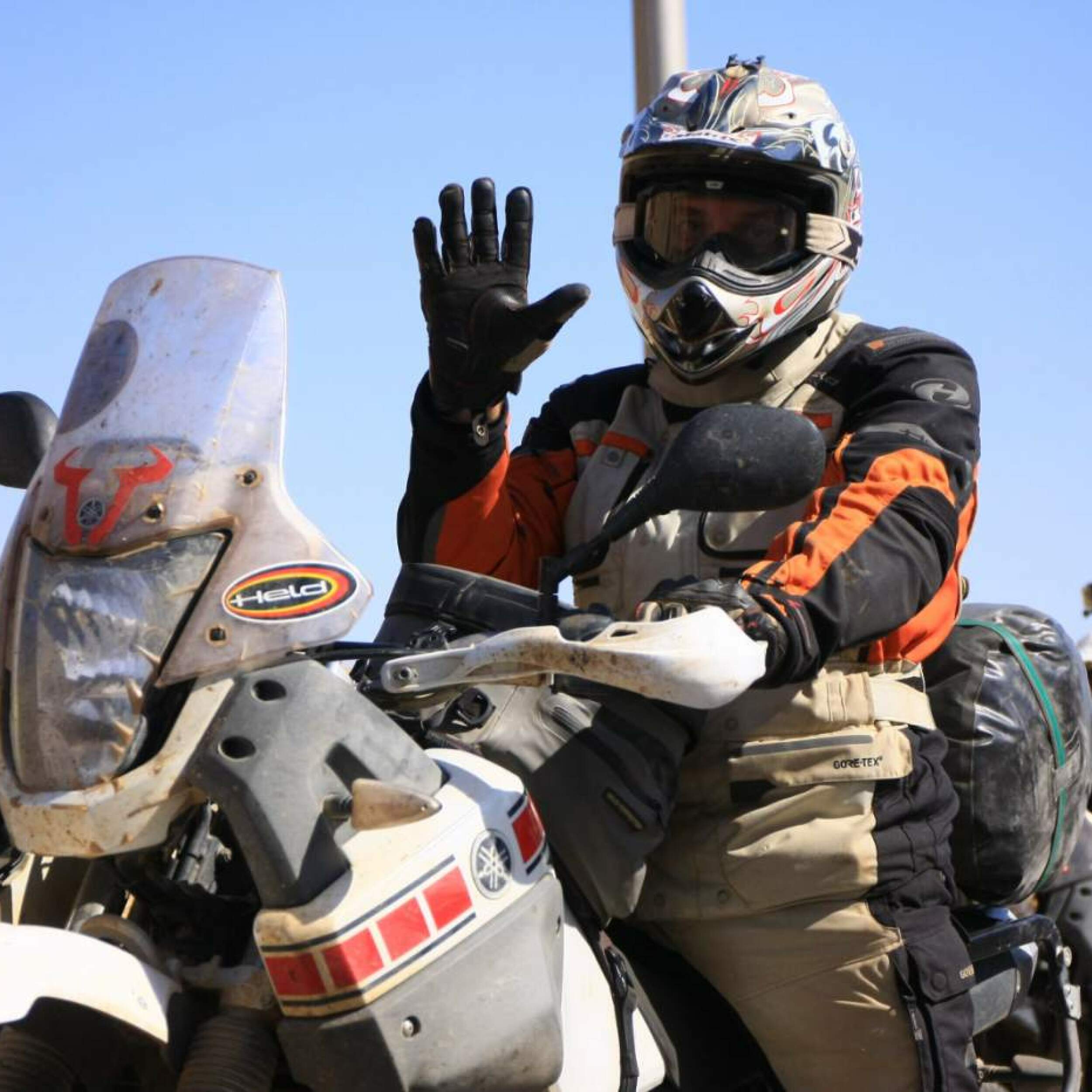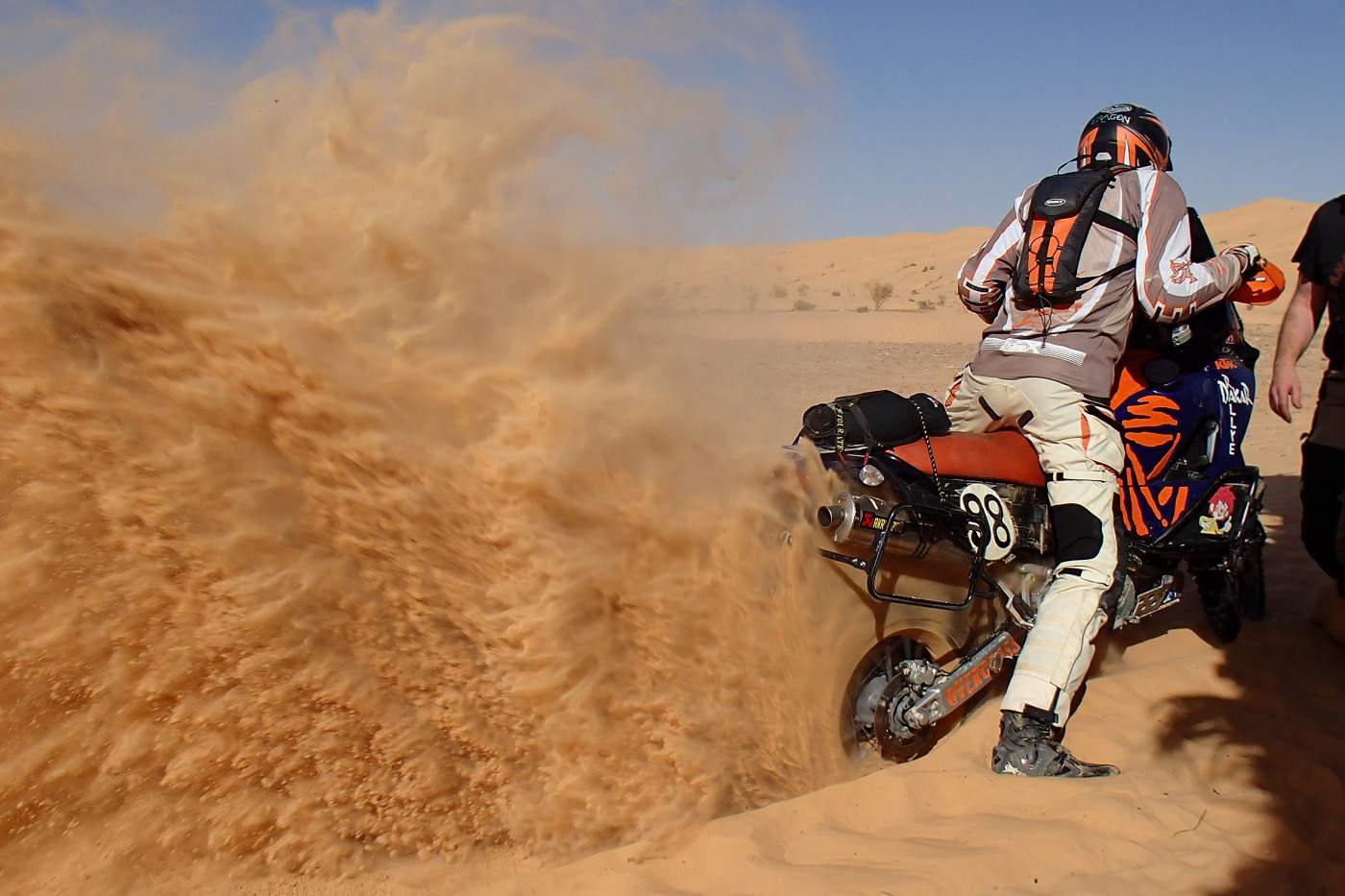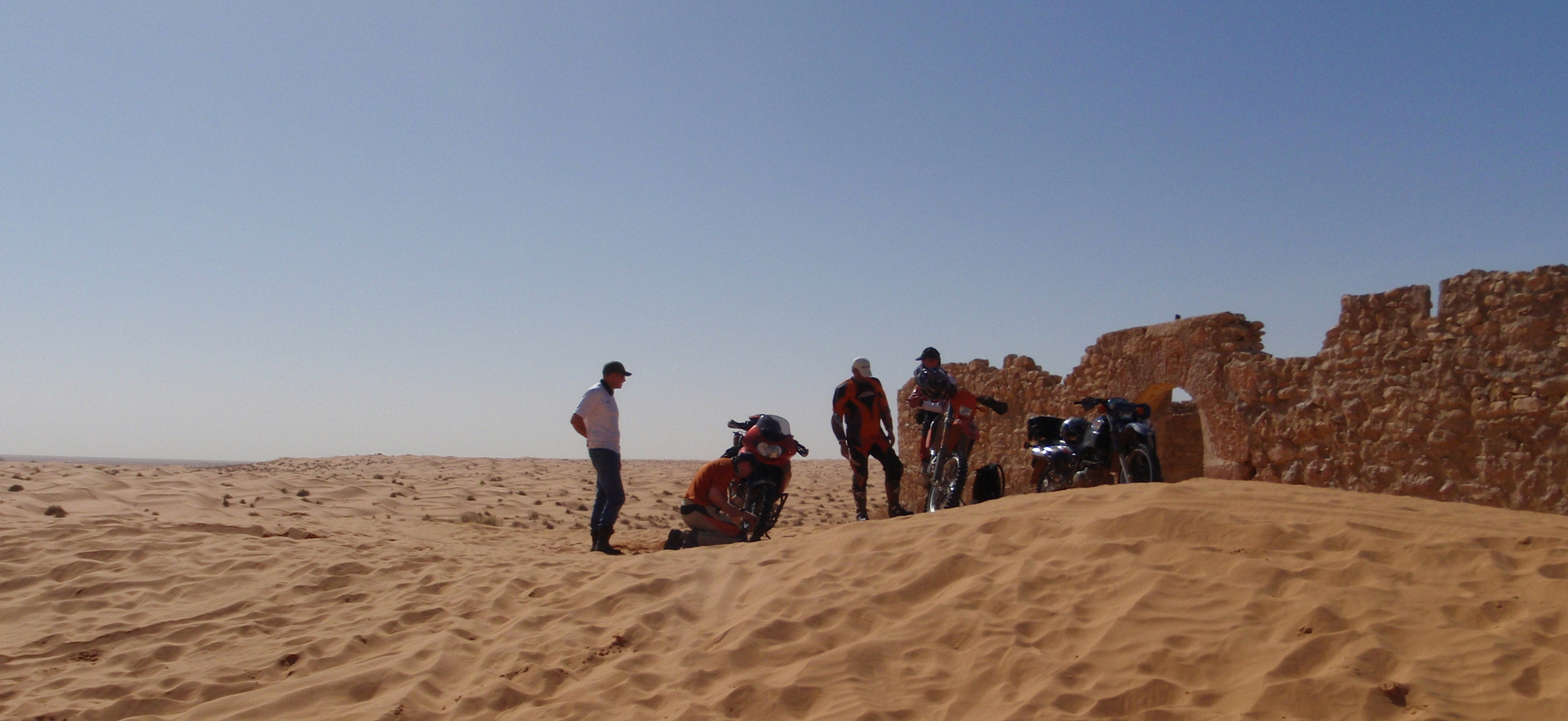
Botswana is a rewarding destination for motorcycle tours, offering diverse terrain across some of southern Africa's most striking landscapes. Riders can trace routes through the vast Kalahari, where red sand tracks stretch for miles under open skies, and push on toward the Okavango Delta, one of the most distinctive riding environments on the continent. The Makgadikgadi salt pans deliver a riding experience unlike any other: flat, white, and seemingly endless. North of the delta, routes through Chobe National Park bring riders close to elephant herds and abundant wildlife along gravel roads that reward experienced adventure bikers. The Khama Rhino Sanctuary offers a quieter detour, while traditional villages along the way provide a genuine sense of Botswana's culture. Guided motorcycle tours in Botswana typically run between May and October, when dry-season roads are most accessible and wildlife concentrates around water sources.
Yes, a visa is required, unless you are from one of the visa-free countries. For most travelers, it is best to apply for the visa online. A visa is not available upon entry, so plan ahead. The processing time can take several days, so you should obtain your visa in due time.
The Maun International Airport (MUB) is the best airport for travelers looking to explore Botswana. It offers connections to major attractions like the Okavango Delta. There are often international flights as well, but check the connections and book in advance to secure the best prices.
The local currency is the Botswana Pula (BWP), and it is advisable to have some cash in small denominations on hand. While credit cards are accepted in larger cities, cash is often necessary in rural areas. ATMs are available in cities, but are not always reliable, so plan your expenses accordingly.
Travel insurance is highly recommended to cover health risks. Vaccinations against diseases such as Hepatitis A and Typhoid are recommended, as well as malaria prophylaxis in certain regions. Check your vaccinations in advance and consult a doctor to ensure you are well prepared.
An international driving permit is recommended for riding a motorcycle in Botswana. Local regulations sometimes also require a residence driver's license, so it is advisable to carry both. Adhere to traffic rules, as they are strictly enforced and high fines are imposed for violations.
Botswana's riding season is defined by its dry season, when gravel roads are passable, wildlife is concentrated, and temperatures are manageable for long days in the saddle.
The dry season from May through October offers firm tracks, minimal rain, and excellent wildlife viewing along water sources — ideal conditions for motorcycle touring across Botswana.
Botswana's riding zones range from Kalahari sand tracks in the south to delta waterways and Chobe game roads in the north, offering varied terrain for motorcycle tours.
The Kalahari offers long, exposed riding across red sand tracks and dry riverbeds. Routes here test navigation and endurance, with wide open skies and sparse traffic — well suited to adventure riders on dual-sport bikes.
Riding around the Okavango Delta means navigating bush tracks and dirt roads through one of Africa's most distinctive wetland ecosystems. Expect wildlife crossings, remote terrain, and limited fuel stops.
The Makgadikgadi salt pans provide one of the continent's most unusual riding surfaces — vast, flat, and disorienting. Best ridden in the dry season when the pans are firm and crossable by motorcycle.
Routes through the Chobe region follow gravel roads alongside the Chobe River, passing through Chobe National Park. Elephant herds frequently cross the road, making this a high-wildlife riding corridor.