Travel Information Oman

A hidden paradise of deserts and coasts

Everything you need to know about Oman

Travel map of Oman by the tour operator OVERCROSS

Travel map of Oman by the tour operator OVERCROSS


  1. General information
  2. Climate
  3. Flora and fauna
  4. National parks and nature conservation
  5. Medical information
  6. Population
  7. Politics and economy
  8. Transportation network
  9. Cities and regions
  10. Culture, sights
  11. Holidays
  12. Travel information
  13. Foreign missions
  14. Sources and links


General information

Continent: Asia
Form of government: Absolute monarchy
Official language: Arabic
Geographical location: Borders to the north: United Arab Emirates, Saudi Arabia. To the east: Arabian Sea, Gulf of Oman. To the south: Arabian Sea. To the west: Yemen
Neighboring countries: Yemen, Saudi Arabia, United Arab Emirates
Capital: Muscat
Area: 309,500 km²
Population: 5,225,345 million (2023)
Religion: 75% Islamic Ibadis, 25% are mainly Sunnis, Shiites, and Hindus
Currency: Rial Omani (OMR)
Climate: Oman has a subtropical climate
Time zone: UTC+4
Country code: +968
License plate code: OM
Power adapter: 240V mains voltage/ bring a power adapter
Opening hours: The weekend begins on Thursday afternoon and also includes Friday. Government offices and agencies are closed all day Thursday and Friday. Shopping malls and stores are open from 9:00 am to 1:00 pm and from 4:00 pm to 10:00 pm.
During Ramadan, stores close only late at night. Banks are open from Saturday to Thursday, from 8:00 am to 1:00 pm.


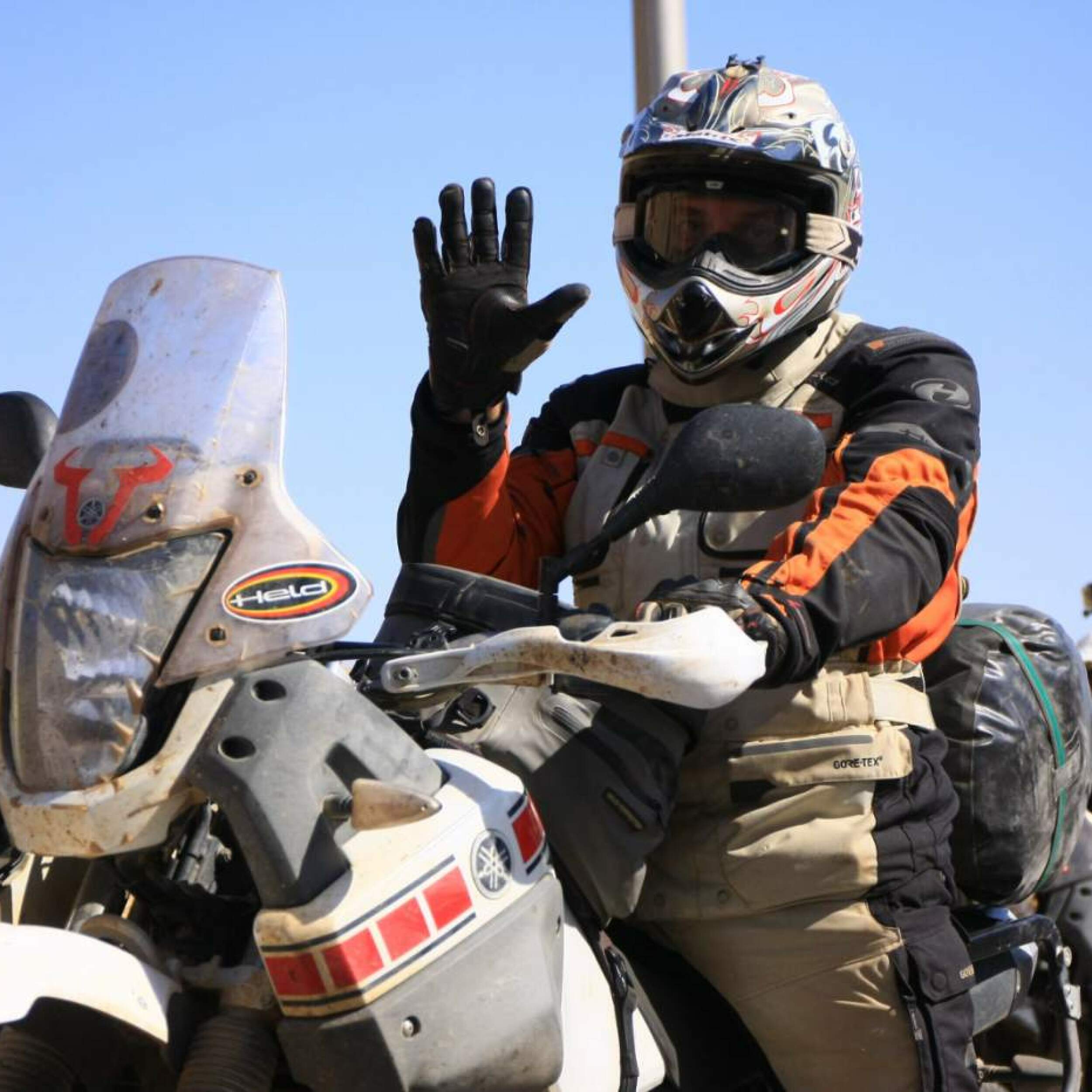
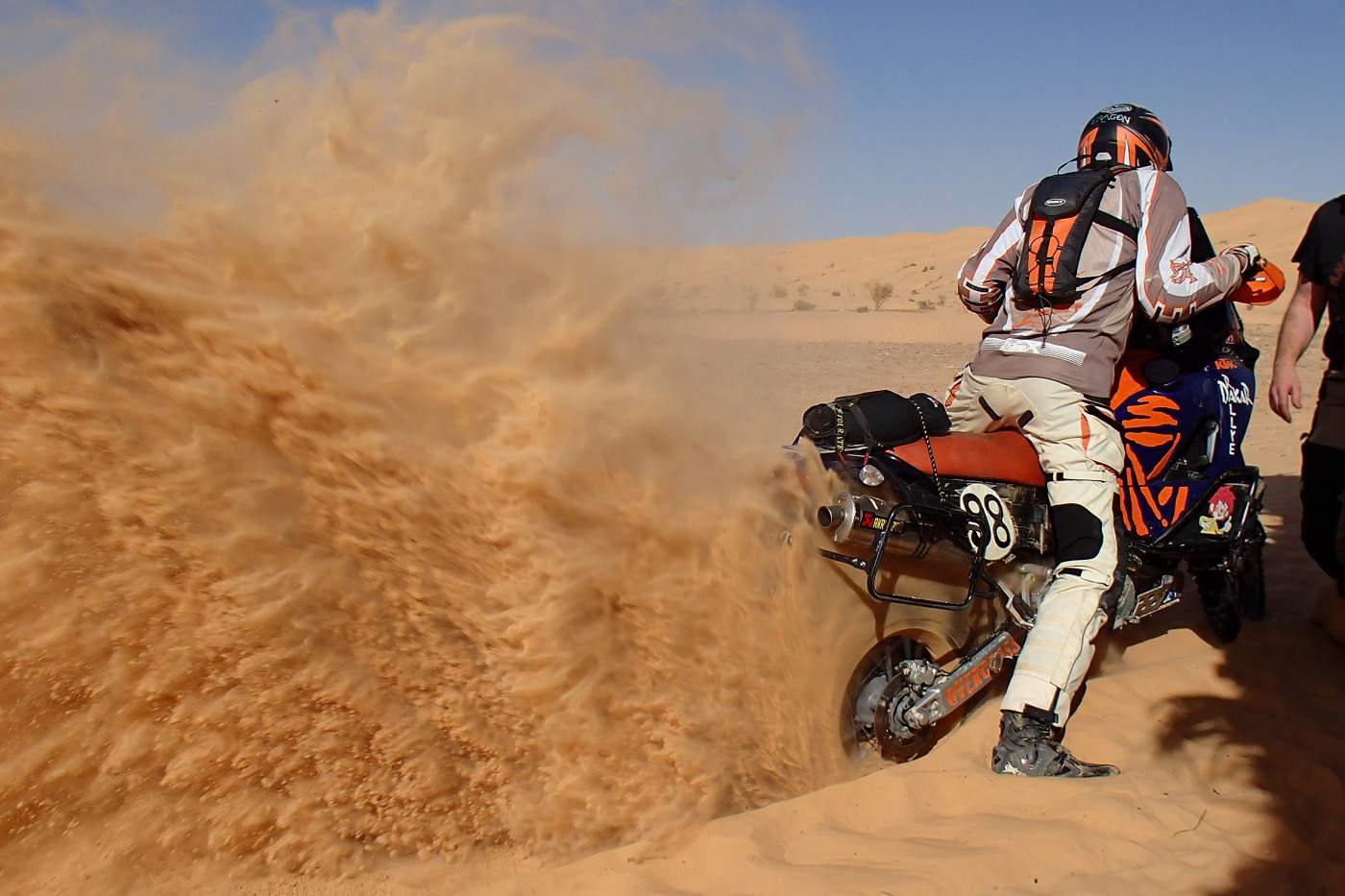
Oman vacation 4x4 off-road motorcycle desert

in the castle

The climate in Oman

                                                              Climate table Muscat

Climate  Muscat Jan Feb Mar Apr May Jun Jul Aug Sep Oct Nov Dec
Max. Temperatures 19 21 24 27 33 37 39 38 37 32 27 22
Min. Temperatures 14 15 17 21 26 30 32 30 28 24 22 18
Sun hours 8 8 9 11 12 13 10 10 10 10 9 8
Rainy days 1 1 1 2 0 0 0 0 0 0 1 1


Trade winds and offshoots of the Indian monsoon determine Oman’s semi-tropical climate.
In the interior, it is very hot and dry, while on the northern coastal plains it is humid and hot. Muscat has average temperatures of 22 °C in January, and around 36 °C in June.
The Gharbi, a hot downslope wind from the Oman Mountains, can make temperatures temporarily unbearable during the summer months. The high humidity (especially in summer) leads to fog formation and occasionally to drizzle.

Flora & Fauna

Flora
In the interior desert, semi-deserts with dry grasses, date palms, and thorn bushes alternate with completely barren deserts.
The humid mountain slopes are covered by forests and scrub with acacias, mulberry figs, and jasmine. In the Karab Mountains, dry shrubs predominate, including the frankincense tree.
At altitudes above 1,000m, there are junipers, olive trees, cedars, and euphorbias.


Fauna
Among the wild animals, there are still a few specimens of leopards; in 2023, the population in the southern mountains of Oman is estimated at 50 to 100 animals. The big cat suffers from attacks by shepherds of goats, cows, and camels, who defend their livestock with weapons. The black porcupine is also now rarely found. Oman’s dromedaries enjoy a special reputation as domestic animals.
There are about 85 species of native birds, plus migratory birds that can be observed in Oman. Altogether, over 450 different species of birds have already been sighted. There are protected areas in the country for the sea turtles that lay their eggs on Oman’s beaches. The Arabian oryx, which had originally become extinct in the wild, was reintroduced in the 1980s into a protected area. The Arabian Oryx Sanctuary was recognized as a World Natural Heritage Site by UNESCO in 1994. In 2007, the site was the first in the world to have its UNESCO status revoked because the government reduced its size to one tenth, thus failing to meet the requirements.


Nature in Oman motorcycle travel camp vacation

Through the mountains in Oman

National Parks and Nature Conservation

Oman has numerous beautiful and unique landscapes and natural areas. The government of the Sultanate places great importance on protecting the environment and preserving its natural resources.

- Al Maha Nature Park (Arabian Oryx Antelope):​ 

This nature reserve is located in the Al Wusta region, between the central desert and the coastal mountain range. Seasonal fog and dewdrops influence the desert biotope and enable the growth of native plant species. They form the diet for the Arabian oryx antelope, which occurs only here and is therefore an endemic animal species. The nature park is home to many different wild animals.

- Al Saleel - National Park: 

The park is located in the administrative districts of Al Kamil and Al Wafi in the Al Sharqiyah region. It is 57 kilometers from the Sur district. Its area of 220 km² is mostly covered with acacia forests. It is home to numerous rare animal species, e.g. the Arabian gazelle, the Omani wildcat (“Assanman”). The red fox, the Egyptian vulture, and other animals are also found here.

- Botanical Garden Oman: 

 The Botanical Garden Oman houses a listed collection of plants that are used for research and delight the visitor’s eye.

- Dhofar Lagoons: 

In the administrative district of Dhofar, there are numerous lagoons. Their total areas range from a few hectares up to more than 100 hectares. Some of these lagoons have been declared nature parks. There are a total of 8 nature parks.

Medical Information

Vaccinations are - for direct entry from Europe - not required. Recommended vaccinations: Tetanus, diphtheria, and polio vaccinations should be checked and, if necessary, updated.

Population

The population of Oman has grown rapidly in recent years. While Oman had just over 500,000 inhabitants in 1950, by 1980 there were already more than one million and in 2020 around 5 million. This increase is mainly due to the economic boom brought about by oil production, which also attracted the current approximately 900,000 foreign workers to Oman. The average life expectancy is 78 years and the degree of urbanization is around 90 percent. Another notable point is the advanced equality between men and women in Oman. Compared to the region, the level of education is considered relatively high.

Politics & Economy

Politics:
Head of state is Sultan Haitham bin Tariq, who unites the office of head of state and head of government. The so-called constitution is the "Basic Law of the State" issued in 1996 by Sultan Qabus ibn Said.
The National Consultative Council is a two-chamber assembly with only an advisory role. The upper chamber, Majlis al Dawla, is appointed by the Sultan. The lower chamber, Majlis al-Shura, is elected by Omanis over the age of 21 for a period of three years, but the Sultan retains the right to declare the election invalid. Political parties are prohibited.
Oman is divided into 8 administrative regions, which are further subdivided into districts.

Economy:

Foreign trade
Since 1967, oil has been exported, now accounting for about 85% of the country's total exports. Other export goods include fish, metals, and textiles. Imports are machinery and vehicles, industrial goods, and food. Since the beginning of oil exports, the trade balance has been positive.

Agriculture and mineral resources:
Almost half of the population works in agriculture or fisheries, with fruits and tobacco being the main crops. Mining is limited to the extraction of copper.

Transport network

There are about 60,000 kilometers of roads in Oman, and by now almost all places are accessible via asphalted roads; previously missing cross-connections have been added in recent years, so today the paved roads form a very well-developed network. Motorways (2,000 kilometers) connect Muscat with Sib, Suhar and Fudchaira, as well as with Nizwa in the center of the country and Sur on the eastern north coast. Increasingly, remote wadis are also being reached by well-developed roads, which is often criticized for ecological reasons. As a result, the possibilities for off-road tourism are reduced, while traditional bus tourism is expanded. Many Omanis use private cars, so the frequency of intercity buses between major towns is decreasing. Shared taxis operate between smaller towns. About 8000 traffic accidents occur annually, with around 600 fatalities (as of 2023). Many of the cars, especially in the cities, are new – undoubtedly a sign of the recent prosperity. Many of the vehicles driven are Japanese brands such as Toyota, Mitsubishi, etc. There are a conspicuously high number of jeeps on the roads, which are status symbols. All private cars are equipped with a "beeper" that activates when the legal speed limit of 120 km/h is exceeded. Signposting is good, almost everywhere bilingual, Arabic and English. In Oman, dusty cars have been prohibited by law since 1973. Anyone who does not wash their car regularly in this water-poor country risks a fine, and in the case of repeated offenses, confiscation of the vehicle.

Cities and regions


The largest cities Oman

City

Inhabitants

Muscat 631,180 Salalah 156,000 Suhar 104,000 Ibri 96,000


Culture & Sights​

The history of present-day Oman goes back a long way. Oman is a country with a rich cultural heritage.
The government strives to preserve this cultural treasure. Therefore, in Omani cities, in contrast to many other Gulf Cooperation countries, efforts are made to preserve historical buildings.
Women have a strong position in Omani society and are represented both in higher ranks of business and in politics.

Muscat: The country's capital, which places great importance on tradition and style.

Nizwa: Former capital city. The city of Nizwa is considered one of the most impressive cities in Oman.

Sur: Ancient port city that once played a significant role within the region around the Arabian Peninsula and the Indian Ocean.

Dhofar region (Salalah): The Dhofar region, which occupies one third of Oman's area, is located in the south of the country. Mountains and hills invite visitors to relaxed hikes in the fresh air. Visitors can enjoy the special variety of the local flora and fauna here.

Public Holidays
 

Holiday Date
New Year's Day January 1
Isra and Mirag Depending on the year
Eid El Fitr Depending on the year
Eid Al Adha Depending on the year
National Day November 18
Christmas December 25


Travel Information

A passport is required for a stay in Oman, which must be valid for at least 6 months after return. A visa (up to 30 days) subject to a fee is issued upon entry. The visa can be obtained at all airports and other border crossings. Travelers of other nationalities are asked to contact their respective embassy for information.


Oman Reisen Landesinformation Motorrad

 Oman has the largest sand desert in the world-


Foreign Representations

German Embassy in Muscat

Diplomatic Area, Al-Khuwair , Jami’at Al-Duwal Al-Arabiah Street, Muscat, Sultanate of Oman

Tel:   (+968) 2469 1218, 2469 1244, 2469 1255, 2469 1257
Fax:   (+968) 2469 1278

Embassy of the Sultanate of Oman in Berlin

Berlin 14195 , Clayallee 82

Tel.: +49 (030) 81 00 51-0
Fax: +49 (030) 81 00 51-99

Sources and Links

https://www.auswaertiges-amt.de/DE/Laenderinformationen/00-SiHi/OmanSicherheit.html

https://de.wikipedia.org/wiki/Oman

Our trips in Oman

Karte von Oman

×

Send request

Adventure

How did you
hear about us?

Ask a Route Expert

How do you want to travel?