Travel Information Brazil

Experience tropical diversity and vibrant culture!

Everything you need to know about Brazil

Travel map of Brazil by the tour operator OVERCROSS

Travel map of Brazil by the tour operator OVERCROSS

1. General information
2. Climate
3. Best travel time
4. Important cities and regions
5. Politics and economy
6. Flora and fauna
7. Culinary
8. Our trips in Brazil


Country information Brazil

Continent: South America
Form of government: Presidential democracy
Official language: Portuguese
Geographical location: Eastern South America, bordering the Atlantic Ocean
Neighboring countries: Uruguay, Argentina, Paraguay, Bolivia, Peru, Colombia, Venezuela, Guyana, Suriname, French Guiana
Capital: Brasília
Area: 8,514,215 km²
Population: 213.99 million (2023)
Religion: 54.3% Roman Catholic, 22.2% Protestant
Currency: Real
Climate: Tropical - subtropical
Time zone: UTC-3 to UTC -5
Dialing code+55
Car registration: BR
Travel adapter: 110 or 220 V AC / take a travel adapter with you
Opening hours: Shops are usually open from 9 am to 6/7 pm, supermarkets until 8 pm, many shops are closed between 1-3 pm

The climate of Brazil

Due to its incredible size, its location between the equator and the southern tropic, Brazil has extremely different climates. The north of the country is tropical, while in the south of the country a conventional 4-season climate prevails. The center of the country is subtropical.

The largest part of Brazil's area is in the tropics, making the climate predominantly tropical and subtropical. Thus, the north and east are mainly tropical with only minor seasonal temperature differences. The subtropical south is characterized by its more temperate climate. The Amazon Basin is known for its heavy and consistent rainfall. However, there are also dry regions, especially in the northeast with the dune area Lençóis Maranhenses, with sometimes prolonged droughts. In the higher elevations of the south, it occasionally snows.

The seasons are reversed from a European perspective. October to March are generally the hot summer months and July to August is winter. Within this vast tropical country, however, temperature and rainfall vary considerably:

North: Ever-humid jungle area, high temperatures

Atlantic coast: in the northeast consistently warm, humid tropical climate; Rio’s coast and further south: fluctuates from 18 - 40° C

Interior: semi-dry climate until the end of March, winter relatively dry and cool; in the Pantanal, however, humid-hot climate up to 45° C

South: humid, subtropical climate; 

High plateau: mild climate, at times very cool in winter, snowfall very rare

Best travel time

October to March, in the subtropical north May to September

Important cities/regions

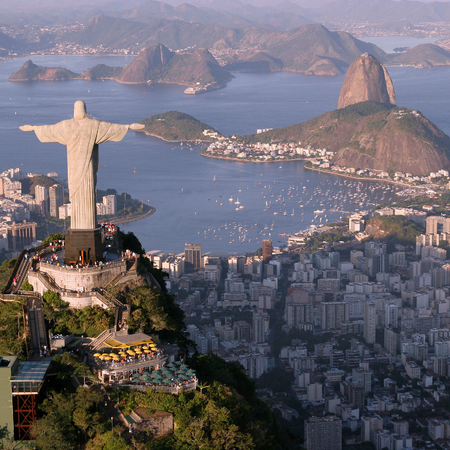
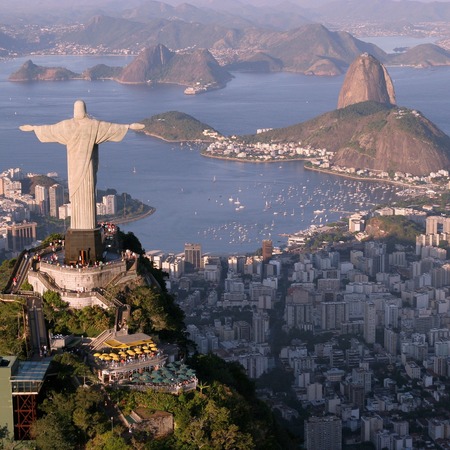
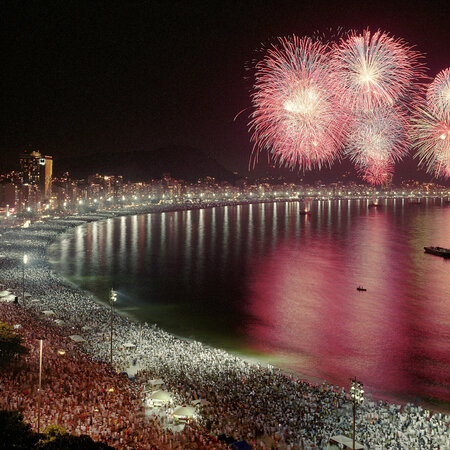
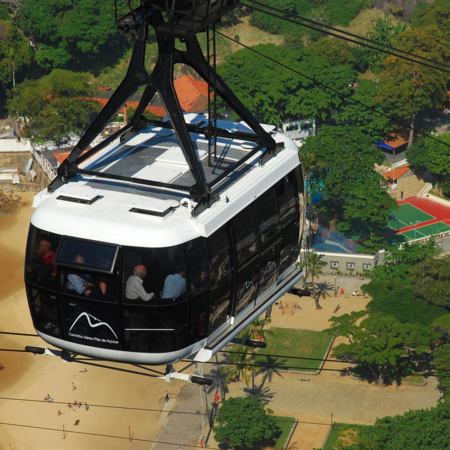
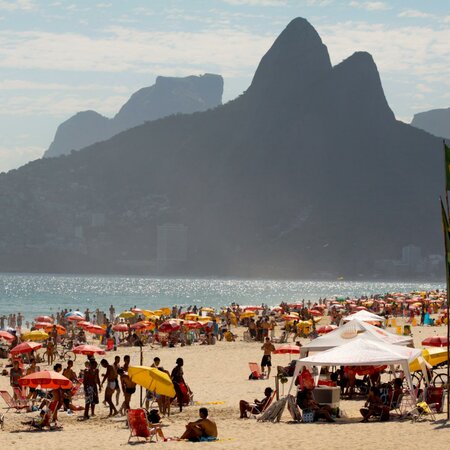
Rio de Janeiro: Sugarloaf Mountain, Corcovado with Christ statue, white beaches, e.g. Copacabana

Sao Paulo: world metropolis, hub of the country

Belo Horizonte/ Ouro Preto: in the 18th century center of the gold rush, gold mines and colonial buildings

Salvador da Bahia: Capital of the state of Bahia with a population of 2,998,056, Salvador is called the „land of joy“ by Brazilians, as life there seems to be an endless celebration of happiness. It is also called the „land of all saints“, not only because of the All Saints Bay located there, but also especially due to the deeply rooted mystical traditions of its population. It is certainly one of the most fascinating cities on the planet, a world of magic, beauty, traditions, and warmth. It has its own unique identity and is almost a country in itself. The city is bordered to the east by the Atlantic Ocean and to the south by the All Saints Bay.

Manaus: starting point for expeditions into the Amazon region

Iguassú: approx. 260 waterfalls in the tropical rainforest - Foz do Iguacu is located near the spot where the Iguassu River empties its waters into the Parana River, forming the widest waterfalls on earth and creating two border crossings between Brazil and Argentina. Foz do Iguassu has 325,137 inhabitants (2023) and is of great tourist importance.

Politics & Economy

Brazil was ruled by dictatorships for almost 100 years - today it is a federal republic with the president as head of state. Brazil is an emerging developing country and the leading export country in South America; already over 70% of exports consist of manufactured goods. Additionally, coffee, cocoa, and sugarcane cultivation bring money into the country.

Flora & Fauna

Brazil’s animal and plant world, mainly due to the tropical rainforest, which takes up almost half the country, is of incredible diversity. In the Amazon region, more than 50 meter high trees grow densely together and steppes and savannas alternating with swamps occupy another extensive part of Brazil. The Pantanal, a national park in the west, is considered a veritable animal paradise: wild and water pigs, tapirs, jaguars, alligators, piranhas live here. In addition, you can also find pumas, howler monkeys, anacondas, caimans, toucans, etc. in the country. 

Cuisine

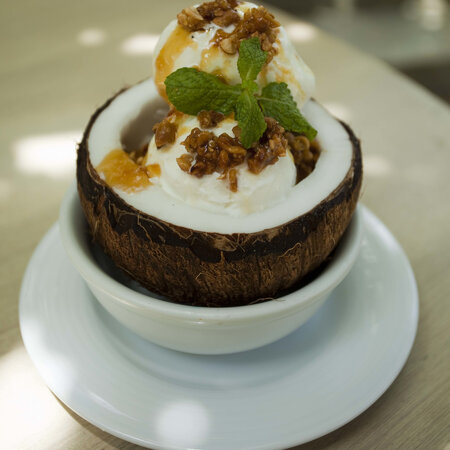
A country as large as Brazil is home to numerous local cuisines. The dishes are mostly light, featuring vegetables, fruit, and salads. Prato Feito (beef with black beans, rice, and salad) and Churrasco (various types of grilled meat on a skewer) are well known everywhere. Feijoada, made from black beans and various dried, salted, or smoked pieces of meat, is considered the national dish of Brazil. The Brazilian beer is very good and the national drink is the Caipirinha, mixed from "cachaca," the sugarcane schnapps, and lime juice. 

Our trips in Brazil:

Luxury trip Brazil: Deluxe adventure in South America

South America Adventure Trip: Brazil - the country of contrasts

Chile, Argentina and Brazil Adventure Trip: South American Impressions

Peru, Bolivia, Argentina, Brazil Adventure Trip: Grand South America Round Trip

Brazil: Motorcycle and 4x4 Off-road Tour

Brazil Multi-active: Adventure & Discovery Trip South Brazil

Karte von Brazil

×

Send request

Adventure

How did you
hear about us?

Ask a Route Expert

How do you want to travel?