MOTORCYCLE-TOURS · SENEGAL
Paris Dakar Motorcycle: Expedition from Paris to Dakar
This Paris Dakar motorcycle trip takes you from Paris to Dakar in Senegal over 22 days. Following in the footsteps of the legendary rally, it goes through Spain to North Africa and further through Morocco, Western Sahara, and Mauritania.
The Journey
Motorcycle Expedition from the Eiffel Tower to Dakar
The start of the motorcycle journey is in Paris. From there, we will travel with our own motorcycle or a rental enduro towards Dakar in Senegal in 22 days. We will ride to Gibraltar in just a few days and then cross over to Africa. Through the green north of Morocco, we will cross the Atlas Mountains and finally reach the desert. We will travel long stretches off-road towards Western Sahara. Along the wild Atlantic coast, we cross the border into Mauritania. In Mauritania, it will be even more challenging for both man and machine. We will rarely see asphalt - and when we do, it will be only to cover distances. The route chosen by OVERCROSS largely follows the original track. When selecting the waypoints, we paid close attention to the adventure enduro aspect to experience the adventure in the footsteps of the legendary Paris Dakar Rally. The route includes both on-road and off-road segments. The connecting stages partially take normal roads to the scenic and driving highlights of the route, which leads off-road far from civilization through rugged canyons and sandy passages along the Atlantic Ocean to Dakar. The destination of the journey is Dakar, the thriving metropolis and capital of Senegal. If you're still up for more adventure, you can join us for the connecting tour through Senegal and Gambia. Your time is limited? Or do you only want to ride the African part of the tour? Then you can also book the stage from Marrakech to Dakar separately with us.
Key Highlights of the Trip
Key Highlights of the Trip

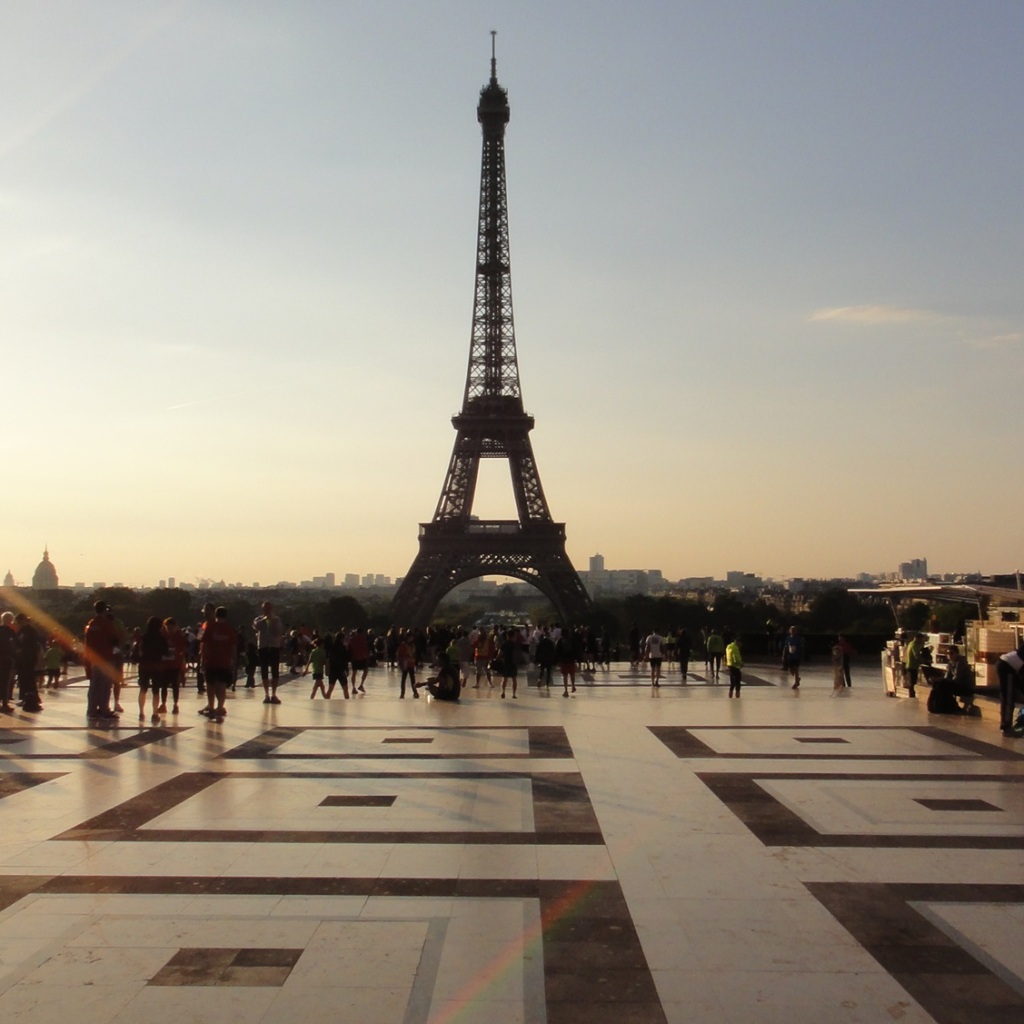
Meeting at Place Jacques Rueff in front of the Eiffel Tower - Paris
On the first day of travel, we meet with our motorcycles in the morning in front of the Eiffel Tower in Paris. The official start will be there. Of course, you have the option to join the guide already in Germany and arrive as a group in Paris. After a short introduction and a few instructions, we’re off. The day's destination is the highest dune in Europe, the Dune du Pilat, near Bordeaux in Arcachon.
On the motorcycles and off to Spain
After we saw the Atlantic for the first time on our journey, which will meet us again much warmer thousands of kilometers further south, we head over the foothills of the Pyrenees to Spain. After a small mountain pass, we continue over the high plateau Iberian Meseta to Burgos, our day's destination.
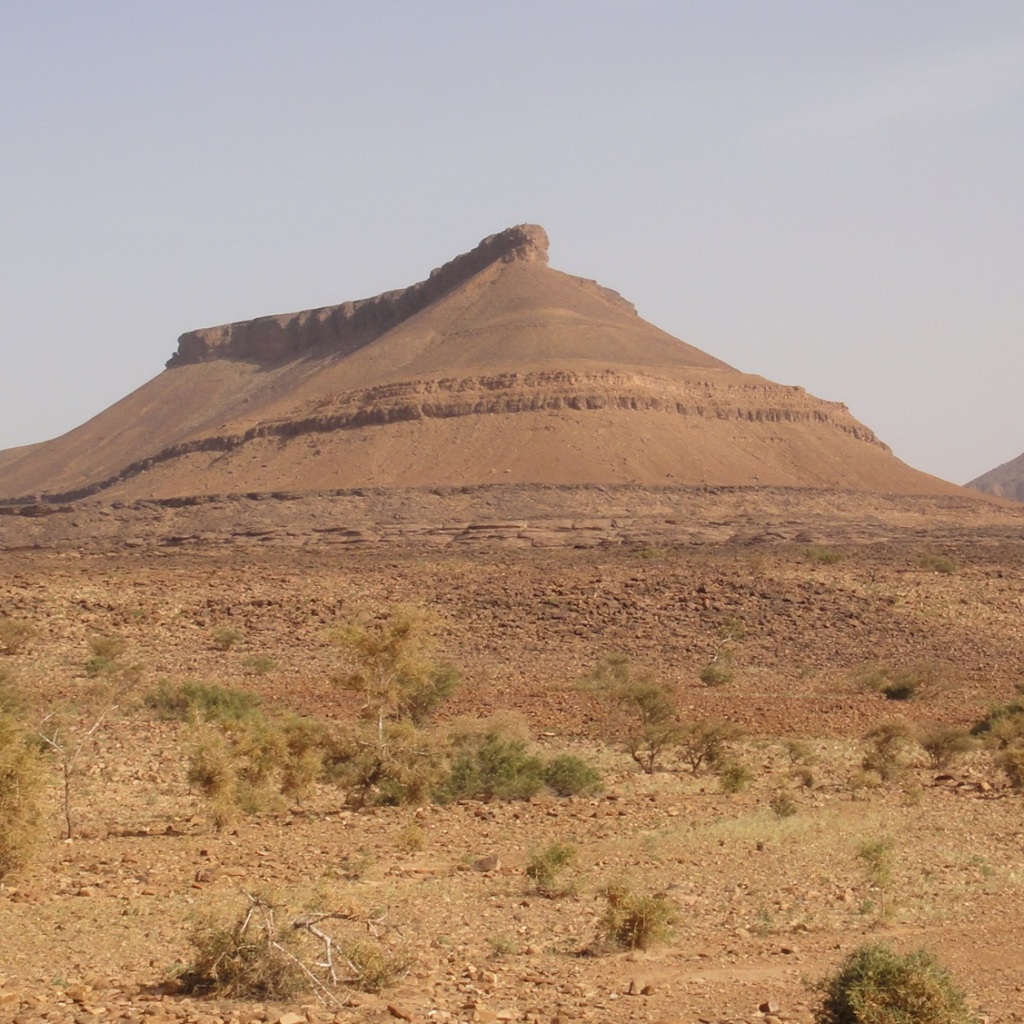
Day 3 & Day 4: on the Road Day: Over the Siera de Gredos to Seville, the call of Africa
One does not know where one is at the moment. Northern Spain is sparsely populated and the vastness of the landscape and the surroundings remind one of images known from motorcycle trips in America. It is important to cover kilometers so that we reach the goal of the 4th day early and still have a few hours for the beautiful Seville.
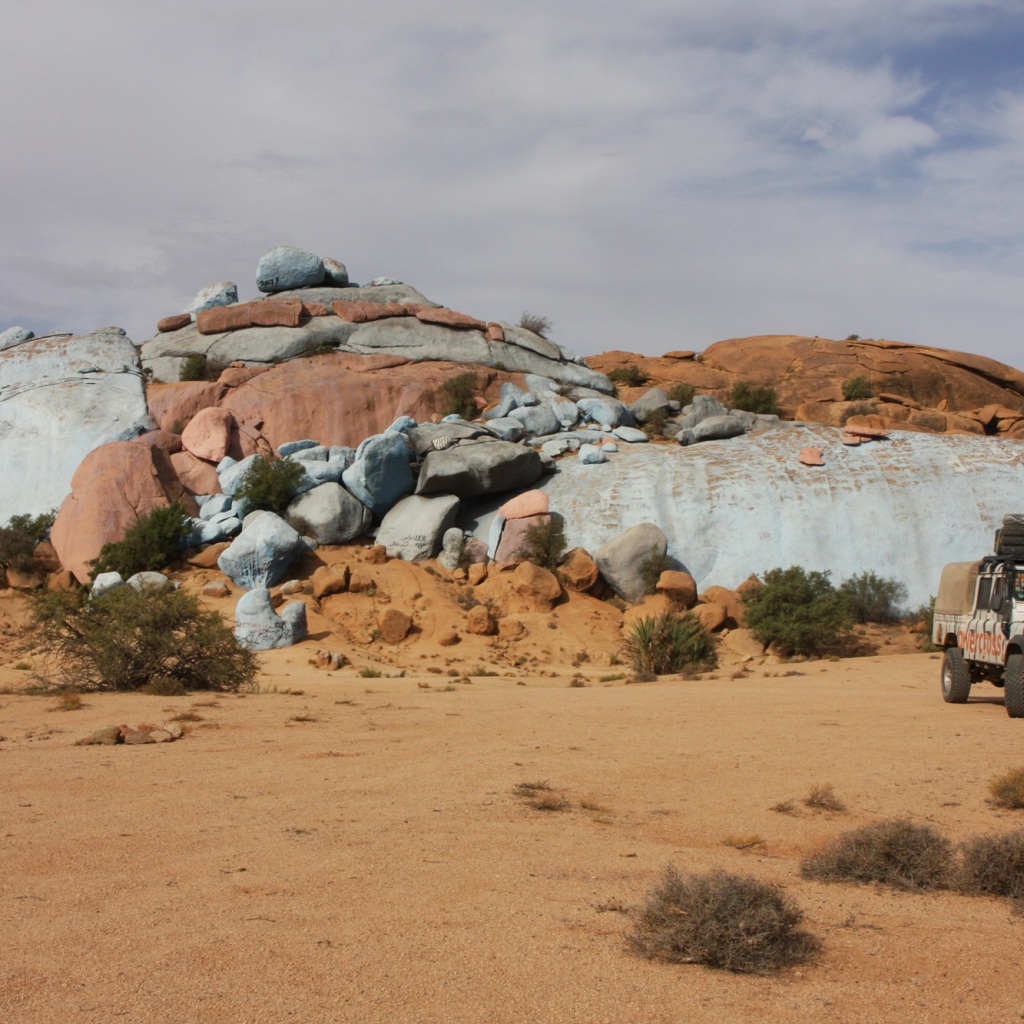
Off the Road Day: The first kilometers in Morocco
In the morning we set off and cover the last kilometers to the ferry port in Gibraltar. After we have crossed over, we need to clear our motorcycles through customs before we can move onto African soil for the first time. Since this usually takes some time, we will set up our campsite just beyond the port of Tanger Med.
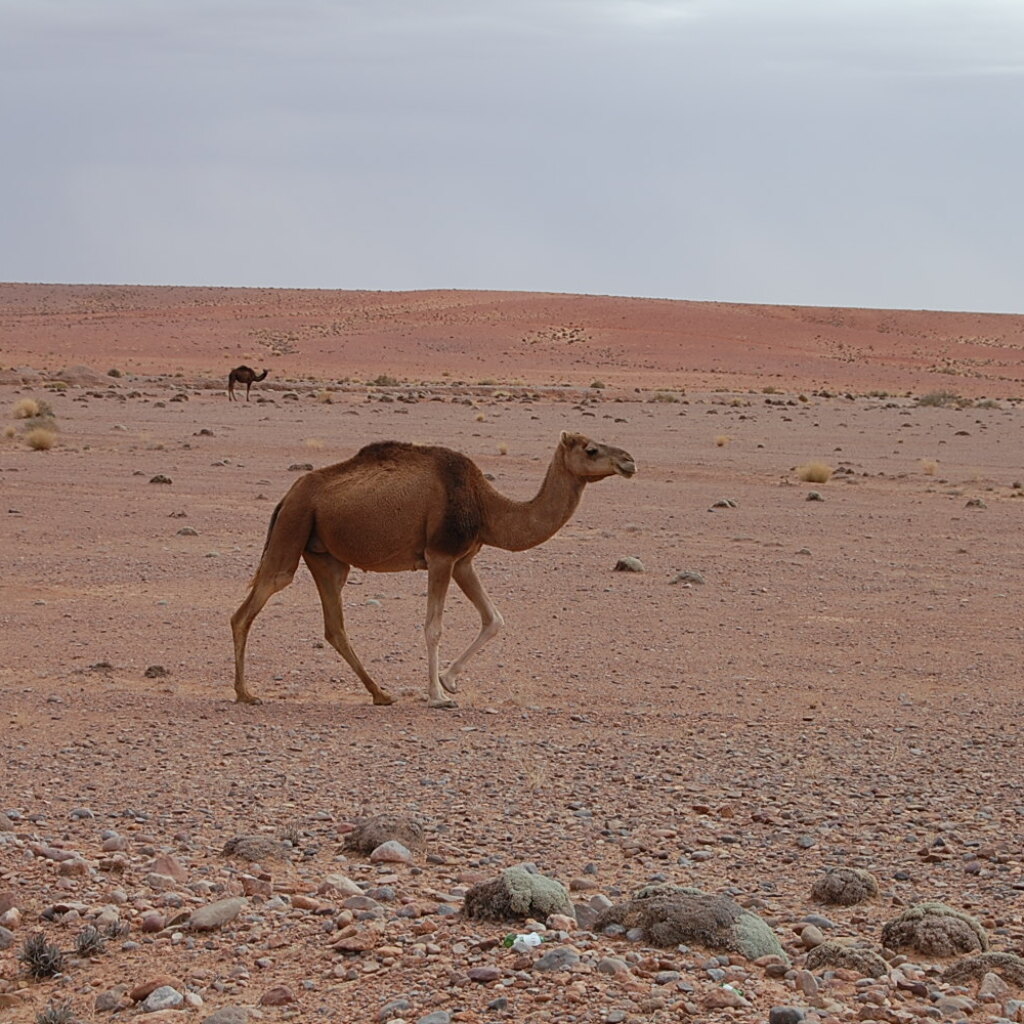
Africa on the Paris-Dakar Track: Moroccan Roads and the Cascades of Ouzoud
Along the coast, it goes to Rabat and then along small roads towards the Atlas Mountains. The traffic takes some getting used to, and riding a motorcycle requires a lot of concentration. We will make our way leisurely through the foothills of the Atlas towards Ouzoud. The first mountain passes are already waiting for us.
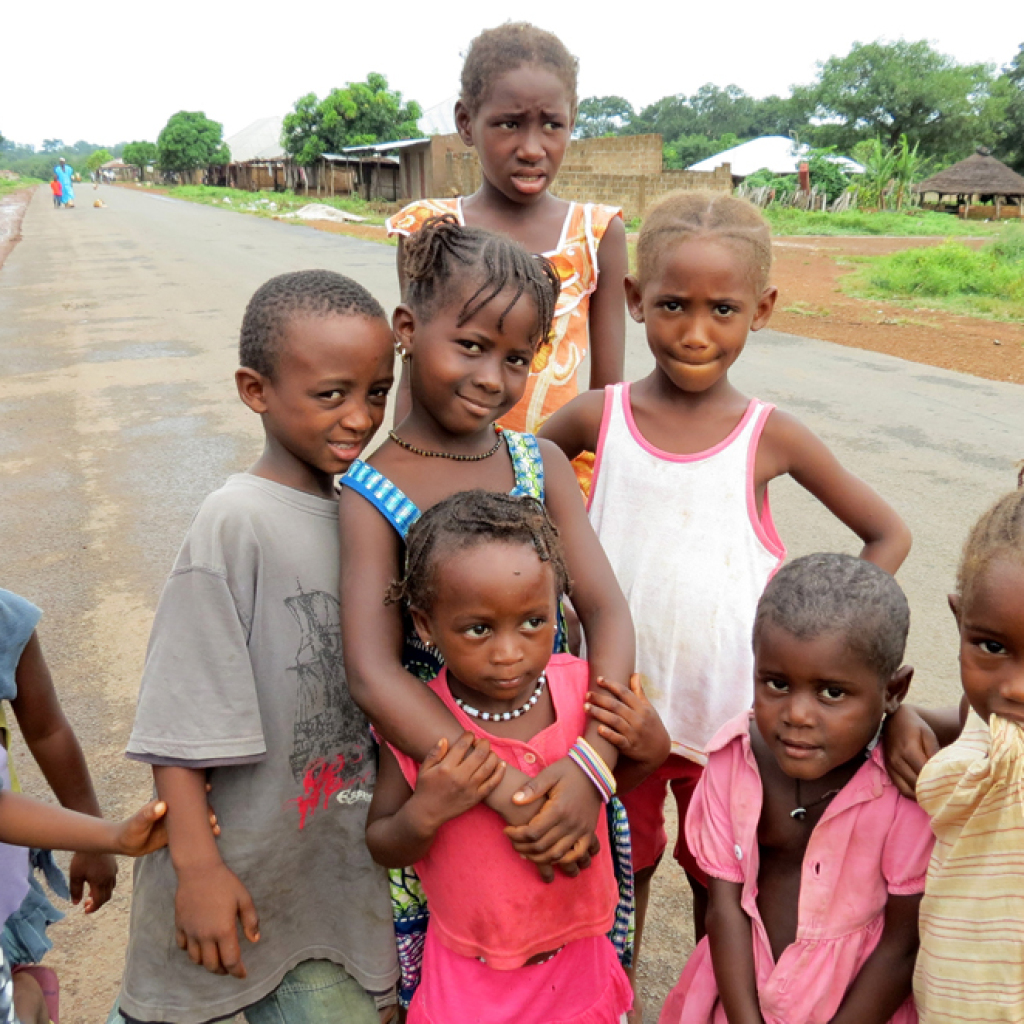
Like at the Paris_Dakar paddock: on the 7th day you shall rest & work on the motorcycle said the bike god
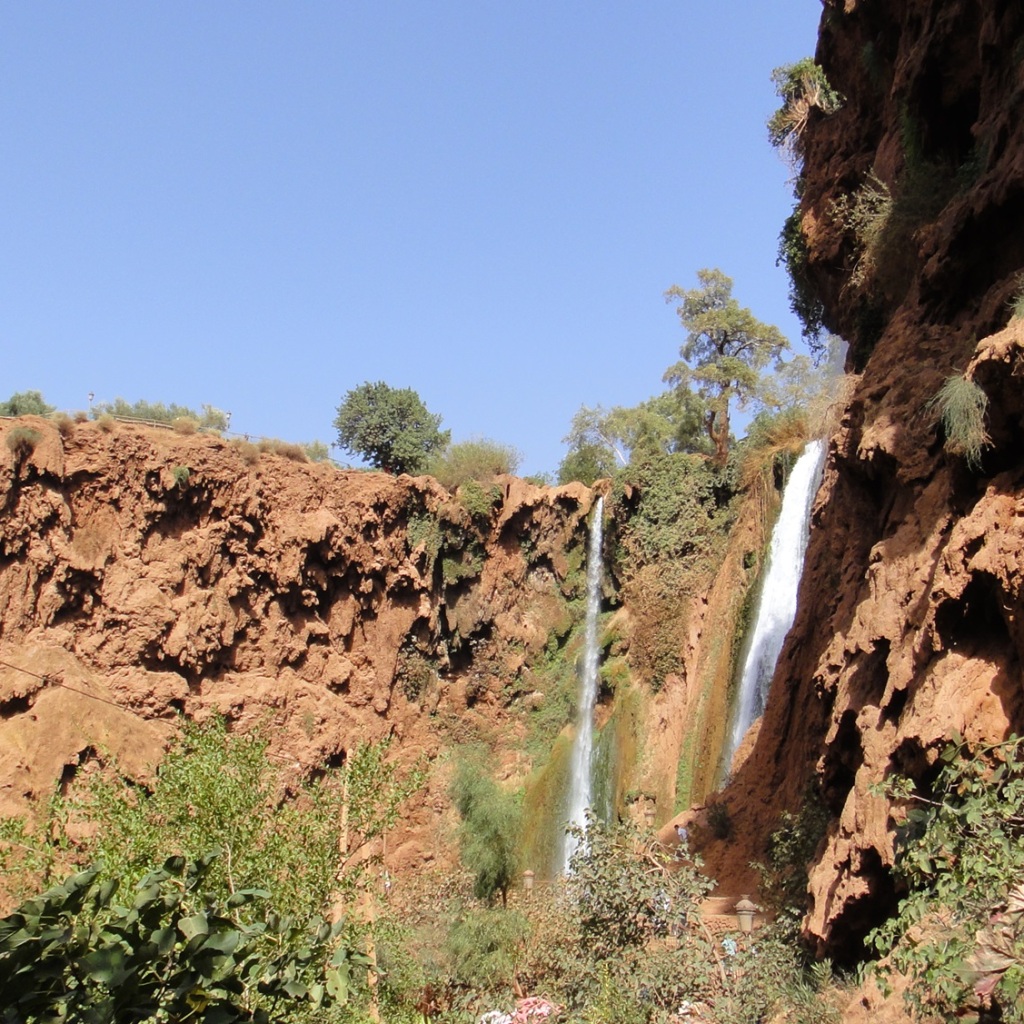
On the seventh day you shall rest and that is exactly what we will do. It is time to hike in the beautiful landscape around Ouzoud, to visit the 120 m high waterfalls or to care for your motorcycle. After all, we have already covered about 2500 km.
Towards Dakar: Meeting in Assni and crossing the Tizi n'Test
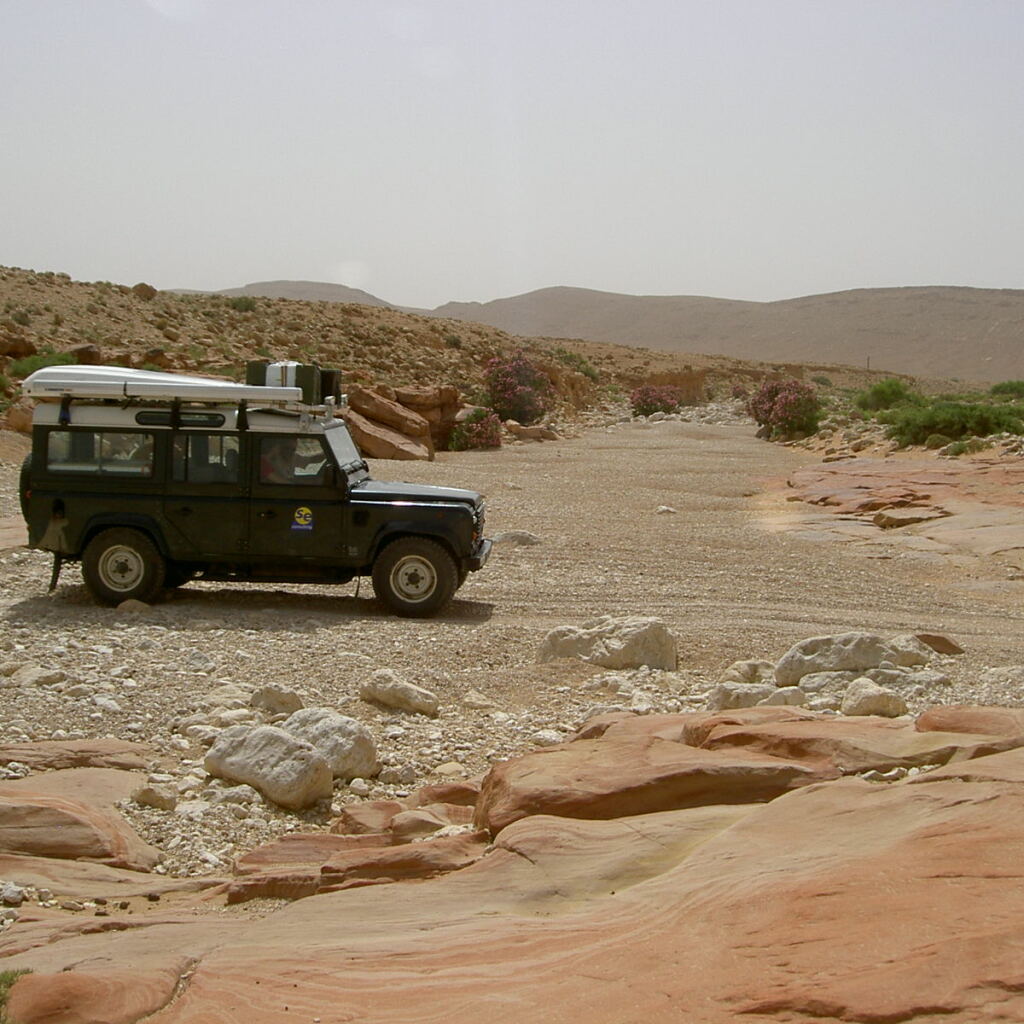
In Assni at the foot of Jebel Toubkal, the highest mountain in North Africa, we set off together towards the summit of Tizi n'Test. Even though it's not too many kilometers, it takes almost a day until we reach Taroudant on the other side with our motorcycles. On the single-lane road, anything from a donkey to a 40-ton truck can come towards you.
Adventure Day with the Bike: African culture and delightful riding fun with the motorcycle
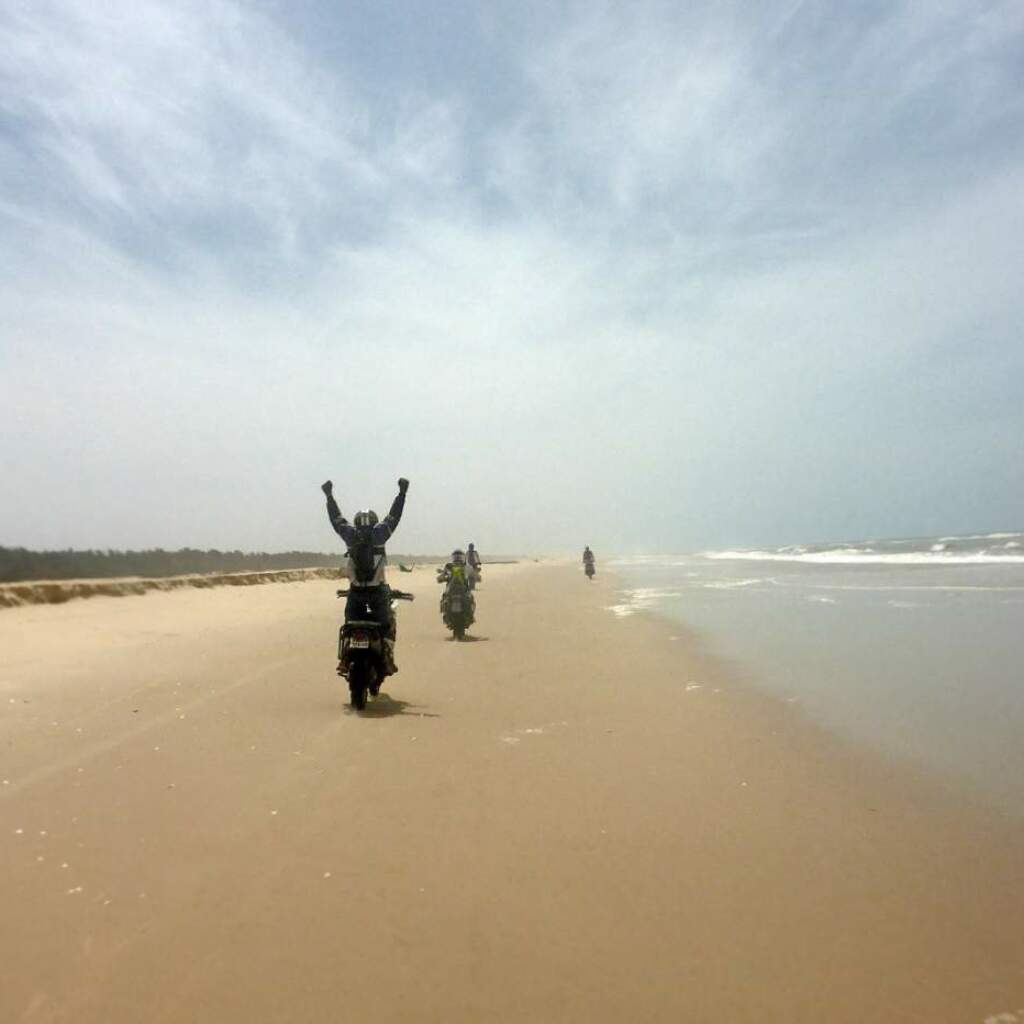
It goes through a beautiful valley full of almond trees towards Tafraoute. The road winds continuously along the valley wall, causing the motorcyclist's heart to race. The first dromedaries will be visible, and the desert slowly begins to appear. Upon arriving in Tafraoute, we can stock up on provisions for the next few days and admire the giant monoliths that look as if they were built by human hands.
Day 10 & Day 11: Enduro and Adventure Day: Through the Sahara to Smara
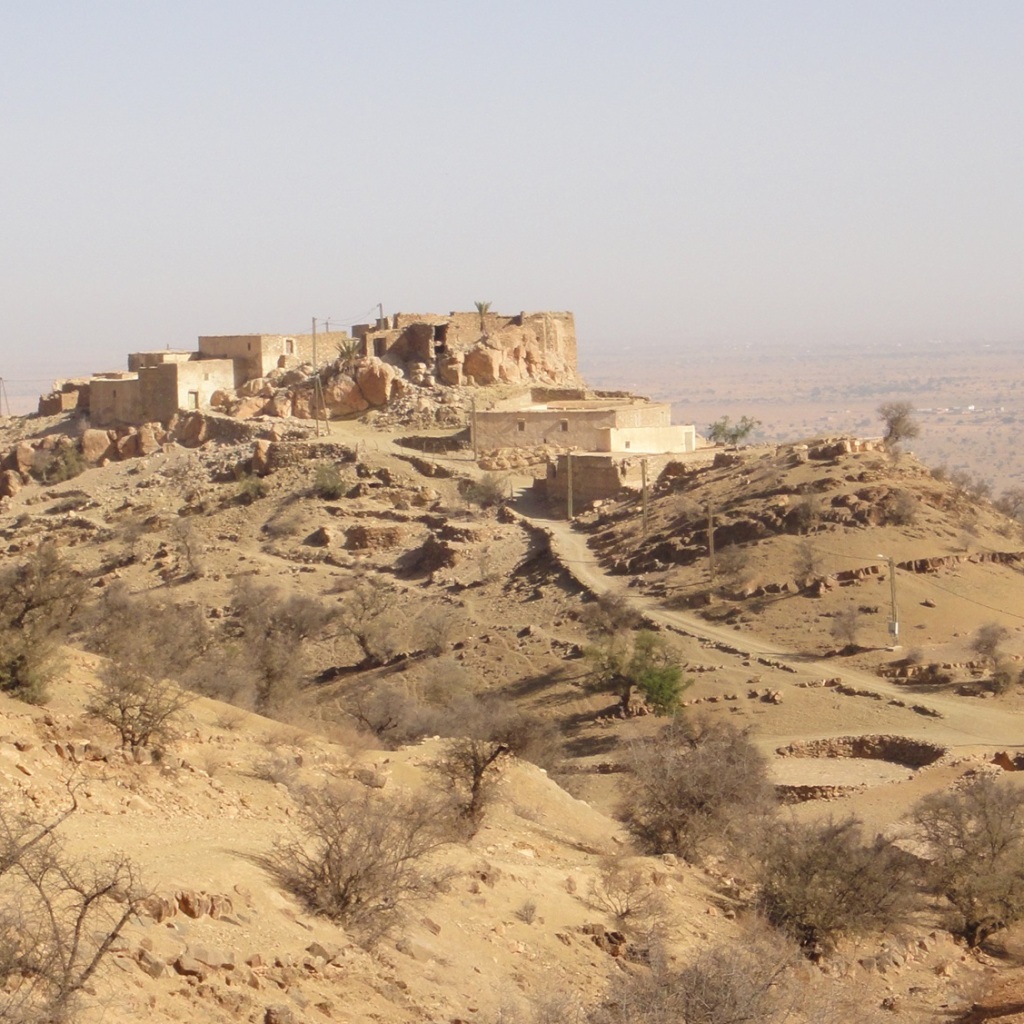
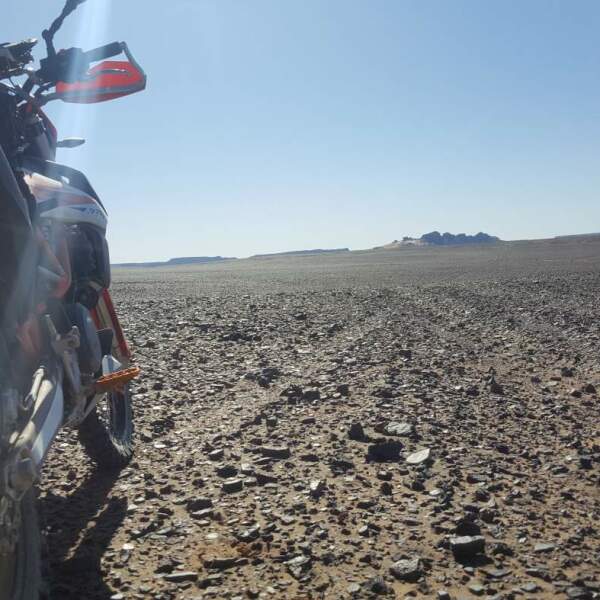
The first major off-road stage lies ahead of us. We will drive for two days through the western foothills of the great Sahara towards the desert town of Smara. On the way is the disputed border between Morocco and formerly Spanish Sahara. This is still noticeable today in the mentality of the inhabitants and the language. While French is very widely spoken in Morocco, now suddenly Spanish is more useful.
Questions about the tour itinerary?
Our tour guide is happy to answer any questions about the day-by-day route, stops, and details.
Goo West Day: To the Metropolis of Western Sahara
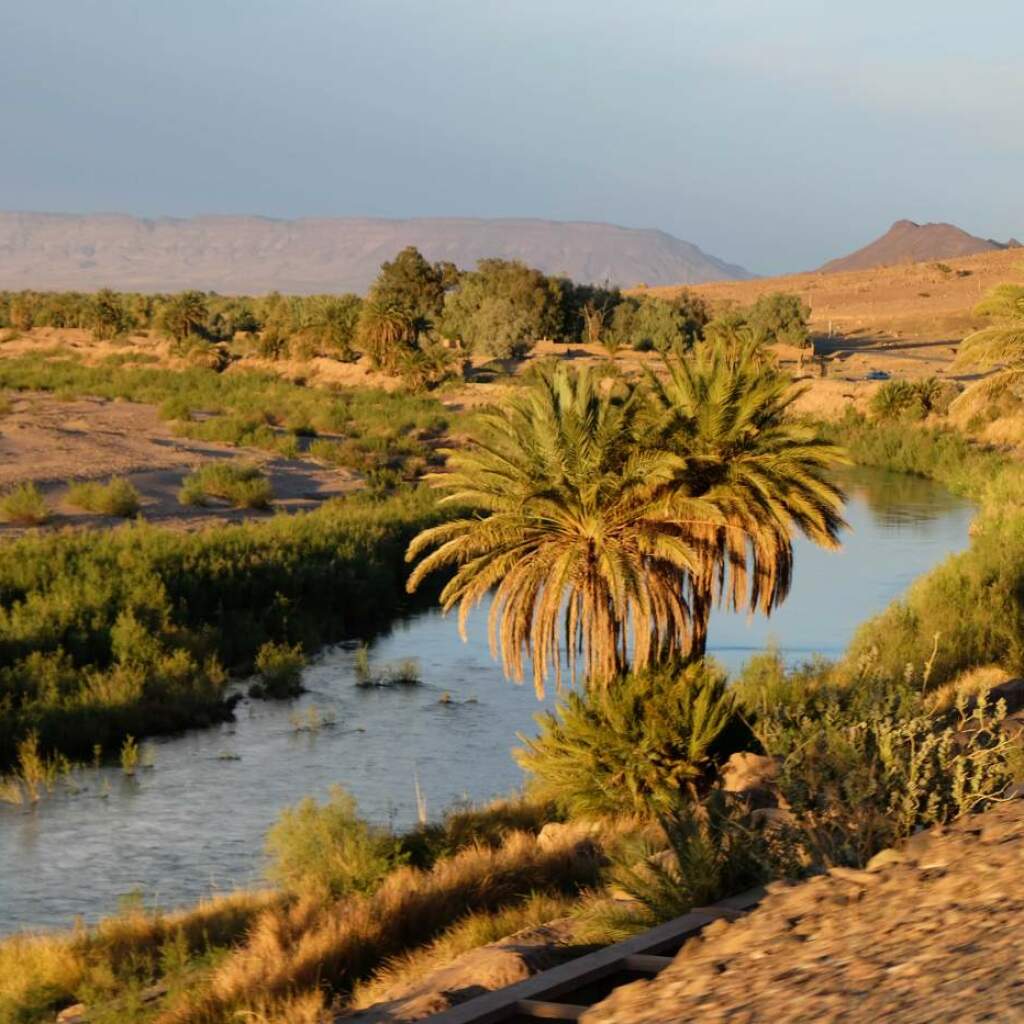
It goes along a dusty track always by Seguiet el Hamra, which also carries water for most of the year. The daily goal El Aaiún is not far away and there is time to let the motorcycle rest, stretch the legs in the afternoon, or take a bath in the sea.
Day 13 & Day 14: No Man's Land Day: Sahara, Sahara and Sahara
For two days, we will travel around 500 km on the N1 to Dakhla. To our right is the blue Atlantic Ocean and to our left stretch the endless expanses of the Sahara. We will have time to make stops along the beautiful coast and drive off-road along sections of the beach. Optionally, we can drive faster and take a rest day in the surfer town of Dakhla.
Dakar is calling: Off to the unknown
While Morocco is known to everyone, Mauritania, despite its size, is rather unknown. From Dakhla we drive to the border and cross the no man's land. Then we will spend the rest of the day dealing with entering Mauritania. There it is said: Europeans may have invented the clock, but Africans invented time. We set up our camp after the border in the idyll of the dunes.
Day 16 & Day 17: Desert Days in the Desert: The Oasis Atar as Destination
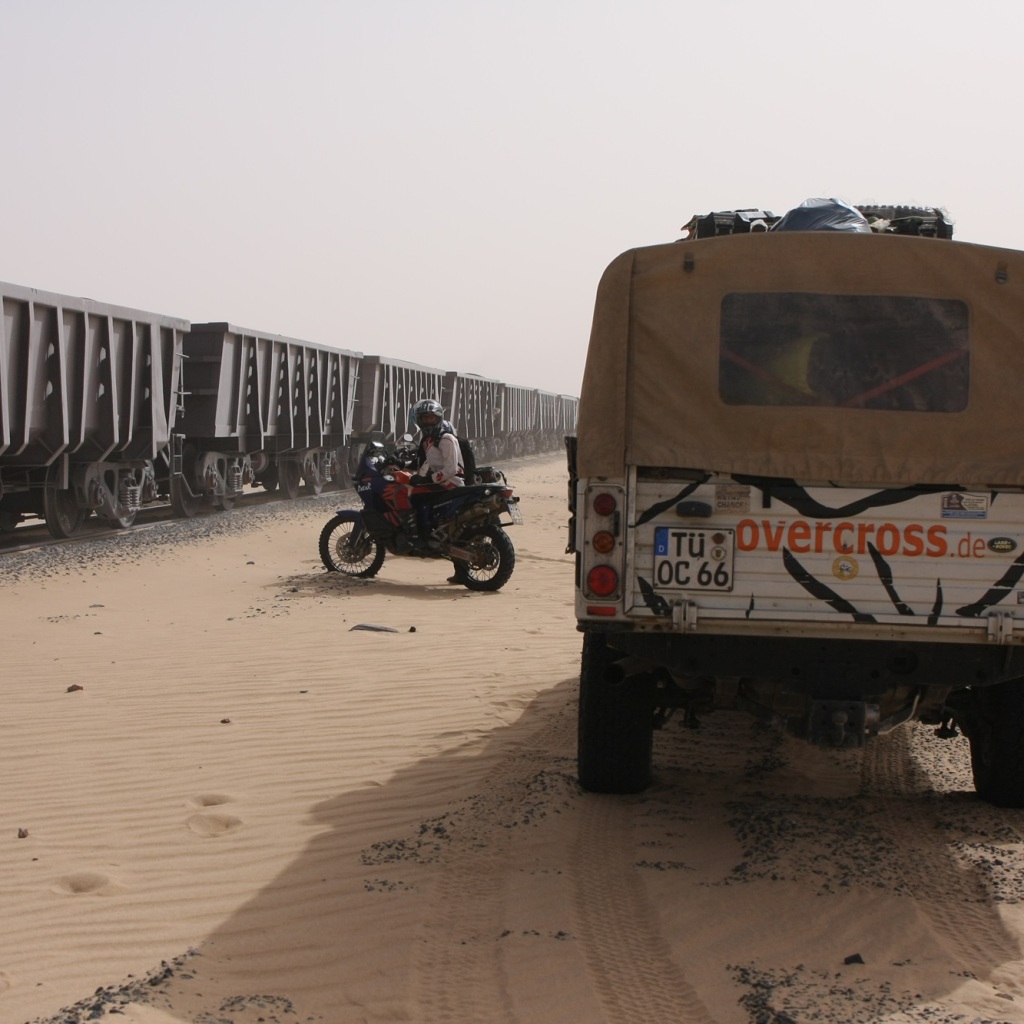
We follow the route of the iron ore train Off Road to Atar. The route is challenging and we will need two days to reach the oasis. Atar was once an important city in the high culture of the Moors, who are the namesakes of the country.
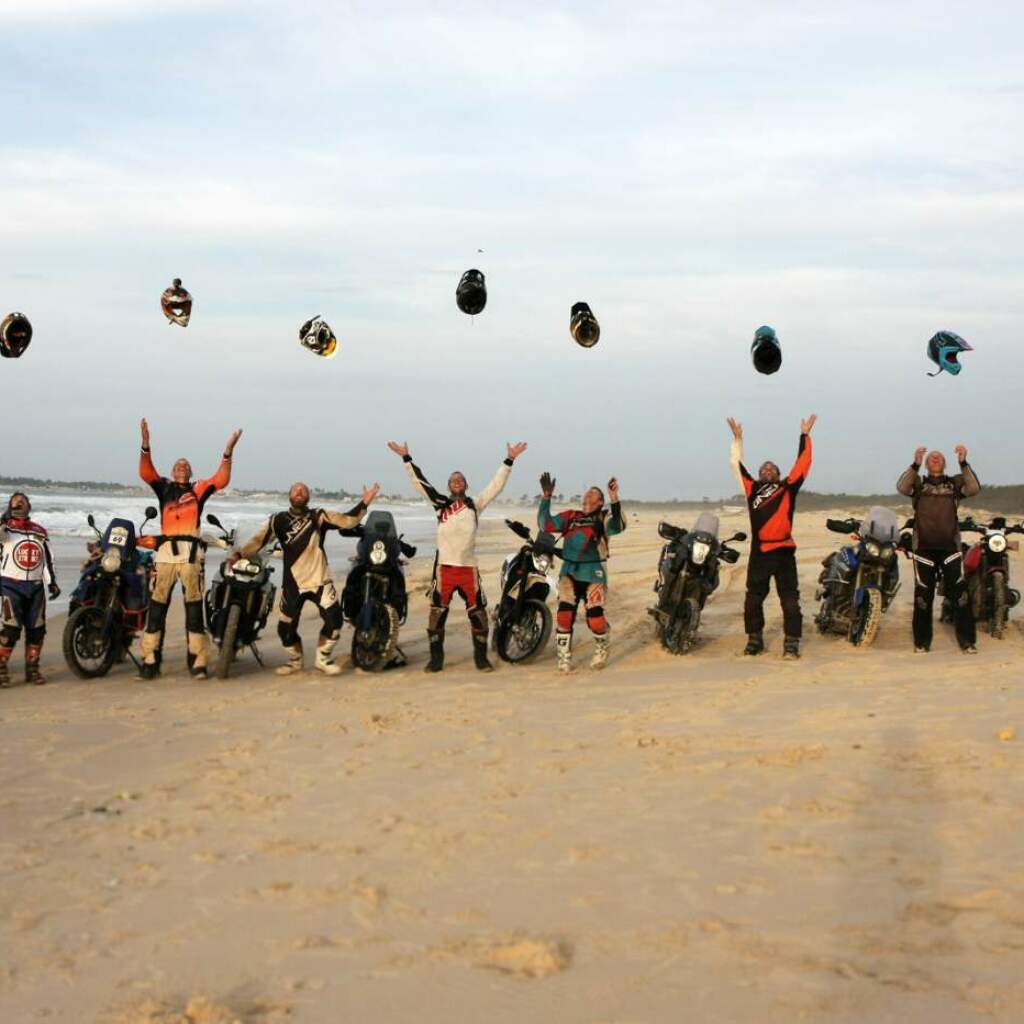
Out of the desert and off to Dakar
We are heading back to the sea and will be on the road half-on and half-off in the Sahara one last time before the Sahel zone begins. We will spend the night on the beach, and those with just a thread will already be successful in fishing. The sea off Mauritania is considered one of the richest fishing grounds in the world.
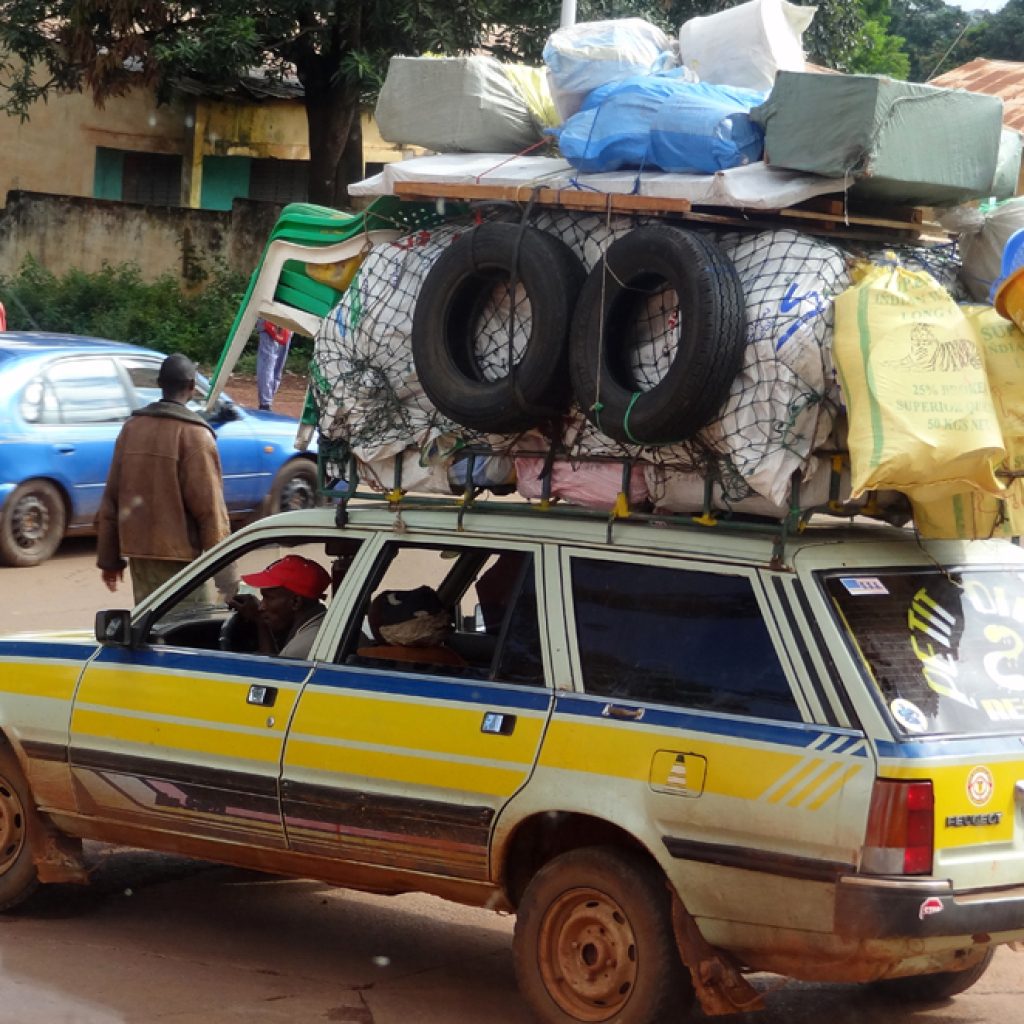
The Legend Dakar: On the Beach
Before the road was built in 2006, the official way to Nouakchott was along the beach. Due to the tides, the surface is smooth, and one can still make better progress than on the road. We take advantage of this and continue our motorcycle journey on this route. Our daily goal is the capital Nouakchott, where half of the Mauritanian population lives.
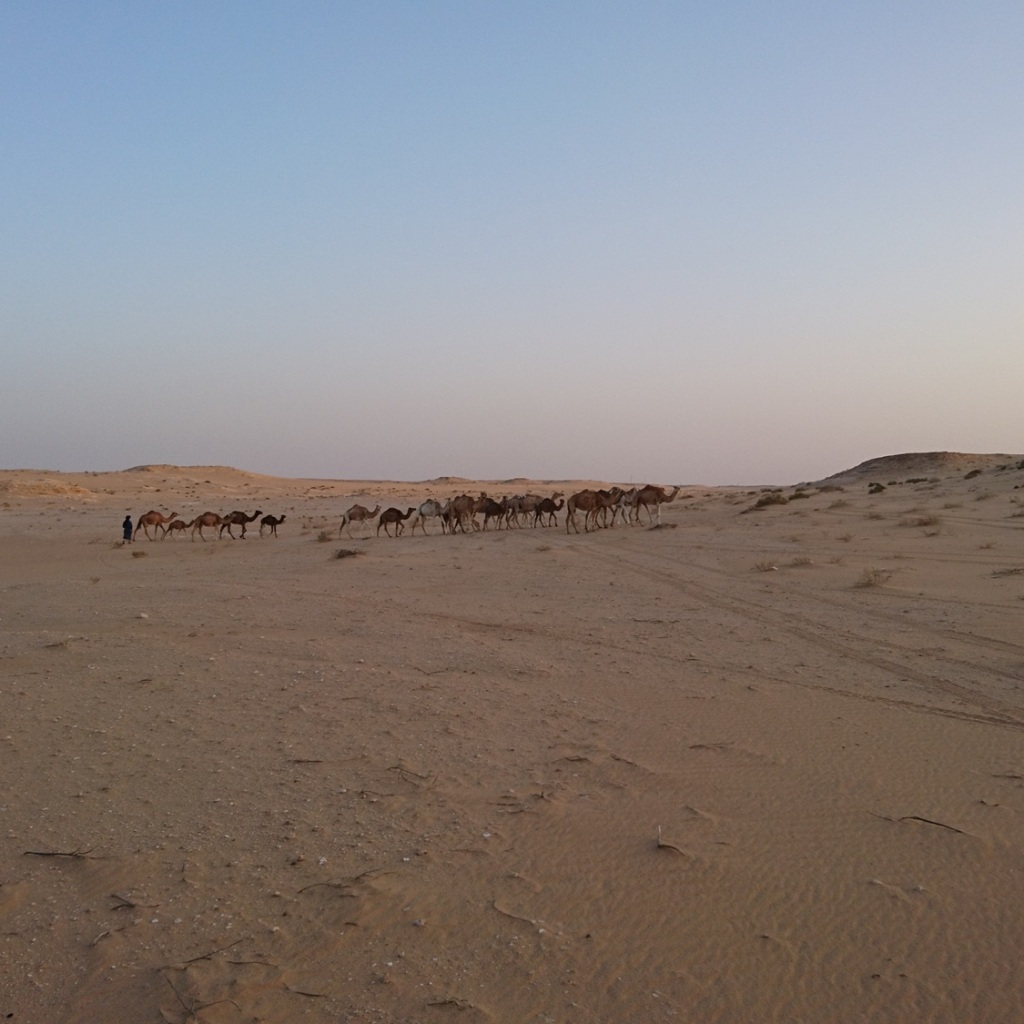
last border crossing: Over the Senegal River
Whoever does not know Fech Fech will get to know him today. We will travel on overly coated slopes to the border of Senegal at the Senegal River. There are again trees along the road and noticeably more animals. Our path takes us through a bird protection national park where many of our European birds winter. The day's goal is Saint-Louis. The city is on an island in the delta of the Senegal River and has a very beautiful colonial city center.
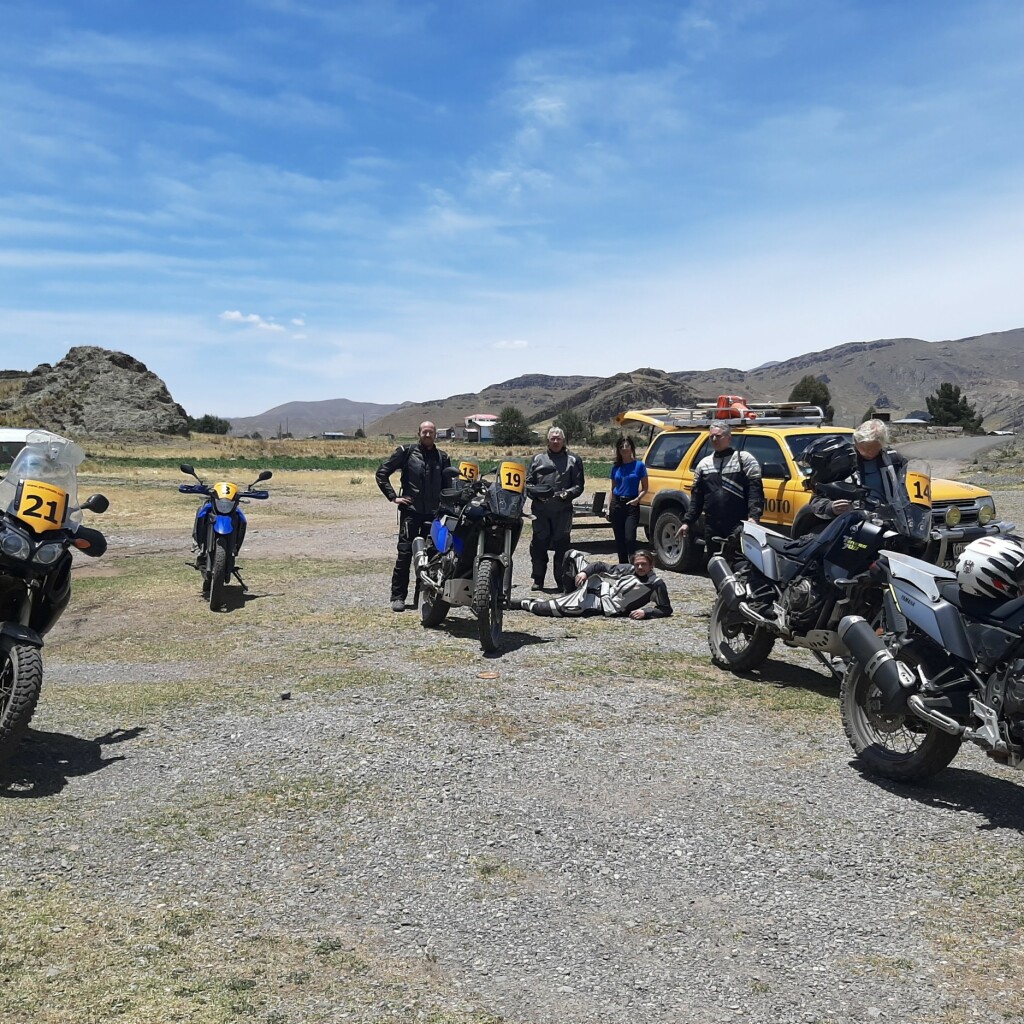
Dakar Day: Finish line in Dakar
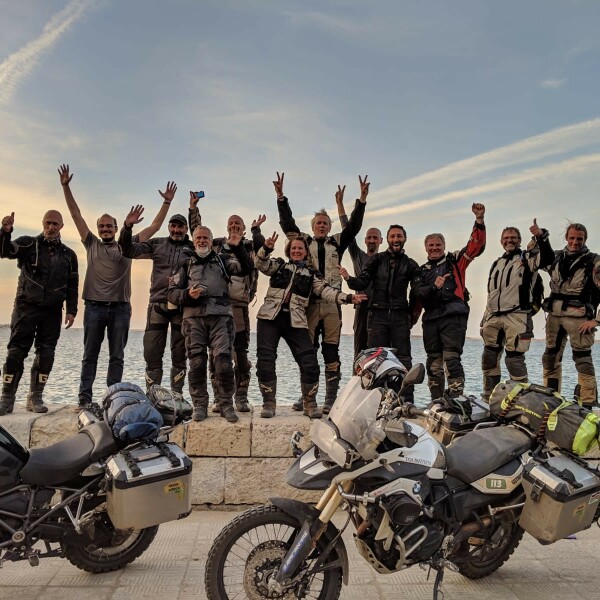
We set off from Saint-Louis in the morning and will reach Dakar around noon. Like the Paris Dakar, our journey ends on the shores of Lac Rose, the pink salt lake on the outskirts of Dakar. We will spend the last evening together and celebrate our arrival with good food. The next day marks the official end of this tour after we have handed over the motorcycles to customs for shipping.
Want a detailed description of all tour days?
Our expert will walk you through the full itinerary and answer all your questions.
from
Price Options
Additional Options
Have questions about price or what's included?
Trip includes
- Tour guide from OVERCROSS
- All accommodations (hotel and camping)
- Accompanying/support vehicle for the motorcycle trip
- Technical assistance and support for vehicle repairs
- Driving and off-road instruction
- Provision of tools and equipment
- Expedition kitchen and dishes during the expedition trip
- All ferry passages for people and motorcycles to the start of the Paris Dakar
- All entry fees for sightseeing
- *Motorcycle transport from Tübingen to the start of the trip
- Toll fees
- Breakfast and dinner
- GPS tracking for relatives
- Travel security certificate (insolvency protection according to BGB §651r) is mandatory for all OVERCROSS trips.
- Transport of the rental machine to the start of the trip
-
OVERCROSS has a container for motorcycle transport standing in Dakar with which we transport all motorcycles to Germany to the OVERCROSS warehouse
-
Yes, we have it for the expedition which every participant can receive from us
-
The transport of your motorcycle in the container is included in the travel price!
-
The luggage is on the motorcycle, we take your "Speedbag" with tent/sleeping bag and sleeping mat in the support vehicle
-
We can organize visas and the application for the Carnet de Passage, the price for the Carnet/security deposit must be borne by each motorcycle participant themselves
-
NO!
-
the motorcycle expedition Paris Dakar ends in Dakar ;-) Where else?
-
yes if you are an excellent driver! The (among other things) BMW 1250GS has a 19" front wheel, which is not particularly suitable in the sand
-
not for us, but for you! I recommend you: Don't book this tour! 1. enduro training 2. book a Morocco trip with us 3. then a Tunisia enduro trip after that you can ride every dune in the world! everything else ends in the hospital
-
End of the Tour is in Dakar/Senegal
Terms and Conditions of OVERCROSS
Similar Adventures
 Featured
 Featured
 Featured
 Featured
Send request
How did you
hear about us?