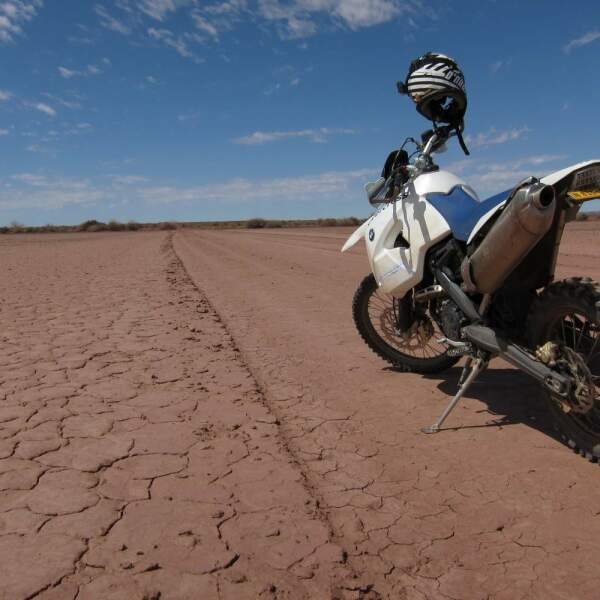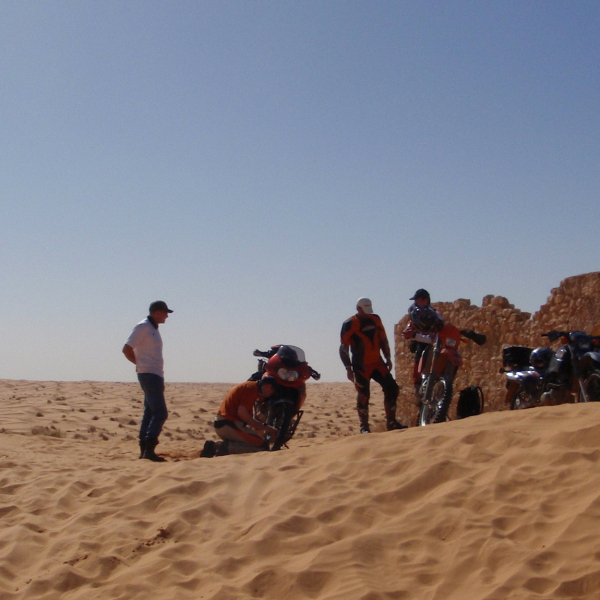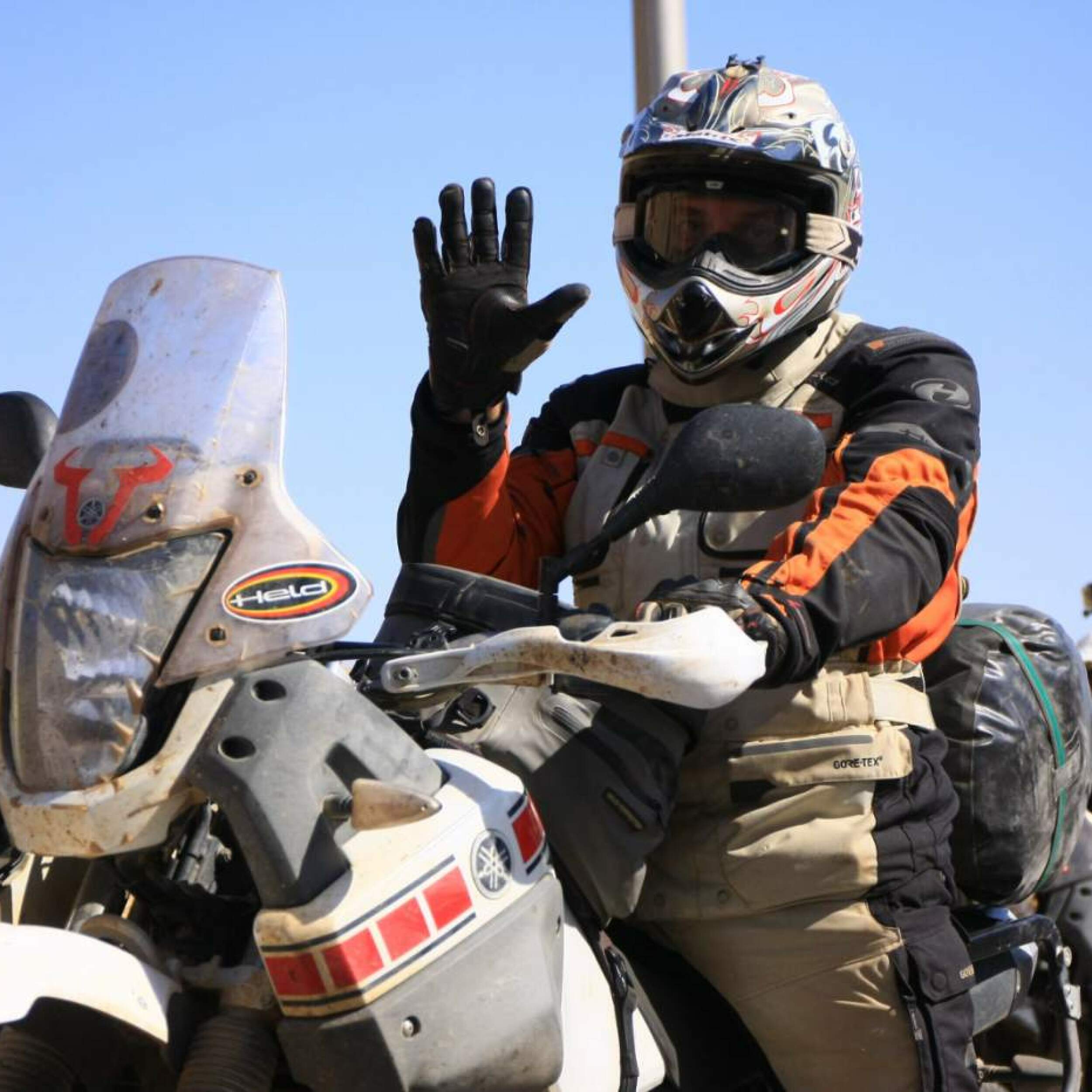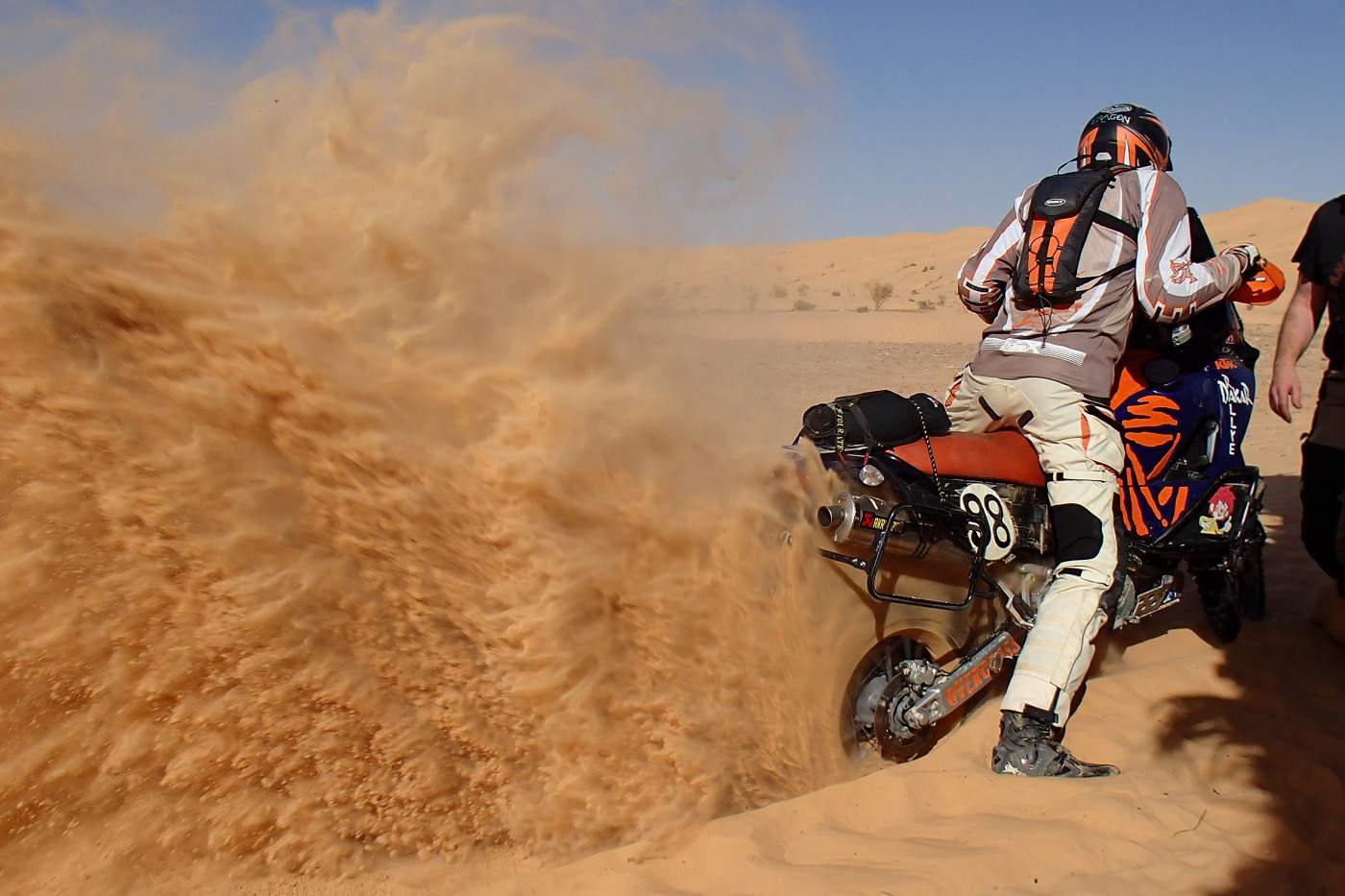
Ivory Coast offers a diverse landscape for motorcycle tours, from the Atlantic coast near Abidjan to the dense rainforests of the interior and the highlands around the Tanokro Mountains. Riders on a motorcycle tour in Ivory Coast can choose between well-paved highways like the Abidjan-Yamoussoukro corridor and rugged off-road tracks through cocoa plantation country. The climate is tropical, with the dry season between November and March providing the most reliable riding conditions. Cote d'Ivoire motorcycle tours reward riders with a rich cultural scene — local markets, traditional festivals, and regional cuisine make each stop worthwhile. Whether you prefer asphalt touring along the Gulf of Guinea or adventure riding inland, Ivory Coast delivers varied terrain for every riding style.
Ivory Coast has a tropical climate with two dry seasons — the best windows for motorcycle tours run from November through March and a shorter period in July.
The main dry season from November to March brings lower humidity, stable road conditions, and cooler temperatures across Ivory Coast — ideal for extended rides.
From the Atlantic coastline near Abidjan to the forested highlands and savanna of the north, Ivory Coast offers distinct riding zones for every style.
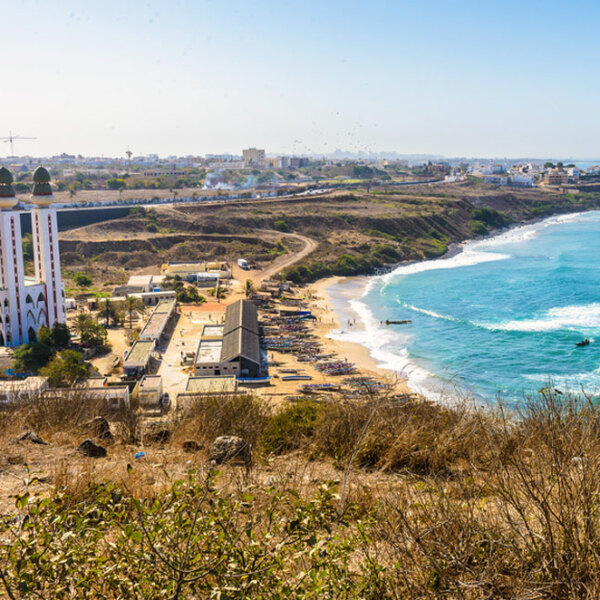
Paved coastal roads run along the Gulf of Guinea from Abidjan westward, passing fishing villages and lagoons. Traffic is manageable outside the city, with sweeping views of the Atlantic.
The main highway linking the economic capital to the political capital is one of the best-paved roads in West Africa, ideal for fast touring through cocoa and coffee plantation country.
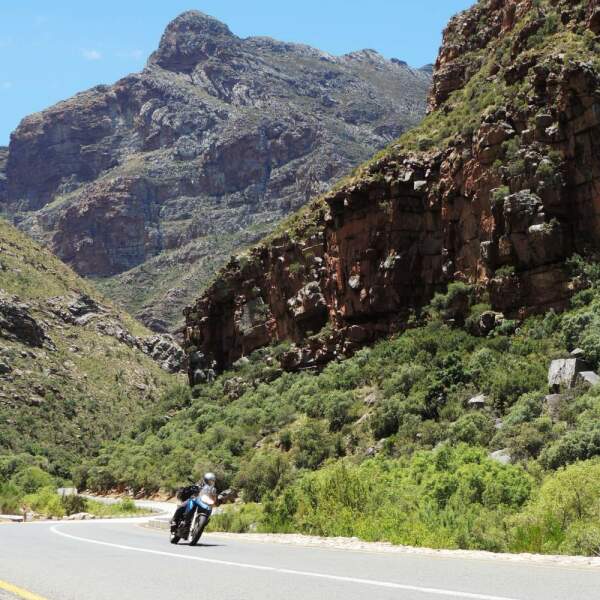
The mountainous west near Man offers challenging switchback roads through dense rainforest and small villages. Cooler temperatures and dramatic scenery make this a rewarding detour.
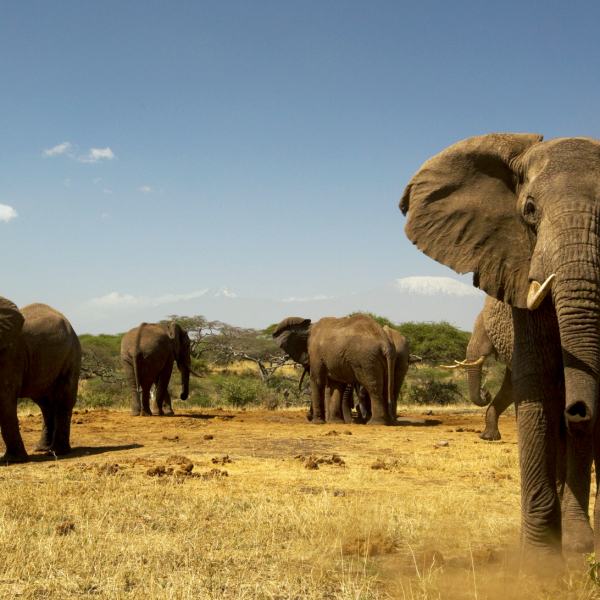
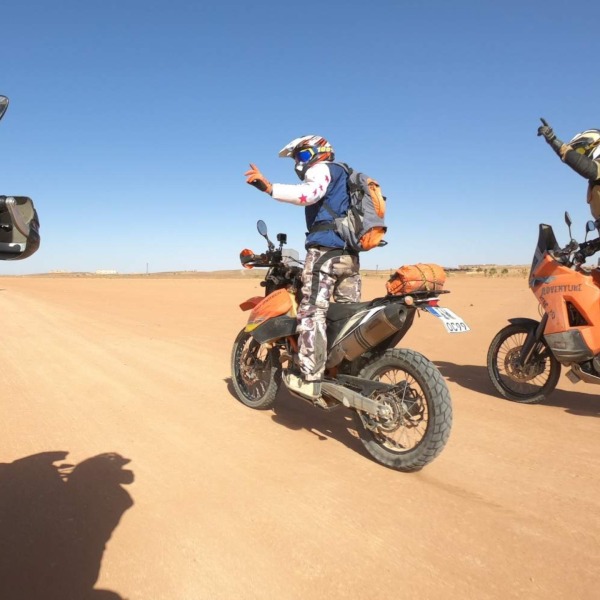
The north opens into flat savanna terrain with long straight pistes between Korhogo and the Burkina Faso border. Light traffic and wide horizons suit adventure touring.