.JPG)
 Featured

OFFROAD-TRAVEL · SENEGAL
On the trails of the Paris-Dakar Rally
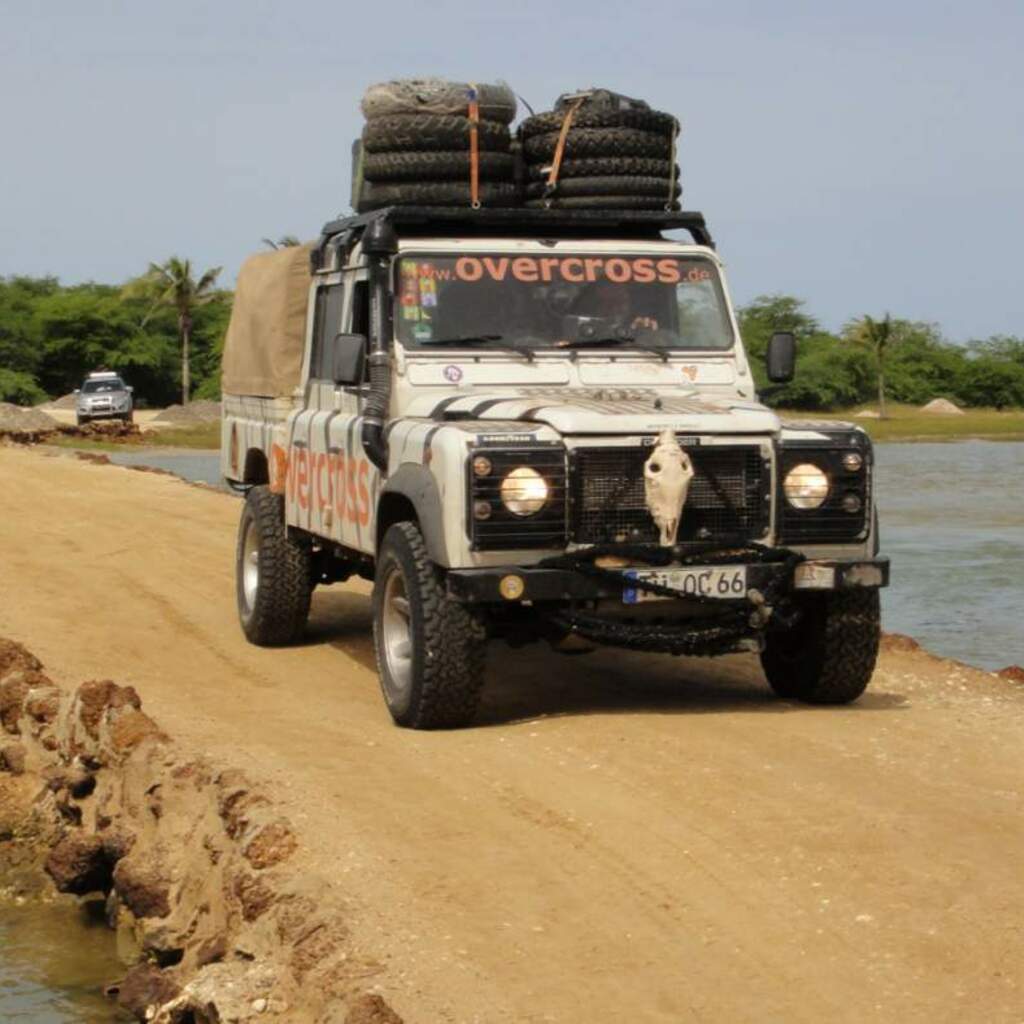
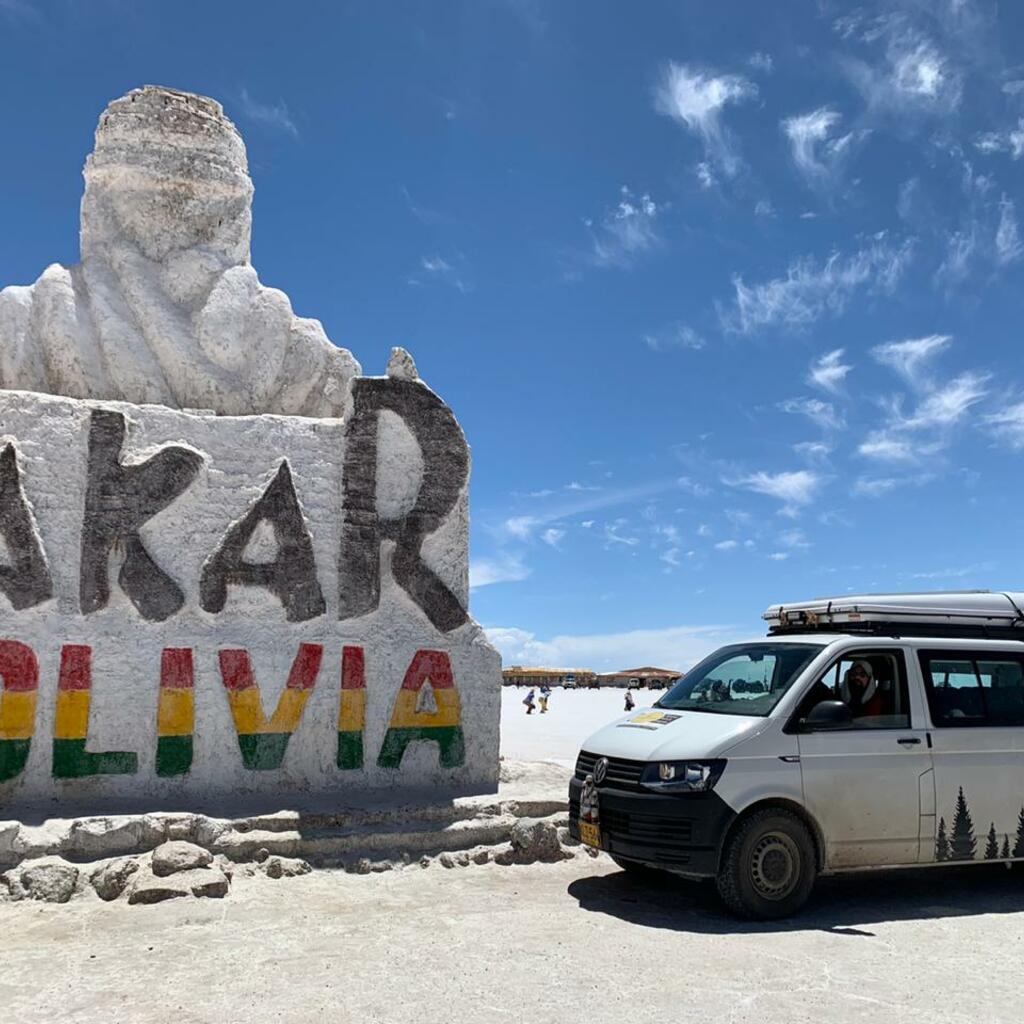
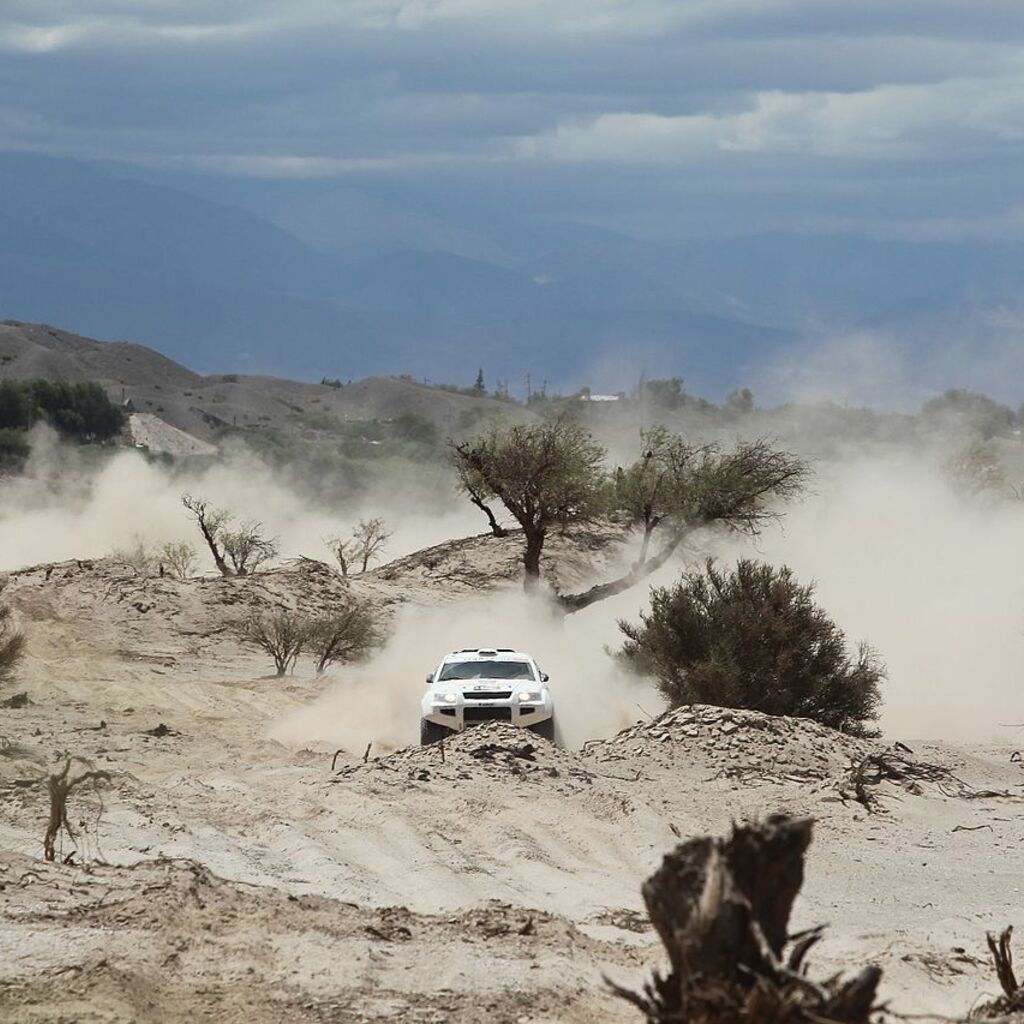
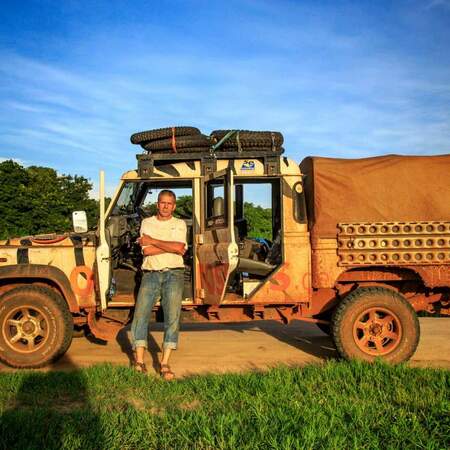
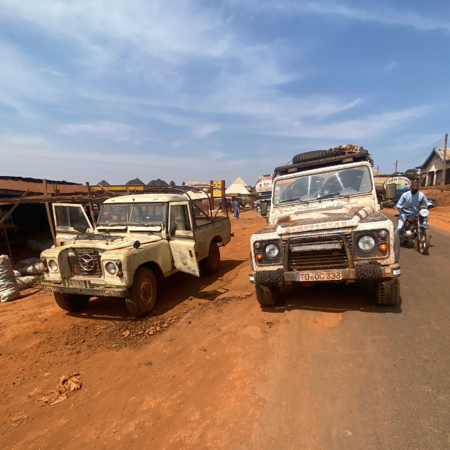
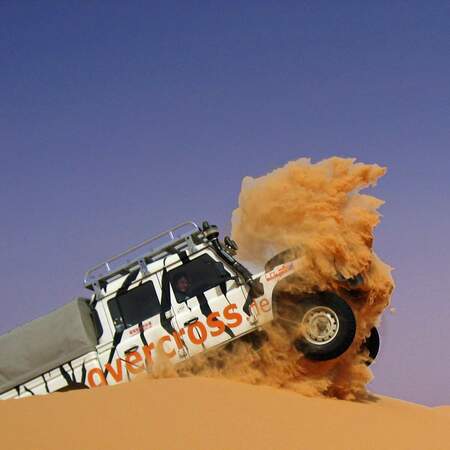
Experience the legendary route of the Paris Dakar Rally up close in the expedition vehicle of the travel operator OVERCROSS. You can participate in this extraordinary adventure trip along the historical Dakar route for either 18 or 21 travel days.
How long?
22 Days
Price
€ 3,599
/ Person
The Journey
Welcome to the Off Road Adventure Trip to Dakar
The adventure journey in the expedition vehicle first takes us "on the road" through the "vegetable chamber" of Northern Morocco to Marrakech, our last major meeting and supply point. After dinner at the legendary Djemma el Fna, we leave the historic "Square of the Dead," where public performances and executions once took place.
Over the spectacular Tizi N'Test Pass, our expedition group crosses the Atlas Mountains and reaches the Hamada plain as well as the gateway to the Sahara. On selected sections of the route, we follow the historical supply stages of the Paris Dakar Rally and experience Western Sahara away from the well-known paths.
Along the rugged Atlantic coast, the route continues towards Mauritania. Here begins the most demanding part of the journey: Vast desert landscapes, little asphalt, and real expedition conditions await us. When we use paved roads, it is primarily to cover greater distances.
Following in the footsteps of the legendary Paris Dakar Rally, this adventure trip can be booked optionally from Paris with 21 travel days (starting on the first tour day in Paris) from two participating vehicles or from Algeciras with 17 travel days (departure on the 5th travel day in Algeciras).
The goal and the great challenge of the expedition: Dakar, the capital of Senegal.
Service Description - OVERCROSS Expeditions - IMPORTANT!
This trip is an expedition and not a package tour in the legal sense.
OVERCROSS organizes and conducts expeditions worldwide - aiming to provide experienced adventurers with an authentic travel experience filled with freedom, nature, and intense encounters: original, challenging, and real.
Important Note
This journey is not a tourist standardized service, but an expedition with unpredictable external influences - including weather conditions, political developments, technical challenges, and changing road and terrain conditions.
OVERCROSS takes care of the organization, preparation, and execution of the expedition, but provides no guarantee for fixed stages, accommodations, travel times, or exact routes. Changes and adjustments are part of the expedition character and may be required at any time.
Character of the Expedition
This journey is aimed at participants with a spirit of adventure, personal responsibility, and willingness to improvise.
An OVERCROSS expedition is not a classic package travel product in the sense of the EU Package Travel Directive, but a collectively organized undertaking with expedition leadership and comprehensive logistical framework.
The unexpected is part of the experience - not an exception.
Organizational Services of OVERCROSS
Planning and coordination of the expedition
Provision of an experienced expedition leadership and a guide team
Organization of transport and supply logistics
Administrative support for visas, border crossings, and vehicle documents
Safety and route planning based on current information
Liability and Personal Responsibility
Participation is at one's own risk.
Each participant is personally responsible for themselves, personal equipment, and, if applicable, their own vehicle.
Appropriate preparation, physical endurance, and mental strength for a journey under expedition conditions are required.
Important Safety Notice
We explicitly point out that risks and special challenges may exist in all countries visited.
We strongly recommend that you inform yourself about the current travel and safety advisories from the Foreign Office before starting your journey:


Days 1-17
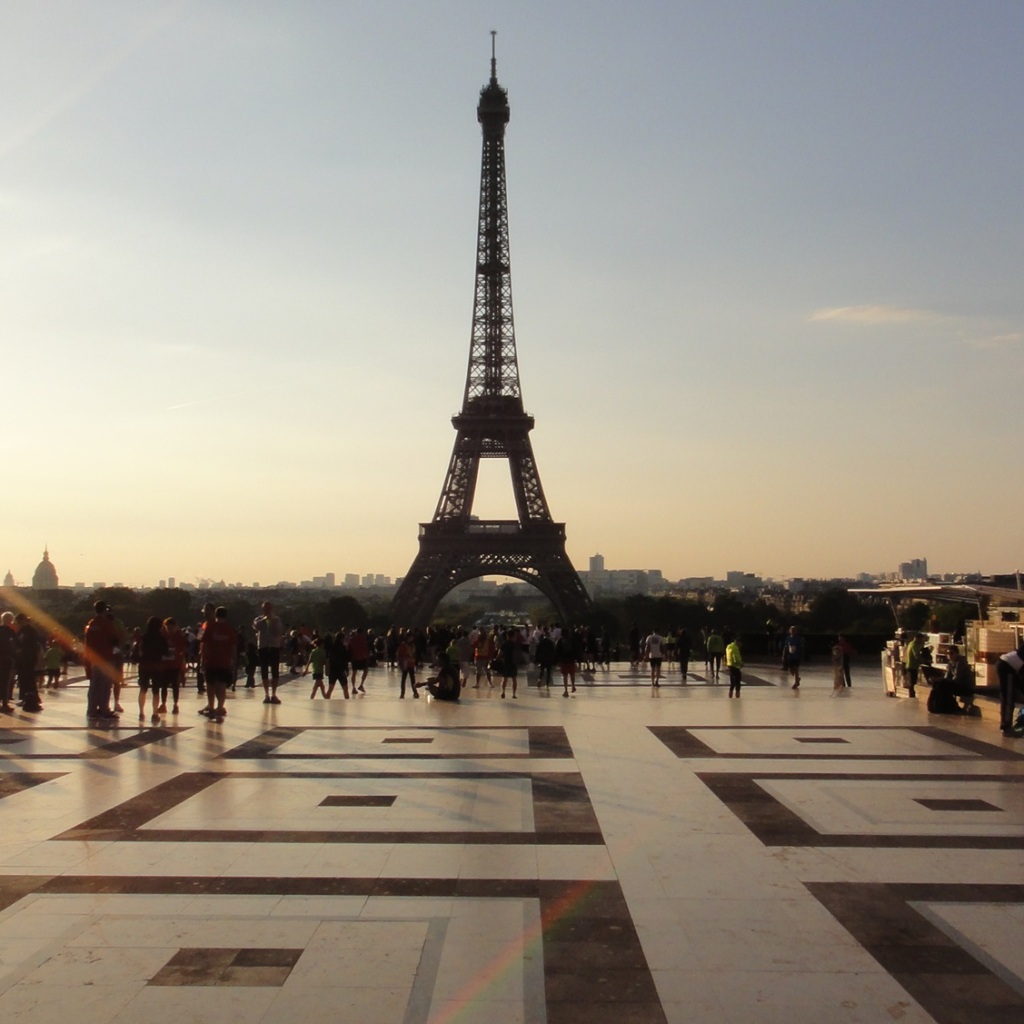
Meeting at Place Jacques Rueff in front of the Eiffel Tower
On the first day of travel, we gather with our off-road vehicles at 8:00 AM in front of the Eiffel Tower in Paris, built by Gustave Eiffel from 1887 to 1889. The official start takes place right here, just like at the Dakar Rally. You have the opportunity to join the guide from Germany with your off-road vehicle and arrive in Paris together as a group. After a brief introduction and some instructions, the journey starts directly.
The day's goal is the highest dune in Europe, the Dune du Pilat, with a height of 110 m, a width of 500 m, and a length of 2.7 km running north-south near Bordeaux in Arcachon. Afterwards, we continue to our first hotel along the route. In the evening, we eat at a cozy fish restaurant right by the harbor.
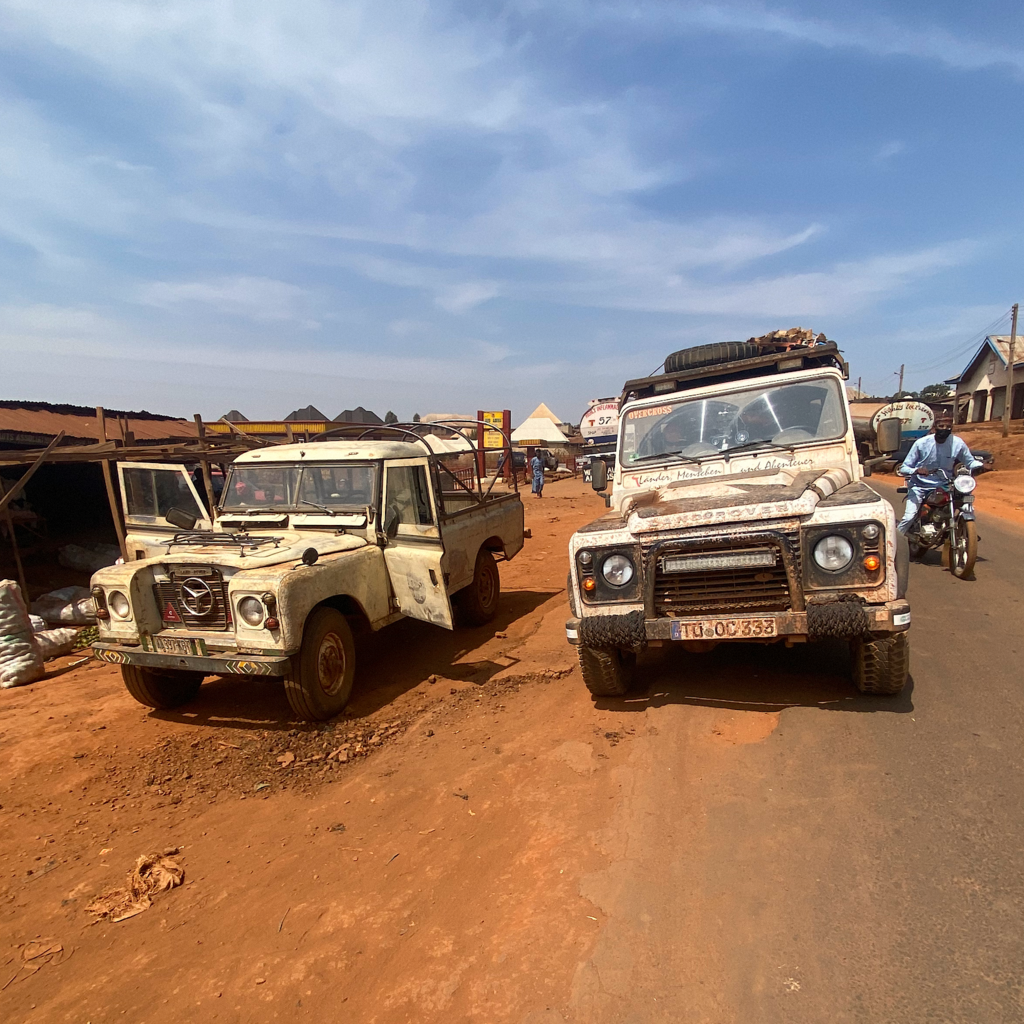
In the 4x4 off-road vehicles and off to Spain
After we caught sight of the Atlantic for the first time on our journey, which will meet us again many thousands of kilometers further south in significantly warmer regions, we head over the foothills of the Pyrenees into Spain. After a short mountain pass crossing, the route takes us over the high plain of the Iberian Meseta all the way to Burgos, our destination for today.
We will spend the night in a small, cozy country hotel and wind down the evening with tapas and beer.
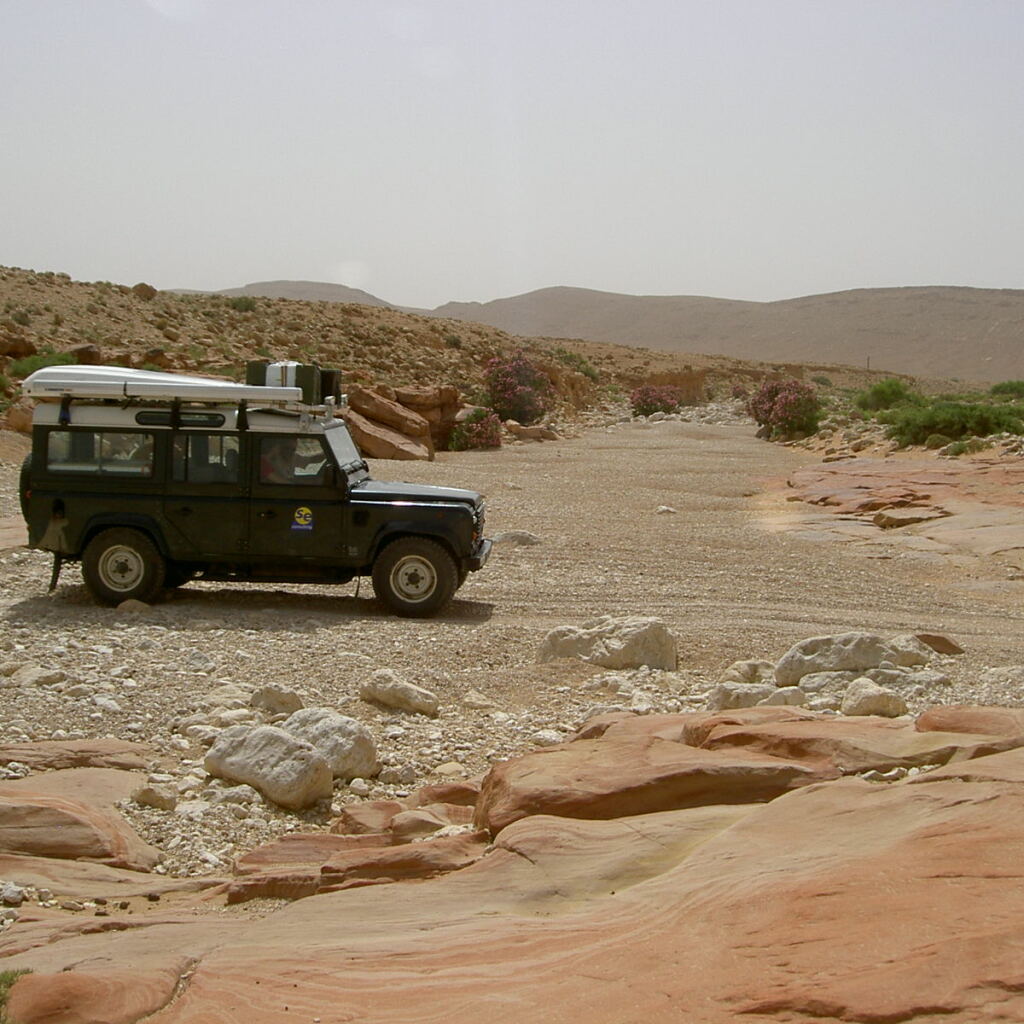
Days 3 & 4: Over the Sierra de Gredos to Seville, the call of Africa
One does not know exactly where one is. The north of Spain is sparsely populated, and the expanse of the landscape as well as the surroundings remind one of images one knows from experience trips in America.
On the evening of the third day, we stay overnight in a hotel in Talavera de la Reina, from where we set off on the fourth day to our last destination on European soil. We need to cover kilometers so that we can reach the goal of the fourth day early and still have some time for beautiful Seville after we check into our hotel.
Spain's fourth largest city has one of the largest old towns in the world, alongside Venice and Genoa.
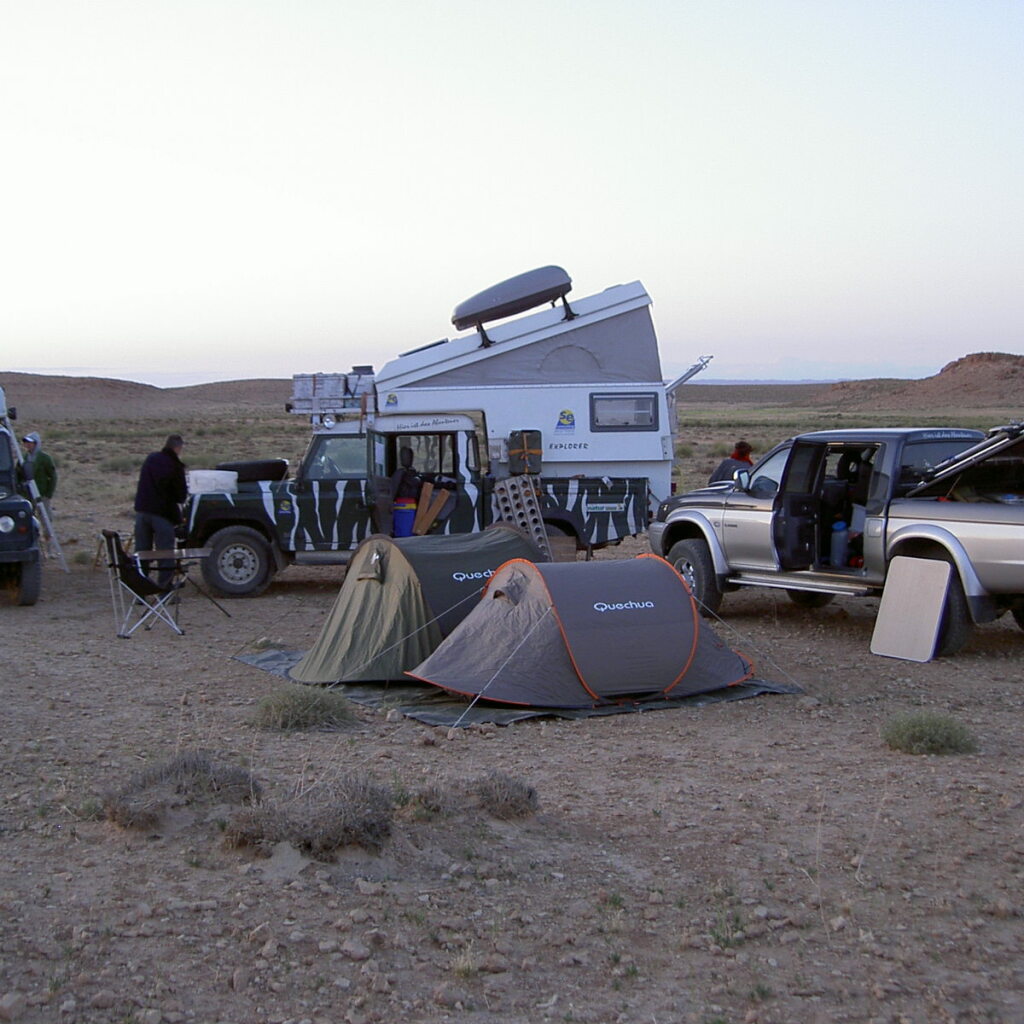
The first kilometers in Morocco
In the morning, we set off early in Seville and cover the last kilometers to the ferry port near Gibraltar. Here, additional participants of the Paris-Dakar Rally expedition join us. After we have crossed over, we need to customs clear our vehicles and complete the entry formalities before we can cover our first meters on African soil.
Since it can take a while based on experience, we will set up our campsite in the Moroccan hinterland not far from Tanger Med. The first camping night lies ahead of us - slowly, a real sense of adventure is coming up.
Moroccan roads and the Cascades de Ouzoud
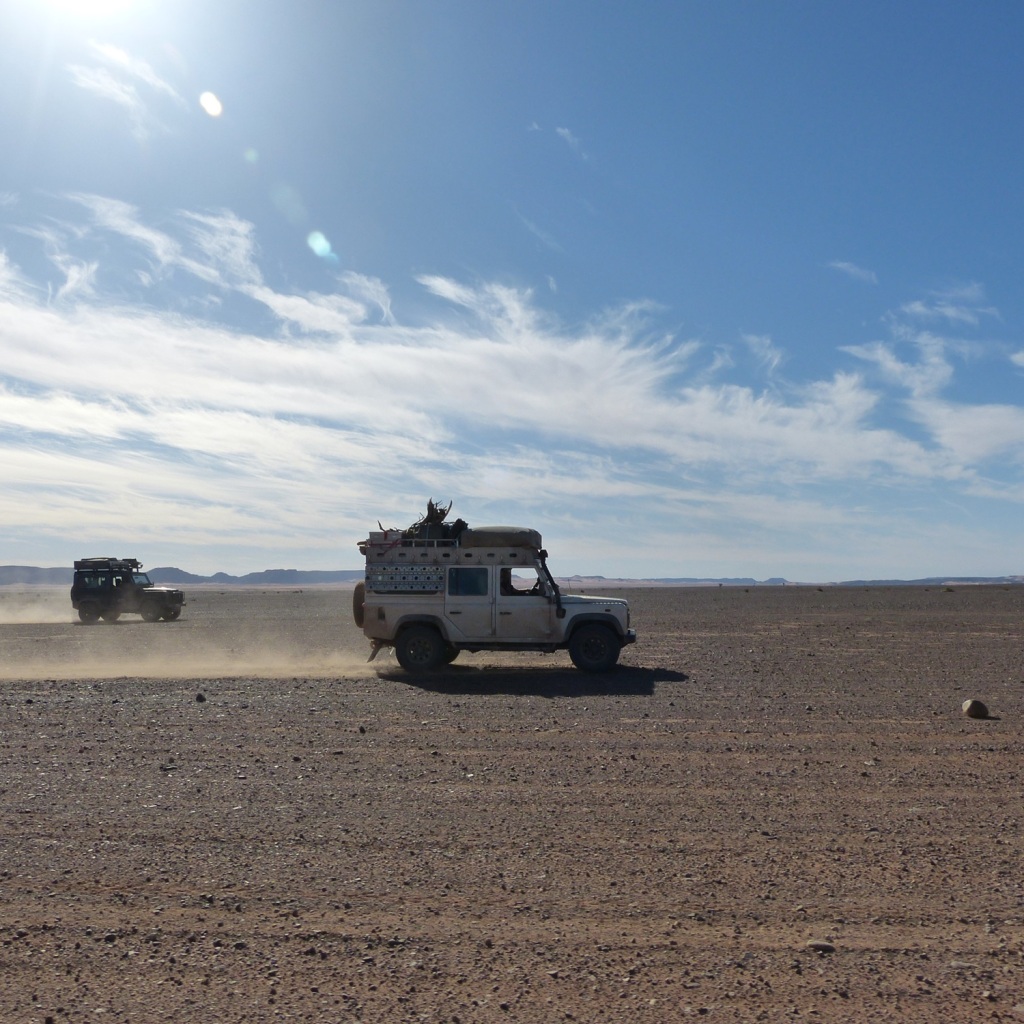
The route along the coast takes us to Rabat, the capital of Morocco and the seat of the royal house, before we turn off towards the Atlas Mountains via smaller roads. The Atlas stretches about 2,300 km through Morocco, Algeria, and Tunisia.
The traffic is lively and unusual, and driving requires a lot of attention and concentration. We slowly make our way through the foothills of the Atlas towards Ouzoud, where the first mountain passes are already waiting for us. In the evening, we set up camp at a small campsite in Ouzoud.
A short driving day with time to arrive and enjoy Morocco
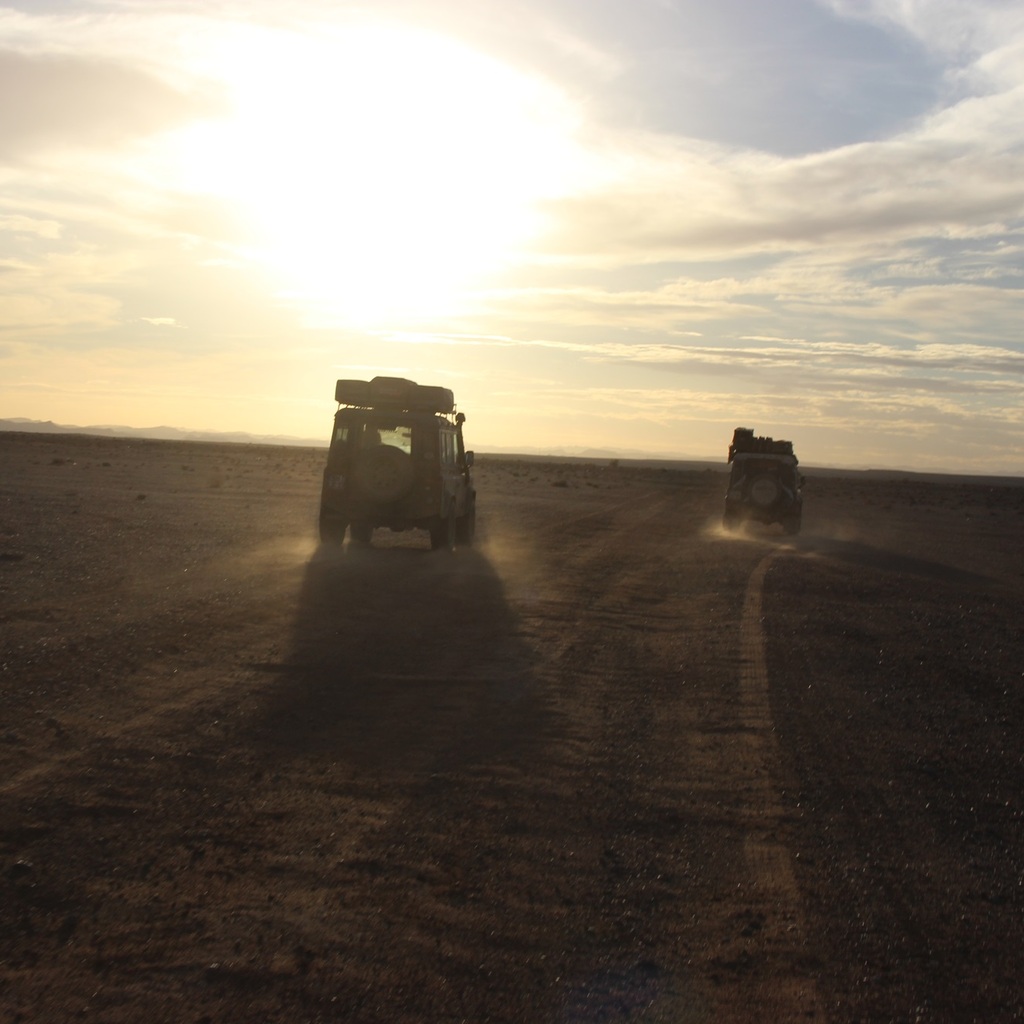
This day gives us time to pause, check the vehicles, and let the impressions of Morocco sink in. The route continues through the impressive foothills of the Atlas Mountains.
The driving routes remain varied and challenging, but the day is intentionally planned with a bit more time. It is a good opportunity to prepare the vehicles for the upcoming desert stages.
We spend the evening together in the camp.
Meeting in Asni and crossing of the Tizi n’Test
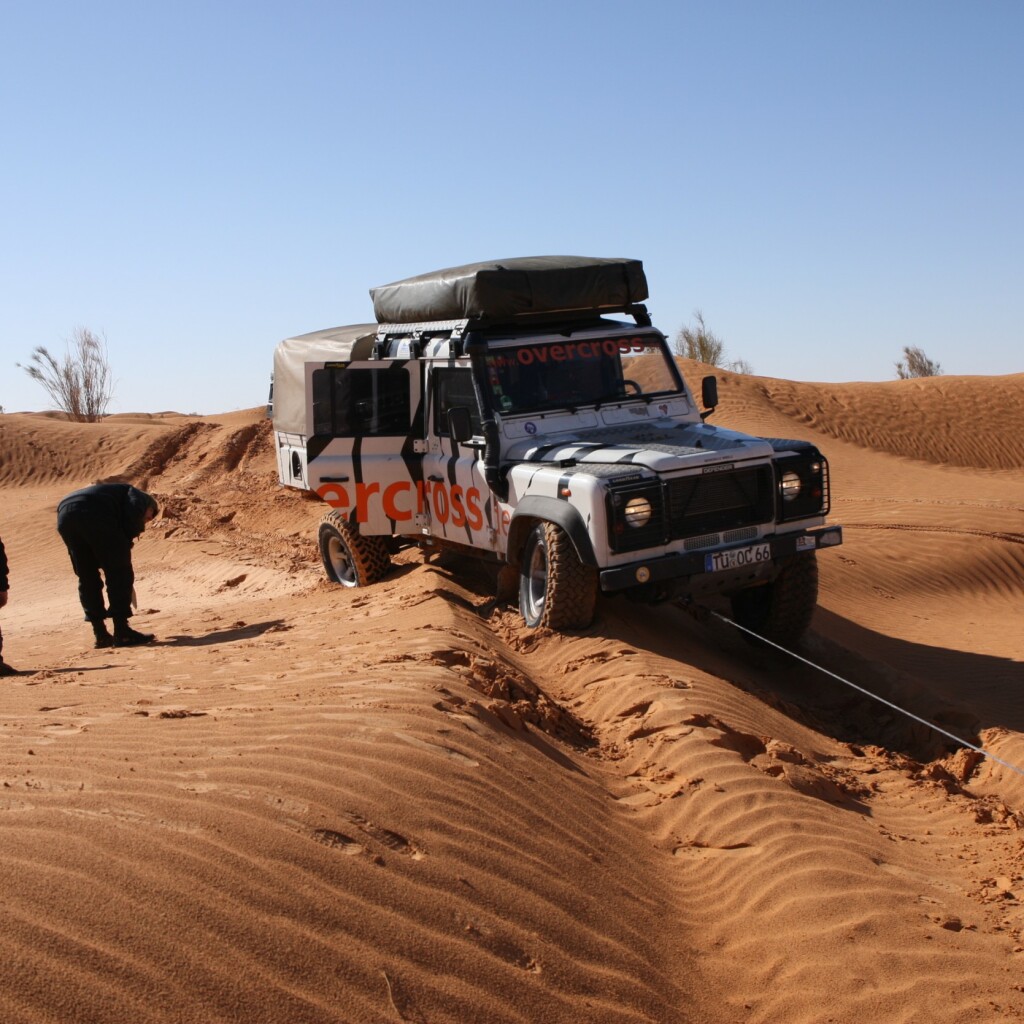
In Asni, a mountain village in the High Atlas at the foot of Jebel Toubkal, the highest mountain in North Africa at 4,167 m, we set off together towards the pass height of Tizi n’Test. Even though the distance is not particularly great, it takes almost a whole day until we reach our daily destination, the city of Taroudant on the other side of the mountains, with our expedition vehicles.
On the narrow mountain road, anything from a donkey to a 40-ton truck can come towards you.
African culture and fascinating landscapes in the expedition vehicle
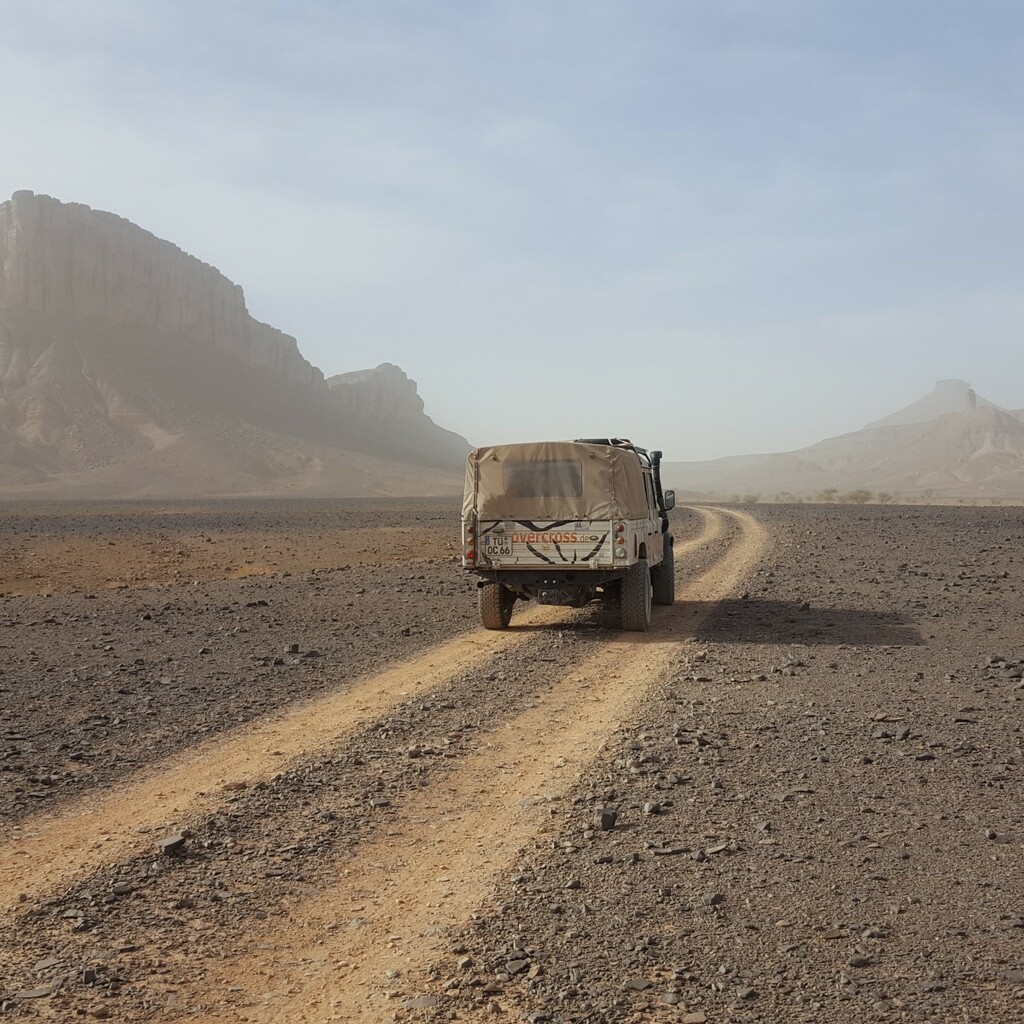
The journey continues through the south of Morocco. The landscapes become drier, broader, and more original.
This stage connects local culture, impressive mountain regions, and varied routing. The group is advancing further south, away from the bustling cities and closer to the Sahara.
The rhythm of the expedition is now familiar: drive, adapt, set up camp, and move on.
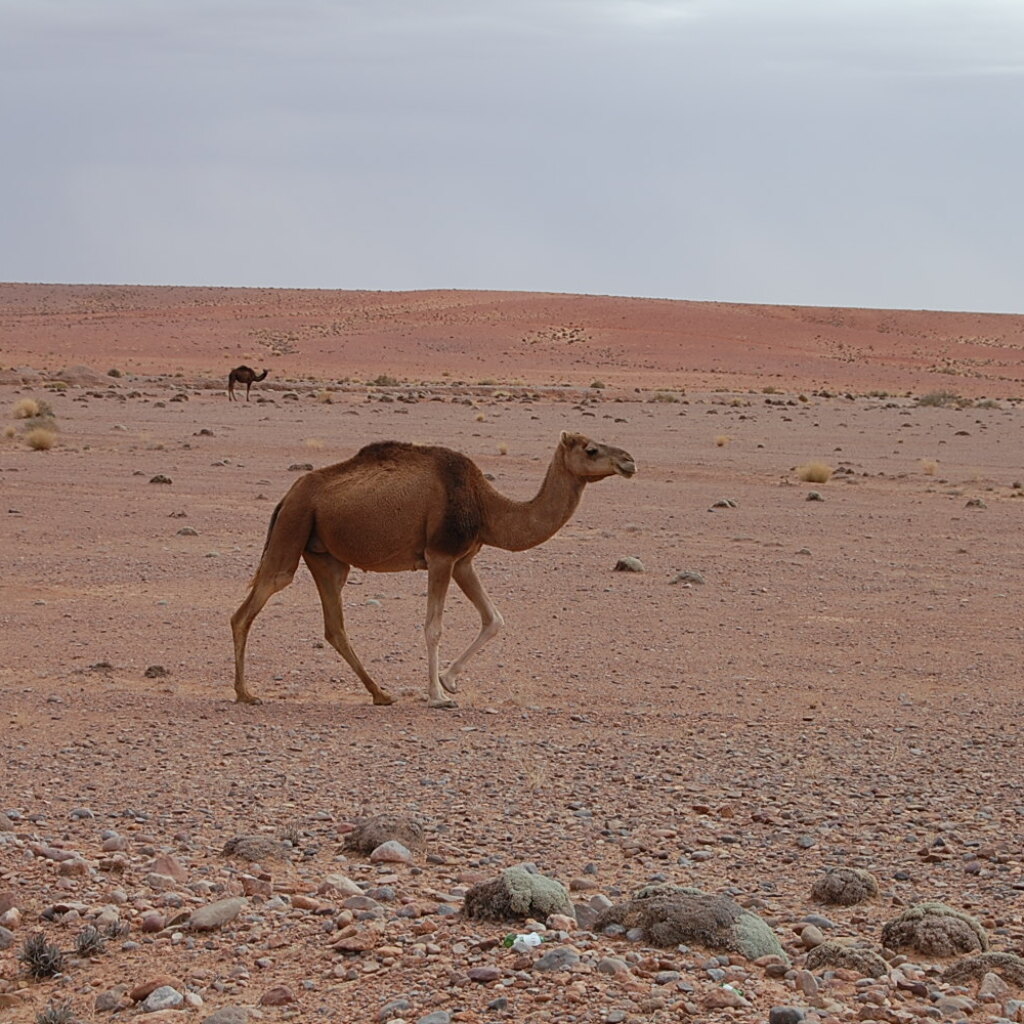
Day 10 & 11: Through the Sahara to Smara
The first major desert stage lies ahead of us. For two days, we will drive through the western foothills of the vast Sahara towards the desert town of Smara. On the way, we pass the disputed border between Morocco and the former Spanish-administered Western Sahara.
The history of this region is still palpable today - in the mentality of the people as well as in the language. While French is widely spoken in Morocco, we suddenly get by with Spanish here. Our choice of where to spend the night depends on the distances we can cover over the two days. We set up our wild camps where the landscape and the moment dictate.
Questions about the tour itinerary?
Our tour guide is happy to answer any questions about the day-by-day route, stops, and details.
To the Metropolis of Western Sahara
It goes along a dusty track by the Saguia el-Hamra, which carries water for most of the year, until we finally reach the coast. El Aaiún, the largest city in Western Sahara, is now not far away, and if we make good progress, there will still be time in the afternoon to park the vehicles, stretch our legs, or take a bath in the Atlantic.
In the evening, we camp again at a campsite, where there are finally showers again.
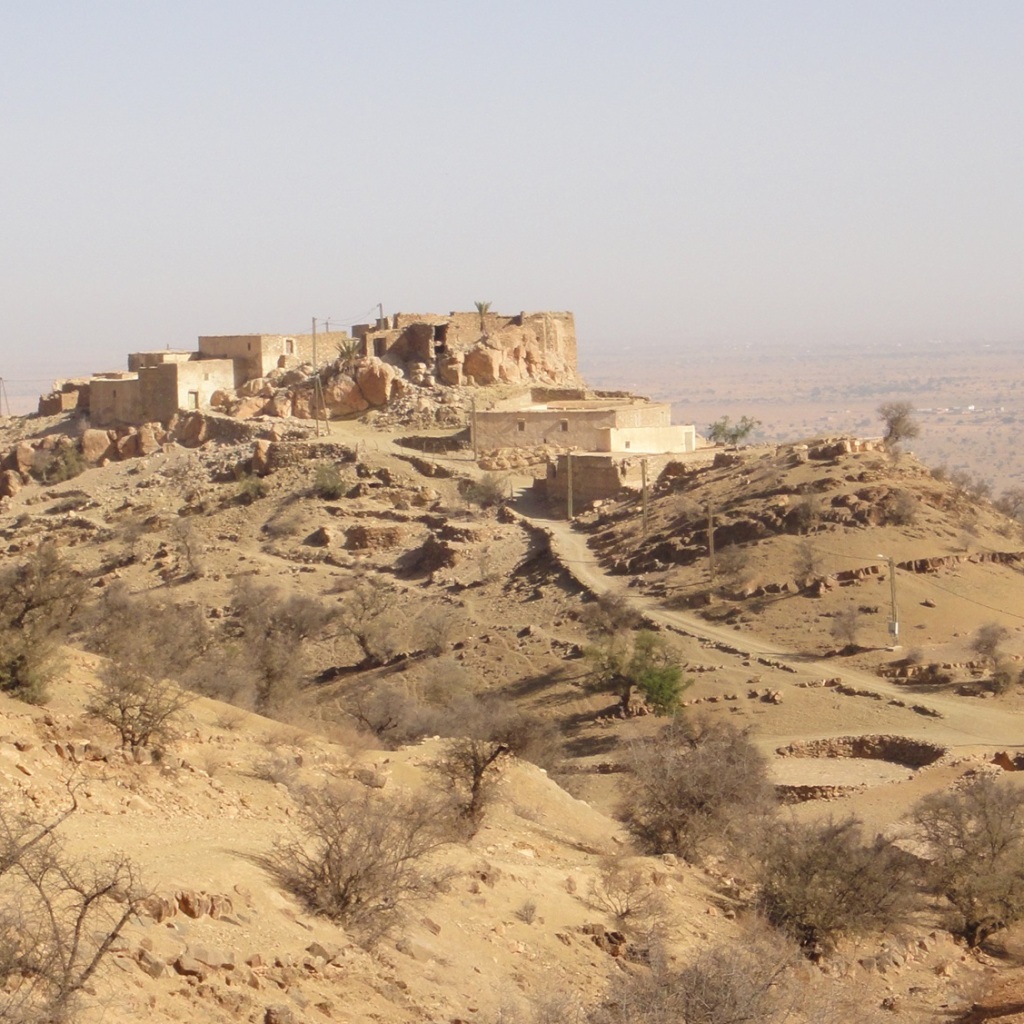
Day 13 & 14: Sahara, Sahara and Sahara
For two days, we will cross the vast landscapes of the Sahara along Western Sahara and Mauritania. For this stage, we also reserve the right to choose the quieter route along the coast towards Dakhla on the Atlantic, depending on progress and group dynamics.
This passage offers either "pure Sahara" with intense stages or an alternative more relaxed variant along the coast with long beach passages and subsequent re-entry into the desert. A stop in the surfer town of Dakhla is also possible along the coastal route if needed.
Off to the Unknown
While Morocco is a term known to many, Mauritania remains an unknown country for many travelers despite its size of 1.03 million km². We cross the no man's land to the checkpoint in the middle of the desert, where we deal with the entry formalities for Mauritania.
Here it is said: Europeans may have invented the clock, but in Africa, time counts differently. We set up our camp after the border in the midst of the dune landscape.
Day 16 & 17: The oasis city of Atar as a destination
We follow a section of the approximately 700 km long route of the Mauritanian iron ore train over about 350 km off paved roads, before continuing to Atar. This stage is challenging and we need two days to reach the oasis city. The legendary train transports iron ore from Zouerate to the Atlantic and is considered one of the longest freight trains in the world.
Atar was once a significant center of Moorish high culture, which gave the country its name.
Out of the desert, off to Dakar
After four to five days in the Sahara, we drive back to the sea and experience one last time a mix of paved and unpaved sections before the Sahel zone begins. We will overnight directly at the beach, and anyone who feels like fresh fish can try their hand at fishing.
The sea off Mauritania is among the richest fishing waters in the world.
On the beach
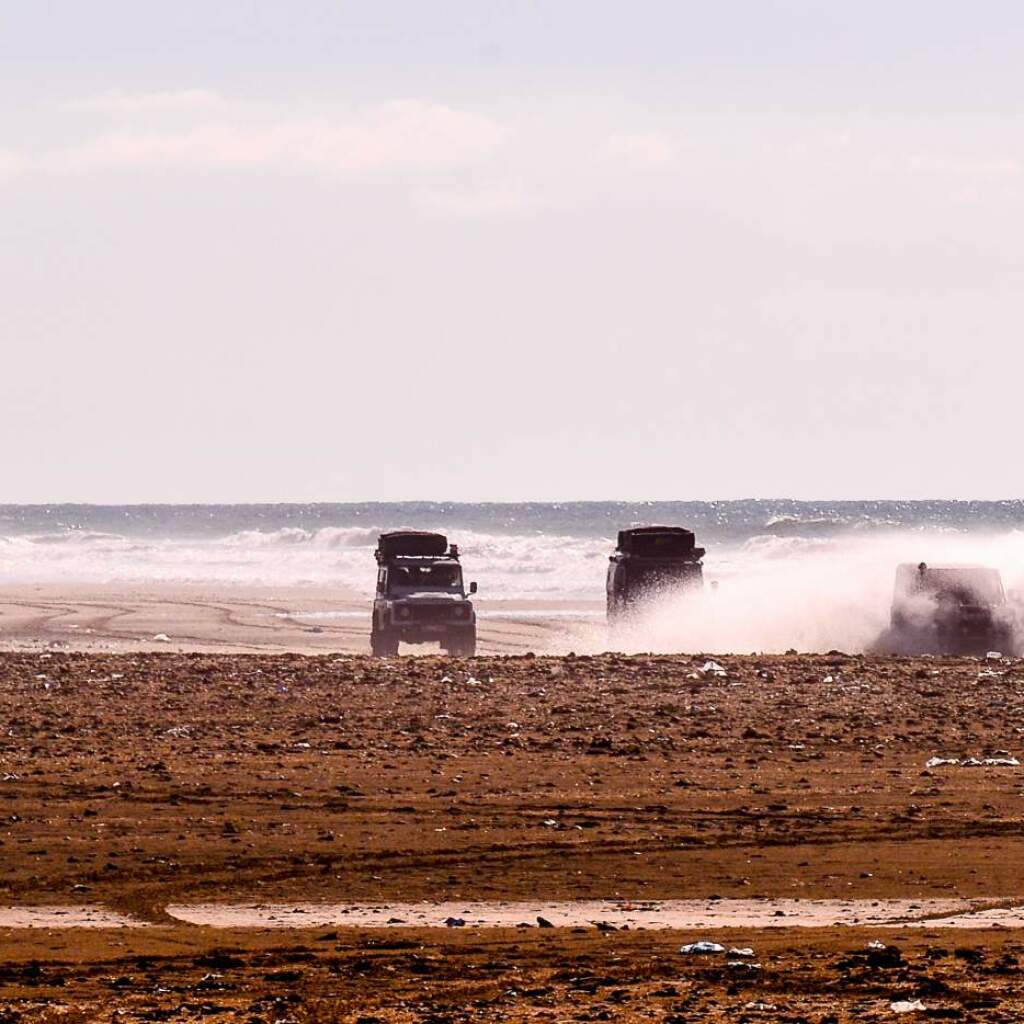
Before the road as we know it was built in 2006, the official route to Nouakchott ran along the Atlantic coast directly over the beach. Due to the tides, the sand there becomes firm and evenly compacted, so in some places you can even progress faster than on certain tracks inland. We take this special route and continue our journey on this historic path.
However, the drive requires precise coordination with the tides, as certain sections become impassable at high tide and the Atlantic comes very close to the dunes. At the same time, we experience one of the most pristine coastal landscapes in West Africa with endless beaches, fishing camps, and only a few settlements along the way.
Our day's goal is the capital Nouakchott, where today about half of Mauritania's population lives and which is considered the political and economic center of the country.
Over the Senegal River
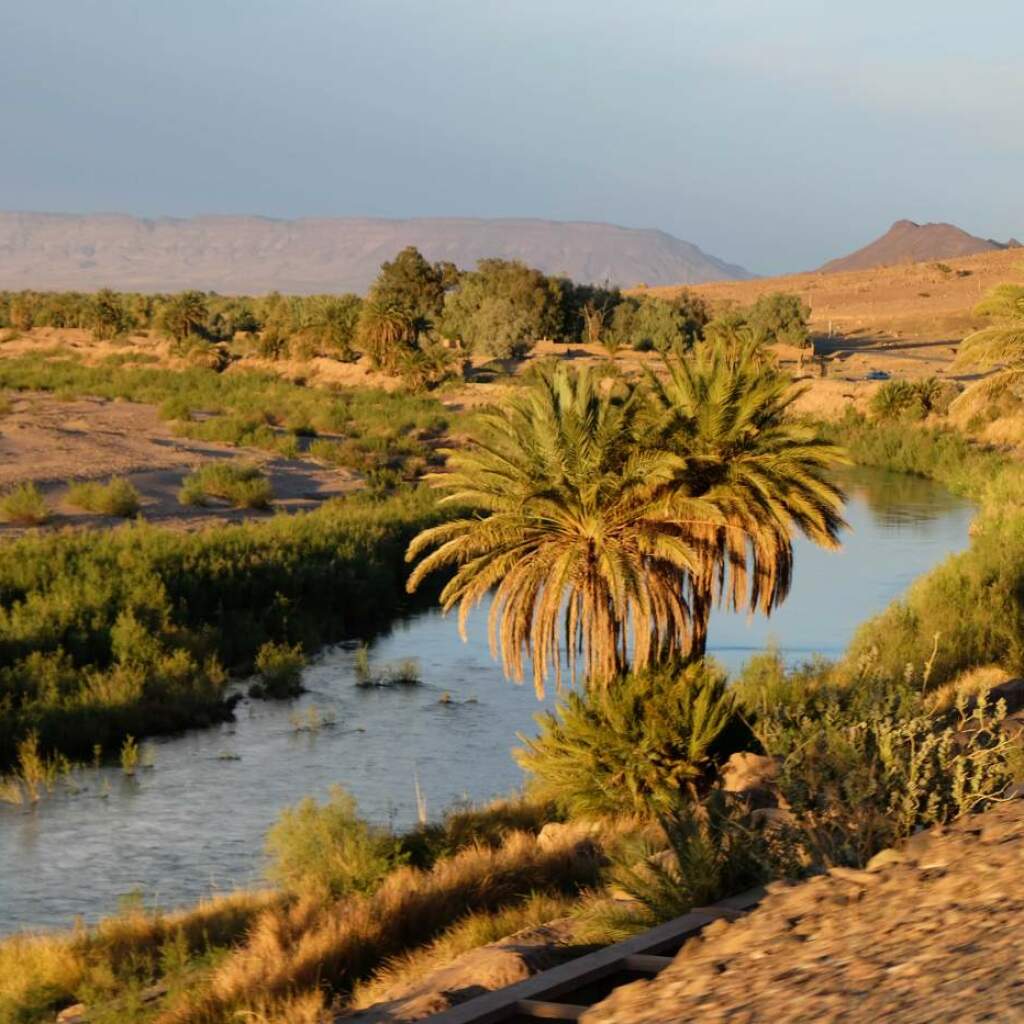
Whoever does not know Feschfesch will get to know it today. On these fine dust-covered slopes, we head towards the Senegalese border along the Senegal River, which has given the country its name. Along the way, there is again more vegetation and significantly more wildlife than in the previous stages.
Our path leads through a bird sanctuary in a national park where many European migratory birds spend the winter. The landscape is noticeably changing: the dry desert slowly transitions into the Sahel zone and the vegetation becomes denser.
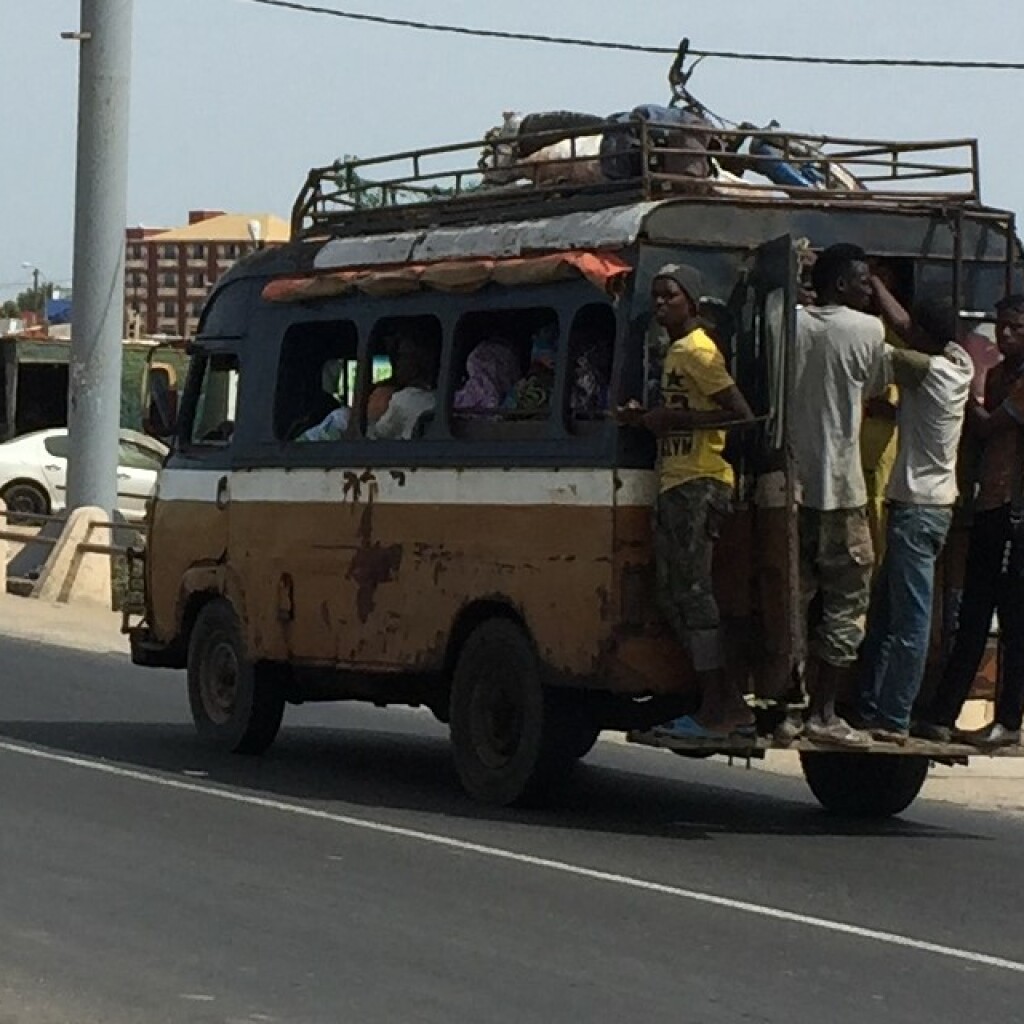
The day's goal is Saint-Louis. The city is located on an island in the delta of the Senegal River and has a well-preserved city center from the colonial era. We will spend the night not far from the city near the beach.
Finish line in Dakar
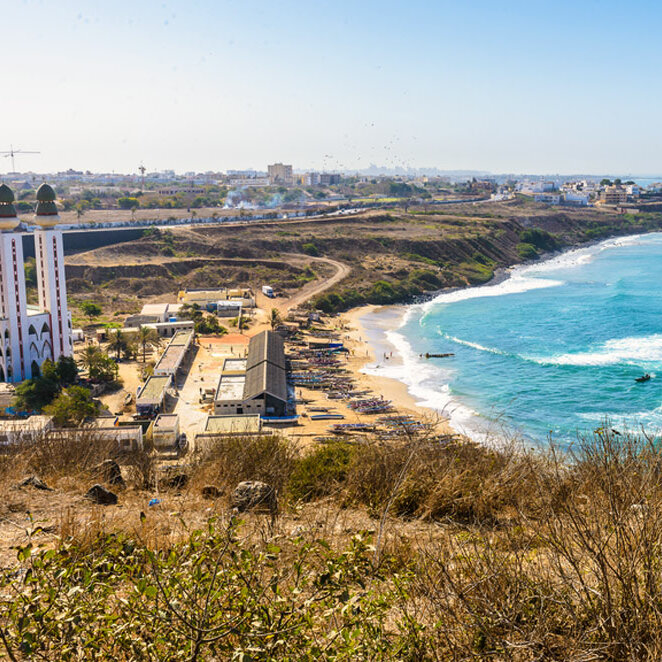
We set off from Saint-Louis in the morning and reach Dakar around noon. Part of the route can again run along the beach. As with the Paris-Dakar, our journey ends on the shores of Lake Rose, the pink salt lake on the outskirts of Dakar.
There we spend the last evening together and celebrate the arrival with good food. The following day, the expedition officially ends. From here, there is the option to ship the expedition vehicle by container to Europe and fly back, or to join the tour guides overland towards Morocco, where they usually take a short break.
From Marrakech, the return trip can then continue on asphalt northward to the ferry port.
Want a detailed description of all tour days?
Our expert will walk you through the full itinerary and answer all your questions.
PRICE
from
€ 3,599
/ person
Price Options
per person in the expedition vehicle
€ 3,599
Additional Options
One-way hire car
€ 375
Single room supplement
/ Person
€ 320
Trip includes
- All accommodations in Europe (Hotel)
- All accommodations in Africa (Camping & Hotel)
- Ferry to Morocco
- Provision of expedition kitchen
- All entries for visits
- Breakfast and dinner
- Travel security certificate is included in all trips from OVERCROSS according to § 651
- German-speaking tour guide
- Support for technical problems on the way
OVERCROSS note on itinerary
The above travel description is a non-binding online proposal and does not represent a binding travel itinerary. We expressly reserve the right to make changes to the route, schedule, and accommodations (§ 651d BGB in conjunction with Art. 250 EGBGB). The terms and conditions of OVERCROSS apply.Terms and Conditions of OVERCROSS
Similar Adventures
offroad-travel
6 tours
Featured
 Featured
Send request

How did you
hear about us?