OFF-ROAD-TOURS · TUNISIA
4x4 New Year's Eve in the Sahara: Offroad trip to Tunisia
When the year ends, a different sense of time begins in Tunisia: clear desert air, deep silence, and nights that shine brighter than any fireworks.
The Journey
New Year's Eve in Tunisia: 4x4 Off-road Adventure through the Sahara
The New Year's trip combines real desert adventure with relaxed moments in oases, clear desert air, and a route that connects the most beautiful landscapes of southern Tunisia.
Start in Genoa: approx. 22-24h ferry to Tunisia
Route through the heart of the Sahara: Chott el Djerid, Douz, Tembaine, Ksar Ghilane
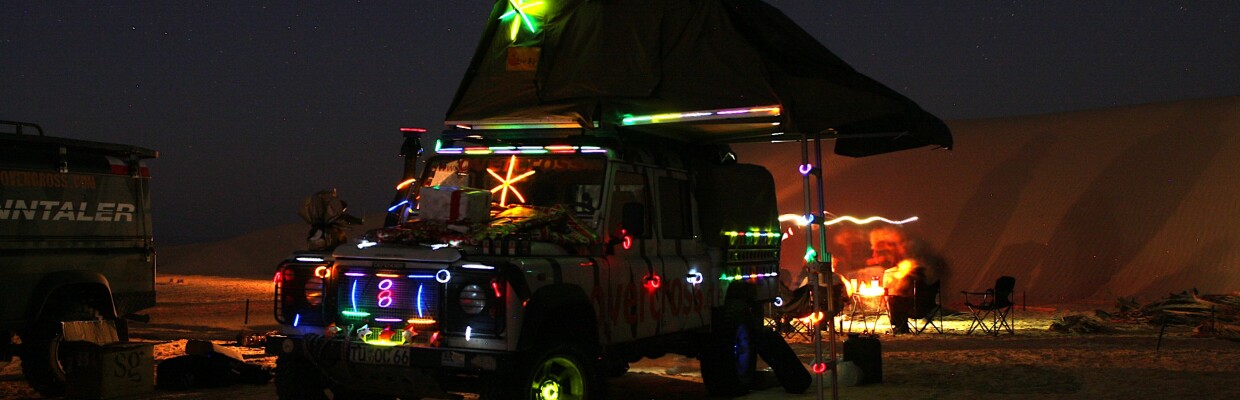
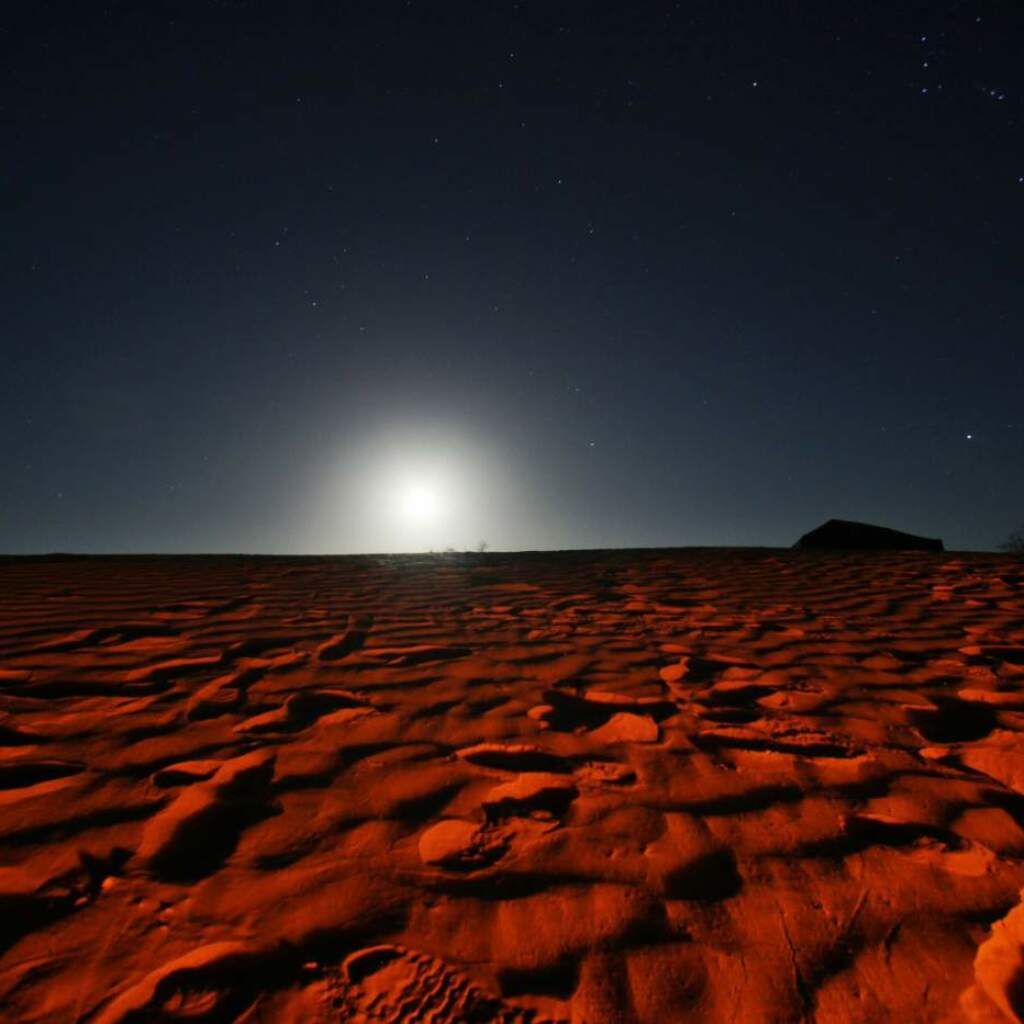
New Year's Eve in the desert: without fireworks, under a clear starry sky
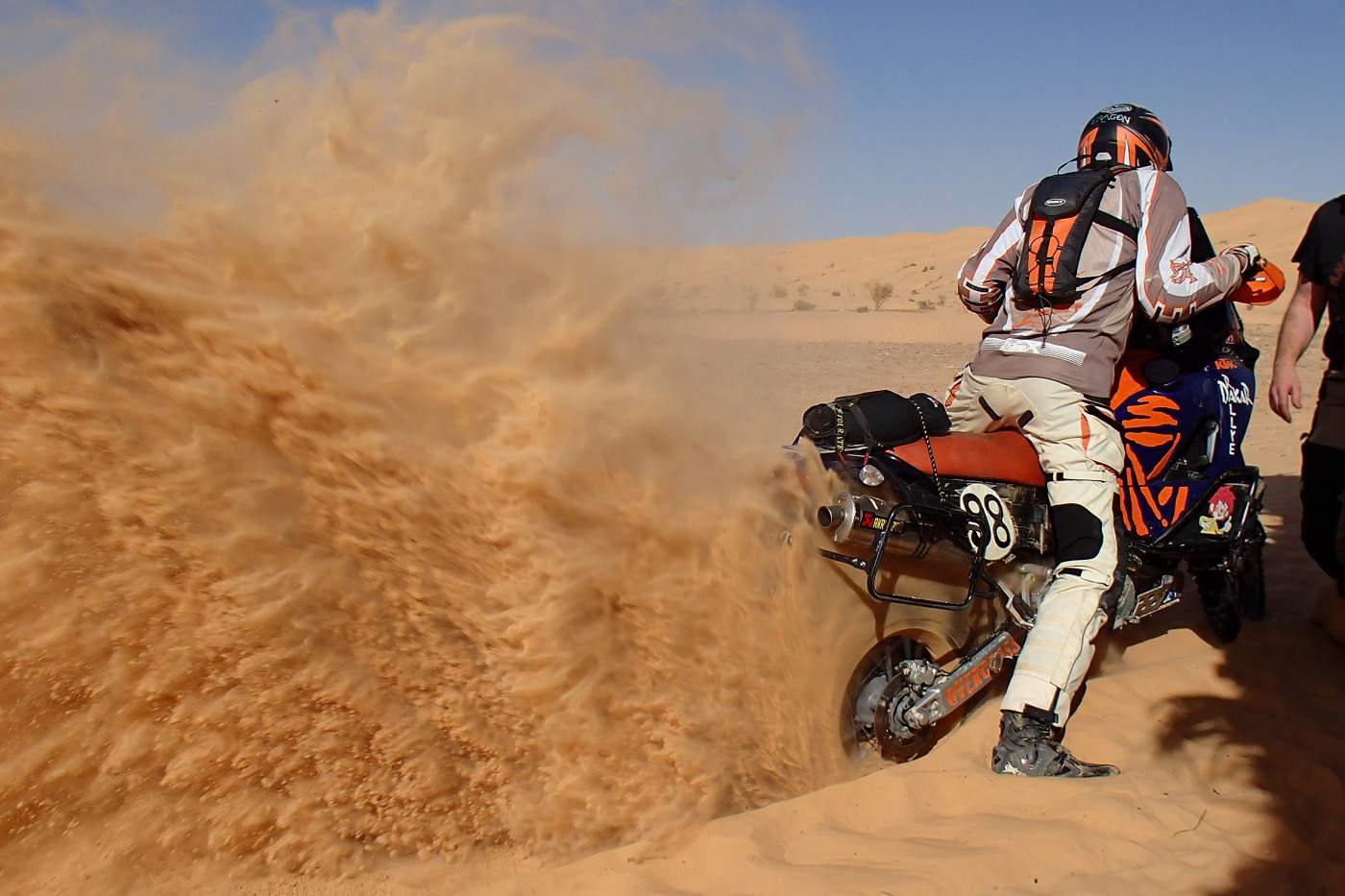
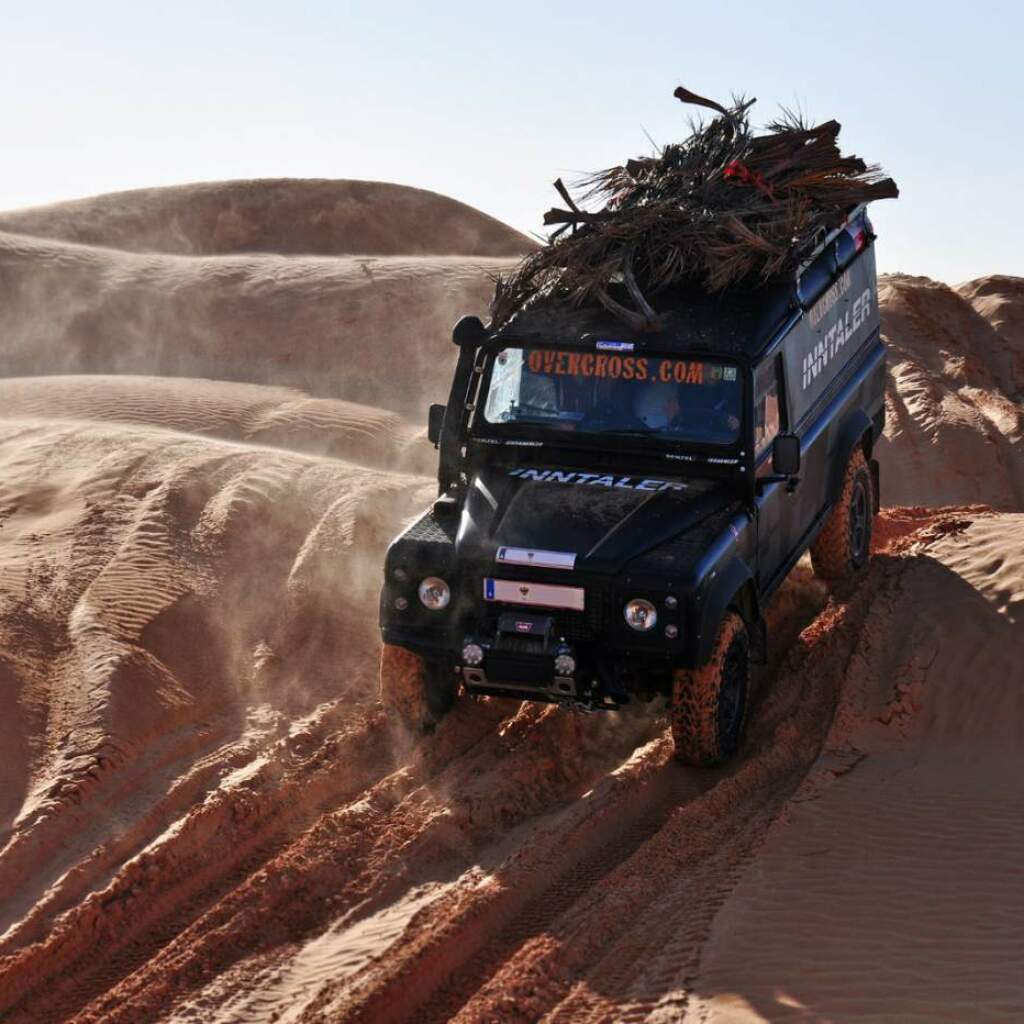
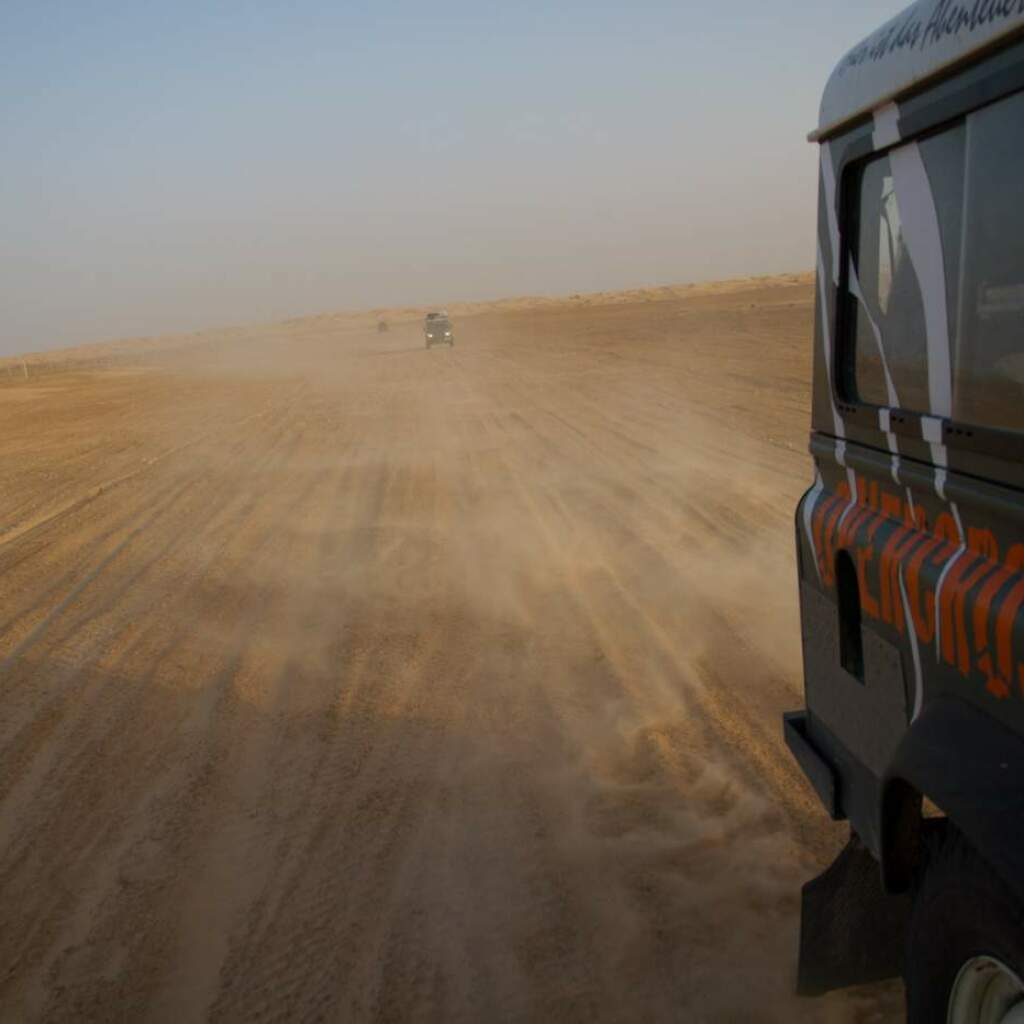
Offroad mix: sand tracks, wide salt lake passages, beginner and advanced dune fields
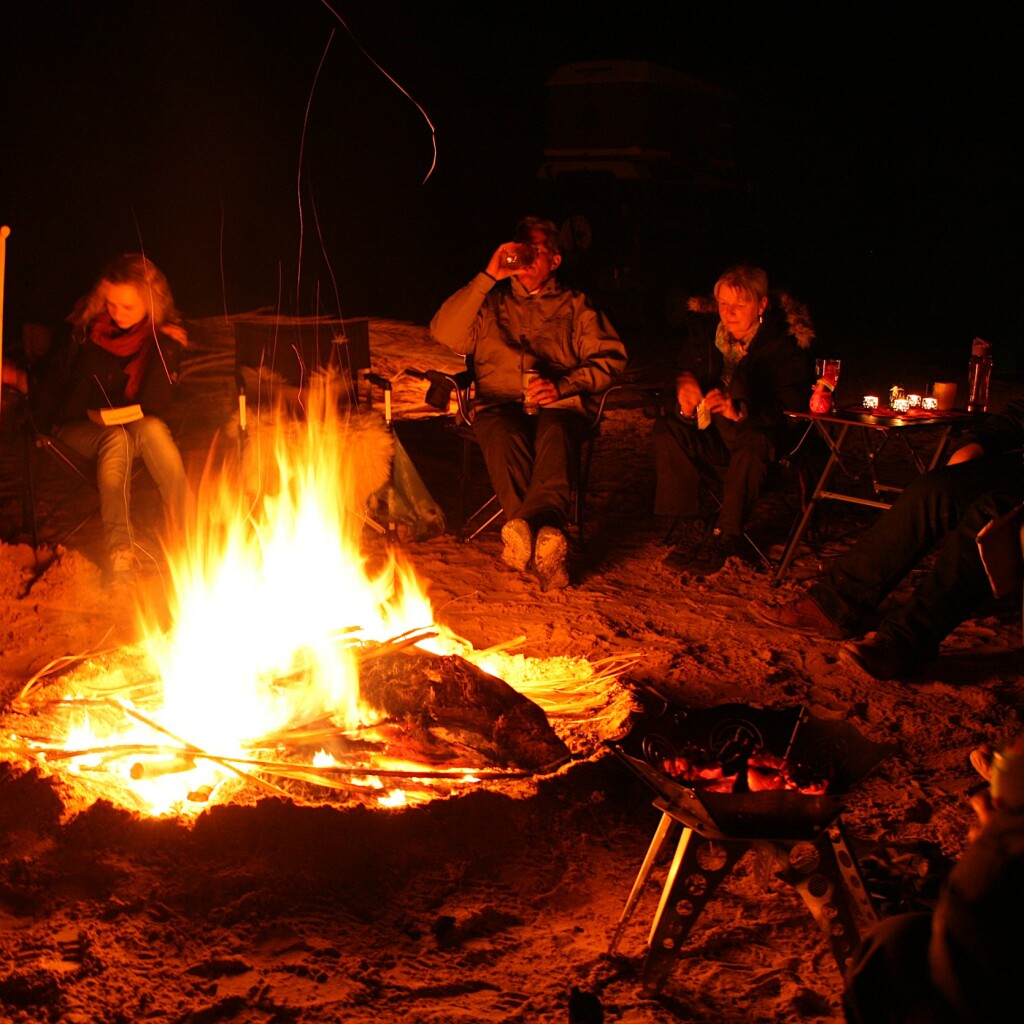
Wild camping nights in the dunes + campgrounds in Douz & Ksar Ghilane
International Sahara festival atmosphere (depending on the date)
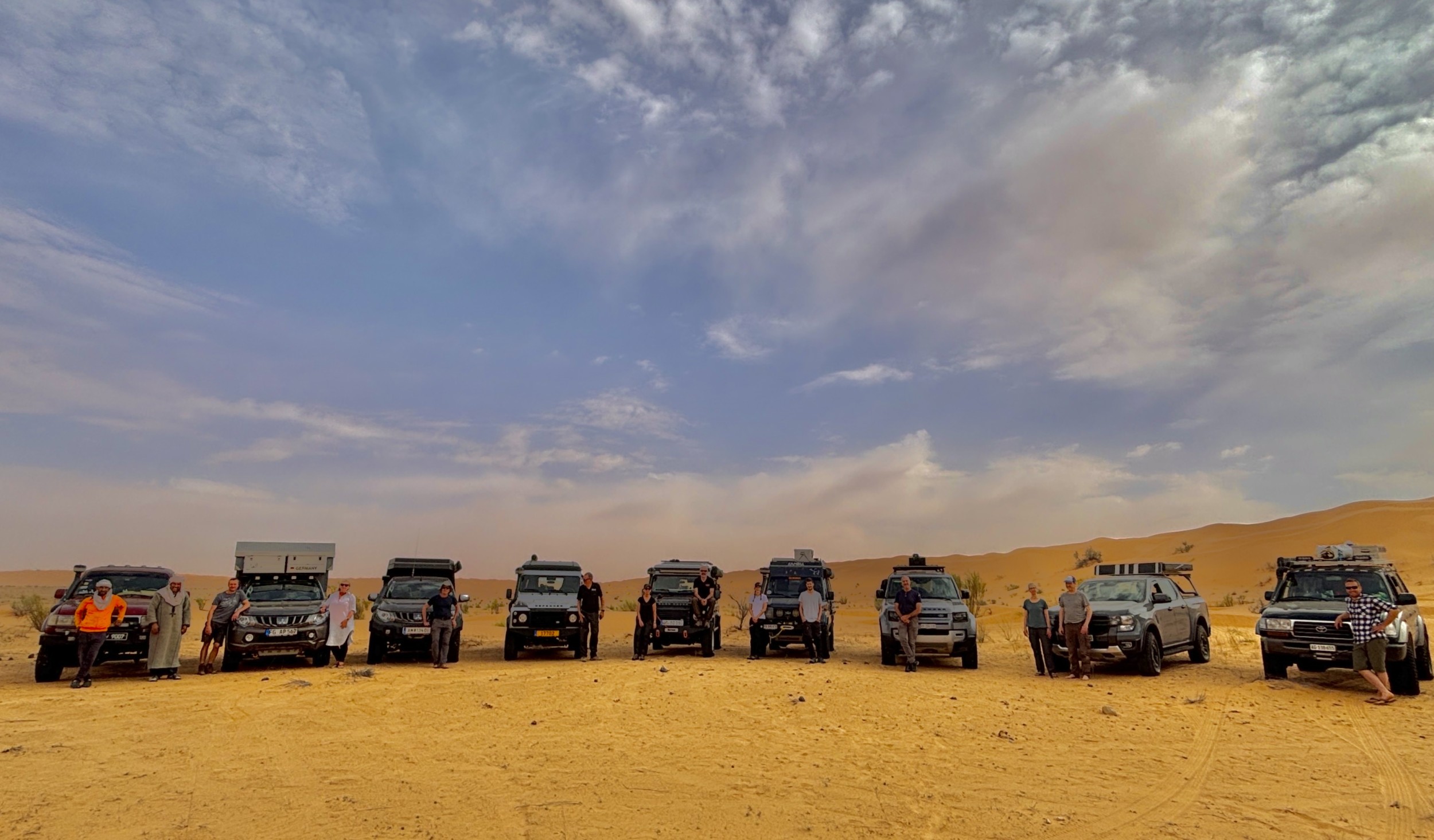
Guided 4x4 convoy with experienced Overcross guide
Several days away from civilization: no reception, pure desert silence
Oasis moments: warm springs, palm groves, encounters with desert dwellers
Perfect travel time: mild winter days (approx. 15-22°C) and clear, cool nights
Teamwork & offroad practice: getting through together, shoveling, driving on sand
Travel duration approx. 14 days including arrival and departure
Information folder & packing list in advance for vehicle & equipment
Below you will find a compact overview of the key stages of this New Year's trip - so you know exactly which landscapes, offroad passages, and desert moments await you.
Key Highlights of the Trip
Key Highlights of the Trip
Start in Genoa & Crossing to Tunis
The kick-off begins in the port of Genoa, where the group and the convoy form up.
After boarding, the crossing of the Mediterranean begins - time for first conversations, cabin assignments, and a relaxed preparation for the journey.
The next day we roll off the ship in Tunis and head south together.
From Hammamet via Gafsa to Tozeur
The first stages lead us on asphalt and back roads through central Tunisia, past mountain ranges and fertile valleys.
In Tozeur, we immerse ourselves in the world of oases, visit local markets, and prepare vehicle and equipment for the desert.
First off-road sessions get us in the mood for the upcoming days in the desert.
Chott el Djerid & Gate to the Sahara
We cross the salt lake Chott el Djerid - depending on conditions via the northern or southern route - before we reach Douz, the legendary "Gateway to the Sahara".
Here we replenish supplies, check vehicles, and prepare for several days away from civilization.
Questions about the tour itinerary?
Our tour guide is happy to answer any questions about the day-by-day route, stops, and details.
Deep in the Sahara: Dunes, Sand & Oases
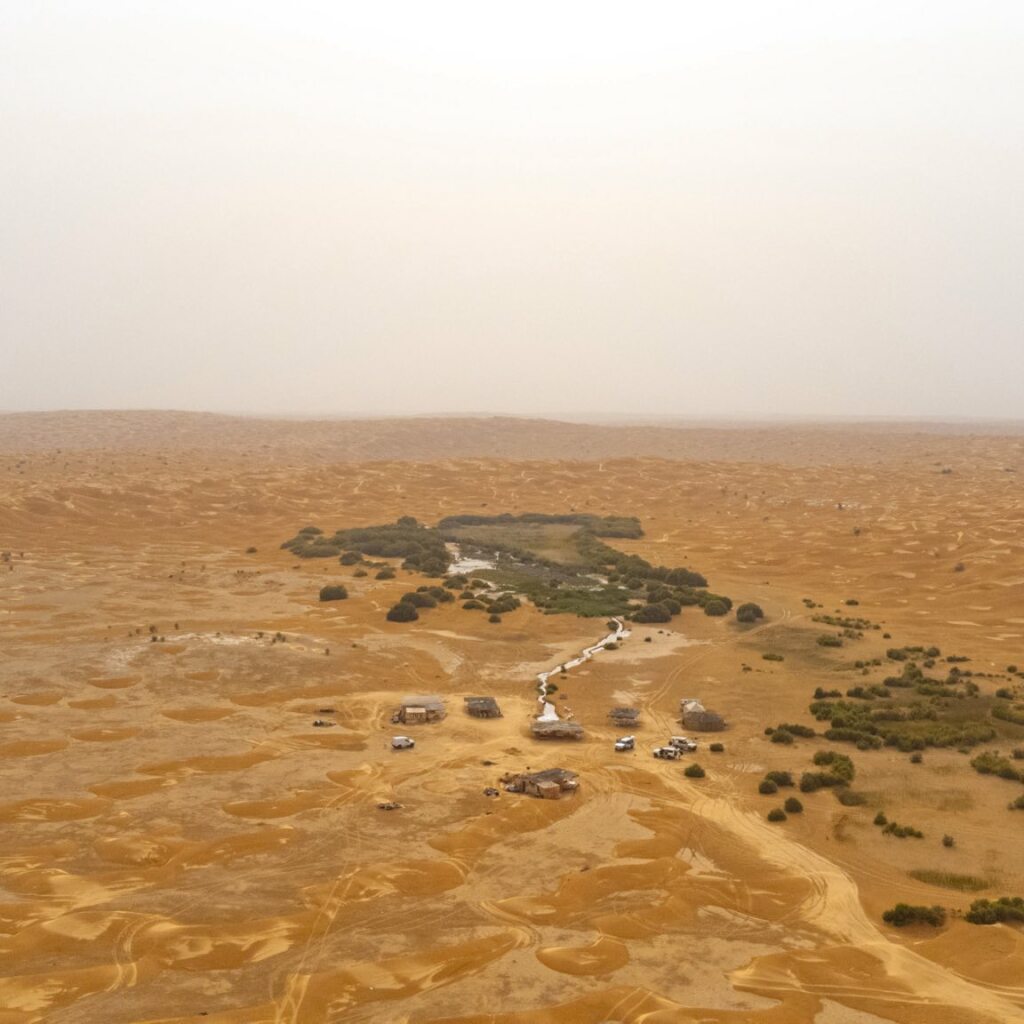
New Year's Eve in "Nothing"
The New Year's Eve is celebrated in the middle of the Sahara - far away from fireworks, street noise, and hustle.
Under a clear starry sky, surrounded by silence and sand, a New Year's moment arises that is one of the most unforgettable experiences of this journey.
Goodbye Africa! Return trip via Matmata & journey home
After the desert days, we slowly return to civilization: over the mountain landscapes around Matmata, past Berber houses and oasis towns.
In the coastal region, we spend one last night in a hotel before the journey back to Tunis and the ferry crossing to Genoa conclude the trip.
Want a detailed description of all tour days?
Our expert will walk you through the full itinerary and answer all your questions.
from
Price Options
Additional Options
Have questions about price or what's included?
Trip includes
- All overnight stays (twice in a hotel in a shared double room, otherwise campsites & wild camps)
- Breakfast & dinner from the expedition kitchen by a Tunisian cook who will take care of us during our desert stage
- Toll in Tunisia
- Accompanying/support vehicle
- Technical assistance and support with vehicle repair
- All permits
- Local guides during the desert stage
- Radio devices
- Travel security certificate (insolvency protection according to § 651r paragraph 4 BGB)
- More than 20 years of experience in organizing 4x4 trips to North Africa
-
Officially, an international driving license is not required in Tunisia if you have an EU driving license. But it can’t hurt either.
-
You need the vehicle registration and if you are not the vehicle owner, you also need a power of attorney from the owner in French, confirming that you are allowed to drive the vehicle in Tunisia. Additionally, you need an international insurance card for your vehicle. Tunisia (TN) should not be crossed out. If it is, you can take out a car liability insurance at the port upon entry for the equivalent of about 50-60€.
-
It’s better to have one and not need it than the other way around. The gas station network in Tunisia is very good, so we don’t need to carry large amounts of fuel. However, there are situations where an "extra liter" can be useful, for example, if a vehicle should lose fuel.
-
The daily stages vary depending on terrain, weather, and group. On average, you can expect about 4-6 hours of pure driving time, supplemented by breaks, photo stops, and briefings.
-
Everything that is vehicle-specific, for example, a special nut for lockable wheel nuts. Fuses can also never hurt. Basically, you should be equipped to change a wheel on your own with the tools you have on board.
-
No. That would not be possible anyway, as the Tunisian Dinar cannot be imported or exported. On the ferry, payment is made in euros. In the hotel, we can exchange euros for dinars - they are happy to receive foreign currency, and we are happy with the good exchange rate we get. With your credit card, you can also withdraw cash at banks and pay at gas stations. However, it is still advisable to have a few hundred euros in cash as a reserve. Never exchange too much at once! Dinars cannot be exchanged back into euros.
-
Around the turn of the year, many Tunisians who live and work in Europe use the holidays to return home. As a result, prices for the ferry during this time rise accordingly, and crossings are usually fully booked. To make everything as transparent as possible for you, we have listed the price separately. Nevertheless, it is cheaper for you to book the ferry through us, as we receive special conditions for our group bookings from the ferry company.
-
Our guides bring our expedition kitchen along. Tasks like chopping, cooking, and washing up will be done together as a group. Our guides will do the shopping with a few volunteer helpers. Your food wishes will, of course, be considered as much as possible. According to the motto "many hands make light work". As a special treat, a Tunisian cook will accompany us during the desert stage, providing us with delicious meals.
-
The tour is sporty and aimed at drivers with some off-road experience. You should be able to handle your vehicle safely in rough terrain - sand passages, recoveries, and deeper tracks are part of it and will be supervised by the guide.
-
That depends on your vehicle and its condition. We definitely recommend having a spare air filter and a full-sized spare tire (no emergency tire etc.) with you. Basically, it holds true: Anything you have with you never breaks.
-
Yes! Ideally, you won’t need it. Special equipment for snake bites, etc., is not necessary. There are indeed venomous animals (snakes, scorpions) in Tunisia. However, the likelihood of encountering one is extremely low. The creepy critters tend to flee at the slightest disturbance, long before we even notice them. Moreover, these animals are hardly active during the winter months.
-
In the Sahara, temperatures at the end of December are usually about 15-22°C during the day and 2-8°C at night. Warm clothing and a good sleeping bag are important, especially for the wild camping nights.
-
Yes. We camp in remote dune and desert regions with no infrastructure. We are self-sufficient, use natural toilets and simple washing facilities, and leave the places as we found them.
-
A suitable off-road 4x4 vehicle in good technical condition is required. Low-range gearing and reasonable tires are highly recommended; We clarify the recovery points and equipment through a detailed packing and vehicle list in advance.
-
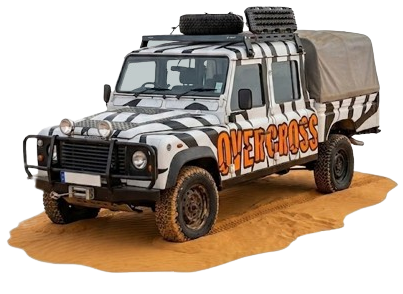
Yes. Depending on availability, you can rent an off-road vehicle directly through Overcross for this off-road trip. You will receive details about models, equipment, and conditions with the offer.
-
During the off-road stages, we are without a mobile network for several days. The convoy stays connected via radio, and the guide takes care of navigation and communication.
-
You drive in a convoy, and the navigation is the guide's responsibility. GPS knowledge is not necessary - we work with radio, daily briefings, and clear driving instructions so you can fully concentrate on driving.
-
The route goes through touristically well-known regions in southern Tunisia. Overcross has been operating there for over 20 years and works with local partners, clear route planning, and up-to-date situation assessments.
-
You will receive the most important documents in advance from Overcross. We handle entry and exit formalities bundled, often already on the ferry, to keep the process in Tunis as relaxed as possible.
-
Getting stuck is part of it in the Sahara. This usually poses no problem. We work as a team, utilize recovery equipment, and the guide's experience. In case of technical problems, we decide together what is possible on-site - safety always takes priority.
Terms and Conditions of OVERCROSS
Similar Adventures
_600_600.jpg) Featured
Featured
 Featured
 Featured
Send request
How did you
hear about us?