Motorcycle Tours Tunisia: Ride the Sahara Desert
From desert dunes to salt flats — guided motorcycle tours in Tunisia for beginners through advanced riders.
Motorcycle tours
Guided & Self-Guided
Expert Local Guides
English Speaking
Country Profile
Tunisia Motorcycle Tours
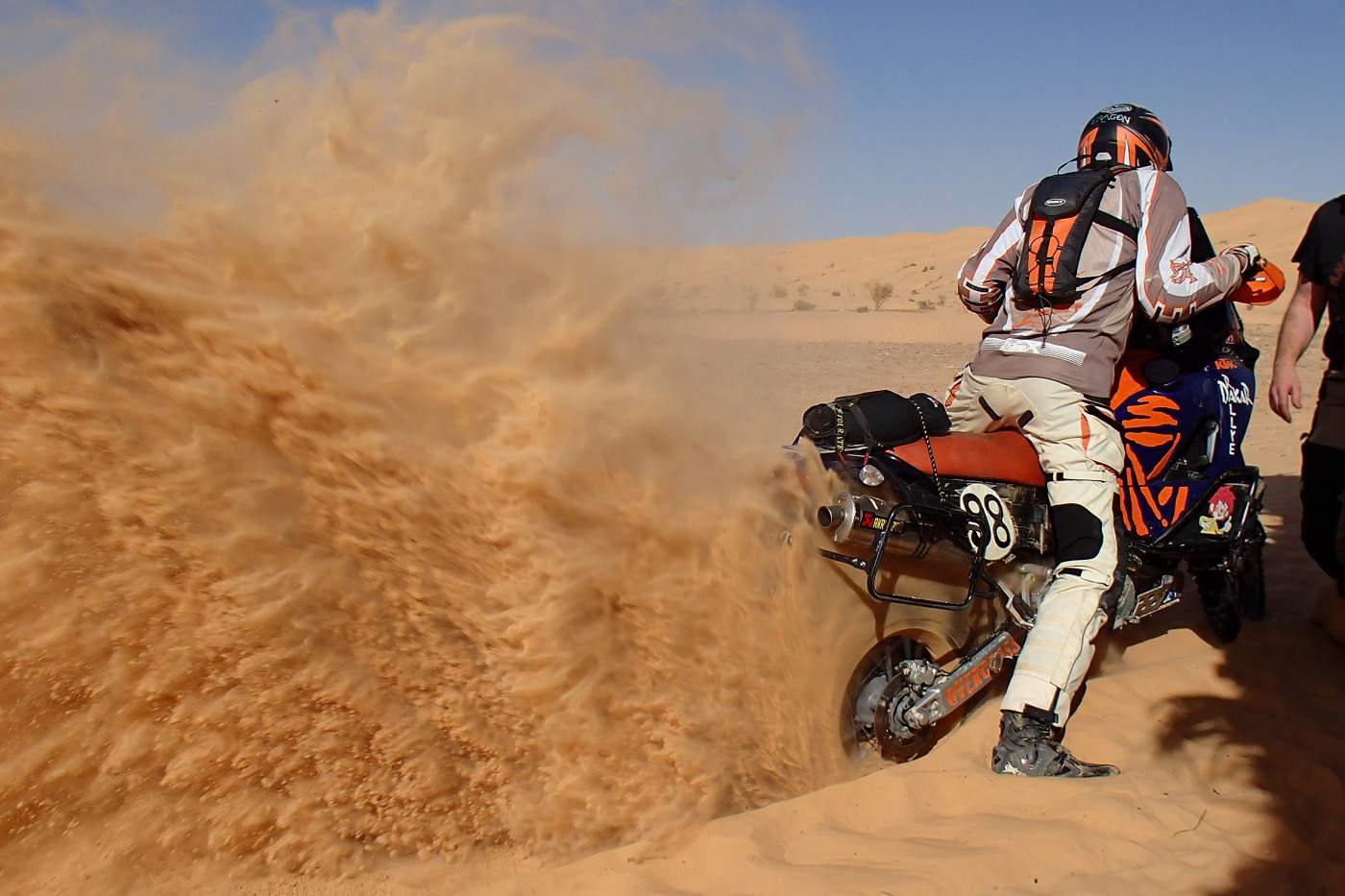
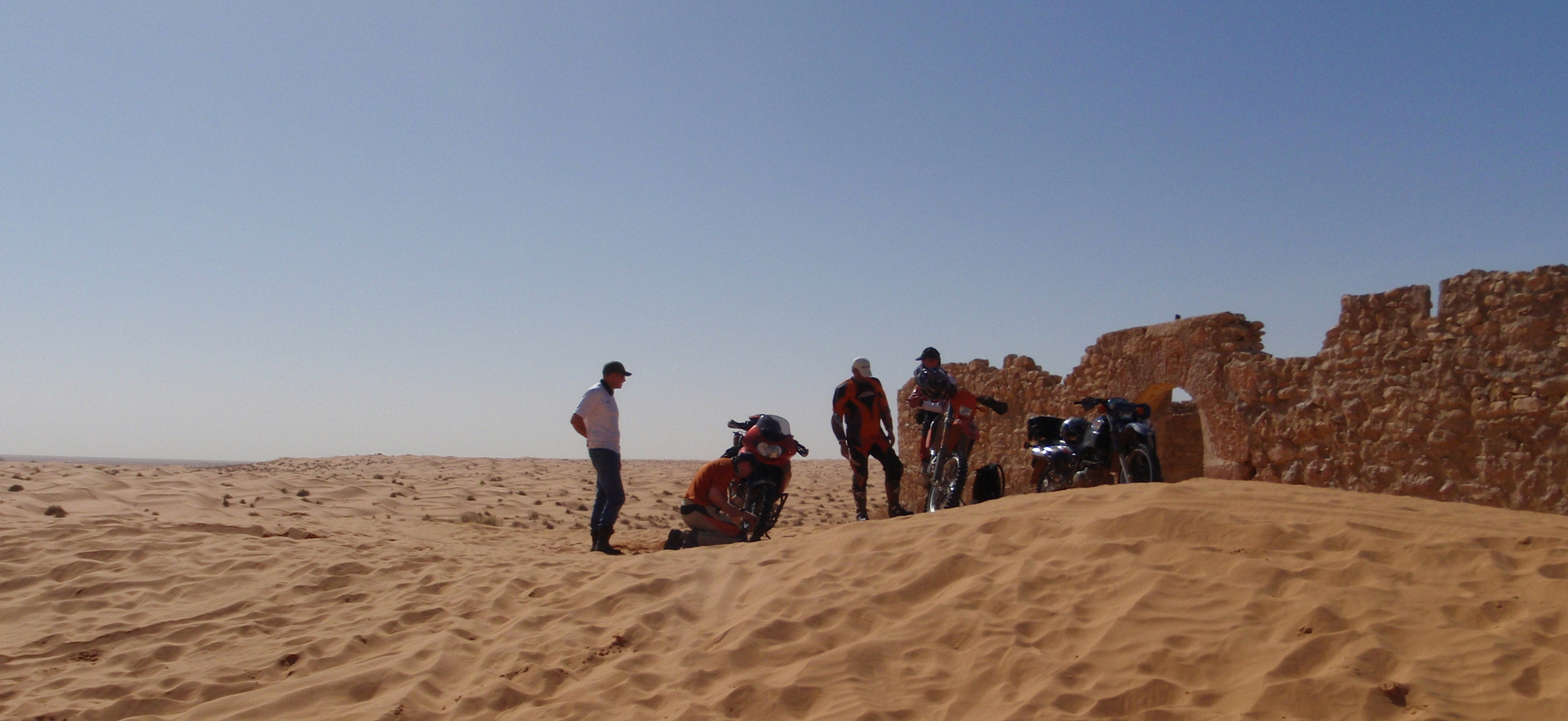
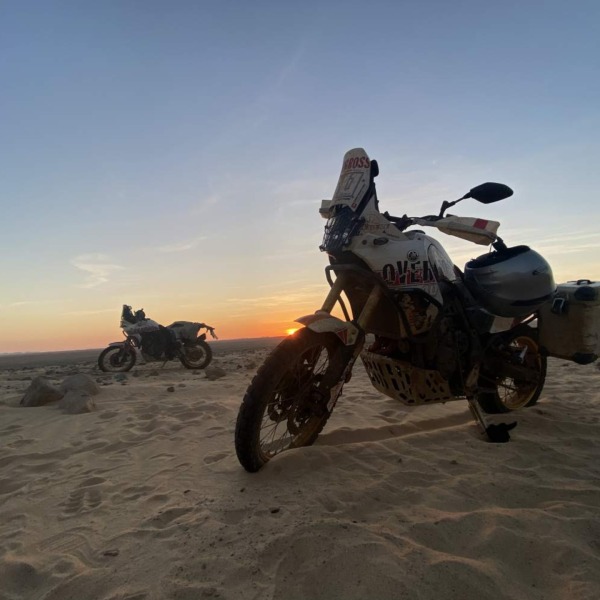
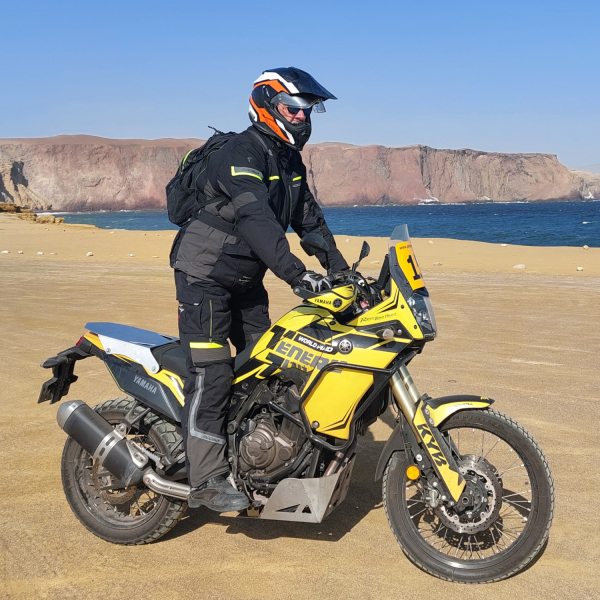
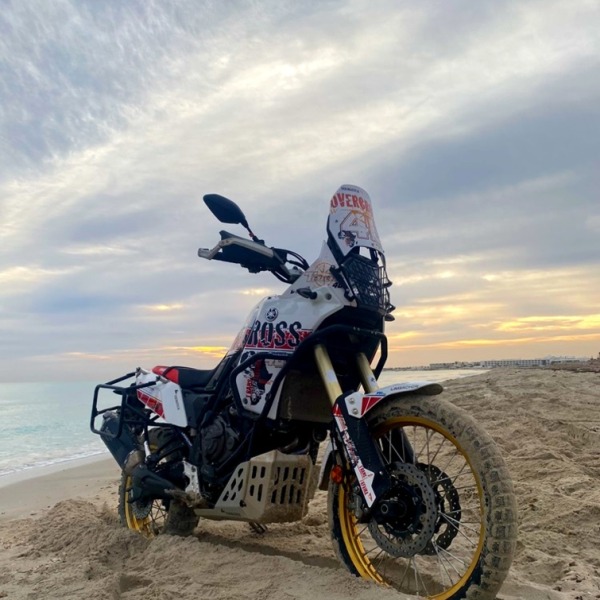
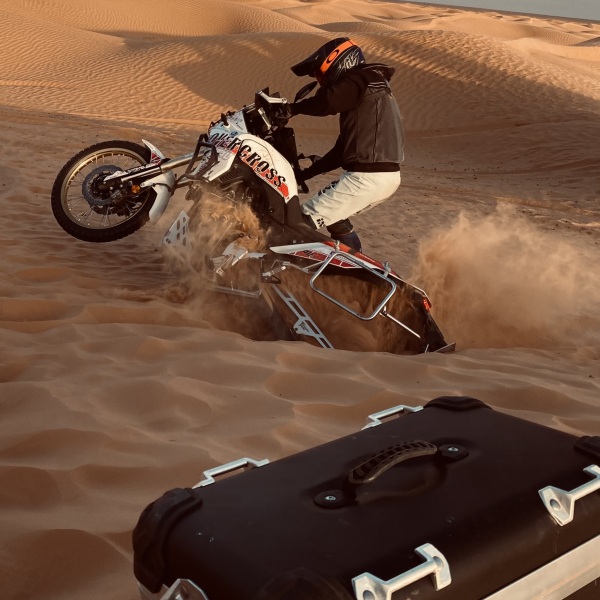
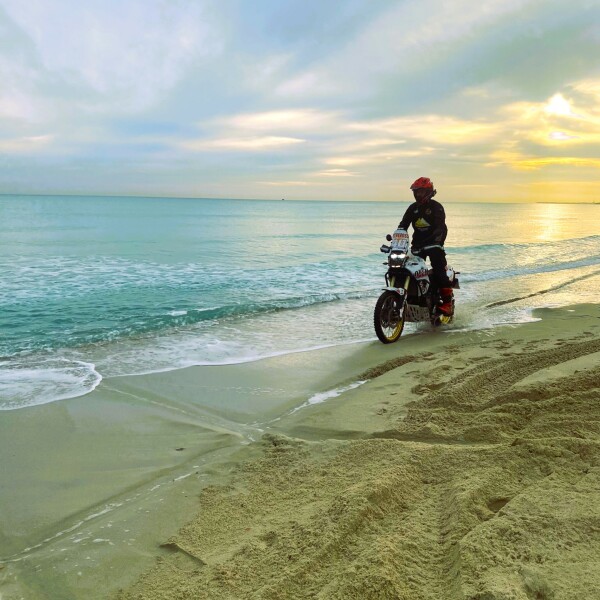
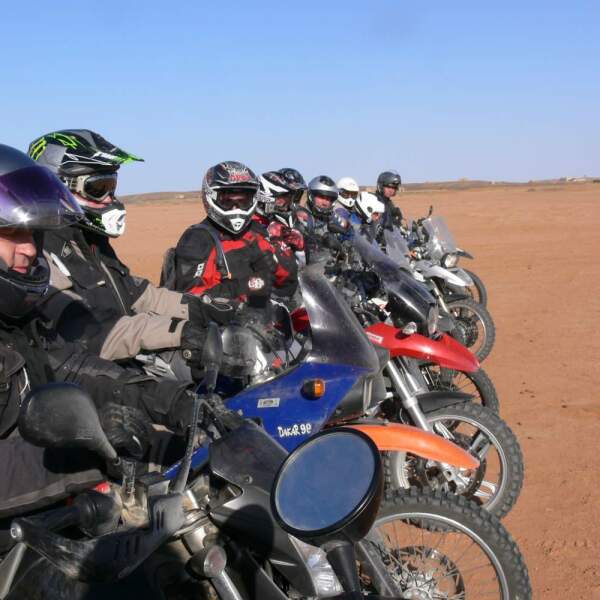
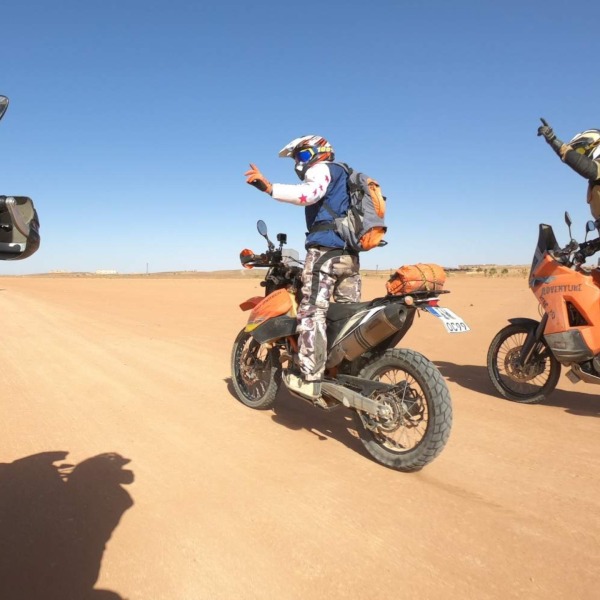
Tunisia puts you on the Sahara faster than almost anywhere else in Africa. Rides here move between compacted desert tracks, open salt flats, and the carved villages of Matmata — terrain that shifts within a single riding day. OVERCROSS runs guided enduro tours across Tunisia with full support and well-maintained KTM and Yamaha machines. Options run from 8 to 15 days, with routes suited to first-timers and experienced off-road riders alike. The best window is October through April, when temperatures stay manageable and desert conditions are at their most stable. Tours start and end in Tunis.
Tunisia Travel and Vacation – Good to know
US passport holders do not need a visa for stays up to 90 days in Tunisia for tourism. For longer stays or non-tourist purposes, a visa application is required. Check the latest entry requirements before travel and ensure your passport is valid for at least six months beyond your trip dates.
The main international gateway is Tunis-Carthage Airport (TUN), well connected to major US hubs via European layovers. For tours based in the south, Monastir Airport (MIR) or Djerba–Zarzis Airport (DJE) can reduce driving time to the start zone. Confirm your pickup point with OVERCROSS before booking flights.
Tunisia's currency is the Tunisian Dinar (TND). Cash is the standard in rural areas and smaller towns — carry enough for fuel stops and personal spending. ATMs are available in Tunis, Sfax, and major tourist centers. Credit cards work in hotels but are unreliable at smaller businesses. Exchange currency at the airport or licensed exchange offices.
No vaccinations are legally required for Tunisia, but Hepatitis A and Typhoid are commonly recommended. A comprehensive travel insurance policy that covers motorcycle riding and medical evacuation is essential. Confirm that your policy explicitly covers off-road riding in North Africa before departure.
A valid US driver's license is required to ride in Tunisia. An international driving permit (IDP) alongside your US license is strongly recommended and often required for rental purposes. For mobile data, local SIM cards are available from Tunisie Telecom, Ooredoo Tunisia, and Orange Tunisia at the airport and in city centers.
The Best Time to Ride in Tunisia
Desert temperatures, sand conditions, and riding intensity shift significantly across the year — your departure window matters.
Best Time to Ride
October – April
Why?
This is the prime riding window for Tunisia, particularly for Sahara-focused routes. Temperatures stay manageable during long riding days, technical sand sections are safer, and multi-day off-road stages are realistic without the heat exposure that summer brings.
October – November
Conditions
Stable desert conditions, warm riding days, comfortable evenings
Recommended For
Best all-around riding window
December – February
Conditions
Cool mornings, ideal daytime temperatures for technical off-road
Recommended For
Deep Sahara riding and New Year's departures
March – April
Conditions
Mild temperatures, firm sand surfaces, low crowds
Recommended For
Beginner and intermediate routes
Ready to ride?
We'll find the perfect Motorcycle tours trip for your vacation.
Where to Ride in Tunisia: Key Regions
Four distinct regions — Sahara dunes, Chott salt flats, Berber highlands, and Mediterranean coastal roads. Each adds a different type of terrain.
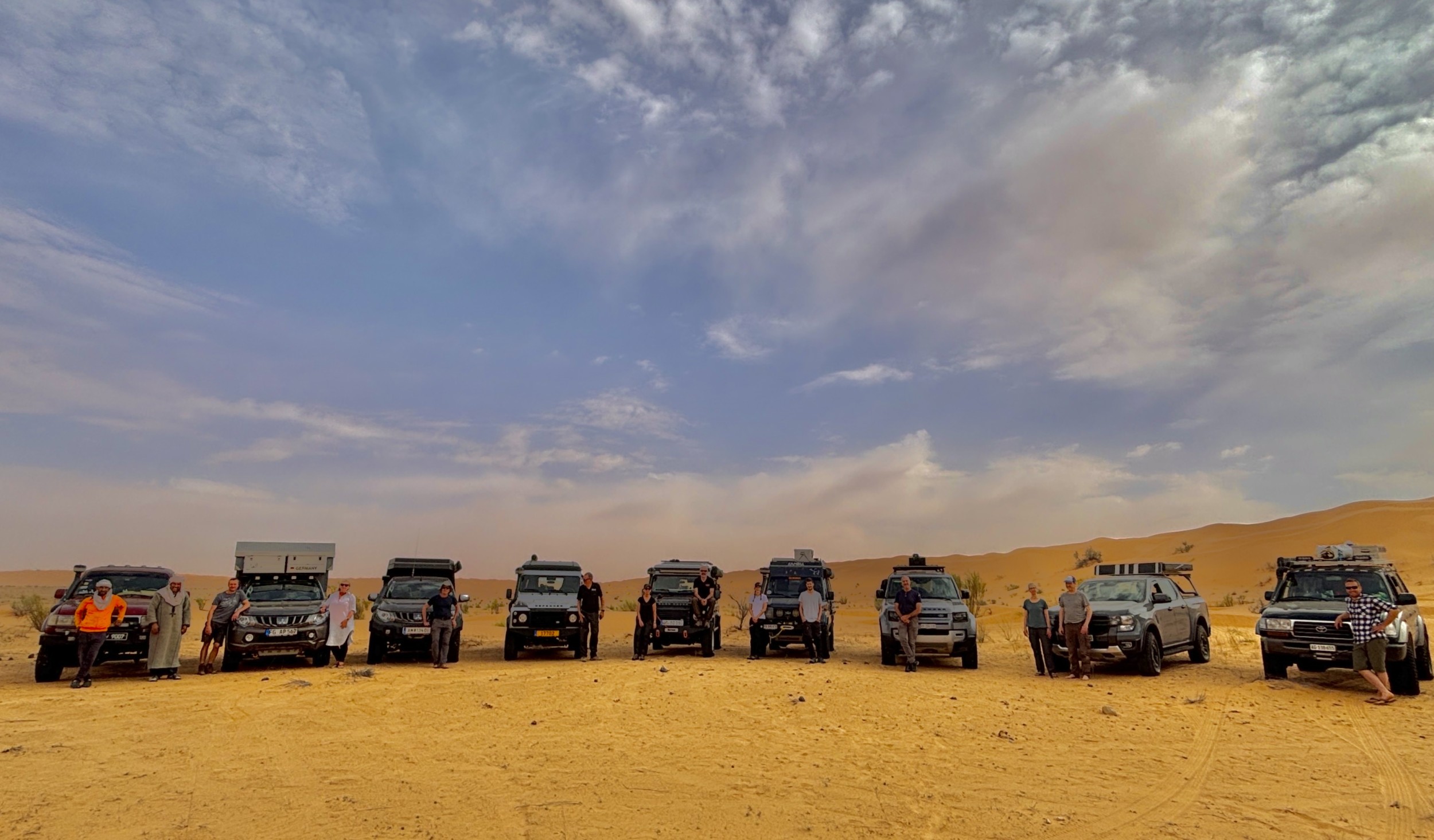
Desert Riding
Sahara Dunes and Erg Oriental
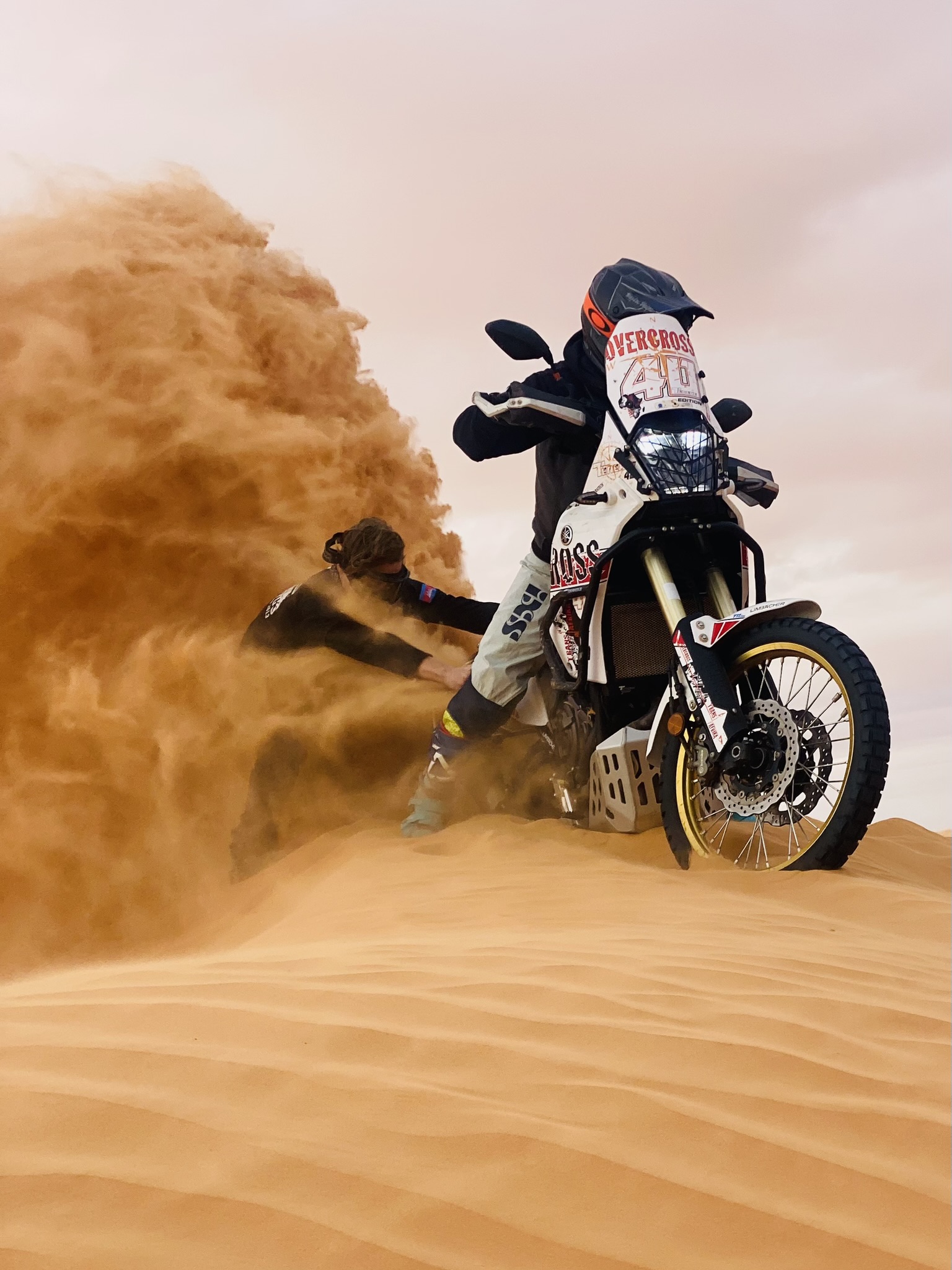
The core of most Tunisia tours. You ride into the Erg Oriental from Douz, working through open sand tracks, dune corridors, and compacted desert floor. Technical difficulty varies by route — beginner-friendly lines exist alongside more demanding off-road stages for experienced riders.
Tours where you can visit this area
Enduro Tour Tunisia: Ride the Sahara Desert Enduro Tour Through Tunisia: Ride the Sahara Desert Motorcycle Tour Tunisia: Sahara Desert Adventure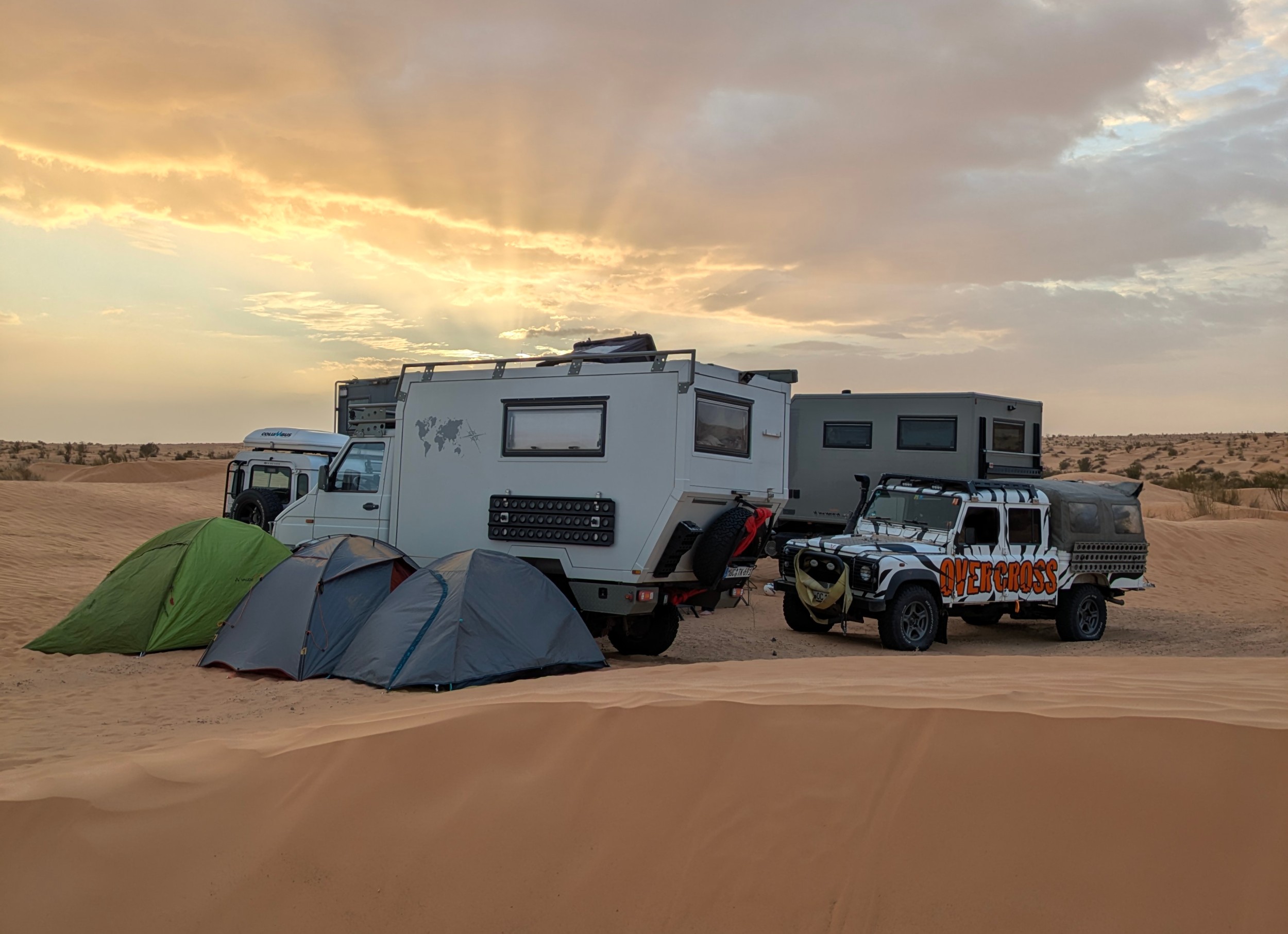
Salt Flat Crossing
Chott el Djerid
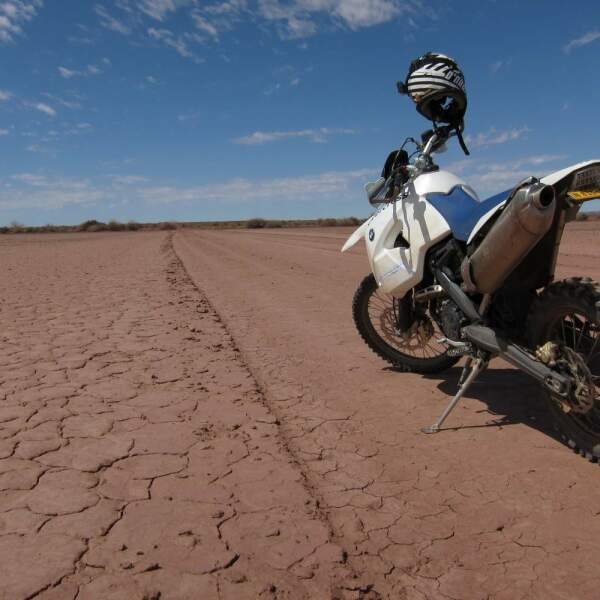
One of the most distinctive stages in North Africa. Chott el Djerid is a vast seasonal salt lake stretching across the Saharan steppe — crossing it puts you on a long, flat road with no landmarks in any direction. The scale and optical effects are hard to describe until you're riding through it.
Tours where you can visit this area
Enduro Tour Tunisia: Ride the Sahara Desert Motorcycle Tour through Tunisia: New Year's Eve in the Sahara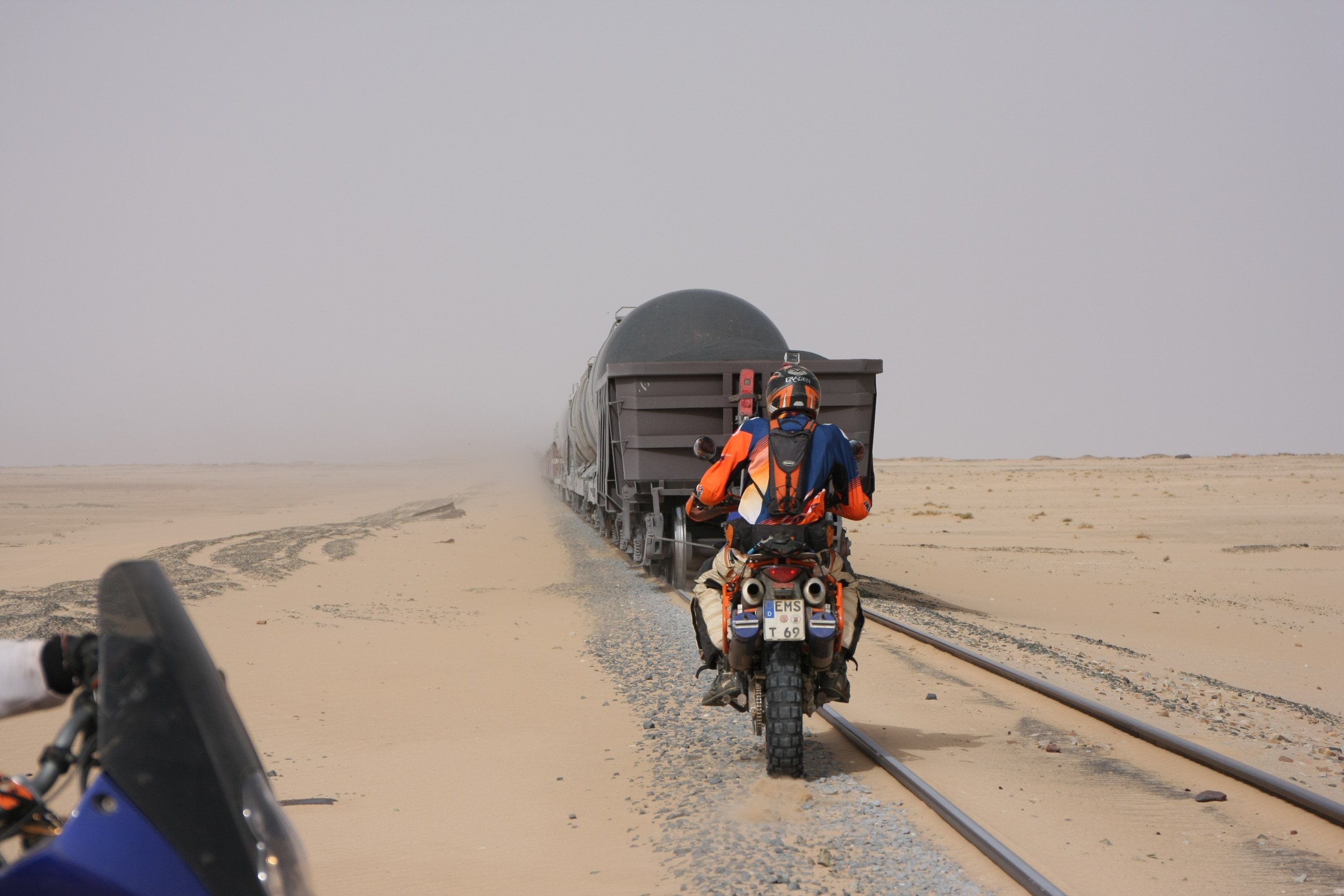
Berber Villages
Matmata and the Ksour Region
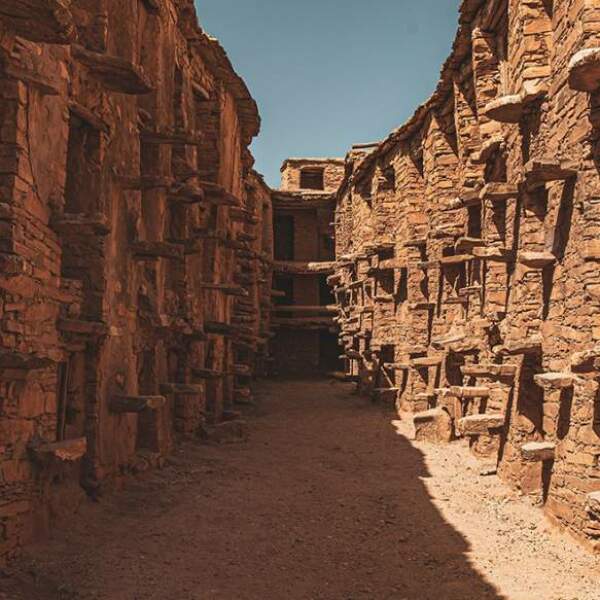
Matmata sits in the Dahar highlands south of Gabès — a region of troglodyte pit houses and Berber fortified granaries carved from hillsides. Roads wind through passes and dry valleys, mixing paved stretches with rough dirt tracks between villages.
Tours where you can visit this area
Enduro Tour Tunisia: Ride the Sahara Desert Motorcycle Tour through Tunisia: New Year's Eve in the Sahara
Coastal Roads
Cap Bon Peninsula
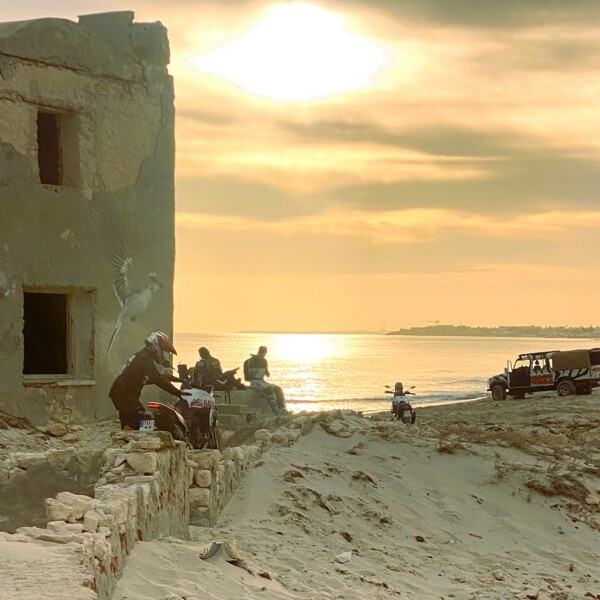
The northern tip of Tunisia offers a different kind of riding — twisting coastal roads between whitewashed fishing villages, citrus groves, and Mediterranean cliffs. Smooth asphalt and lighter traffic make this a natural start or finish for tours entering from Tunis.
Tours where you can visit this area
Enduro Tour Through Tunisia: Ride the Sahara DesertTunisia's not for your? Try another country.
Your Journey Starts Here
×
Send request
How did you
hear about us?