ROUND-TRIPS · ASIA
From Luang Prabang to Sihanouk Ville
A two-week group trip to get to know the fascinating countries of Laos and Cambodia. Experience breathtaking landscapes and admire impressive temples. This trip is the perfect opportunity to immerse yourself in Laotian and Cambodian culture, both in the countryside and in the vibrant cities.
How long?
14 Days
Price
€ 1,439
/ Person
The Journey
Laos & Cambodia: A Cultural and Adventure Trip
This two-week group trip through Laos and Cambodia takes you from Luang Prabang to Phnom Penh. On this journey, you will get to know both Laotian and Cambodian culture. We will visit the highlights of these two fascinating countries and you can enjoy breathtaking landscapes. The planned excursions will take you to the most beautiful places in Laos and Cambodia. We will visit various temples - including the impressive Angkor temple complex! You will also have time to stroll through local markets, explore cities on your own, and try delicious authentic food. Let yourself be enchanted on this unique journey and learn a lot of new things!
Key Highlights of the Trip
Key Highlights of the Trip
01
Luang Prabang: Temples & Culture
01
Luang Prabang: Temples & Culture
Explore the spiritual capital of Laos and admire the impressive temples and landscapes.
02
Kuang Si Waterfalls: Natural Wonder
02
Kuang Si Waterfalls: Natural Wonder
Enjoy the turquoise pools and the roaring waterfalls, perfect for a refreshing break.
03
Pak Ou Caves: Buddha Statues
03
Pak Ou Caves: Buddha Statues
Visit the impressive caves filled with thousands of gold-painted Buddha statues, a place of spirituality.
04
Angkor Wat: Temple Complex
04
Angkor Wat: Temple Complex
Explore the majestic Angkor Wat, a masterpiece of Khmer architecture and UNESCO World Heritage Site.
05
Phnom Penh: History and Culture
05
Phnom Penh: History and Culture
In Phnom Penh, you will visit the Royal Palace and the Silver Pagoda, which are gems of Cambodian architecture. Immerse yourself in the tumultuous history of the capital and discover the National Museum with over 5,000 artifacts. Then enjoy a relaxing sunset on a riverboat and experience the lively charm of the city that comes alive by the water. These experiences combine history, culture, and the vibrant life of Phnom Penh into a unique adventure.

Days 1–14
Arrival in Luang Prabang
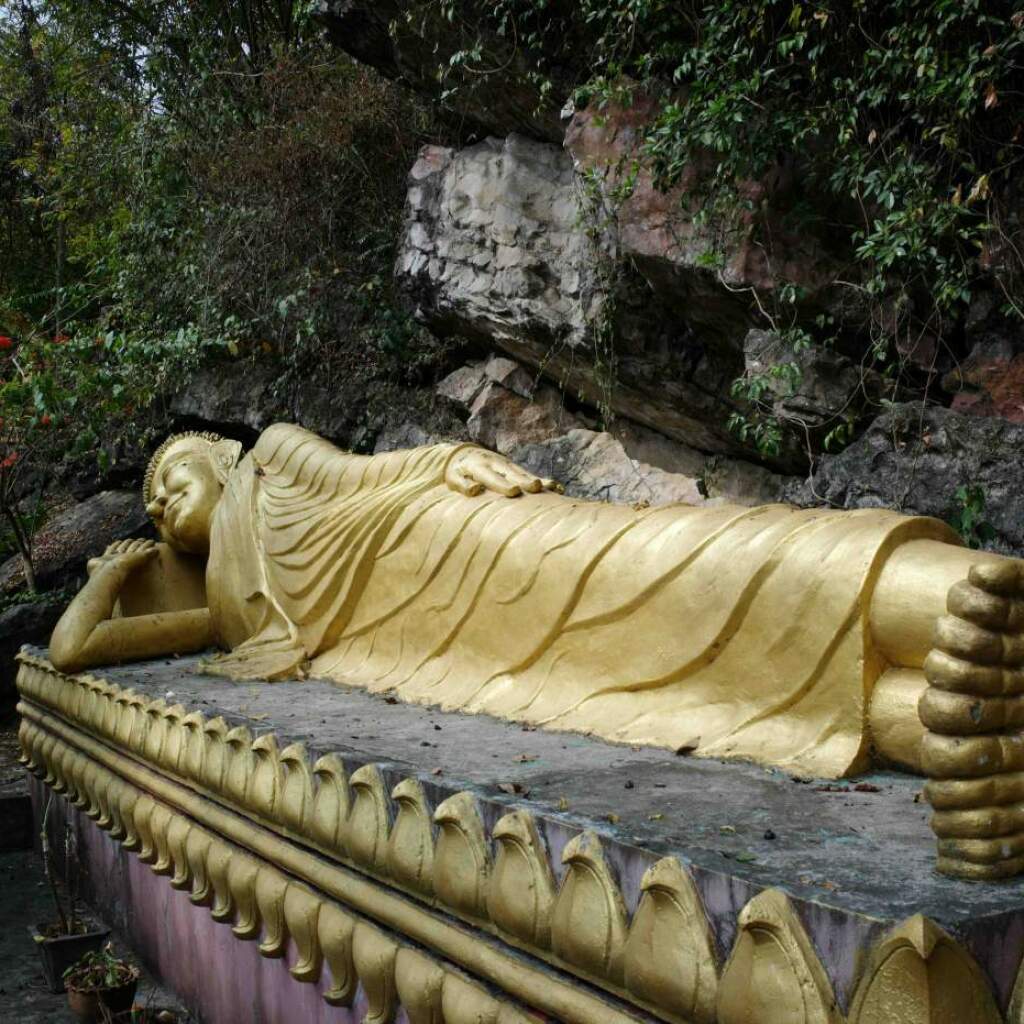
Luang Prabang is a quiet, provincial town and the spiritual capital of Laos. There is little traffic on the streets, and monks in their typical orange robes bustle in all directions, using umbrellas to protect themselves from the sun as they cross the streets. After arriving in Luang Prabang and completing the entry formalities, you will be welcomed by your tour guide. Following this, transfer to the hotel. This first day is at your leisure for relaxed settling in or for initial explorations of the ancient royal city.
Luang Prabang - Kuang Si
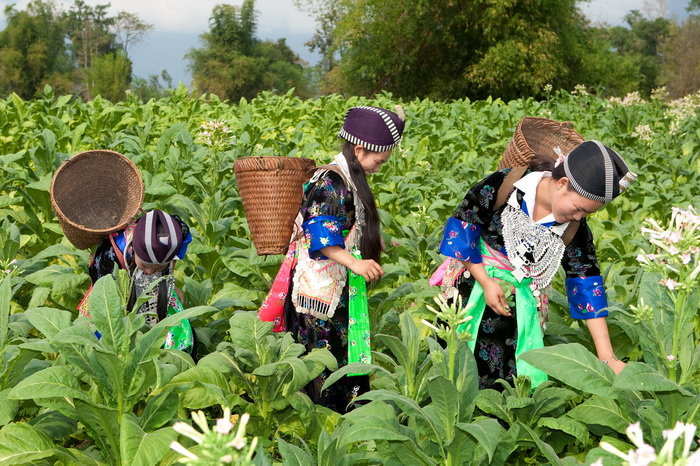
After breakfast, we head to the most photographed temple in the country: Wat Xieng Thong. It is located at the end of the peninsula, near the Mekong, and was built in 1560 by King Setthathirat. A library was added here in 1828. Next, we visit the former Royal Palace, which is now the National Museum of Laos. We continue to Wat Visoun, which was completely rebuilt after its destruction in 1887 by the invading Black Flags from South China. In the courtyard of Wat Visoun stands the Watermelon Stupa. Wat Aham and Wat That, with its large central stupa that contains the ashes of King Sisavang Vong, are additional points of interest we will visit today. In the afternoon, we drive to the roaring waterfalls of Kuangsi, which are 32 kilometers from Luang Prabang. On the way to the falls, we visit some villages of ethnic minorities. The waterfalls cascade over several levels of a limestone formation, creating a series of turquoise shimmering basins that are perfect for a swim on a hot day. The jungle and the dense greenery around the waterfalls are full of wild life, and of course, you can also take a walk to the top of the falls. On the way back, we stop in Ban Tha Pan where you will have the opportunity to learn more about the Kamu tribe. After that, we make a stop in Ban Ou, a Lao Loum village, which constitutes the majority of Laos' population. Finally, we visit Ban Na Ouane, a Hmong village. The Hmong group has its roots in the mountains of South China. They have their own language, but there are no written records about it, except for what outsiders have documented. The Hmong history has been passed down through legends and rituals from one generation to the next. In the 1960s and 70s, many Hmong were secretly recruited by the CIA to fight against communism. After the visit, we return to the hotel. Afterwards, if you wish, you can take a stroll with your guide over the evening market of the mountain dwellers in downtown Luang Prabang.
Boat trip to Pak Ou
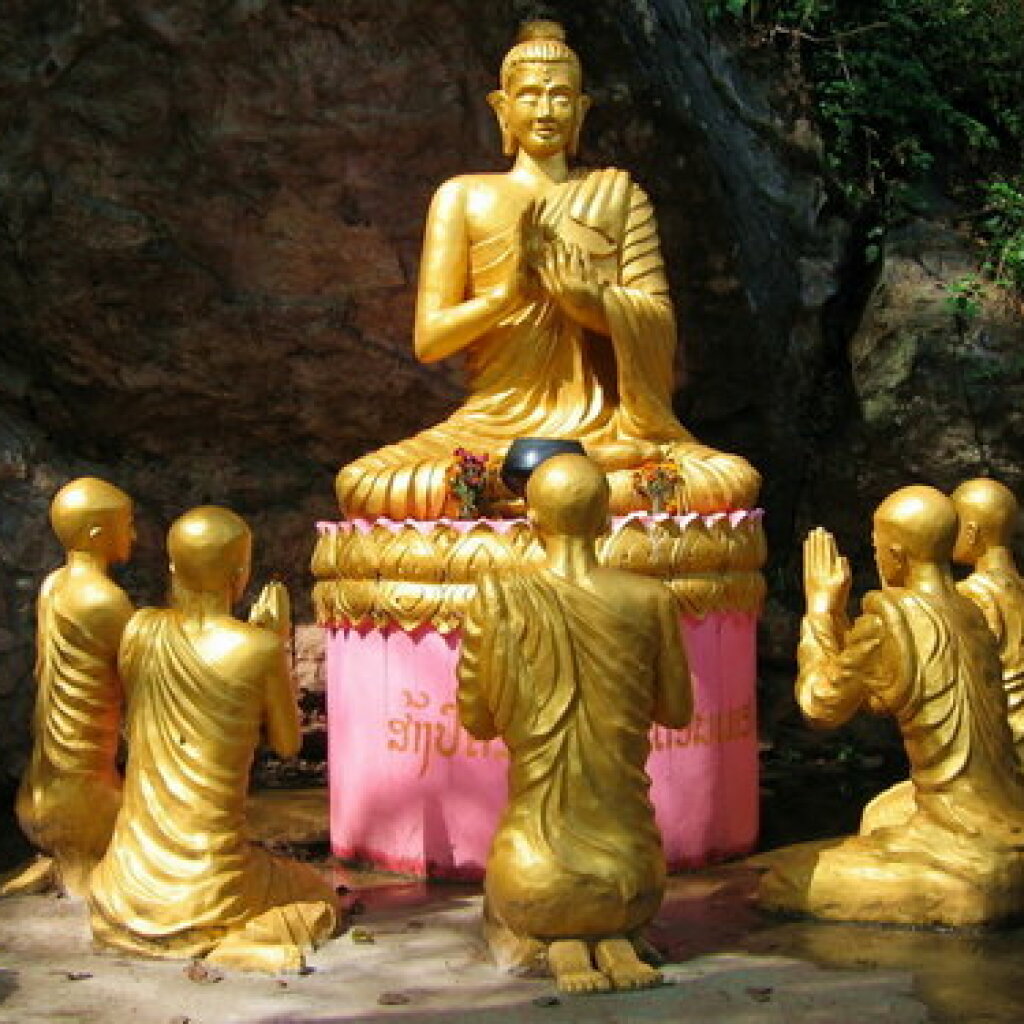
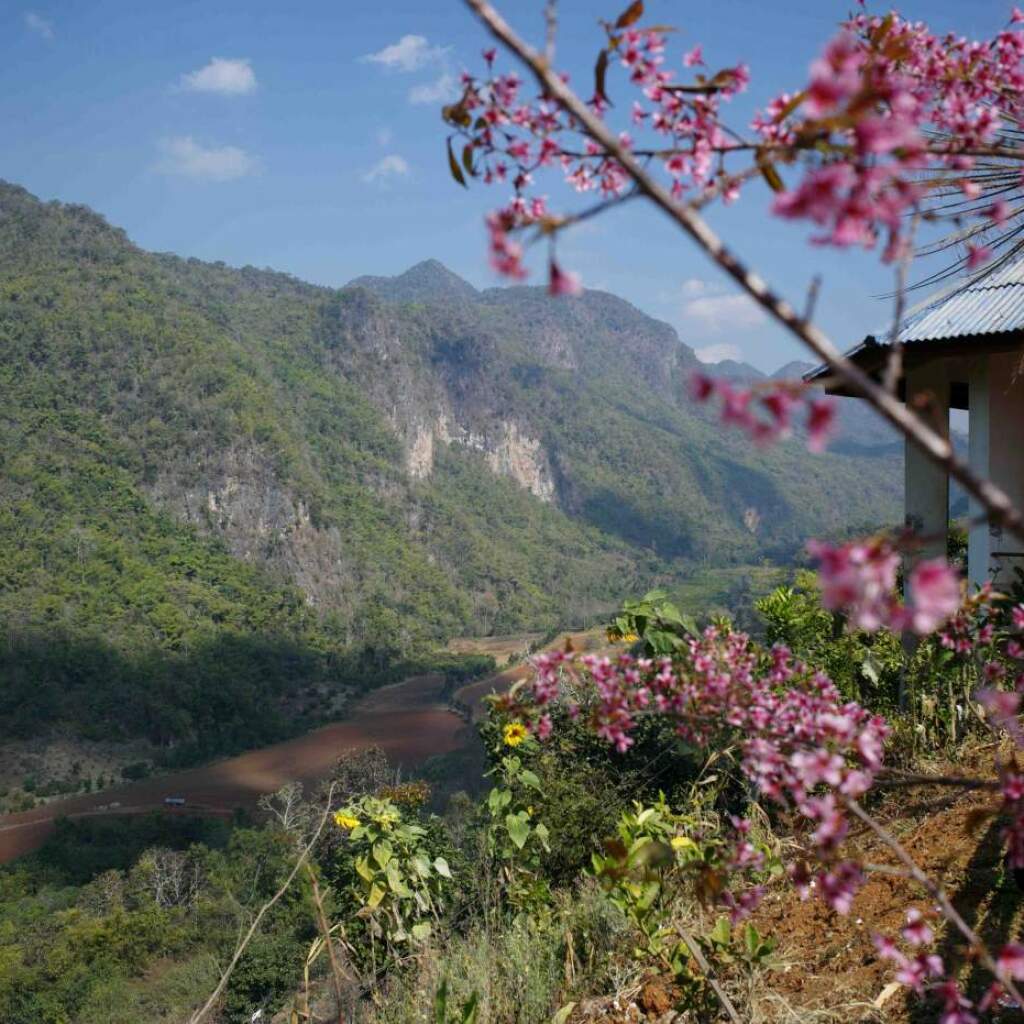
After breakfast, we witness the colorful hustle and bustle at the Phosy market. Afterwards, we board a private longtail boat and embark on a scenic two-hour journey on the Mekong River to the Pak Ou Caves. Inside two of the caves, there are thousands of gold-lacquered Buddha statues carved from limestone. These impressive statues vary in size. Some are only a few centimeters tall, while others are as large as a person! After exploring the caves, we head downstream back to Luang Prabang. Along the way, we stop in Ban Xang Hai, where traditional local rice whiskey, better known as 'Lao Lao,' is produced. Then we drive out to the countryside. 'The Living Land Community Farm' is located about five kilometers outside of Luang Prabang and is a completely organic farm in a beautiful rural setting surrounded by rice fields. The stilted wooden houses of the farm house an interactive museum where you get insight into various aspects of Laotian rural life. On the organic vegetable farm, we will enjoy a guided walk and learn more about making straw baskets, noodle production, and extracting juice from sugarcane. We will experience a farmer's life up close and can try our hand at some everyday activities, such as plowing rice fields with a buffalo. Since we may get dirty during these activities, it is advisable to pack a change of clothes. Foot showers and western standard toilets are available. On today's excursion, you will learn something about the 13 stages of rice production, as rice is the most important crop in Laos. Of course, we will not skip the 14th stage: consumption! At the end of our outing, we will sample various snacks made from rice. Afterwards, we continue to Mount Phousi, where we will climb 328 steps to enjoy a magnificent view of the city and the surrounding countryside. In the evening, we return to our hotel in Luang Prabang.
Flight to Siem Reap
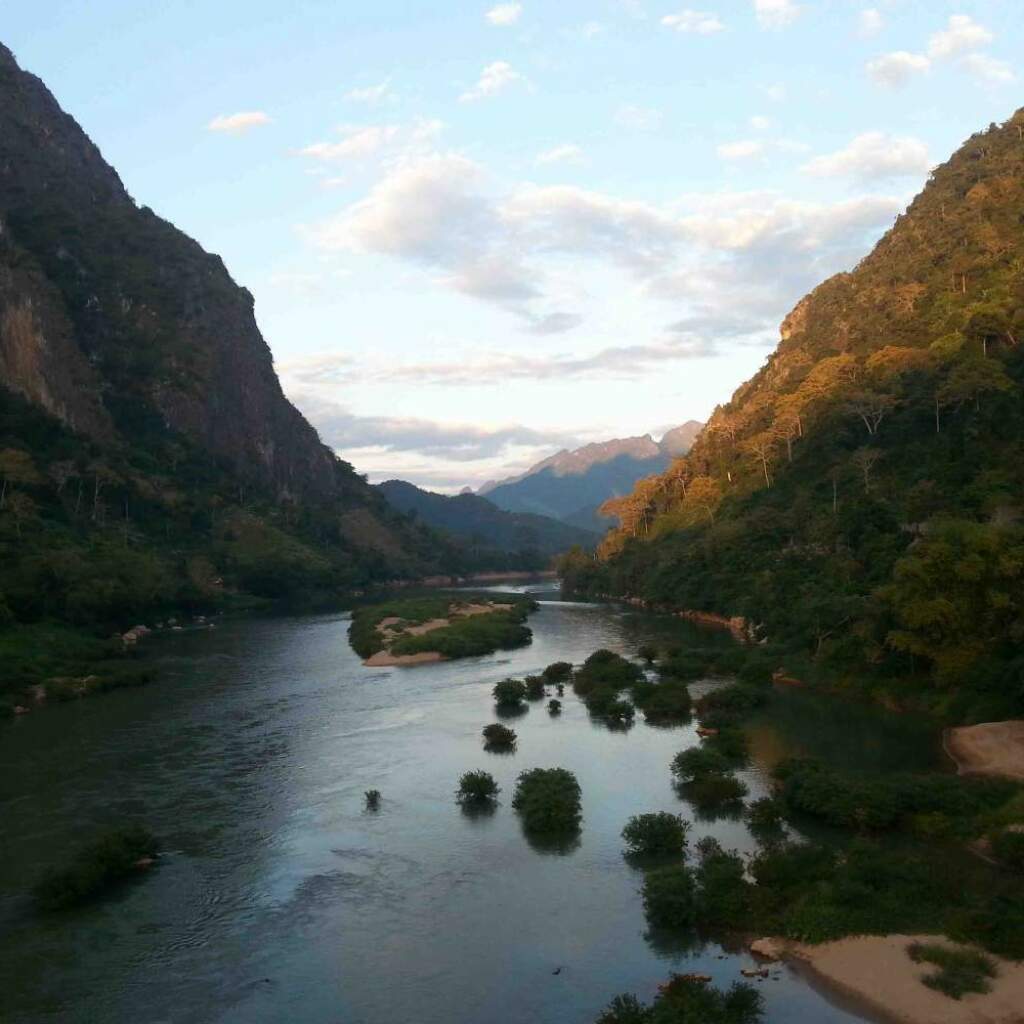
Transfer to the airport and flight to Siem Reap. Upon arriving in Siem Reap, the capital of the province of the same name, you will be taken to the hotel. The small town of Siem Reap will be our base in the coming days to explore the world-famous Angkor Wat temple complex, covering approximately 40 square kilometers and more than 100 temples from the 9th to the 13th centuries. Upon arrival at the hotel, the remainder of the day is at your leisure.
Roluos Group - Banteay Srei - Banteay Samre
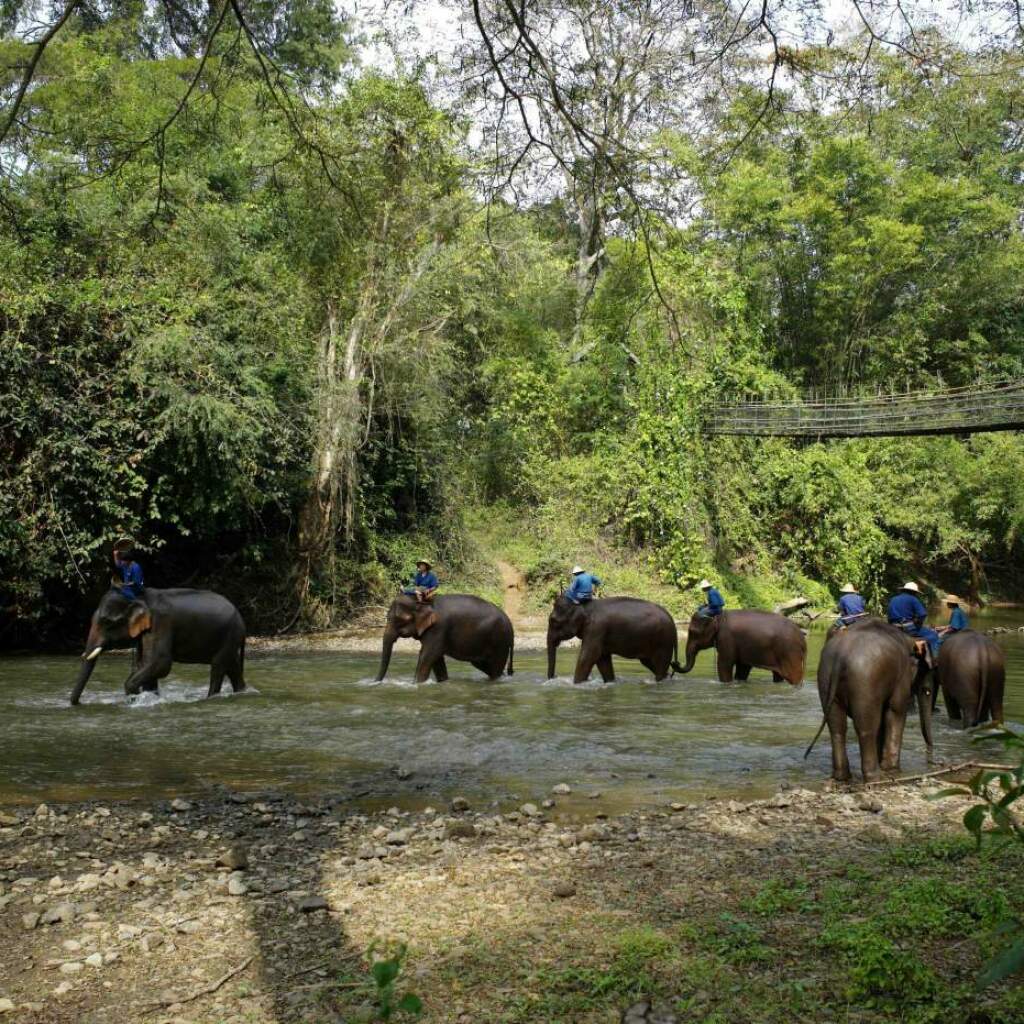
We start the day at the Roluos group. Roluos was the first city built by the Kings of Cambodia. The temples are located about 15 kilometers outside Siem Reap in a beautiful landscape of rice fields, small villages, and forests. The temple of Preah Kô is the first building from 879 AD by King Indravarman I. This temple consists of six brick towers, which are still partly covered with plaster and was dedicated to the earlier King Jayavarman II. The second temple of Roluos is Bakong. This was once the state temple and thus the largest of the city. The temple represents Mount Meru, the home of the gods. If you feel up to it, you can also visit the Lo Lei temple. In the afternoon, we travel by private vehicle to the magnificent temple of Banteay Srei. The 'Citadel of Women' was built between the 11th and 13th centuries. Banteay Srei is the best-preserved temple in Cambodia and houses some of the most beautiful examples of classical Khmer architecture as well as remarkable, delicate stone carvings depicting the Hindu god Shiva. Banteay Srei is unique, as the temple is built from red sandstone that is not found elsewhere in Angkor. On the way back to Siem Reap, we pass the Banteay Samre temple.
Angkor Thom & Angkor Wat
After breakfast, another highlight awaits us. We drive to the ancient city of Angkor Thom, the last capital of the great Khmer Empire under the reign of Jayavarman VII. The city is surrounded by an eight-meter-high wall forming a perfect square. We enter the city through the impressive South Gate, a stone gate carved with four giant faces and elephants. Each side has 54 gods or demons holding the sacred Naga serpent. From here, we proceed to the Bayon temple, which lies right in the center of the city. A feature of this monument is the 54 towers with four faces each, representing the 54 provinces of the great Khmer Empire. Additionally, we visit the Terrace of the Elephants and the Leper King, both known for their intricate bas-reliefs. In the afternoon, we begin our exploration with a very special highlight: visiting Angkor Wat. Built in the early 12th century under Suryavarman II, Angkor Wat is meant to represent the peaks of Mount Meru, the home of the gods. A masterpiece of Khmer architecture and arguably the most fantastic temple complex in the world with incredible dimensions. Inside the temple, you can admire beautifully crafted walls and carvings that depict episodes of Hindu mythology. Furthermore, Angkor is known for its nearly 2000 carved Apsaras ('heavenly dancers') that can be seen throughout the temple, with none alike. Today, Angkor Wat adorns the Cambodian national flag, symbolizing the soul of the Khmer people. At the Pre Rup temple, beautifully situated amidst rice fields, we experience the sunset. Afterwards, we return to our hotel in Siem Reap.
Jungle Temple Ta Prohm - Floating Villages
In the morning, we visit the temples of the 'Small Circuit': the royal bathing pool Srah Srang, the monastery Banteay Kdei, the pyramid of Ta Keo, the towers of Prasat Kravan, Chau Say Tevoda, and Tommanon, as well as the famous Ta Prohm. Ta Prohm is unique because the temple has largely been left as it was found: many parts of the temple have crumbled and are overgrown with jungle trees and vines. This makes Ta Prohm one of the most picturesque and unforgettable Angkor temples. In the afternoon, we take a boat tour on Tonle Sap Lake. The boat takes us to the floating village of Chung Khneas. During the one-hour journey, we pass floating houses and impressive flooded forests and will get an impression of life on the water. Before we return to Siem Reap, we enjoy the view of the huge Tonle Sap Lake.
Questions about the tour itinerary?
Our tour guide is happy to answer any questions about the day-by-day route, stops, and details.
Siem Reap - Phnom Penh
The morning is at your leisure. Our tip: You might visit the old market or the handicrafts center of les Artisans d'Angkor. Here you get the chance to watch artists produce wood carvings and stone sculptures and also buy some souvenirs. Around noon, you will be taken to the airport in Siem Reap, from where we fly to Phnom Penh. From there, transfer to the hotel. Upon arrival, you again have time at your leisure.
Phnom Penh
In the morning, we start our city tour with a visit to Wat Phnom, an artificial hill on which a pagoda stands. The legend says the city was named after a lady named Mrs. Penh, who found Buddha statues in the river. To celebrate this, she built this pagoda. Today, it is a place where locals take an elephant ride or simply voice some good wishes by releasing birds. Afterwards, we head to the Royal Palace. This palace dates back to 1866 and is the last palace built during the French colonial period. The same complex houses the Silver Pagoda, named after the more than 5,000 heavy silver tiles that adorn the floor. Its original name is Wat Prakeo, which means 'Temple of the Emerald Buddha.' In this temple, we see a collection of Buddhas made of gold, silver, crystal, and bronze. Then we proceed to the National Museum, designed by George Groslier and the Ecole des Arts Cambodgiens. The museum houses the world-renowned collection of ancient archaeological, religious, and artistic artifacts from the 4th to the 13th centuries. Over 5,000 exhibits showcase the cultural richness of the kingdom. Moreover, the roof houses a bat colony! In the late afternoon, we board a typical riverboat and embark on a one-hour cruise on the Tonle Sap and Mekong rivers. We enjoy the view of the sunset, which bathes Phnom Penh in the most beautiful evening light. Slowly, the cafes, restaurants, and food stalls along the popular riverside come to life.
Phnom Penh - Sihanouk Ville
After breakfast, you will travel without a guide to Sihanoukville.
Sihanouk Ville
After breakfast at the hotel, you have the day at your leisure. No further services included!
Sihanouk Ville
After breakfast at the hotel, you have the day at your leisure. No further services included!
Sihanouk Ville
After breakfast at the hotel, you have the day at your leisure. No further services included!
Sihanouk Ville - Phnom Penh - Return flight
The morning is at your leisure. In the early afternoon, transfer to the airport in Phnom Penh (we drive for about five hours) and from there, return flight to Europe.
Want a detailed description of all tour days?
Our expert will walk you through the full itinerary and answer all your questions.
PRICE
from
€ 1,439
/ person
Additional Options
Surcharge for single room
€ 619
Trip includes
- Overnight stay in a hotel in a double room including breakfast
- Multilingual tour guide (locally changing). No tour guide on free days
- Transfers in private air-conditioned vehicles
- Sightseeing according to the program including entrance fees
- Boat trips according to the program
- Drinking water and refreshment towels during the program
- Official check-in time for the hotels: 14:00; Check-out: 12:00
FAQS
-
You will visit impressive sights such as the temple complexes of Angkor, the spiritual city of Luang Prabang, the Pak Ou Caves, and the Royal Palace in Phnom Penh. Additionally, you can explore natural wonders like the Kuang Si Waterfalls and floating villages on Lake Tonle Sap.
-
Group size varies, but is generally between 8 and 16 people, ensuring a pleasant travel atmosphere.
-
Yes, however, you should be fit as many visits involve walking and climbing stairs.
-
Yes, both Laos and Cambodia require a visa. We are happy to assist you with the application process.
-
Standard vaccinations are recommended as well as vaccinations against Hepatitis A/B, typhoid, and possibly rabies or malaria prophylaxis. Please consult your doctor.
-
The climate is tropical warm with high humidity. The best travel time is between November and March when it is dry and pleasantly warm.
-
In Laos: Laotian Kip (LAK), in Cambodia: Cambodian Riel (KHR). In tourist areas, US dollars are often accepted.
OVERCROSS note on itinerary
The above travel description is a non-binding online proposal and does not represent a binding travel itinerary. We expressly reserve the right to make changes to the route, schedule, and accommodations (§ 651d BGB in conjunction with Art. 250 EGBGB). The terms and conditions of OVERCROSS apply.Terms and Conditions of OVERCROSS
Similar Adventures
round-trips
6 tours
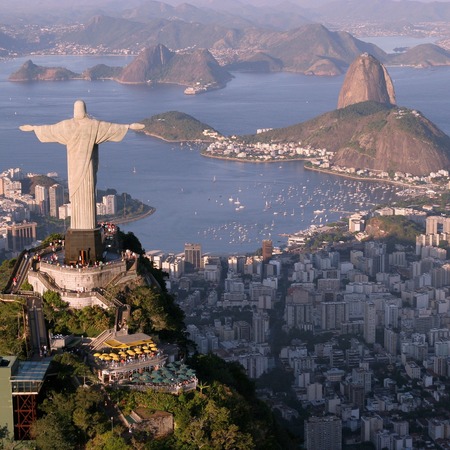
Brazil
Round trips
Luxury trip Brazil deluxe through South America
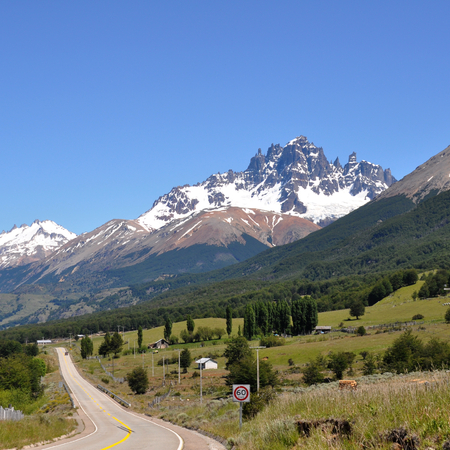
Argentina
Round trips
Patagonia Adventure: Chile and Argentina!

Peru
Round trips
Nevado Alpamayo & Pisco Mountaineering Expedition
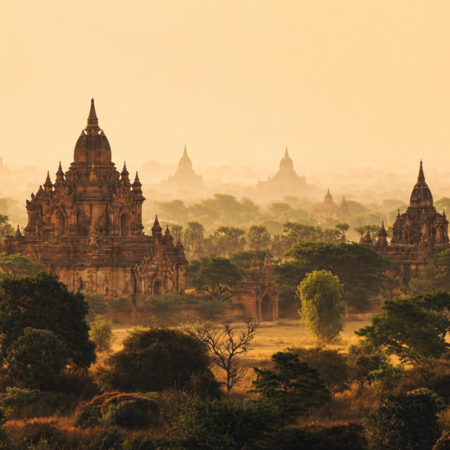
Myanmar
Round trips
Myanmar round trip: Yangon, Bagan & Inle Lake
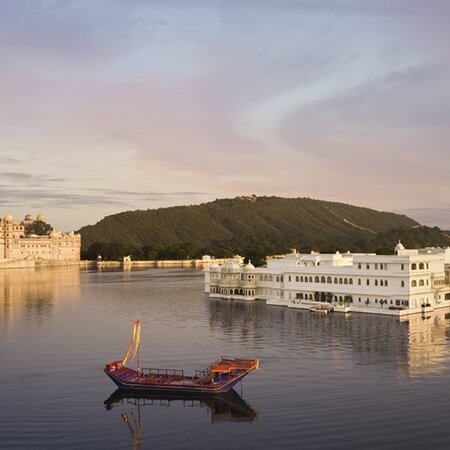
Asia
Round trips
Luxury Experience Tour India: Delhi - Agra - Jaipur
Vietnam
Round trips
Adventure trip Vietnam: Hanoi, Halong, Hoi An & Mekong
×
Send request
How did you
hear about us?