At a glance Contents
Africa Is Not a Road Trip. It's a Mindset.
You can't plan Africa like an Alpine loop. The road ends. The tank runs dry exactly when you least expect a gas station. And the best things happen the moment you've stopped expecting anything.
That sounds romantic. It is romantic. But first it's exhausting, hot, and sometimes frustrating. Those who can deal with that will experience a journey that stays with them for a long time.
Kenya, Uganda, Tanzania, Morocco — each country has a different face. What they share: they take the wheel out of your hands the moment you cross the border.

The Terrain: Laterite, Sand, and Scorching Asphalt
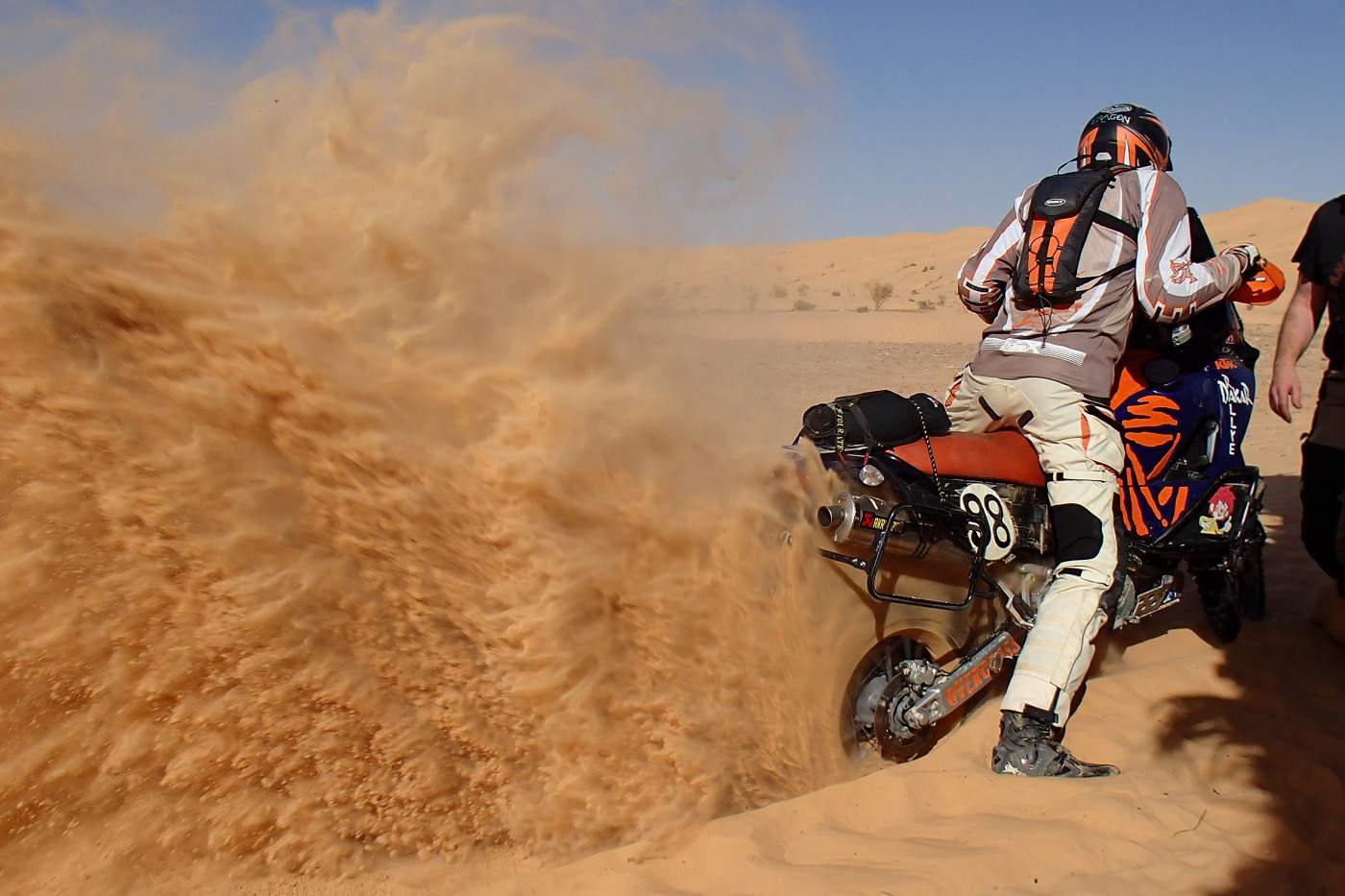
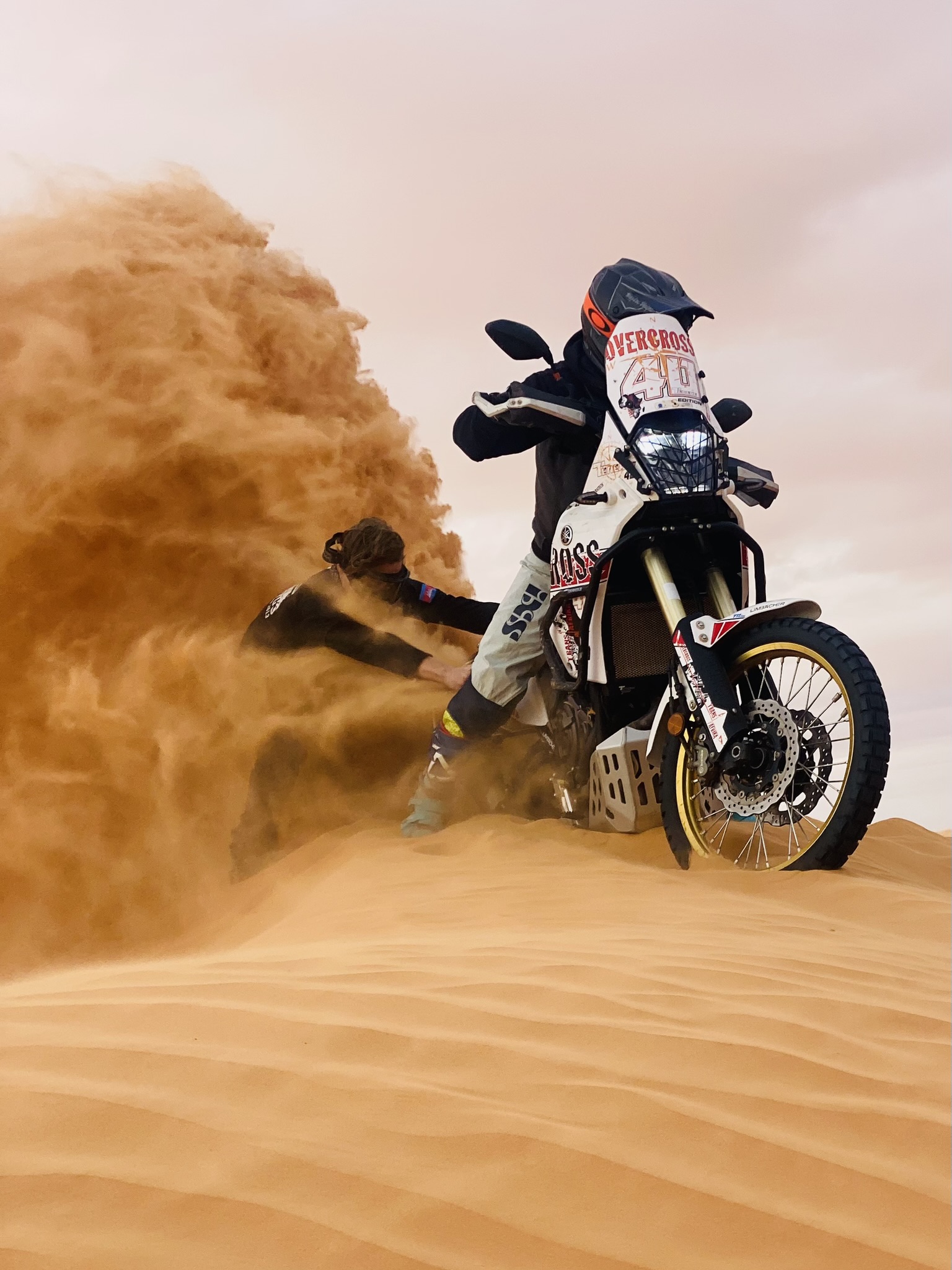
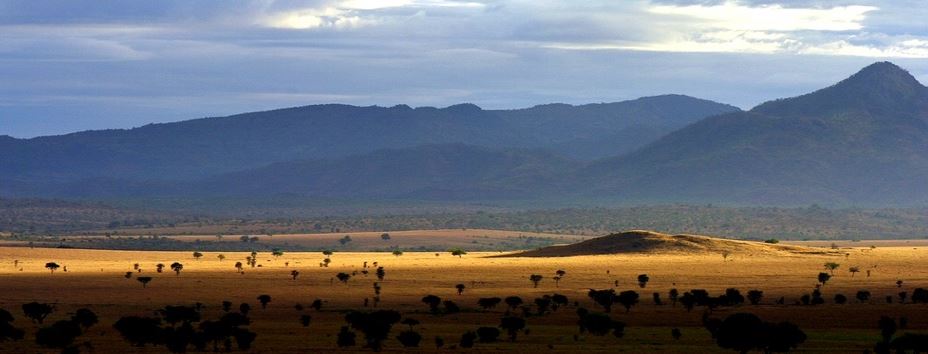
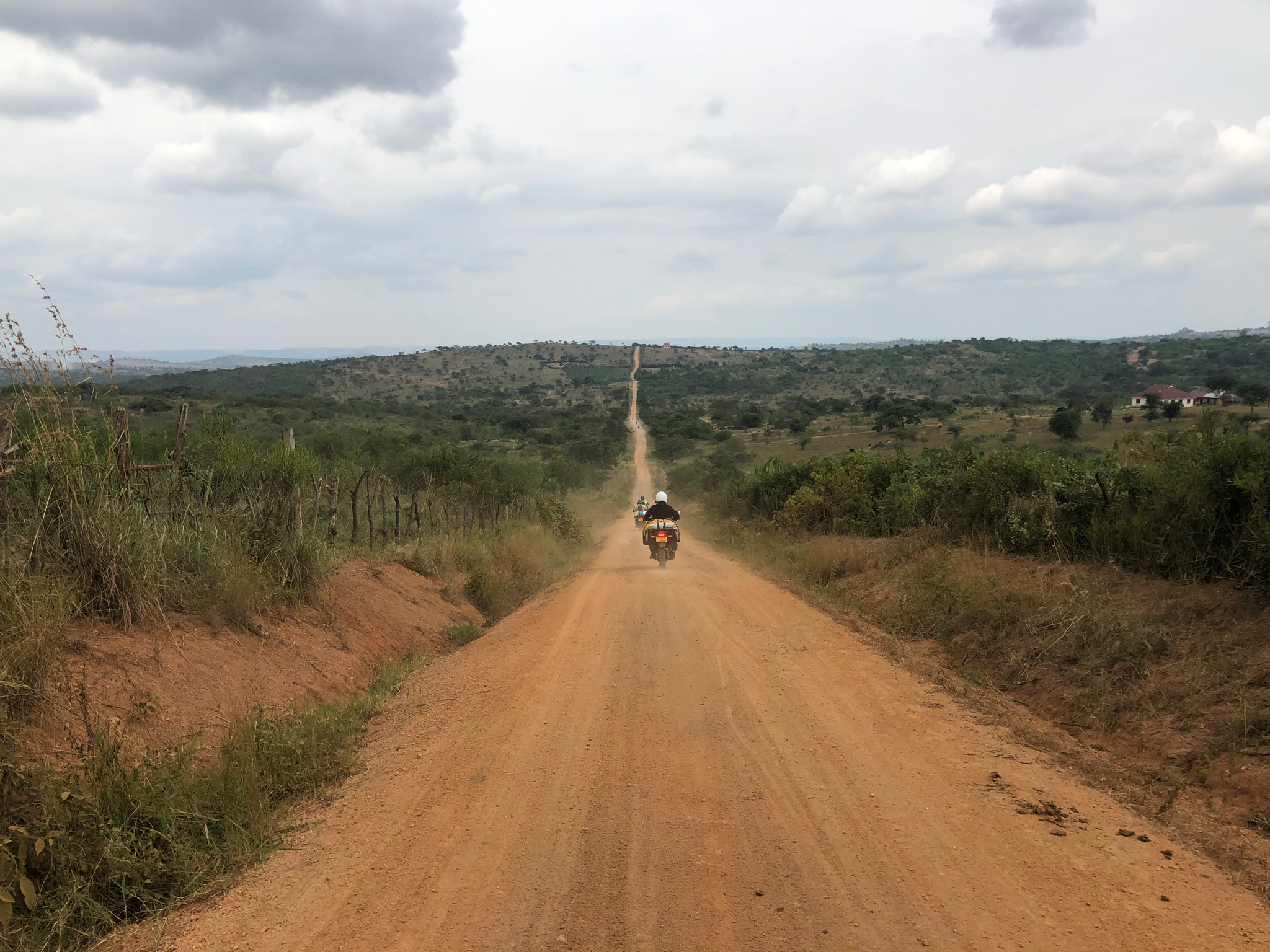
In East Africa you ride on red clay soil. It's called laterite, and it has one unpleasant property: in rain it becomes slippery as soap. In the dry season it kicks up so much dust that your air filter clogs after two hours.
Between Kenya and Tanzania there are stretches of real asphalt. And then there are sections where asphalt was theoretically planned. Theoretically. The GPS shows a road. You only see bush.
Those who know the motorcycle journey through East Africa know: the first week breaks down everything you learned at home. The second week makes you a better rider.
Reduce tire pressure in sand and clay — not drastically, ten percent is enough. The bike sits immediately more stable. Remember that.
Technical: What Really Fails on Long Africa Stages
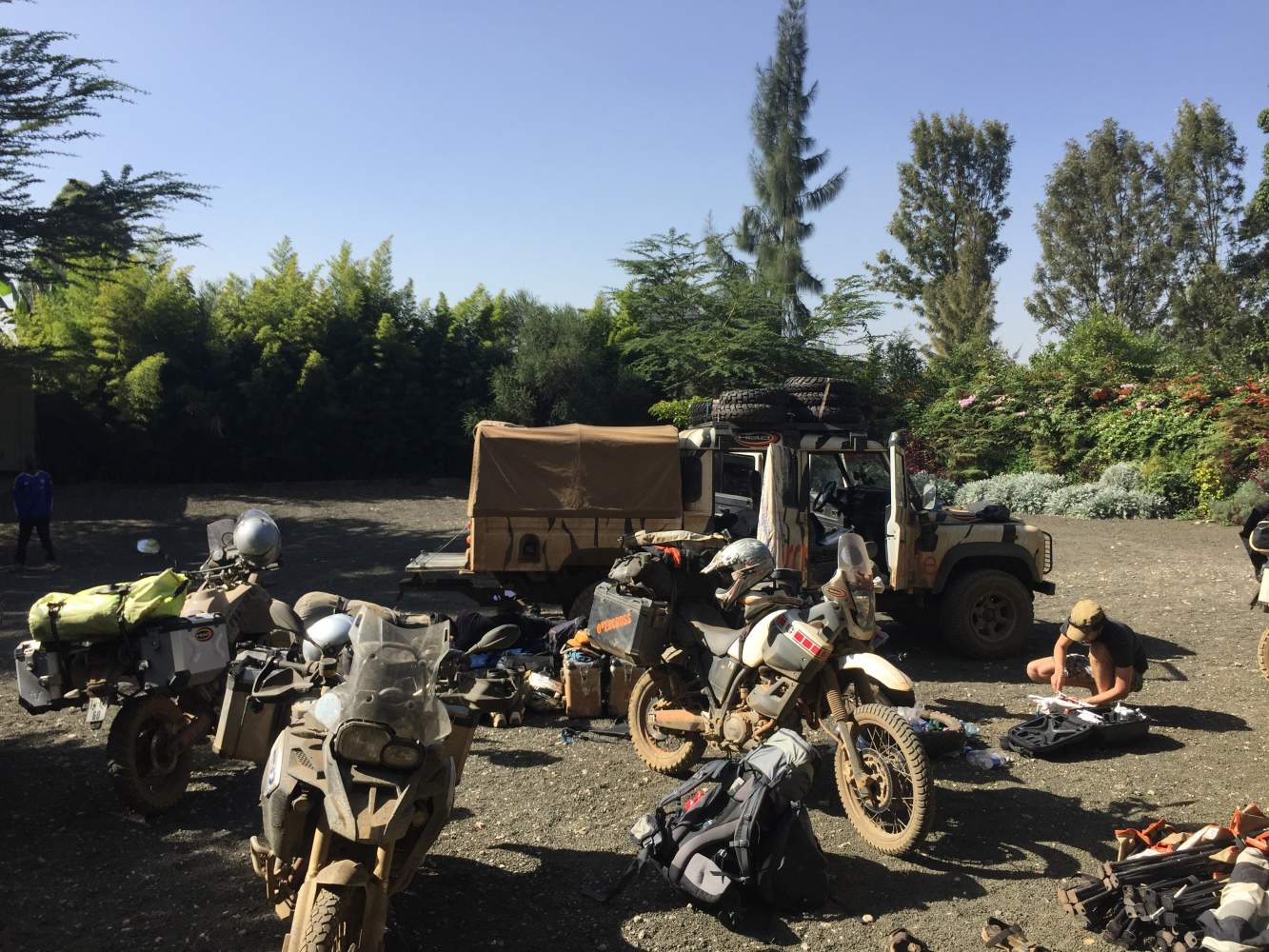
Air filter. Chain. Carburetor or injection system in dust. Those are the three most common issues. Not the engine, not the brakes — the dirt.
Daily cleaning is not perfectionism. It's survival. A clogged air filter costs you power at 3,000 meters altitude on the Kilimanjaro plateau. You'll feel it immediately.
What you should carry: two spare air filters or a foam filter set for washing. Half a liter of chain oil. A plug repair kit. A simple multi-purpose wrench. And a cable tie supply large enough to redo an entire fairing.
The People: The Real Reason You Go
It sounds clichéd, but it's true: the people are the reason. Not the landscape. Not the adventure. The people.
In Uganda someone stops at the roadside and asks if you need water. Without wanting anything. Just like that. In Rwanda your motorcycle is surrounded by schoolchildren who have never seen one, and you spend half an hour answering questions you can't explain with words — only with gestures and laughter.
Take time for that. The 200 kilometers for today will still be there tomorrow. This encounter won't.
Safety: A Sober Assessment
Africa is more dangerous than Austria. True. And Europe is more dangerous than Japan. Context helps.
In East Africa the biggest risks are: bad roads (potholes, no guardrails), surprises from the bush (animals on the track), and riding while overtired. Not crime. Not terrorism. Roads and fatigue.
Never ride after dark. That's not a recommendation. That's a rule. After nightfall the roads belong to trucks without lights, goats, and chance.
First aid kit, satellite communication (an InReach Mini weighs 100 grams), insurance with repatriation coverage — that's the sensible basic setup.
When to Go Where: Africa's Seasons on a Motorcycle
East Africa (Kenya, Uganda, Tanzania) rides best from June to October. The short dry season. No rain on the laterite. Temperatures between 20 and 30 degrees — pleasant, not exhausting.
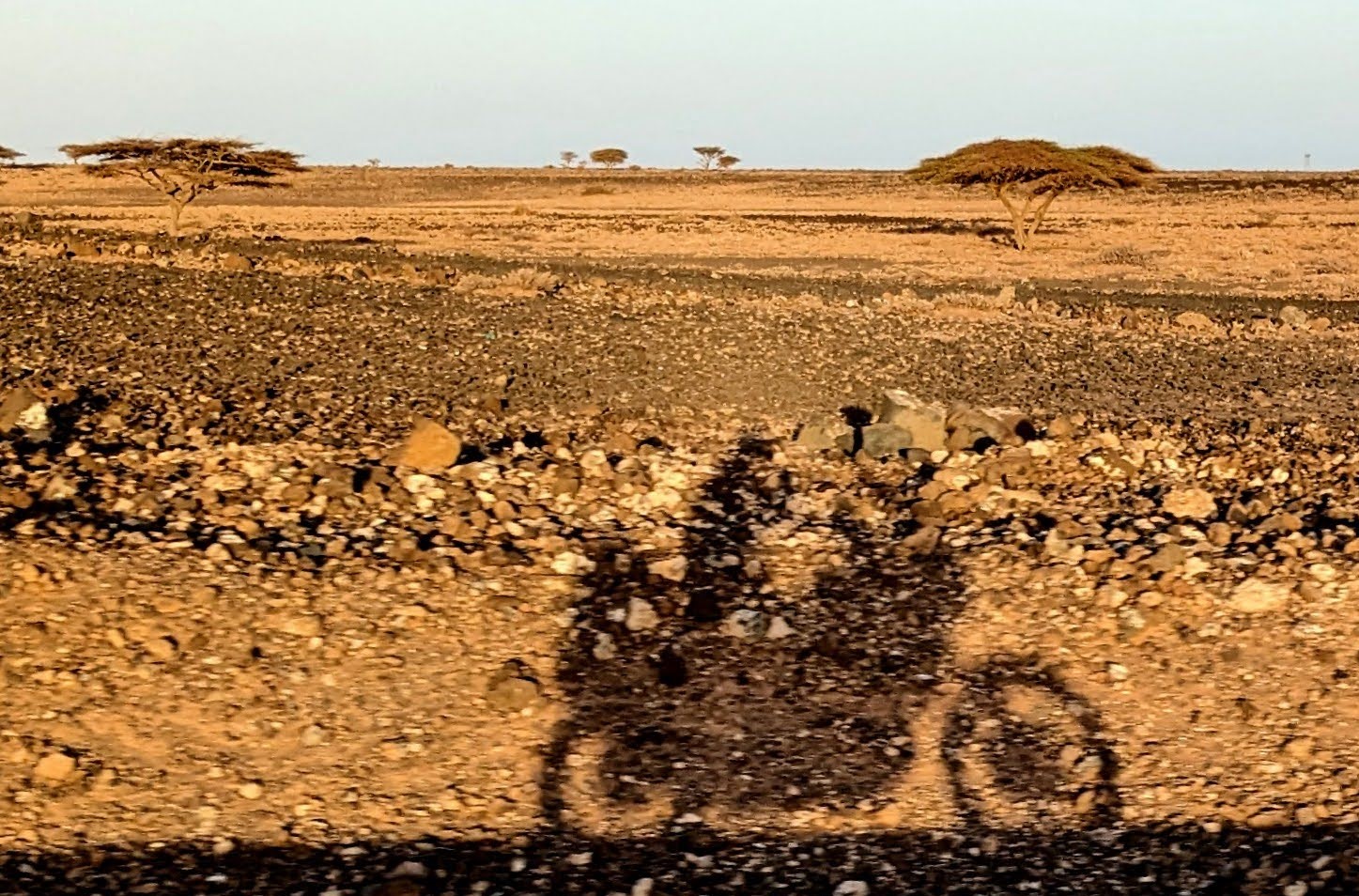
North Africa (Morocco, Tunisia) has a different rhythm. October to March is the time. Then the passes in the Atlas are still passable, the Sahara not yet unbearably hot.
South Africa can be ridden almost year-round. The Trans-Africa Expedition — 55 days, from north to the southernmost tip — shows just how different one continent can be.
Take your time. Africa punishes haste.