

Weitere Touren
Alle anzeigen
Adventure travel in the Balkans: Nature & culture away from the crowds
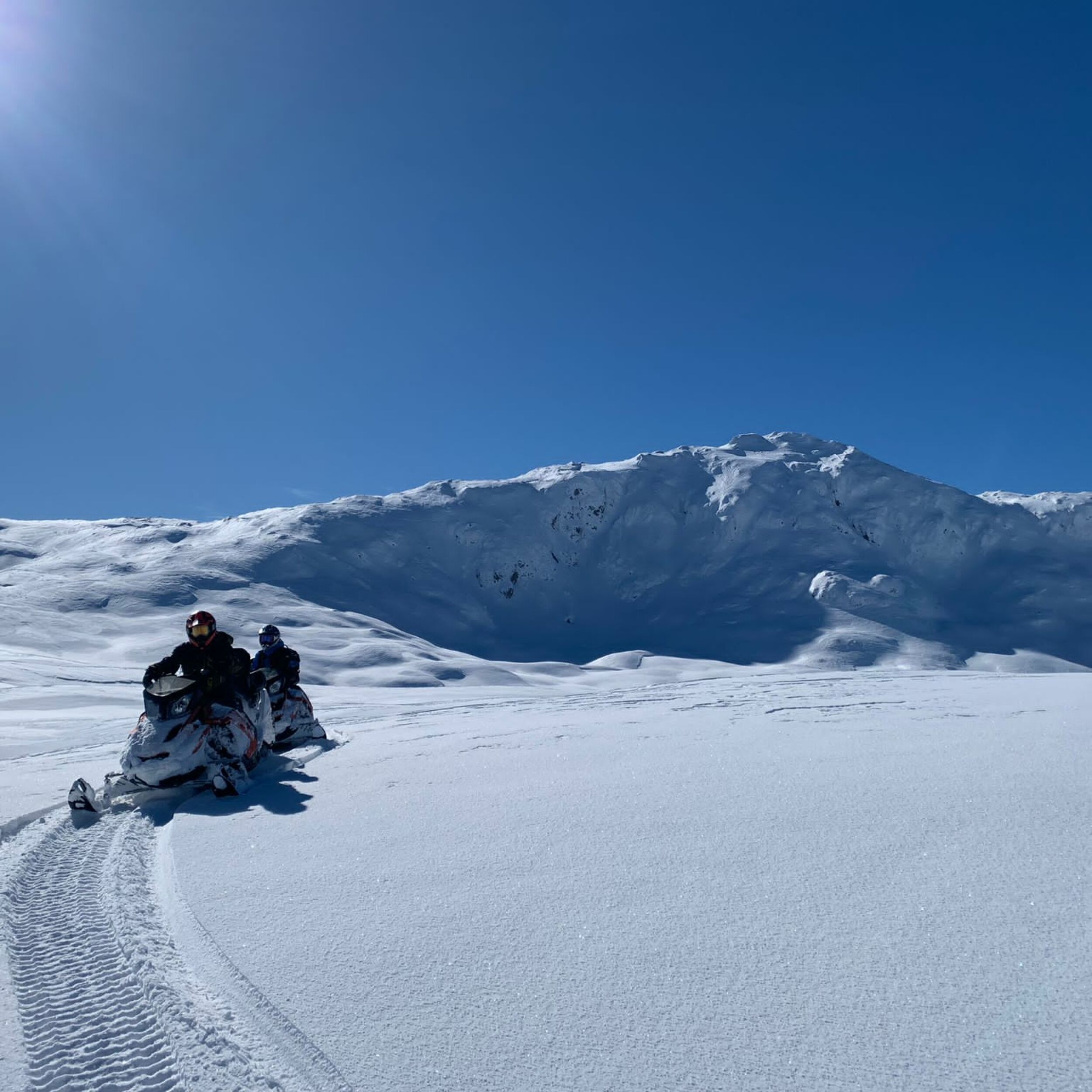
Discover the Balkans – a charming region of Southeast Europe that offers adventurous experiences away from the tourist crowds. With OVERCROSS®, you dive deep into the fascinating nature and culture. From the impressive bridge in Mostar to exciting white-water rafting in the Tara Gorge to unforgettable winter tours in Montenegro, the untouched beauty of the Sinjajevina Mountains awaits you. Our over 25 years of experience, small groups, and local guides ensure authentic experiences that will make your trip unforgettable.