OFF-ROAD-TOURS · AFRICA
Trans Africa Tours: 4x4 Expedition to South Africa
4x4 Off- and Onroad expedition from Europe to South Africa, through the High Atlas, through the Sahara, along the Ivory Coast and through the "Green Hell" to the Cape of Good Hope.
The Journey
55-Day 4x4 Trans Africa Expedition Go WEST
Start of the 4x4 Trans-Africa Adventure Expedition
1 First meeting at tour operator OVERCROSS in Tübingen .
2 Alternative meeting point: at the Strait of Gibraltar.
4x4 Trans Africa - approximately 16,000 kilometers of pure adventure spirit
- START: Germany
- France
- Spain
- Morocco
- Western Sahara
- Mauritania
- Senegal
- Guinea
- Ivory Coast
- Ghana
- Togo
- Benin
- Nigeria
- Cameroon
- Congo
- Democratic Republic of the Congo
- Angola
- Namibia
- DESTINATION: South Africa
Description of Services - TransAfrica Expedition - IMPORTANT!
This journey is an expedition, not a package tour in the legal sense.
Overcross organizes and conducts the expedition - with the goal of showing experienced adventurers the continent in all its reality: rugged, unpredictable, real.
Important Note:
This journey does not involve a tourist-standardized service, but rather an expedition with unpredictable external influences (weather, political situation, technical defects, road conditions, etc.).
Overcross takes care of the organization, preparation, and execution, but does not provide guarantees for specific daily stages, accommodations, or routes. Changes are part of the expedition character and may become necessary at any time.
Character of the Expedition:
This journey is aimed at participants with a spirit of adventure, personal responsibility, and the ability to improvise.
It is not a package tour in the sense of the EU Package Travel Directive, but rather a collectively conducted expedition with expedition leadership and logistical framework.
Organizational Services of Overcross:
Planning and coordination of the expedition
Provision of experienced expedition leadership / guide team
Organization of transport and supply logistics
Administrative support with visas, border crossings, and vehicle documentation
Safety and route planning based on current information
Liability and Personal Responsibility:
Participation is at your own risk. Each participant is responsible for themselves, their vehicle, and their equipment. Participation requires technical preparation, physical resilience, and adaptability.
Important Safety Notice:
We explicitly point out that there may be risks and dangers in all visited countries.
We strongly recommend that you inform yourself about the current travel and safety advisories from the Federal Foreign Office before traveling:
https://www.auswaertiges-amt.de/de/ReiseUndSicherheit
Key Highlights of the Trip
Key Highlights of the Trip
Trans-Africa Expedition through Germany & Spain
The Trans Africa Expedition starts on December 26 at 5 a.m. at Overcross in Tübingen. We roll to Gibraltar via Lyon, Barcelona, and Málaga. After about 2500 kilometers, there’s breakfast at the Rock in 'England', toast included. Then there are only 10 kilometers left to the ferry to Africa.
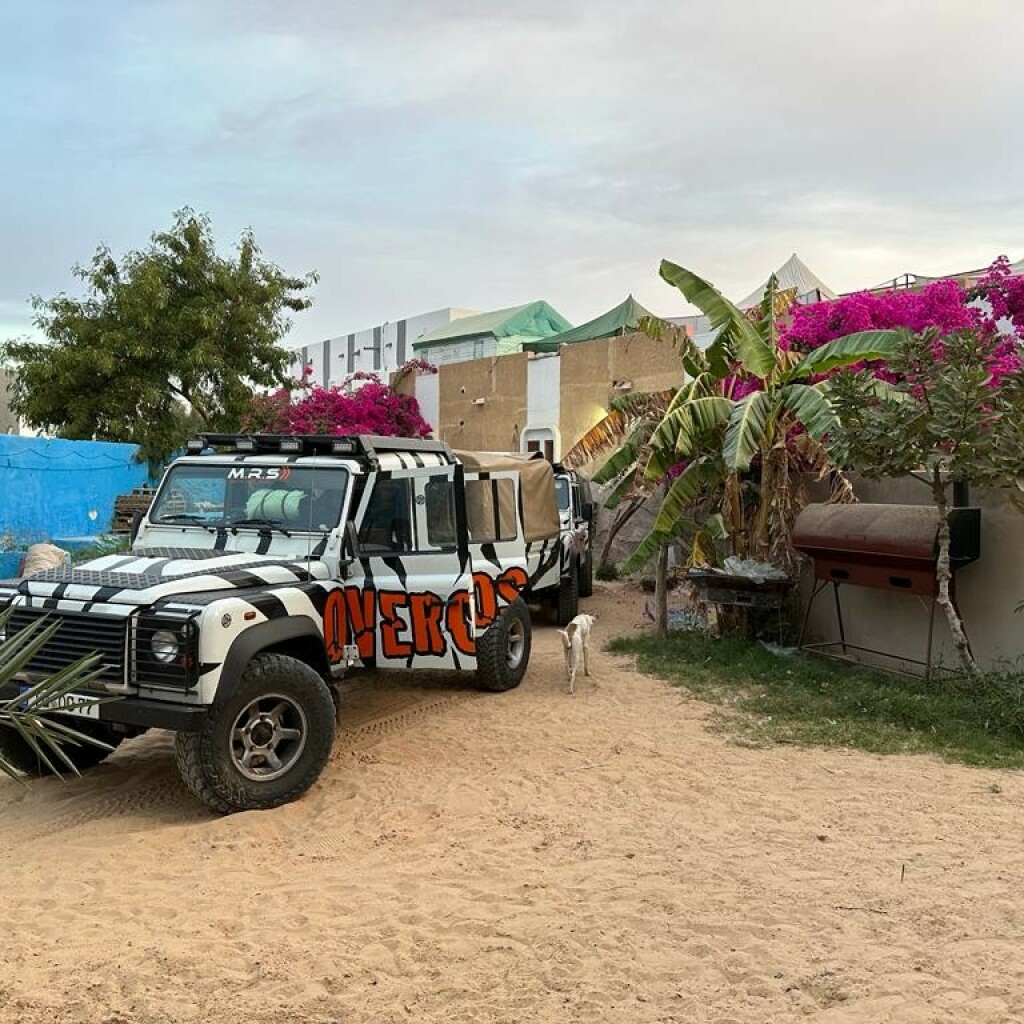
The 4x4 expedition across Morocco
After the crossing, we drive through the green northwest region known as the vegetable pantry. In Marrakech, there's a full day for the old town, souks, and tanneries. At the Djemaa el Fna, we let ourselves be carried away among dancers and spices. The next day we go over the Tizi n Test Pass into the Atlas Mountains. Further south, we follow old Dakar tracks. Overnight stay in a kasbah in the middle of the desert sand with a starry sky instead of Netflix.
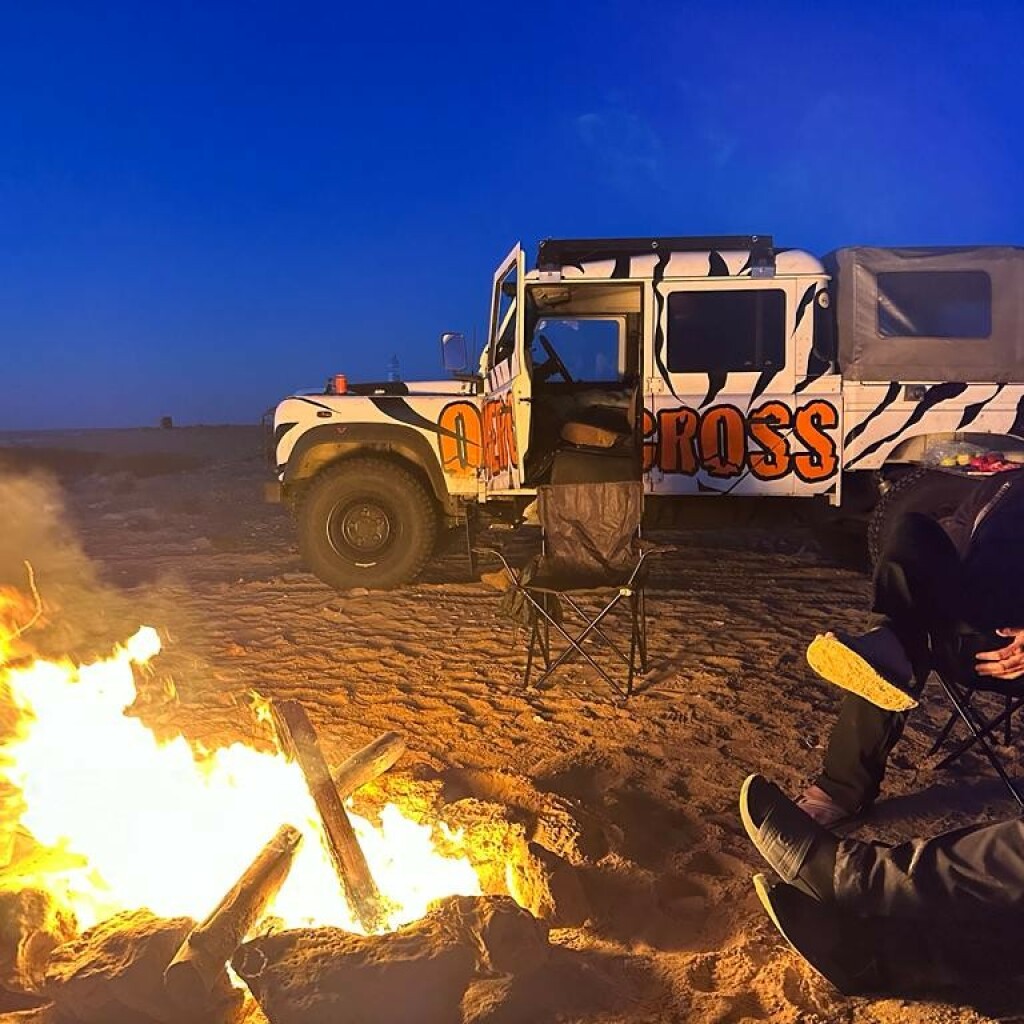
The 4x4 expedition crosses the Western Sahara
The expedition route runs along the rugged Atlantic coast. We pass Tan-Tan and reach the resource-rich area of Western Sahara in the Guelmin Qued Noun Region. Western Sahara is a legally disputed area that was annexed by Morocco after Spain's withdrawal in 1975; since 1991, there has been a ceasefire between the Polisario and Morocco. The Sahrawi population has been fighting for independence as the Democratic Arab Republic of Sahara ever since. We reach El Aaiún, the largest city in Western Sahara, with around 218,000 inhabitants. We continue through an impressive mix of sandy plains and rocky desert landscapes, on kilometers of straight roads - a taste of what lies ahead.
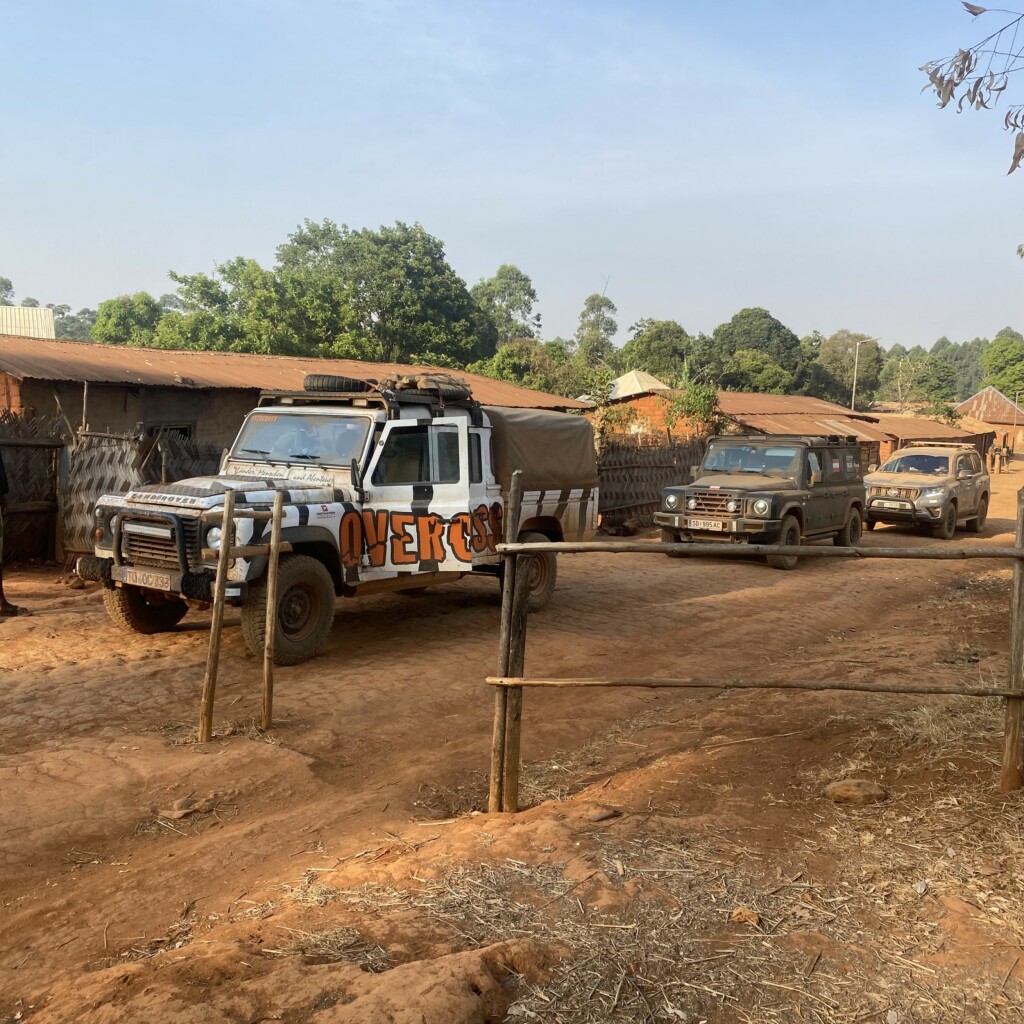
TransAfrica Expedition through Mauritania
Next, we head south to Dakar, the namesake city of the probably most legendary rally in the world. We cross the border into Senegal on a small river ferry that hopefully won't sink during our crossing, and pass the charming colonial town of Saint-Louis, where the Senegal River flows into the Atlantic. Now we find ourselves in the Sahel zone - a transition region between the Sahara to the north and the dry savannah to the south, and we will be able to enjoy the most delicious dinner under palm trees at a cool camp by the sea ;-) Dakar, legendary because of the Paris-Dakar Rally, which first started in 1979 and led for decades across Europe and North Africa, with the final goal at the beach of Dakar, not far from Lac Rose, where the salty water shimmers pink in the evening sun and we raise our glasses to our stage destination. A mix of perfectly constructed highway out of Dakar into the expanse of the Sahel zone and suffocating dusty tracks takes our off-road expedition under the "studded tires" through open savannah landscapes today. Starting from Koungheul, the route leads inland through dense forests and wide grasslands. The route becomes increasingly challenging and exciting; we are entering "real Africa." A cultural highlight of the expedition in Senegal is the Great Mosque of Touba, which is considered the largest mosque in Senegal and is the spiritual center of the Mouride Brotherhood, a place of impressive architectural power and religious significance.
Trans Africa expedition following in the footsteps of the Paris Dakar rally
We continue south towards Dakar, the namesake city of the probably legendary rally of the world. We cross the border into Senegal on a small river ferry that hopefully won't sink during our crossing, and pass the charming colonial city of Saint-Louis, where the Senegal River flows into the Atlantic Ocean. Now we are in the Sahel zone - a transition area between the Sahara in the north and the dry savannah in the south, and we will be able to enjoy the tastiest dinner under palm trees at a cool camp by the sea ;-) Dakar, legendary due to the Paris Dakar rally, which first started in 1979 and for decades led across Europe and North Africa, with the final finish line on the beach of Dakar, not far from Lac Rose, where the salty water shimmers pink in the evening sun and we raise our glasses to our stage destination. A mix of perfectly built highways out of Dakar into the vastness of the Sahel zone and choking dusty tracks takes our off-road vehicle expedition through open savannah landscapes today.
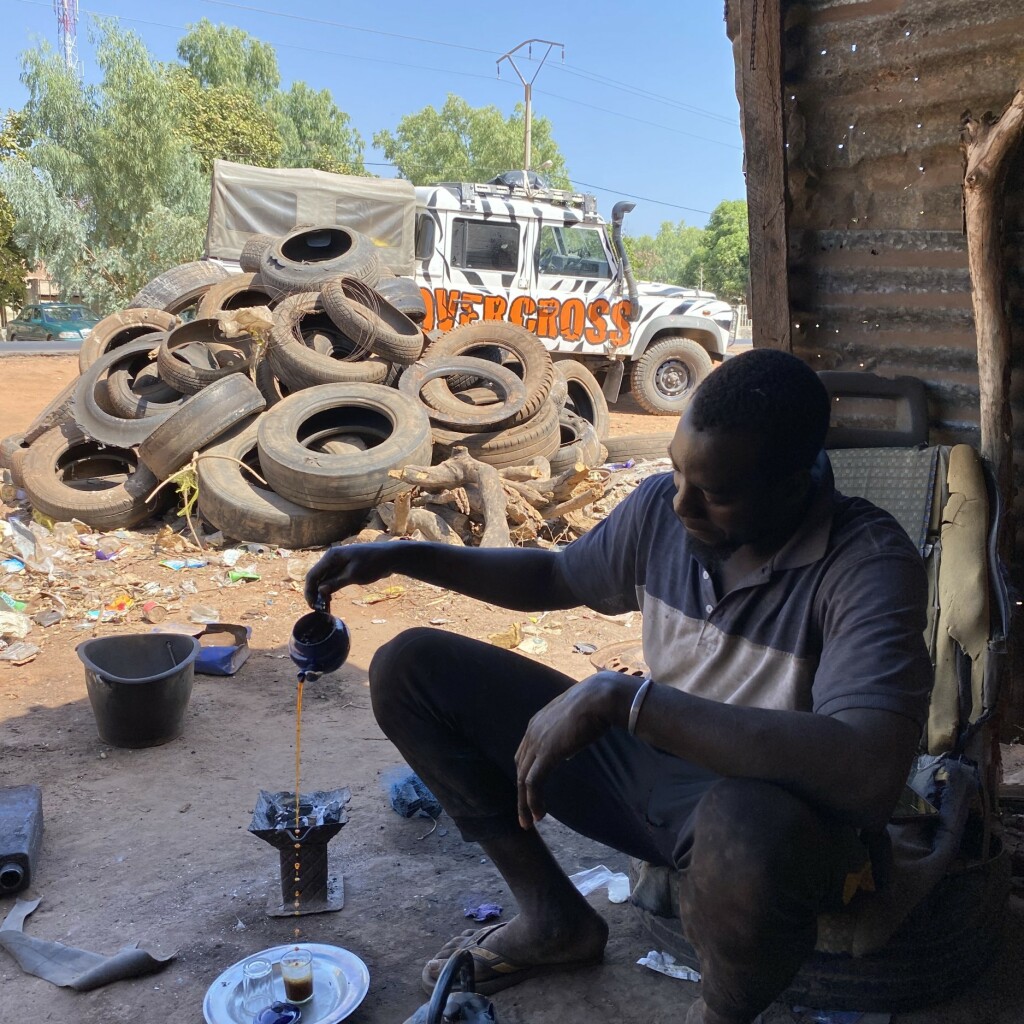
The 4x4 off-road expedition crosses Guinea
We cross the border into Guinea at a small border post, a country full of challenges, traditional villages, and notoriously empty gas stations. Fuel is scarce, as on December 18, 2023, the main fuel depot in Conakry was blown up. Peter, a Bundeswehr comrade of the old school, has set up a fuel depot of €500 liters at his lodge near the Fouta Djalon Plateau by the Tinkisso River to cross the country. Not far from the lodge is Dabola; here, on the railway line to Nanken and Conakry, we go on a shopping tour to African Hermes, Rolex, verutschi, and other "luxury brands," which are simply called "eating" here ;-) Despite all adversities, Guinea fascinates with its "still" dense rainforests in the south and dry savannas in the north, spectacular rock plateaus, and countless rivers. The population is young, hospitable, ethnically diverse, with groups such as the Malinké, Peul, and Soussou, each speaking their own languages and maintaining their own musical traditions and culinary cultures. In the small villages, we regularly stop, not only because of the corrugated iron gas stations for the Khele, but also to get an authentic insight into the local cuisine. Women are pounding cassava, children greet us with laughter while steaming pots of rice and smoked fish provide an aromatic welcome menu over the open fire. Depending on fuel availability, we reach Kankan, with around 191,000 inhabitants the third-largest city in Guinea, a bustling hub with markets, mosques, and a touch of colonial past, nestled in the dry heart of the country.
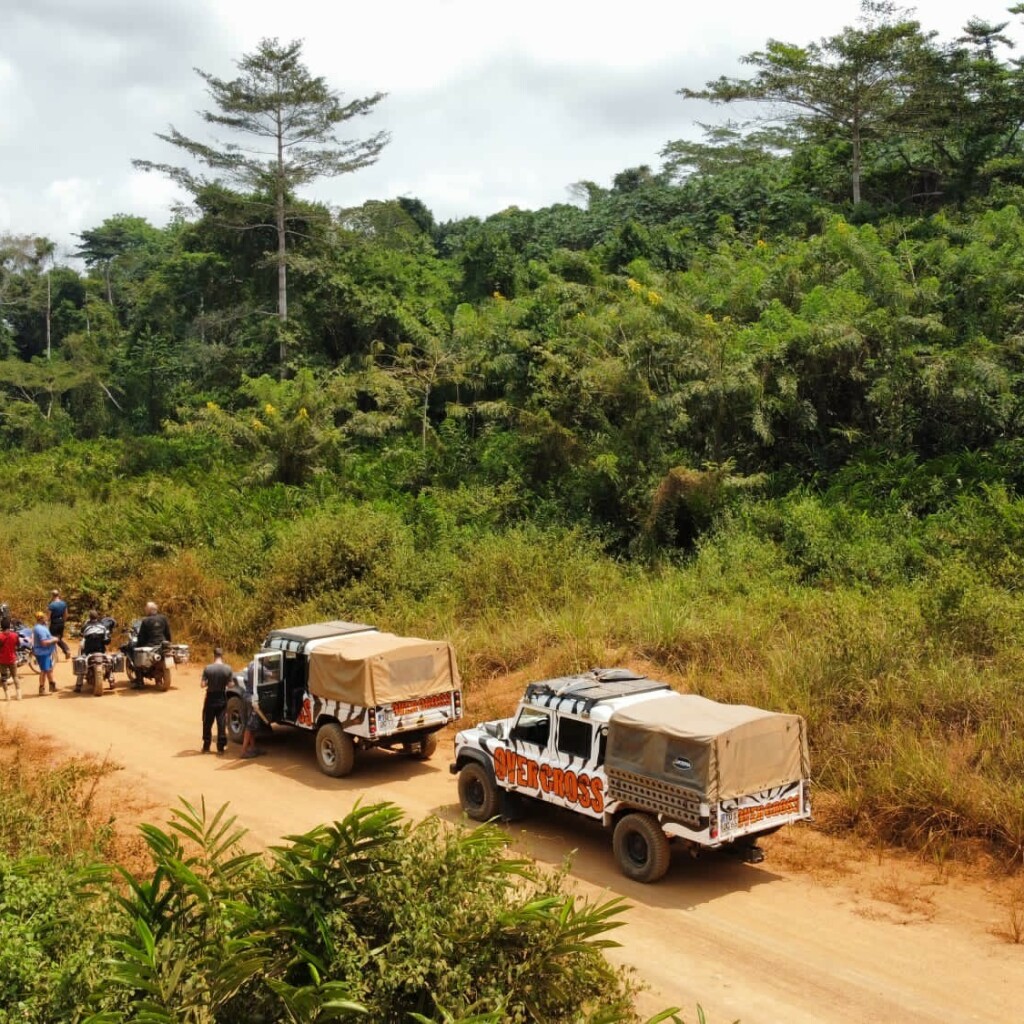
Off the Road through the Ivory Coast
It won't get any easier: After an challenging route, we continue to Sopota, a remote oasis in the midst of the wilderness. We cross the Ivory Coast and keep the option open, depending on group dynamics: Either via paved connecting routes to the Atlantic or more adventurous paths through sandy tracks and mangrove forests that stretch like green veins through the humid lowlands, driving across the Ivory Coast to the Atlantic coast. There we end the day in a small lodge right on the beach, with freshly grilled fish, good wine, and the salty scent of the sea in our noses. For everyone who is curious to read along or travel with us on our Trans-Africa expedition: The Ivory Coast, with the modern economic metropolis of Abidjan as its de facto capital (officially: Yamoussoukro), is a predominantly Christian and Muslim country with growing economic dynamism that has noticeably recovered from the crises of the past in recent years. Along the coast, long sandy beaches, lagoons, and colonial port cities shape the picture – an exciting contrast to the dense tropical vegetation in the interior.
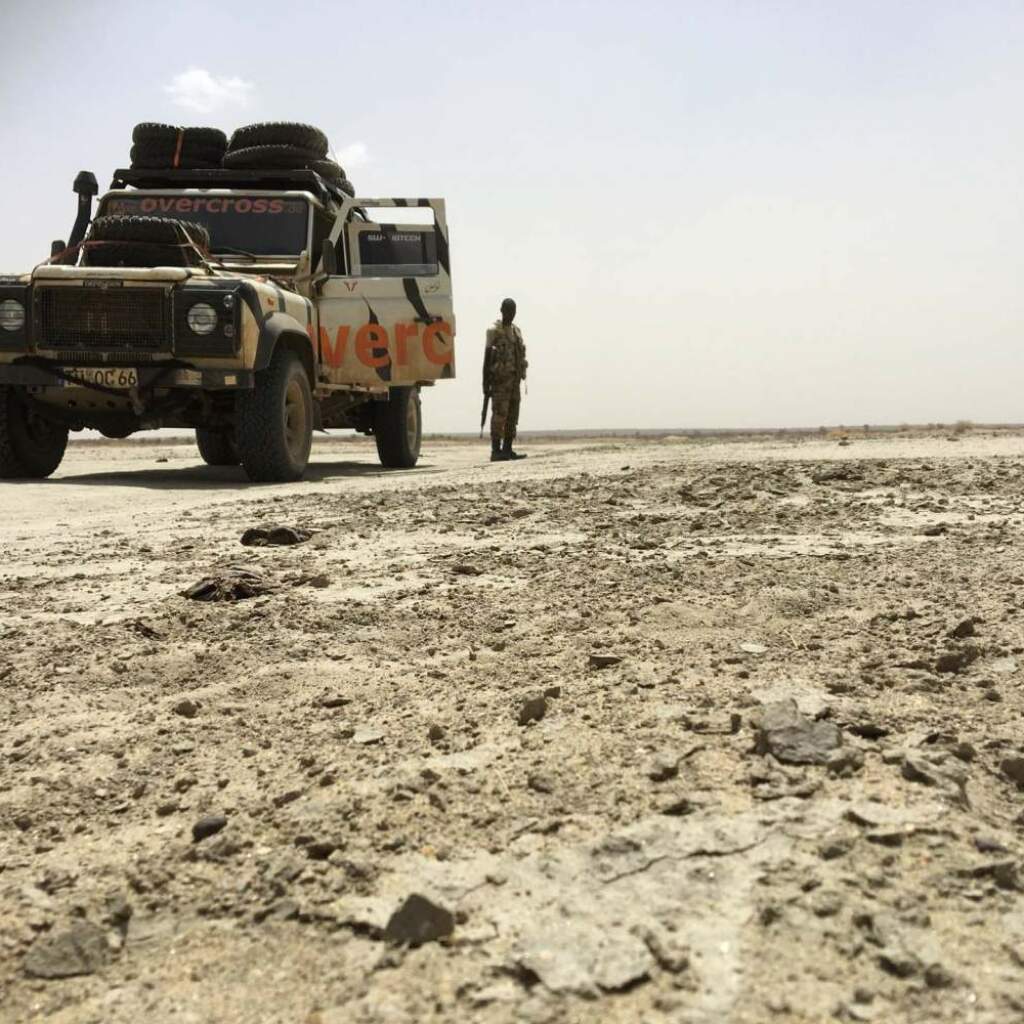
The off-road vehicle expedition group reaches Ghana
Welcome to Ghana. Along the South Atlantic, we pass through authentic fishing villages before battling our way through seemingly endless construction sites towards Accra. This day will turn into a marathon day in 2025 - a tough stage that challenges us both physically and mentally. In Accra, we spend the night in a simple, clean accommodation lovingly run by "Bella" called Beauty, near an industrial area. The so-called Beauty Hotel is "ugh" on the outside but "wow" on the inside - with simple but delicious Ghanaian food. Here we take a buffer day for maintenance or repairs on the vehicles. A workshop with the Lebanese mechanic Mohammed is just a stone's throw from our accommodation and a central point for procuring spare parts.
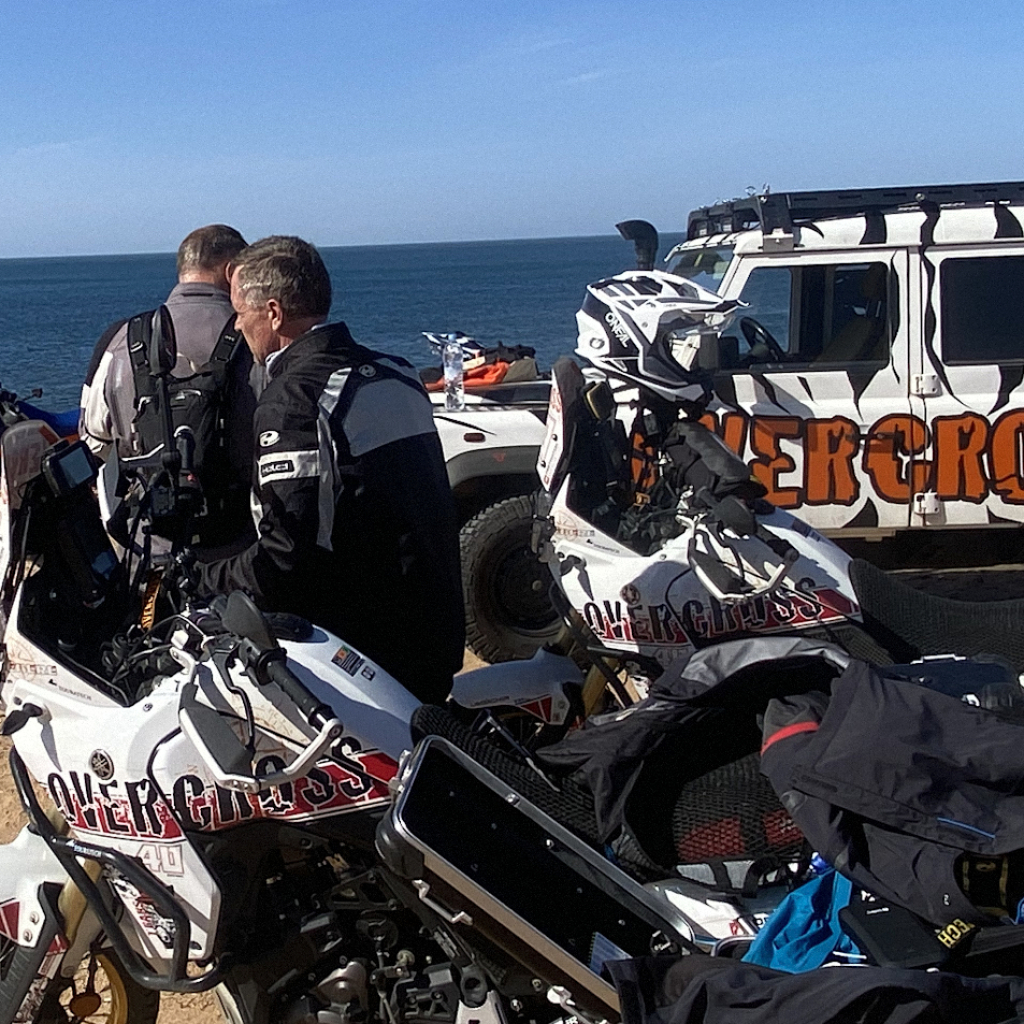
Trans Africa Expedition through Togo and Benin - The Coast of Voodoo
Let’s go Voodoo, we cross Togo, the birthplace of the Voodoo religion. In Porto-Novo, the capital of Benin, we pass the Parliament building and soon arrive in Cotonou. There, a legendary lodge awaits us right by the South Atlantic. With excellent food and good wine, we enjoy the evening by the sea. As usual, we discuss the upcoming route and special features of the next country at sunset and treat ourselves to a jump in the sea before making the jump into the chaos tomorrow.
Questions about the tour itinerary?
Our tour guide is happy to answer any questions about the day-by-day route, stops, and details.
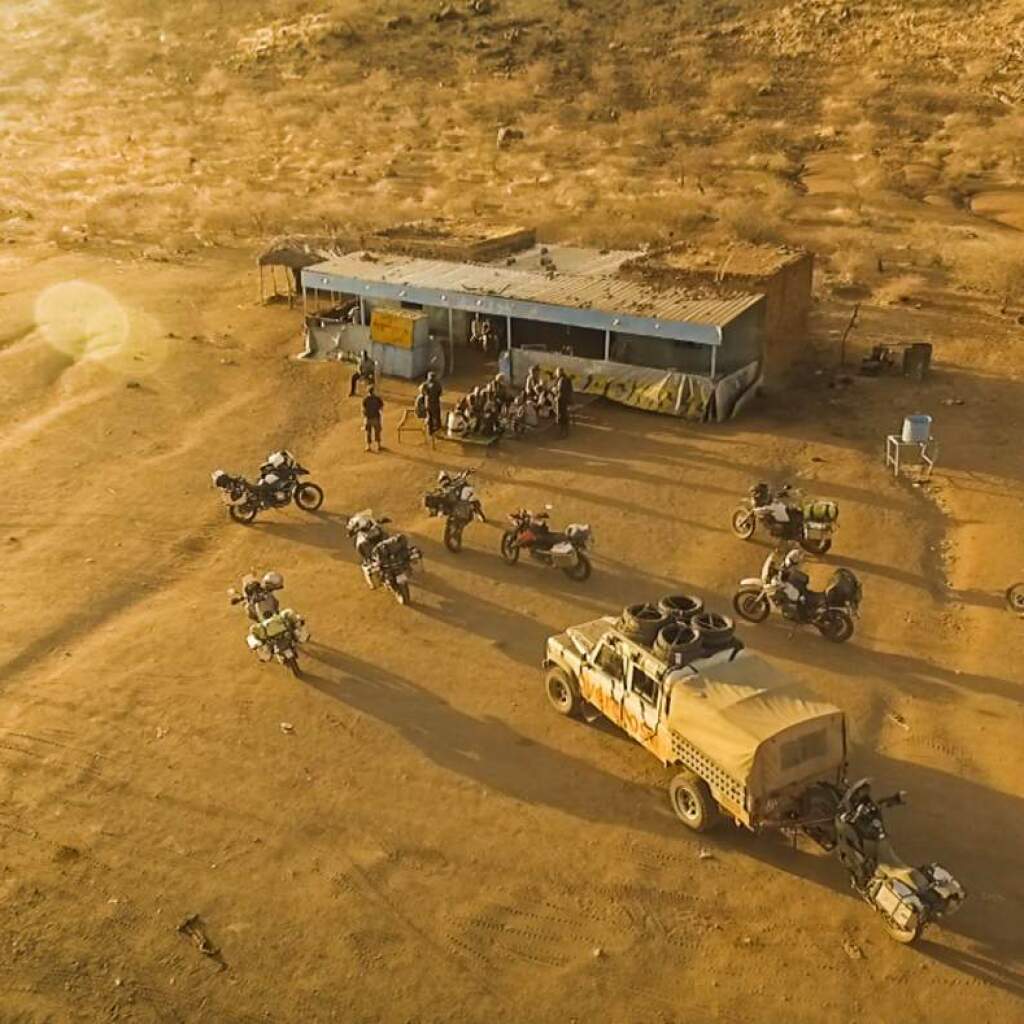
TransAfrica Expedition reaches Nigeria - The Gateway to Hell?
At the border to Nigeria, the most populous country in Africa with around 220 million people, it is said: Stay calm. In the late afternoon, we reach Lagos, which we internally refer to as the "Gateway to Hell." In Lagos, we are met with a contrasting program that could hardly be more extreme: The expedition group checks into a five-star luxury hotel, where the manager Philipp is already waiting for us. He can organize the complex transit through Nigeria in advance, and here the guide also meets the local security officer. In Nigeria, there seems to be a checkpoint every ten kilometers, where passports, driver's licenses, and vehicle registration must be presented, often accompanied by lengthy discussions to avoid having to pay any "fees." We are prepared. We discuss the details for passing through and the behavior at the checkpoints on-site with the expedition team. After leaving the vibrant metropolis of Lagos, our route takes us through diverse landscapes and fertile farmland. We reach the sparsely populated regions in the south. Nigeria ranks 161 out of 193 in the Human Development Index (HDI) - this is particularly evident in these areas: There is a lack of nearly everything that is available on every street corner in Lagos. Accordingly, the accommodations and camps along the dense rainforests and on the banks of the Ebonyi River towards Ugep are quite simple, where we will then cross the border into the authoritarian regime of Cameroon.
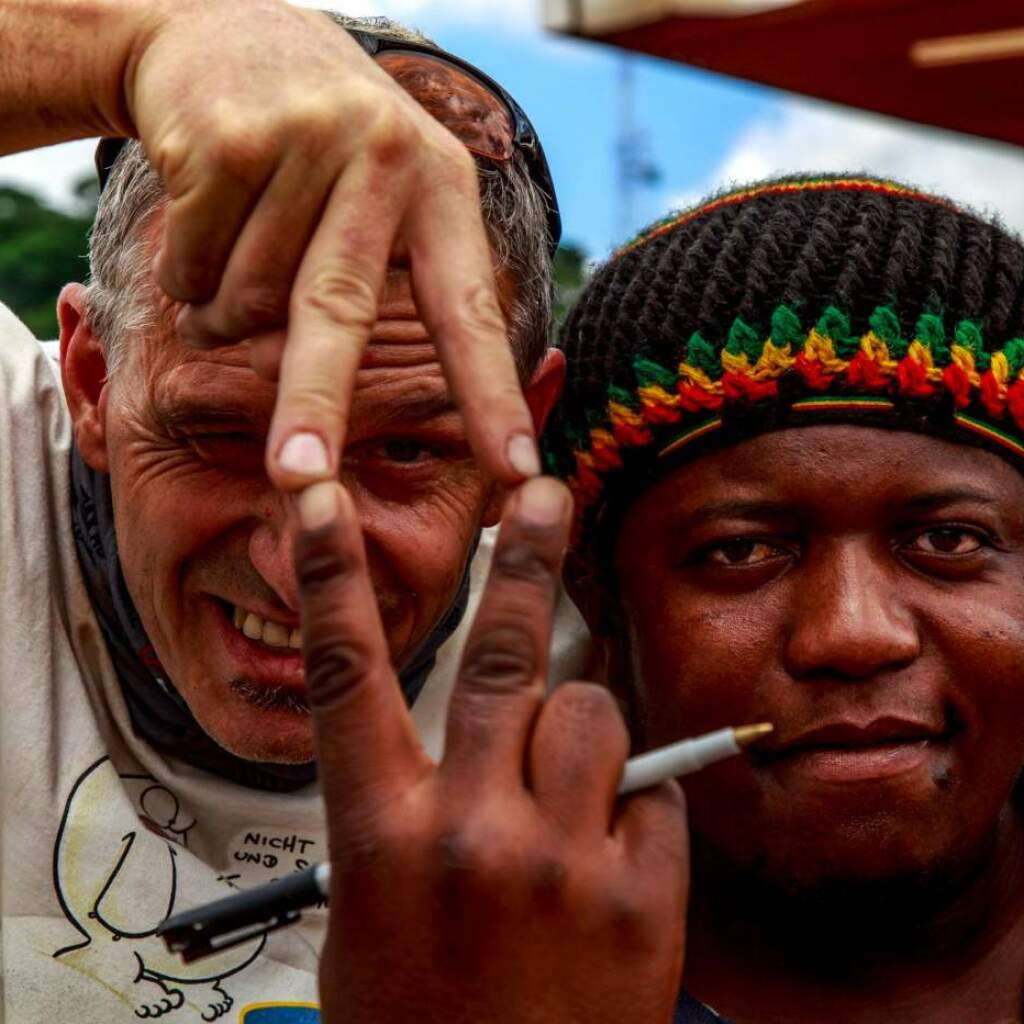
The 4x4 Transafrica Expedition reaches Cameroon
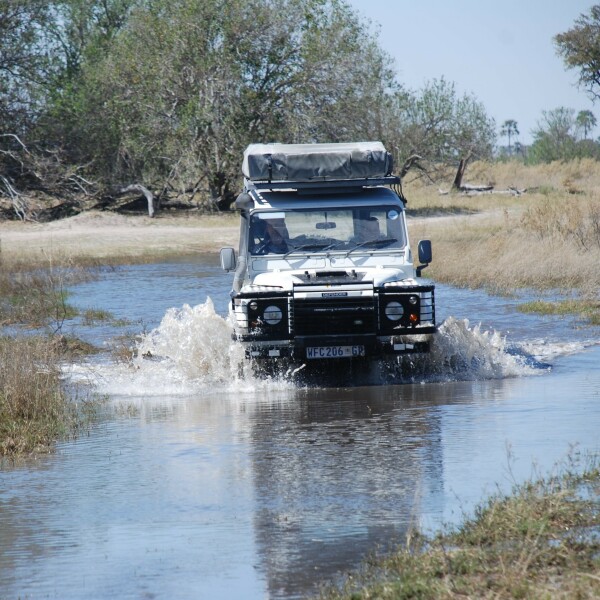
In the morning, the barrier opens to Cameroon, and we enter a country that does not issue entry stamps at this border station. The "after-road" stage from the previous day still weighs heavy in our bones: mile by mile, we fought our way through challenging terrain - today continues in the same way. It will be hot, it will be humid, and we are in for a spectacular off-road passage through the largely deforested jungle in northern Cameroon. On the way to Yaoundé, we will spend one more night outdoors and use up the last supplies from the expedition kitchen. After sunrise, we continue "on the road" towards the capital. Upon arriving in Yaoundé, we treat ourselves to a shower and a bit of rest in a "comfortable" four-star hotel after days full of dust, sweat, and dirt. Fred from France is already waiting for the 4x4 expedition participants - ready with a wrench and hammer in hand to do what needs to be done. Depending on the extent of the repairs, we plan to take a rest day here to maintain the vehicles and recover. The next two daily stages will take us through wild, hard-to-access off-road tracks across the Cameroonian jungle - a region currently being massively deforested and developed by Chinese investors. It is hard to believe: massive trucks with up to six huge tree trunks are making their way through the dense rainforest - relics that are partly over a hundred years old. The last and toughest overnight stop of this stage awaits us just before the border to the Republic of Congo (Brazzaville). But we will withstand this night too - true to our motto: "No comfort, no compromise!"
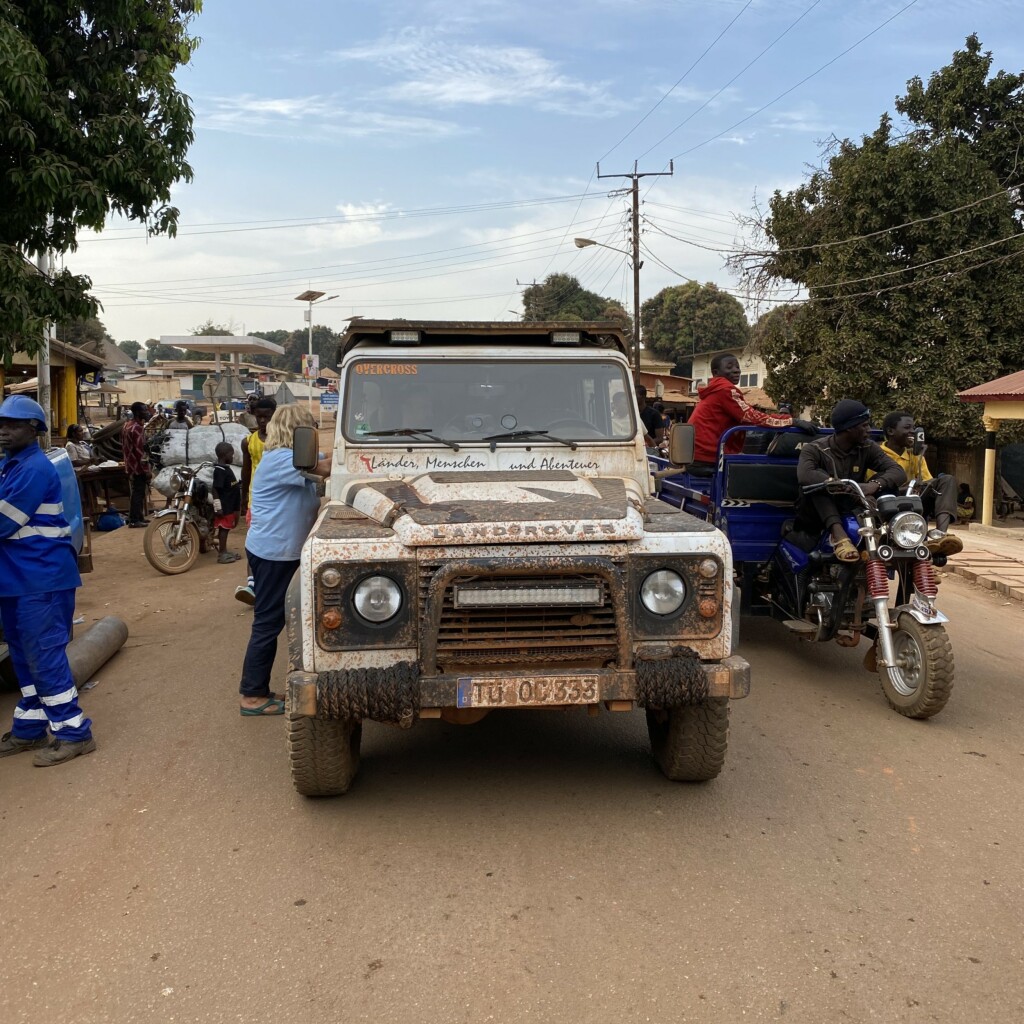
The 4x4 TransAfrica Expedition has reached the Republic of Congo
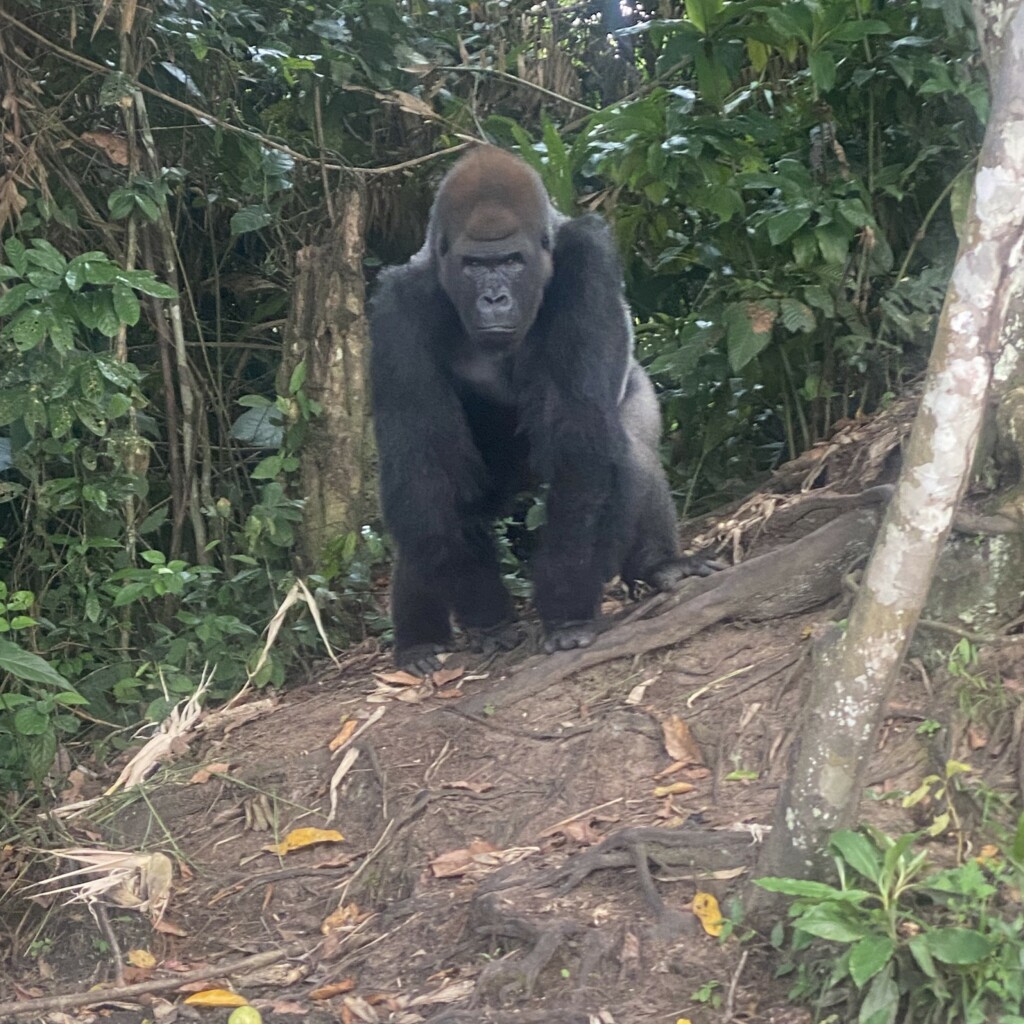
The barrier goes up and we are in the Republic of Congo, also known as Congo-Brazzaville, to avoid confusion with the Democratic Republic of Congo. We cross the Congo Basin, the second largest tropical rainforest on Earth. In the Odzala-Kokoua National Park, one of the oldest national parks in Africa, lowland gorillas still live. With two rangers, we take a boat upstream on the river. After about ten kilometers, we encounter a small population of gorillas. The sight is impressive, and the experience absolutely worthwhile. Back at the camp with the rangers, we leave a donation after dinner. The Republic of Congo ranks 153rd out of 193 in the Human Development Index, indicating a low level of development. Our visit is important for the rangers as it generates urgently needed income. The capital, Brazzaville, is a day's journey away. In the city with over two million inhabitants, we replenish our supplies and fuel.
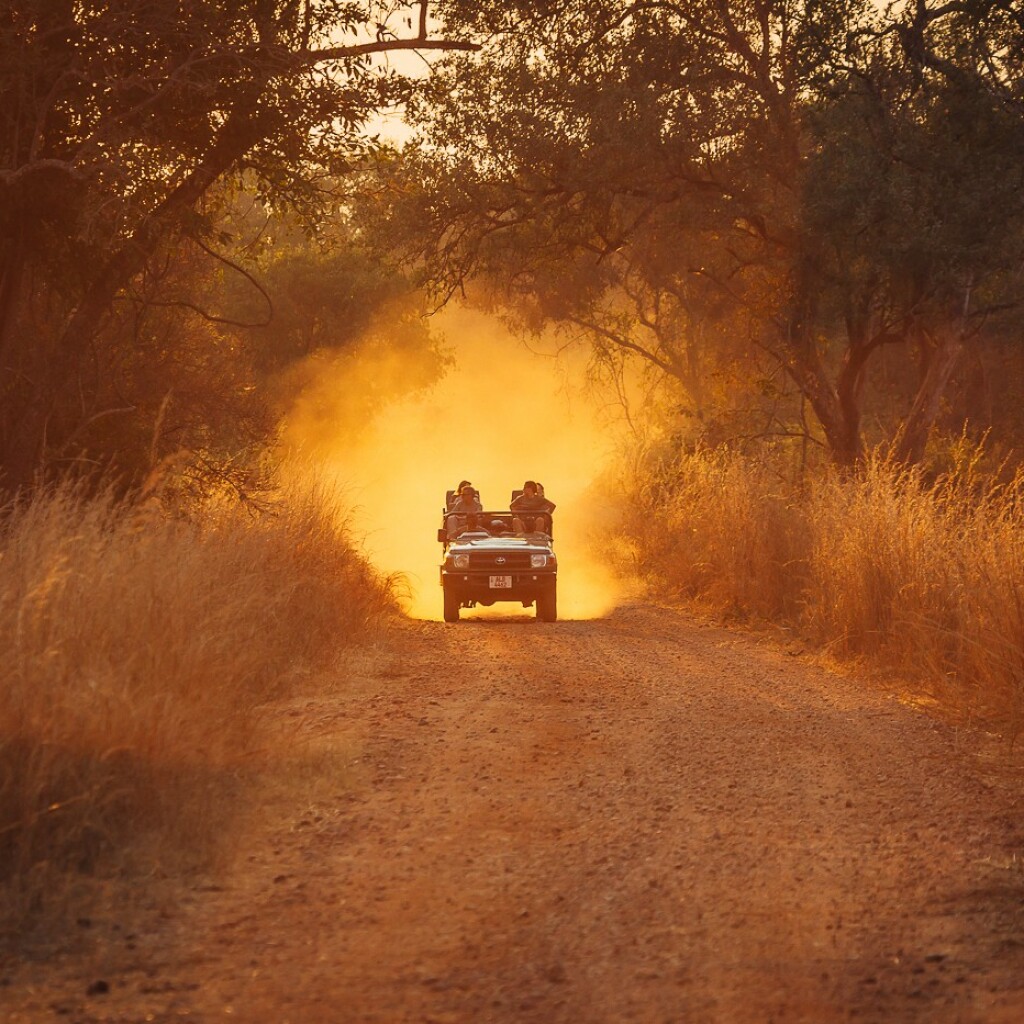
Short sopp over in DRC "Democratic" Republic of Congo
On the opposite side of the Congo River lies Kinshasa, which is also referred to as the "City of Hell" on the tour. From here, the HIV pathogen was spread around the world. We cross the Congo on a direct route through the Democratic Republic of Congo and reach the border to Angola after two days.
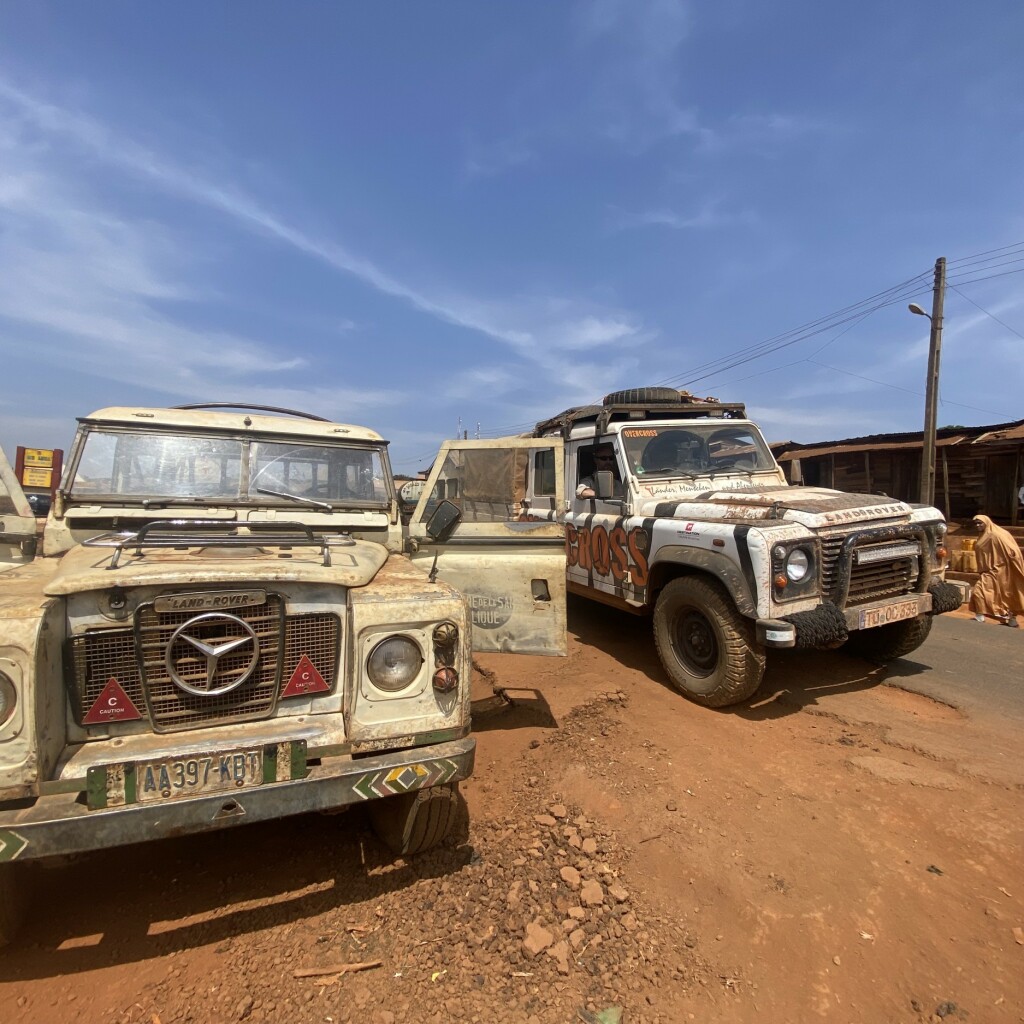
The Transafrica Expedition Offroad convoy crosses Angola:
We reach the breathtaking coastal landscape of Angola. The drive passes by lonely beaches and quiet fishing villages. In Luanda, the capital of Angola, there is another opportunity to get fuel and food for the next 1,700 kilometers to the Namibian border. The seaside city with its colonial architecture, cultural landmarks, and vibrant nightlife is one of the most expensive cities for foreign visitors worldwide. At the same time, tens of thousands of homeless children live there, searching for food in the streets. We leave Luanda with its fascinating blend of African and Portuguese culture and continue along the coastal road to Lobito. The charming port city offers white sandy beaches and cozy cafés.
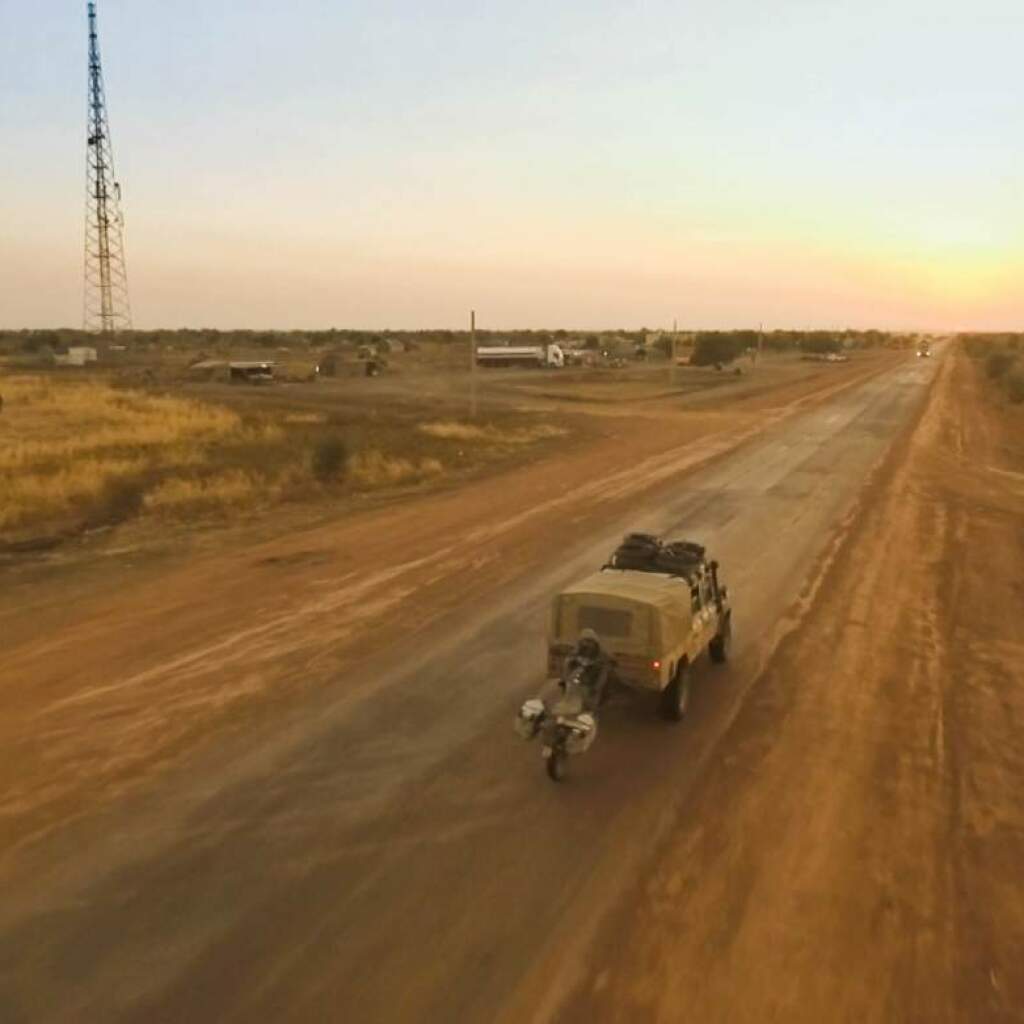
To the Highlands of Angola
Our off-road journey continues into the highlands of Angola. In Lubango, we visit the Tundavala Gorge, a spectacular viewpoint in the Serra da Leba region. From here, there is a breathtaking view over the landscape. Through the savannah of Angola, we finally continue to the Namibian border.
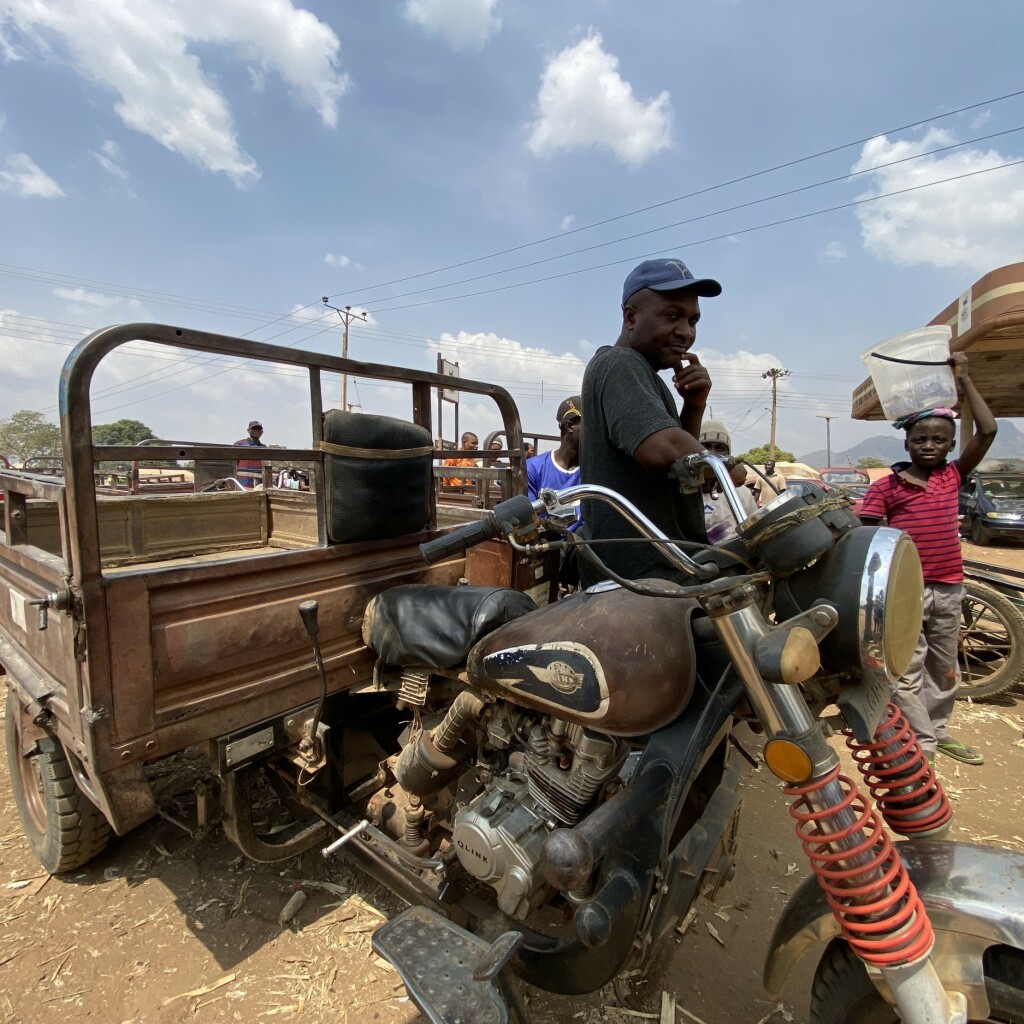
NAMIBIA the penultimate country of the TransAfrica off-road vehicle expedition.
In the Etosha National Park, we embark on a safari through the diverse wildlife. The protected area spans approximately 22,000 square kilometers and is one of the most significant wildlife reserves in Africa. Afterwards, we continue to Windhoek, the capital of Namibia and once the capital of German South West Africa. Windhoek offers an interesting blend of African lifestyle and German order. For us, it is an important supply point for the "jump to the last leg" to South Africa. Here in Namibia, the relaxed vacation part of the trip begins. We continue the tour in the Namib-Naukluft National Park - one of the most impressive desert areas in the world.
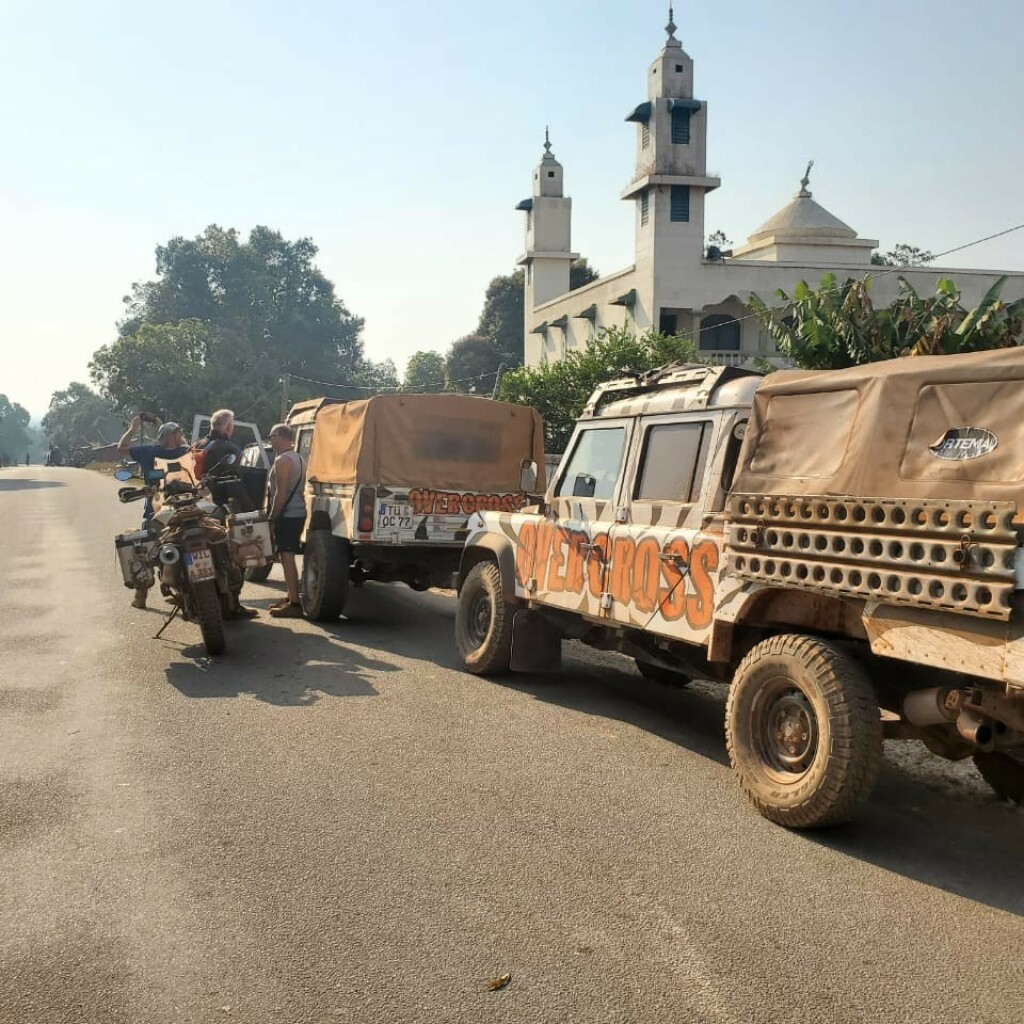
South Africa the last country of the TransAfrica Off-Road Vehicle Group
We cross the border into South Africa and reach Neilersdrift. The landscape along the Orange River is picturesque. On our way south, we pass through the Swartberg region, known for its impressive mountain passes and the historic Swartberg Pass Road. Finally, we reach the southernmost point of the expedition: the Cape of Good Hope - a symbolic milestone and one of the most famous sights in South Africa. A toast to the successful completion of one of the most challenging expeditions that Overcross has undertaken in the last quarter-century. The last day goes smoothly. We drive to the shipping company, drop off the vehicles, and Wolfgang takes over the organizational part. We celebrate the conclusion of the journey with a festive dinner at one of Cape Town's best restaurants.
Want a detailed description of all tour days?
Our expert will walk you through the full itinerary and answer all your questions.
from
Price Options
Additional Options
Have questions about price or what's included?
Trip includes
- Expedition pre-meeting of the expedition at OVERCROSS in Tübingen
- Expedition management for the Africa expedition
- Online tour guide, who is connected to us via satellite tracker
- Provision of a satellite phone for emergencies from the expedition pickups
- Travel security certificate (insolvency insurance according to BGB §651r) is mandatory for all OVERCROSS trips.
- Relatives and friends receive a location and status report from OVERCROSS (upon request)
- Map material on the Africa crossing
- Support with visa questions and possibly organization including appointment coordination with embassies in Africa
- Tour folder with travel information for expedition preparation
- Equipment and packing list for expedition preparation
- Organization when applying for the carnet de passage for your vehicle (no deposits/bank guarantees will be provided by us!)
- Organization of transport for your off-road vehicle
- Post-meeting of the expedition (upon request)
- Excellent price is to be understood as the participation fee for the expedition
- Rental cars are arranged and billed through external service providers
- No fixed services other than organization are included in the starting fee
- Support with visa and border matters for self-responsible application and border crossing
-
Start is two days before the official trip start with the tour operator OVERCROSS in Tübingen. The second meeting point is in Málaga. The third meeting point is Marrakech for participants who want to arrive earlier.
-
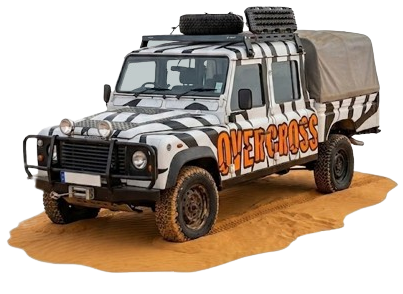
The following vehicles are available for the Transafrica trip: Land Rover Defender 130 CC Optionally: Toyota Hilux. Pick up
-
No, no mandatory modifications need to be made for the expedition. You will receive suggestions and solutions with the expedition info on what makes sense to have in or on the off-road vehicle
-
You can mount Mud Terrain tires, but All Terrain tires are completely sufficient.
Terms and Conditions of OVERCROSS
Similar Adventures
_600_600.jpg) Featured
Featured
 Featured
 Featured

Send request
How did you
hear about us?