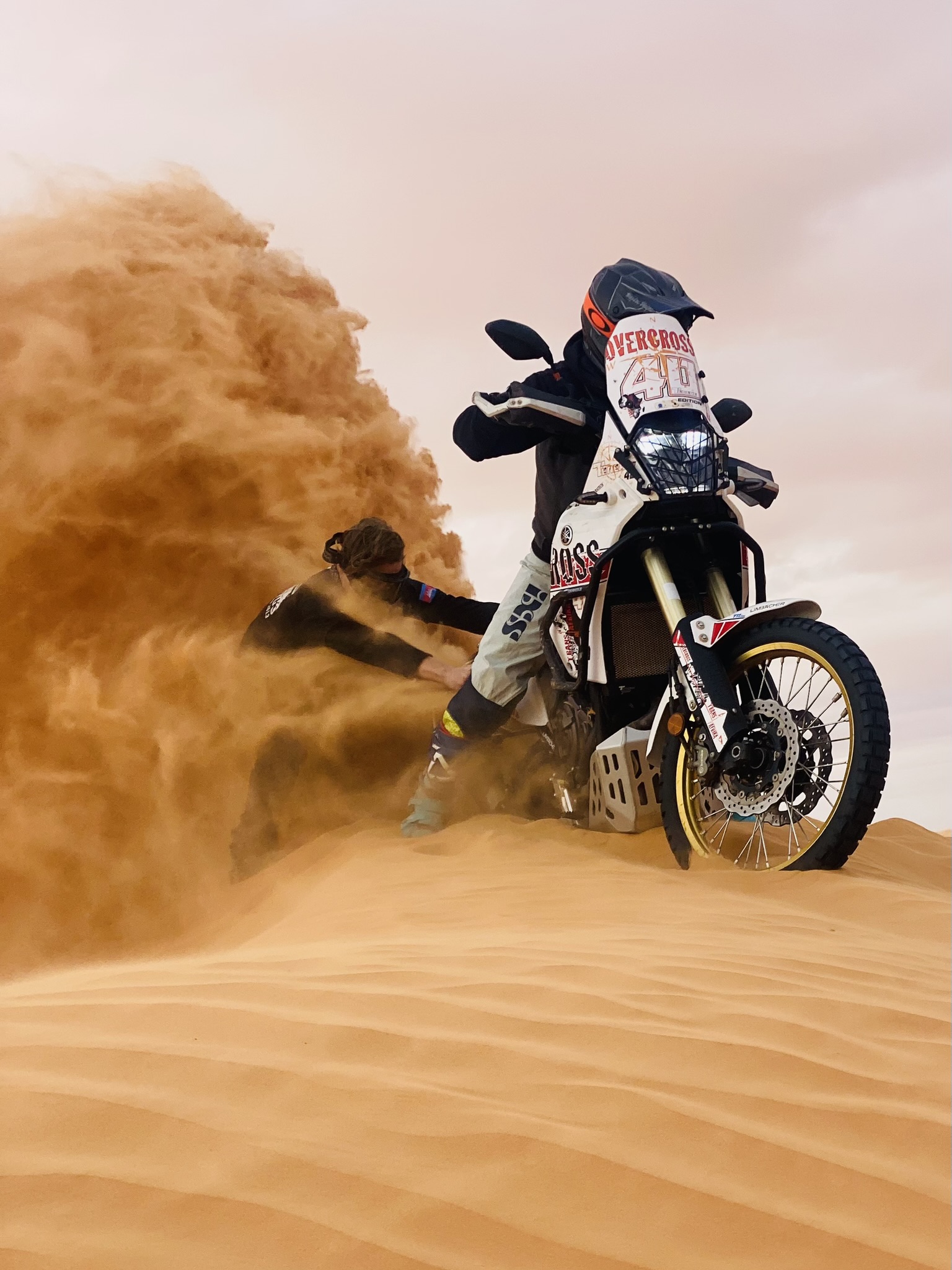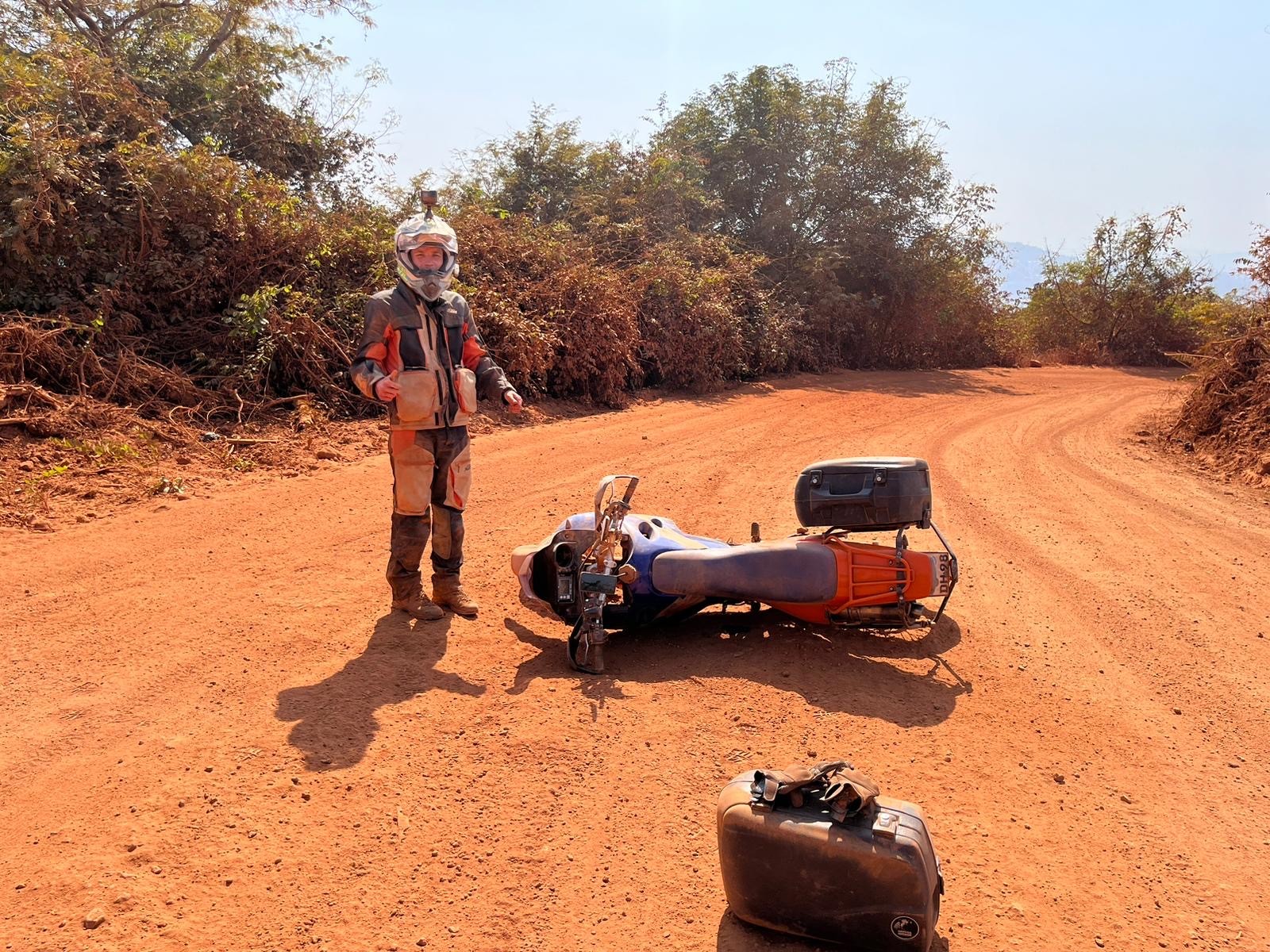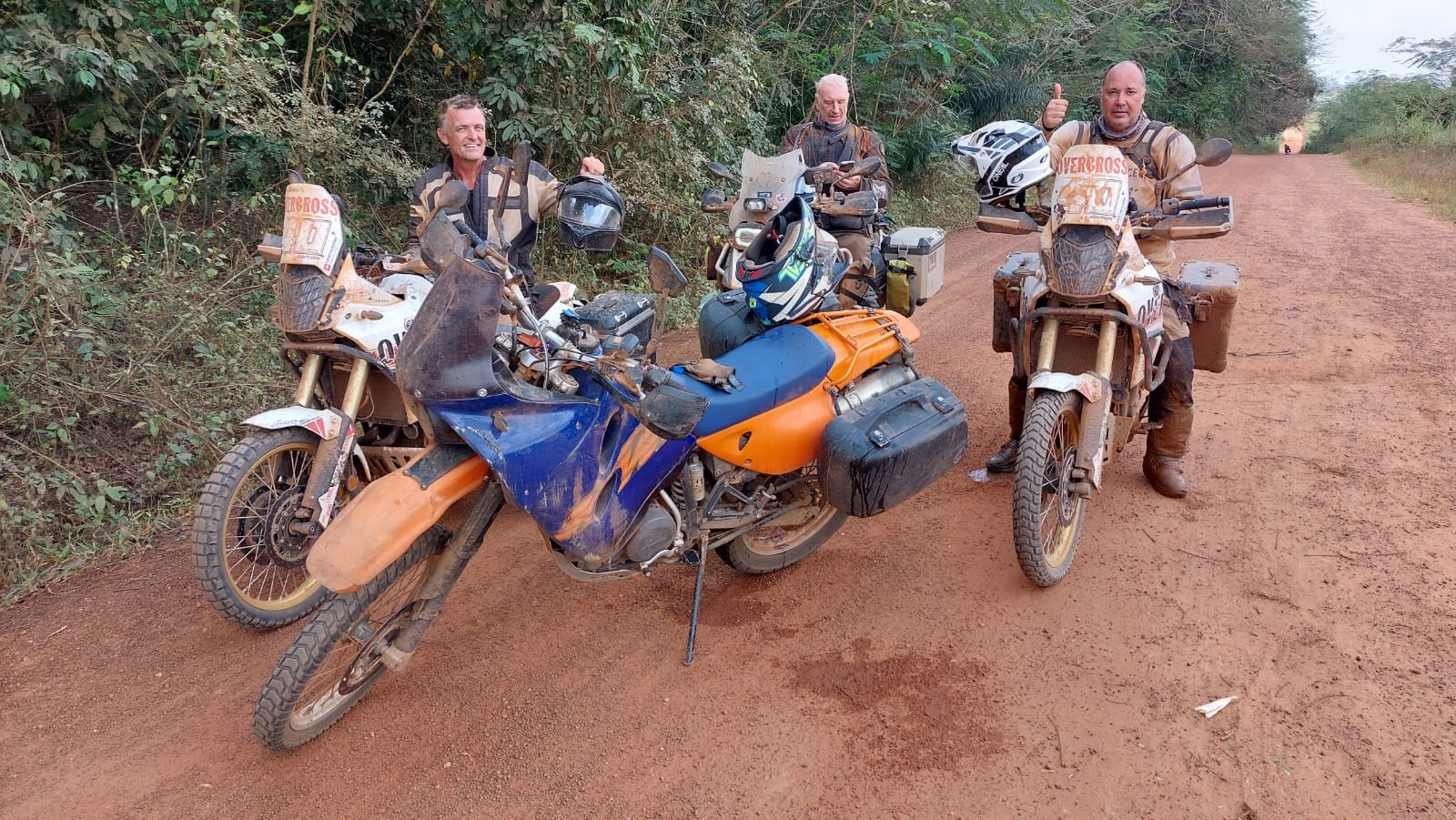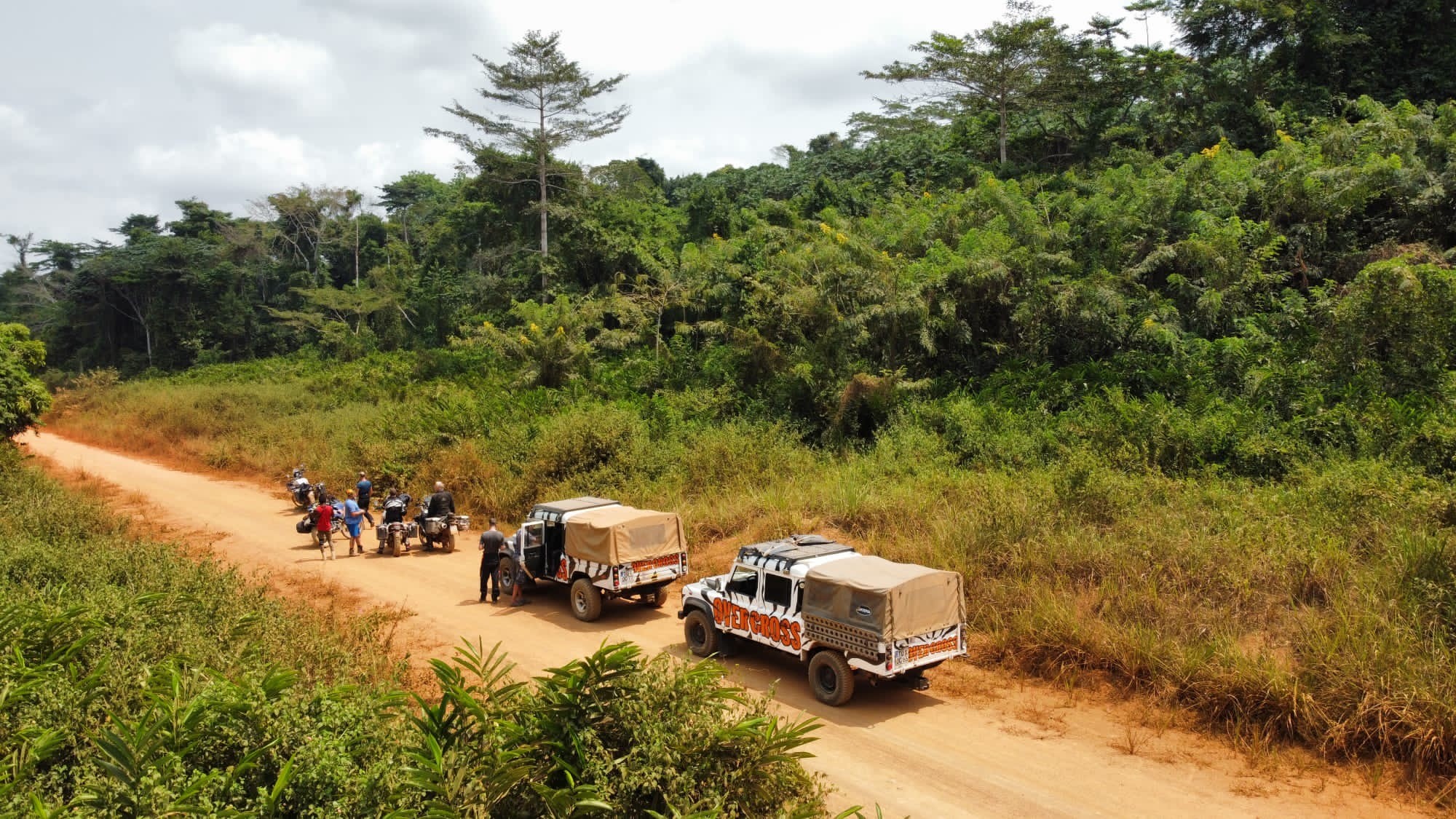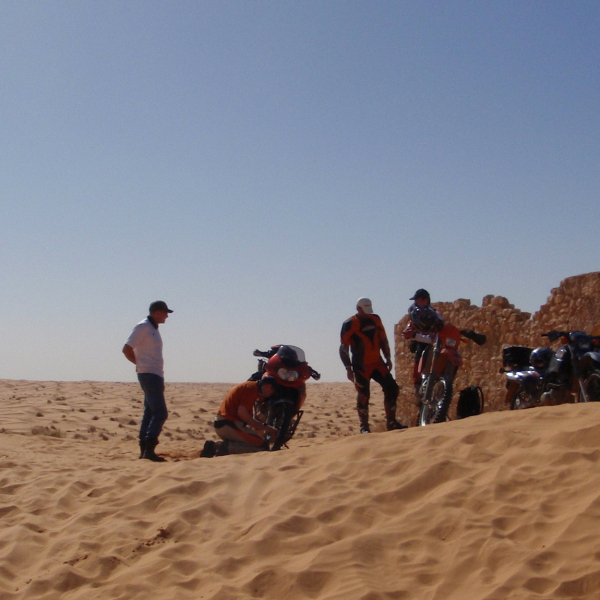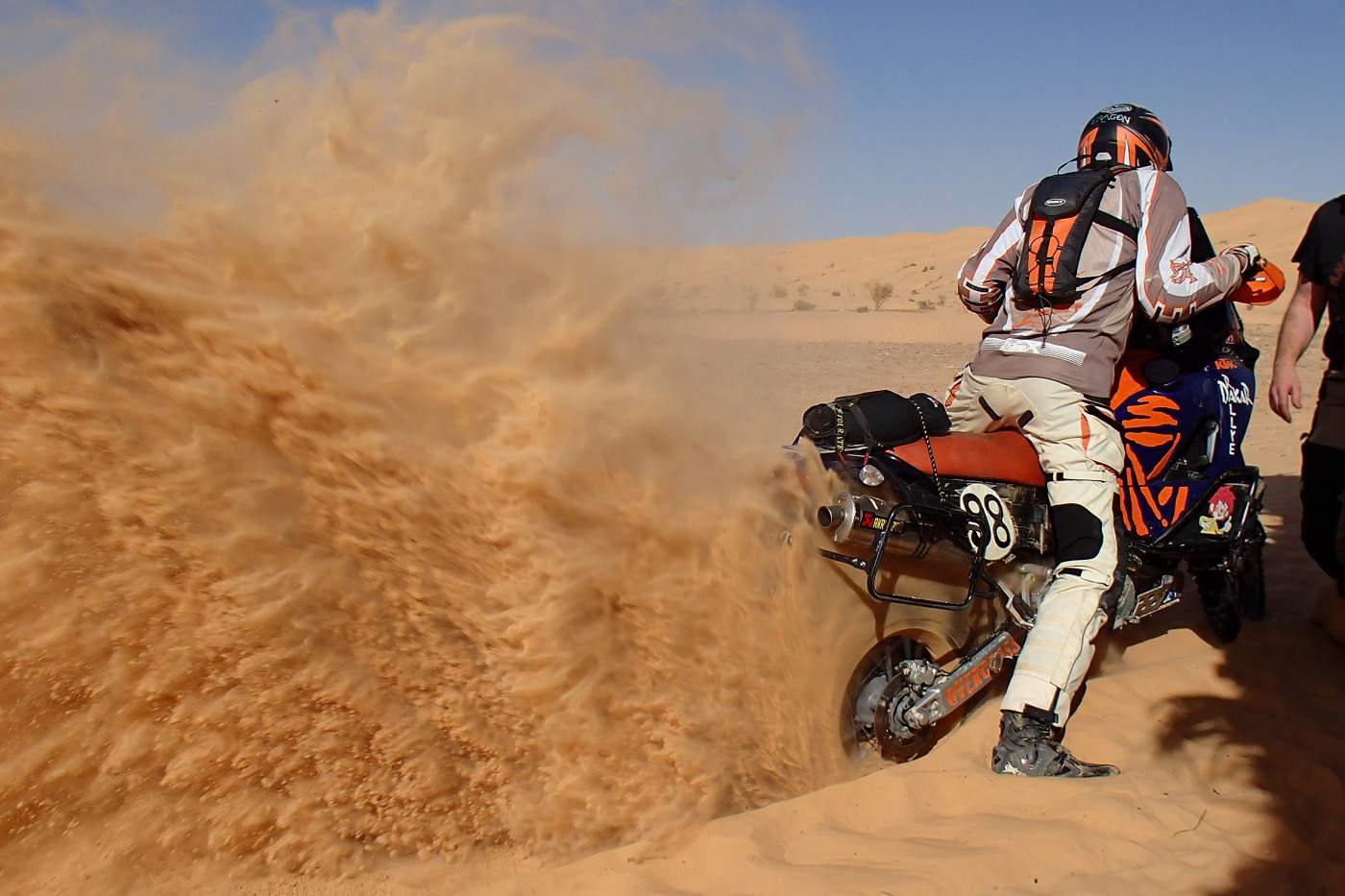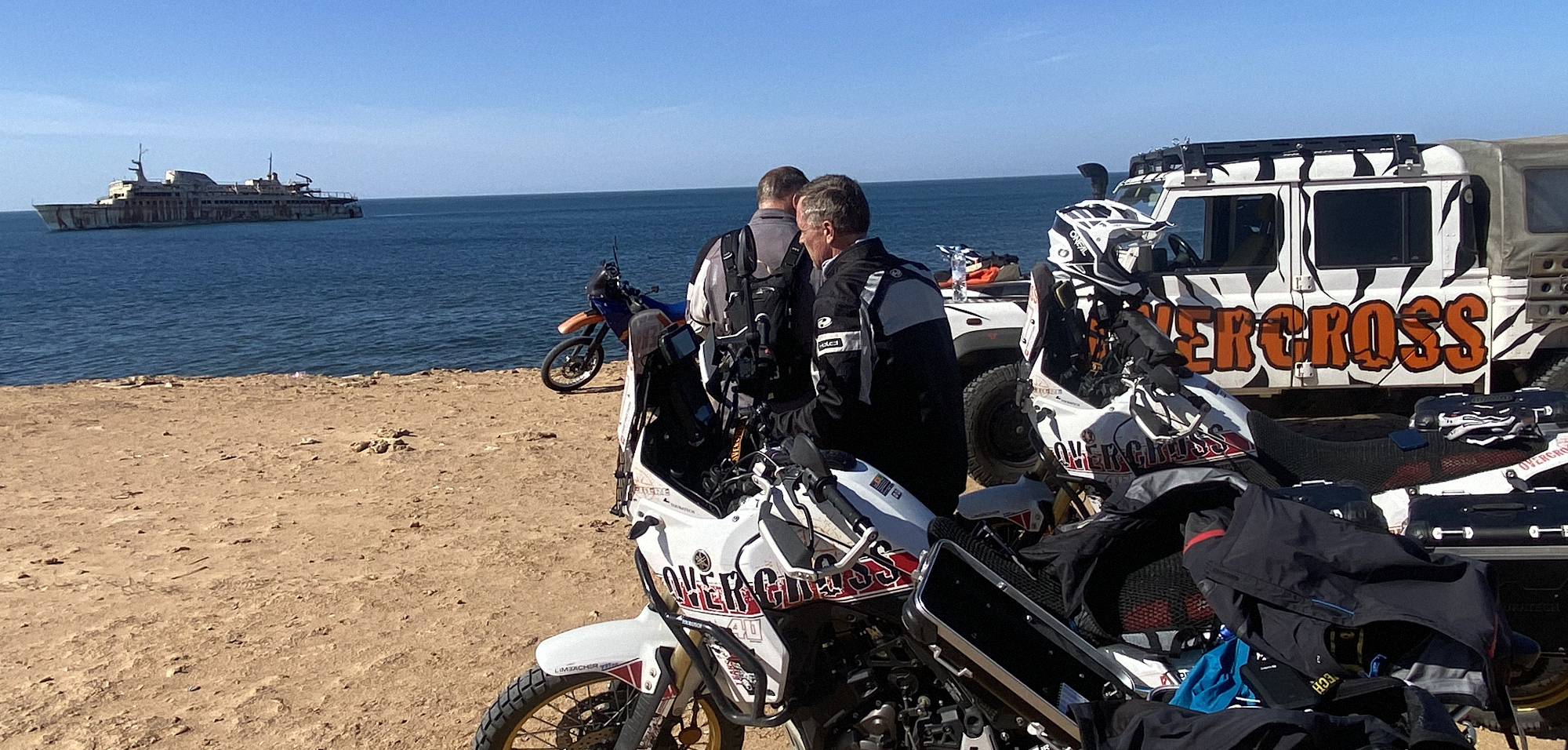
Western Sahara offers a rare destination for motorcycle tours in Western Sahara — a vast, largely uninhabited territory stretching along Africa's Atlantic coast. Riders trace routes across open hammada plains, sand dunes, and piste tracks used by long-distance travelers for generations. A Sahara desert motorcycle tour here means days of solitary riding through dramatic scenery with few paved roads and even fewer crowds. The territory sits at a crossroads between North Africa and sub-Saharan Africa, making it a natural leg on any motorcycle tour in Africa. The best riding conditions run from October through April, when daytime temperatures are manageable and desert tracks are at their most stable. Guided and self-supported options are available for riders who want to experience this remote corridor on two wheels.
Western Sahara is rideable for most of the year, but the cool, dry months from October to April offer the best conditions for motorcycle touring.
Daytime temperatures stay between 20–28°C, tracks are dry and stable, and sandstorm risk is at its lowest. Avoid July and August when temperatures regularly exceed 45°C.
Western Sahara's terrain ranges from Atlantic coastal roads to inland hammada plains and sand dune corridors — each zone offers a distinct riding experience.
A long stretch of paved road running parallel to the Atlantic, passing through fishing villages and open desert with sea views on one side and flat plains on the other.
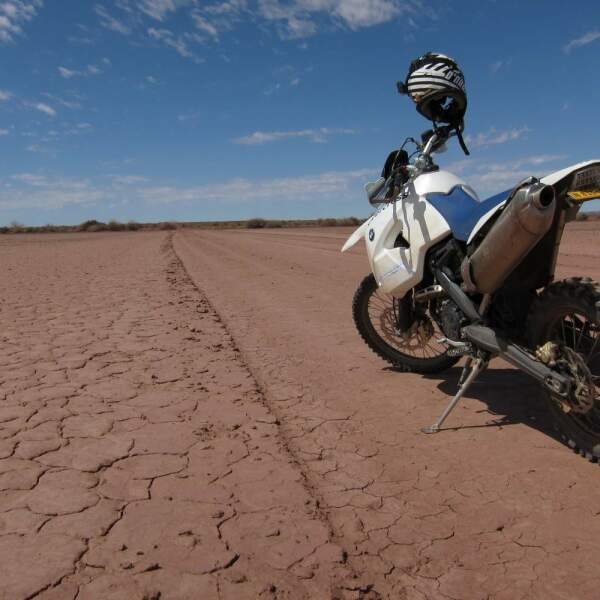
Flat, stony hammada stretching east of the main highway. Navigation requires GPS and experience reading terrain. Riding here means long stretches between fuel stops and minimal traffic.
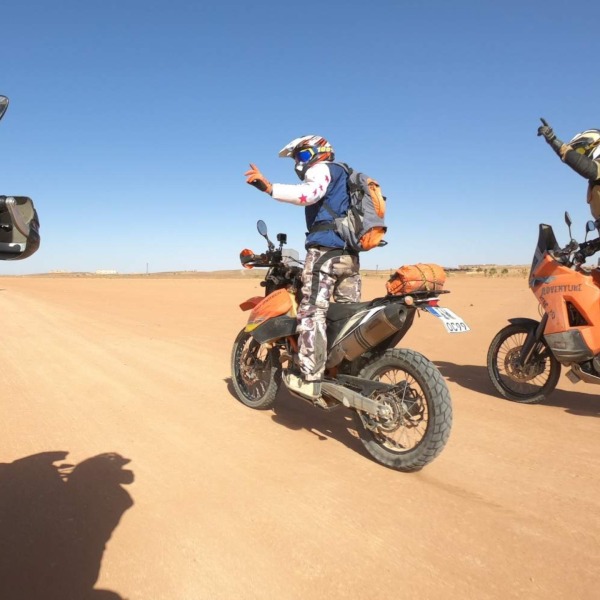
Sand dune riding south of Dakhla where tracks wind between dune formations. Suitable for enduro and adventure bikes. This is the terrain most associated with a Sahara desert motorcycle tour.