Patagonia Begins Where the Rest of the World Ends.
That sounds like a travel blog cliché. But then you're standing on Ruta 40 south of El Chaltén, the wind is coming from the west at 90 km/h, and you stop — not because of the scenery, but because otherwise you'll be blown over.
Patagonia is the opposite of comfortable. That's the point.
Those who go there don't want rest. They want experience. The difference is felt after one day. After a week it has burned itself in.
What Sets Patagonia Apart from Other Destinations
Vastness. Real vastness. Not Alpine vastness where the next town comes after 30 kilometers. Real emptiness: 200 kilometers of steppe without a gas station, without mobile signal, without a turn-off.
The weather changes in hours. Morning sun, midday rain, afternoon storm, evening sunset. You need all clothing layers in your luggage simultaneously. Those who packed only summer clothes freeze. Those who packed only winter clothes sweat.
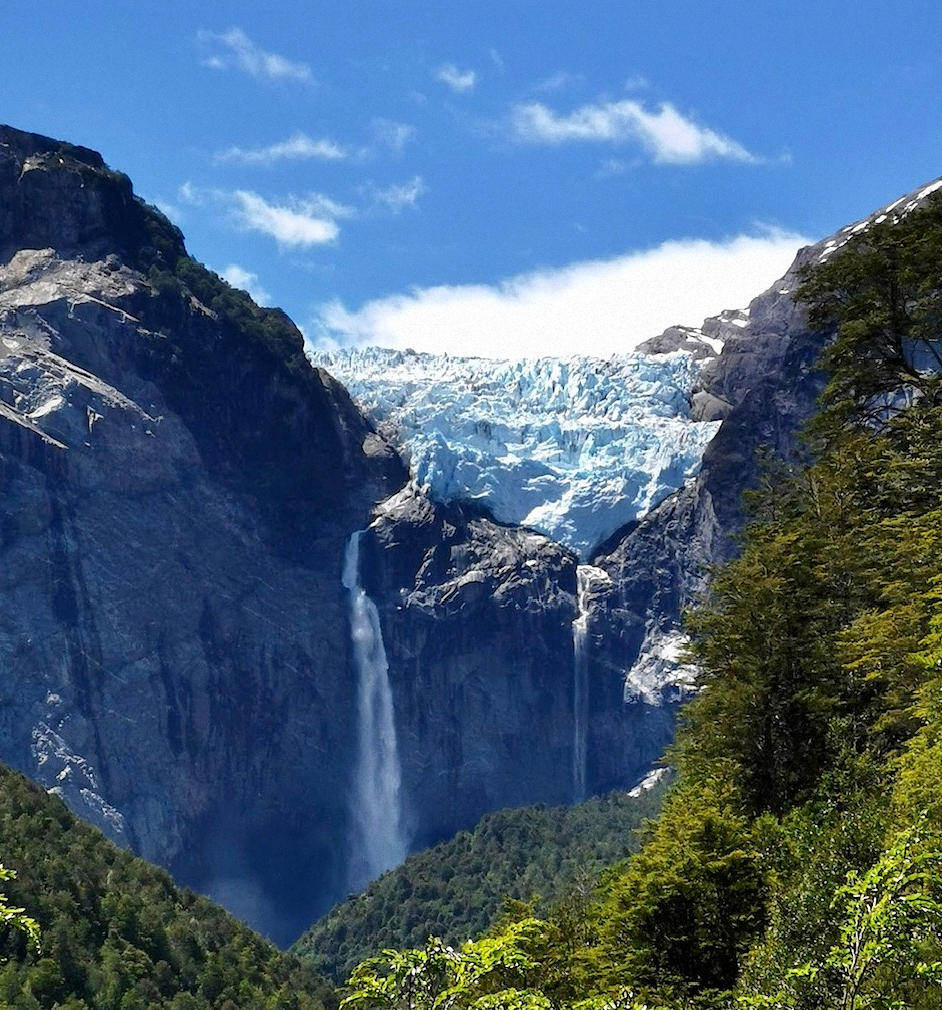
The landscape: glaciers calving into the sea. Mountains of black gneiss. Steppe so flat the horizon looks like a line on paper. Condors circling motionlessly in the thermals. That's Patagonia in four sentences.
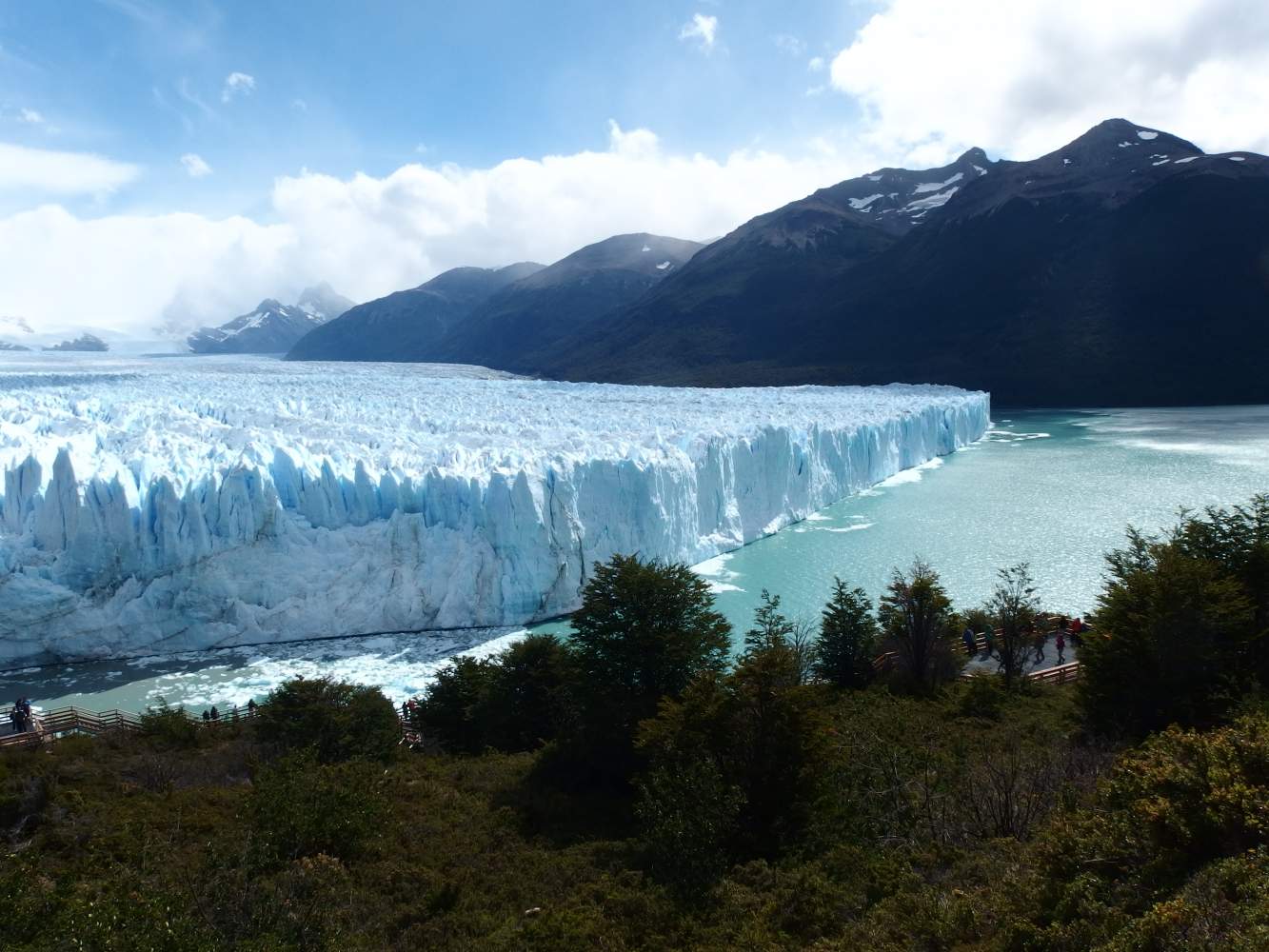
Bariloche to Ushuaia: The Classic Route Explained
Bariloche is the entry point. Mountains, chocolate, Argentine ski flair. From here Ruta 40 heads south — first paved, then gravel, then paved again, depending on the section and year.
El Chaltén is the trekking capital. Cerro Torre, Fitz Roy. You don't have to climb to understand these mountains. You just have to be there.
Torres del Paine in Chile: Patagonia's most famous backdrop. The granite towers of Torres in morning light. Lago Pehoé, whose color chooses between turquoise and green depending on the clouds.
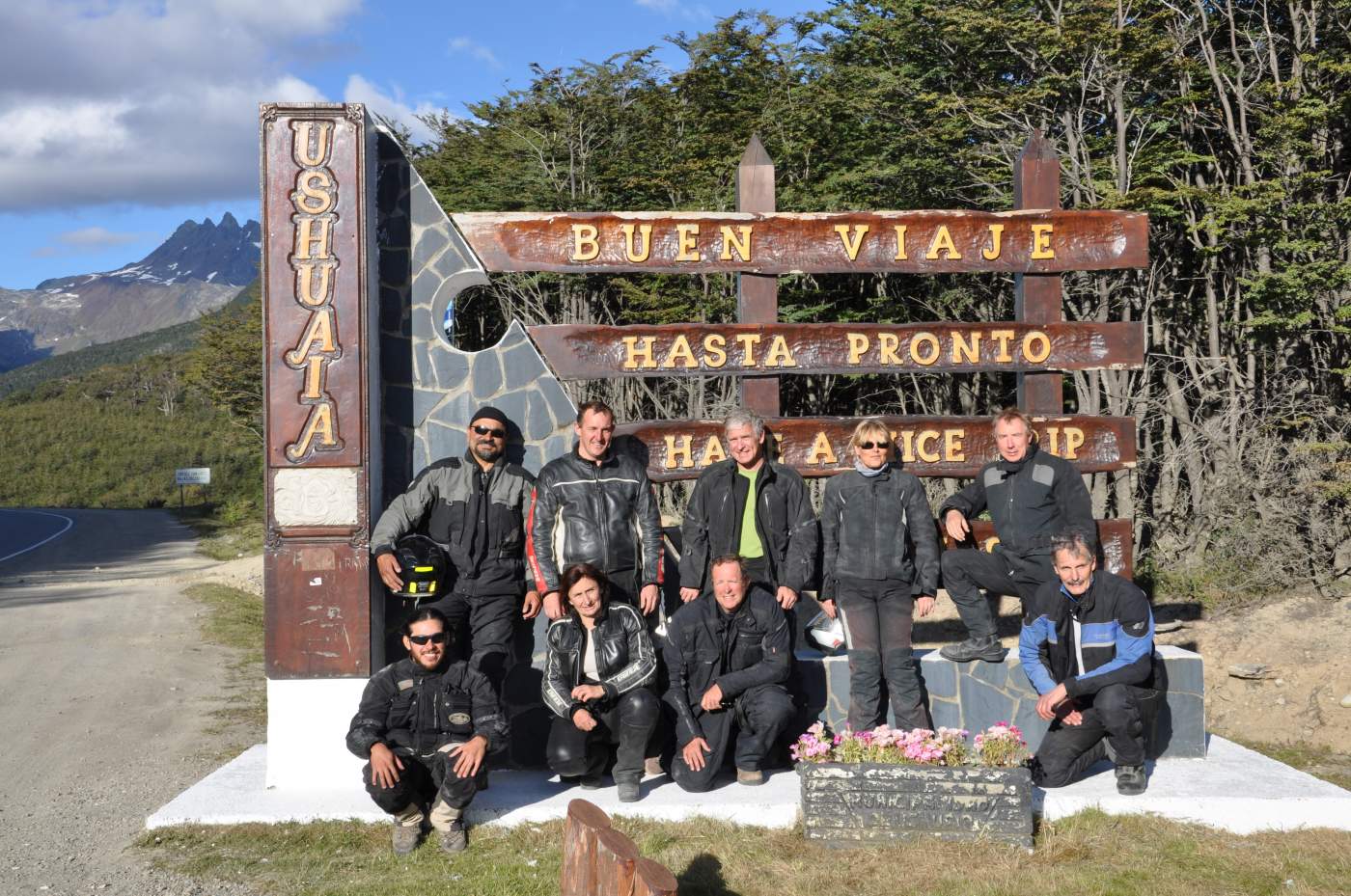
Ushuaia at the end. The southernmost city in the world. Here a feeling washes over you that's hard to describe. Not triumph. More like wonder — at the distance that lies behind you.
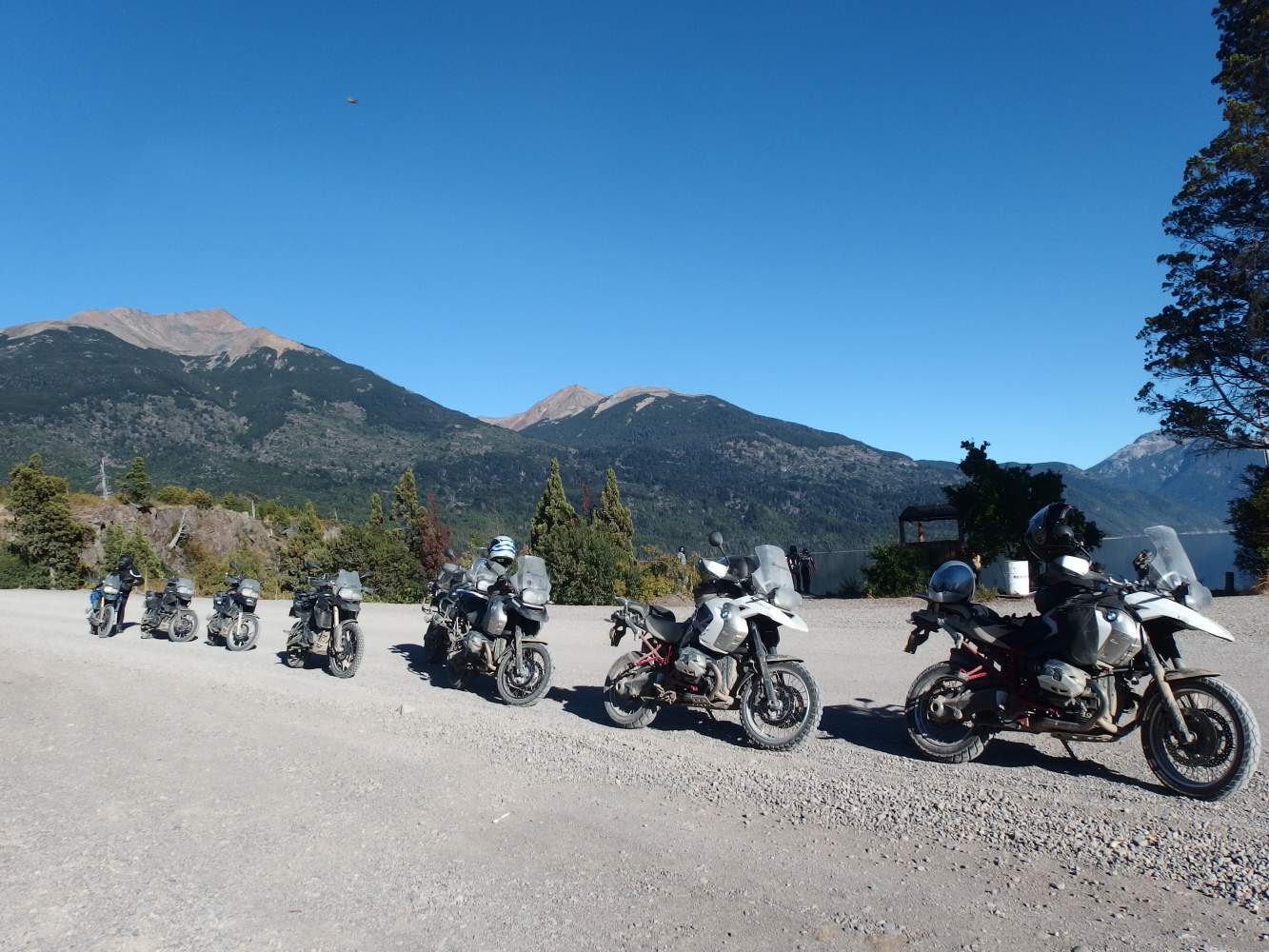
The motorcycle journey Bariloche–Ushuaia follows exactly this route in 15 days.
What the Wind in Patagonia Teaches You
The Patagonian wind is its own lesson. It mostly comes from the west. It doesn't stop. It confirms itself.
You can fight against it or ride with it. Those who fight lose. Those who learn to accept the wind as a factor instead of an enemy get further.
That applies metaphorically too, but let's stay practical: don't ride in wind speeds above 100 km/h. Take a break. Eat. Sleep briefly. Wait. In two hours everything can change. That's Patagonia.
People in Patagonia: Rare and Unforgettable
Patagonia is sparsely populated. In 900,000 square kilometers live fewer than 2 million people. You feel that.
An estanciero (rancher) on a gravel track who stops and asks if you need water — not because it's his job, but because that's just what you do out here. A herd of horses blocking the road. A condor taking off from three meters away.
The people you meet in Patagonia have something in common with the landscape: they are direct, impossible to fathom if you meander, and absolutely reliable when it counts.
What Comes After Patagonia
Most who have traveled Patagonia want to go back. Not because they weren't finished. But because the destination is so large that 15 or 20 days aren't enough.
The other side: most who have returned drive differently at home. More calmly. The traffic jams, the appointments, the to-do lists — they glimpsed Patagonia and became smaller.
That's not a mystical statement. It's an observable fact for many who take long journeys. Perspective changes. Patagonia is one of the most effective places in the world for that.