
Visas are not required for many nationalities for up to 30 days. An extension is possible. To apply for a visa, visit the website of the Philippine Embassy or consult your travel agency. A Visa on Arrival is also available, usually for 30 days. Always check the current regulations, as they can change frequently.
The Naia International Airport in Manila is the main airport for international travel. There are also airports in Cebu and Davao, which are important for local travel. If you are traveling between the islands, Cebu and Palawan are good alternatives to reach your destination faster.
The local currency is the Philippine Peso (PHP). The use of credit cards is widespread among larger vendors, but cash is essential for small businesses. It is advisable to always carry some cash, especially on remote islands where cards are often not accepted.
No mandatory vaccinations are required, but vaccinations against Hepatitis A and Typhoid are recommended. A valid travel insurance is advisable for medical emergencies and unforeseen events. Check your policy to ensure it covers all activities you plan to do.
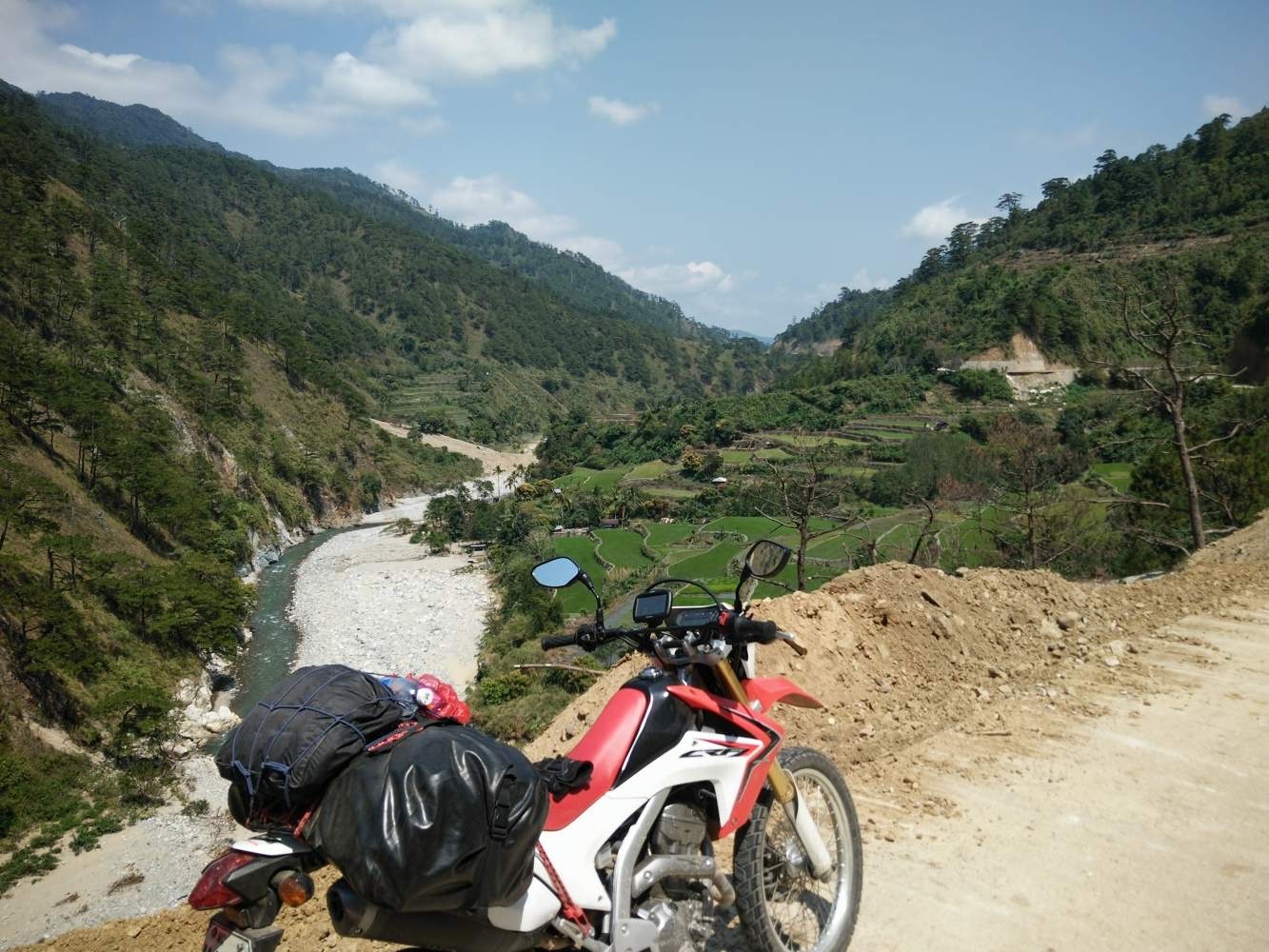
An international driver's license is recommended for driving as it is recognized by local personnel. The roads are often uneven, and there are many traffic issues in urban areas. Familiarize yourself with the traffic laws and drive defensively to stay safe on the road.
Buying a SIM card for your phone is easy. Local providers like Smart and Globe have outlets at airports and in cities. There are pre-packaged plans for tourists that offer data packages at affordable prices. Make sure to have your passport for identification.