At a glance Contents
4,000 Meters Altitude. And Suddenly You Say Nothing More.
Altitude sickness is the first thing Tibet shows you. Not the landscape. Not the monasteries. Altitude sickness. Headaches, shortness of breath, a feeling as if someone has wrapped your brain in cotton wool.
It passes. Two, three days of acclimatization, lots of water, little alcohol. Then the head clears. And then you see where you are.
What the Altitude Does to Body and Mind
Above 4,000 meters everything changes slightly. Walking becomes slower. Many travelers describe a strange calm: no stress about deadlines, no thinking about emails — the body needs all available energy for breaths and steps.
That sounds esoteric. It's physiology. And it works.
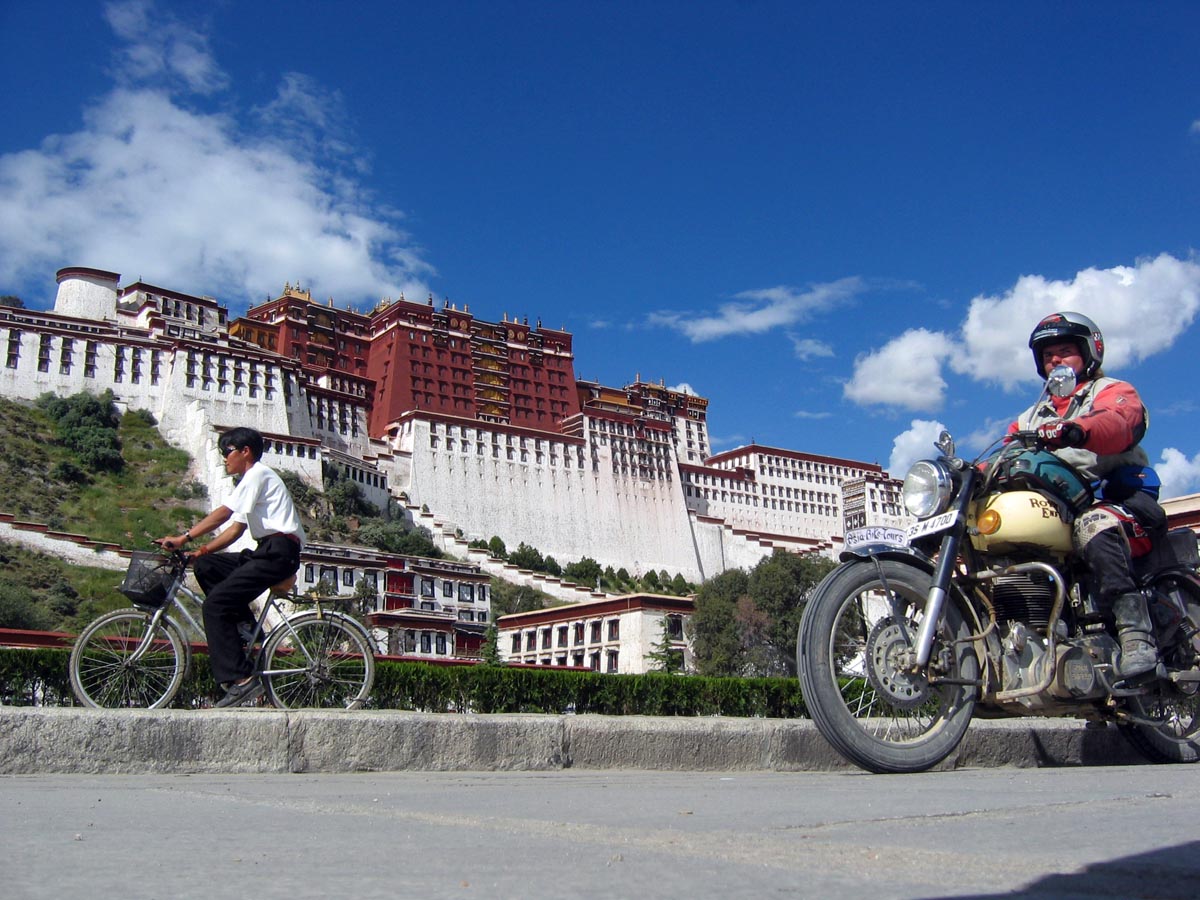
Tibet by Motorcycle: The Roof of the World Under Your Wheels
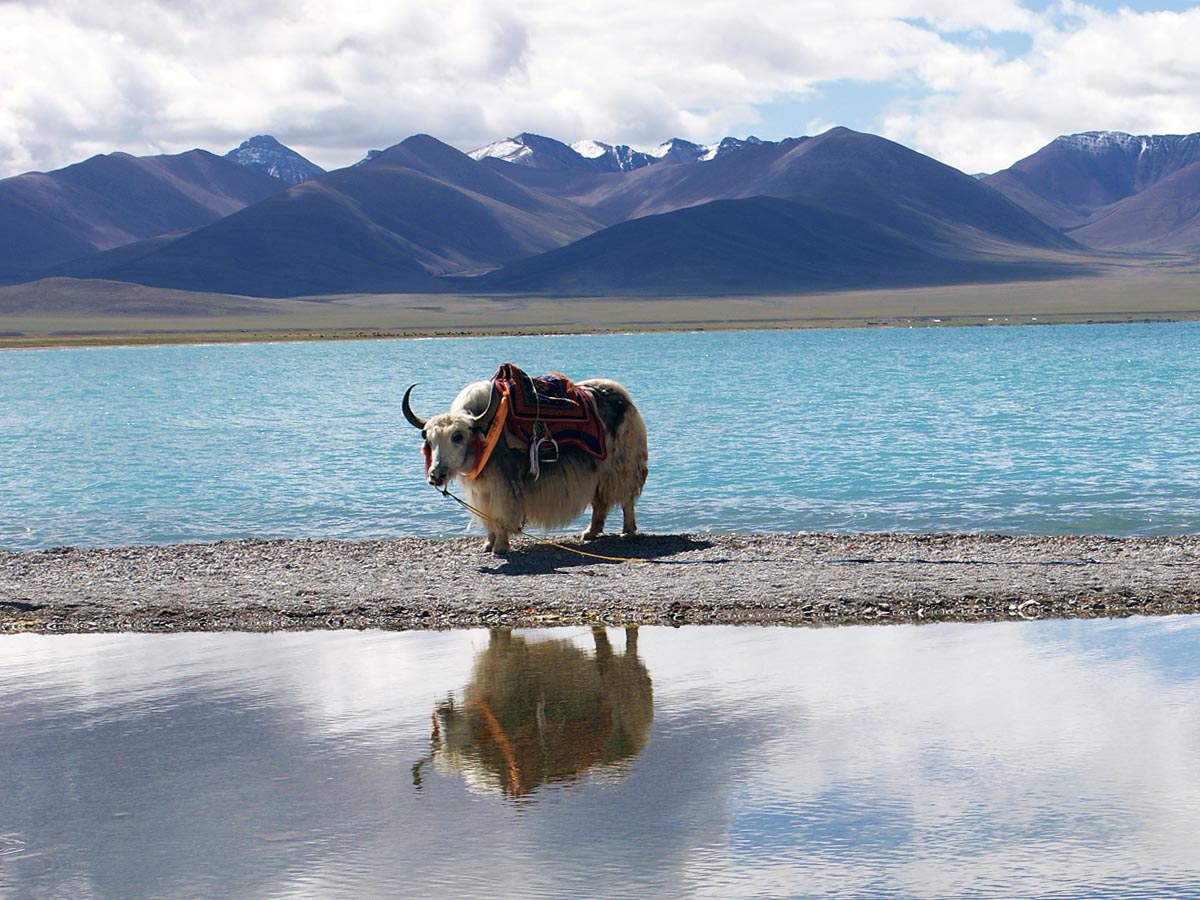
Lake Manasarovar at 4,590 meters. The Tanggula Pass on the way to Lhasa: over 5,000 meters of asphalt.
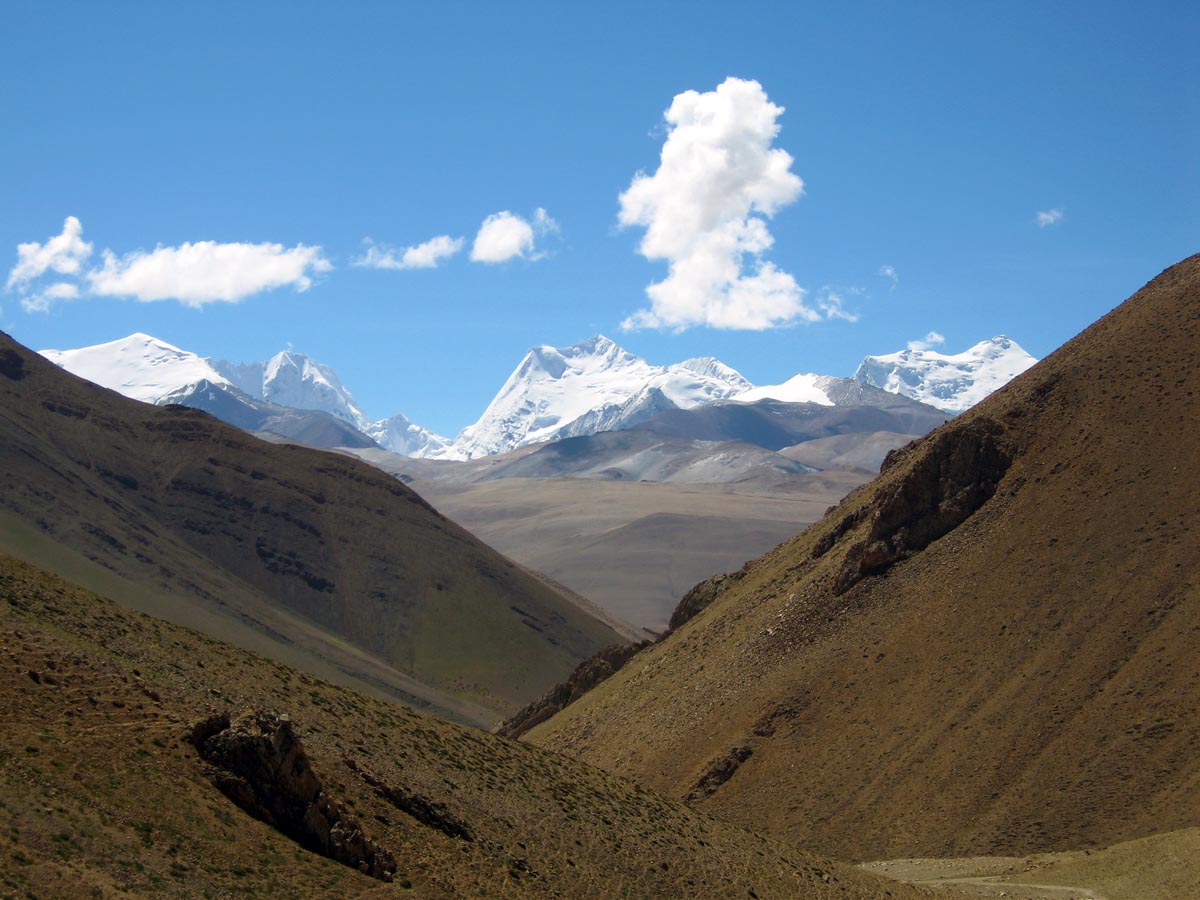
You ride roads that few Western Europeans have ever traveled. With views that other people train and climb for years to achieve.
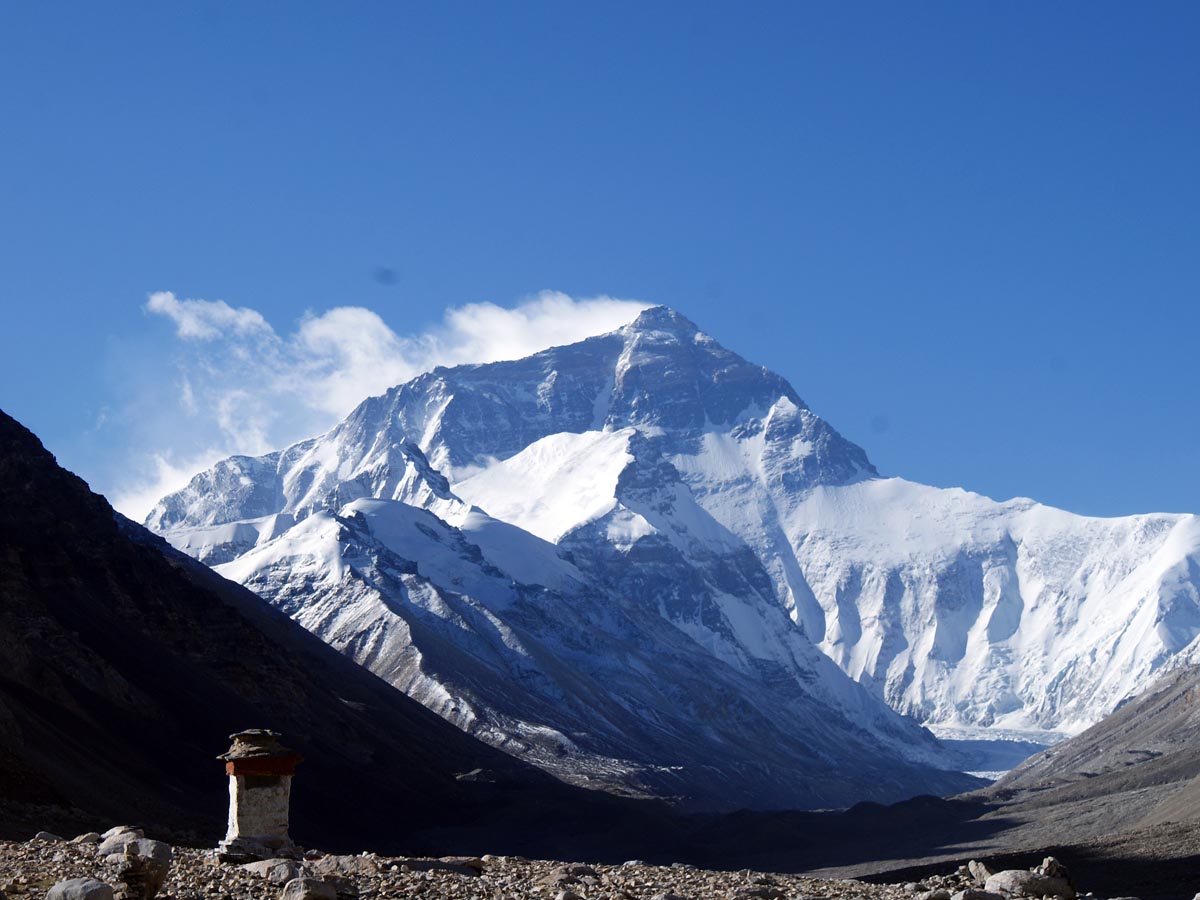
The motorcycle journey through Tibet leads there: Lhasa, Namtso, Shigatse, Everest Base Camp.
Tibetan Culture: What Sets It Apart
Time runs differently in Tibet's monasteries. Buddhism in Tibet is not cultural decoration. It's the structure of daily life — how you wake up, what you eat, how you deal with death.
Butter tea is a key experience. Not because it tastes good, but because it means hospitality. Drink it. Say thank you.
Practically: What You Need to Know Before Tibet
Tibet requires a special permit (Tibet Travel Permit) — in addition to the Chinese visa. Solo entry into Tibet is not permitted.
Altitude acclimatization is mandatory: at least two days in Lhasa (3,650m) before ascending to higher regions.
Optimal travel time: April to October. May, June and September are the best months.
What Stays After Tibet
You come back and go to work again. The world is the same. But something has shifted. The big things have gotten bigger and the small things smaller.
That's probably the best thing a journey can achieve: not just filling a photo album, but changing something that can't be photographed.