At a glance Contents
Patagonia Begins Where the Rest of the World Ends.
That sounds like a travel blog cliché. But then you're standing on Ruta 40 south of El Chaltén, the wind is coming from the west at 90 km/h, and you stop — not because of the scenery, but because otherwise you'll be blown over.
Patagonia is the opposite of comfortable. That's the point.
What Sets Patagonia Apart from Other Destinations
Real vastness: 200 kilometers of steppe without a gas station, without mobile signal, without a turn-off.
The weather changes in hours. Morning sun, midday rain, afternoon storm, evening sunset. You need all clothing layers in your luggage simultaneously.
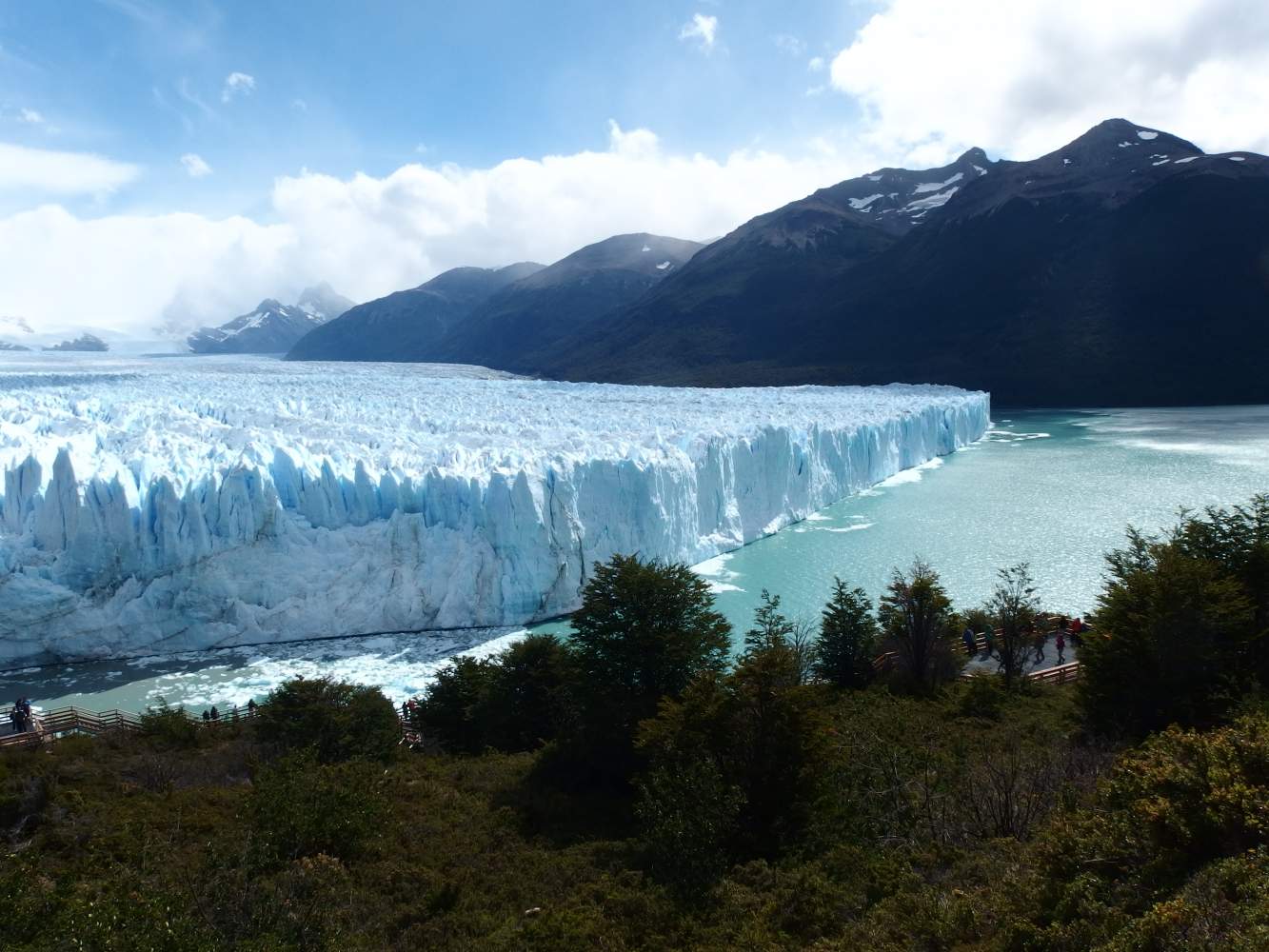
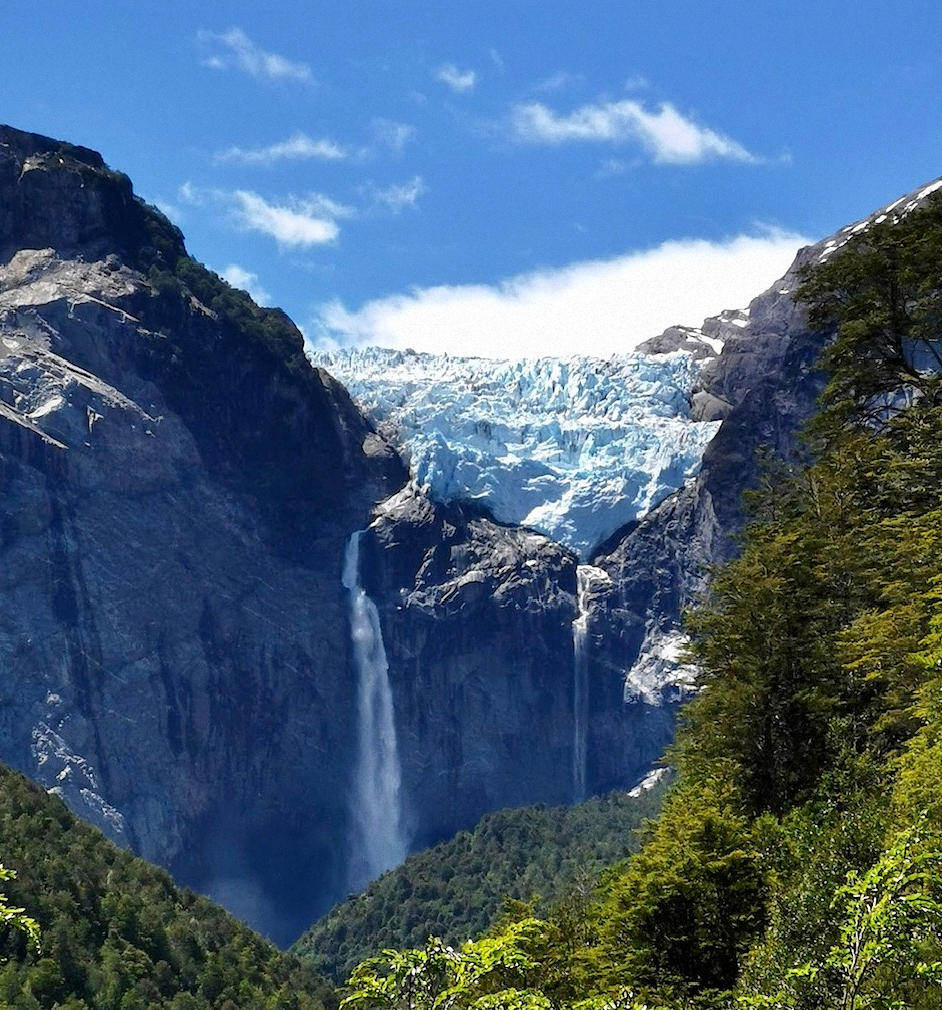
The landscape: glaciers calving into the sea. Mountains of black gneiss. Condors circling motionlessly in the thermals.
Bariloche to Ushuaia: The Classic Route Explained
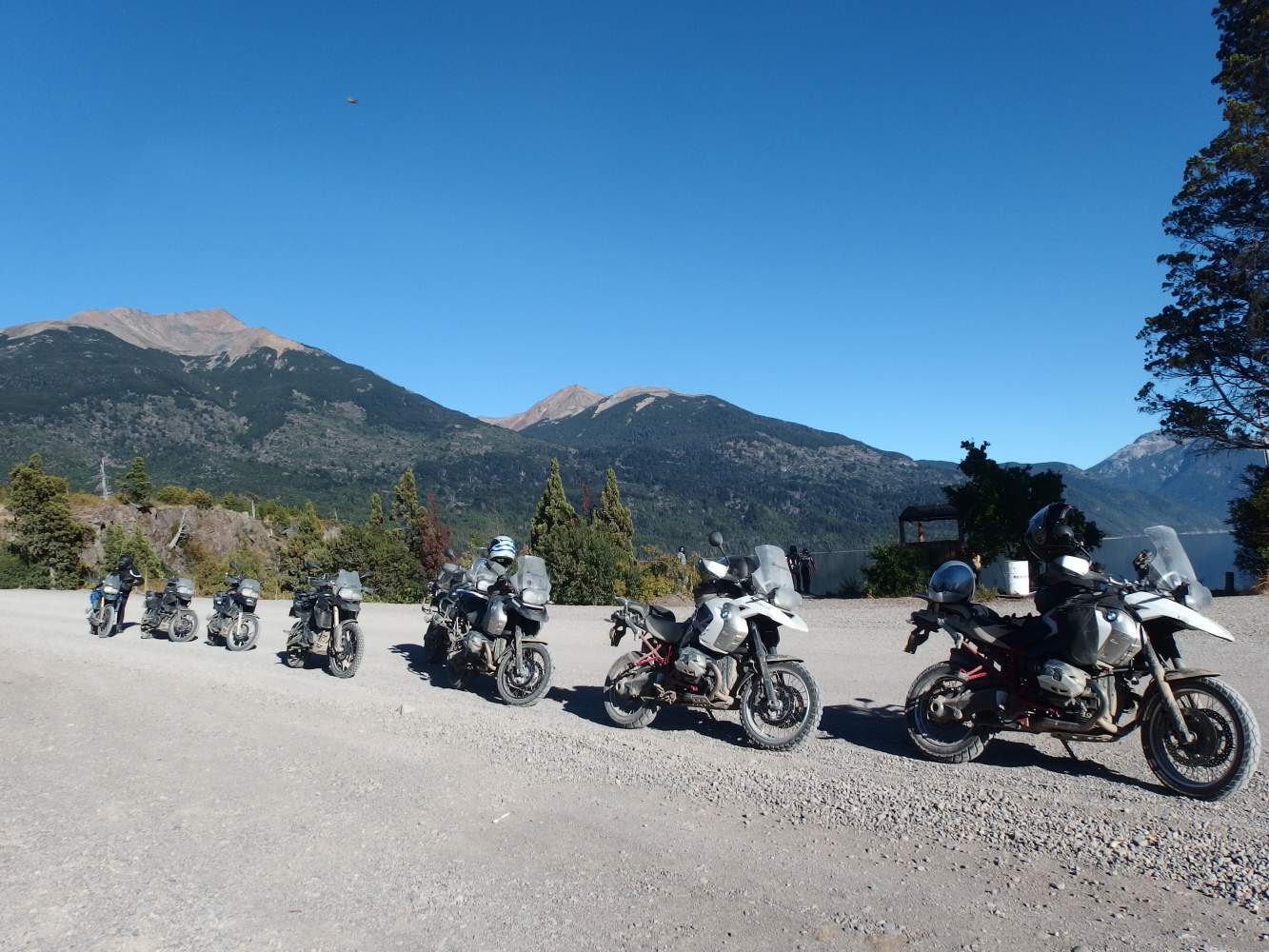
Bariloche is the entry point. From here Ruta 40 heads south — first paved, then gravel, then paved again.
El Chaltén: Cerro Torre, Fitz Roy. You don't have to climb to understand these mountains. Torres del Paine in Chile: the most famous backdrop in Patagonia.
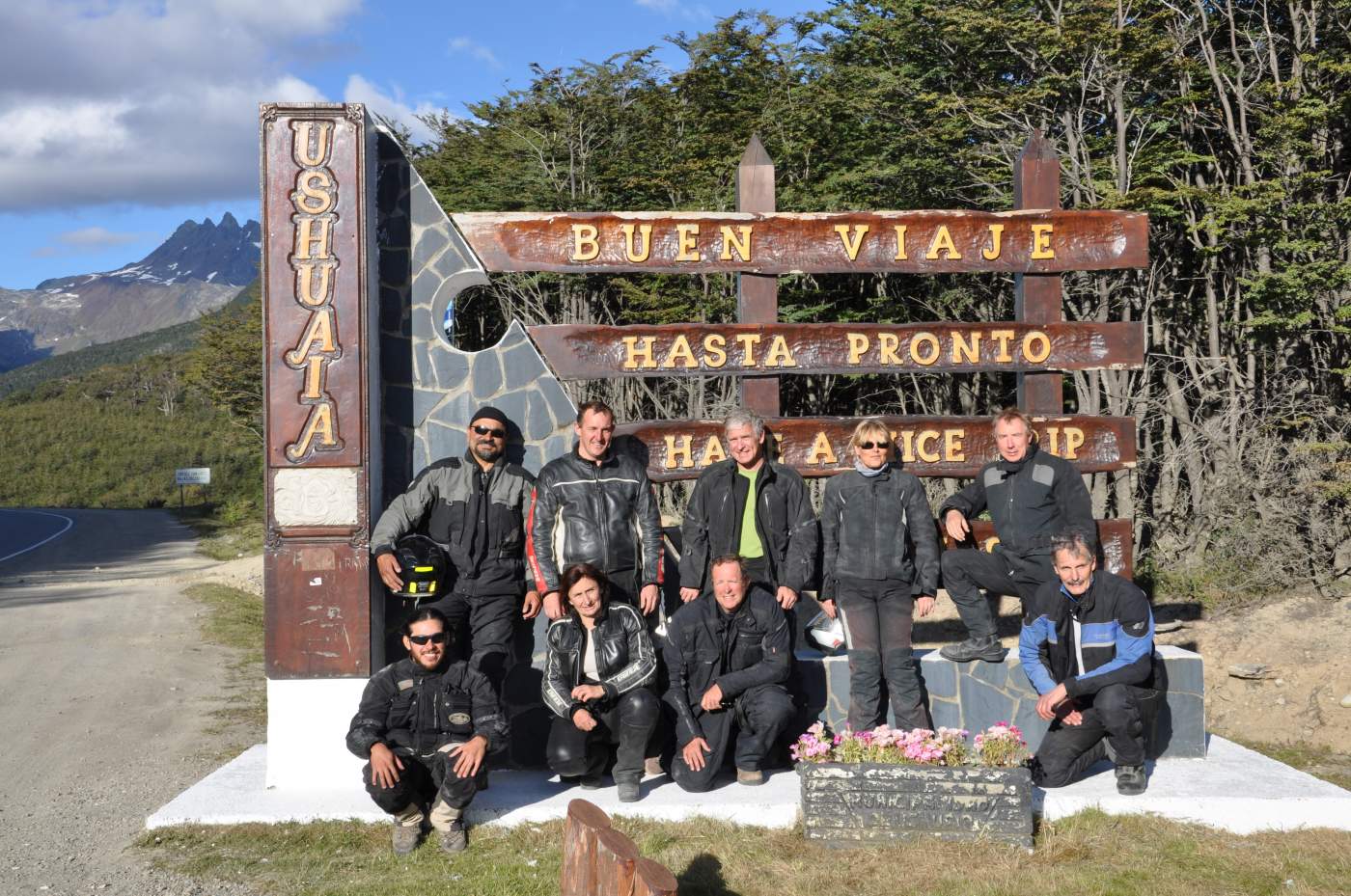
Ushuaia at the end — the southernmost city in the world. The motorcycle journey Bariloche–Ushuaia follows this route in 15 days.
What the Wind in Patagonia Teaches You
The Patagonian wind is its own lesson. It mostly comes from the west. It doesn't stop.
Don't ride in wind speeds above 100 km/h. Take a break. Wait. In two hours everything can change. That's Patagonia.
People in Patagonia: Rare and Unforgettable
An estanciero on a gravel track who stops and asks if you need water — not because it's his job, but because that's just what you do out here.
The people you meet in Patagonia are direct, impossible to fathom if you meander, and absolutely reliable when it counts.
What Comes After Patagonia
Most who have traveled Patagonia want to go back. Not because they weren't finished. But because the destination is so large that 15 or 20 days aren't enough.
The traffic jams, the appointments, the to-do lists — they glimpsed Patagonia and became smaller. Perspective changes. Patagonia is one of the most effective places in the world for that.