At a glance Contents
- Offroad Doesn't Start on the Track. It Starts in the Garage.
- Your Vehicle: What It Needs to Do and What It Doesn't
- Equipment: The Four Things No Off-Roader Forgets
- Driving Technique: Why You Should Take a Training Course
- Sardinia: The Underrated Off-Road Destination in Europe
- Mental Preparation: What Really Counts
- Frequently asked questions
Offroad Doesn't Start on the Track. It Starts in the Garage.
Most breakdowns don't happen in the sand. They happen because someone set off in a vehicle that wasn't really ready. Worn tires. No spare. Brakes that were good enough on asphalt but not on gravel anymore.
This guide is for everyone who wants to seriously go off-road for the first time - and doesn't want to end up stranded with a breakdown on a gravel track.
Your Vehicle: What It Needs to Do and What It Doesn't
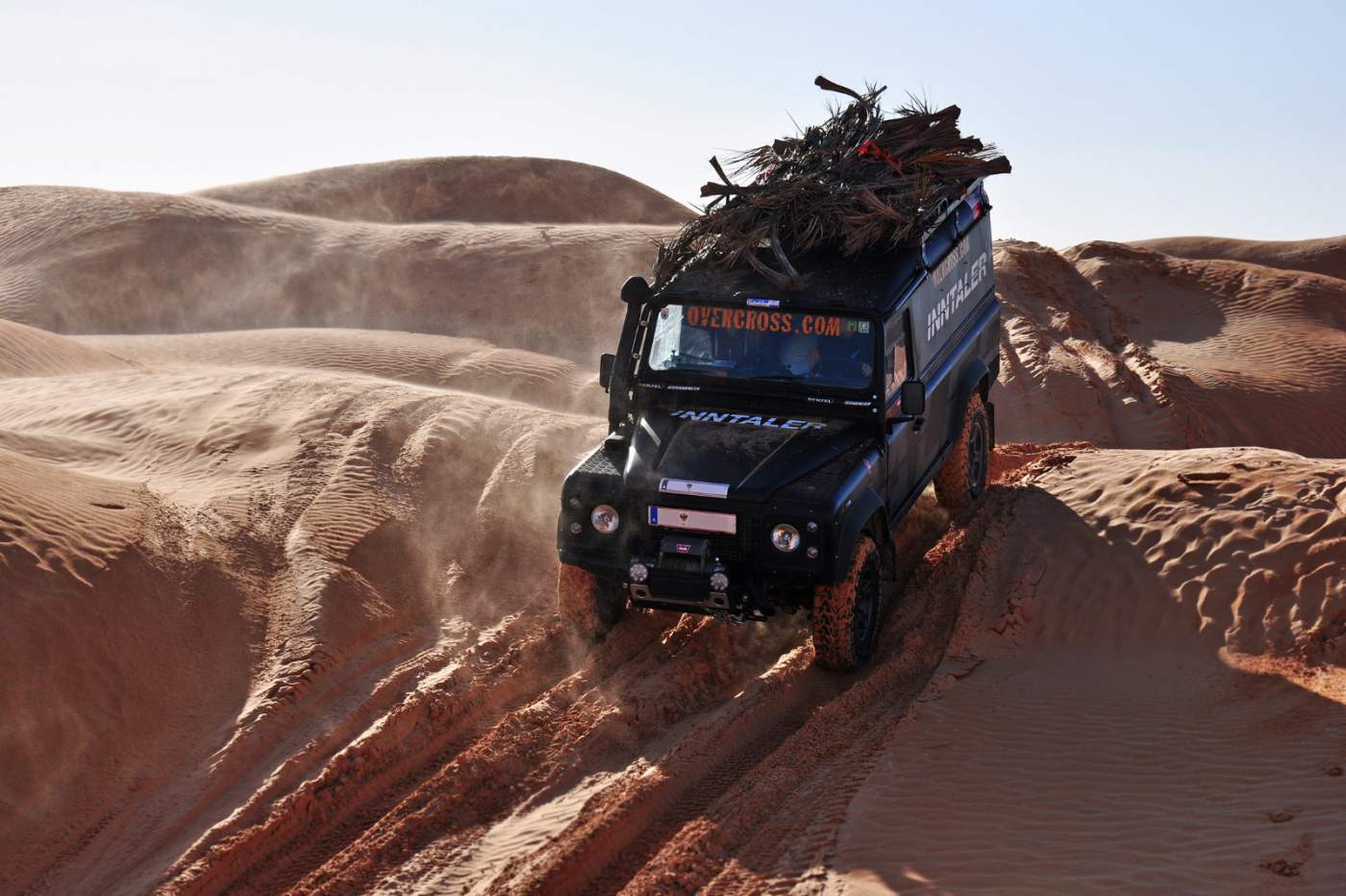
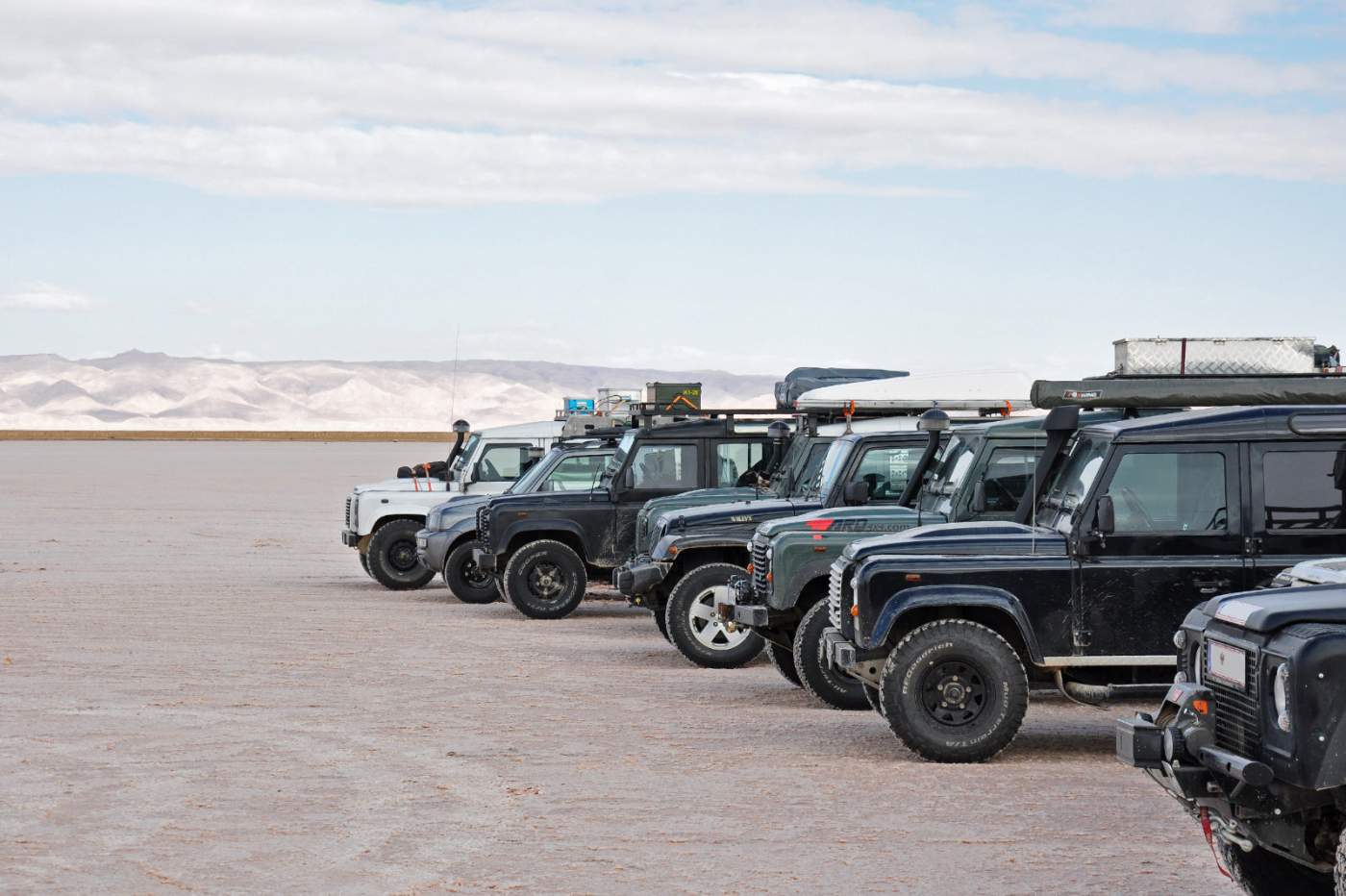
You don't need a fully kitted expedition vehicle. You need a vehicle with four-wheel drive, good off-road tires, and ground clearance that doesn't bottom out at the first field track.
Differential locks (at least one, rear) make the difference on loose surfaces. Without a lock, one wheel spins, the other runs free. With a lock the vehicle goes through.
Ground clearance: at least 200mm. Anything less bottoms out on larger rocks or washed-out tracks.
Equipment: The Four Things No Off-Roader Forgets
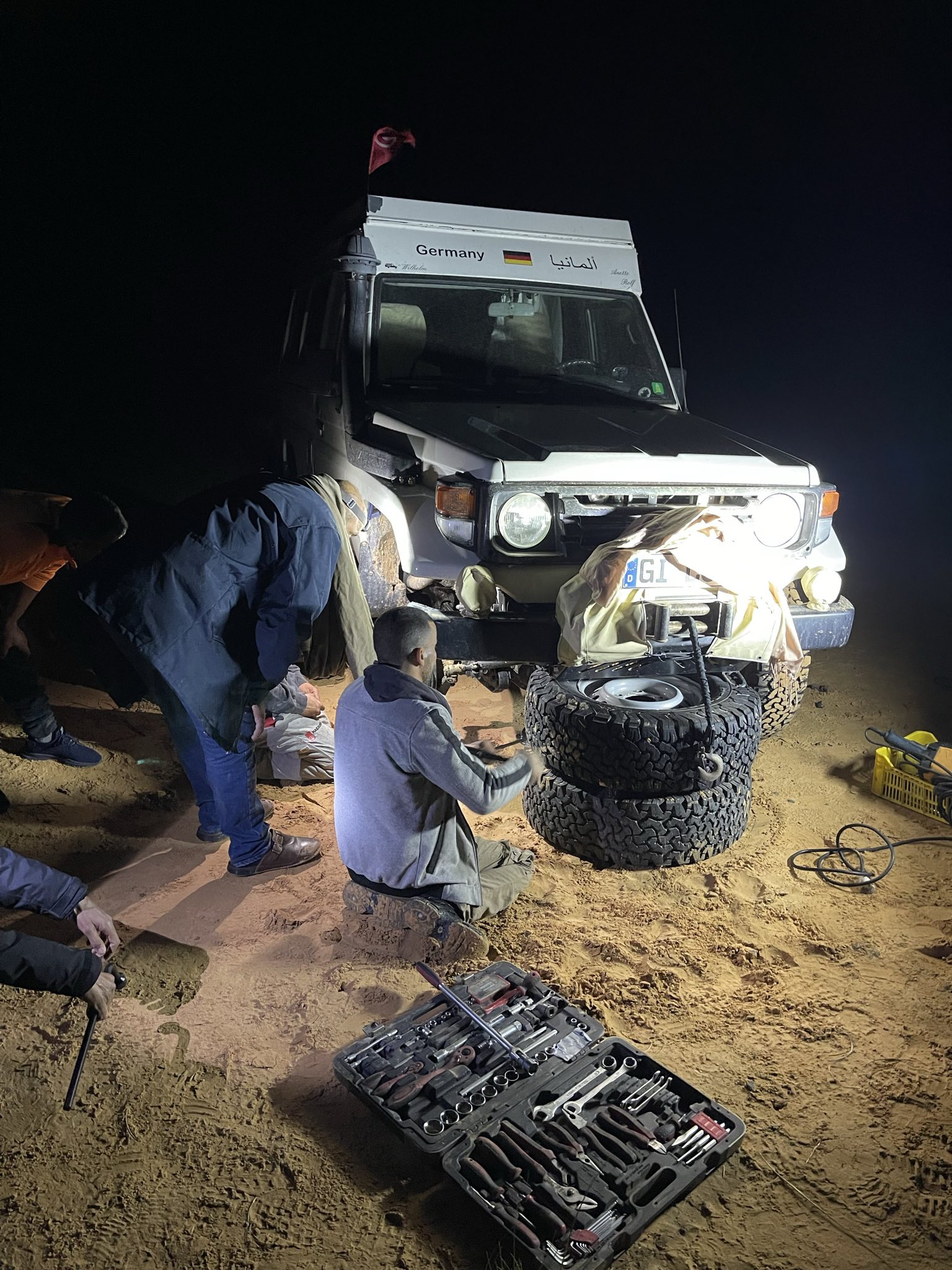
Number one: sand plates or traction aids. Hi-Lift jack and recovery strap as complement. This combination frees 90% of all stuck vehicles.
Number two: tire repair. Two spare wheels is ideal. Add a compressor (12V, min. 150 PSI) and tire plug kit.
Number three: navigation. Offline maps for all off-road apps are sufficient. Don't assume mobile coverage.
Number four: water and fuel for more than planned. Calculate a 30% buffer.
Driving Technique: Why You Should Take a Training Course
Offroad driving looks easy. Gas on, four-wheel drive in, done. That's true for flat terrain. For slopes, sand, and muddy tracks it isn't.
A terrain training shows you in one day more than ten self-attempts without guidance. The 4x4 basic training takes one day - you drive through all relevant terrain situations on a dedicated off-road course.
Sardinia: The Underrated Off-Road Destination in Europe
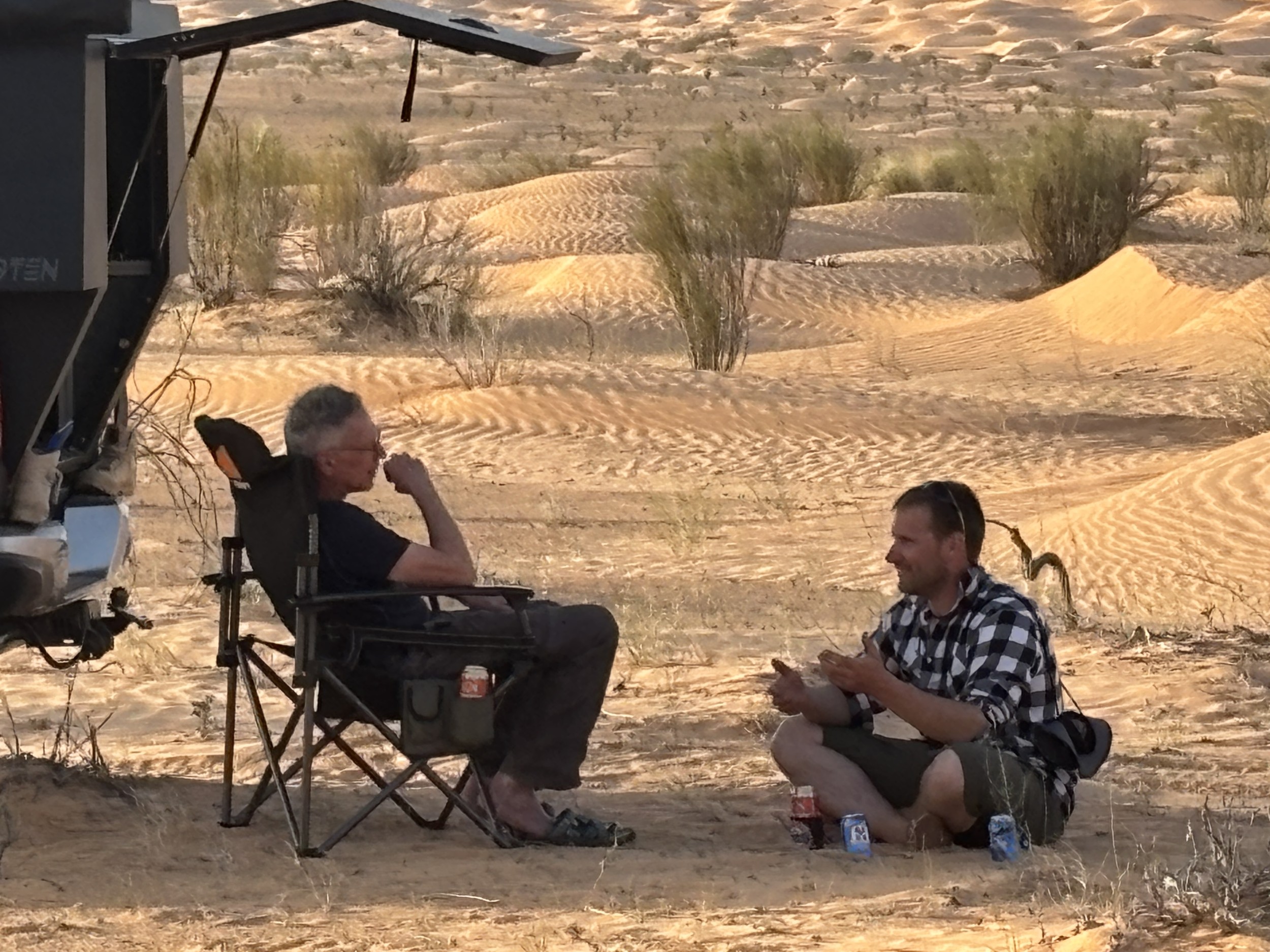
Those who don't want the Sahara right away: Sardinia is the perfect testing ground for European off-roaders. Rocky coastal trails, gravel tracks through maquis, abandoned mountain villages in the interior.
The 4x4 journey through Sardinia shows this in 9 days: Nuragic culture, coastal tracks, camping with sea view.
Mental Preparation: What Really Counts
The vehicle can do everything. If the driver panics, that doesn't help.
Offroad demands calm when it gets difficult. Stop briefly. Get out. Assess the situation. Then continue.
And if you get stuck: that's not failure. That's offroad. Shovel out, sand plate in, 10 minutes of work, continue.
Answered briefly
Frequently asked questions
- Do I need an expedition vehicle for my first off-road trip?
- No. You need four-wheel drive, good off-road tires and enough ground clearance, ideally at least 200 mm. A rear differential lock makes a clear difference on loose surfaces.
- What recovery equipment should every off-roader carry?
- Sand plates or traction aids, a Hi-Lift jack and a recovery strap, tire repair gear with a 12V compressor, offline maps, and water and fuel with a buffer of about 30 percent beyond what you planned.
- Is an off-road driving course worth it?
- Yes. Slopes, sand and mud demand technique that flat tracks never teach you. A one-day 4x4 basic training on an off-road course shows you more than many attempts on your own.
- Where in Europe can I try off-roading before the Sahara?
- Sardinia is a good testing ground: rocky coastal trails, gravel tracks through the maquis and abandoned mountain villages inland. Our 4x4 journey through Sardinia covers this in 9 days with camping by the sea.