MOTORCYCLE-TOURS · BOLIVIA
Motorcycle tour through Bolivia one of the best motorcycle trips.
Discover the highlights of Bolivia on this incredible motorcycle adventure! You can look forward to 17 days full of adrenaline that will take you along the famous "Ruta del Che," to Sucre, and to the largest salt flat in the world, the "Salar de Uyuni.
The Journey
Bolivia Motorcycle Adventure: Path of the Andes
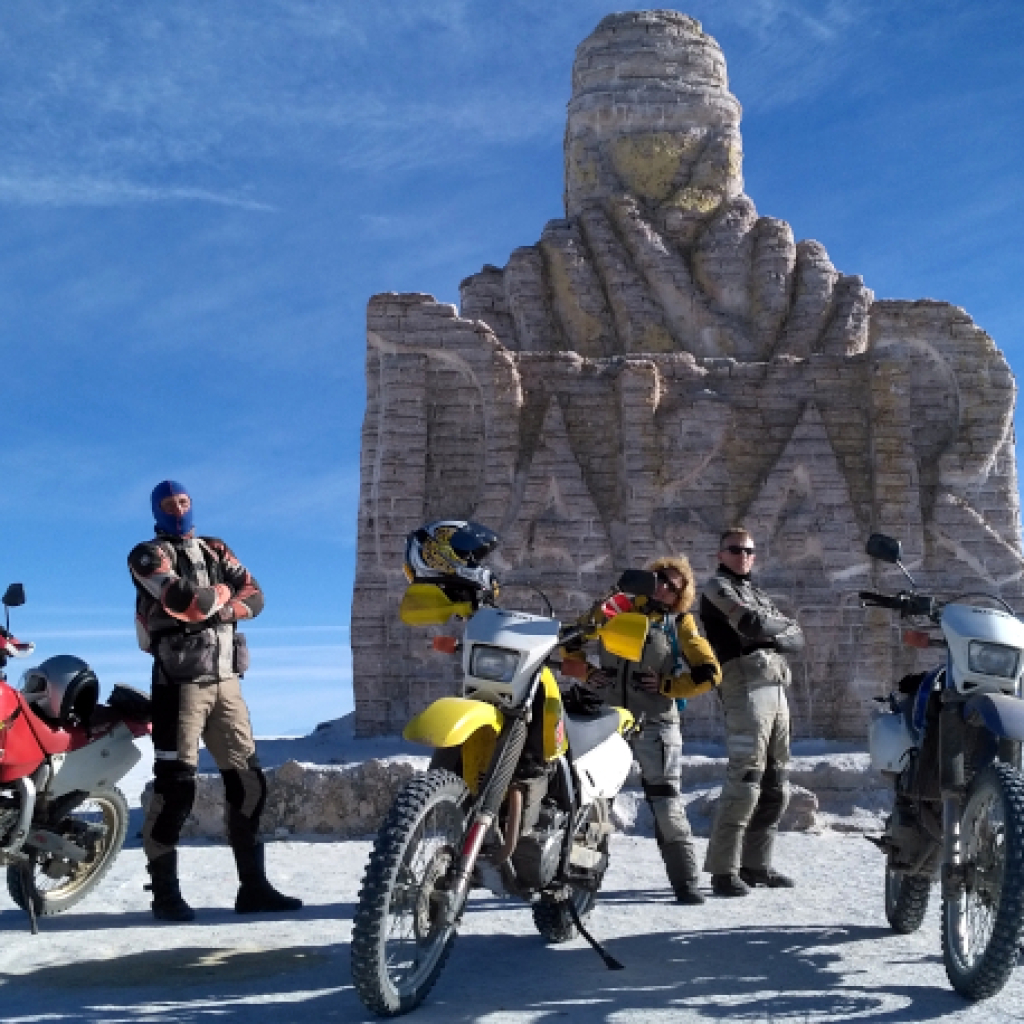
Our "Motorcycle Tour through Bolivia!" is similar to our Wild Wild West motorcycle tour, the main difference being that it includes two additional days where we leave the motorcycles behind and board a 4x4 vehicle to explore the high passes of the Bolivian Altiplano. We start in Samaipata, located 120 km from Santa Cruz. From there, we travel along the famous "Ruta del Che" towards Sucre, the colonial capital of Bolivia. Next, we continue to one of the highlights of this trip, the Salar de Uyuni, where we make a stop to take photos at the "Dakar Rally" salt monument. At this point, we switch to a 4x4 vehicle to explore the high plateau desert region and enjoy the stunning views of the mountains in Tupiza. After a visit to Bolivia's wine capital, Tarija, we embark on the final leg of our journey, driving along the Piraí River back to Samaipata. Highest pass: 4,400 m on a motorcycle, 5,010 m in a 4x4 vehicle. We recommend participants of this tour, the Bolivia motorcycle tour: The Highlander One, The Highlander Two, to consult a doctor before the trip. Due to altitude sickness, some riders suffer from headaches and other related issues. A trip to Bolivia is much more than a journey; it resembles an expedition. Given the numerous socioeconomic difficulties, ecological situation, fuel shortages, and political as well as economic challenges, standard travel is no longer feasible. However, thanks to our good contacts and a knowledgeable guide, we can offer an expedition even in such challenging times. Flexibility is essential, as the situation on the ground can change unpredictably, affecting plans, schedules, or routes.
Key Highlights of the Trip
Key Highlights of the Trip

Arriving in Bolivia
We organize transportation from Santa Cruz to Samaipata. There, we will pick you up either at the hotel or directly at the airport.
Samaipata
On the first day of our motorcycle trip, we are in Samaipata. This is a great opportunity to get used to the local conditions and acclimatize to the altitude. We will provide you with an introduction to traffic rules, road safety, and information about the routes ahead of us. This way, we are well prepared and don't jump straight into the deep end. Afterwards, we will take a trip to the archaeological site "El Fuerte," a UNESCO World Heritage Site. El Fuerte is an unsolved puzzle for some, while for others it is known as a landing site for aliens. What it is for you, you can decide for yourself. In any case, this trip is a perfect opportunity to get to know the motorcycles better.
Off to La Higuera
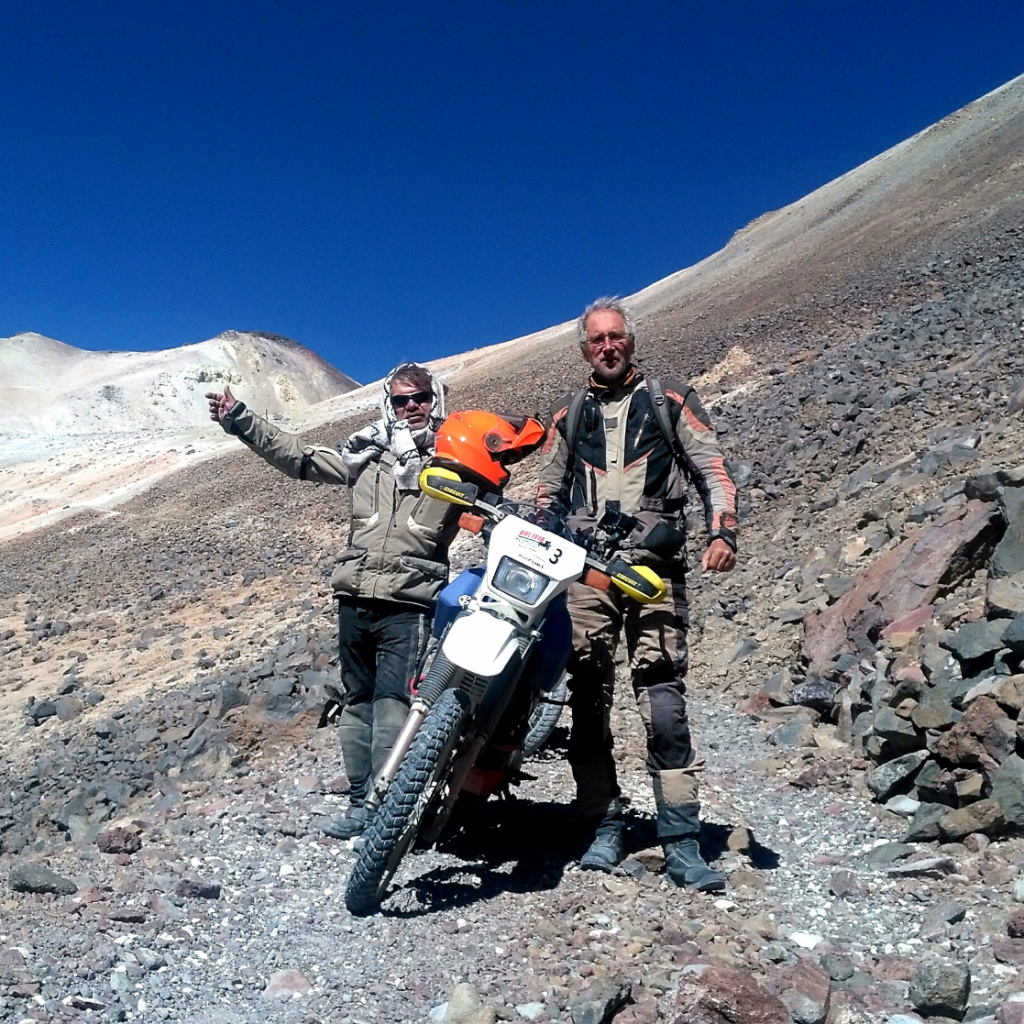
Now we are ready to hit the streets of Bolivia. We are following in the footsteps of Ernesto "Che" Guevara, South America's most famous freedom fighter. These lead us along a well-paved mountain road, which offers a lot of beautiful curves that we can get used to for the upcoming roads. Halfway, we leave the road and head onto gravel. The road takes us through lush green hills and ends in the settlement of La Higuera. Here we will visit the school that later became Che Guevara's prison and also the site of his execution. Today, the former school is a small museum that exhibits some pictures and portraits of Che. Under a clear sky, we will sit around the campfire in the courtyard of the hotel under the stars, listening to the stories of Don Juan during the time of the guerrilla war, and we will also have the opportunity to exchange thoughts about the day's events.
To the capital Sucre
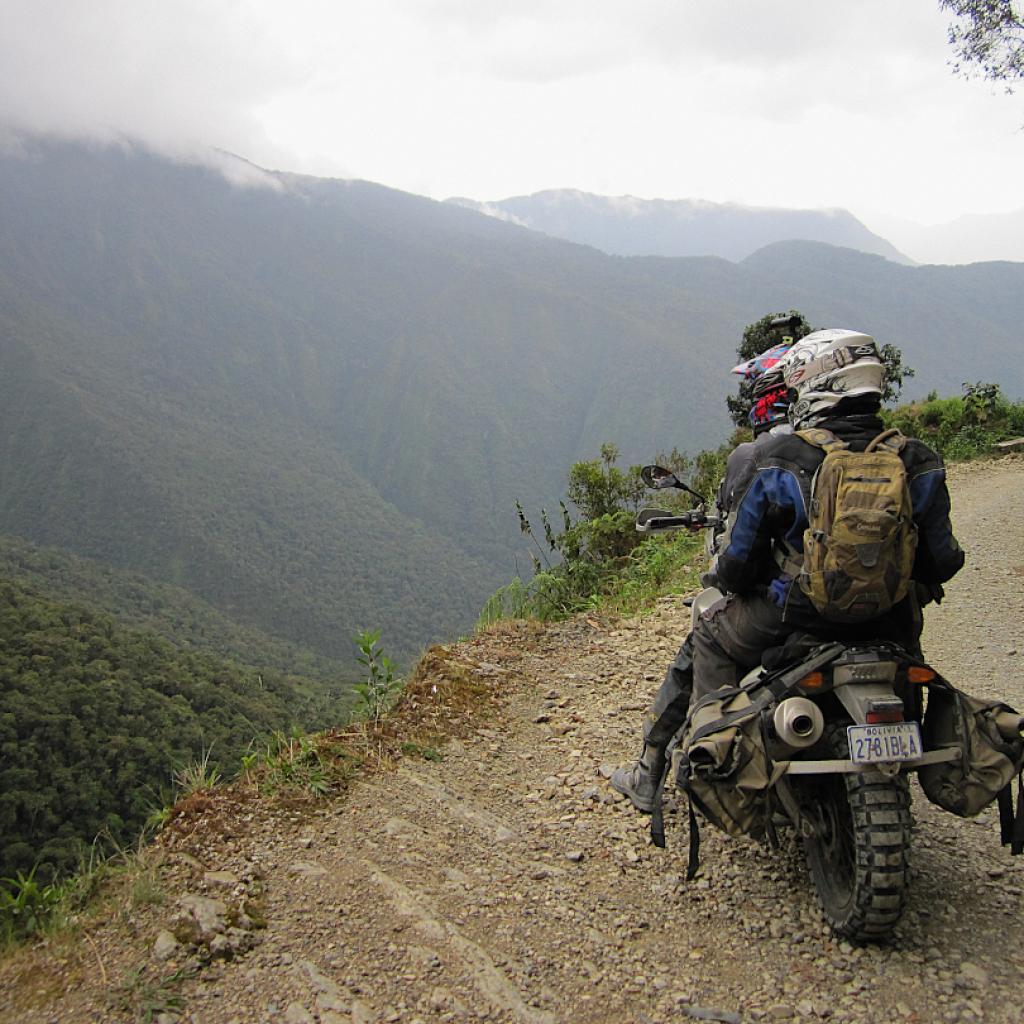
We will have an early start to visit the Sunday market in Tarabuco. Here you can find everything from traditionally made items to household goods. Additionally, it's a good and authentic place to pick up some souvenirs for friends back home. If you're not interested in the market, you can simply watch the local women as they shop in their best Sunday outfits or exchange the latest gossip. Afterwards, we will drive to the capital of Bolivia, Sucre. The whitewashed old town of Sucre is part of the UNESCO World Heritage and has a special charm. Because of this, you have this afternoon and evening at your disposal to get to know the city better.
To the UNESCO World Heritage site Potosi and the silver mines
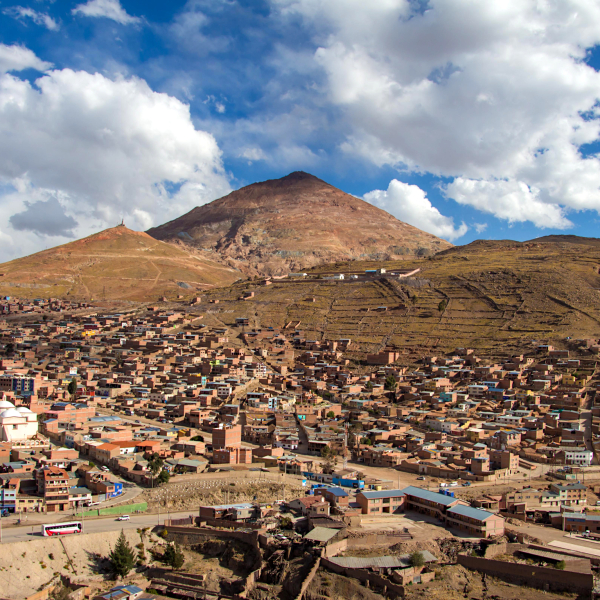
We will leave Sucre tomorrow morning, so you can use the morning to sleep in or observe the hustle and bustle in the city center. The drive to the mining city of Potosí is a lot of fun; it’s a winding mountain road that is also freshly paved, so you don’t have to worry about any potholes. Nonetheless, this is the day we will be going to a significantly higher altitude above sea level. We will be at over 4,100 meters, which means some of us may experience altitude sickness. Of course, our guides will provide tips and instructions on how to deal with it if anyone shows signs. Potosí is the highest city in the world and is also recognized as a UNESCO World Heritage Site. In the afternoon, we will visit the Potosí mine market, where you can buy pretty much anything, whether it’s milk, coca leaves, bread, or even dynamite if you want. Then we will go to the mines, where we will gear up to visit the Pacha Mama. This is what the locals call the 500-year-old mine interior. Despite years of operation, the mine is still used daily by the miners. After lunch, we will continue to the "Casa de la Moneda" (House of Money) museum. In the 16th century, almost every silver coin that circulated in the Western world was minted in Potosí.
Motorcycle ride to Salar de Uyuni
On our motorcycle tour through Bolivia, there are many incredible places, and one of them is the famous Salar de Uyuni. Today's route takes us through breathtaking gorges, picturesque settlements, and we will also have the chance to see the animal inhabitants of Bolivia's Altiplano more closely. These include particularly vicuñas, nandus, and llamas. Near Uyuni, we visit the Pulacayo train station, the mining museum, and its famous train graveyard. This is one of the largest in the world and certainly one of the most surreal due to its remote location. The old locomotives from the 19th century are slowly but surely rusting under the power of the sun and also due to the proximity to the salt lake.
Salar de Uyuni Day Tour
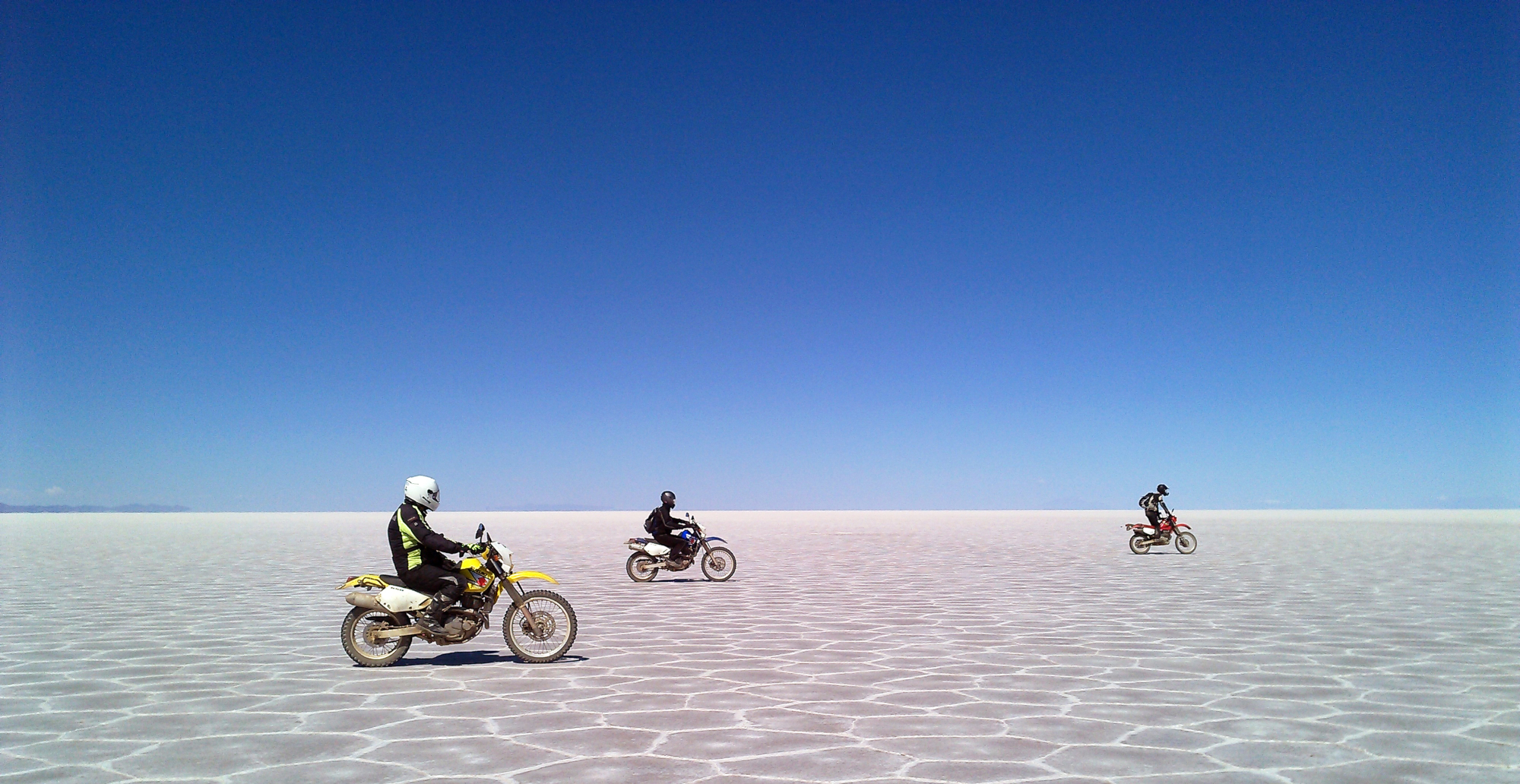
The dried-up salt flat "Salar de Uyuni" covers more than 11,000 square kilometers, making it the largest dried-up salt flat on this planet. A unique and moving natural spectacle. The bright white of the salt flat stands in stark contrast to the crystal blue sky. In many places on the flat, there are no reference points like mountains or similar backgrounds. This makes the flat very suitable for photos that play with the viewer's perspective. Dozens of examples can be found on the Internet. Even beginners find it easy to take a lot of funny photos. Here we will visit the cactus island "Inca Huasi", the salt market, the monument of national flags, the salt hotel, and of course, the famous Dakar Rally monument.
In the desert of the Altiplano
For the next 2 days, we will exchange our motorcycles for a 4x4 vehicle. The high plateau is a unique and fascinating world worth exploring. Due to the altitude and the extremely difficult and dangerous driving conditions, we use all-terrain vehicles for transportation. This way, we can cover more distance in less time. Wherever we stop, there are numerous photo opportunities, and the lagoons are home to hundreds of flamingos. You will also frequently see llamas, alpacas, and vicuñas. Some highlights are Laguna Colorada, Laguna Verde, and the Árbol de Piedra (Stone Tree).
Questions about the tour itinerary?
Our tour guide is happy to answer any questions about the day-by-day route, stops, and details.
In the Desert of the Altiplano 2 Day
On the second day, we slowly make our way back to Uyuni after a few more stops, where we arrive in the late afternoon and take back our motorcycles.
Tupiza
We set off early in the morning toward Tupiza and enjoy the brand new 21st Road. A good break, considering how many gravel roads we traveled on the previous tour days. We will drive a lot through wasteland, but the views will be worth it; the mountain landscapes are simply breathtaking! This region is also referred to as the Monument Valley of Bolivia, as the infamous outlaw duo Butch Cassidy and The Sundance Kid were active here.
After Tarija
As soon as the rubber touches the gravel, the landscape suddenly transforms into a picturesque backcountry route with deep canyons. Along our route, there is no infrastructure, so a picnic lunch is the only option.
The drive to Tarija, the wine capital of Bolivia, remains extremely varied. Right after the last mountain pass, a fantastic panorama opens up over the Tarija Valley. That evening, we are expecting an event dinner at the city's best restaurant – the culinary highlight of this tour.
Optionally, there is the possibility to visit Casa Dorada, Castillo Azul, and the paleontological museum (extinct mammals).
To Villamontes
This route is particularly difficult because it is full of curves as we drive from the hills of Tarija into the dry region of El Chaco. To many, it is considered the most dangerous road in Bolivia, but it does not pose too much of a challenge for motorcyclists.
After Abapo
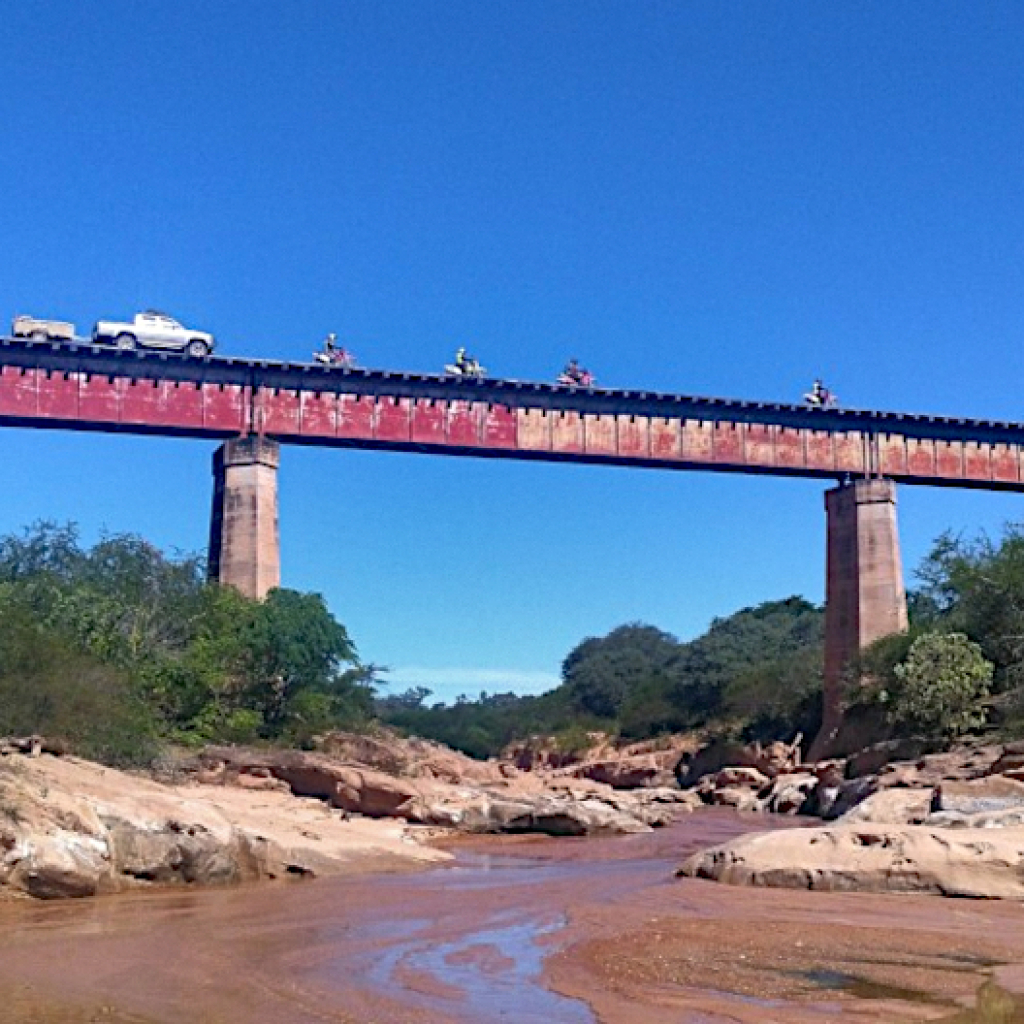
After all the off-roading, it's nice to have asphalt under the wheels again. The next part of the ride takes us through the largest gas-producing region in Bolivia. Another small highlight is the drive over a decommissioned railway bridge.
After Samaipata
The last day of our motorcycle tour through Bolivia's landscapes takes us over sandy tracks and paved roads. We ride along the Piraí River back to Samaipata. We celebrate this incredible journey with a cold beer and good stories with our fellow travelers.
To Santa Cruz
Late in the morning we set off for Santa Cruz to relax a bit or do some last-minute shopping after the last exhausting days. In the evening we all come together for a farewell dinner.
Departure day!
Today is the day of the return flight and all travelers are being taken to Santa Cruz Airport by OVERCROSS tour operator to catch their flight back home.
Want a detailed description of all tour days?
Our expert will walk you through the full itinerary and answer all your questions.
from
Price Options
Additional Options
Trip includes
- Overnight stays in hotels in shared double rooms
- Three meals a day
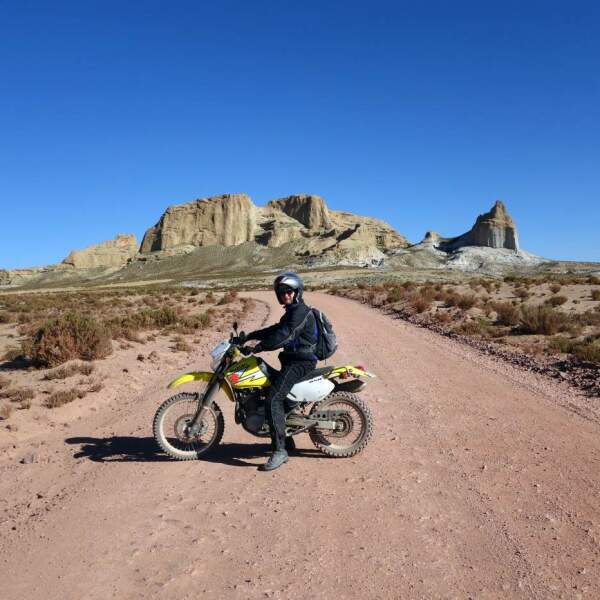
- Rental motorcycle: Suzuki DR650SE including SOAT insurance and fuel
- Museum and other entrance fees, tolls, ferries
- Airport transfers
- Support vehicle with spare parts and a mechanic (from 3 participants)
- Multilingual guide on the motorcycle (5 languages)
- Medically trained tour guide according to IERCC
- Travel security certificate (insolvency protection according to BGB §651r) is mandatory for all OVERCROSS trips.
-
The trip always takes into account the current security situation on-site, so the course may change at short notice.
-
Yes, we are happy to assist in finding suitable flights.
Terms and Conditions of OVERCROSS
Similar Adventures
Send request
How did you
hear about us?