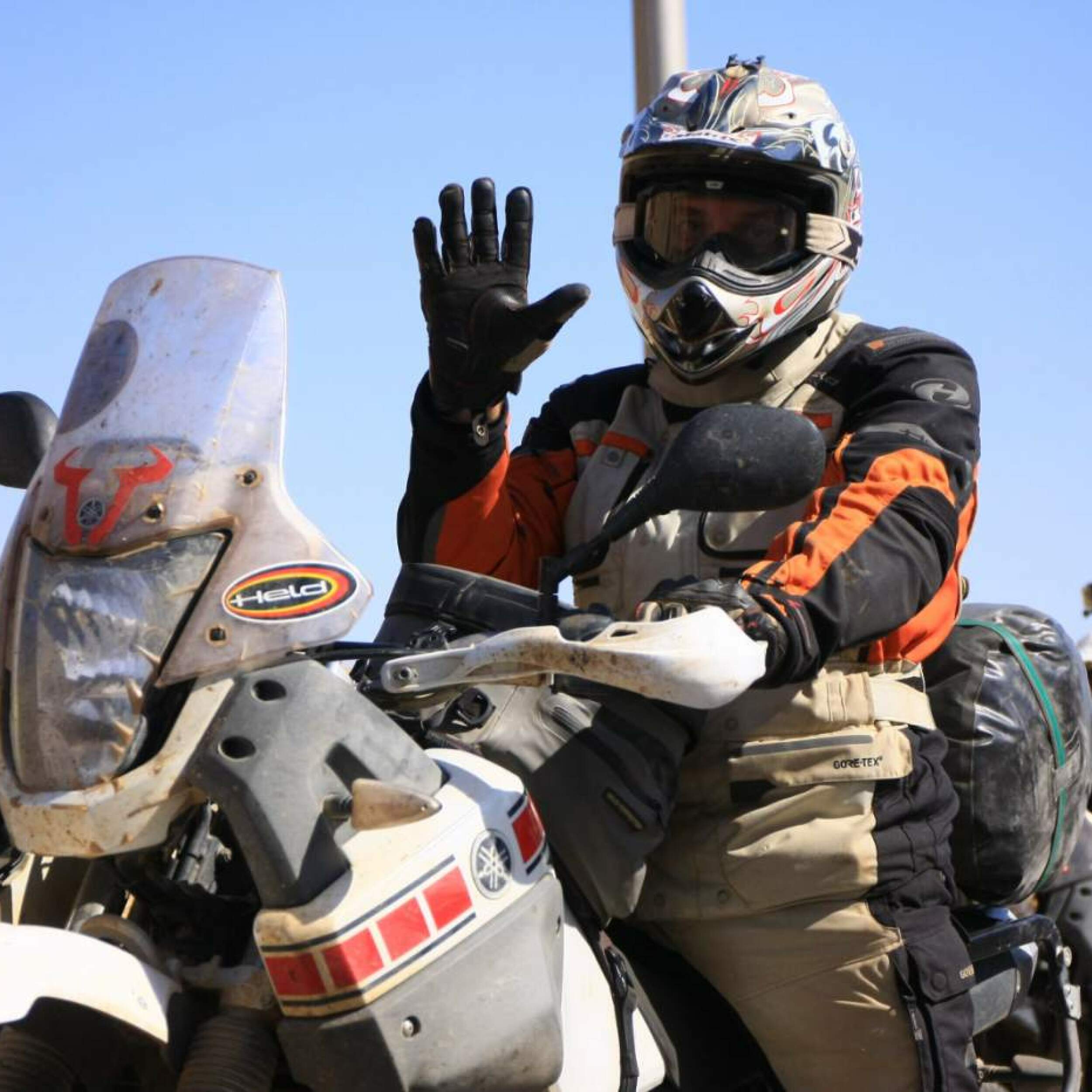
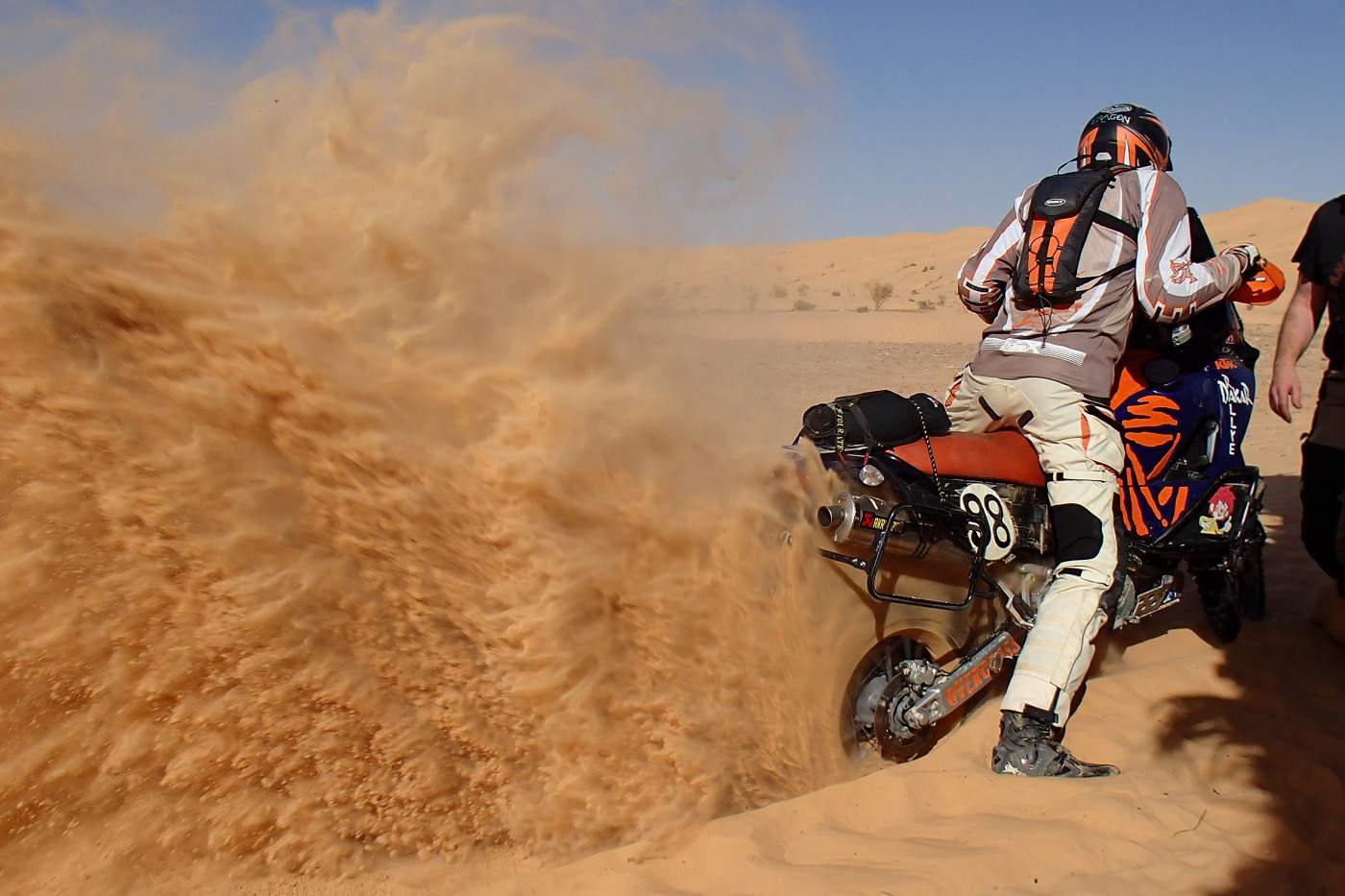
Alone Is Good. Together Is Different.
The romance of the solo trip is real. You decide everything yourself. You stop whenever you want. You're accountable to no one.
But there are moments on journeys when you need someone. The sunrise over the Sahara dunes, when you wish someone else could see it too. The breakdown on the track, where a second vehicle saves lives. The joke you'll still be telling in three years — but only if someone was there who saw the other person's face.
Group adventures for adventurers are not a compromise versus the solo trip. They are their own category.
What Real Like-Minded People on Journeys Mean
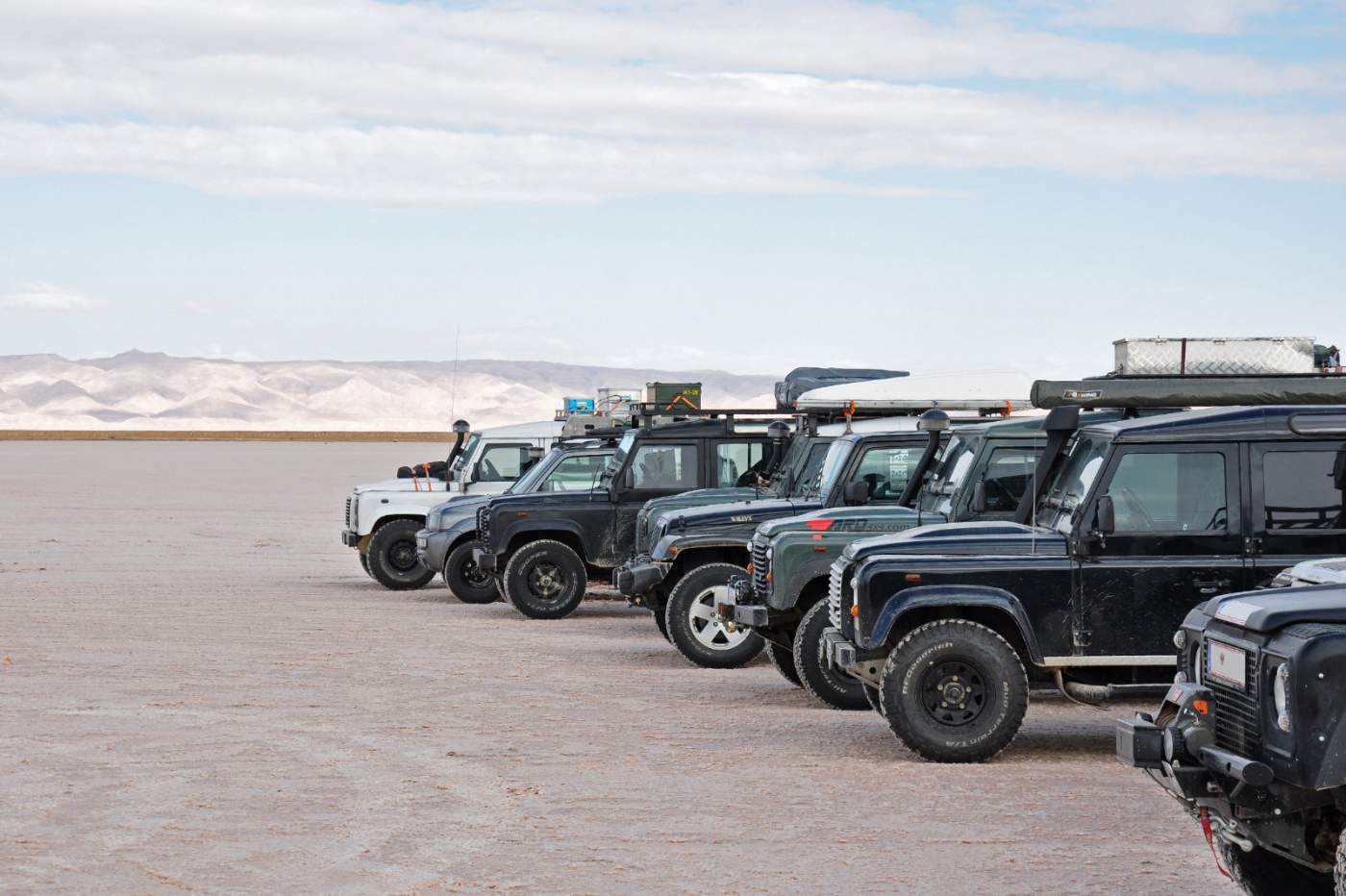
On a normal package tour you travel with people who booked the same flight. On an adventure tour you travel with people who want the same as you: terrain, challenge, the real thing.
That makes a fundamental difference. No explaining why you're getting out of the vehicle on a gravel track in Tunisia again to photograph the sunset. No debating whether the detour across the dune field makes sense. Everyone wants the same thing.
People who travel together under these conditions often become friends. Not always. But frequently. The shared experience creates a connection that forms faster than months of everyday life.
What a Good Guide Delivers — And What Not
A guide is not a tour leader with a flag. He knows the terrain. He knows where the chott is soft and where it holds. He knows the mechanic in the next town. He's driven the route three times already and knows which shortcut turns into a time waster.
What a guide isn't: a guarantee for easy. Good adventure tour guides ensure the challenge is preserved — and that you still come back safely. That's not a contradiction. That's expertise.
Those who drive a Sahara tour by 4x4 for the first time learn more about off-road driving technique in three days than in a year of self-attempts.
Guided Adventure Tour vs. Own Planning: What's Right for Whom
Own planning is right when you already have experience, know the terrain, speak the language at least partially, and logistics overhead isn't a problem. Then the freedom of your own plan is real.
Guided tour is right when you don't want to invest three months in route planning. When you don't know the terrain yet. When you want to ensure that critical moments — border crossing, flat tire, vehicle repair — are handled by someone who's been there before.
Both can complement each other. Many start with guided tours, get to know the region, and later do their own tours there. That's not a contradiction — that's sensible development.

Evenings by the Campfire: The Underrated Part of Every Group Tour
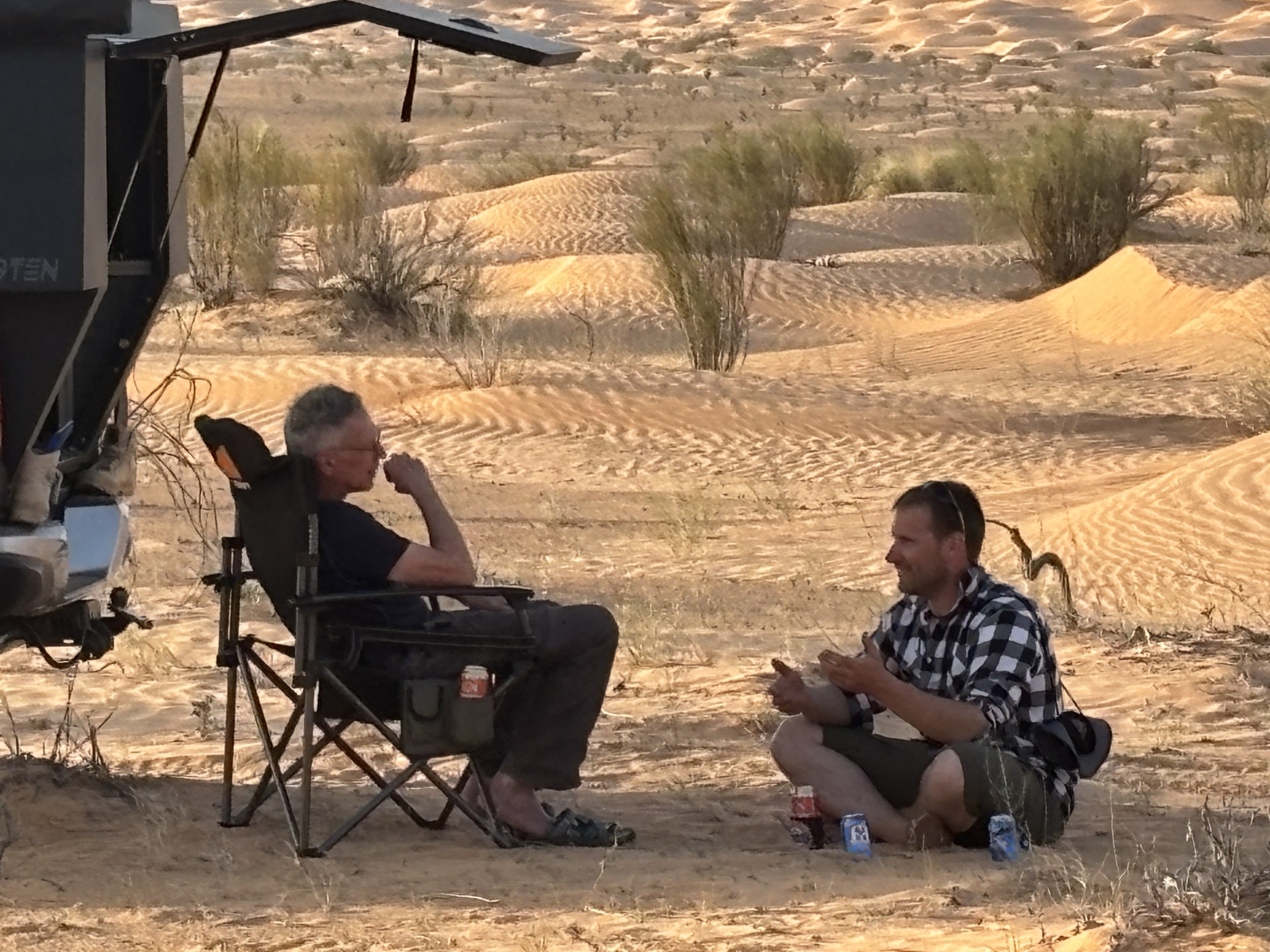
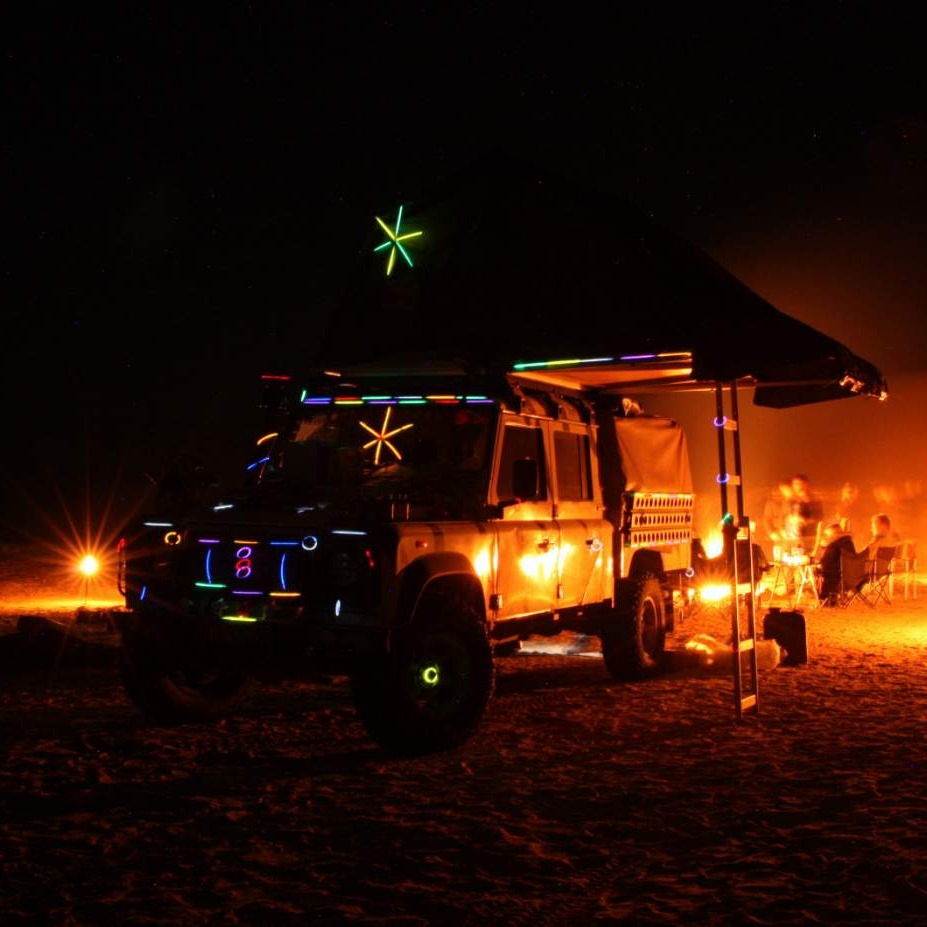
Evening by the fire in the desert. That sounds corny. It's still true.
The day's experiences are retold. The dune someone nailed on the first try. The luggage rack that fell off the roof of the Land Rover. The Berber family that invited you in.
These conversations only happen in groups. Alone you replay the day in your head. In groups you replay it together — and it gets better, funnier, more tangible in the process.
Who Group Tours Suit — And Who They Don't
Group tours suit people who seek the communal. Who want the challenge but not alone. Who are open to other characters, other paces, other priorities.
They don't suit people who absolutely must follow their own rhythm. Who can't compromise on stage length and break times. Who experience group connection as a constraint.
That's not a value judgment. It's an honest distinction. Those who know what they want make the right decision — and then have either a good group tour or a good solo trip.